For over half a century, the open floor plan has remained at the cutting edge of interior architecture, with both new-build and renovation clients choosing to splice together rooms and their functions to bring more harmonious connectivity to their homes. Families, despite busier schedules, were able to cook, talk, study, and relax together, all at the same time.
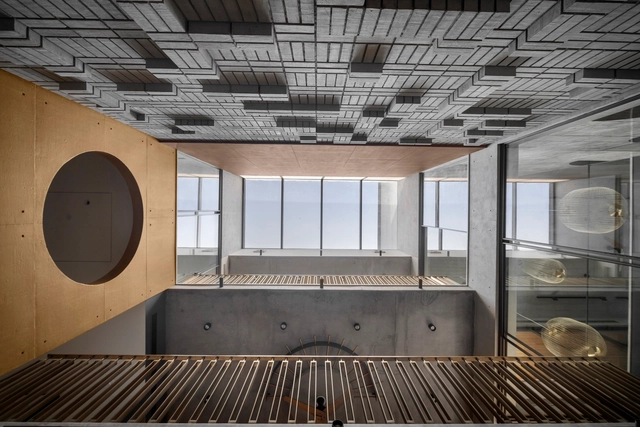
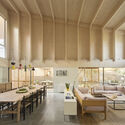
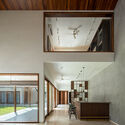
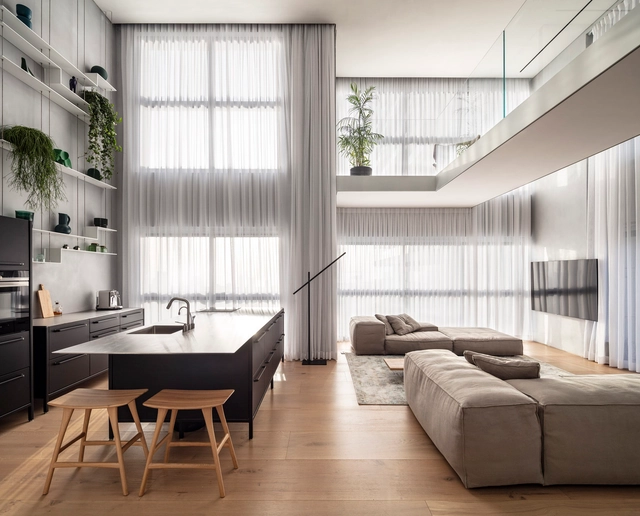
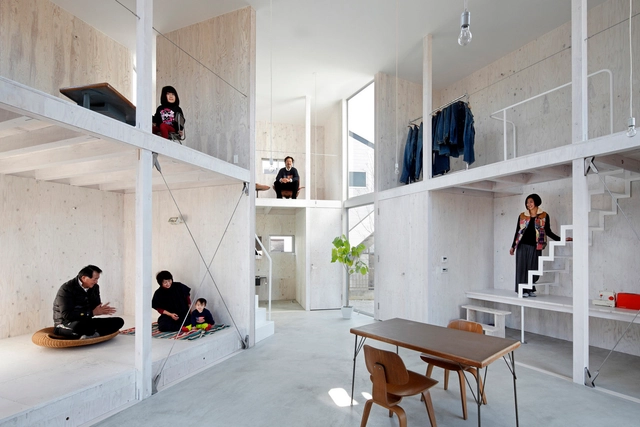
As it can force users to share their space with competing sounds, smells, and ambiances, however, many are turning away from the open plan with new concepts such as the broken plan gaining ground. Another evolutionary route for the open-plan, meanwhile, is to move upwards. In combination with double-, triple-, or even higher-story living spaces, the open-plan is given the space it needs to breathe while staying connected to the rest of the home.
The layout of interior spaces has been in constant evolution since the very first residential project. For many years, functionality dictated how they're are organized, but soon after, cultural, social, and economical changes influenced the way people design their living space, bringing about the spacious and versatile open floor plan. A lot has been written - and critiqued - about the open floor plan: who introduced it, how it was developed, its benefits, and/or lack thereof. During the past couple of decades, open floor plans were perhaps among the most requested interior design concepts, but today, architects are leaning towards the opposite.
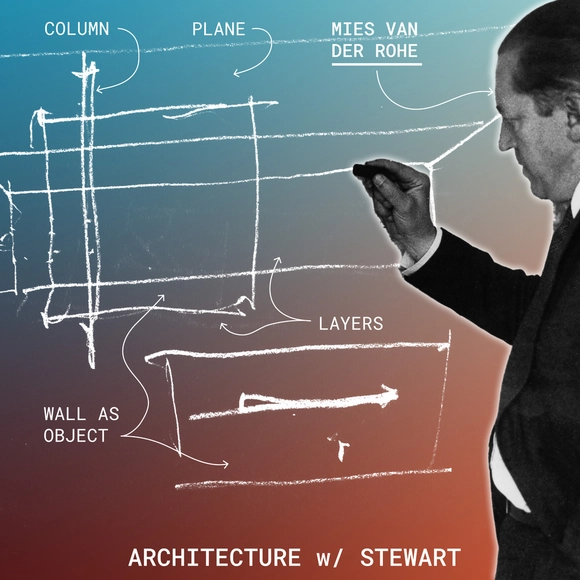
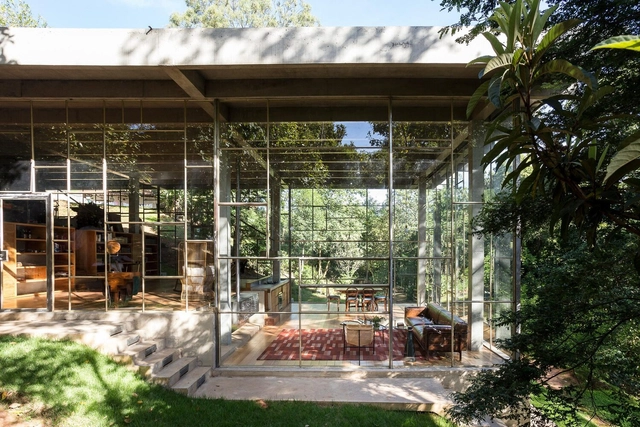
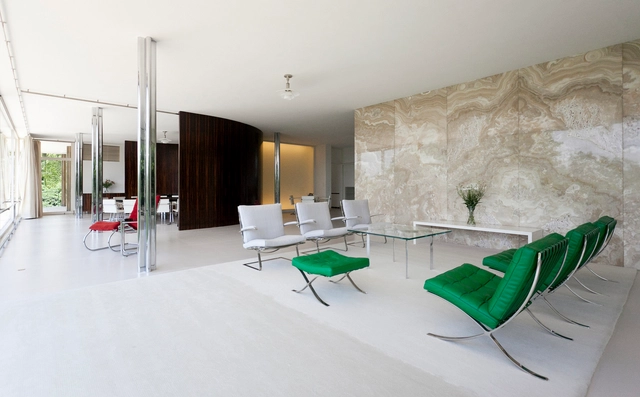
Ever wondered (or forgotten) the difference between open plans and free plans? In this video, architectural designer and professor Stewart Hicks breaks down what makes Open Plans a unique form of ‘open concept.’ It is part of a series that explores terms from real estate using contemporary, historical, and theoretical examples from architecture. In this case, the spatial strategies of Mies van der Rohe are explained, beginning with his early unbuilt houses, through the Barcelona Pavilion, to the Farnsworth House. Each one features a particular, but evolving, use of walls, columns, and roof planes that add up to what we call ‘Open Plans.’ Other videos in the series are dedicated to things like Free or Organic Plans and can help anyone sharpen their understanding of architectural concepts.
In 1926, Le Corbusier developed the five points that would become the foundations for modern architecture. Once materialized in 1929 in the iconic Villa Savoye project, Le Corbusier's principles - pilotis, free design of the ground plan, free design of the facade, horizontal window, and roof garden - have been extensively explored in modern architecture and continue to influence the most diverse contemporary architectural projects to this day.
The five points became a kind of guideline for the New Architecture, as Corbusier used to call it. Even after decades, new technologies, materials, and demands of society have continued to update those architectural solutions, announced almost a century ago as the basis for a new architecture.
Modern architecture, visible in contemporary production, is usually related to the use of guidelines established by Le Corbusier's five points of architecture. Despite being widely known and debated for years, these points continue to be revisited and rethought in projects from various places and contribute to the creation of interesting buildings in various programs.
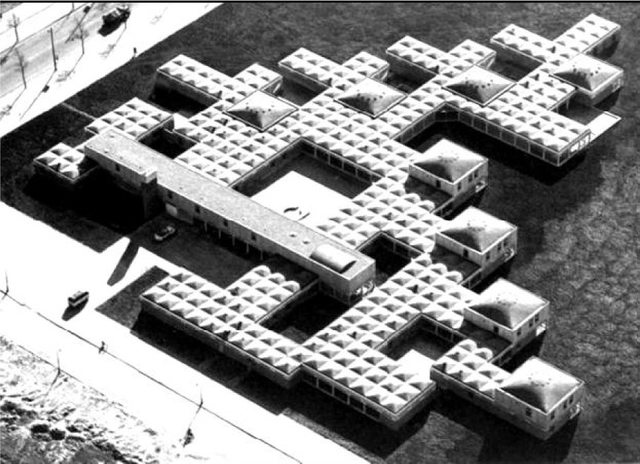
Dutch Architect Aldo van Eyck built the Amsterdam Orphanage in 1960. His design focused on a balance of forces to create both a home and small city on the outskirts of Amsterdam.
Normally, houses are divided into common areas, rooms, kitchens, and bathrooms. However, sometimes the client demands to add other programs related to their work or hobbies, making efficient design and daily spatial distribution more complex. As architects, we are faced with an interesting challenge: to merge the private life of its inhabitants with more public and open programs, generating exciting mixed-use spaces.
If you are interested in designing hybrid homes, we have selected 26 houses with additions including shops, soccer fields, barns, greenhouses, and even skateparks.
Le Corbusier's "Five Points of Architecture" functioned in the twentieth century as the go-to guide for architectural production; it is also a significant work in understanding the legacy of modern architecture. Horizontal windows, free design of the facade, pilotis, roof gardens, and perhaps the most significant point, free design of the ground plan form the Franco-Swiss architect's manifesto. In terms of design practice, this last point means distinguishing structure and wrapper, which allows the free disposal of dividing walls that no longer fulfill a structural function.
Residential projects were once characterized by a clear division of environments linked to domestic dynamics, now filtered by modern discourse, the house became flexible and capable of new spatial articulations.
To better understand the modern domestic space, we gathered some of the most emblematic examples of residences and their floor plans.
Mecanoo has released images of their competition-winning social housing proposal for the city of Kaohsiung, Taiwan. The 234-unit-scheme embodies Mecanoo’s philosophy towards social housing, “defined by flexibility, the right balance of private and communal spaces, mixing housing types, connection with the environment and identity.” Comprised of two buildings linked by a green canopy, the scheme is designed for a variety of users, including students, young families, the elderly, or people with special needs.
At my most recent job, I did all of my best work at home. I would actively try to avoid the office for as long as possible. At home, I had two desks and complete control over my environment. Distractions and breaks were choices.
Once I went into the office, the environment changed. There were constant distractions, from other employees, dogs barking (for the record: puppers were a net positive), impromptu meetings and birthday celebrations. It was very difficult to get into flow states and incredibly easy to be broken from them. Of all the places I could work, my desk at the office was often the worst option.
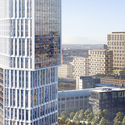
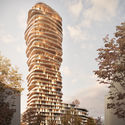
UNStudio, working in collaboration with Werner Sobek, have unveiled their designs for the Wasl Tower, a 300-meter tall skyscraper in Dubai. Centrally located along the main thoroughfare that connects the Emirates north to south, the Wasl Tower sits directly opposite the Burj Khalifa and, once completed, will feature one of the world’s tallest ceramic facades. Inspired by the movement of the city, the 300-meter supertall building takes on a "contrapposto" form, responding to the Sheikh Zayed Road along which it is sited.
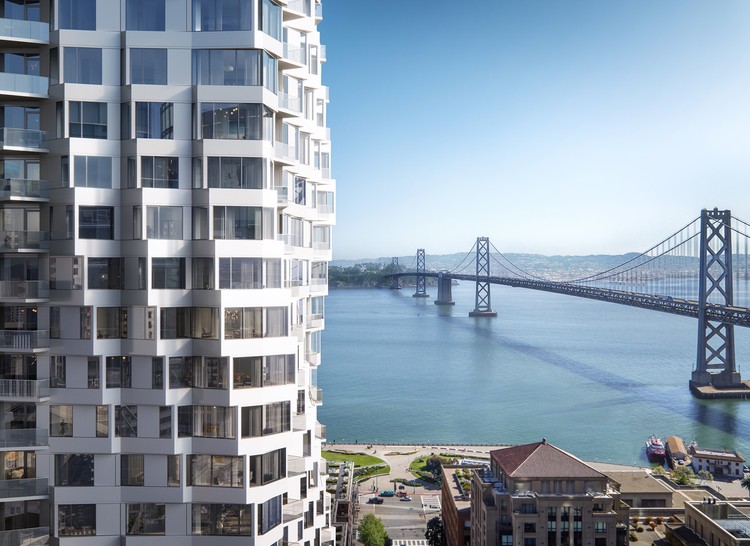
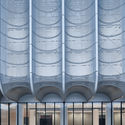
Inspired by the reflection of the waves of Lake Ontario, ‘The Waves at Bayside’ will feature a undulating facade of metal balconies with views out to the water and a podium filled with public program including a rowing club and assortment of restaurants and cafes.
Some love them, some loath them: open-plan office spaces are either conducive to conversation and collaboration or nothing more than noisy environments defined by distractions. Much, for instance, has been questioned recently about the "innovative" open working environments in Apple's new Cupertino campus. In a new series by Vox, overlooked, misrepresented, and overrated phenomena are put under the microscope. By exploring the work of Frank Lloyd Wright, Herman Miller, and others, this episode posits that open office spaces are, contrary to popular assumption, "misunderstood for their role in workplace culture."
Where did open offices and cubicles come from, and are they really what we want?
https://www.archdaily.com/881479/understanding-the-origins-of-the-open-plan-office-spaceAD Editorial Team
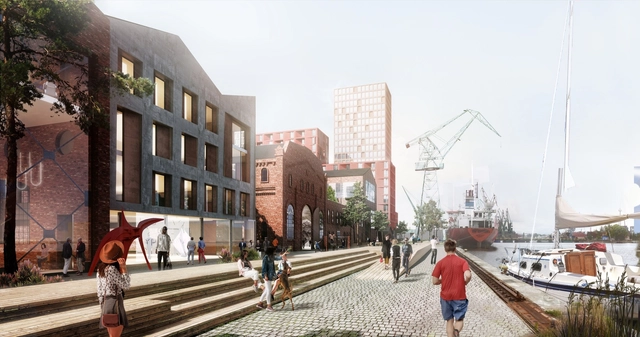
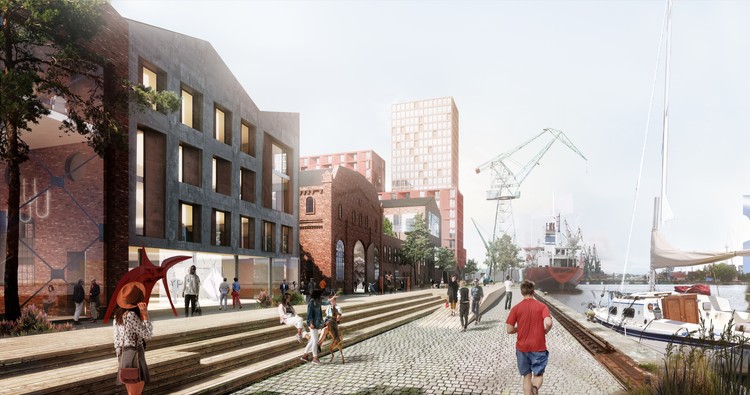
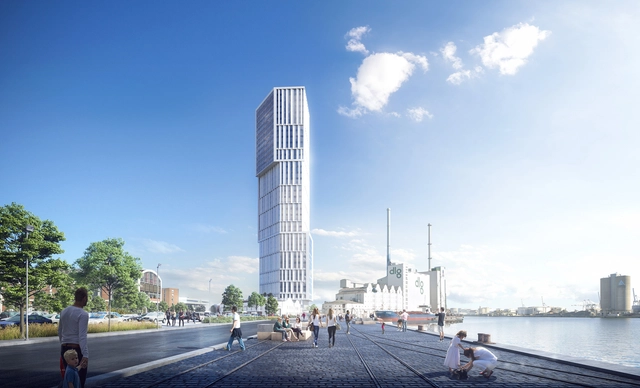
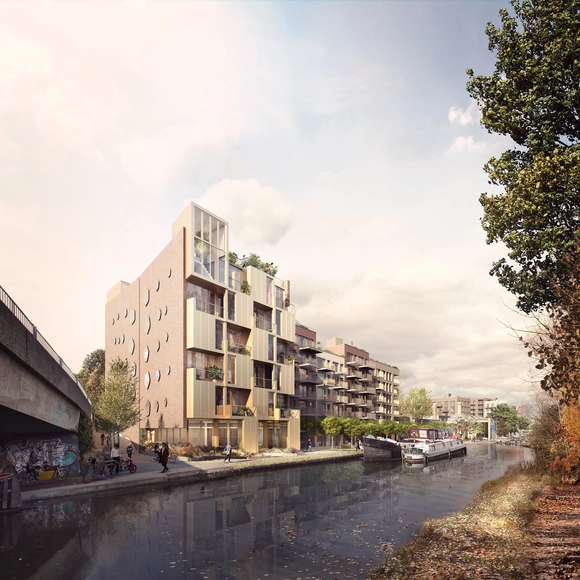
MVRDV and local architects Flint have revealed designs for a new riverfront mixed-use housing complex in Bordeaux, Ilot Queyries, as the project breaks ground. Located on the east bank of Garonne River, the site will house over 300 apartments, retail spaces, a rooftop restaurant, and a communal park in a densely mixed environment. The complex will integrate into the neighboring ZAC Bastide-Niel masterplan by MVRDV to create a lively urban neighborhood aimed at “combining the virtues of the historic city–intimacy, surprise and liveliness– with the density, ecology, light and comfort of the modern city.”
Eleven of the United States’ most prestigious architects have been selected by developers Hoffman-Madison Waterfront (HMW), to commence Phase 2 of The Wharf, a $2 billion neighborhood situated on the southwest waterfront of Washington D.C. The development is adjacent to the National Mall, spanning 24 acres of land and 50 acres of water.
“We have selected a diverse group of locally, nationally, and internationally renowned designers, knowing they will bring their talent and expertise to The Wharf, building a waterfront neighborhood that is an integral part of the city,” said Shawn Seaman, principal and Senior VP of Development at PN Hoffman.
https://www.archdaily.com/804824/eleven-practices-to-complete-2-dollars-billion-waterfront-development-in-washington-dcOsman Bari