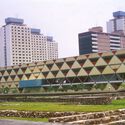
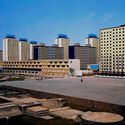
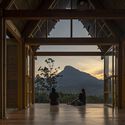
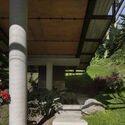
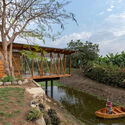
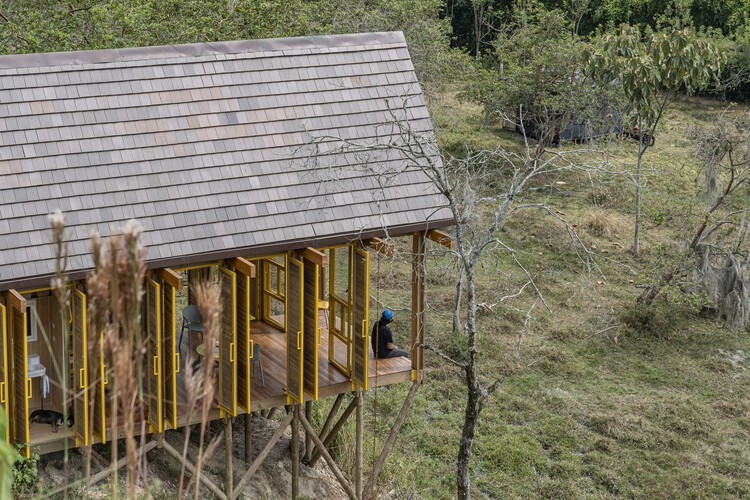
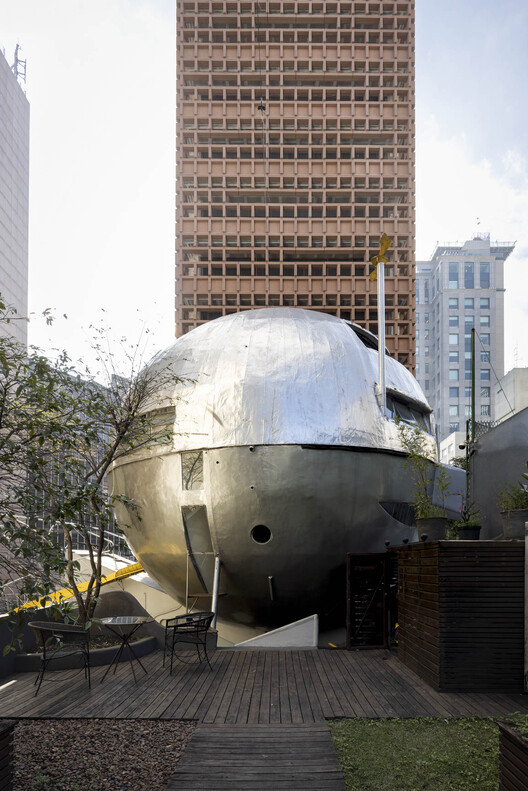
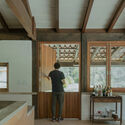
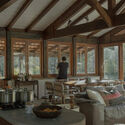
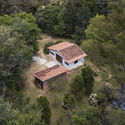
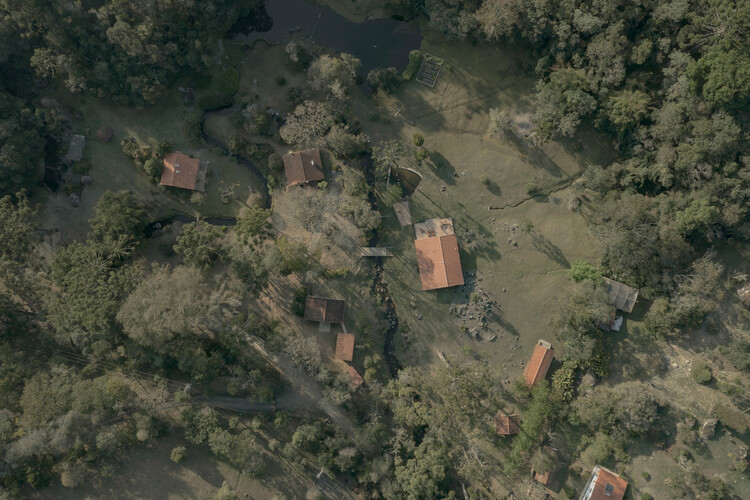
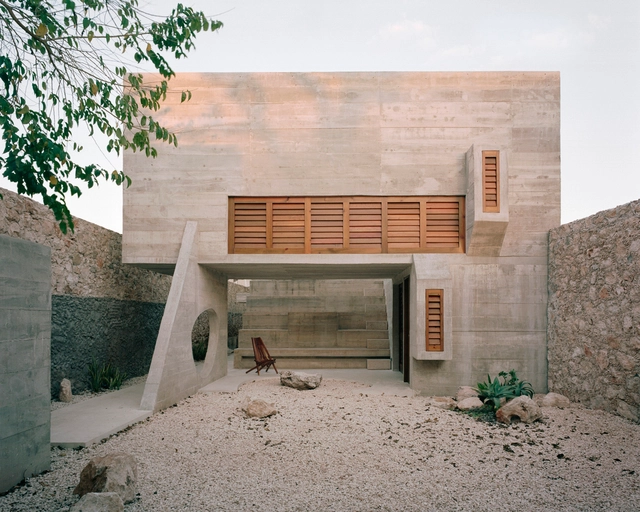
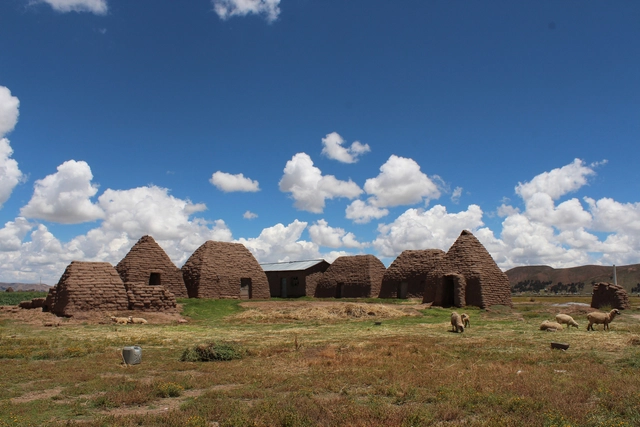
The municipality of Cunha, located in the state of São Paulo, Brazil, is a region known for its inland landscape, hilly terrain, and, especially, a major production of nationally renowned ceramics. It is within this context that the office messina | rivas has been working since 2017, with a set of projects located on a farm. Their work, which integrates design and construction in an indissociable manner, results in interventions that reveal a sensitive approach to pre-existing conditions and their surrounding environment.
The relationship between the office, led by architects Francisco Rivas and Rodrigo Messina, and the site began with a small renovation of a guest house for hosting friends. The project resulted in the transformation of two existing bedrooms into suites and the creation of an external kitchen. Since then, growing demands and the need to adapt existing buildings have driven the design of other projects distributed across the same site.
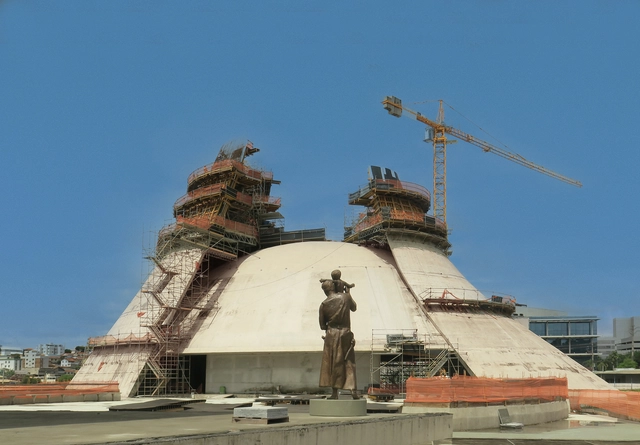
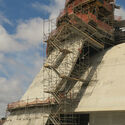
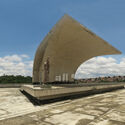
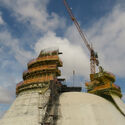
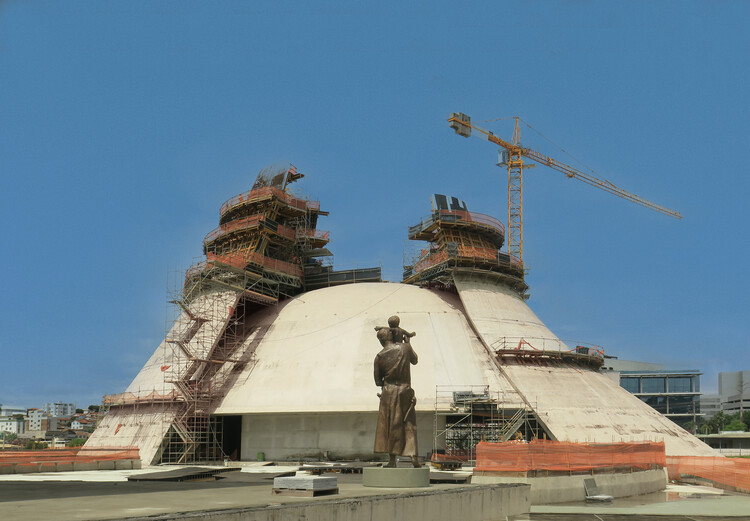
The Cristo Rei Cathedral is Oscar Niemeyer's design for the cathedral of Belo Horizonte, the capital of the state of Minas Gerais in southeastern Brazil. Conceived between 2005 and 2006, it is one of the late architect's final projects in the country. The design features a domed structure approximately 60 meters in diameter, suspended by two towering elements rising 100 meters high. Niemeyer referred to the project as a "square," consisting of a cathedral with a capacity for 3,000 people and an external altar designed to accommodate up to 20,000 worshippers for mass and public events. Construction began in 2013 and is still ongoing. Earlier this year, photographer Paul Clemence visited the site, documenting the building process and capturing the emergence of Niemeyer's signature curves.
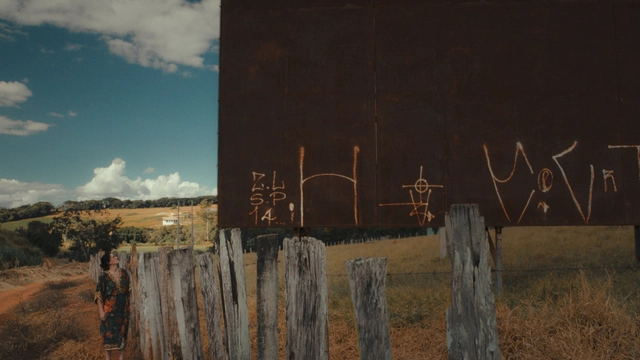
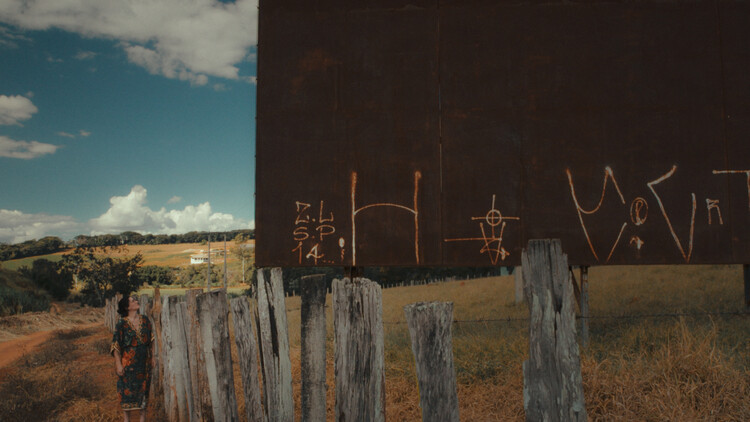
The Canadian Centre for Architecture (CCA) launched a documentary and exhibition, "With an Acre", the third and final chapter of the series Groundwork, which explores how contemporary architects cultivate alternative modes of practice to address the ecological crisis. The documentary follows the work of architect Carla Juaçaba in Minas Gerais, Brazil, where she is developing pavilions in a coffee field where collectives resist extractive industrial agriculture. The narrative examines the role of architects in extractivist contexts facing land regeneration challenges and unstable climatic conditions, as well as the tools smallholder farmers can use to cope with the environmental and social consequences of colonial settlement, urbanization, and industrialization.
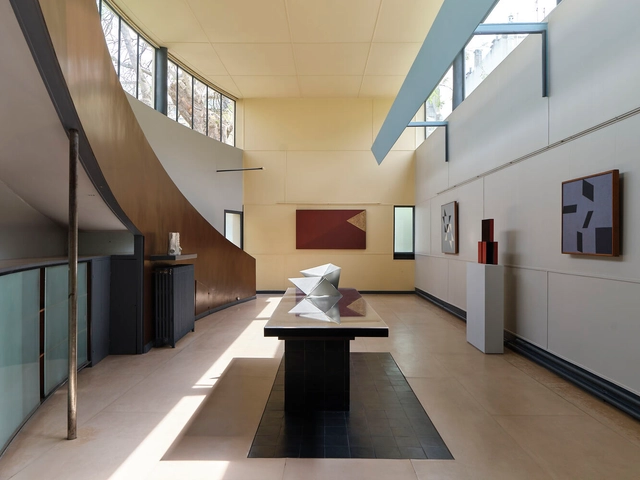
Founded in 2022 by art advisor Filipe Assis, ABERTO is an exhibition platform celebrating the convergence of art, design, and architecture in Brazil and beyond. Staging exhibitions in private and public modernist spaces, its past editions have highlighted the global connections forged by Brazilians from the 20th century onwards. Following three exhibitions in São Paulo, "ABERTO 4 – Brazil After Le Corbusier" marks its first international edition, taking place at Le Corbusier's Maison La Roche in Paris, from 14 May to 8 June 2025. The exhibition presents around 35 design and art pieces by Brazilian artists, spotlighting Le Corbusier's seminal connection to Brazilian modernist architecture and exploring his influence on contemporary Brazilian creatives. Previous editions of ABERTO have featured over 100 artists from Brazil and abroad in houses designed by Oscar Niemeyer (2022), Vilanova Artigas (2023), and Ruy Ohtake and Chu Ming Silveira (2024).
Image by Wilfredo Rafael Rodriguez Hernandez, CC0, via Wikimedia Commons.
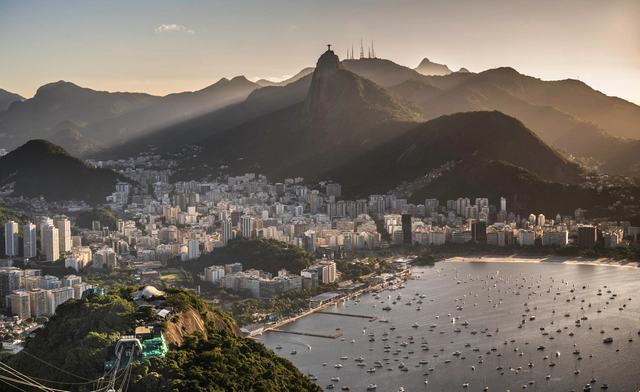
A radiant Rio de Janeiro, bathed in sunlight and carried by the ocean breeze. The beach is full of life—children run across the sand, families enjoy their time together, and laughter drifts through the air. This vibrant postcard from the 1970s, depicting a Cidade Maravilhosa exuding freedom and vitality, sets the stage for "I'm Still Here," a Brazilian film that film which recently won the Oscar for Best International Feature, marking a first for Brazilian cinematography. Further recognizing its merits, the film also received Oscar nominations for Best Actress and Best Picture. The film's setting provides a rich backdrop for exploring the urban landscape of Rio during a pivotal period in its history. As the story unfolds, this bright and open setting gives way to the architectural and urban impacts of the fear and uncertainty of the military dictatorship that ruled Brazil for over two decades.
From the 1930s to the 1990s, Burle Marx's work anticipated many of today's concerns about sustainability and urban well-being. Long before terms like "sustainable design" or "green infrastructure" became commonplace, Burle Marx was already advocating for the use of native plants, recognizing their role in creating self-sustaining ecosystems that required minimal intervention. His projects often transformed neglected urban areas into vibrant, ecologically balanced spaces that not only improved the environment but also enhanced the quality of life for city dwellers.
Latin American architecture is rich and diverse. This is reflected in the various stones used across different regions over the centuries. These materials highlight the varied geology of Latin America and illustrate how local cultures have adapted their construction methods to natural conditions, resulting in unique and meaningful architecture. In contemporary architecture, stone aligns with sustainability principles due to its durability, low carbon footprint, and local availability. Additionally, stone's aesthetic appeal enhances the creation of timeless spaces that strengthen the connection with nature and the surrounding landscape.
According to the United Nations, indigenous people are "place-based" ethnic cultures that have not migrated from their initial homeland. In today's world, with human-caused climate change driving extreme weather events and a growing demand for authenticity and cultural diversity, architects are increasingly turning to indigenous knowledge systems not only as sources of inspiration but as viable solutions to adapt and respond to local and global challenges. As traditional custodians of the land, Indigenous communities possess a profound understanding of their ecosystems, locally available materials, cultural norms, and social constraints. This knowledge holds insights valuable for shaping contemporary architecture, helping it adapt to both the people and their environments.
Vernacular and indigenous practices are emerging as a foundation for architectural reimagining, informing spatial lays, the choice of materials, and building techniques while also allowing for the integration of innovation and contemporary expression. This careful blend of tradition and modernity can have a significant impact in terms of sustainability, as architects who adopt the indigenous approach to harnessing available resources can not only create structures rooted in their context but also minimize the ecological impact of the construction. Additionally, collaborating directly with Indigenous communities leads to projects that prioritize community participation, cultural sensitivity, and sustainable development.
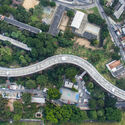
The early 20th century marked a pivotal era in Brazilian architecture with the advent of the modernist movement. Architects like Oscar Niemeyer or Lúcio Costa introduced avant-garde designs characterized by sleek lines, reinforced concrete, and a focus on functionality. What's more: residential projects of the era, in particular, blurred the lines between indoor and outdoor, flawlessly merging interior and exterior spaces to reflect a lifestyle that harmonizes with nature. Fast forward to the present day, and contemporary architects and designers in Brazil continue to embrace the challenge of creating indoor-outdoor homes that nod to the country's tropical climate. These residences often feature open floor plans, expansive glass walls, and strategic positioning of courtyards, gardens, or terraces with a design philosophy that emphasizes natural light, ventilation, and the incorporation of greenery for increased well-being. We take a detailed look at four recently completed residential projects in Brazil that fuse contemporary architecture, sustainable living, and a deep appreciation for their natural surroundings.
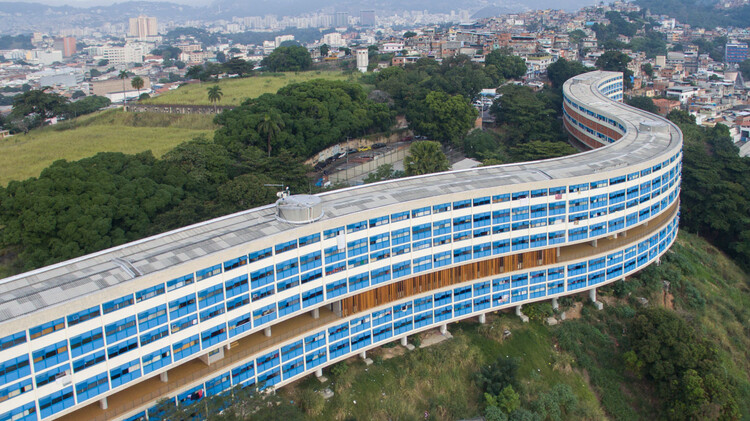
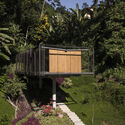
The concept of "eyes on the street" is perhaps the most famous within architectural and urban literature when it comes to urban security. Jane Jacobs uses this expression to refer to people who - consciously or unconsciously - use public spaces or observe them from their homes, generating natural surveillance. A movement that, within our discipline, is encouraged both through quality public spaces and through the powerful relationship between the public and private created through building facades. Advocating for this daily control, Jacobs believes in a way of making architecture and cities that condemns excessive verticalization, reinforced by isolated buildings and single-use ones that deny contact with the street
Exhibition Center of the Administrative Center of Bahia / João Filgueiras Lima (Lelé). Image: Gabriel Fernandes from São Paulo, Brasil, CC BY-SA 2.0 , via Wikimedia Commons
Tie rods are integral in structural engineering, primarily for transmitting traffic loads and alleviating compression forces within a structure. These slender components, resembling cables or metal bars, offer seamless integration into a space, lending themselves to visually appealing designs through repetition. They have applications ranging from furniture design to large-scale urban infrastructure projects, including suspension and cable-stayed bridges.
More and more, the field of architecture is shifting its focus towards revitalizing existing spaces. This shift is motivated by various factors, including concerns about sustainability, cost constraints, and the scarcity of available land in rapidly expanding urban areas. It presents an opportunity not only to renovate buildings but also to engage with the layers of time. This intricate task involves fostering a dialogue between contemporary and historical materials, acknowledging traditional construction techniques, and even uncovering hidden aspects of history and geography within the built environment to create truly unique architectural experiences.
https://www.archdaily.com/1007028/architecture-with-history-7-brazilian-houses-that-respect-the-layers-of-timeArchDaily Team
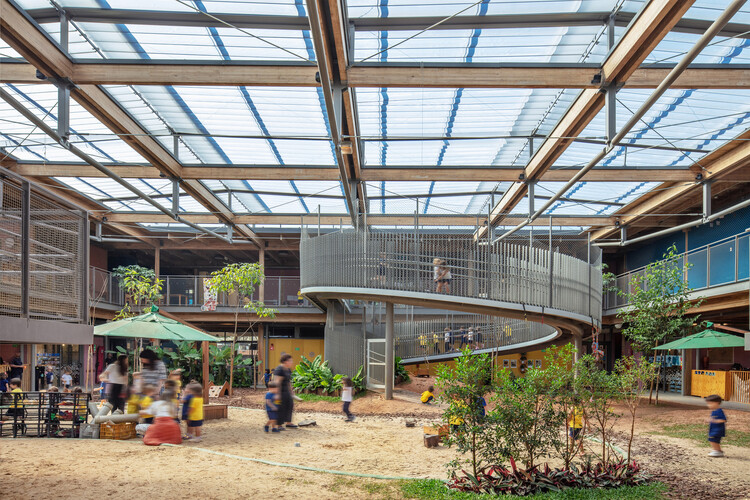
The use of translucent materials in Brazilian architecture has been a growing trend in recent years. Translucent laminated glass, polycarbonate and acrylic are just a few of them. They have different advantages and disadvantages regarding cost, impact resistance, and thermal and acoustic insulation. What outlines the common benefit between them is the constant dialogue they provide between interior and exterior.
According to a survey by the Brazilian Association for Recycling of Construction and Demolition Waste (ABRECON), there has been an increase in the recycling of construction and demolition waste (C&D) in Brazil in recent years. According to the 2015 report, 21% of the total C&D was recycled in the country that year, while in 2013 the rate was 19%.
The outlook is promising but not yet ideal, and the growth of recycled C&D materials is still considered small. In Brazil, construction waste can represent between 50% and 70% of the total municipal solid waste. This means, we still need to advocate for a more common practice of material recycling and reuse in architecture, especially in Brazil.
June is the month in which the day of Japanese immigration is celebrated in Brazil, a country that has the largest Japanese colony outside Japan, with more than 2 million people, Japanese or descendants. Since the 20th century, Japanese families immigrated to Brazilian rural regions, forming a solid colony in the interior of states like São Paulo, influencing many aspects of the local culture.
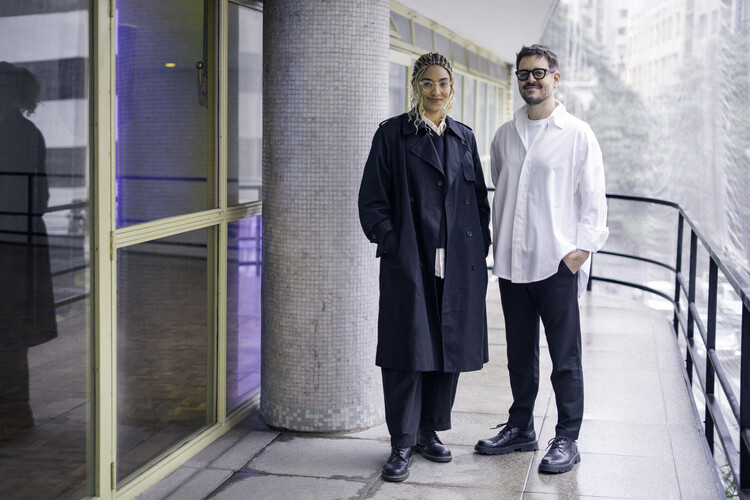
Founded in 1997, the São Paulo architecture firm Andrade Morettin Arquitetos Associados began with a partnership between Vinicius Andrade and Marcelo Morettin, which later included the architects Marcelo Maia Rosa and Renata Andrulis. Today, the office has more than two decades of history and a wide range of activities.
"I'm interested in creating shapes that surprise people, that are bold," Ruy Ohtake used to say. With a career of over six decades and around 420 works built – almost three hundred only in São Paulo – Ohtake leaves a prolific and inspiring legacy to Brazilian architecture.
Besides São Paulo, his projects are spread over places as far away as Brasília, Mato Grosso do Sul and Rio de Janeiro, states where he designed and built residences, transport equipment, headquarters of cultural institutions, hotels, banks, sports arenas and corporate towers. In many of these, it is possible to recognize the architect's resistance to leaning towards the straight line, one that offers no surprises, and the desire to thrill with its shapes and colors.