1. ArchDaily
  2. Village

Village: The Latest Architecture and News

From Iran to Argentina: 9 Unbuilt Contemporary Residences Exploring Form, Context, and Identity

Subscriber Access | 

Across geographies and generations, architects are rethinking the idea of home, balancing personal expression, contextual sensitivity, and material clarity. These contemporary residential proposals, submitted by the ArchDaily community, reveal how the house continues to evolve as both an architectural statement and an intimate landscape for living. From the sculptural and futuristic to the grounded and vernacular, they explore how built form balances between identity, environment, and lifestyle in an increasingly complex world.

From Iran to Argentina: 9 Unbuilt Contemporary Residences Exploring Form, Context, and Identity - 7 的图像 4From Iran to Argentina: 9 Unbuilt Contemporary Residences Exploring Form, Context, and Identity - 15 的图像 4From Iran to Argentina: 9 Unbuilt Contemporary Residences Exploring Form, Context, and Identity - 28 的图像 4From Iran to Argentina: 9 Unbuilt Contemporary Residences Exploring Form, Context, and Identity - 38 的图像 4From Iran to Argentina: 9 Unbuilt Contemporary Residences Exploring Form, Context, and Identity - More Images+ 47

From Acapulco to Copenhagen: 8 Projects Exhibited at the Venice Biennale 2025 Reclaiming Existing Architecture for Regenerative Cities

This curated selection of projects from the 2025 Venice Architecture Biennale explores regeneration as a deliberate, intelligent process rooted in the specific conditions of a place. For decades, the Biennale has been a testing ground for architecture's most urgent ideas, allowing designers, researchers, and institutions to present visions that address evolving environmental, cultural, and social challenges. This year's projects reveal how regeneration, whether of an entire coastal city, a disused industrial site, or a neglected public space, requires more than replacing the old with the new. It calls for a precise reading of existing contexts, the preservation of embedded knowledge, and the careful integration of contemporary needs.

The eight selected works show that regeneration can emerge from multiple starting points: reactivating heritage through adaptive reuse, restoring ecological systems as part of urban planning, developing open and modular strategies for social housing renewal, or layering technological innovation onto historically rooted practices. While the scale of intervention varies, each project demonstrates a sensitivity to what is already there and existing, be it material resources, urban patterns, or cultural memory, and a willingness to work with these assets as catalysts for transformation. Together, they suggest that regeneration must start somewhere, and that its success lies in balancing innovation with the intelligence of what already exists.

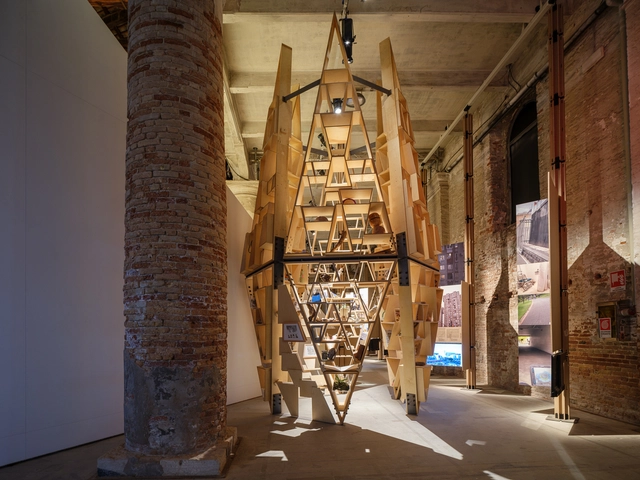
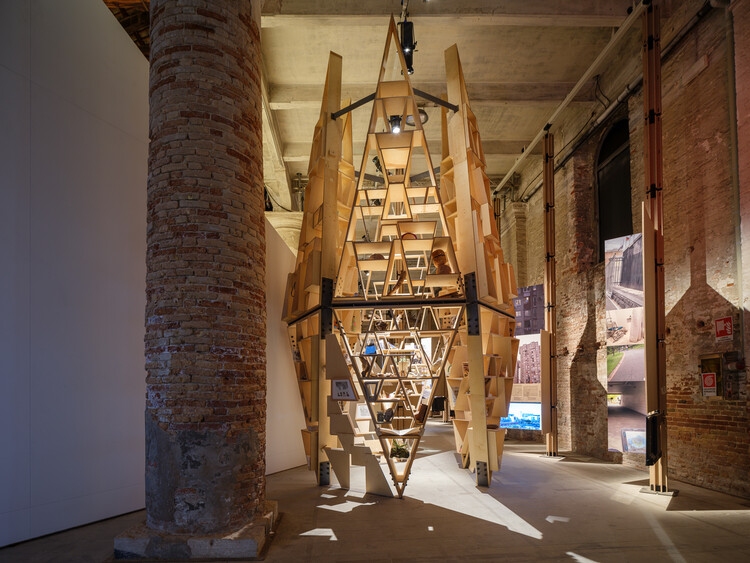
From Acapulco to Copenhagen: 8 Projects Exhibited at the Venice Biennale 2025 Reclaiming Existing Architecture for Regenerative Cities - Image 1 of 4From Acapulco to Copenhagen: 8 Projects Exhibited at the Venice Biennale 2025 Reclaiming Existing Architecture for Regenerative Cities - Image 2 of 4From Acapulco to Copenhagen: 8 Projects Exhibited at the Venice Biennale 2025 Reclaiming Existing Architecture for Regenerative Cities - Image 3 of 4From Acapulco to Copenhagen: 8 Projects Exhibited at the Venice Biennale 2025 Reclaiming Existing Architecture for Regenerative Cities - Image 4 of 4From Acapulco to Copenhagen: 8 Projects Exhibited at the Venice Biennale 2025 Reclaiming Existing Architecture for Regenerative Cities - More Images+ 16

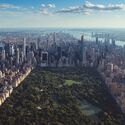
Revealing Seneca Village, the Black Community Displaced by Central Park

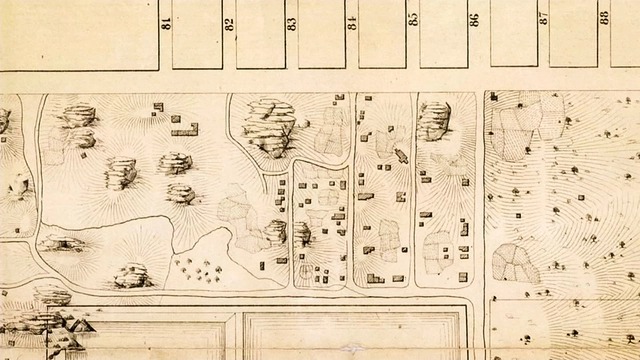
“Seneca Village was an important community. It was 40 acres, two-thirds African American, and had a church and school,” explained Sara Zewde, ASLA, founder of Studio Zewde and assistant professor at the Harvard Graduate School of Design, during a session at the ASLA 2022 Conference on Landscape Architecture in San Francisco.

The 225 residents of Seneca Village were displaced by the New York City government in the mid 1800s to make way for Central Park, which is considered one of the masterpieces of landscape architect Frederick Law Olmsted and architect Calvert Vaux.

Revealing Seneca Village, the Black Community Displaced by Central Park - Image 1 of 4Revealing Seneca Village, the Black Community Displaced by Central Park - Image 2 of 4Revealing Seneca Village, the Black Community Displaced by Central Park - Image 3 of 4Revealing Seneca Village, the Black Community Displaced by Central Park - Image 4 of 4Revealing Seneca Village, the Black Community Displaced by Central Park - More Images+ 2

In Times of Need: Architects Stepping Up in Humanitarian Crisis

Subscriber Access | 

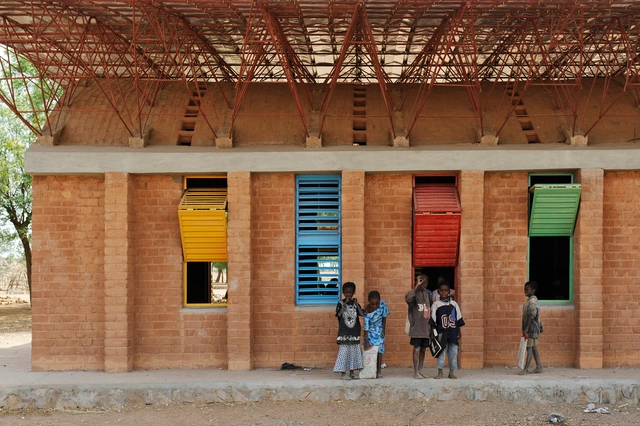
Hard times bring people together. In recent years we have seen how collective work can be a driving force to help those affected by natural or man-made disasters. After a disaster or displacement, a safe physical environment is often essential. Therefore, the need for coordination becomes a key factor in assisting people in times of need.

Architects, as "Shelter Specialists", play an important role in creating safe and adequate environments, whether it is individual housing, public buildings, schools, or emergency tent camps. But as architect Diébédo Francis Kéré says, "When you have nothing and you want to convince your community to believe in an idea, it may happen that everybody starts working with you, but you need to keep fighting to convince them."

In Times of Need: Architects Stepping Up in Humanitarian Crisis - Image 1 of 4In Times of Need: Architects Stepping Up in Humanitarian Crisis - Image 2 of 4In Times of Need: Architects Stepping Up in Humanitarian Crisis - Image 3 of 4In Times of Need: Architects Stepping Up in Humanitarian Crisis - Image 4 of 4In Times of Need: Architects Stepping Up in Humanitarian Crisis - More Images+ 25

The Veranda: A Disappearing Threshold Space in India

Subscriber Access | 

An ancient Indian folktale narrates the story of a demigod, Hiranyakashipu, who was granted a boon of indestructibility. He wished for his death to never be brought about by any weapon, human or animal, not at day or night, and neither inside nor outside his residence. To cease his wrathful ways, Lord Vishnu took the form of a half-human-half-animal to slay the demigod at twilight at the threshold of his house.

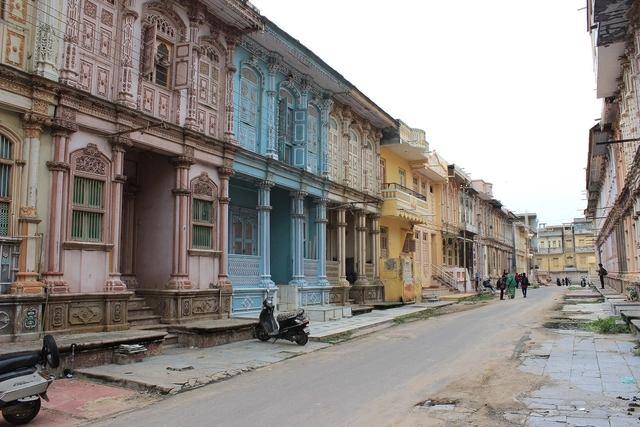
Threshold architectural spaces have always held deep cultural meaning to the people of India. In-between spaces are found in the midst of daily activities as courtyards, stairways, and verandas. The entrance to the house is revered by Indians of all social backgrounds. Throughout the country’s varied landscape, transitional entry spaces are flanked by distinctive front verandas that merge the street with the house.

The Veranda: A Disappearing Threshold Space in India  - Image 1 of 4The Veranda: A Disappearing Threshold Space in India  - Image 2 of 4The Veranda: A Disappearing Threshold Space in India  - Image 3 of 4The Veranda: A Disappearing Threshold Space in India  - Image 4 of 4The Veranda: A Disappearing Threshold Space in India  - More Images+ 1

Valentino Gareri Atelier Designs Prototype for Circular Economy Village In Australia

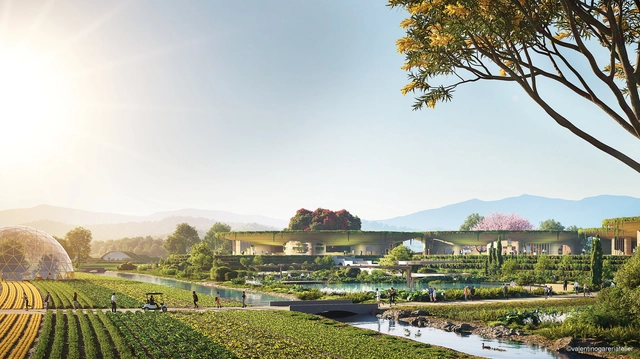
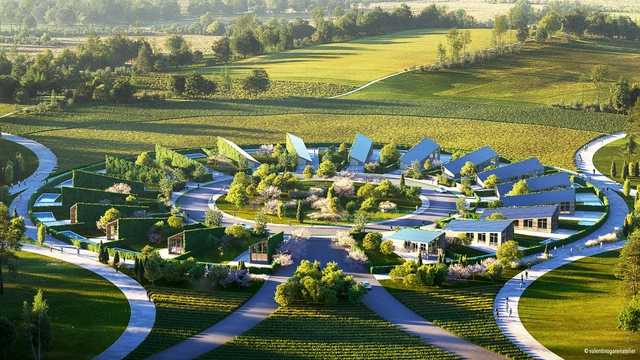
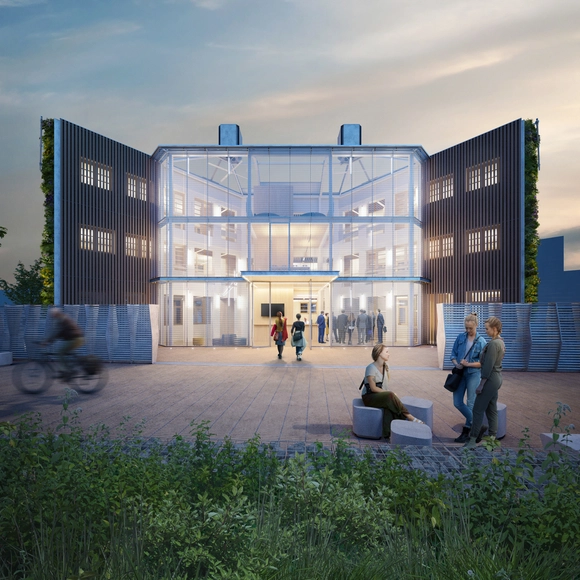
Valentino Gareri Atelier has been selected to design the pilot project for a circular economy village model that aims to redefine urban sprawl through sustainability and diverse programming. Comprising eight residential hamlets with co-working and entertainment spaces, The Spiral Village will be created using emerging 3D printing methods and will foster circularity through a waste-to-resources hub, a diverse regenerative agricultural system, a sustainable water management system and renewable energy.
Valentino Gareri Atelier Designs Prototype for Circular Economy Village In Australia - Image 1 of 4Valentino Gareri Atelier Designs Prototype for Circular Economy Village In Australia - Image 2 of 4Valentino Gareri Atelier Designs Prototype for Circular Economy Village In Australia - Image 3 of 4Valentino Gareri Atelier Designs Prototype for Circular Economy Village In Australia - Image 4 of 4Valentino Gareri Atelier Designs Prototype for Circular Economy Village In Australia - More Images+ 3

SOM to Design Convertible Self-Sufficient Milan-Cortina Olympic Village

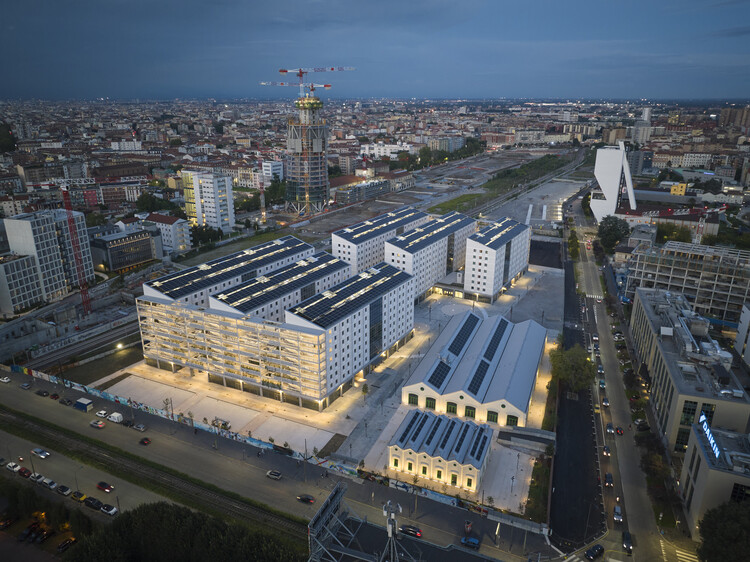
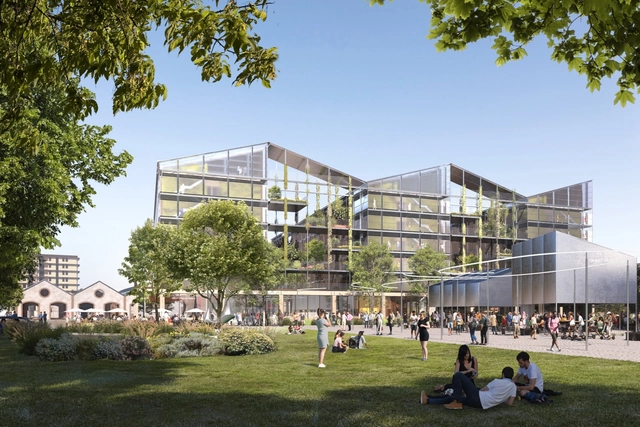
Skidmore, Owings & Merrill was selected to design the Olympic Village for the 2026 Milan-Cortina Olympics following an international competition of 71 architecture studios from nine different countries. The project is part of the updated Porta Romana Railway Yard Master Plan, and will create a new center of activity in Porta Romana with minimal environmental impact. The self-sufficient project will feature residential, commercial, and public spaces, that change configurations based on the Olympics event.

SOM to Design Convertible Self-Sufficient Milan-Cortina Olympic Village - Image 1 of 4SOM to Design Convertible Self-Sufficient Milan-Cortina Olympic Village - Image 2 of 4SOM to Design Convertible Self-Sufficient Milan-Cortina Olympic Village - Image 3 of 4SOM to Design Convertible Self-Sufficient Milan-Cortina Olympic Village - Image 4 of 4SOM to Design Convertible Self-Sufficient Milan-Cortina Olympic Village - More Images

Valentino Gareri Atelier Proposes a New Model of 3D Printed Residential Village

Valentino Gareri Atelier have joined forces with technology and wellness consultant Steve Lastro of 6Sides and global wellness real estate innovators Delos to create Sunflower Village, a humanistic and sociological approach to residential technology & community living. The proposed residential village includes 19 homes arranged in a sunflower composition that 'follows the sun'.
Valentino Gareri Atelier Proposes a New Model of 3D Printed Residential Village - Image 1 of 4Valentino Gareri Atelier Proposes a New Model of 3D Printed Residential Village - Image 2 of 4Valentino Gareri Atelier Proposes a New Model of 3D Printed Residential Village - Image 3 of 4Valentino Gareri Atelier Proposes a New Model of 3D Printed Residential Village - Image 4 of 4Valentino Gareri Atelier Proposes a New Model of 3D Printed Residential Village - More Images+ 4

Warka Water and Arturo Vittori Create Integrated Village for the Rainforest Community in Cameroon

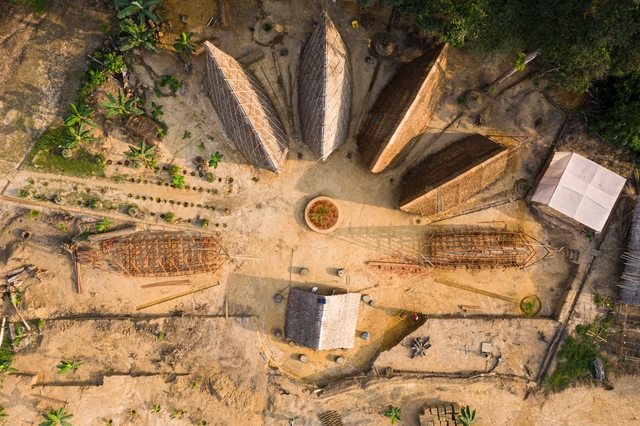
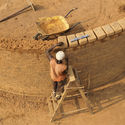
Under construction in the tropical rainforest of Cameroon, Warka Village is an integrated space for the Pygmy community, an isolated society located in the Mvoumagomi area. Constructed using only natural materials and ancient local construction techniques, the project, created by Warka Water and Italian architect Arturo Vittori, is currently operational, and expected to be completed in 2022.

Warka Water and Arturo Vittori Create Integrated Village for the Rainforest Community in Cameroon - Image 1 of 4Warka Water and Arturo Vittori Create Integrated Village for the Rainforest Community in Cameroon - Image 2 of 4Warka Water and Arturo Vittori Create Integrated Village for the Rainforest Community in Cameroon - Image 3 of 4Warka Water and Arturo Vittori Create Integrated Village for the Rainforest Community in Cameroon - Image 4 of 4Warka Water and Arturo Vittori Create Integrated Village for the Rainforest Community in Cameroon - More Images+ 12

Ondřej Císler and Petr Tej Design Concrete Bridge Over a Stream in the Czech Republic

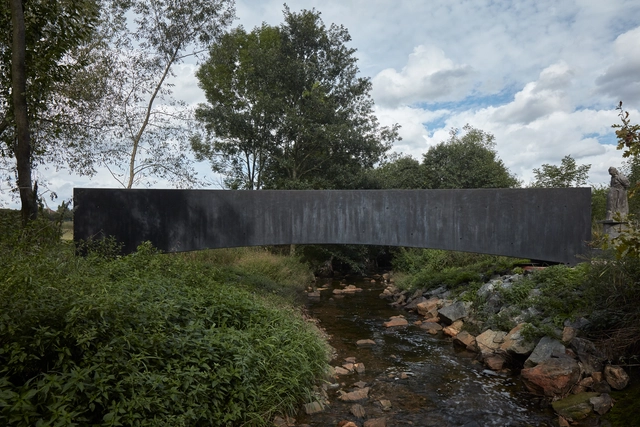
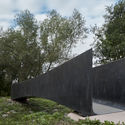
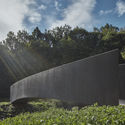
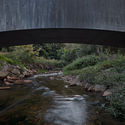
Ondřej Císler from Aoc architects and Petr Tej from the Klokner Institute at CTU in Prague have designed a bridge over the Dřetovice stream in Vrapice, near the city of Kladno in the Czech Republic.

Ondřej Císler and Petr Tej Design Concrete Bridge Over a Stream in the Czech Republic - Image 1 of 4Ondřej Císler and Petr Tej Design Concrete Bridge Over a Stream in the Czech Republic - Image 2 of 4Ondřej Císler and Petr Tej Design Concrete Bridge Over a Stream in the Czech Republic - Image 3 of 4Ondřej Císler and Petr Tej Design Concrete Bridge Over a Stream in the Czech Republic - Image 4 of 4Ondřej Císler and Petr Tej Design Concrete Bridge Over a Stream in the Czech Republic - More Images+ 28

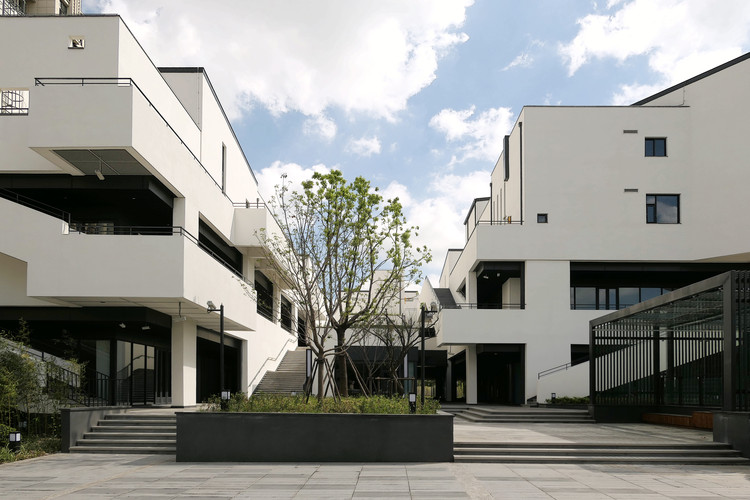
Shanghai Nanxiang Neighborhood Center / XYP Design+Technology

Shanghai Nanxiang Neighborhood Center  / XYP Design+Technology - Exterior Photography, Community Center, Facade
© Xun Yu

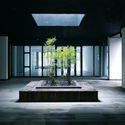
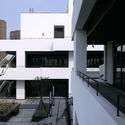
Shanghai Nanxiang Neighborhood Center  / XYP Design+Technology - Exterior Photography, Community Center, FacadeShanghai Nanxiang Neighborhood Center  / XYP Design+Technology - Community CenterShanghai Nanxiang Neighborhood Center  / XYP Design+Technology - Exterior Photography, Community Center, FacadeShanghai Nanxiang Neighborhood Center  / XYP Design+Technology - Community CenterShanghai Nanxiang Neighborhood Center  / XYP Design+Technology - More Images+ 26

Luoqi Xitang Village B&B Hotel / Monolith Architects

Luoqi Xitang Village B&B Hotel / Monolith Architects - Renovation, Garden, Facade, Handrail
Elevation along south side pool. Image © Lei Mao

Luoqi Xitang Village B&B Hotel / Monolith Architects - RenovationLuoqi Xitang Village B&B Hotel / Monolith Architects - Renovation, Garden, FacadeLuoqi Xitang Village B&B Hotel / Monolith Architects - Renovation, FacadeLuoqi Xitang Village B&B Hotel / Monolith Architects - Renovation, Deck, FacadeLuoqi Xitang Village B&B Hotel / Monolith Architects - More Images+ 44

Tianjin, China
  • Area Area of this architecture project Area:  1069
  • Year Completion year of this architecture project Year:  2018
  • Manufacturers Brands with products used in this architecture project
    Manufacturers:  Kohler, Tusjzc, Xinbu Floor

Clan Hall X / Atelier Lai

Clan Hall X  / Atelier Lai - Adaptive Reuse
Exterior. Image © Xuguo Tang

Clan Hall X  / Atelier Lai - Adaptive ReuseClan Hall X  / Atelier Lai - Adaptive ReuseClan Hall X  / Atelier Lai - Adaptive ReuseClan Hall X  / Atelier Lai - Adaptive ReuseClan Hall X  / Atelier Lai - More Images+ 42