As preparations advance for the Milano Cortina 2026 Olympic Winter Games, set to take place from February 6 to 22, 2026, this edition introduces one of the most geographically wide-ranging configurations ever implemented for the Winter Olympics. Extending across two cities, two regions, and two autonomous provinces, the competitions will be staged over more than 22,000 square kilometres of Northern Italy. Metropolitan venues in Milan are paired with longstanding Alpine centres in Cortina d'Ampezzo, Livigno, Bormio, Anterselva, and Val di Fiemme, creating a framework that bridges urban and mountain contexts. More than 90 per cent of the venues are existing or temporary facilities, reflecting a strategy centred on adaptive reuse, selective upgrades, and long-term integration into regional sport and cultural infrastructures. Nearly 2,900 athletes will compete in 116 events, including the debut of ski mountaineering and several new mixed-gender formats that signal evolving approaches to winter sports programming.

In parallel with this distributed venue layout, Milano Cortina 2026 will operate a constellation of Olympic and Paralympic Villages positioned throughout the host territories. Athlete accommodations in Milan, Predazzo, Bormio, Livigno, Anterselva, and Cortina d'Ampezzo correspond to the decentralised structure of the Games, situating housing within close proximity to key ice, alpine, Nordic, and sliding facilities. Most villages utilise renovated or repurposed sites, reducing the need for new construction and aligning with the broader environmental objectives of the event. Together, the adaptive venue network, historic settings such as San Siro and the Verona Arena, and the multi-location village system characterise Milano Cortina 2026 as an edition shaped by interregional collaboration, diverse landscapes, and a territorial model that redefines how Olympic infrastructure engages with its surroundings.
Below is the list of official Olympic Villages locations for the 2026 Winter Olympic and Paralympic Games.
Anterselva Olympic Village
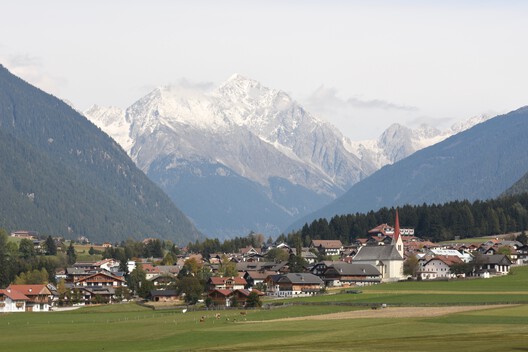
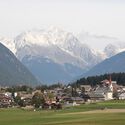
The Anterselva Olympic Village will accommodate athletes in a cluster of four existing hotels situated within the valley of Rasun-Anterselva/Rasen-Antholz, a location closely linked to the region's long biathlon tradition. By relying on operational facilities rather than new construction, the village reflects the broader Milano Cortina 2026 approach of minimising environmental impact while integrating local infrastructure into Games-time planning. Offering approximately 300 beds, the complex provides dining areas, athlete preparation spaces, and shared common rooms arranged on the lower levels to support accessibility and interaction among delegations. Positioned near the Anterselva Biathlon Arena, the venue for all biathlon events, the village ensures direct proximity to competition sites while allowing athletes to engage with the cultural and landscape context of the surrounding Alpine community.
Bormio Olympic Village
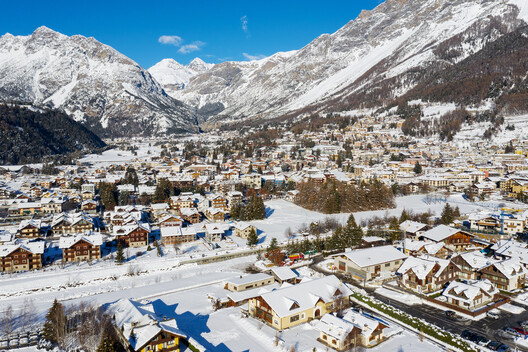
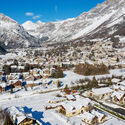
The Bormio Olympic Village will accommodate athletes across four existing hotels situated within the town's historic Alpine setting. Concentrating lodging within a compact area allows Milano Cortina 2026 to utilise established infrastructure while avoiding new construction, aligning with the broader sustainability objectives of the Games. The village will offer around 400 beds, with each hotel providing its own configuration of communal spaces, athlete-focused amenities, and dedicated dining areas to support preparation and recovery during competition. Located within the Valtellina cluster, the village is positioned for convenient access to regional venues, including the Stelvio Ski Centre, host of the men's Alpine skiing events and the debut of ski mountaineering, ensuring that delegations remain closely connected to both the sporting program and the surrounding Alpine landscape.
Cortina d'Ampezzo Olympic & Paralympic Village
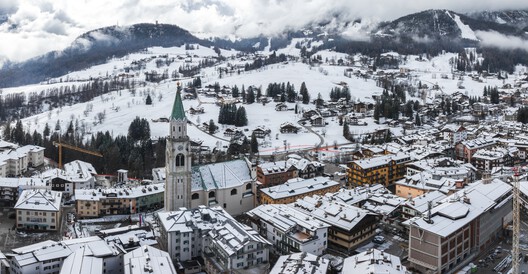
The Cortina d'Ampezzo Olympic & Paralympic Village will be established as a temporary residential complex in Fiames, set within the landscape of the Dolomites. Designed to accommodate approximately 1,400 athletes and team members, the village is composed of modular single-story units connected by accessible pathways that organise movement toward shared facilities such as dining areas and athlete preparation spaces. The use of lightweight, temporary structures aligns with the Milano Cortina 2026 commitment to minimising permanent impact in sensitive Alpine environments, while the low-rise configuration allows the accommodations to integrate with the surrounding natural setting. A central plaza will function as the primary gathering space for delegations, hosting media interactions and partner programming throughout the Games. Located in close proximity to major competition venues, including the Cortina Curling Olympic Stadium, the Cortina Sliding Centre, the Tofane Alpine Skiing Centre, and the Para Snowboard Park, the village enables athletes to reduce travel time and maintain a focused routine as they prepare for events in one of the core hubs of the Winter Games.
Livigno Olympic Village
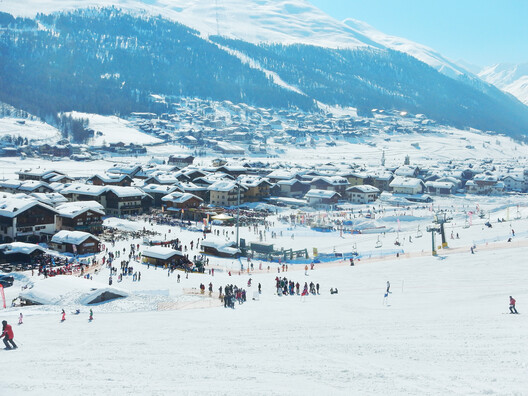
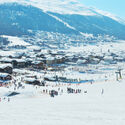
The Livigno Olympic Village will be organised across three existing hotels situated within the Alpine town's valley, forming a compact accommodation cluster that reflects the broader Milano Cortina 2026 strategy of reusing local infrastructure. Providing approximately 800 beds, the village distributes delegations among facilities equipped with athlete-focused amenities, including fitness areas, dedicated dining spaces, and supportive preparation environments. Leveraging structures already embedded in the town's hospitality network reduces the need for new construction while integrating the Games into Livigno's long-standing winter sports culture. Positioned roughly two kilometres from the town centre and in close proximity to the Livigno Snow Park and the Aerials & Moguls Park, the village enables athletes to minimise travel times to key freestyle skiing and snowboarding venues and maintain direct engagement with the surrounding Alpine terrain.
Milano Olympic & Paralympic Village
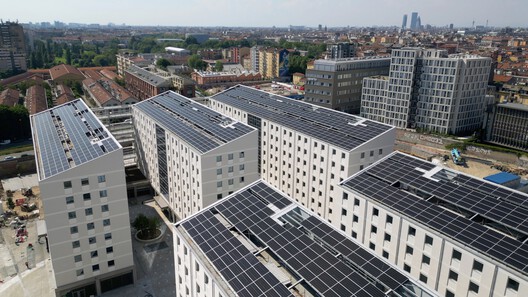
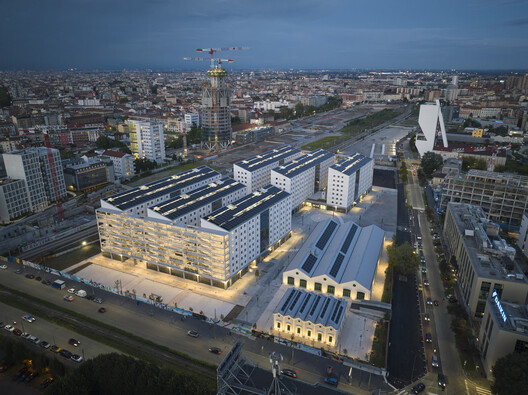
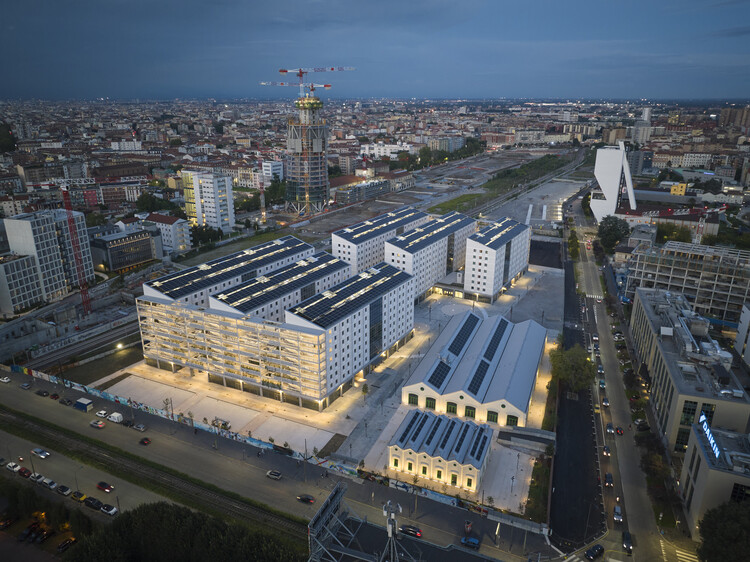
Designed by Skidmore, Owings & Merrill (SOM), the Milano Olympic & Paralympic Village forms a central component of the Porta Romana Railway Yard Master Plan, transforming a former industrial site into a new urban district that will serve both the 2026 Winter Games and the long-term development of the city. During the Olympics, the complex will accommodate around 1,700 athletes across six newly built residential structures and two restored historic buildings, supported by dedicated dining areas, wellness spaces, and 24-hour training facilities. Meeting Nearly Zero Energy Building (NZEB) standards, the village incorporates mass timber construction, low-carbon façade materials, rooftop gardens, solar panels, and stormwater reuse systems, with over 30 per cent of its energy generated on-site. Strategically positioned near key competition venues, including the Milano Santa Giulia Ice Hockey Arena and the San Siro Olympic Stadium, the village will operate as a compact "city within a city" during the Games. After March 2026, the project will be converted into student and affordable housing, while the Olympic Village Plaza will become a public square hosting markets, hospitality, and community services, embedding the development into Milan's long-term civic and social infrastructure.
Predazzo Olympic & Paralympic Village

The Predazzo Olympic & Paralympic Village will be organised within the Alpine School of the Guardia di Finanza, combining existing facilities, renovated pavilions, and newly built structures to host delegations during the Milano Cortina 2026 Games. Designed to accommodate around 750 athletes and team members, the village integrates accommodation, dining areas, medical services, and operational offices across five buildings while minimising new construction in the surrounding Alpine landscape. Located in the centre of Predazzo, a town closely tied to Nordic skiing, the complex meets the requirements of both the IOC and IPC and will serve as a key logistical hub for events in Val di Fiemme. Its proximity to major venues, including the Predazzo Ski Jumping Stadium and the Tesero Cross-Country Skiing Stadium, reduces travel times and supports athlete preparation. After the Games, the structures will continue to serve local and regional needs, ensuring a low-impact, long-term legacy.
We invite you to check out ArchDaily's comprehensive coverage of the Milano Cortina 2026.