Architect, researcher, and editor based in Istanbul with a master’s degree in Alternative Architectural Practices. Pursuing a second bachelor’s degree in Sociology to further explore the evolving relationship between cities and their inhabitants.
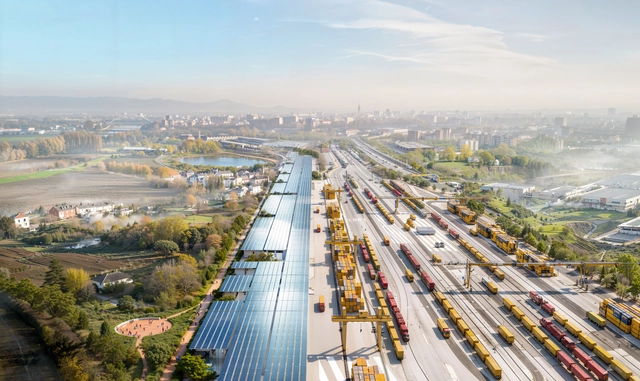
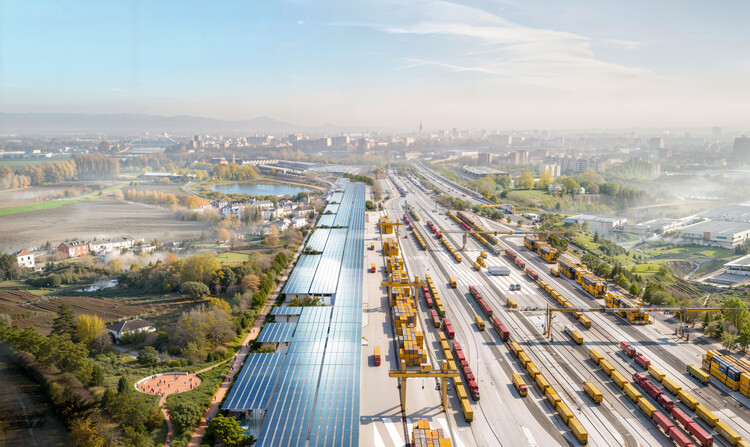
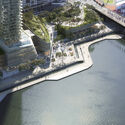
Alessandria Hub Aerial View. Image Courtesy of Carlo Ratti Associati
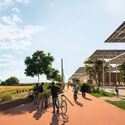
CRA-Carlo Ratti Associati, in collaboration with The Blossom Avenue Partners, has been announced as the winner of the international competition for the urban and architectural design of X-Change, a major multimodal logistics hub located on the site of a former railway yard in Alessandria, Italy. The project reimagines a traditionally introverted typology, rail distribution infrastructure by integrating logistics with energy production, ecological regeneration, and public life. Conceived as one of Southern Europe's largest intermodal hubs, X-Change is set to support Alessandria's evolving role as a backport to Genoa, leveraging future fast rail freight connections.
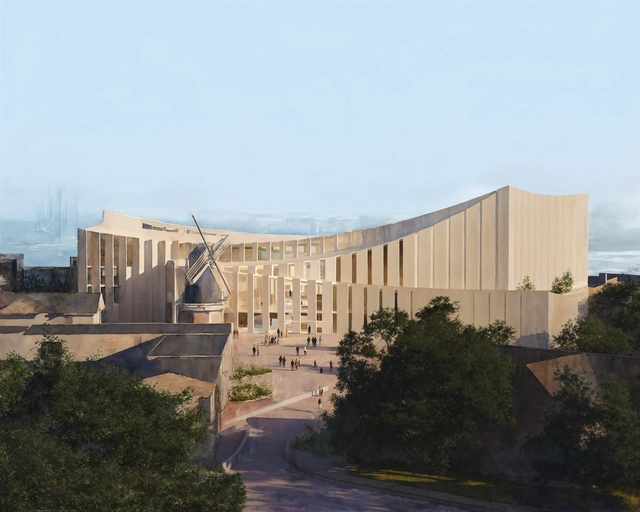
The House of Culture and Administration in Delfzijl by Benthem Crouwel and Snøhetta. Image Courtesy of Benthem Crouwel Architects and Snøhetta
The House of Culture and Administration, a new civic complex designed by Benthem Crouwel Architects in collaboration with Snøhetta, is gradually taking shape in the Dutch city of Delfzijl. Located at Molenbergplein, the project brings together cultural and administrative functions in a unified architectural gesture that aims to strengthen the urban fabric of Eemsdelta. The current visualization marks a step forward in the structural design phase. Technical and financial refinements will continue over the summer, with final approval from the municipal council expected in October 2025.
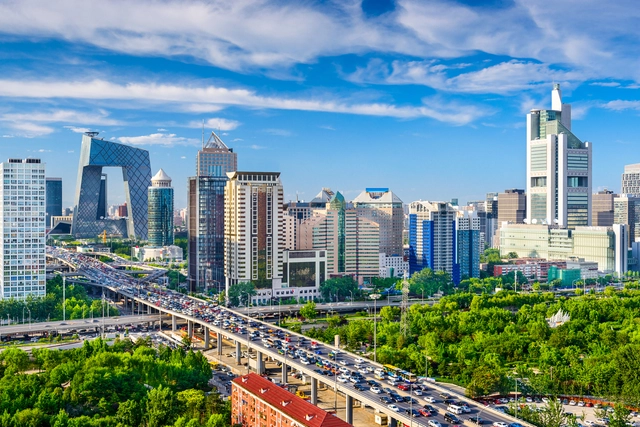
Every year, World Population Day is observed on July 11th, aiming to increase people's awareness of various population issues, such as the importance of urbanization, genderequality, poverty, health, and human rights. In 2025, under the theme "Empowering Youth to Build the Families They Want," the United Nations draws attention to the largest generation of young people in history, many of whom are coming of age in rapidly urbanizing contexts. Urban centers remain key to understanding these demographic patterns, as cities continue to attract populations seeking opportunity, stability, and access to essential services. Today, more than half of the global population resides in urban areas, a share projected to increase to 66% by 2050.
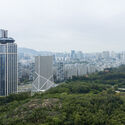
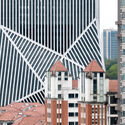
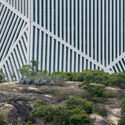
OMA has completed the JOMOO Headquarters in Xiamen, marking the first office campus for China's largest sanitaryware company. Situated at the edge of the city's central business district, the building reflects JOMOO's ongoing transformation into a global brand. The project was led by OMA Partner Chris van Duijn, alongside project architects Lingxiao Zhang and Chen Lu. According to Chris van Duijn, the headquarters is part of a broader trajectory in OMA's work across rapidly developing Chinesecities such as Hangzhou, Xiamen, and Shenzhen, where the office continues to explore new relationships between tower architecture and its urban context.
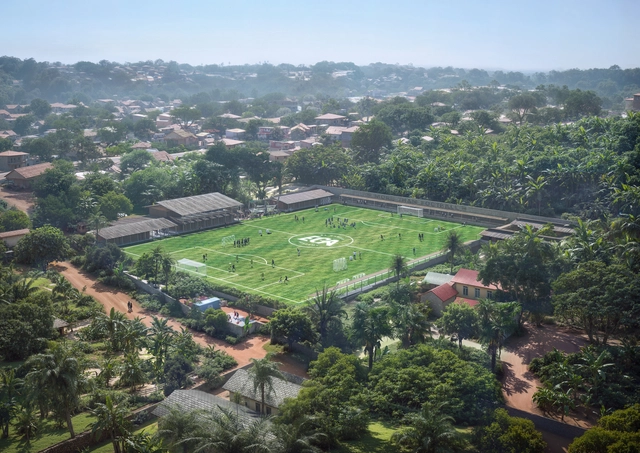
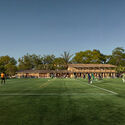
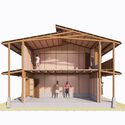
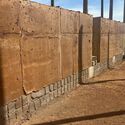
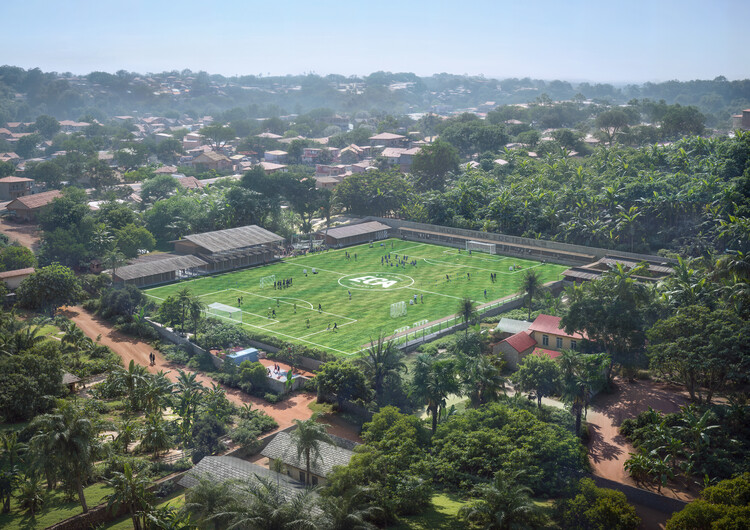
Henning Larsen, in collaboration with Kampala-based Siimi Design Studio, has revealed the design for a new modular campus for El Cambio Academy, a youth football and education institution located in Masaka, Uganda. The project is being developed using rammed earth construction, with bricks produced on site from locally excavated soil. Currently under construction, the first phase includes a boys' dormitory and is expected to be completed by summer 2025. The 1,280-square-meter campus is designed to accommodate 60 children between the ages of 9 and 16, providing facilities for both academic education and athletic training.
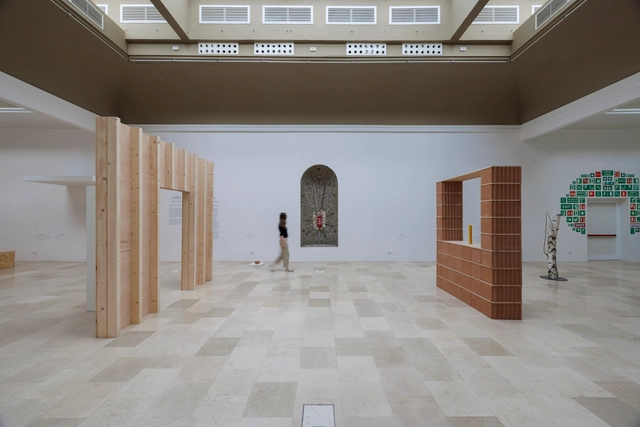
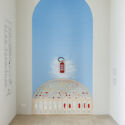
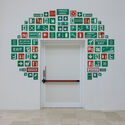
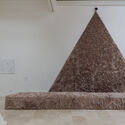
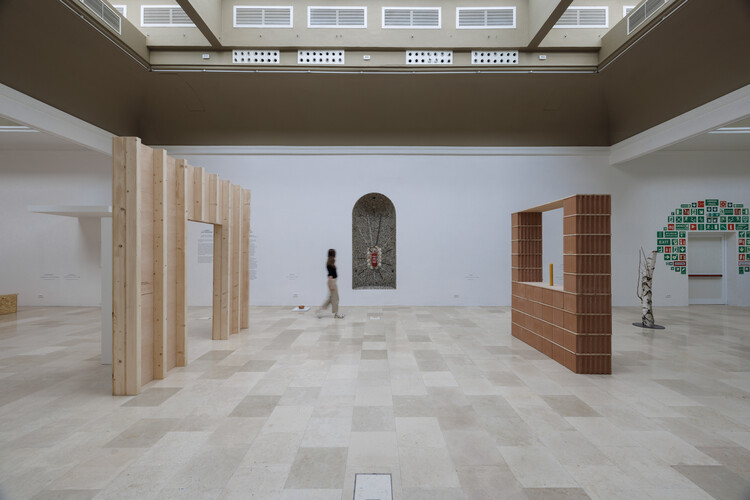
The Polish Pavilion at the 2025 Venice Architecture Biennale presents Lares and Penates: On Building a Sense of Security in Architecture, an exhibition that explores how architecture continues to function as a form of protection in an age marked by uncertainty. Framed as an anthropological investigation, the project examines the emotional and rational dimensions of building practices. The exhibition is developed by a multidisciplinary team including curator and art historian Aleksandra Kędziorek, architect Maciej Siuda, and artists Krzysztof Maniak and Katarzyna Przezwańska. Rather than focusing on architecture from the designer's perspective, the team investigates how individuals inhabit space and construct a sense of safety, responding to deep-seated fears, desires, and needs.
The World Architecture Festival (WAF) has announced the shortlist for its 2025 edition, highlighting notable examples of completed buildings, future projects, interiors, and urban landscaping from around the world. The announcement comes ahead of WAF's first event in the United States, which will take place at the Miami Beach Convention Center from November 12 to 14, 2025. Finalists will present their projects within their categories during the first two days of the festival. Selected from more than 780 entries, this year's shortlist features over 460 projects that span a broad range of categories, including Creative Re-Use, Housing, Education, Hotel, Sports, and Culture.
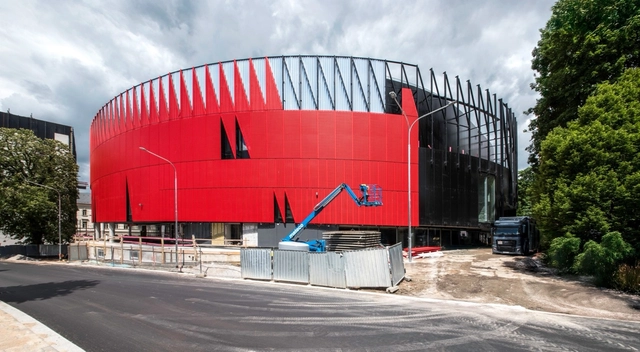
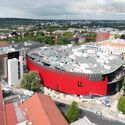
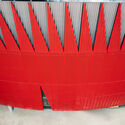
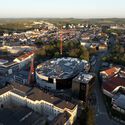
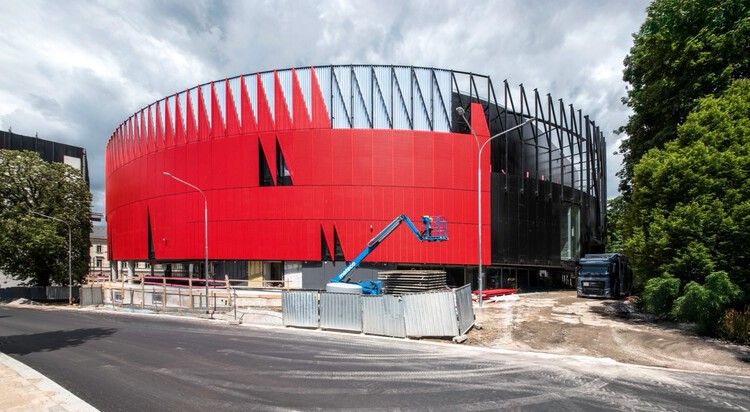
CHYBIK + KRISTOF (CH+K) has unveiled new images of its multi-purpose arena in Jihlava, a progressive city in the heart of the Czech Republic. Designed as part of a winning competition proposal in 2019, the project is being developed for the local ice hockey team, HC Dukla, and is scheduled for completion in late 2025. The arena has recently reached a key milestone with the installation of its characteristic facade. Unlike many similar developments that relocate to the outskirts, the venue retains its central position, an intentional decision by the municipality to activate the city core, support local businesses, and ensure accessibility by public transport and on foot. The project aims to enhance public life while contributing to the city's long-term sustainable growth.
The summer of 2025 has brought extreme heat across Europe and beyond, with record-breaking temperatures and widespread climate-related impacts. Red alert warnings have been issued in France, Italy, and Spain as temperatures exceeded 46°C in parts of the Iberian Peninsula. These conditions have led to school closures, restrictions on outdoor work, and pressure on urban infrastructure, including power grids and public transport systems. The heatwave has simultaneously intensified wildfire risk across the Mediterranean. In western Turkey, ferocious wildfires near Izmir forced the evacuation of over 50,000 people as high winds and low humidity fueled rapidly spreading flames. In Spain's Catalonia region, two people died in a wildfire that raced across farmland and old structures in Torrefeta on July 1. Similar disasters have occurred in Greece, France, and Italy, with evacuations throughout southern Europe as widespread heat‑induced drought exacerbates fire season intensity.
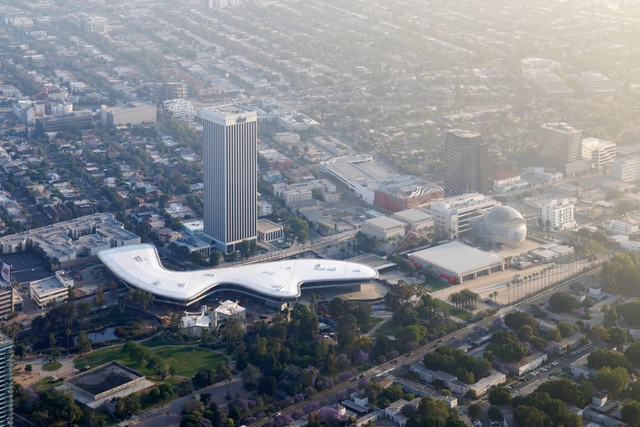
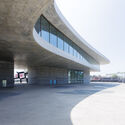
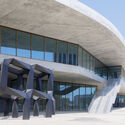
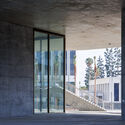
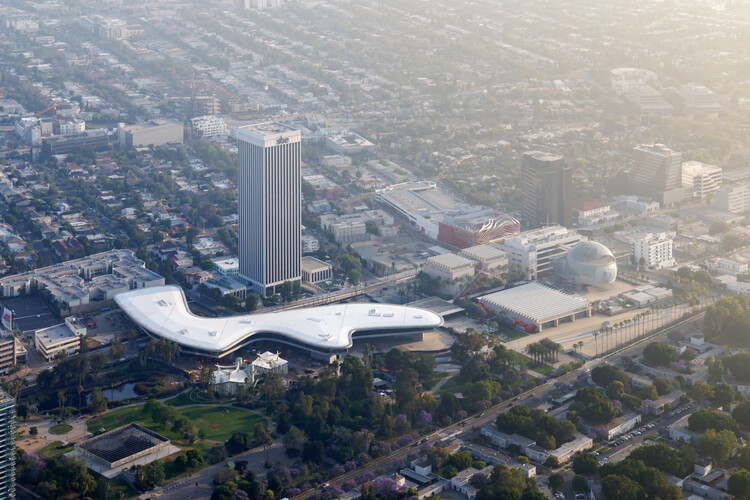
The first photographs of the long-anticipated David Geffen Galleries at the Los Angeles County Museum of Art (LACMA) have been unveiled, captured by architectural photographerIwan Baan. Designed by Pritzker Prize-winning architect Peter Zumthor, in collaboration with Skidmore, Owings & Merrill, the building marks the culmination of a process spanning more than two decades. The museum recently offered an exclusive preview of the building in its raw architectural state, ahead of the installation of artworks. Major construction was completed at the end of 2024, and portions of the lower levels are already accessible to visitors. The galleries are scheduled to officially open in April 2026, when they will house LACMA's permanent collection.
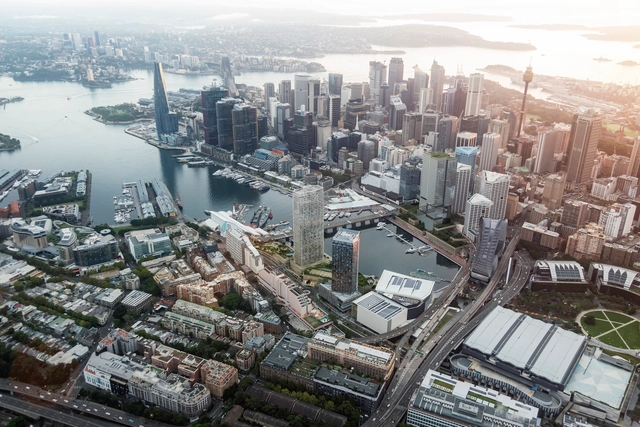
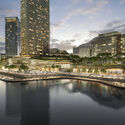
The NSW Independent Planning Commission has approved the public domain works for Sydney's Harbourside redevelopment, marking a significant milestone for the project designed by Snøhetta in collaboration with Hassell and Mirvac. First unveiled in December 2021 as the winning entry in an international design excellence competition, the scheme aims to transform Harbourside at Darling Harbour into a new, iconic destination at the heart of the city. The proposal reimagines the waterfront at Tumbalong / Darling Harbour with more than 11,200 square meters of renewed public space, featuring significant trees, planted areas, sculptural sandstone pathways, and integrated public artworks.
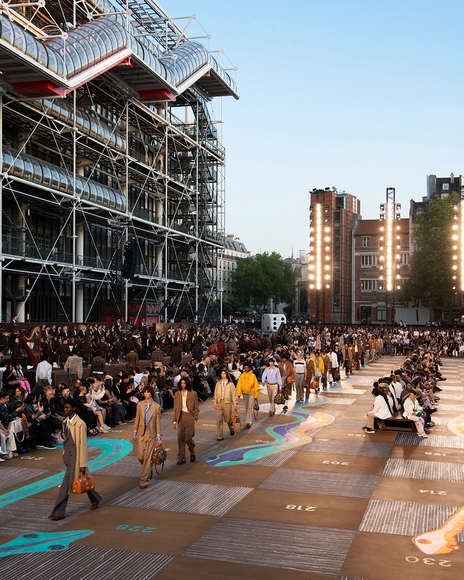
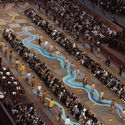
Bijoy Jain Designs the Louis Vuitton Set Inspired by Snakes and Ladders. Image Courtesy of Louis Vuitton
Paris Fashion Week Men's Spring/Summer 2026 has just concluded, featuring a series of shows that highlight the relationship between architecture and fashion as creative disciplines. Through carefully curated architectural environments, these shows engage viewers on multiple sensory levels, weaving together visual impact with spatial and material stories that echo the themes and philosophies behind each collection. This intersection between fashion and architecture opens up new possibilities for storytelling, inviting audiences to explore how fashion design and spaces can resonate together to create immersive experiences.
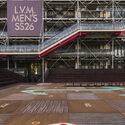
Saint Laurent presented its menswear collection at Tadao Ando's Bourse de Commerce, where the building's cylindrical concrete form and filtered natural light provided a minimal and contemplative backdrop. Louis Vuitton, by contrast, staged its show in the plaza of the Centre Pompidou, where Studio Mumbai's intervention introduced a large-scale, hand-painted installation inspired by Snakes and Ladders. These site-specific choices reflected distinct approaches to engage with architectural context, illustrating how contemporary fashion presentations can extend beyond the runway to enter into dialogue with their surroundings.
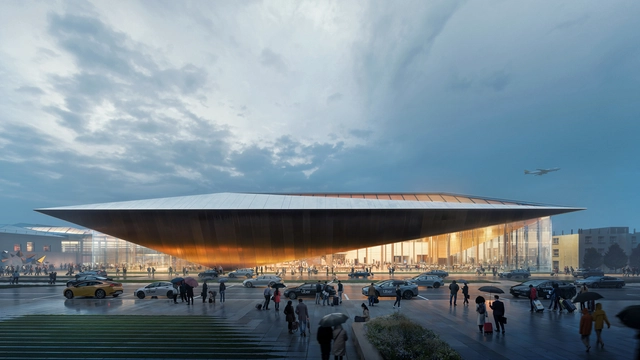
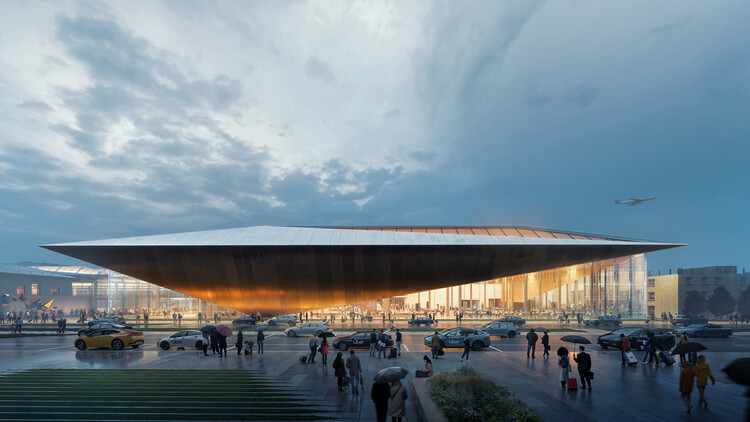
Lithuanian Airports has announced Zaha Hadid Architects as the winner of the international competition to design the new arrivals terminal at Vilnius Airport. Conceived as an integral part of the airport's evolving infrastructure, the new terminal will complement the recently completed departure terminal, enabling Vilnius Airport to accommodate up to 10.6 million passengers annually. The project marks a significant step in the airport's long-term development strategy, addressing future growth in passenger demand while enhancing Lithuania's role as a key gateway in the Baltic region.
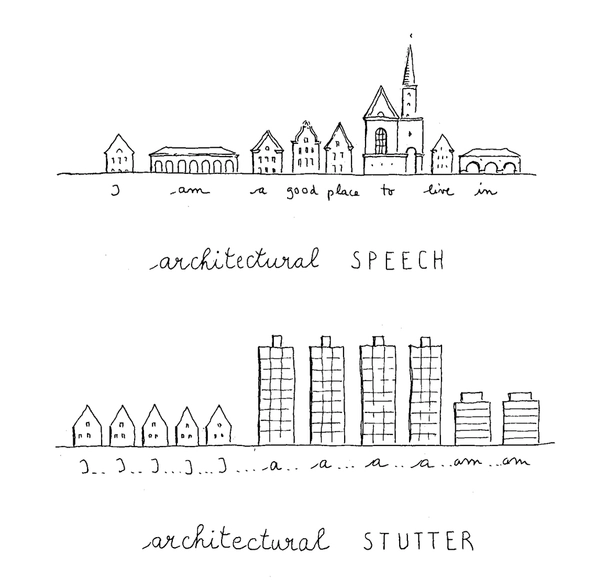
Léon Krier's Sketches. Image Courtesy of MIT Press
Léon Krier, the Luxembourg-born architect and urban theorist renowned for his critical stance against modernist planning and his influential role in the New Urbanism movement, passed away on June 17, 2025, at the age of 79. Known for his uncompromising critique of modernist planning and his vision for human-scaled, walkable communities, Krier leaves behind a substantial body of built work, theoretical writing, and educational influence.
Over a career spanning several decades, Krier advocated for a return to classical architecture and human-scaled urbanism, positioning himself as a leading critic of sprawling suburban development and high-rise modernism. His advocacy for walkable, mixed-use neighborhoods and his insistence on the cultural and social value of architecture challenged the prevailing norms of late 20th-century urban planning.
BIG – Bjarke Ingels Group, in collaboration with HNTB, has broken ground on its first-ever realized Major League Baseball stadium, marking a new chapter for the Athletics as they relocate to Las Vegas. The new A's Ballpark is scheduled to open ahead of the 2028 MLB season and will serve as the team's permanent home in the city. The architectural vision is supported by a broad team of collaborators, including Thornton Tomasetti, Henderson Engineers, CAA ICON, Mortenson, and McCarthy Building Companies. Located in what is widely known as "The Entertainment Capital of the World," the project reflects the growing presence of major sports infrastructure in Las Vegas.
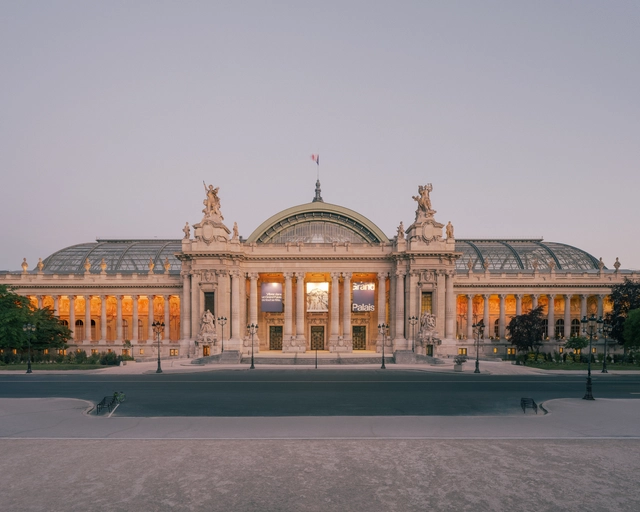
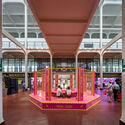
The Grand Palais in Paris has reopened to the public after the most comprehensive renovation in its 120-year history, led by Paris-based Chatillon Architectes. Originally built for the 1900 Universal Exhibition, the Grand Palais has long stood as a symbol of French cultural excellence, technical ingenuity, and architectural ambition. Following the reveal of the restored Nave for the 2024 Paris Olympics, the entire 77,000-square-meter building has now been renewed to enhance spatial clarity, restore original volumes, and transform the visitor experience. The project introduces expanded public access, new exhibition spaces, restaurants, and improved circulation, while remaining rooted in the building's architectural legacy.
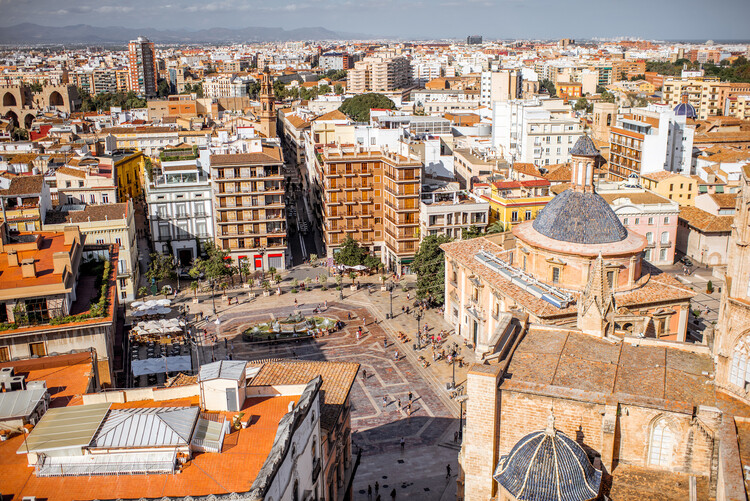
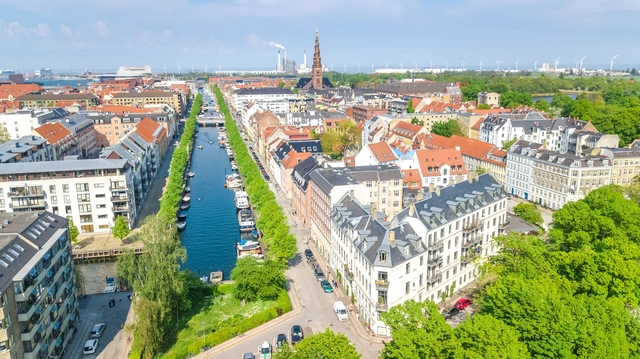
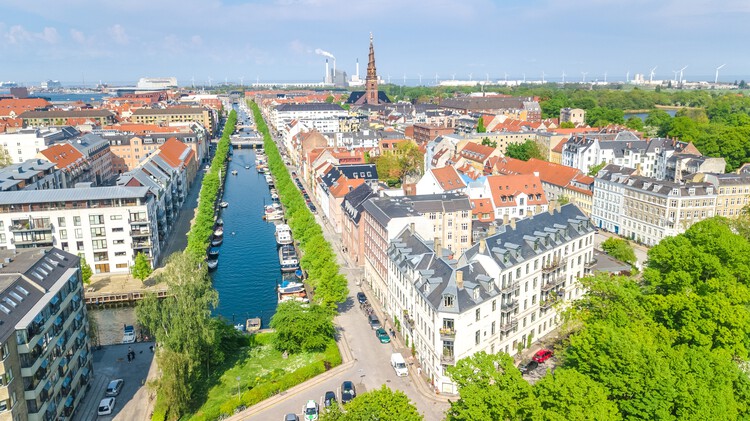
The Economist Intelligence Unit (EIU) has released its Global Liveability Index for 2025, assessing 173 cities worldwide across five categories: stability, healthcare, culture and environment, education, and infrastructure. This year, Copenhagen has taken the top position, ending Vienna's three-year run as the world's most liveable city. The Danish capital earned high scores in stability, education, and infrastructure, narrowly surpassing Vienna, which saw a decline in its stability rating following recent security incidents. The average global liveability score for 2025 remains steady at 76.1 out of 100, unchanged from 2024. While year-on-year improvements were recorded in healthcare, education, and infrastructure, these were offset by a continued decline in stability, driven by rising geopolitical tensions, civil unrest, and increased security threats in several regions.
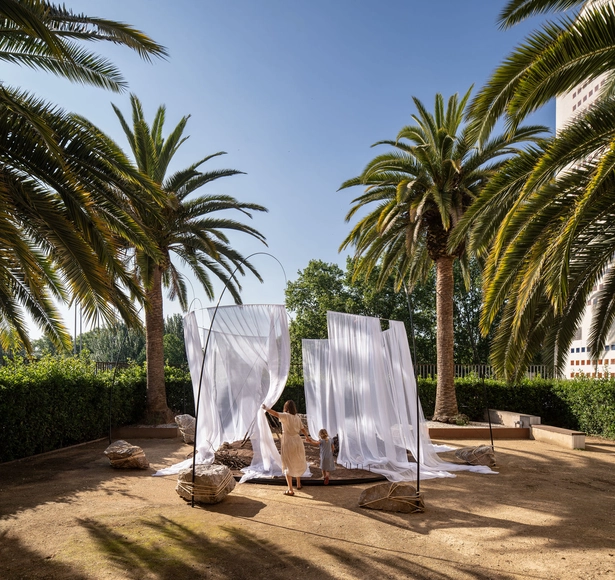
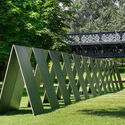
The 11th edition of Concéntrico, the International Festival of Architecture and Design, is currently taking place in Logroño, Spain, from June 19 to 24, 2025. This year's edition broadens the scope of the festival with a multifaceted programme that includes not only temporary installations but also permanent projects, exhibitions, educational initiatives, and traveling events. Through 24 urban interventions, Concéntrico 2025 explores themes such as material reuse and circular design, food as a collective practice, the recovery of water-related spaces, the activation of urban voids, and interspecies connections in the urban context, while emphasizing the need to imagine new ways of inhabiting the city, placing care, sustainability, empathy, and active listening at the core of public architecture.