1. ArchDaily
  2. Leon Krier

Leon Krier: The Latest Architecture and News

The Cayala Paradox: How Are Private Districts Shaping Public Space Design in Guatemala?

Subscriber Access | 

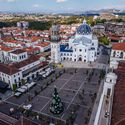
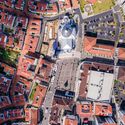
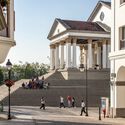
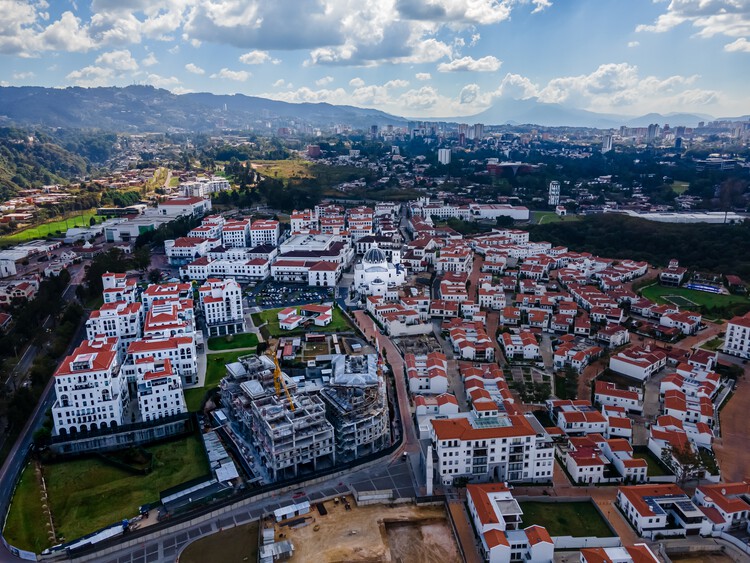
Ciudad Cayalá, a privately developed, mixed-use community on the outskirts of Guatemala City, is often described as a "theme park" of white lime-washed walls, red tiles, and cobbled plazas. A closer examination, however, reveals a more complex urban narrative. Its significance, however, lies in its capacity to create a safe and well-managed public space, proposing a modern reinterpretation of historic urban principles that mark the region's architectural and urban heritage. Behind the Antigua-style façades lies an urban experiment: a modern re-engagement with architectural elements like arcades, courtyards, and open plazas, which propose a privately-managed public space as a solution to urban challenges in the region.

The Cayala Paradox: How Are Private Districts Shaping Public Space Design in Guatemala? - Imagen 2 de 4The Cayala Paradox: How Are Private Districts Shaping Public Space Design in Guatemala? - Imagen 1 de 4The Cayala Paradox: How Are Private Districts Shaping Public Space Design in Guatemala? - Imagen 3 de 4The Cayala Paradox: How Are Private Districts Shaping Public Space Design in Guatemala? - Imagen 6 de 4The Cayala Paradox: How Are Private Districts Shaping Public Space Design in Guatemala? - More Images+ 5

Léon Krier, Influential Voice in New Urbanism, Passes Away at 79

Léon Krier, the Luxembourg-born architect and urban theorist renowned for his critical stance against modernist planning and his influential role in the New Urbanism movement, passed away on June 17, 2025, at the age of 79. Known for his uncompromising critique of modernist planning and his vision for human-scaled, walkable communities, Krier leaves behind a substantial body of built work, theoretical writing, and educational influence.

Over a career spanning several decades, Krier advocated for a return to classical architecture and human-scaled urbanism, positioning himself as a leading critic of sprawling suburban development and high-rise modernism. His advocacy for walkable, mixed-use neighborhoods and his insistence on the cultural and social value of architecture challenged the prevailing norms of late 20th-century urban planning.

Léon Krier, Influential Voice in New Urbanism, Passes Away at 79 - Image 1 of 4Léon Krier, Influential Voice in New Urbanism, Passes Away at 79 - Image 2 of 4Léon Krier, Influential Voice in New Urbanism, Passes Away at 79 - Image 3 of 4Léon Krier, Influential Voice in New Urbanism, Passes Away at 79 - Image 4 of 4Léon Krier, Influential Voice in New Urbanism, Passes Away at 79 - More Images+ 5

Architecture is Human: But Beauty is Found Everywhere

Architecture is Human: But Beauty is Found Everywhere - Featured Image
"Image of El Molo Hut. Turkana, Kenya via Shutterstock

If Nature had been comfortable, mankind would never have invented architecture. - Oscar Wilde

Architecture is human. Despite their exquisite beauty,  burrows, hives, nests and anthills are creations of instinct.  Design by humans considers options, means and methods of creation, solving problems of desire, beyond functional accommodations.

Architecture is Human: But Beauty is Found Everywhere - Image 1 of 4Architecture is Human: But Beauty is Found Everywhere - Image 2 of 4Architecture is Human: But Beauty is Found Everywhere - Image 3 of 4Architecture is Human: But Beauty is Found Everywhere - Image 4 of 4Architecture is Human: But Beauty is Found Everywhere - More Images+ 1

Spotlight: Léon Krier

Subscriber Access | 

One of the most boldly dissenting voices of our time, architectural and urban theorist Léon Krier (born 7 April 1946) has throughout his career rejected the commonly accepted practices of Modernist Urbanism, and helped to shape the ideals of the New Urbanism movement. Through his publications and city designs, Krier has changed the discourse of what makes a city successful and returned importance to the concept of community.

A Different Kind of Architectural Drawing: Léon Krier's Sketches

Subscriber Access | 

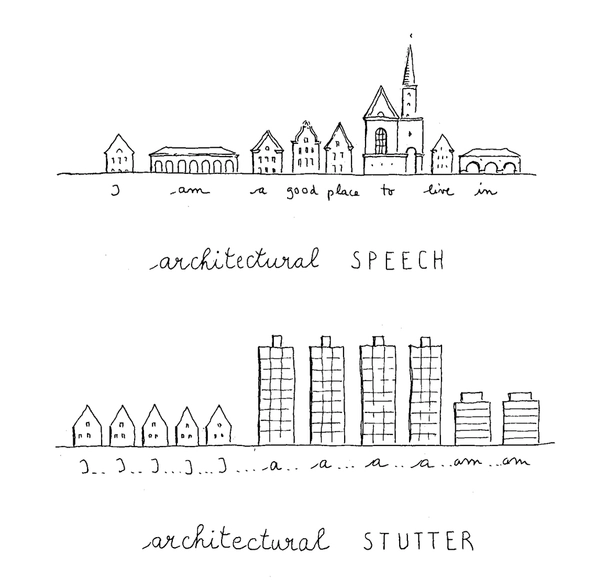
When Louis Sullivan rang in the era of the skyscraper at the turn of the 20th century, the vertically soaring building—with its views and elevators—was unthinkably cutting edge. By the fifties, the dense downtown had experienced its moment in the sun and endless suburban sprawl began to surround the city. As early as the eighties, both the suburbs and the skyscraper felt oppressive in their own ways.

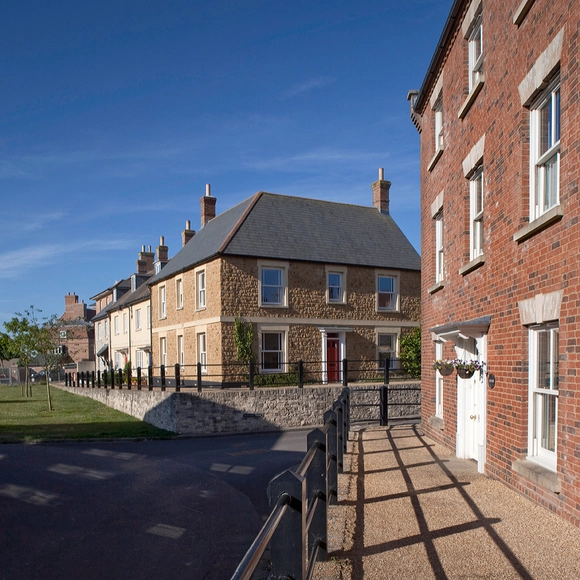
Enter “New Urbanism.” Propagated vigorously by architect Léon Krier, the ideology entailed a return to the traditional European city, in turn conjuring images of romantically dense, small-scale architecture and walkable streets. The fruits of the New Urbanists’ efforts are visible at a number of neo-traditionalist planned communities around the world, most notably, Truman Show-esque Seaside, Florida in the U.S. and Poundbury, Dorset in England, designed with the help of Prince Charles.

A Different Kind of Architectural Drawing: Léon Krier's Sketches - Image 1 of 4A Different Kind of Architectural Drawing: Léon Krier's Sketches - Image 2 of 4A Different Kind of Architectural Drawing: Léon Krier's Sketches - Image 3 of 4A Different Kind of Architectural Drawing: Léon Krier's Sketches - Image 4 of 4A Different Kind of Architectural Drawing: Léon Krier's Sketches - More Images+ 18