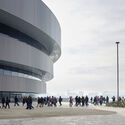
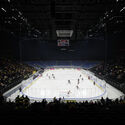
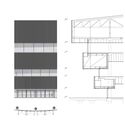
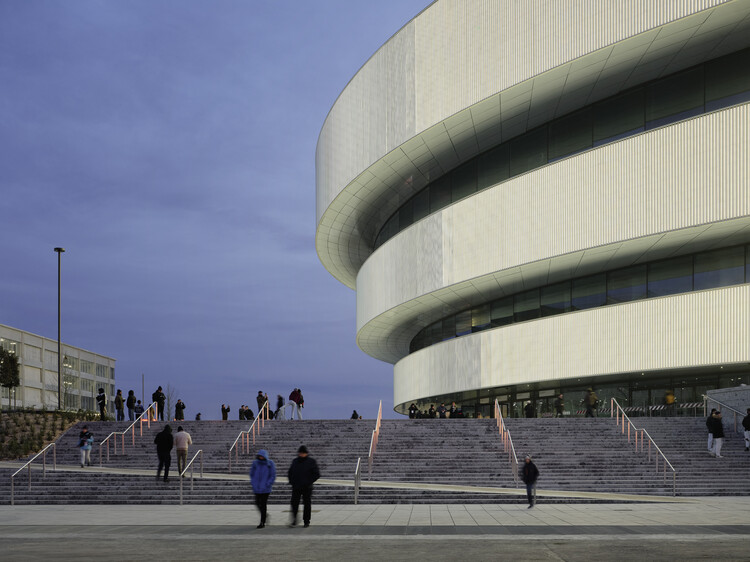
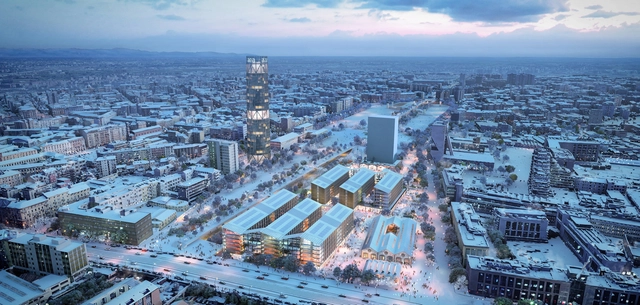
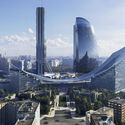
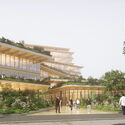
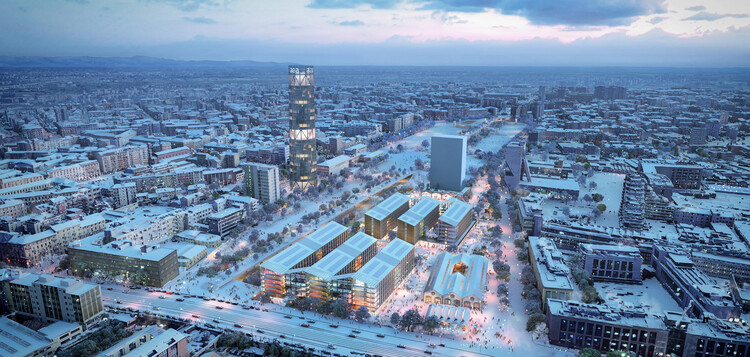
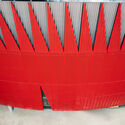
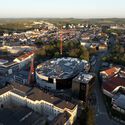
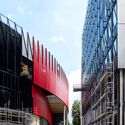
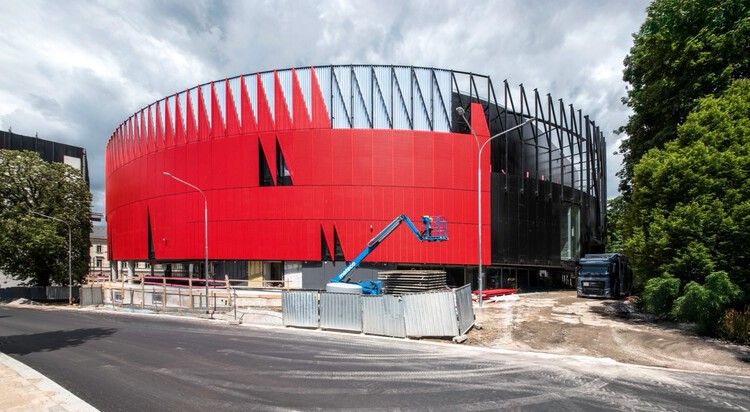
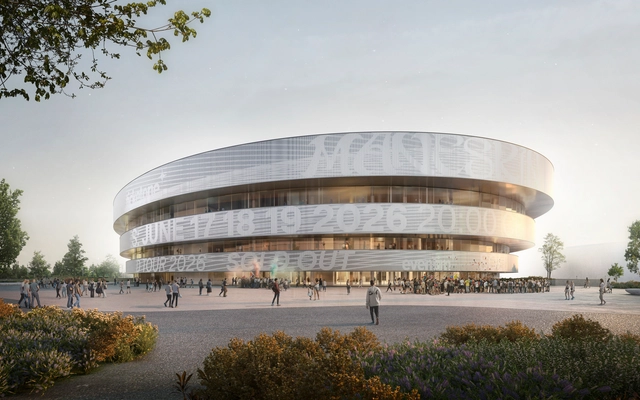
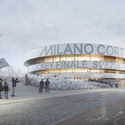
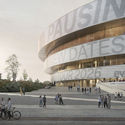
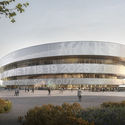
David Chipperfield Architects has released new images of the Ice Hockey Arena in Milan, one of the host sports venues for the 2026 Milano Cortina Winter Olympics. The project, currently in its testing phase, was commissioned to Arup and David Chipperfield Architects in 2021. The first images of the elliptical amphitheatre arena were released in 2022, ahead of the start of construction in 2023, which was scheduled for completion in 2025. The new sports and cultural events venue has a capacity of 16,000 spectators, 12,000 seated and 4,000 standing, and is a centrepiece of a broader urban redevelopment project originally designed by Foster + Partners for Milano Santa Giulia, a district in the south-east of Milan, just a few kilometres from the city centre and connected to the high-speed rail network and motorway.
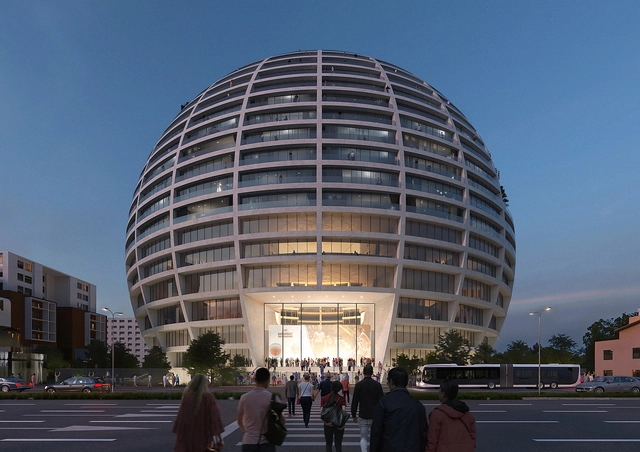
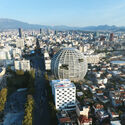
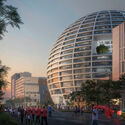
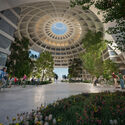
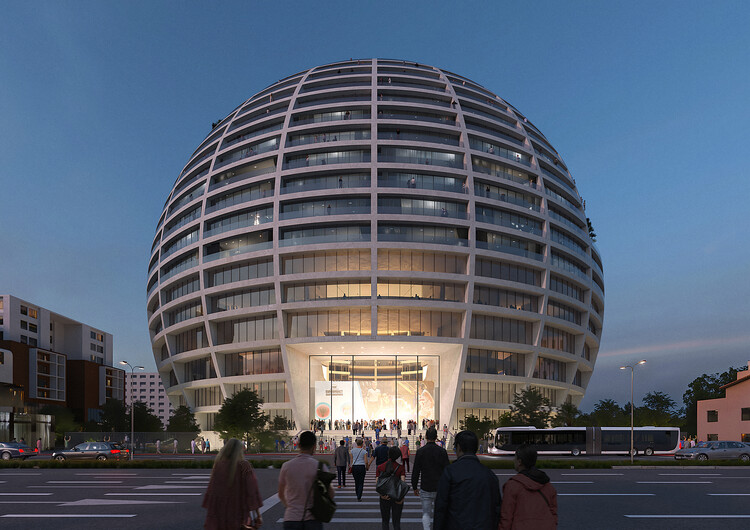
"The Grand Ballroom" Asllan Rusi sports palace project in Tirana, Albania by MVRDV. Image Courtesy of MVRDV
Tirana, the capital of Albania, is experiencing a rapid transformation driven by the long-term urban strategy outlined in the Tirana 2030 (TR030) Master Plan. Developed in 2017 by Stefano Boeri Architetti, UNLAB, and IND [Inter.National.Design] through a competition organized by the Ministry of Urban Development, the plan's objectives include increasing urban density, improving public infrastructure, and integrating green spaces and open areas into the urban fabric. It is in this dynamic setting that MVRDV has won the international competition for Tirana's new Asllan Rusi Sports Palace. Conceived as a mixed-use development, the project, named The Grand Ballroom, combines a 6,000-seat arena for basketball and volleyball with residential apartments, a hotel, and ground-level retail. With its spherical form exceeding 100 metres in diameter, the design adds a distinctive landmark to Tirana's growing collection of ambitious architectural projects.
Italy is preparing to host its third Olympic Winter Games as Milan and Cortina d'Ampezzo welcome Milano Cortina 2026, seventy years after Cortina staged the 1956 edition and two decades after Torino 2006. The Games will take place from February 6 to 22, 2026, marking the first time the Winter Olympics are organized across two cities, two regions, Lombardy and Veneto, and two autonomous provinces, Trento and Bolzano. Covering a territory of 22,000 square kilometers, Milano Cortina 2026 will become the most geographically extensive Winter Games to date, with over 90% of venues already existing or designed as temporary facilities.
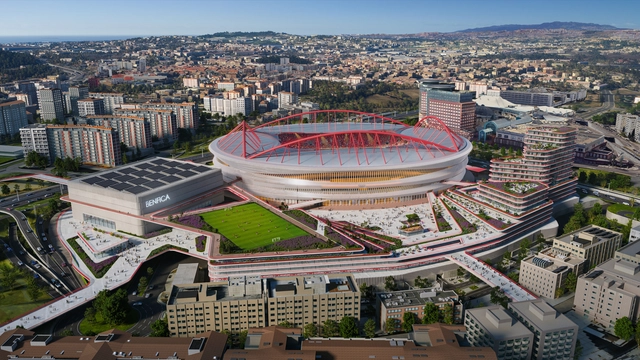
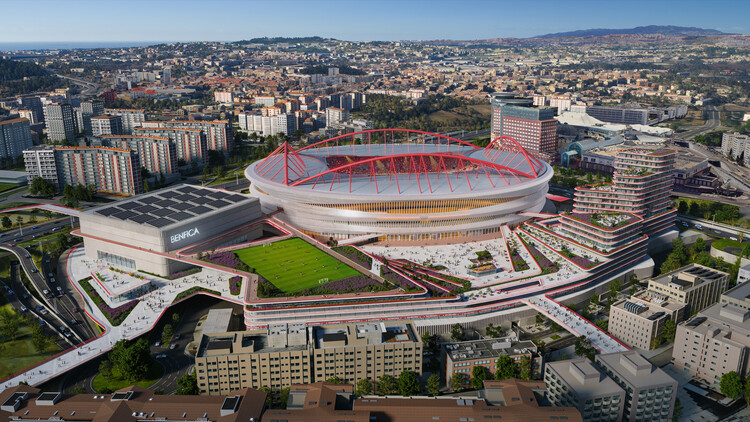
Estadio da Luz, Daytime Aerial. Image Courtesy of Populous
Populous has unveiled the design for a new master plan for the Estádio da Luz in Lisbon, in collaboration with Lisbon-based architecture firm Saraiva + Associados. Commissioned by S.L. Benfica, the project aims to upgrade the stadium and introduce new mixed-use and public facilities within the surrounding precinct. Populous describes the project as part of a wider trend in stadium-led urban development, referencing parallels with venues like Wembley Stadium and the Etihad Campus. According to the firm, the design responds to the stadium's existing context while supporting future expansion and new forms of public engagement. Completion is expected in alignment with upcoming internationalsporting events, including the 2030 FIFA World Cup.
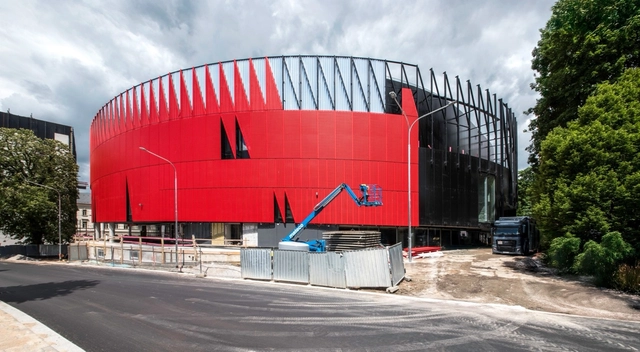
CHYBIK + KRISTOF (CH+K) has unveiled new images of its multi-purpose arena in Jihlava, a progressive city in the heart of the Czech Republic. Designed as part of a winning competition proposal in 2019, the project is being developed for the local ice hockey team, HC Dukla, and is scheduled for completion in late 2025. The arena has recently reached a key milestone with the installation of its characteristic facade. Unlike many similar developments that relocate to the outskirts, the venue retains its central position, an intentional decision by the municipality to activate the city core, support local businesses, and ensure accessibility by public transport and on foot. The project aims to enhance public life while contributing to the city's long-term sustainable growth.
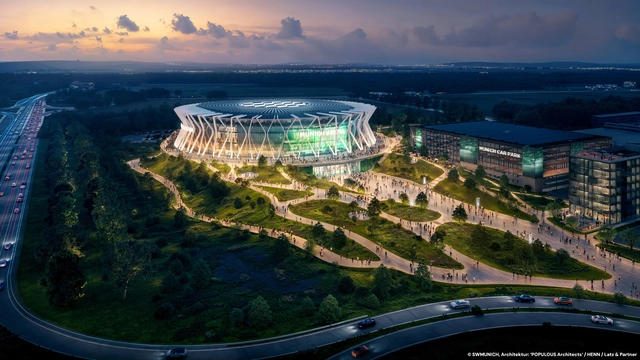
Architecture firm Populous was chosen to design a new multi-use, climate-neutral event arena in Munich, Germany. The structure aims to create a "compact, efficient, and visually stunning" venue that will be instantly recognizable and reflective of the character and culture of the Bavarian metropolitan area, serving as a new landmark. The 20,000 capacity venue draws upon Bavarian heritage through a support structure that pays homage to the lozenge shape used in the Bavarian state flag. Populous developed the design with general planners HENN from Munich and landscape architects Latz+Partner from Freising.
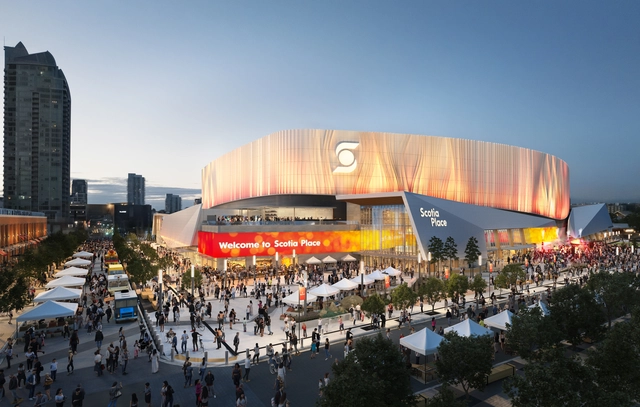
DIALOG and HOK have just revealed the redesign of Scotia Place, Calgary’s new event center in Canada. Set to become a hub of community and culture, Scotia Place is inspired by Indigenous ancestral lands and cultural significance, integrated these perspectives with the natural beauty of Calgary. Commissioned by the City of Calgary and the Calgary Sports and Entertainment Corporations, Scotia Place seeks to bring people together and activate the public realm.
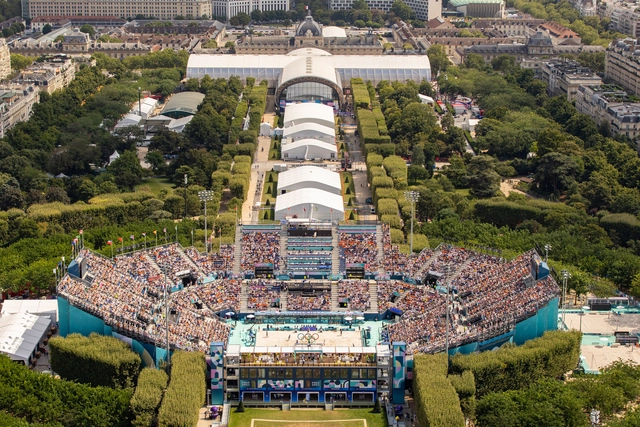
To take advantage of the historic heritage of the city of Paris while also minimizing the impact of the Olympics, the Paris 2024 Games are organizing a set of temporary arenas and installations to host several key competitions, only to be disassembled after the games' closing. Only one sports venue has been built specifically for the 2024 Olympic Games, the Aquatics Centre Paris, as the city aims to use its existing sporting infrastructure to the maximum, ensuring a smaller footprint compared to previous editions. In addition to the established venues, key temporary sites include the Trocadéro, Eiffel Tower, Champ-de-Mars, Esplanade des Invalides, Pont Alexandre III, Place de la Concorde, and Place de l’Hôtel de Ville, with additional stands along the Seine for the Opening Ceremony.
The assembly and disassembly of these temporary sites will follow a step-by-step approach to minimize disruption. Geographical phasing will preserve traffic lanes and access to public spaces, while time phasing will gradually activate and deactivate competition perimeters to limit construction impact and quickly restore spaces post-Games. These measures align with Paris 2024's commitment to organizing responsible and respectful Games and preserving the city's urban and natural heritage.
Courtesy of HKS Architects, CGI created by Somewhere | wearesomewhere.net
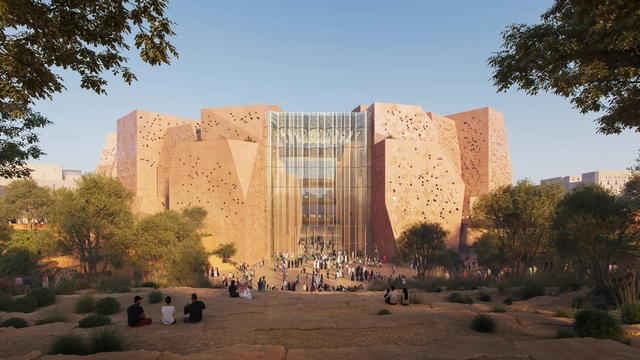
Commissioned by Diriyah Company, HKS Architects have revealed the design for a new multisport arena in Diriyah. Envisioned as a catalyst for the local culture and the entertainment sector, the 20,000-seat venue will be located in the center of The City of Earth, a 76,000-square-meter development aligned with Saudi Vision 2030, aimed at becoming one of the most attractive venues for tourism in the Middle East.
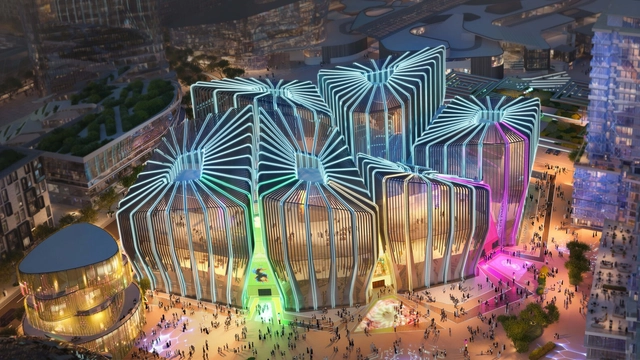
"Populous - Qiddiya Esports Arena - Gaming & Esports District . Image Courtesy of Populous
Populous has unveiled the design of the Qiddiya City EsportsArena, a new facility aimed to become the focal point for Qiddiya City, a planned entertainment and tourism megaproject in Riyadh, Saudi Arabia. Featuring the largest total area of video screens of any esports arena, along with immersive 4D technologies, the new arena strives to become the central attraction in the ‘world’s first mixed-use gaming and esports district.’
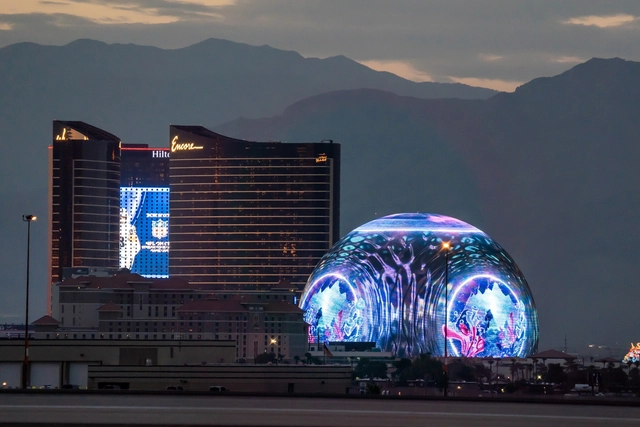
The Sphere at the Venetian Resort, previously known as the MSG Sphere, opened to the public with a series of concerts headlined by Irish rock band U2 on September 29, 2023, in Las Vegas. Designed by stadium specialist architecture office Populous, the project was first announced in 2018. Measuring 34 meters in height and 157 meters in width, the venue, whose building costs rose to $2.3 billion, is labeled the world's largest spherical structure, with its exterior clad in a high-resolution LED screen. The project, located east of the Las Vegas Strip and connected to the Venetian resort complex, is designed to host various events, including music, film events, and even some sports. To reveal the complete experience of this venue, new interior images showcase the intricate details and immersive atmosphere within.
Sporting facilities can play a vital role in the lives of cities by providing multifunctional public spaces where the people can join in large-scale events providing entertainment and spectacle while also promoting well-being and enhancing community engagement. Additionally, well-designed sporting arenas can become icons for a city, creating a sense of pride and identity and attracting visitors and residents. One such example is the Grand Slam tennis tournaments, which take over cities like Paris, London or New York, attracting fans from all around the world. The Philippe Chatrier and greenhouse transformed into the Simonne-Mathieu Tennis Court in Paris have become architectural landmarks, serving as catalysts for urban development and cultural exchange.
Other small-scale venues also play a role in the lives of communities, acting as gathering places for people with shared interests, fostering a sense of belonging and contributing to the overall health of the neighborhoods. This week's curated selection of Best Unbuilt Architecture highlights projects submitted by the ArchDaily community that showcase both large and small scale sporting venues. From a ‘box in a box’ basketball pavilion in Greece, to a translucent multi-sports arena in El Salvador or a dune-line arena in Morocco, this selection features projects that encourage and celebrate movement, athleticism and fair play competition.
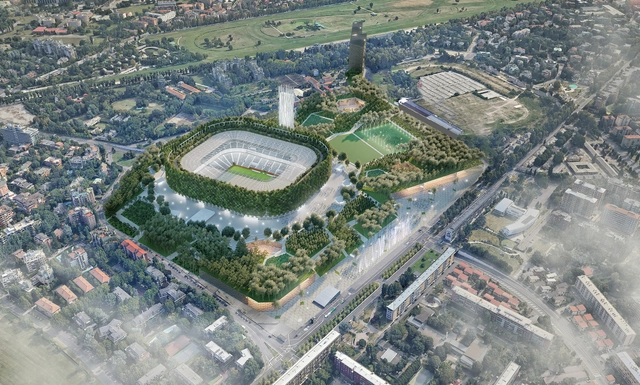
Stefano Boeri Architetti, together with a multidisciplinary team including ARUP, Fabio Novembre, and Balich Wonder Studio, has unveiled the design for the new Milan Stadium, named the International Forest Stadium. The project, located in the San Siro area of the city, was presented to the public on the occasion of the competition announced in 2019 by the Inter and Milan teams. The stadium is envisioned as an integral part of the “Sport and leisure district” system, an extensive masterplan measuring over 800 hectares, planned to transform the San Siro district into a center for excellence in the context of European sports.
David Chipperfield Architects Berlin and Arup have unveiled the design of the 2026 Winter Olympic Games arena. The structure will sit in the core of Milano Santa Giulia, a new urban district currently under redevelopment in the south-east of Milan. The new arena will house sports and cultural events with up to 16,000 visitors, and offer individuals of all demographics a vast outdoor area that promotes social gatherings and recreational activities.
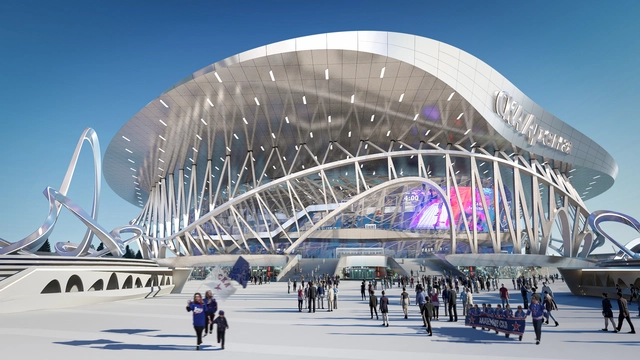
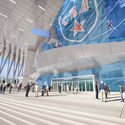
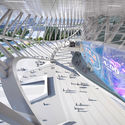
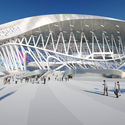
Vienna-based architecture firm Coop Himmelb(l)au has won an international competition to redesign the CKA Ice Hockey Arena and Park in St. Petersburg, Russia. The design of the complex is inspired by Russian Constructivist architecture, an era that redefined architecture with the works of Tatlin and El Lissitzky, and removed the limitations of construction and movement. The structure and general layout of the arena is based on Tatlin's “Monument to the Third International,” where it is translated as the flowing, dynamic movement of a person skating around the stadium.
Videos
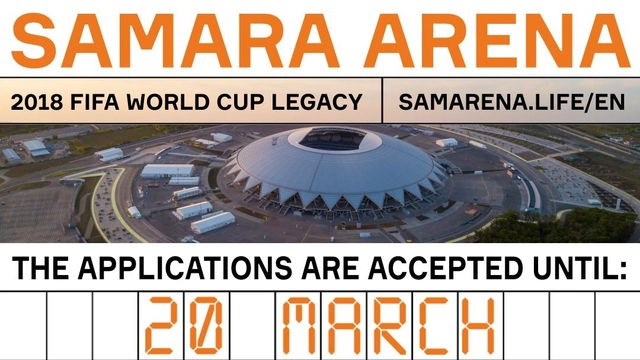
The applications are accepted until 20 March 2020.
The Open International Competition for the Development of a Master Plan for the Territory Adjacent to the SamaraArena (total area: 360 hectares) was announced on 26 February at the TASS information agency (the major Russian news agency) in Moscow.