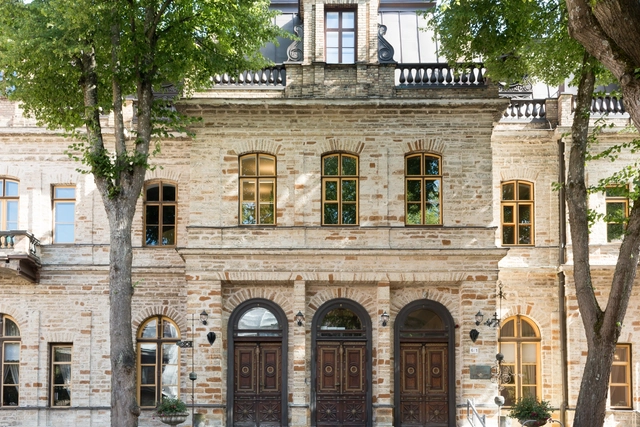
In the heart of Tallinn, where history weaves through cobblestone streets and ancient towers, stands the Ungern-Sternberg Palace — a monument that bridges the opulent past of Estonia's aristocracy with the vibrant world of contemporary academia. Now home to the Estonian Academy of Sciences, this historic building embodies Estonia's enduring dedication to knowledge and cultural preservation. Through Open House Tallinn, which highlights the city's architectural heritage, the palace's significant history, and remarkable architectural details are brought to a wider audience, offering unique insight into Estonia's cultural resilience.
Constructed in the 19th century as a symbol of aristocratic power, the palace has transformed from a private residence into a national hub of intellectual life. Its grand halls, once the scene of lavish gatherings, now foster scientific and academic pursuits, illustrating how heritage architecture can evolve alongside societal change.
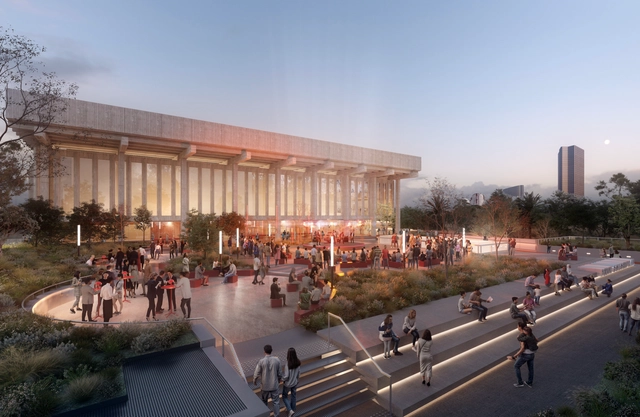
The Western Australian Government has announced the upcoming renovation of the Perth Concert Hall, a 51-year-old heritage-listed venue known for its significant role in the city's cultural landscape. Originally designed by architects Jeffrey Howlett and Don Bailey, the concert hall will undergo extensive upgrades led by OMA's Australian office in collaboration with Perth-based WITH Architecture Studio. The project is set to begin in early 2025, aiming to provide a modern home for the West Australian Symphony Orchestra (WASO) and improve visitor facilities through new public spaces, upgraded amenities, and improved seating.
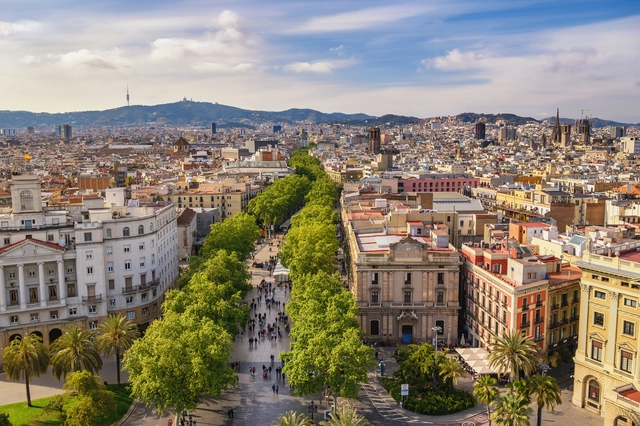
In this roundup, ArchDaily consolidates this year's transformative updates in cities worldwide, organized into thematic clusters that capture the evolving nature of urban design and policy in 2024. Projects like the extensive renovations of Barcelona's La Rambla and the preservation efforts around Chicago's historic skyscrapers highlight preservation of urban heritage, while initiatives in Venice and Los Angeles respond to overtourism and housing pressures, balancing livability with growth. Meanwhile, ambitious master plans have been announced, including the revitalization of industrial sites in Tallinn and Connecticut, reflect how cities are reimagining their urban fabric. Finally, post-disaster rebuilding in Kharkiv and Türkiye underscores the urgency of resilience-driven design, ensuring that cities can endure and evolve even in challenging times. Together, these updates offer a glimpse into the global forces reshaping urban landscapes
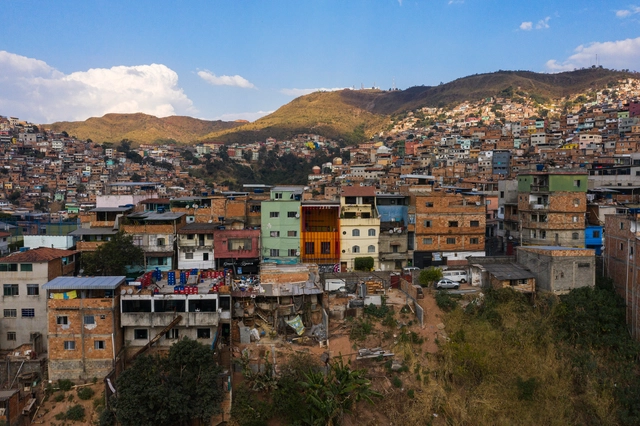
In Belo Horizonte’s Aglomerado da Serra, Brazil’s third-largest favela complex with 50,000 residents, the Lá da Favelinha Cultural Center stands out as a vibrant hub of art and education. Founded in 2015 by the multifaceted artist Kdu do Anjos, the striking red building that stands out in the outskirts has gained recognition in both national and international architectural circles, earning several prestigious awards Yet, the recent renovation by Coletivo LEVANTE—honored as one of the Best New Architectural Practices of 2024—represents far more than vivid colors and bold design. It symbolizes the creativity and potential of the community itself. As a space for support and inspiration, Lá da Favelinha reflects a collective, democratic vision that merges the community’s dreams with the dedication of its founders.
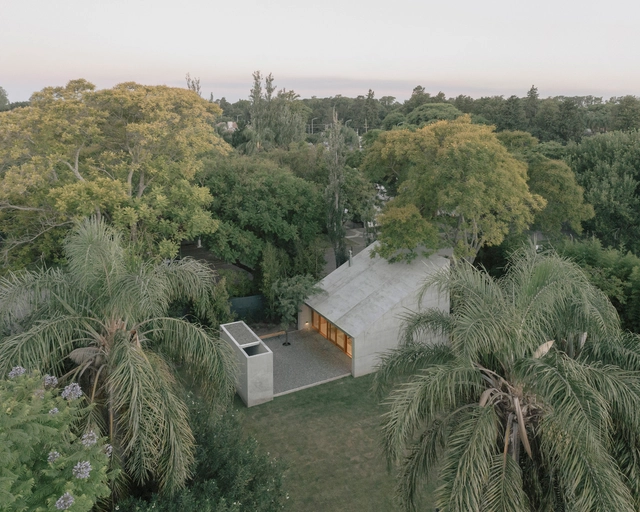
In densely populated cities, the demand for more living space has led to a growing trend in home extensions. With limited opportunities for new construction and a desire to preserve historical urban fabric, homeowners are increasingly looking for innovative ways to expand their homes. Home extensions offer a practical solution to modern needs, allowing residents to stay in familiar neighborhoods and maintain their ties to the community.
There are several approaches to these renovations. Home additions take various forms, ranging from isolated rooms with specific functions near the main house, to volumes directly attached to the original structure. These extensions can be built on the ground floor or take advantage of vertical space by constructing additional levels on the existing building.
MVRDV, in collaboration with JGE Architects, landscape architects Copley Wolff, and Langan Engineering, has developed a masterplan for the redevelopment of Faneuil Gardens, a public housing site in the Brighton neighborhood of Boston. This project, commissioned by The Community Builders in partnership with the BostonHousing Authority, aims to replace the outdated 1940s apartment complex with five contemporary buildings that incorporate mixed-income affordable housing, artist live-work spaces, and significant green spaces. At the center of the redevelopment is a new community center, located along a public boulevard that runs through the heart of the site.
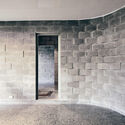
Two primary building approaches are commonly identified in architecture and design: solid versus hollow construction. These methods vary significantly across different cultures and regions, specifically for interior partitioning systems, when they appear interchangeable. Each has its own established practices influenced by local materials, labor preferences, climatic conditions, and cultural traditions. When architects and designers focus on their local context, it is easy to overlook the broader construction assumptions, limiting design flexibility and methodology. This raises an important question: How do these two building approaches differ?
Focusing mainly on interior systems, the distinctions between solid and hollow construction largely stem from the availability of materials and workforce preferences. For example, in the United States and Japan, stud walls, both wood and metal, are frequently used for partitioning. Conversely, brick remains the predominant material for partition walls in regions such as Hong Kong and southern China. Why do we build differently, and what are the benefits and challenges of each building methodology?
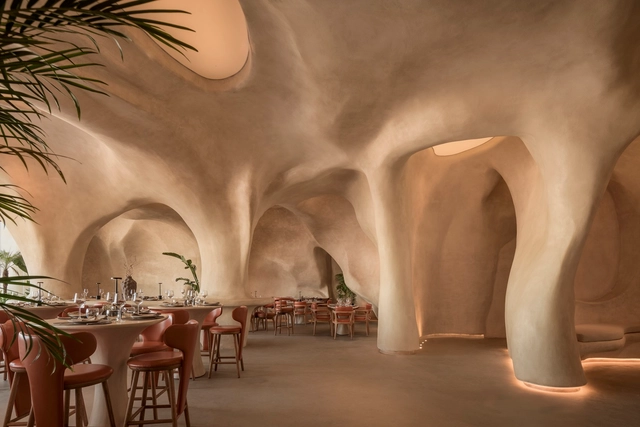
In recent years, continuous material finishes enveloping interior spaces have become increasingly prominent, particularly in branding-focused retail environments. A continuous interior refers to using what are typically liquid-applied materials that are cured to create seamless, uninterrupted surfaces, eliminating the appearance of joints and seams—at least during the initial application. A growing range of products now offer various color options, textures, and practical properties, making these finishes more versatile. Interestingly, the aesthetic effect of such interiors is uncanny to the rise of 3D rendering software, where the seamless, fluid look mirrors the smooth, idealized spaces typical of digital renderings. This effect also contributes to a sense of scalelessness, as the absence of visible seams or joints makes it harder to discern the actual size of a space, often giving the illusion that the interior is larger than it is.
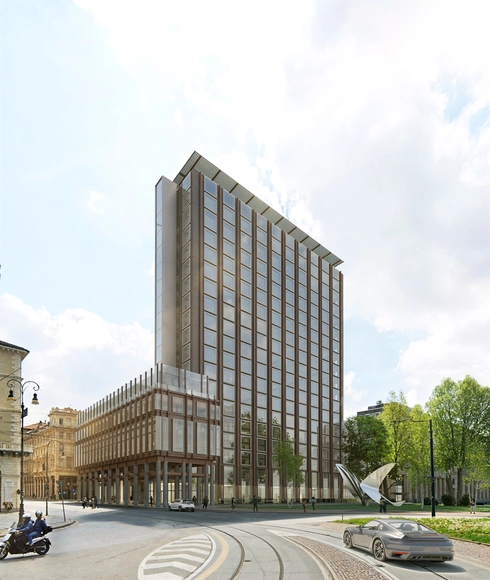
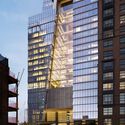
CRA-Carlo Ratti Associati, in partnership with real estate group IPI, has revealed plans to transform the iconic modernist Palazzo Micca in Turin, Italy. Originally the headquarters of RAI, Italy's national broadcaster, the 19-story building will undergo a comprehensive adaptive reuse project. A significant feature of the redesign is the creation of an elevated public plaza at 26.5 meters, offering views of Turin's Baroque rooftops, the surrounding hills, and the Alps. The project also integrates sustainable design principles by converting parts of the office spaces into residential units and reusing existing materials.
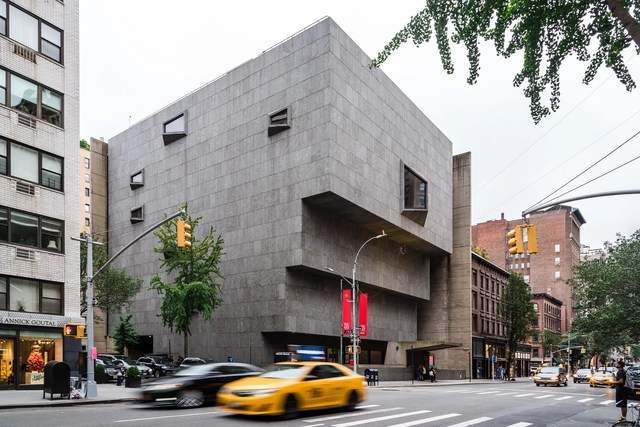
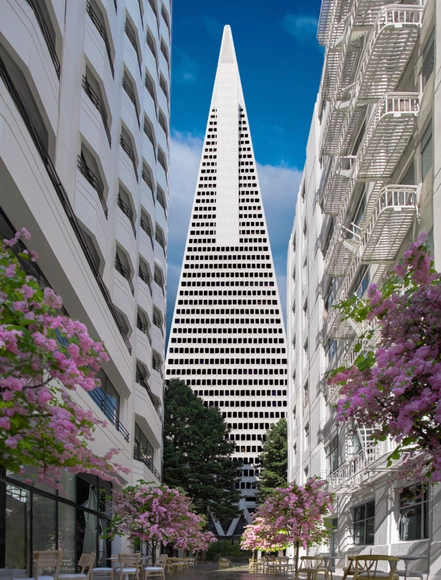
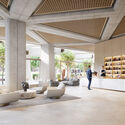
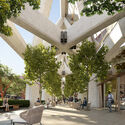
The Transamerica Pyramid Center has just announced the completion of the long-awaited Foster + Partners led renovation in San Francisco, United States. An iconic landmark of San Francisco's skyline since its completion in 1972, has been undergoing its most significant renovation to date. Originally designed by American architect William Pereira in a Brutalist style, the 48-story tower was the tallest building in San Francisco for nearly 50 years. This renovation will also include enhancements to the adjacent buildings.
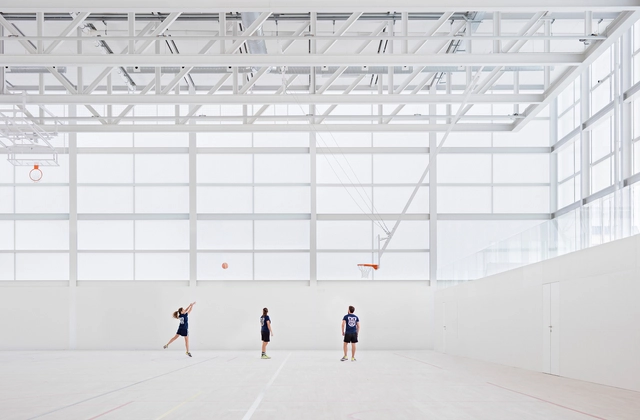
The Roman Colosseum is arguably the most iconic versatile venue in the world. Although this structure was not intended for sporting activities, it hosted various events, from the well-known gladiatorial combats to theatrical performances and the dramatic naumachia (naval battles). This demonstrates that flexible use of space has been relevant since ancient times. Centuries later, in the context of the ever-changing built environment and urban development, sports venues have similarly evolved, becoming outstanding examples of multi-purpose spaces.
These athletic complexes have transformed from highly specialized venues into dynamic, multifunctional structures. Whether hosting major international events such as the Olympic and Paralympic Games or serving as gathering spots for local communities, these spaces strike a delicate balance between addressing the needs of specific sports and maintaining the flexibility to accommodate a range of activities. How do these diverse functions coexist and interconnect? This analysis will explore how sports facilities are configured as flexible hubs for other disciplines and everyday activities.
https://www.archdaily.com/1020243/from-wooden-shells-to-polycarbonate-panels-the-materials-shaping-flexible-sports-spacesEnrique Tovar
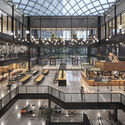
The continuation of remote work practices has altered cities' bustling downtown areas along with the traditional office landscape, leaving behind many vacant spaces whose future purpose is a matter of speculation. Four years after the onset of hybrid working policies, office occupancy rates in urban centers remain lower than pre-pandemic levels, signaling a long-term shift in the work environment. Some developers have aimed to reposition these buildings while other are seeking alternative uses of vacant buildings in central location. While both approaches prove beneficial in their own ways, the potential for repurposing office buildings is vast and exciting. From residential living to cutting-edge research facilities, architects and developers explore diverse possibilities and challenges of transforming these underutilized structures into thriving new spaces.
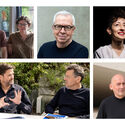
Selected by ArchDaily as one of the Best New Practices of 2024, IDK is injecting a fresh and dynamic approach to building communities with quality architecture. Mike Lim, James Pockson and Roddy Bow met while studying for their master's degree in Architecture at the Royal College of Art (RCA and founded their architecture practice, IDK in London in 2019. The three, driven by a strong mission, to help communities and progressive institutions, organizations and cultures thrive – have been researching and delivering community-oriented projects that embody experimental building with a holistic approach. Their work focuses on nurturing social development, with an emphasis on ecological awareness, local material use, smart resource and budget management, respectful refurbishments, and designing only what is necessary without "over-building."
The office building typology emerged from the need to unite thousands of people within a relatively strict working environment. In major cities, these structures clustered into Central Business Districts (CBDs), which became dedicated neighborhoods accommodating commerce and businesses. However, the COVID-19 pandemic disrupted this model, leading to the rise of remote and hybrid work. Now, nearly four years later, occupancy rates in these urban centers remain lower than pre-pandemic levels, signaling a long-term shift in the work environment. To address this challenge, developers have been increasingly looking into “repositioning” their projects, seeking to redefine their image by adapting them to contemporary demands. This typology considers the surrounding urban fabric, aiming to expand the building’s use beyond its original purpose and attract people back to the CBDs.
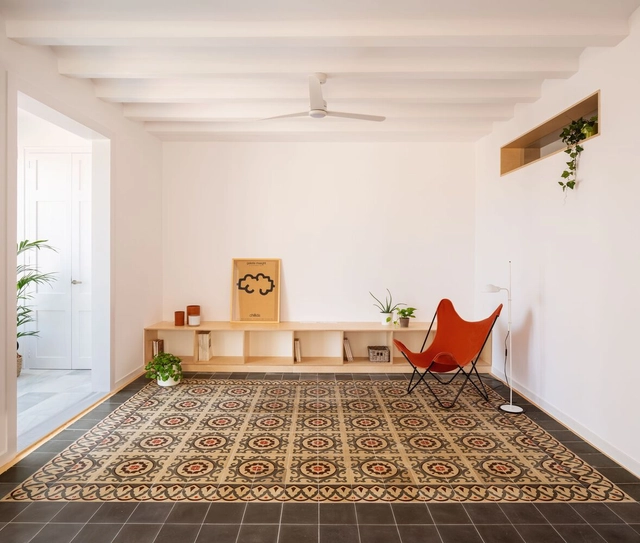
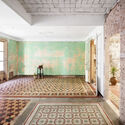
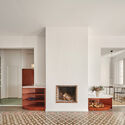
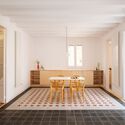
In the quest to preserve certain architectural, historical, and cultural features of original Catalan homes, apartment renovations are conceived as a means of connecting the past and the present through the recovery and/or restoration of coverings, flooring, carpentry, facades, and more. The history of ceramics in Spain has evolved over the years, experiencing periods of productive flourishing as well as decline. However, the expressive language, versatility, and adaptability of hydraulic tiles to tradition and the future stand out in homes' interior and exterior spaces with their wide combination of colors, textures, and patterns.