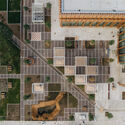
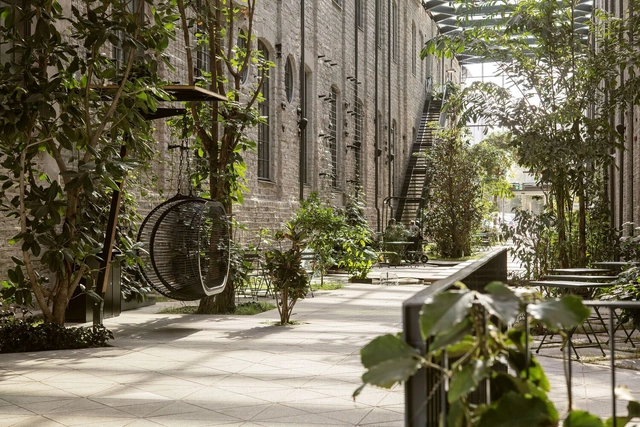
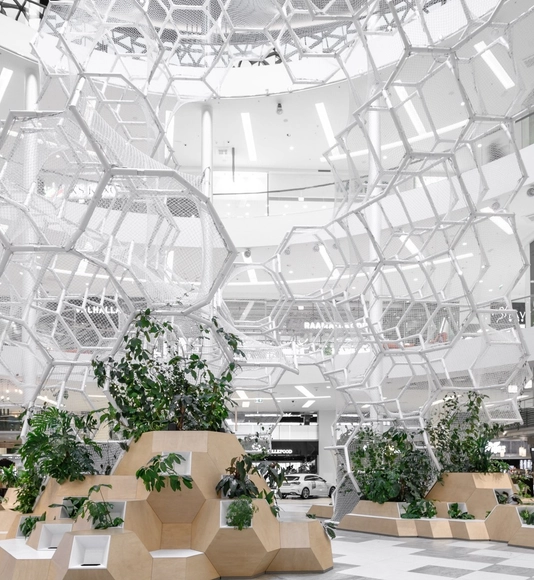
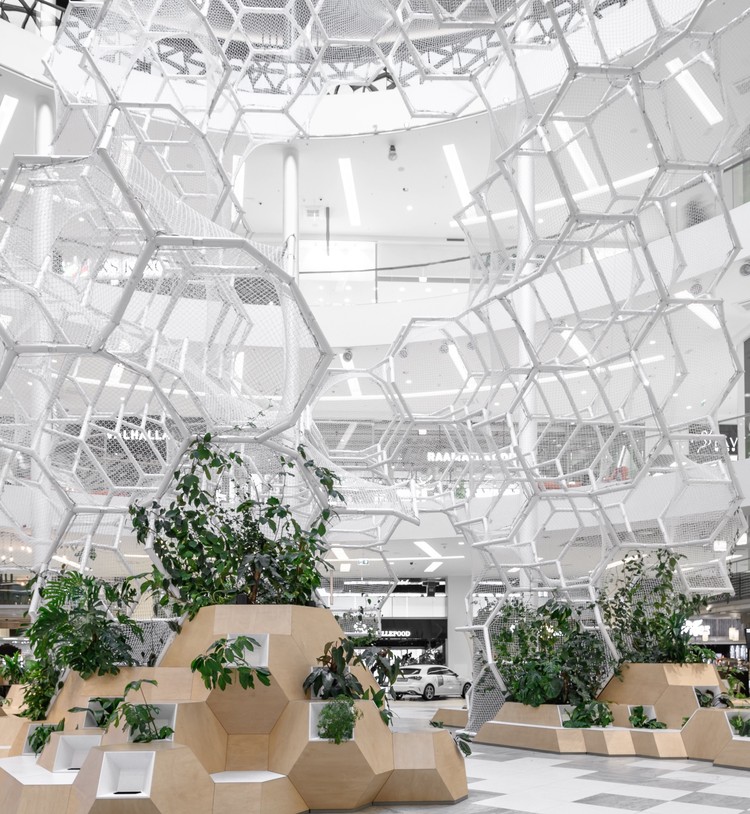
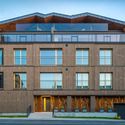
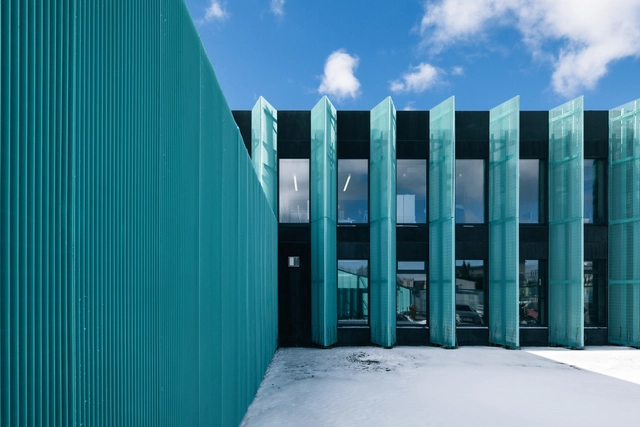
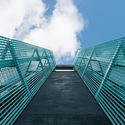
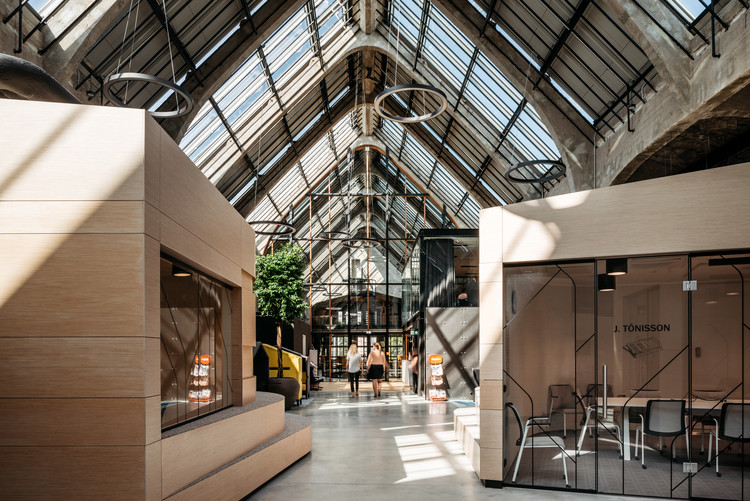
SKIN THE ARCHITECT - installation by LAIDA. Visual: LAIDA / Ligita Breģe
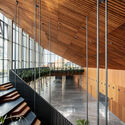
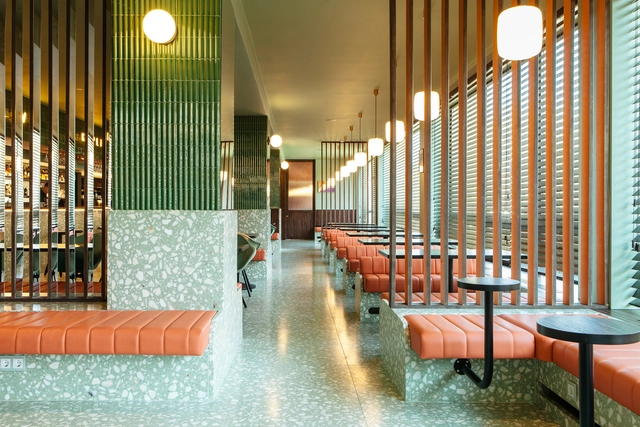
SKIN THE ARCHITECT is an interactive installation by LAIDA - the Latvian Architecture and Design Union - created in response to the theme of this year's Tallinn Architecture Biennale: HOW MUCH? It is presented at the Wise headquarters in the Krulli Quarter, with the space supported by real estate developer Invego.
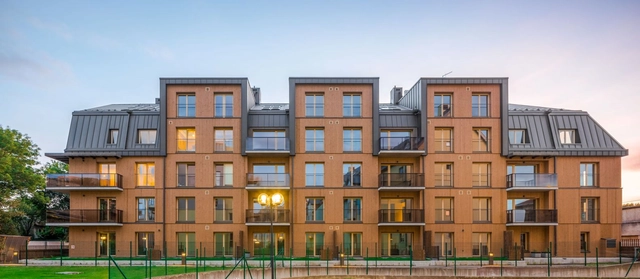
Open House Tallinn 2025, courtesy of the Estonian Centre for Architecture
Open House Tallinn is an annual architecture festival that opens the doors of the city to everyone curious about what lies behind them. For one weekend each autumn, residents and visitors are invited to explore the stories of Tallinn through buildings, landscapes, and urban spaces that are not always accessible to the public.
Open House Tallinn 2024. Courtesy of Eesti Arhitektuurikeskus MTÜ.
On the weekend of October 12th and 13th, Open House Tallinn returns with more than 40 buildings opening their doors for free guided tours. The programme offers fascinating locations across Põhja-Tallinn, the city centre, Mustamäe, Tondi, Nõmme, and Kadriorg.
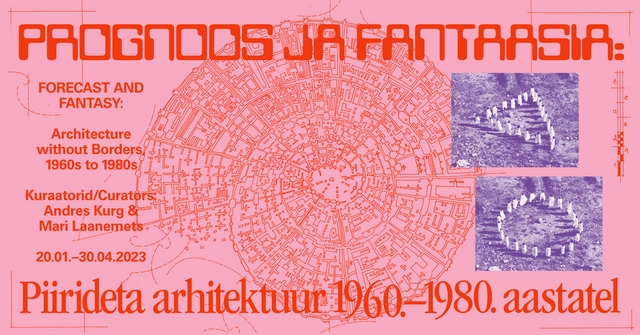
This exhibition stages a meeting point for scientific predictions and futuristic fantasies that were manifested in architecture and art from the 1960s to the 1980s. Bringing together authors from Eastern Europe and the West, the exhibition will display works that emerged from the new technological reality that followed the Second World War, and which took it along unexpected paths: foreseeing the replacement of work with games and collective pleasures in computerised societies, turning away from the overarching machine logic and replacing it with myths and romantic ideas of the human being, or looking for traces of other civilizations from space, instead of conquering it. A utopia of quantification and of scientific planning, of the separation of life and work, was replaced by a striving towards harmony between the machine and nature, the mind and the body. These projects are extensions of a technologicised world, ironic and absurd situations that present a critique of rationalism and speak of the contradictions of late modern society, demonstrating at the same time both its intellectual horizons and the limits of its utopian fantasies.
The exhibition OASIS opened at the Estonian Museum of Architecture in Tallinn brings together different projects of designers/artists/architects who created contemporary micro-climates for survival in a hostile environment.
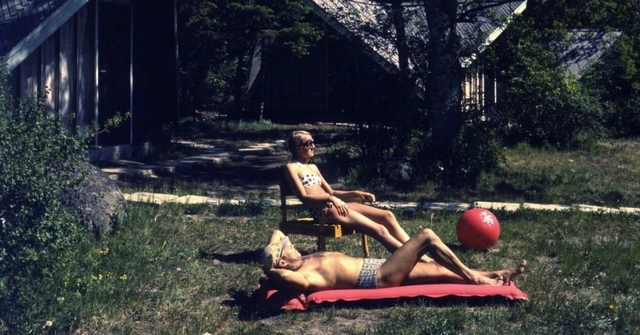
Camping ground near Tallinn, 1960ies. Photo: Estonian National Museum
The first major exhibition on holiday architecture of the Soviet period opens in the Estonian Museum of Architecture. The exhibition gives the first overview of Estonia’s rich Soviet-era holiday and summer cottage architecture heritage – buildings that made holidays accessible for a majority of people in the 20th century. It provides insight into a little-researched topic that explores the system related to holidays and the architectural context governed by regulations and codes, and also introduces outstanding buildings. It allows an important facet of Soviet life to be investigated – the expressive meeting point between institutionalized and individualized worlds.
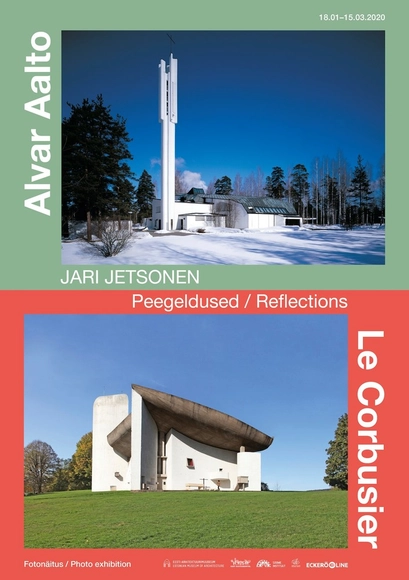
Museum presents the works of two giants of 20th-century architecture, Le Corbusier and Alvar Aalto, as seen through the lens of Jari Jetsonen. Jetsonen is a recognised Finnish photographer, who has been photographing Alvar Aalto’s architecture for over 20 years. As a dedicated photographer of architecture he became fascinated by the points of contact and similarities in the forms and ideas in both the buildings and thinking of the two seemingly oppositional architects. What becomes important here is the point of view of the artist and the way he sees buildings. Referring to Johann Wolfgang von Goethe’s idea that architecture is like frozen music, Jetsonen explains: “I have tried to interpret this frozen music by approaching buildings in different ways. Sometimes the architecture peeks in the middle of nature as if it was a wild animal in the jungle or I would take a picture of the deer descending to the edge of the pond. Occasionally, architecture can be described as orderly or monumentally or approached heroically from below.”
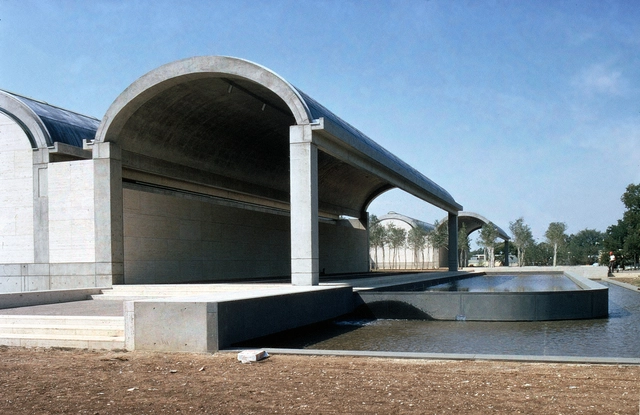
August Komendant (1906–1992) was an Estonian-American structural engineer, whose collaboration with famous architects and engineers resulted in several 20th-century architectural masterpieces. His professional career spanned more than half a century from the 1930s to 1980s and coincided with an era characterised by modernisation, urbanisation and the rapid development of technology.