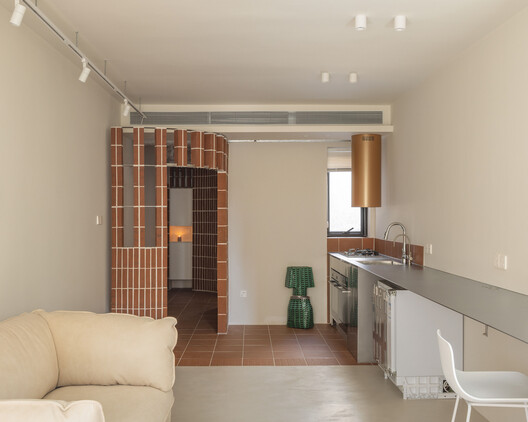
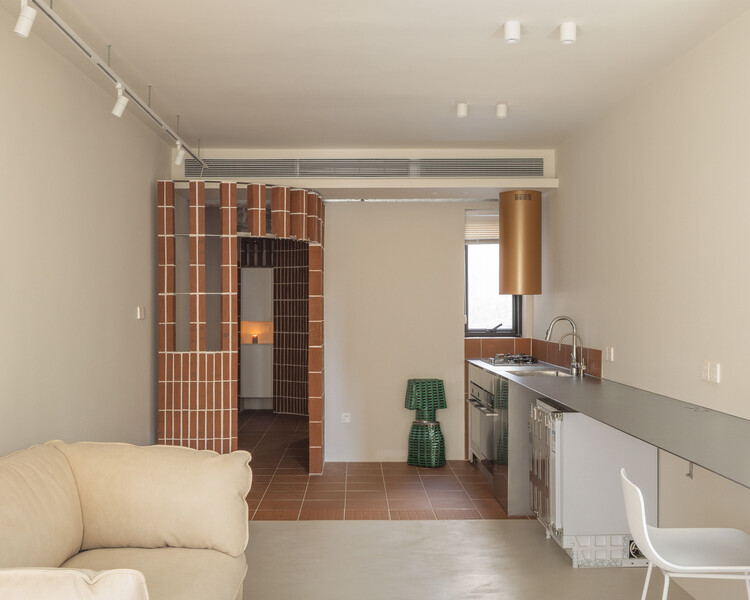
In many homes, the entry is treated as leftover space or a narrow strip transition before the living room begins. Yet in dense Asia-Pacific interiors, sometimes despite the small sizes, the entrance often performs far more work than its size suggests. It is the threshold that dictates the transition: street is filtered, body adjusts, shoes are removed, guests are received, privacy is negotiated, and domestic order begins. Before the living room became recognizable as interior, the entry sequence and space had already staged the first act of inhabitation.
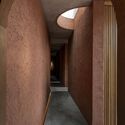
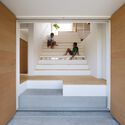
The Japanese genkan is perhaps the most familiar version of this condition, but the logic extends far beyond Japan. Across apartments, terrace houses, public housing units, and compact urban homes, the entry threshold becomes a small but charged architectural device. It manages hygiene as well as spatial sequencing through various deliberate architectural elements. It can be a recessed floor, a thickened wall, a compressed corridor, a screen, or a small foyer between public circulation and private life. Its importance lies not in its size, but in the number of transitions it holds.
What defines the quality of a bathroom beyond its basic functions? As one of the most private spaces within the home, the bathroom is closely connected to everyday rituals and moments of pause. While fixtures, circulation, and technical requirements establish the practical foundation, the atmosphere emerges through a combination of spatial decisions: how furniture meets the floor or deliberately avoids it, how materials interact with light, how storage is integrated, and how form and proportion shape perception.
This week in architecture, discussions around the lifespan of buildings, the evolution of cultural institutions, and climate-responsive design highlighted how contemporary practice increasingly extends beyond the moment of construction. From debates over demolition and adaptive reuse to new museums that integrate landscape and environmental performance, the week's developments reflect shifting priorities around permanence, transformation, and public value. Alongside these projects, major institutional announcements, from the RIBA Stirling Prize shortlist to the election of a new UIA leadership, offer insight into the architectural agendas shaping the profession across different scales and geographies.
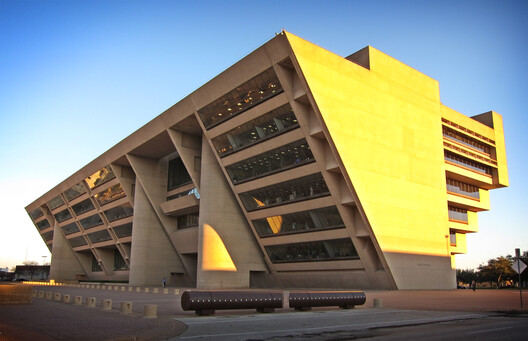
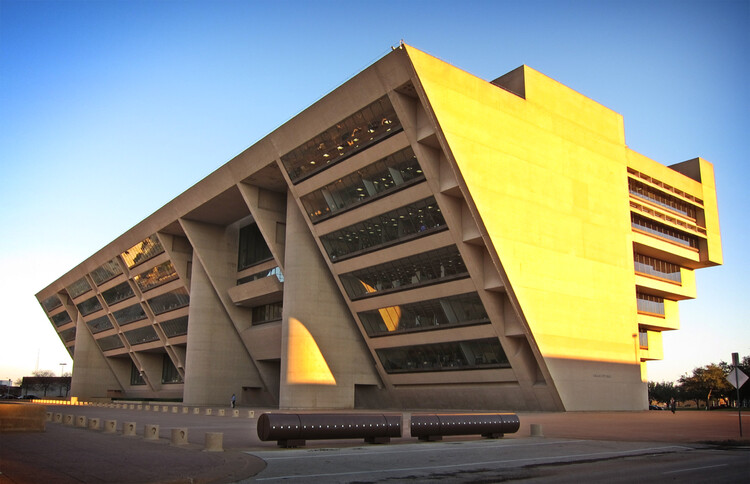
Since August 2025, debate has intensified in Dallas, United States, over the future of one of its modern landmarks: I.M. Pei & Partners' Dallas City Hall. As of today, the Dallas City Council will continue weighing whether to repair, sell, or demolish the 47-year-old building, following growing concerns over long-deferred maintenance and the need for major investment. In late October 2025, council members began public listening sessions and committee meetings to gather resident input. Preservationists and some council members urged a full study of repair options and historic landmarking, while others emphasized fiscal and operational concerns. Since then, the Dallas City Council has been looking for a new building to relocate to, without formally deciding on the demolition.
Supporters of preservation stress the building's civic and architectural significance, while those advocating for demolition point to high maintenance costs and the redevelopment potential of the centrally located site. A petition to "Save Dallas City Hall," calling on council members to halt demolition plans and commission a transparent renovation study, remains open for signatures. Meanwhile, the mayor has said he wants to review all the facts before taking a position on whether the city should relocate or invest in repairs. On the occasion of the 250th anniversary of the United States' Declaration of Independence, the World Monuments Fund included the building on the "Irreplaceable America" list, spotlighting urgent preservation needs. The case adds to the growing list of modernist icons worldwide facing uncertain futures, sparking broader cultural debates about civic heritage and public infrastructure.
Antarctica has no government, no permanent population, and no economy. It also, since 1959, has had no legally recognized owner as the Antarctic Treaty freezes every territorial claim on the continent. On paper, this makes Antarctica the closest thing on Earth to a true commons. In practice, close to thirty countries currently operate more than seventy research stations there, several of them within a short flight of one another, and one of those stations has a school, a chapel, a cemetery, and a civil registry office that has recorded eleven births since 1978.
None of that architecture is accidental, and very little of it is explained by science alone. A research station costs millions of dollars to build and supply in one of the most logistically hostile places on the planet; a country does not commit to that expense purely to measure atmospheric ozone it could, in several cases, measure somewhere closer. What a station does, reliably, is stake a claim to a territory that legally forbids exactly that.
Recorded live at Milan Design Week 2026 in cooperation with INDX|GLOBAL, the ninth episode of the Room For Dreams podcast brings together architects Rajiv Parekh of Red Architects, Hiren Patel of HPAD, and Rudraksh Charan of 42mm Architecture to discuss how design can serve as a powerful tool for emotional resilience and collective healing.
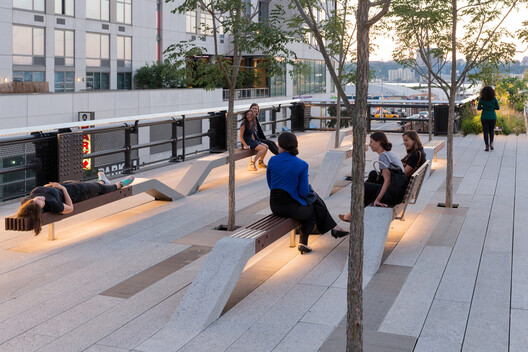
Images of the benches at New York City's High Line Park spread around the world when the project opened in 2009. Emerging diagonally from the same material and modular pattern as the paving, they transition seamlessly from concrete to wood, evoking the railway tracks that once occupied the site. To withstand decades of exposure to the elements, the project required a wood species of exceptional durability, and ipe, harvested from the Brazilian Amazon, was selected. Its slow growth produces a dense, low-porosity hardwood that is naturally resistant to wear, moisture, and biological decay. The choice, however, sparked controversy at the time amid concerns over the certification of the timber's forest management. This broader view changes how we think about materials. Their origin still matters, but so does what happens after the building's life comes to an end.
Public space is often understood as belonging to no one in particular, collectively accessible yet institutionally maintained, yet a growing number of initiatives are challenging this assumption by testing shared management and distributed ownership models. In Paris, Adoptez un banc introduces a sponsorship-based approach, allowing individuals and groups to support temporarily and symbolically claim responsibility for historic public furniture without compromising its collective use. Elsewhere in the city, community gardens operating under the Main Verte framework demonstrate a self-managed model, in which public and private landowners retain ownership while delegating day-to-day control to citizen associations for food production and shared use. In New York, Common Corner represents a third pathway, based on institutional collaboration and participatory design, where public agencies, nonprofits, designers, and residents co-produce public space within a public housing context. Taken together, these three cases suggest that care, authorship, and responsibility can be distributed across citizens and institutions, producing more resilient, locally grounded urban environments.
MTM—Made to Measure designed by Herzog & de Meuron for UniFor, Creative Direction by Studio Klass . Image Courtesy of UniFor
What allows a single architectural principle to generate many different outcomes? The answer lies in the systems that organize architecture: geometry, proportion, structure, and construction. Together, these can establish a set of rules that can accommodate different programs, contexts, and spatial conditions while maintaining a coherent identity. A structural grid, for example, can organize a variety of uses, just as a single construction detail can be repeated throughout an entire building without producing identical spaces. Can the same way of thinking be translated into furniture design without losing its identity? MTM—Made to Measure, developed by Herzog & de Meuron for UniFor, explores this question. Instead of designing each piece independently, the collection grows from a single structural principle that can be extended, adapted, and repeated across different functions while maintaining its internal coherence.
Architecture often inherits a paradox. The buildings that come to define a place are rarely the only ones that shaped it. Instead, they become symbols, repeated through guidebooks, tourism campaigns, conservation agendas, and architectural histories until they stand in for an entire region. Over time, the richness of a built landscape is compressed into a handful of familiar images. What falls outside that frame rarely disappears. It simply slips from architectural discourse.
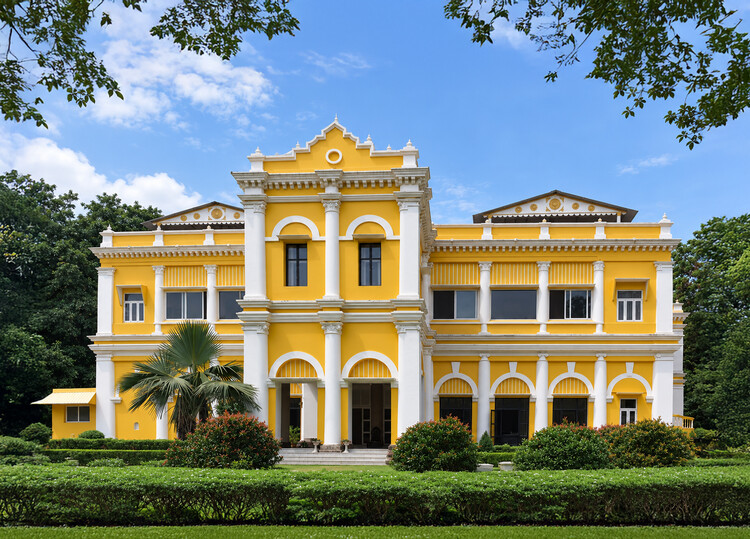
Few places illustrate this more clearly than Odisha. For decades, its architectural identity has been represented through the monumental stone temples of Bhubaneswar, Konark, and Puri. The sculptural sophistication of the Kalinga tradition has rightly earned international recognition, becoming one of India's most celebrated architectural legacies. Yet this prominence has also produced an unintended consequence. Odisha is frequently understood as a land of temples, leaving other architectural histories comparatively unexplored. Royal residences, administrative buildings, colonial encounters, vernacular settlements, and former capitals occupy a far smaller place in the architectural imagination despite revealing equally complex stories of governance, diplomacy, ecology, and cultural exchange.
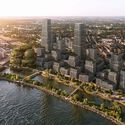
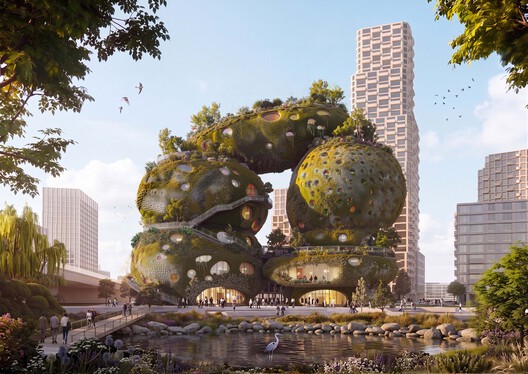
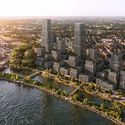
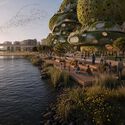
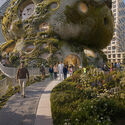
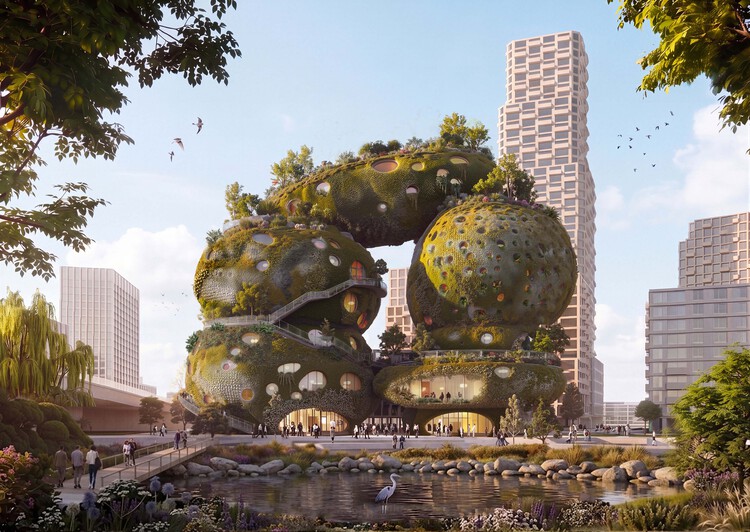
MVRDV has won the international design competition organized by the social enterprise Shift to design the Shift Embassy, a new cultural destination planned for Rotterdam's developing Waterkant district. Conceived as a hybrid of architecture and landscape, the proposal, titled Rotterdam ROCKS! combines exhibition spaces, hospitality, education, public amenities, and ecological infrastructure within a publicly accessible building intended to support Shift's mission of engaging visitors with environmental and societal challenges. The project will form part of Waterkant, a large-scale urban development on the south bank of the Maas, planned to include 3,750 homes alongside schools, workplaces, cultural venues, and public spaces.
The 21st Century ROAD to Housing Act, a bipartisan United States Senate housing bill, automatically became law on 11 July 2026. Officially the "Renewing Opportunity in the American Dream (ROAD) to Housing Act," the bill has been called the most significant housing measure in the country since the National Affordable Housing Act in 1990, and "the most comprehensive housing legislation in decades." In a context of global housing crisis, the text revises federal housing programs and expands available financing options, provides grants for communities, targets regulatory requirements for construction, and addresses the concentration of ownership. This law contributes to worldwide initiatives for adequate housing, such as limits on short-term rentals, taxing unoccupied residential units, and the transformation and adaptive reuse of existing structures, with the dual objective of increasing the number of residential units and making existing ones available.
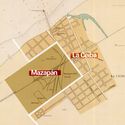
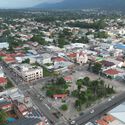
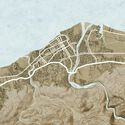
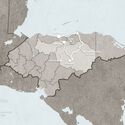
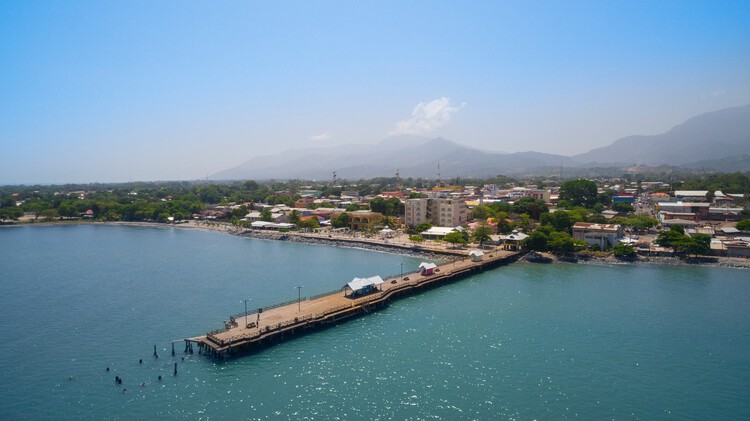
On the Caribbean coast of Honduras, lies the Leán valley, a narrow coastal strip lined by the Nombre de Dios Mountain Range to the South and the Caribbean Sea to the North. For a long time, this was the last frontier: dense jungle, swamps, no infrastructure, and difficult inland access. However, all of that started to change with the arrival of the Garífuna, who settled the area between the Danto and Cangrejal Rivers, setting the foundations of what would become the City of La Ceiba. An urban hub in the Honduran Caribbean whose history has been defined by migration waves: Central Americans, Afro-Caribbean people, Europeans, and corporate North America. These movements from all around the world did not merely contribute to economic growth, but actively produced the city's spatial logic, identity, and architectural form.
What does luxury mean when products are designed for quick obsolescence? Recorded live at Milan Design Week 2026 in cooperation with INDX|GLOBAL, the eighth episode of the Room For Dreams podcast brings together architects Priyanka Mehra, Simran Boparai, Ashmit Singh Alag, and Adreesh Chakraborty to dissect the evolving, often contradictory relationship between exclusivity, sustainability, and purposeful craftsmanship.
Grand Stade Hassan II in Morocco by Populous and Oualalou + Choi. Image Courtesy of Oualalou + Choi
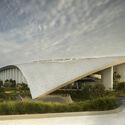
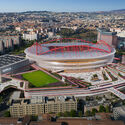
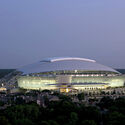
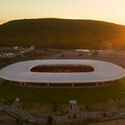
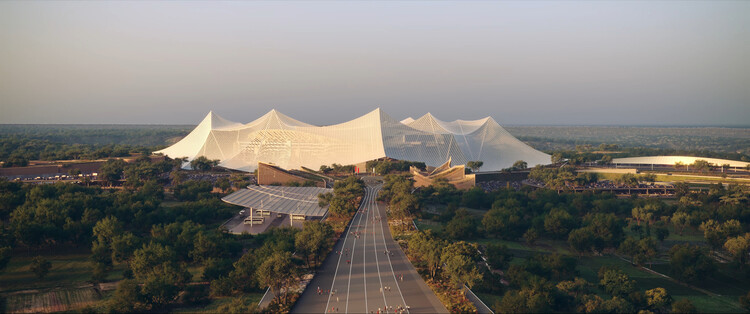
The conclusion of the FIFA World Cup 2026 marks the end of the tournament's largest edition to date. Hosted across Canada, Mexico, and the United States, the competition expanded to 48 national teams and brought together sixteen host cities distributed across three countries. For decades, FIFA World Cups have served as catalysts for architectural production. Each edition has generated a distinct collection of stadiums, transportation investments, public spaces, and urban interventions that often remain part of their host cities long after the tournament concludes. While recent competitions have become associated with landmark stadium projects and ambitious national building programs, the 2026 edition followed a different trajectory, relying primarily on existing venues adapted to FIFA's technical and operational requirements.
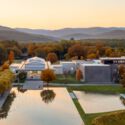
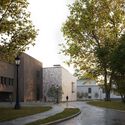
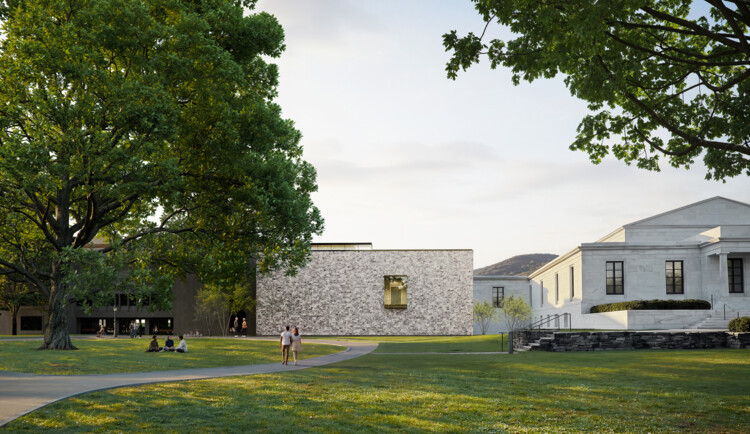
The Clark Art Institute, a prominent art institution located in the Berkshires of western Massachusetts, United States, has unveiled images of the design for the extension of its current facilities. The institution, opened in 1955, is both an art museum and a center for research, critical discussion, and higher education in the visual arts. The new wing, commissioned to Selldorf Architects in October 2024, will expand the current gallery and art storage space and connect the Museum Building and the Manton Research Center, previously renovated by the same firm. The new building will be complemented by a landscape design by Reed Hilderbrand, reinforcing the experience of the architecture, art, and surrounding Berkshire landscape.
In 2023, the School of Design Building at Shanghai Jiao Tong University opened its doors after a complete remodeling and adaptation of an existing structure. Designed by architect and scholar Xing Ruan, who also serves as Dean of the school, the building went on to receive two recognitions at the Prix Versailles: the World Title of the Most Beautiful Campus and the Special Prize for an Interior, one of the three major honors of the competition. Awards of this kind tend to generate their own momentum. Once a building is recognized, it is quickly placed within a convenient narrative — its materials, techniques, form, and spatial decisions all assigned meanings that make the project legible, categorizable, and easy to cite.
Yet what an award confirms is perhaps only that a building has been seen. What remains worth asking is why it exists in the way that it does — what problems it was made to address, what beliefs it refuses, and what it proposes about the discipline beyond the occasion of its construction. It was in the School of Design Building itself that the following interview took place, moving between architecture, scholarship, frugality, and the limits of what buildings can — and should — be asked to do.
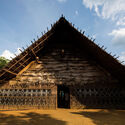
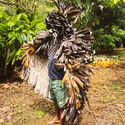
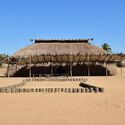
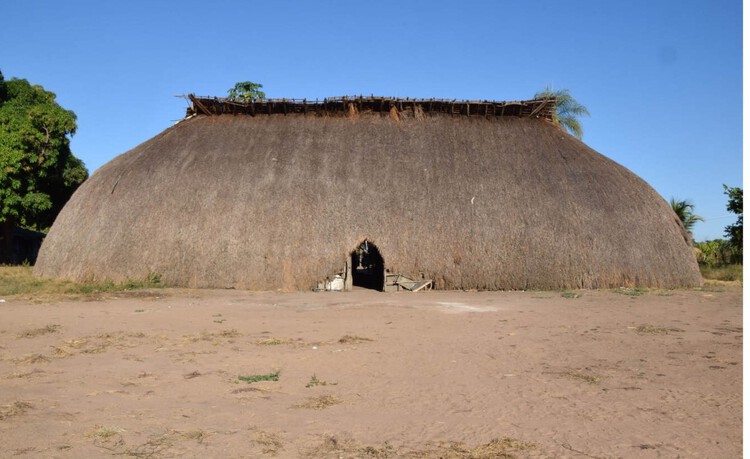
Anyone expecting the following words to discuss materiality, sustainable construction techniques, woodworking methods, or ways of weaving thatch will be mistaken. This article seeks precisely to shift the focus beyond the aspects that so often define discussions about Indigenous cultures when the subject is "architecture."
In a universe where the very term "architecture" is foreign, approaching Indigenous constructions—or whatever word might best describe them—through an exclusively material or technological lens is itself an attempt to fit their ways of producing space into Western categories. In doing so, a complex cosmology is reduced to a set of measurable attributes, as if it could be transformed into a checklist applicable to any form of architecture, erasing precisely what makes it distinct: the relationships between territory, body, and memory.
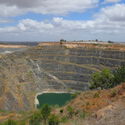
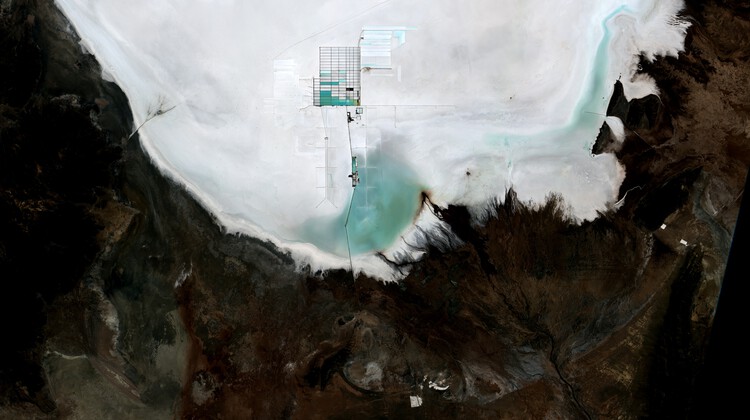
Every building begins somewhere else. The sand in its concrete, the stone on its façade, the lithium that may one day power its systems. It arrives, already stripped from a mountain, a riverbed, or a salt flat thousands of kilometers away, having passed through a chain of trucks, ships, and customs declarations that erase almost everything about where it came from. Architecture tends to treat material as a starting condition, something simply available, but extraction is where construction actually begins.
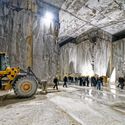
The global trade in construction sand alone now moves on a scale that rivals the illegal markets in timber, gold, and fish combined, run through networks violent enough to have cost reporters and activists their lives. A single mountain in Tuscany has yielded more marble in the past few decades than in the two thousand years before them, hollowed out by a workforce whose own history of revolt has been almost entirely forgotten. Beneath the salt flats of three South American countries and the copper belt of Central Africa, the minerals that will supposedly power a cleaner future are pulled from ground that Indigenous communities have inhabited for generations and that children, in some cases, mine by hand. Each of these is sold as ordinary commerce; each is also a territorial transaction whose terms were set somewhere far from where the material was taken.