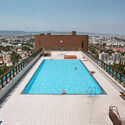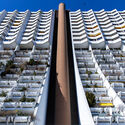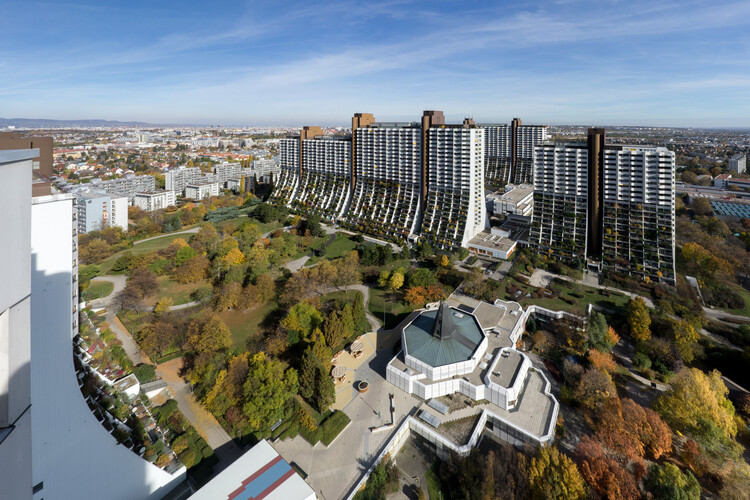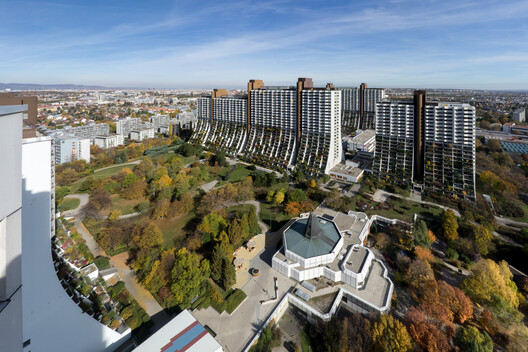
On the southern edge of Vienna, a cluster of monumental terraces rises above the cityscape, their stepped balconies cascading with greenery and their rooftops crowned with swimming pools. This is the Wohnpark Alterlaa, one of the most ambitious social housing projects in postwar Europe. Designed by Austrian architect Harry Glück and built between 1973 and 1985, the complex was founded on a provocative principle: municipal housing should not only provide affordable shelter but also offer the pleasures and amenities usually reserved for the wealthy.
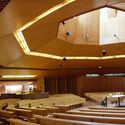
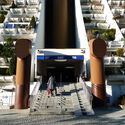
With more than 3,000 apartments housing nearly 9,000 residents, Alterlaa was conceived as a city within the city. Alongside its residential towers, it incorporates shops, schools, medical services, and cultural facilities, ensuring that daily life can unfold entirely within its boundaries. The project reflects a moment of optimism in Vienna's urban policy, when housing was understood as infrastructure for collective well-being rather than as a commodity.