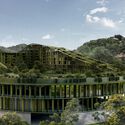
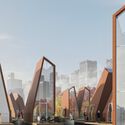
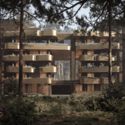
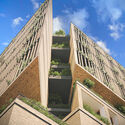
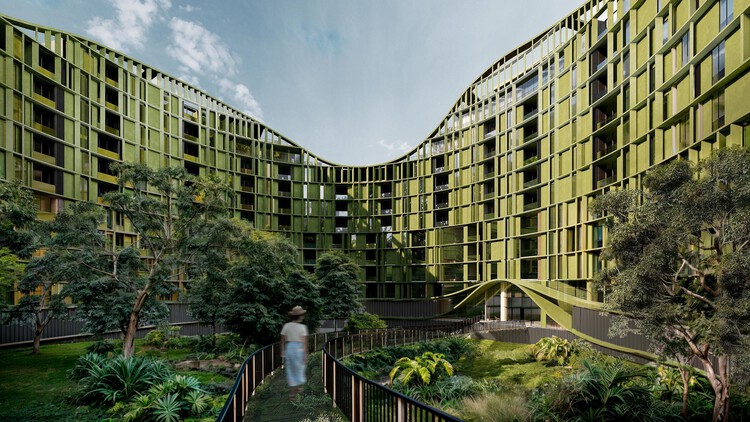
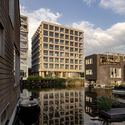
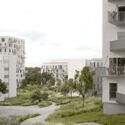
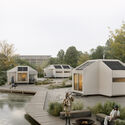
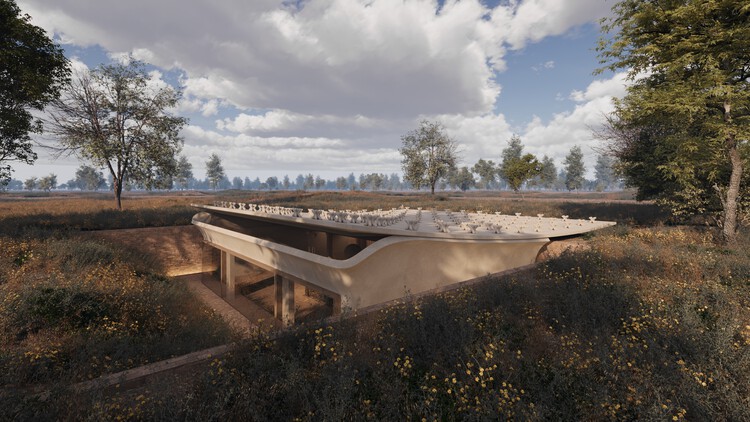
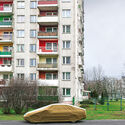
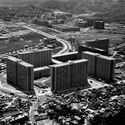
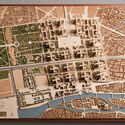
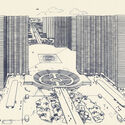
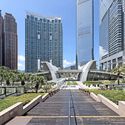
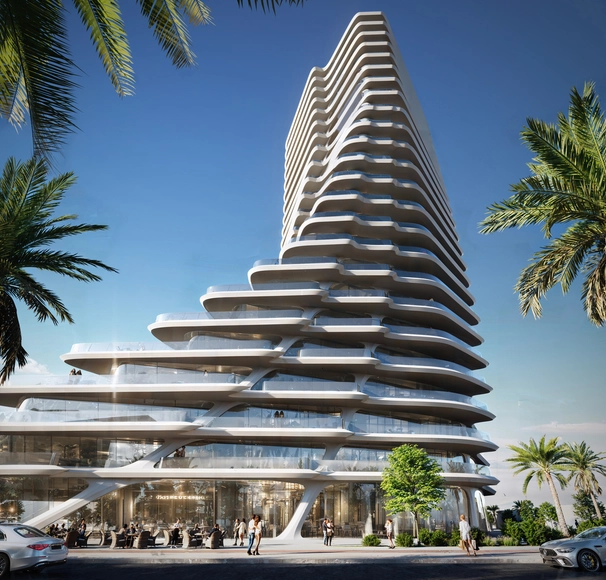
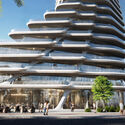
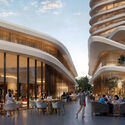
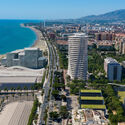
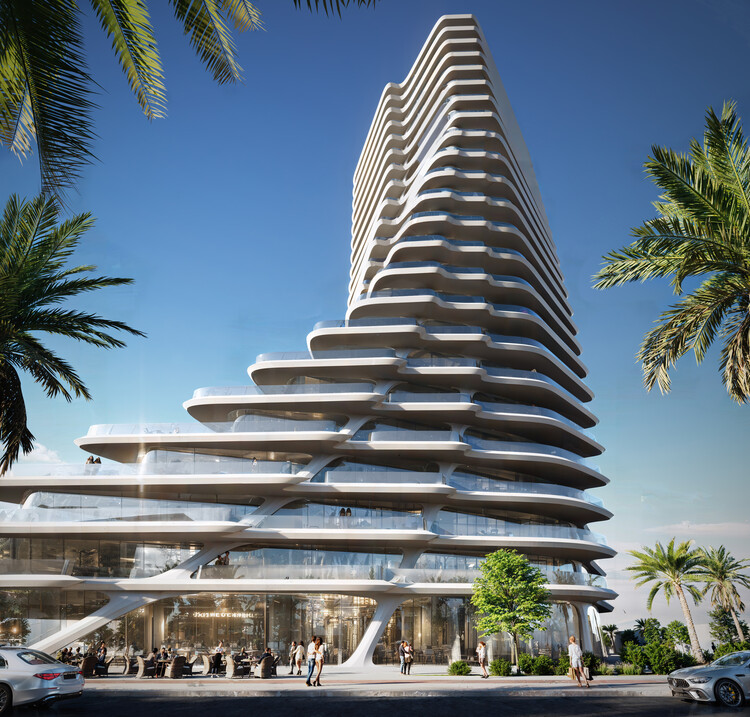
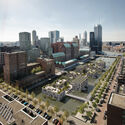
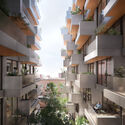
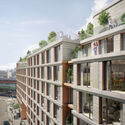
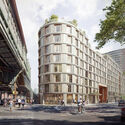
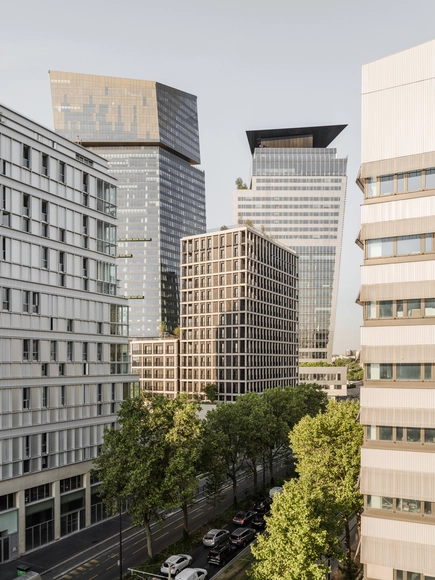
Sierra Blanca Estates, a real estate development firm, has officially announced plans to build a new residential neighborhood in the coastal city of Málaga, Spain. According to the developers, the proposal is intended to address the city's growing demand for housing in the capital of the Andalucía autonomous community, located along the Mediterranean Sea in the southern Iberian Peninsula. The new neighborhood is planned for the El Bulto area and would include a 21-storey building designed by Zaha Hadid Architects.
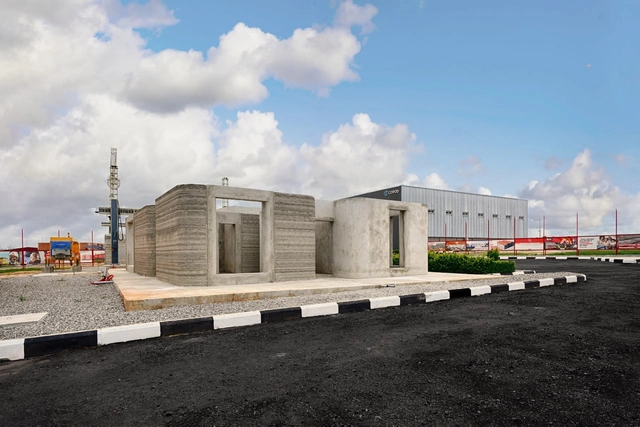
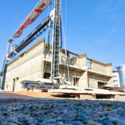
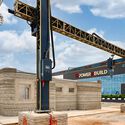
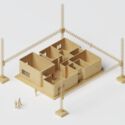
According to the World Bank, the Angola National Urbanization and Housing Program (PNUH), launched in 2008, aimed to build one million new housing units. However, by 2024, it had delivered only approximately 220,000. Power2Build, an Angolan construction startup, estimates the current housing deficit in Angola at around three million homes, with the situation particularly critical in Luanda, one of the fastest-growing cities on the African continent. With an entirely Angolan multidisciplinary team, Power2Build aims to contribute to reducing this deficit through the use of automated 3D concrete printing technology. Implemented on-site with large-scale construction printers from Danish company COBOD, the system is expected to accelerate construction timelines and improve building quality. Large-scale cement-based 3D printing eliminates the need for traditional molds by precisely placing or solidifying specific volumes of material in sequential layers using computer-controlled positioning. The process involves three key stages: data preparation, material preparation, and printing.
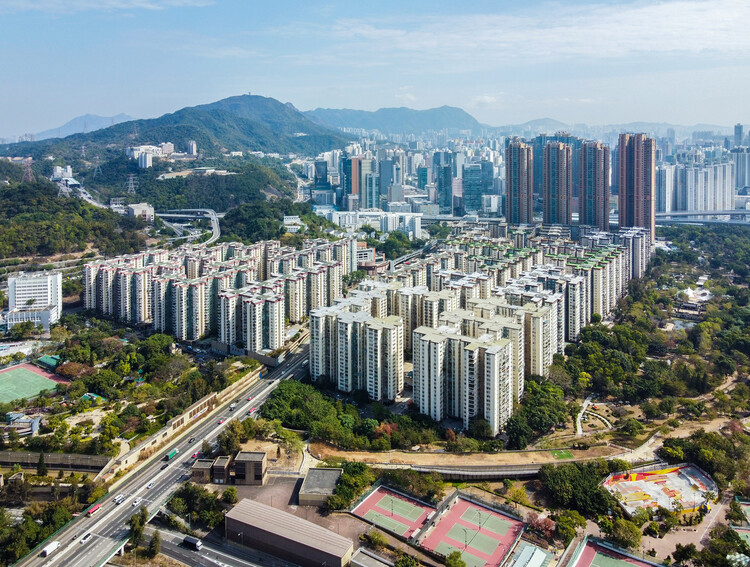
Architecture evolves, particularly in how it reflects the relationships between people, their behavior, and the environment. Even subtle variations in these dynamics can influence how we think and live in our communities. According to the World Bank, 56% of the population currently lives in urban environments, and it is estimated that by 2050 this number will reach 70%. This projection echoes the speed and magnitude of urban growth, posing challenges for architects and design firms, from the viability of buildings to the sustainability of the built environment, encompassing residential architecture and other typologies that influence daily life.
https://www.archdaily.com/1027788/case-studies-in-community-centered-living-innovative-residential-designEnrique Tovar
The housing crisis, the need for effective land management policies, and the growing demand for housing aid are global challenges, and Spain has taken significant steps to address these issues in recent years. While this effort is closely tied to rehabilitating obsolete buildings, it also tackles the challenges of densification and gentrification. These factors have prompted the exploration of new housing models and ways of living, leading to the development of affordable residential buildings designed to accommodate large numbers of inhabitants while maintaining high-quality living standards.
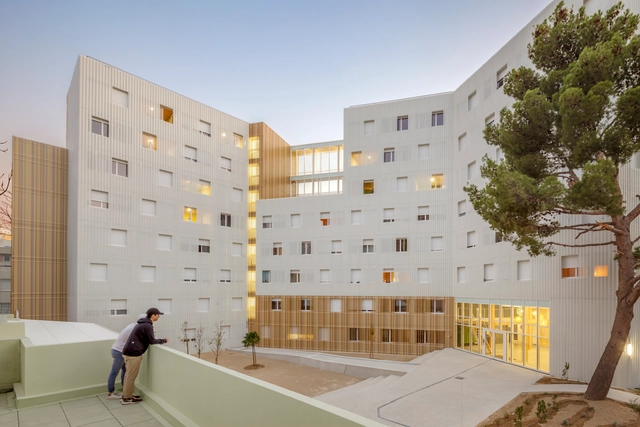
Student housing has undergone a remarkable transformation over the last century. Once seen as a utilitarian necessity, providing shelter and basic amenities for students, this architectural typology has evolved to address increasingly complex societal, cultural, and urban demands. Starting with Le Corbusier's modernist approach at the Cité Universitaire in Paris, student housing has reflected broader trends in architecture, urbanism, and social change.
Today, these buildings must cater to a highly diverse and transient population, navigating the pressures of affordability, density, and the evolving living standards of young adults. With rapid urbanization and increasing student mobility, universities now face the challenge of designing housing that is not only functional but also adaptable to different cultural and social contexts. This has led to more flexible, innovative solutions that promote both privacy and community living.
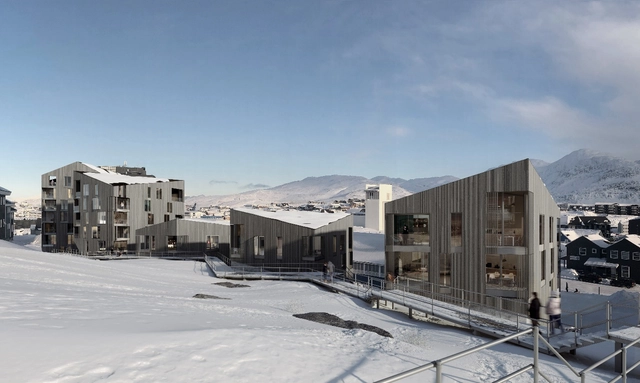
Copenhagen-based multidisciplinary studio BIOSIS has revealed the design for a new housing complex in Nuuk, Greenland. The project aims to create a minimal-impact and climate-driven design by integrating the intervention in the area's natural terrain and adapting the solutions to the local conditions. The Qullilerfik housing project consists of five prism-shaped residences created to complement the sloped site, initially considered unsuitable.
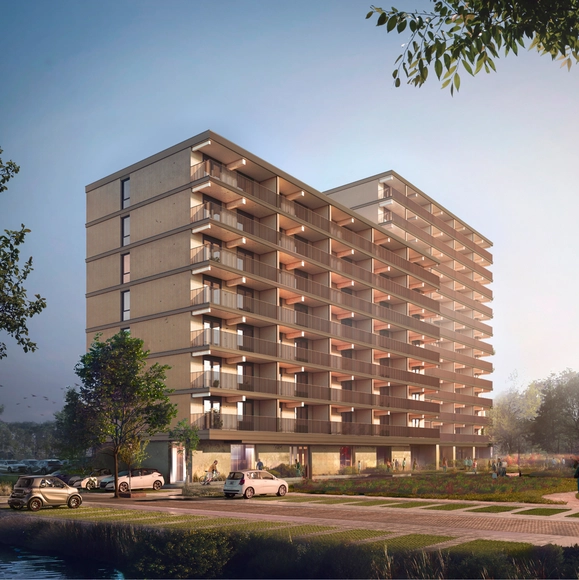
Powerhouse Company has revealed the design for the largest timber-built affordable housing complex in the Netherlands. “Valckensteyn” is a circular design featuring a 12-story timber structure and 82 homes. Situated within Pendrecht, a post-war neighborhood in Rotterdam, it sits on the site of a residential flat bearing the same name, demolished a decade ago. The timber structure seeks to be circular and sustainable in its design, creating a nature-inclusive environment that is accessible to all.
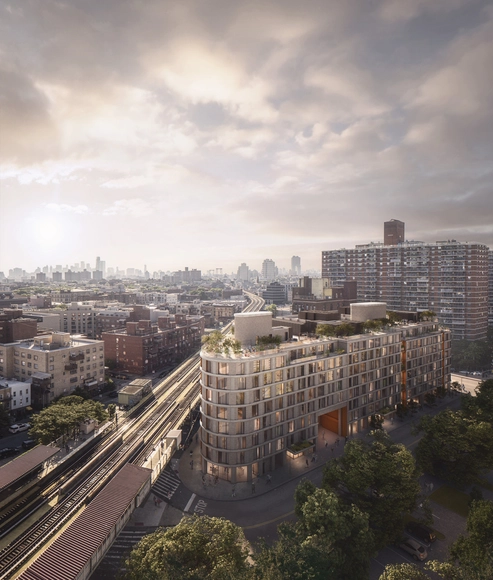
New York-based architecture office ODA has unveiled its design for Lorimer House and Copper Lofts, a development comprised of two residential buildings located in East Williamsburg in New York City. The design takes advantage of the triangular shape of the plot, employing rounded corners throughout the building to soften its image and create contextual references to its urban surroundings. Containing a total of 336 residential units, in addition to various amenities, the construction is slated for completion in 2024.
Almada Housing Plot C - Icaro / MASSLAB. Image Courtesy of MASSLAB
In every city, urban housing projects represent most of the built environments, reflecting an intricate weave of societal needs and architectural visions. This roundup of unbuilt projects submitted by the ArchDaily Community offers a lens into the dynamic interplay between design constraints and creative opportunities. From the revitalization of urban fragments to the exploration of innovative construction methods, architects navigate a terrain shaped by sustainability imperatives, community inclusivity, and evolving urban dynamics.
The diversity of unbuilt urban housing projects showcased here underscores the breadth of architectural interventions, featuring commitments to sustainability and inclusivity. From projects featuring new building materials such as wooden construction systems to those created to maximize sunlight or engage the larger community, this week’s curated selection showcases unbuilt collective housing projects from around the world.
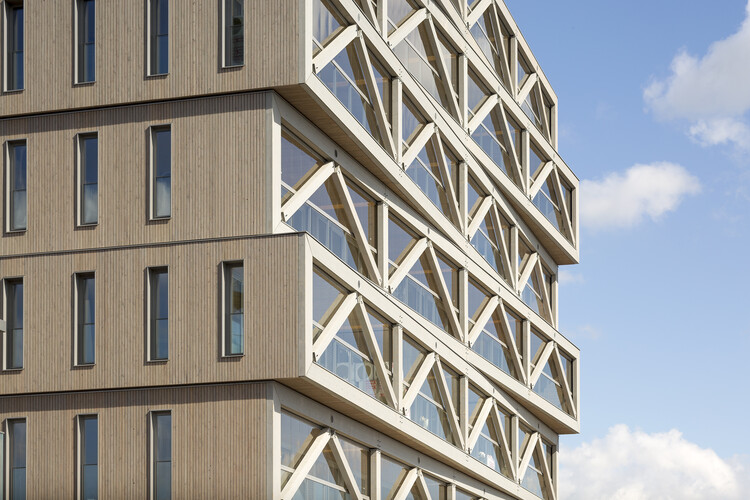
In Paris’ thirteenth arrondissement, the architecture office Moreau Kusunoki has completed Le Berlier, a 50-meter-tall timber tower housing residential units along with various other amenities. Situated at the intersection of multiple urban flows, networks, and scales, the project aims to find the middle ground between innovation, monumentality, and domesticity. The new residential center expresses its structural system through the grid of the façade, rendered in charred and pre-weathered wood.
Architectural studio Parabase has been chosen for the development of several plots of Areal Walkeweg in Basel for the purpose of creating affordable apartments and an integrated migration center. The design solution, titled “Elementa,” reuses components from deconstructed cantonal properties, transforming the former columns and floor plates into walls and façade elements. The project was chosen following an open competition, where the international jury favored Parabase’s solution for its strong aesthetics combined with the creative reuse of prefabricated concrete elements.
The result of a collaboration between OMA / Jason Long and Y.A. studio, the joint development of 730 Stanyan in the Haight Ashbury neighborhood of San Francisco broke ground. Upon completion, the 8-story building will accommodate 160 units of deeply affordable homes and amenities for low-income people, including formerly unhoused families, and homes and amenities for people with low incomes in San Francisco, including families, formerly unhoused families, and Transitional Age Youth (TAY). The project is scheduled to be completed in the Fall of 2025.
On first impression, Quarticciolo is a handsome district in Rome. A human-scaled public housing complex comprising red and yellow midrise buildings arranged around internal courtyards and gardens. Designed by architect Roberto Nicolini during the Fascist regime, this village feel isn’t found in the massive postwar residential schemes elsewhere in the capital. Like other rationalist architects, Nicolini was inspired by the ancient city. Basing the layout on a classical orthogonal grid pattern, he allowed just one tall structure, the Casa del Fascio (the Fascist party headquarters), a fortress tower that looms over the main square. Most of the buildings were constructed between 1938 and 1943 to house a working-class population that was forcibly moved from Rome’s historic center to the outskirts to make way for Mussolini’s grand public works.
https://www.archdaily.com/994464/rebuilding-and-destigmatizing-romes-quarticciolo-neighborhoodMarina Engel
Videos
Concept Renders. Image Courtesy of ICON Build
Pioneer in large-scale 3D printing, ICON announced the construction of a 3D-printed 100-Home Community co-designed by BIG – Bjarke Ingels Group and developed by Lennar. Located north of Austin, in the city of Georgetown, "The Genesis Collection at Wolf Ranch" will become the first and largest house estate in the world built by a fleet of robots integrating additive construction techniques.
Combining the digital possibilities of 3d printing with sustainable features at an affordable price, the project aims to support the housing crisis in Austin, one of the U.S.A's most dynamic and growing cities, home to the new Tesla Gigafactory and other giants such as Apple, Google, Microsoft, and Oracle.
Although there is much conflict surrounding the term Brutalist, there are certain constants and patterns within the movement that offer a concrete idea of the movement and its place in contemporary architecture.
The buildings that adhere to Brutalism—an off-shoot of the Modern Movement that erupted between 1950 and 1970— stand out in part to their constructional sincerity- that is, keeping no secrets about the materials that went into their creation, their bold geometry, and the asperity of their textures and surfaces. Reinforced concrete is the predominant material in Brutalist works thanks to its prominent and dramatic texture, which is put on full display.
MVRDV and Fugger Foundation are celebrating the 500th anniversary of the Fuggerei social housing project, the world's oldest housing complex, with a ceremonial pavilion and three proposals for “Fuggerei of the Future”. The celebration features a 5-week programme of interdisciplinary discussions and events about social housing and current global challenges. In honor of the occasion, MVRDV designed the 'NEXT500' pavilion, which exhibits an MVRDV study on the “Fuggerei of the Future”, presenting a new Fuggerei code and three proposals for new Fuggerei complexes around the world.
Celebrating the 500th anniversary of the Fuggerei social housing in Augsburg, Germany, MVRDV has collaborated with Fugger Foundation to initiate a conversation about the future architectural and urban plans of Fuggereien, the world’s oldest social housing complex. Throughout the upcoming months, the Fugger Foundations are hosting interdisciplinary debates that highlight Fuggerei’s guiding urban principles and discuss challenges about the field of architecture, politics, culture, and sciences, by notable individuals in each respective field.