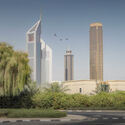
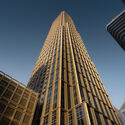
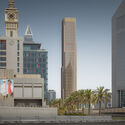
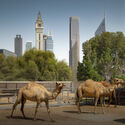
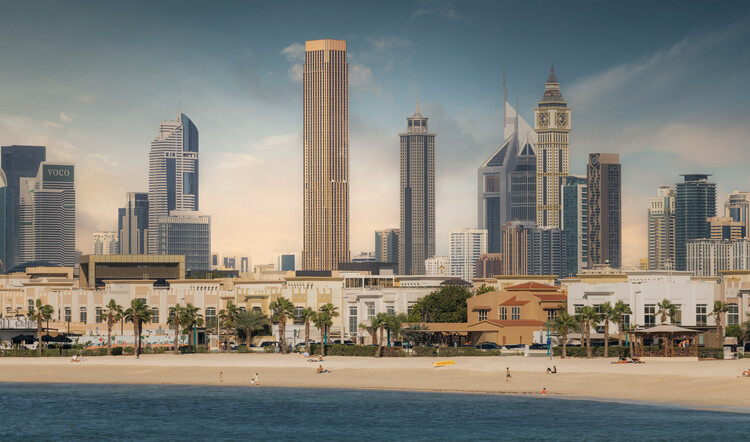
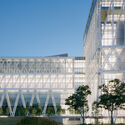
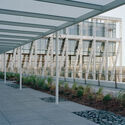
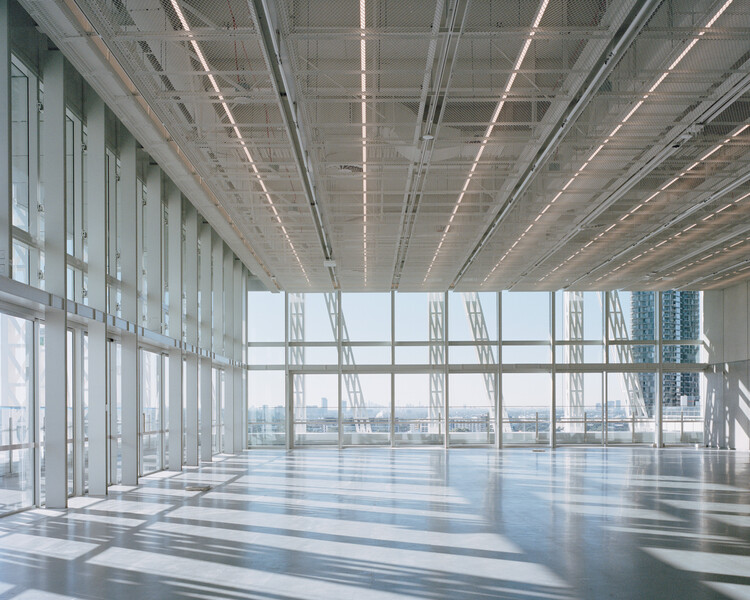
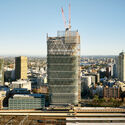
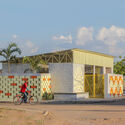
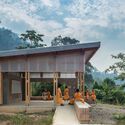
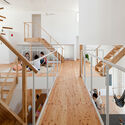
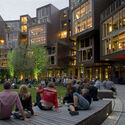
City Tower One is a 358-meter-tall (1,175 ft.) tower in Dubai designed by Pelli Clarke & Partners. The 93-story mixed-use skyscraper completed construction and launched for leasing in June 2026. The building is located in the Trade Centre First neighborhood, on a site connecting Sheikh Zayed Road to Al Badaa Road along Eleventh Street, and includes 608 residential units across from Hazel Wong's Emirates Towers and Killa Design's Museum of the Future. The building's presence in Dubai's skyline and everyday urban life was recently captured by local photographer Ahmad Alnaji, founder of SARAB Art Production and a contributor to the visual identity of landmark buildings across the region, including projects by architecture practices such as Foster + Partners, UNStudio and Killa Design.
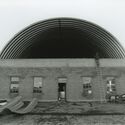
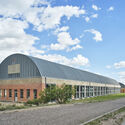
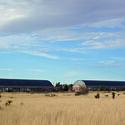
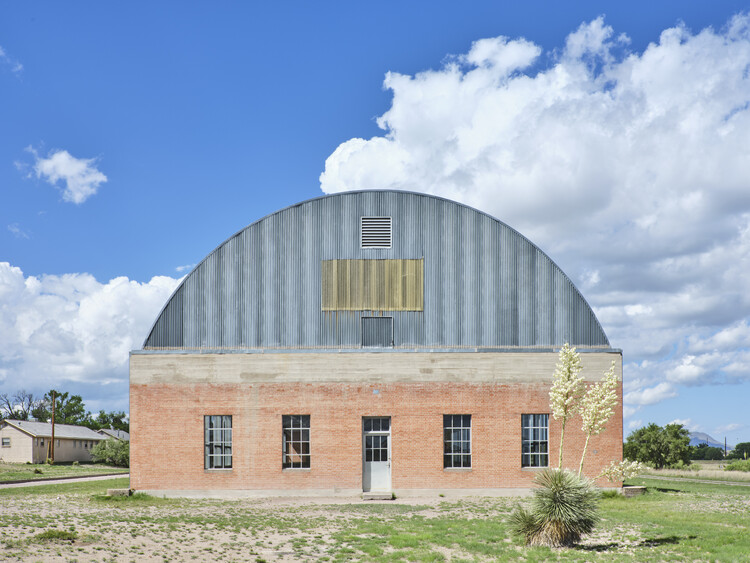
The Chinati Foundation has announced plans to restore the Artillery Sheds in Marfa, Texas, the former military buildings adapted by artist Donald Judd to house his 100 untitled works in mill aluminum, created between 1982 and 1986. Led by architect Troy Schaum of Schaum Architects, the multi-year preservation project is being developed with the Getty Conservation Institute and will address the historic buildings' envelope, accessibility, environmental performance, and landscape while preserving Judd's site-specific installation. The project follows the Artillery Sheds' inclusion in the National Register of Historic Places in 2025 as part of the expanded Donald Judd Historic District.
Powerhouse Parramatta, a new museum and cultural institution on the banks of the Parramatta River in Western Sydney, Australia, will open to the public on Saturday, November 7, 2026. The 30,000-square-meter building has been designed by Franco-Japanese firm Moreau Kusunoki as lead designer, with Australian firm Genton as local architect and Arup as engineer. Moreau Kusunoki won the design competition for the project in 2019, with completion initially planned for 2025. Powerhouse Parramatta is the first state cultural organization located in Western Sydney, a region whose population includes communities from more than 170 countries. At opening, the museum will present five exhibitions.
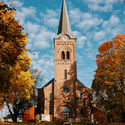
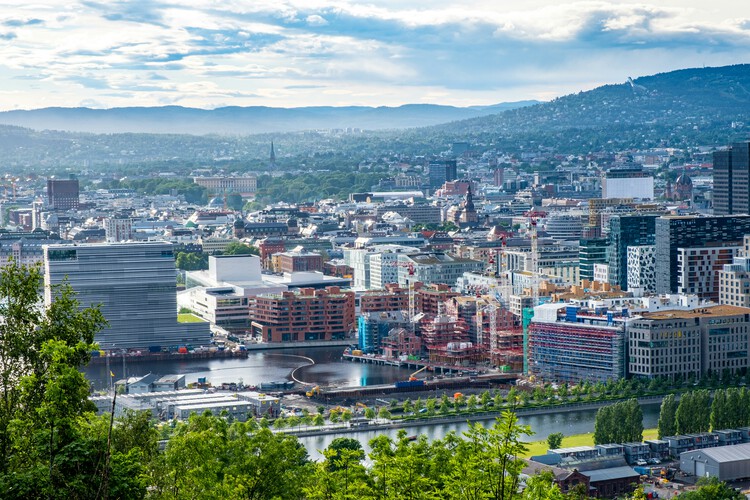
The 2026 Oslo Architecture Triennale will take place from September 17 to October 1 at Sofienberg Church in Oslo, bringing together more than 30 international architecture projects around the question "What if Nature Comes First?" For its ninth edition, the Triennale will adopt a two-week festival format, combining an exhibition with conferences, seminars, workshops, film screenings and guided walks. Curated by Line Ramstad, the programme will examine how placing nature at the starting point of architectural decision-making could influence what is built, preserved, transformed or left untouched.
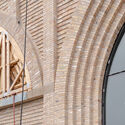
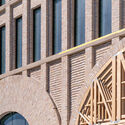
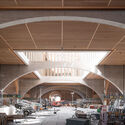
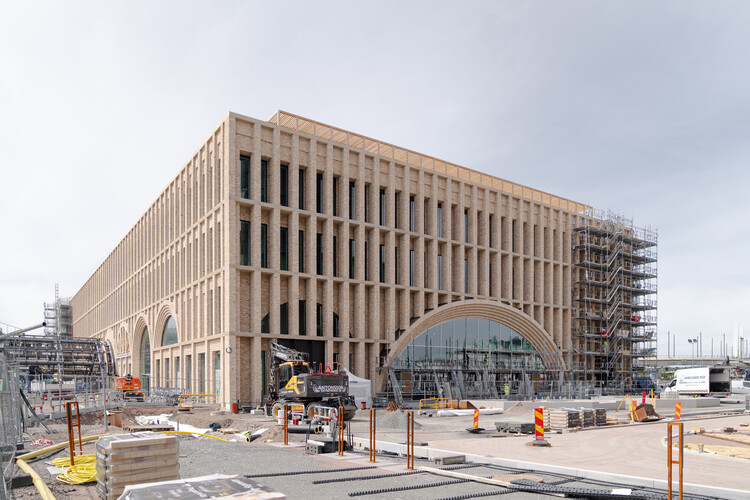
Construction is advancing on Gothenburg Grand Central, a new station building and prominent western entrance designed by Reiulf Ramstad Arkitekter. The project is part of the West Link (Västlänken) commuter rail project at Gothenburg Central Station, consisting of 8 kilometers of railway, including three new stations: Centralen, Haga, and Korsvägen. The new route is projected to increase capacity during peak hours and reduce travel times for commuter and regional trains, connecting directly to the existing central station and the Nils Ericson Terminal. The new station is scheduled to open alongside Västlänken's Centralen underground station in December 2026, with office tenants moving in during 2027, and the rest of the tunnel planned to be ready for traffic by December 2030.
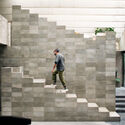
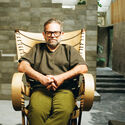
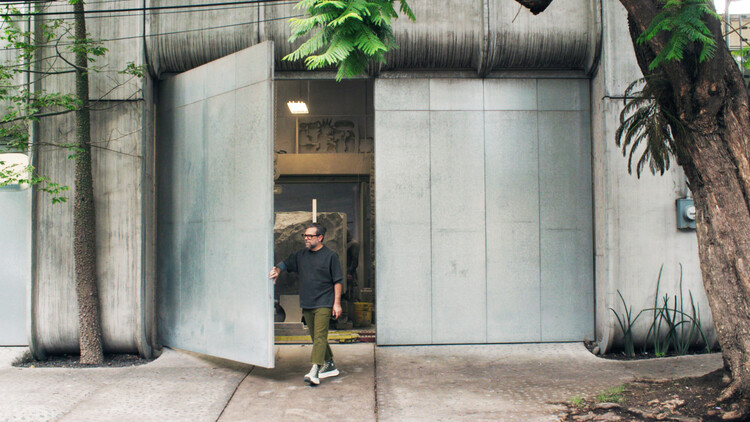
Mexican sculptor Pedro Reyes has developed a multidisciplinary practice that spans sculpture, architecture, social engagement, and activism. Trained as an architect, Reyes approaches sculpture as both a material and a collective process, combining traditional stone carving with participatory projects that address contemporary social issues. His work frequently explores transformation, whether through physical materials or community action, positioning sculpture as a tool for reimagining social realities. In a 2025 interview with Louisiana Channel, Reyes discusses the influence of architecture on his artistic practice, the concept of "social sculpture," and the importance of preserving craft traditions in an increasingly automated world.
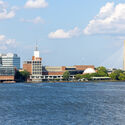
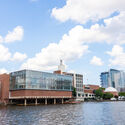
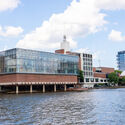
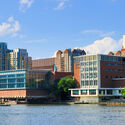
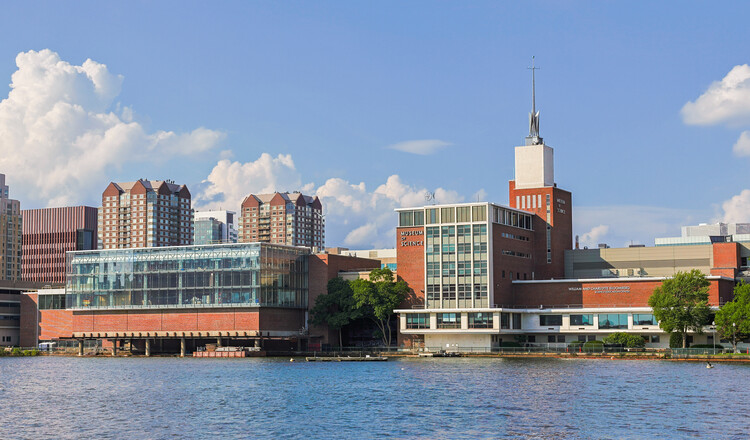
The construction of the William and Charlotte Bloomberg Public Science Common, the new venue at Boston's Museum of Science, one of the United States' oldest science institutions, is nearing completion. The 929 m² (10,000-square-foot) building, designed by William Rawn Associates, Architects, Inc., is expected to open to the public on October 10, 2026, followed by a celebratory event on October 28. The new glazed civic venue overlooks the Charles River with views of the Boston skyline, and features movable walls and retractable seating to shift between functions and programs. The space is designed to support public dialogue around the sciences, using immersive media, production, and livestreaming technology to reach audiences beyond the city.
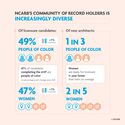
This week's stories explore how architecture engages with questions of culture, access, and collective life, from new cultural institutions and exhibitions to public spaces and housing. This week, the 2026 NCARB by the Numbers report provided a broader perspective on the profession itself, showing that people of color accounted for 49% of licensure candidates in 2025 and women for 47%, compared with 21% and 28% among the overall architect population. The report offers one perspective on access within the profession, while projects and cultural initiatives further examine how architecture responds to different forms of public and collective life.
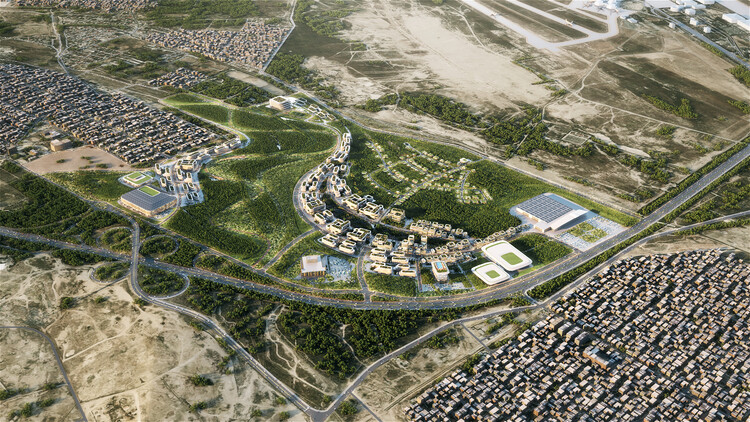
Baku Expo City masterplan, ZHA, 2026. Image Courtesy of ZHA
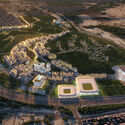
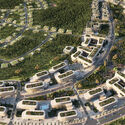
ZHA has been selected to design a new 198-hectare urban district in Baku, Azerbaijan. The project surrounds the existing Baku Expo Center events venue in a pine forest area that is planned to be preserved. The plan responds to the city's population growth over the past decade with a masterplan to organize the provision of a wide variety of residences. This is the firm's second project in Baku, after the Heydar Aliyev Center cultural venue, completed in 2013. On a different scale, the buildings in the new district appear to follow the geometric style inherited from Zaha Hadid, in a series of white buildings with rounded edges that convey an idea of fluid architecture.
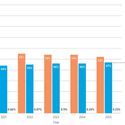
The National Council of Architectural Registration Boards (NCARB) has released the 2026 edition of its annual NCARB by the Numbers report, presenting data from 2025 on architectural licensure and demographics in the United States. The latest figures show a gradual increase in diversity among those pursuing licensure, while the demographic composition of the licensed architect population remains considerably less diverse than the current candidate pool. The report also examines attrition along the path to licensure, revealing differences in who ultimately reaches professional registration.
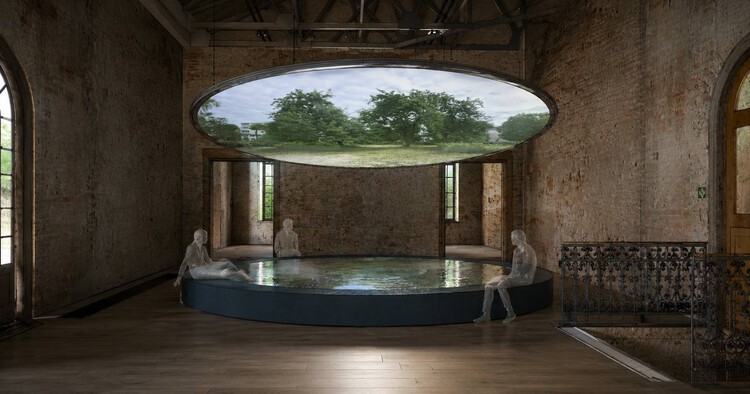
The Ukrainian pavilion at the 20th International Architecture Exhibition – La Biennale di Venezia is being designed by the team from CO-HATY, a local volunteer initiative restoring abandoned buildings in the country to transform them into stable homes for internally displaced people. The team is formed by METALAB and relocated members of the Ukrainian Urban Curators agency, who have been developing CO-HATY since 2022. Titled "Pool of Questions," the project poses a question the organization argues is rarely voiced in the context of survival: not simply where displaced people should live, but when they can begin to live. For Venice, the imagined installation extends the restoration and adaptive reuse work into a discourse on affordable housing, dignity and rest during an ongoing war.
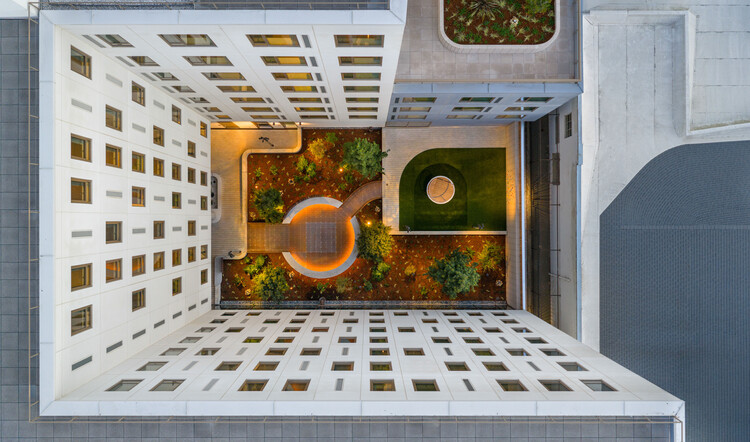
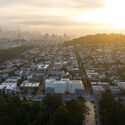
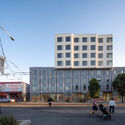
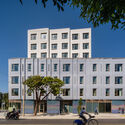
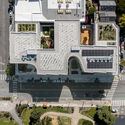
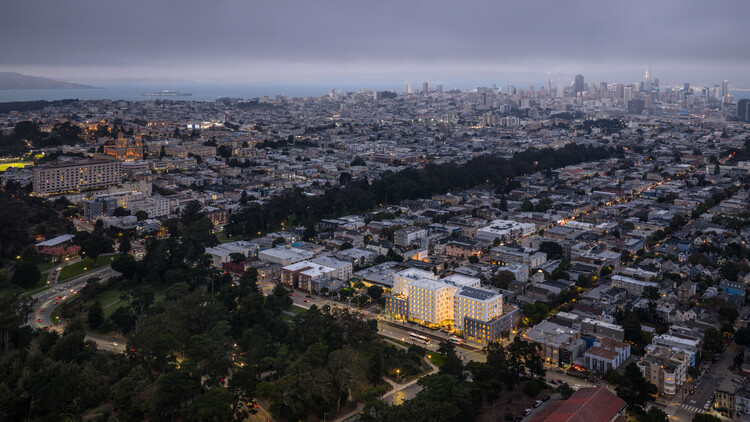
OMA, led by Partner Jason Long, together with San Francisco-based Y.A. Studio, has completed 730 Stanyan, a mixed-use affordable housing development in San Francisco's Haight-Ashbury neighborhood. Developed by the Tenderloin Neighborhood Development Corporation (TNDC) and Chinatown Community Development Center (CCDC), the project provides 160 permanently affordable homes for low-income families, formerly unhoused families, and Transitional Age Youth (TAY). Located at the intersection of Haight and Stanyan Streets, adjacent to the entrance of Golden Gate Park, the development marks OMA's first completed 100% affordable housing project in the United States.
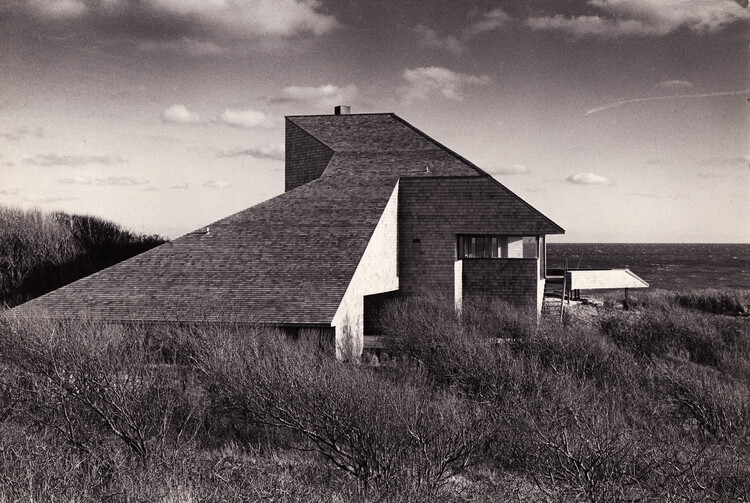
Norman Jaffe, Krieger House , Montauk, New York, 1975. Black and white photograph, 9 x 12 in. Courtesy Norman Jaffe Archives. Photo: Bill Maris. From the 2026 grant to Wandering Eye Studios for the film "Vanishing Point: An Architect’s Journey". Image Courtesy of The Graham Foundation
Since 1956, the Graham Foundation for Advanced Studies in the Fine Arts has fostered the development and exchange of ideas about architecture and its role in the arts, culture, and society. It awards project-based grants to individuals and organizations each year, and hosts public exhibitions and lectures. In June, the foundation announced the recipients of its 2026 Grants to Individuals program, awarding 54 projects that investigate architecture through exhibitions, films, publications, and research initiatives. In a second round announced this week, the organization has allocated funding to projects run by organizations with the same objective: expanding architectural discourse through diverse materials and cultural media.
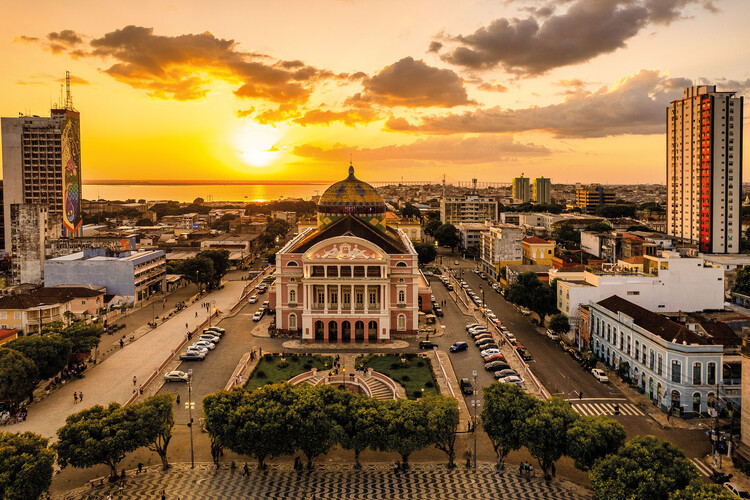
Architecture in Brazil this month highlights the country's diverse approaches to cultural production, heritage, and the transformation of its built environment. From the curatorial formation of the 15th São Paulo International Architecture Biennial to the recognition of Amazonia Theaters on the UNESCO World Heritage List, recent developments bring questions of representation, preservation, and cultural identity into focus. New projects in Rio de Janeiro, São Paulo, and Rondônia meanwhile explore adaptive reuse, relationships between architecture and landscape, and new approaches to materiality and sustainability. Alongside these developments, ongoing discussions surrounding Fordlândia and the archive of Lucio Costa revisit how Brazil's architectural heritage is preserved, interpreted, and understood today.
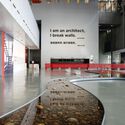
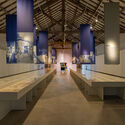
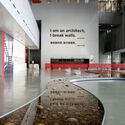
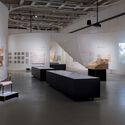
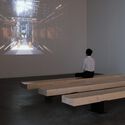
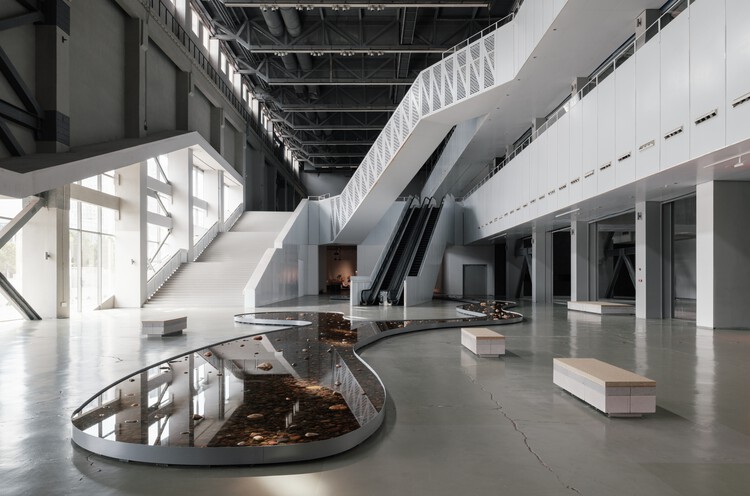
From 25 July to 25 October 2026, Shanghai's Power Station of Art (PSA) will host the first exhibition in China dedicated to the work of Brazilian architect Lina Bo Bardi. Titled "The Poetics of Survival," the exhibition was curated by Renato Anelli, and the display was designed by OPEN Architecture in a 2,300 m² space of the PSA contemporary art museum in Huangpu. The objective was to design "a stage where the audience gets a glimpse of the everyday reality of Brazil in Lina's time" through a journey across the architect's work and layered persona. The exhibition is not described as a retrospective, but as an "encounter with the master's poetics of survival," a late-20th-century concept describing how creative work becomes a tool to endure trauma such as historical oppression or extreme crisis. The concept serves as a common thread linking the reality portrayed and contemporary observers of a body of work "informed by her ingenuity, versatility, and generosity."
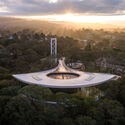
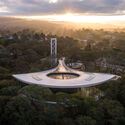
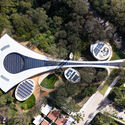
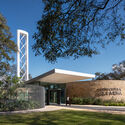
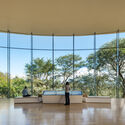
Pelli Clarke & Partners has completed the Lola Mora Cultural Center in San Salvador de Jujuy, Argentina, a new cultural institution dedicated to the life and work of Argentine sculptor Lola Mora (1866-1936). Located in the country's northwestern region, the project is the firm's first cultural building in South America and the final project led by its founder, the late César Pelli. Designed as a net-zero facility, the center brings together six of Mora's monumental marble sculptures for the first time in more than a century, providing a permanent home for works that were previously displayed outdoors in Jujuy.
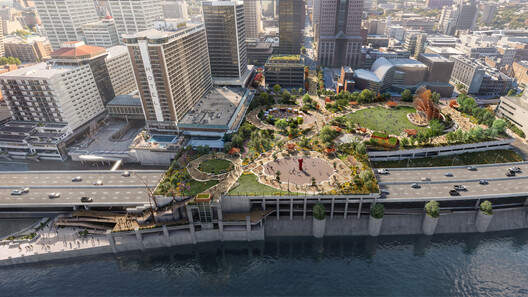
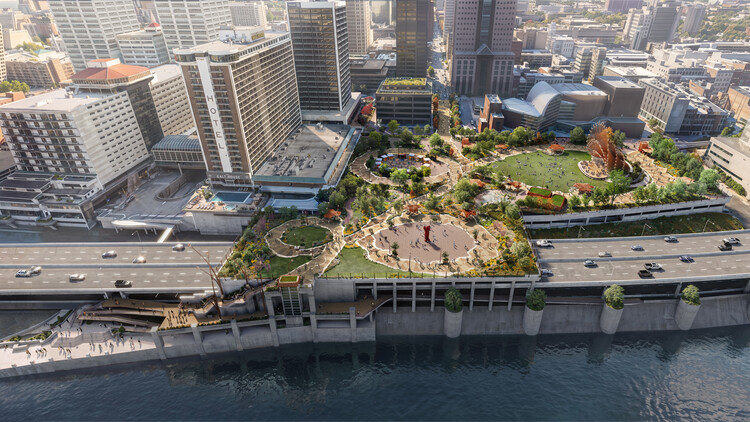
Louisville's Belvedere in Kentucky is a 53-year-old gathering place for concerts, festivals, and community events. The elevated concrete plaza was built on top of the city's largest parking structure and stands over a major highway overpass. Since 1973, it has functioned as a riverfront civic space for events and large gatherings, but its use as a casual public space is in evident decline. In its current state, the space lacks shade, greenery, and amenities, while the concrete deck has worn over the years. In February 2025, Heatherwick Studio unveiled the first images of its vision to transform the Belvedere, a project commissioned by the city's mayor and the Louisville Metro Government. This week, the firm released new images of the redesign as an open, green, and flexible space connected to downtown Louisville.
sauerbruch hutton and Studio Gang have been selected to renovate the German House in New York following an international competition organized by the Federal Republic of Germany. Located on United Nations Plaza in Manhattan, the building houses the Consulate General of Germany, the Permanent Mission of Germany to the United Nations, and several affiliated cultural institutions. The project marks the first collaboration between the two practices. Berlin-based sauerbruch hutton will serve as Lead Designer, while Studio Gang will act as General Planner and Architect of Record, overseeing project delivery and implementation. The proposal focuses on adapting the existing building, with the stated goal of extending its lifespan while improving its operational and environmental performance.
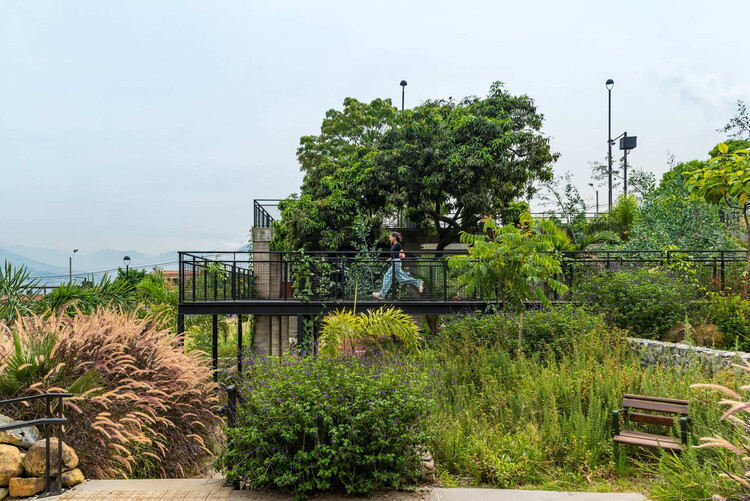
Parque Prado, Colombia, by Connatural Arquitectura en el Paisaje. Image Courtesy of International Union of Architects (UIA)
International Youth Day, observed annually on August 12, is marked in 2026 under the theme "Different Contexts, Common Aspirations," highlighting the shared aspirations of young people across diverse social, economic, and geographic realities. Despite differences in where and how they live, young people around the world continue to seek dignity, opportunity, meaningful participation, decent work, quality education, and a sustainable future. The day provides an opportunity to recognize their contributions while drawing attention to the conditions and opportunities that shape their lives.
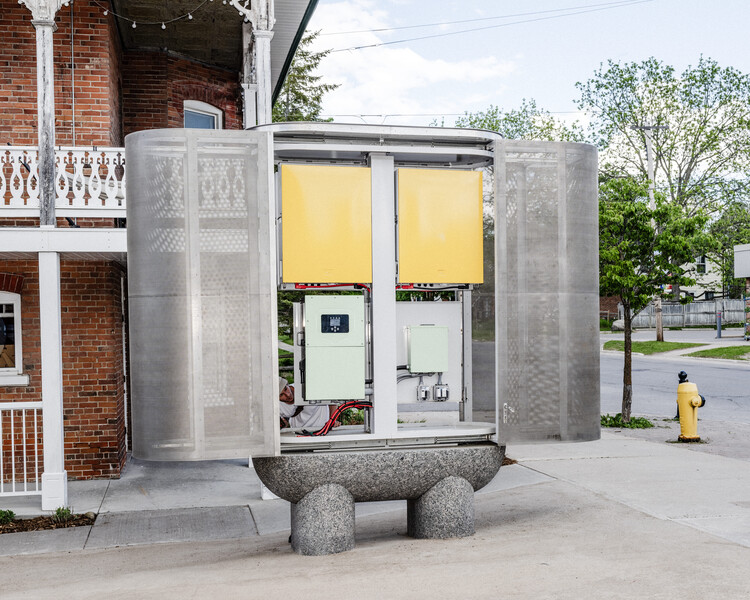
Against a backdrop of climate change, inflation, and armed conflict, the global energy system is undergoing change and facing scrutiny. As stated by the United Nations, buildings must be heated, lit, and electrified through clean, accessible, affordable, sustainable, and reliable power sources. Architecture and urban planning can contribute both to expanding energy access and to exploring different forms of storage. The Toronto-based startup Civic Grid designs and builds energy storage systems with the aim of changing the relationship communities have with the electrical power behind everyday life. Their first architectural battery was designed as public architecture by architects Jack Self and Josh Harskamp with industrial designer Max Fine. The prototype is the evolution of a deployable energy system developed with Lisbon Civil Defence for the Lisbon Architecture Triennale 2025, still in operation, and is paired with a scale model.
German filmmaker Wim Wenders is set to present "From Inside Out – The Architecture of Peter Zumthor," a new documentary examining the work and architectural approach of Pritzker Prize-winning architectPeter Zumthor. Running for 114 minutes, the film uses 3D cinematography to document Zumthor's buildings through the perspectives of visitors, users, inhabitants, and craftspeople. The documentary will have its world premiere in September 2026 as part of the Venice International Film Festival's Venice Open – Out of Competition program.
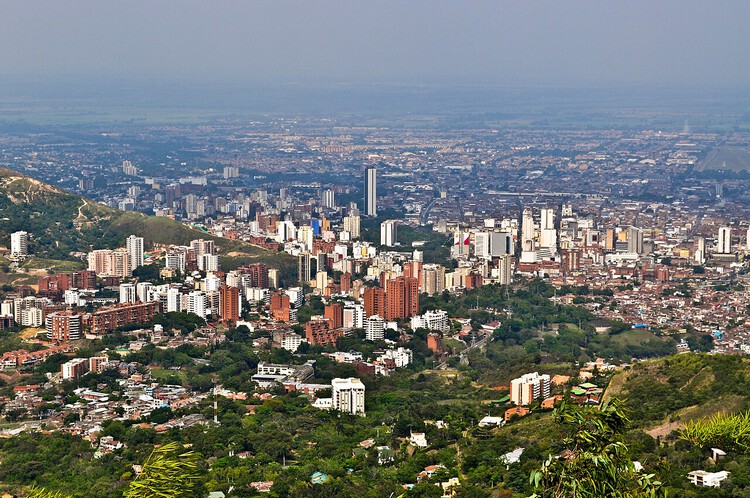
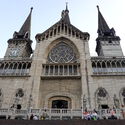
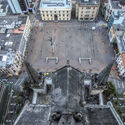
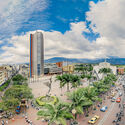
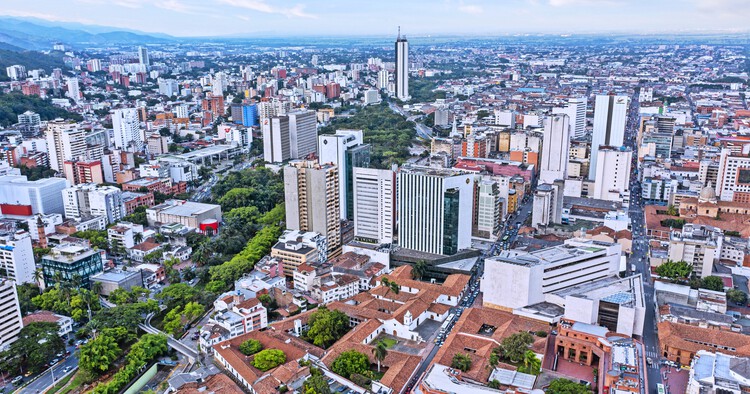
On Monday, 10 August 2026, a magnitude 7.4 earthquake struck Colombia's Pacific and Caribbean coasts. While the seismic event lightly affected the southern border of Panama and the northern border of Ecuador, Colombia has declared a national state of emergency. The earthquake has caused 111 deaths according to official reports, with the toll expected to rise as search and rescue efforts continue. According to the Servicio Geológico Colombiano (SGC), the epicentre was located 96 kilometres beneath the surface near San José del Palmar, a rural area in the northwest of the Chocó province. Infrastructure damage extends to densely populated cities including Cali, Pereira, Manizales, and Armenia, affecting an area with a population of about 3.5 million people. This seismic event follows four others that occurred less than two months ago in Japan, the United States, and Venezuela, adding to reconstruction efforts already underway worldwide.
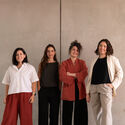
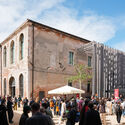
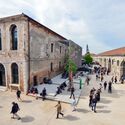
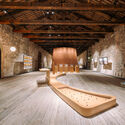
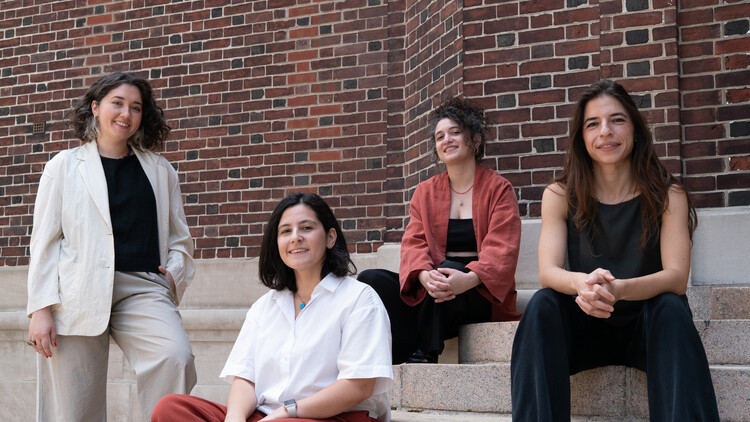
The TürkiyePavilion has announced "Spolia Futures" as its official exhibition for the 20th International Architecture Exhibition of La Biennale di Venezia, which will take place from May 8 to November 21, 2027. Commissioned by the Istanbul Foundation for Culture and Arts (İKSV), the exhibition will be curated by ba-be commons, a research collective composed of Başak Eren, Asya Ece Uzmay, Beril Sarısakal Erkent, and Ece Yetim. The proposal was selected through an open call and two-stage evaluation process to represent Türkiye at the 2027 edition of the Venice Architecture Biennale. The proposal examines spolia, traditionally understood as the reuse of architectural elements, as an evolving architectural method rather than solely a historical practice.