As housing shortages and affordability challenges intensify across global cities, this week's architectural discourse centers on how design, policy, and adaptive strategies intersect to shape the future of urban living. Initiatives range from grassroots movements and legislative reforms aimed at expanding access to housing to innovative models that rethink ownership, development, and community engagement. At the same time, architects are reimagining existing structures and districts, transforming underused offices, historic landmarks, and unfinished buildings into mixed-use, culturally significant, or publicly accessible spaces. Across scales, these stories illustrate how architecture negotiates scarcity, value, and social priorities, demonstrating its capacity not only to produce new buildings but also to recalibrate urban environments in ways that balance heritage, sustainability, and human experience.
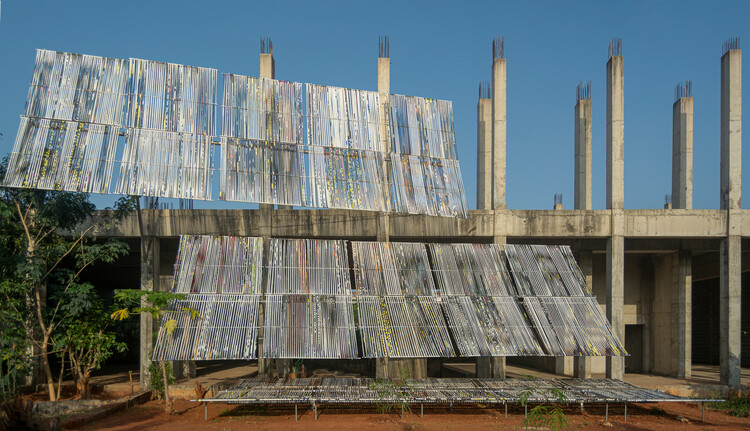
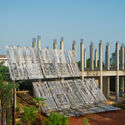
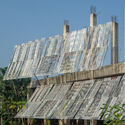
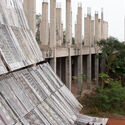
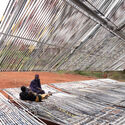
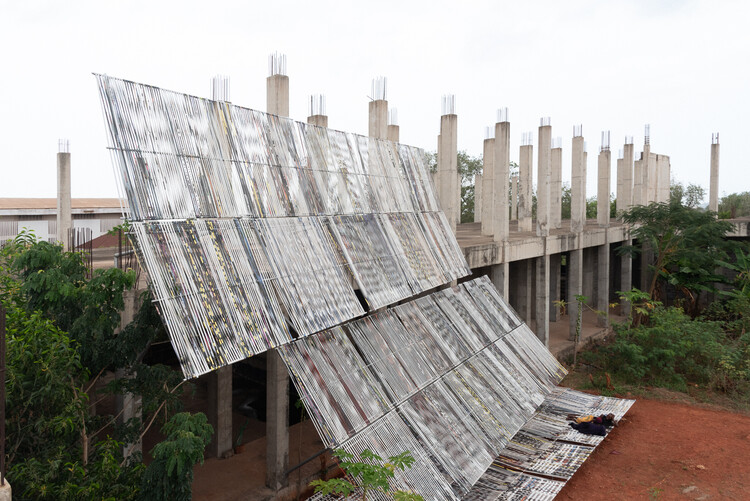
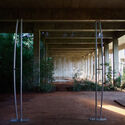
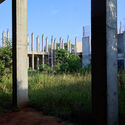
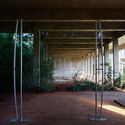
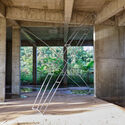
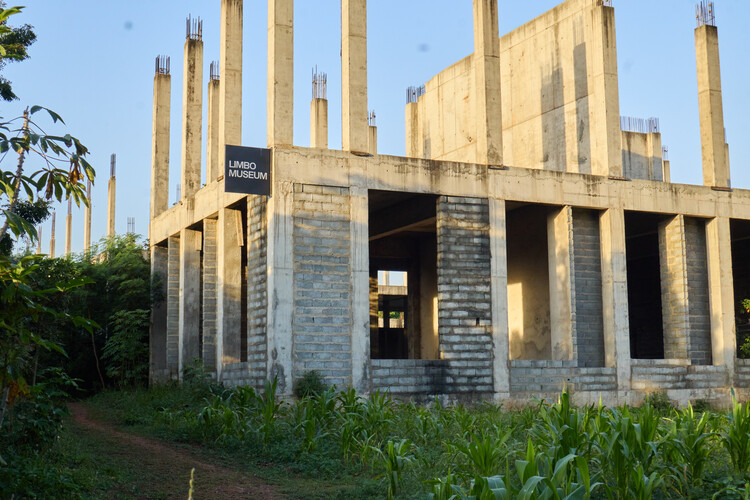
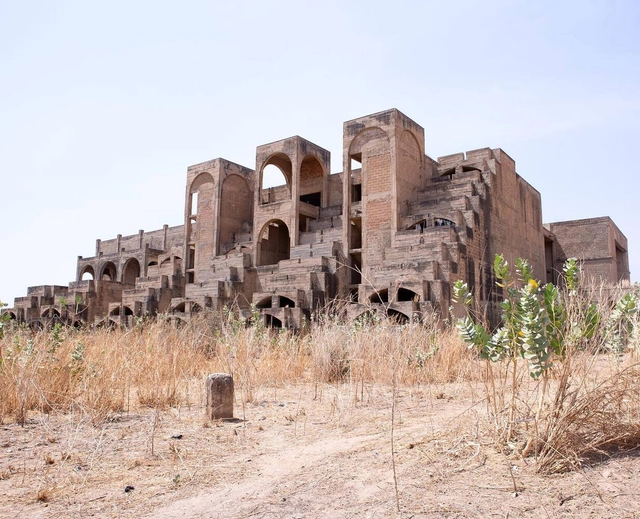
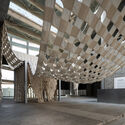
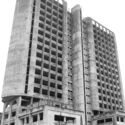
The recently opened Limbo Museum in Accra, Ghana, inaugurated a two-part architectural installation by TAELON7 on March 12th, led by architect Juergen Benson-Strohmayer. The installation was commissioned by the museum in partnership with Art Omi, a not-for-profit arts center in New York's Hudson Valley. The project is the first commission of a collaboration between the two institutions and will be installed in both locations, Accra and New York. Titled Limbo Engawa, the modular, lightweight structure dialogues with the formerly abandoned Brutalist building housing the museum, transforming its skeletal concrete structure and its surrounding land into spaces for use, care, and encounter. The project reflects on the boundaries between unfinished urban architecture and the landscape, foregrounding the labor and stewardship often invisible in both urban and institutional contexts, and asserting that even incomplete or overlooked sites are vessels of civic possibility.
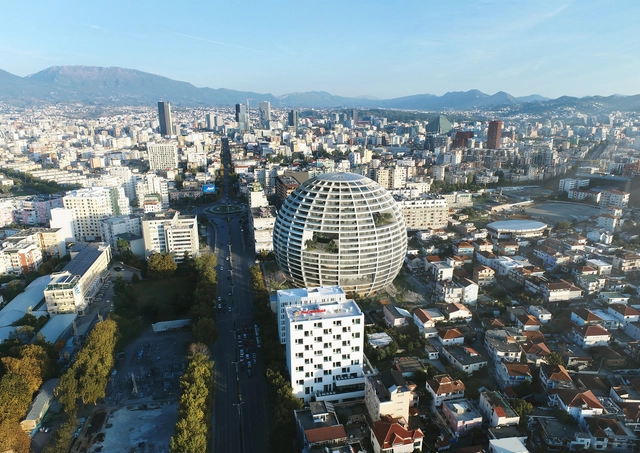
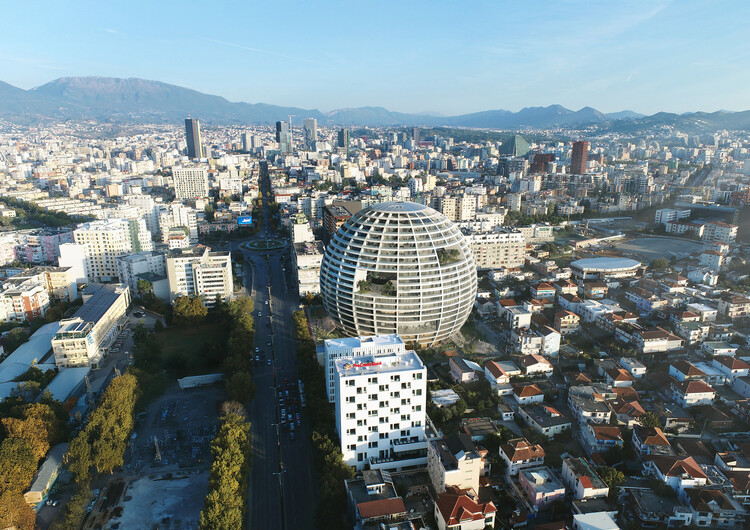
"The Grand Ballroom" Asllan Rusi sports palace project in Tirana, Albania by MVRDV. Image Courtesy of MVRDV
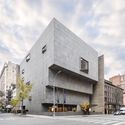
This week's architecture news highlights a diverse global landscape of design innovation, cultural investment, and adaptive reuse. Across continents, new museums and cultural venues are opening to foster dialogue around art, design, and community engagement. At the same time, major recognitions and project announcements underscore the growing importance of sustainable, socially conscious practices in shaping contemporary architecture. From adaptive transformations in New York, Tainan, and Milan, including preparations for the Milano Cortina 2026 Winter Games, to new cultural landmarks in Ghana and Qatar, this week's overview features projects by leading firms such as Herzog & de Meuron, Snøhetta, and Mecanoo, alongside initiatives from emerging practices like Limbo Accra in West Africa.
On the Other Side of Languish exhibition by Reginald Sylvester II. Debut exhibition of the Limbo Museum in Ghana, West Africa. Image Courtesy of Limbo Museum
The Limbo Museum is a new institution dedicated to architecture, art, and design based in Ghana, West Africa. The museum challenges the concept of the ruin, operating from a formerly abandoned Brutalist estate that currently conveys the image of an unfinished building. The project was founded by Limbo Accra, a spatial design and research-based practice established in 2018 by Dominique Petit-Frère and Emil Grip, dedicated to "unlocking the potential of unfinished buildings across West Africa and beyond." On October 31, 2025, the museum opened its first public exhibition, On the Other Side of Languish by Reginald Sylvester II, developed through the institution's visiting artist residency program.
The Biennale promises to be a dynamic platform uniting over 750 participants from diverse backgrounds, including architects, engineers, mathematicians, climate scientists, and artists. Such a broad coalition of over 280 projects underlines the Exhibition's focus on inclusivity and interdisciplinary collaboration, an essential aspect for adaptation. The selection process proposed a bottom-up, open call approach through the Space for Ideas initiative, which ran between May and June 2024. It encouraged participation from global teams, from Pritzker Prize winners and Nobel laureates to emerging architects and scientists.
There is an increasing character of abandoned buildings in many African cities and Limbo Accra; a spatial design practice, roots itself in the experimentation of their repair, reuse, and transformation. The practice views these buildings as a unique architectural typology that includes key city landmarks, from the abandoned Independence house in Lagos to the incomplete airport tower in Accra, amongst others. They see them as major opportunities for modern public space and as symbolic sites for spatial justice. Through techniques such as photogrammetry, Limbo Accra has been creating a digital archive of these buildings and collaborating with artists and designers to propose new prospects for them. ArchDaily had the opportunity to speak with Dominique Petit-Frère, the co-founder of Limbo Accra, about the collective character of these buildings, Limbo Accra’s approach to their transformation, and navigating challenges in the adaptive reuse of these structures.
Running from November 11, 2023 until March 10, 2024, The Sharjah Architecture Triennial celebrates innovations in the built environment, particularly in the global south. The main goal of the display is to draw attention to sustainable, accessible, and equitable futures while highlighting the value of alternative responses to resource constraints. As the event draws to a close, ArchDaily explores 10 architectural installations that respond to the overarching theme through various mediums.
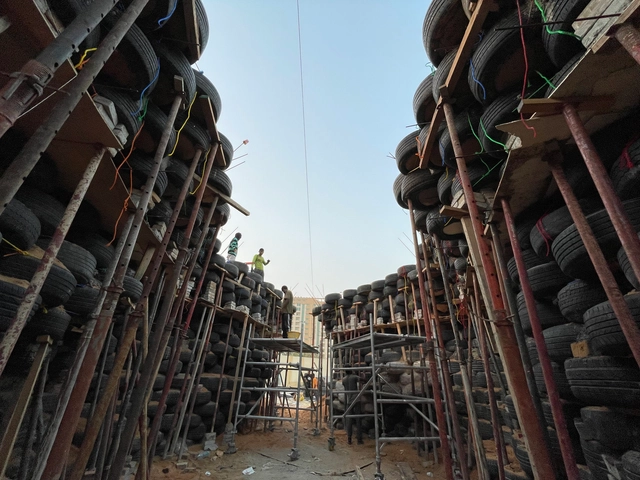
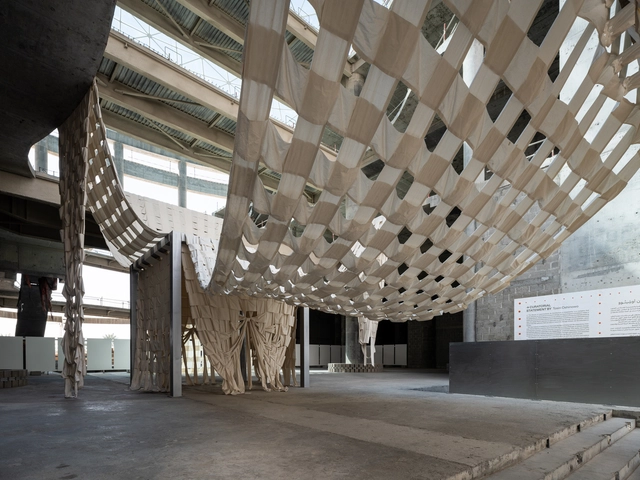
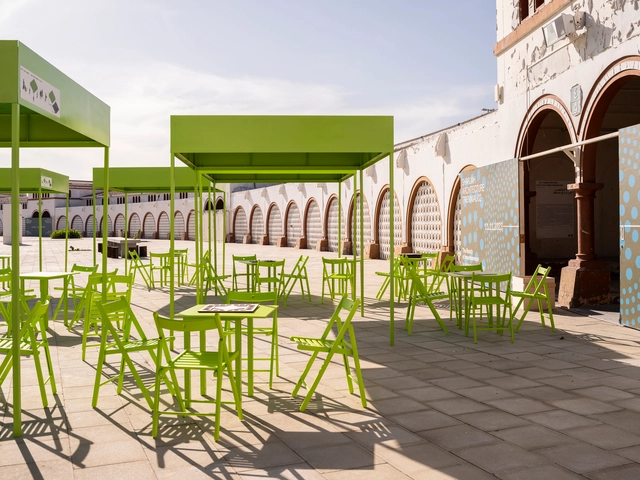
Curated by Tosin Oshinowo under the theme “The beauty of Impermanence: An Architecture of Adaptability,” the triennial has contributions from 29 architects and studios across 25 countries. From 51-1 Arquitectos transforming an unapproachable place into a dynamic play space featuring popular board games from various regions to Al Borde redefining a space with a custom-designed shading structure made with natural materials, the Sharjah Architecture Triennial presents a diverse array of architectural interventions. WaiWai's showcase spotlights three instances of modern architecture in Tashkent, Uzbekistan, highlighting their significant evolution. DAAR's "Concrete Tent" combines elements of a mobile tent and concrete house, exploring the concept of "permanent temporariness.” These installations offer innovative perspectives on adaptability, sustainability, and cultural significance within the architectural landscape.
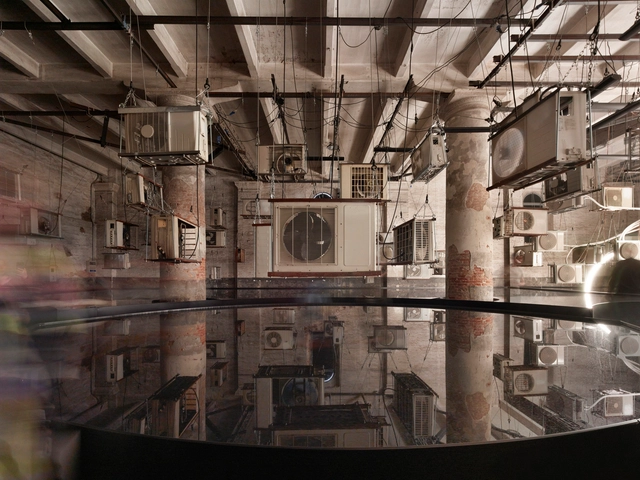
Architecture in the Global South often embodies a rich cultural heritage and craftsmanship, incorporating vibrant colors, intricate patterns, and symbolic elements. It also tackles the challenges faced by developing economies, such as limited resources, rapid urbanization, and social inequality, by promoting inclusive and community-driven design solutions. As installations and pavilions serve as radical templates for interrogating these architectural ideals and seeking innovative solutions, we present the top architectural installations as part of our year-in-review. They encompass curated exhibitions like the Venice Architecture Biennale, as well as permanent pavilion structures in specific contexts that delve into local materials, waste reuse, and the reinterpretation of historical narratives.
Arquitectos, Play You Are in Sharjah, 2023. Photo by Danko Stjepanovic. Image Courtesy of Sharjah Architecture Triennial
Inaugurated on November 11, 2023, and running until March 10, 2024, the Sharjah Architecture Triennial serves as a metaphor drawing attention to the design and technological innovations within the built environment, particularly in the global south. The exhibition features contributions from 29 architects and studios spanning 25 countries. Building upon Venice's global platform for experimentation at the 18th International Architecture Exhibition, the 2023 Triennial embarks on a similar journey, creating space for voices and discussions often overlooked in global exhibitions and unveiling elements that have long existed but remained unseen. With a keen awareness of the global south, but also of the global north, and an understanding of the polarities between them, as articulated by curator Tosin Oshinowo, this second edition of the exhibition focuses on "The Beauty of Impermanence: An Architecture of Adaptability."
Celebrating everything that exists, especially in the global south where places thrive amidst scarcity, the triennial adopts an optimistic approach, drawing lessons from current situations and revealing the value and sophistication of alternative responses that have emerged due to resource constraints. “We're able to celebrate them. We're able to learn from them”, adds the curator. The triennial aims to comprehend a more sustainable, accessible, and equitable future—a collective effort to address the challenges of climate change, explore the built environment, and embrace under-celebrated regional traditions. Highlighting solutions that have endured the course of time and others responding to contemporary difficulties, "The Beauty of Impermanence" emphasizes the necessity of nuanced hybridity essential for our urbanized world.
The 2023 Sharjah Architecture Triennial (SAT) will take place from November 11th, 2023 to March 10th, 2024, under the theme "The Beauty of Impermanence: An Architecture of Adaptability". Focusing on how scarcity in the Global South has led to a culture of re-use, re-appropriation, innovation, collaboration, and adaptation, the second edition of the architectural exhibition, curated by Tosin Oshinowo, aims to shift global conversations towards creating a more sustainable, resilient, and equitable future.