At the UIA World Congress of Architects 2026 in Barcelona, discussions surrounding the future of housing frequently extended beyond questions of design to include governance, ownership, and long-term stewardship. Among the speakers contributing to these conversations was Cristina Gamboa, co-founder of the Barcelona-based cooperative Lacol, whose practice combines architecture, housing advocacy, construction management, and environmental research through a cooperative model. During the Congress, ArchDaily spoke with Gamboa about how cooperative practice reshapes the architect's role, why participation extends beyond consultation, and how projects such as La Borda and La Morada continue to inform broader discussions on housing, care, and collective living.
Architecture: The Latest Architecture and News
"Promoting Another Way of Living Together": In Conversation with Cristina Gamboa of Lacol

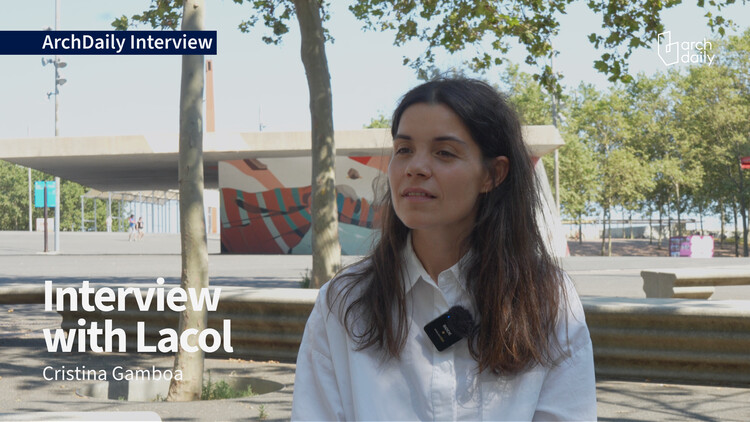
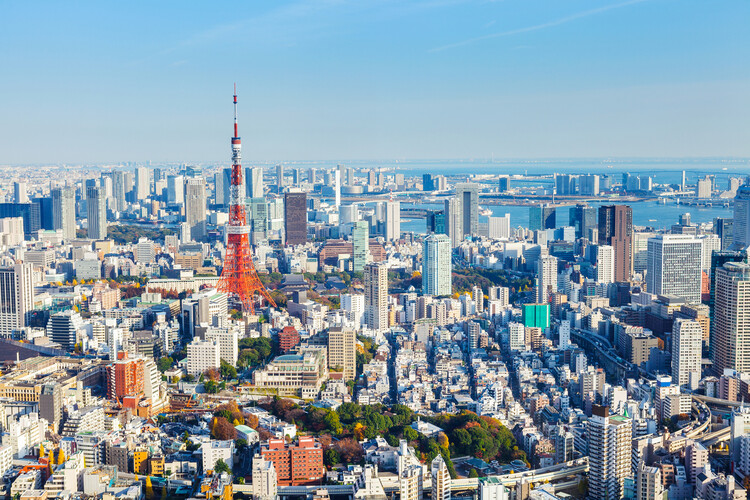
From Data to Digital Twins: Japan’s PLATEAU Project Offers Open-Access Models of More Than 250 Cities

"Map the New World" is the motto of Project PLATEAU, led by Japan's Ministry of Land, Infrastructure, Transport and Tourism (MLIT), to develop and expand access to 3D models representing the diversity of cities across the country. Japan comprises a total of 744 cities, including 14 with populations exceeding one million, 190 with between 100,000 and one million inhabitants, and 540 with populations between 10,000 and 100,000. To date, 3D models of more than 250 cities have been made available as open data through the country's public G-Spatial Information Center, and can also be accessed via an online browser viewer. According to public authorities, the project aims to strengthen urban resilience by providing society with new tools to address local challenges. This involves not only urban space modeling but also collaboration with local governments, private companies, and technology communities. The project also includes a digital reconstruction of the recently closed Osaka World Expo site.

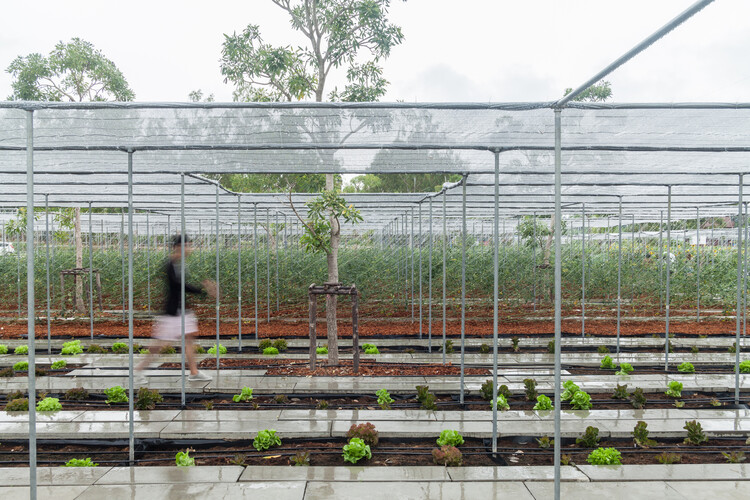
An Architectural Language of Artificial Cooling: Shade, Mist, and Autonomy

Concéntrico returned to Logroño for its 12th edition in June and transformed the city into a working site for architecture. Since its founding in 2015, the festival has built an identity on resisting a distant, controlled exhibition of design by constructing full-scale installations in the city's streets, plazas, and vacant lots, engaging residents and visitors as part of daily life. This year's program brought together more than twenty interventions by architects, designers, and researchers working across a wide range of geographies and methods, each contributing to a citywide experiment in reimagining public space.
Neither Farm Nor Hotel: Why Agritourism Needs Its Own Architectural Typology

This article is part of our new Opinion section, a format for argument-driven essays on critical questions shaping our field.
Agritourism is commonly understood as a hybrid model, with equal parts of overlap between the agriculture and hospitality industries. Under this framing, agritourism is valued as a variation on an existing theme, a supplementary activity layered onto rural production. This framing no longer holds in the 21st century as the scale and independence of agritourism's growth have transformed it into a distinct economic sector, one with architectural consequences that neither the agriculture nor the hospitality industries are equipped to address in isolation.

SANAA-Led Team Reveals Selected Design for Ecuador's New National Museum in Quito

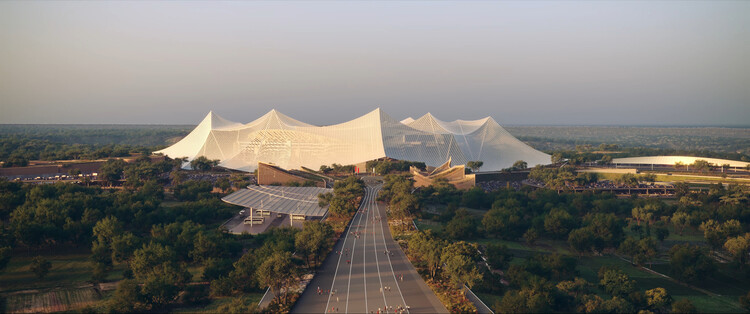
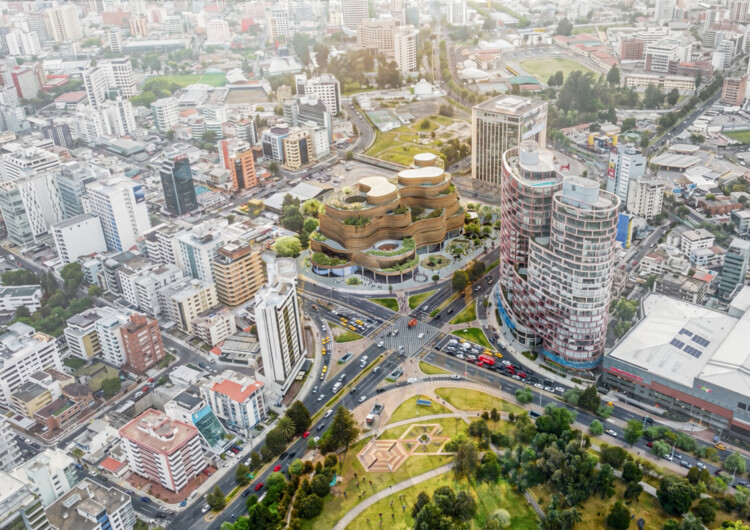
An international team led by SANAA, in collaboration with Estudio A0, Caá Porá Arquitectura, Jerome Haferd Studio, and Taller Capital Landscape, has been selected to design the new Museo Nacional del Ecuador (MuNA) in Quito. Titled "Living Strata," the proposal was chosen following the competition's revised final evaluation phase, which combined jury deliberation with a public voting process, and envisions the museum as a civic landscape that integrates exhibition spaces, public programs, and open green areas. The announcement concludes the international competition launched to design Ecuador's future national museum.

Fundació Mies van der Rohe Presents “Transnational Narratives,” a Documentary on Six South Asian Women Architects

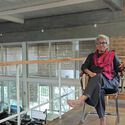
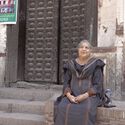
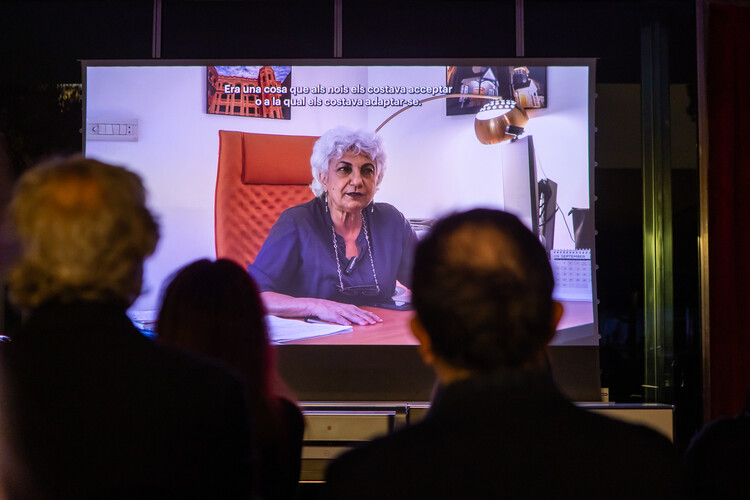
"Gender equity remains an ongoing problem in architecture. Women architects are roughly one-third of the profession or less worldwide." This is the opening statement of the documentary Transnational Narratives: A Documentary Celebrating South Asian Women in Architecture, a result of the 4th Lilly Reich Grant for Equality in Architecture. The grant, an initiative by the Fundació Mies van der Rohe, promotes equal access to opportunities in architectural practice and supports the study and dissemination of contributions to architecture that have been unfairly rendered invisible. Within this context, the documentary, created by Dr. Igea Troiani, Dr. Mamuna Iqbal, artist and researcher Paula Roush, and filmmaker Rime Tsujino, brings visibility to the experiences of six architects of South Asian origin: Sumita Singha, Chitra Vishwanath, Sara Khan, Fauzia Qureshi, Sajida Vandal, and Neelum Naz, whose professional careers span India, Pakistan, and the United Kingdom.


Before the Living Room: Entry Thresholds in Compact Urban Homes

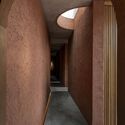
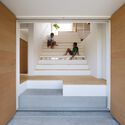
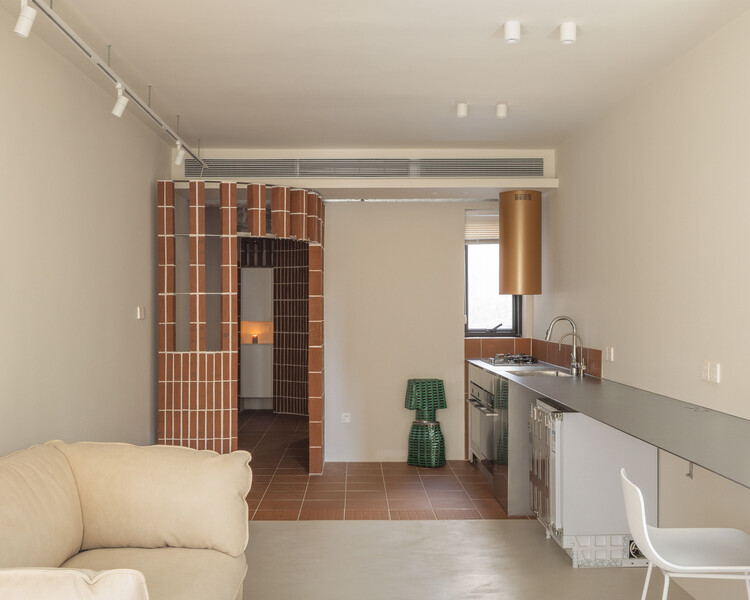
In many homes, the entry is treated as leftover space or a narrow strip transition before the living room begins. Yet in dense Asia-Pacific interiors, sometimes despite the small sizes, the entrance often performs far more work than its size suggests. It is the threshold that dictates the transition: street is filtered, body adjusts, shoes are removed, guests are received, privacy is negotiated, and domestic order begins. Before the living room became recognizable as interior, the entry sequence and space had already staged the first act of inhabitation.
The Japanese genkan is perhaps the most familiar version of this condition, but the logic extends far beyond Japan. Across apartments, terrace houses, public housing units, and compact urban homes, the entry threshold becomes a small but charged architectural device. It manages hygiene as well as spatial sequencing through various deliberate architectural elements. It can be a recessed floor, a thickened wall, a compressed corridor, a screen, or a small foyer between public circulation and private life. Its importance lies not in its size, but in the number of transitions it holds.


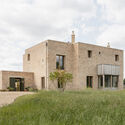
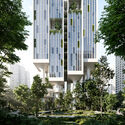
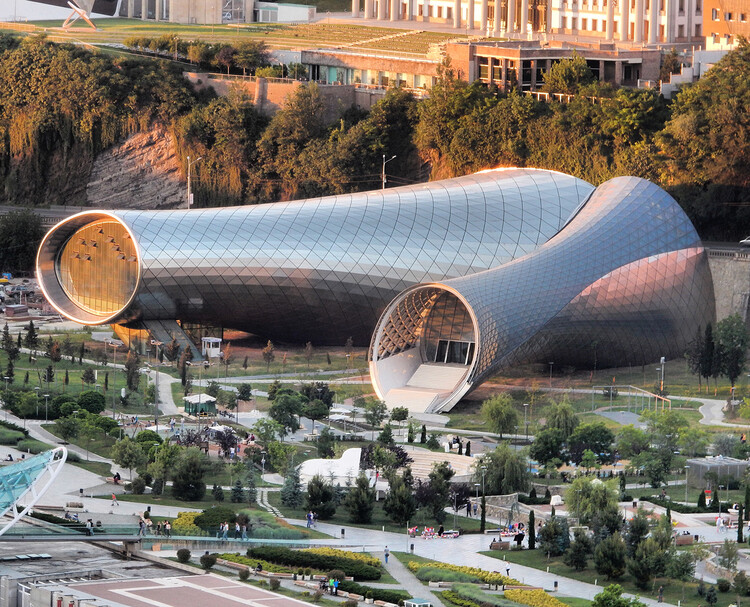
Rike Park Music Theater in Tbilisi and CRA's Residential Tower in Seoul: This Week's Review

This week in architecture, discussions around the lifespan of buildings, the evolution of cultural institutions, and climate-responsive design highlighted how contemporary practice increasingly extends beyond the moment of construction. From debates over demolition and adaptive reuse to new museums that integrate landscape and environmental performance, the week's developments reflect shifting priorities around permanence, transformation, and public value. Alongside these projects, major institutional announcements, from the RIBA Stirling Prize shortlist to the election of a new UIA leadership, offer insight into the architectural agendas shaping the profession across different scales and geographies.

Dallas Evaluates Repair and Demolition Options for I.M. Pei’s Modernist City Hall

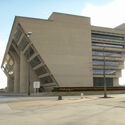
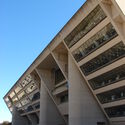
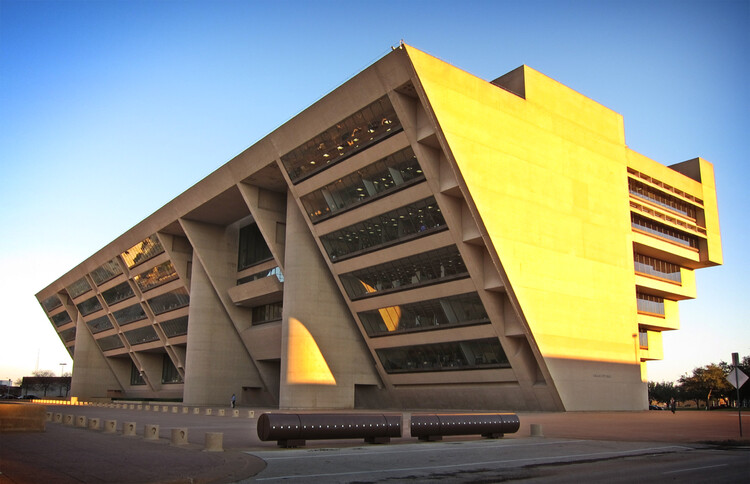
Since August 2025, debate has intensified in Dallas, United States, over the future of one of its modern landmarks: I.M. Pei & Partners' Dallas City Hall. As of today, the Dallas City Council will continue weighing whether to repair, sell, or demolish the 47-year-old building, following growing concerns over long-deferred maintenance and the need for major investment. In late October 2025, council members began public listening sessions and committee meetings to gather resident input. Preservationists and some council members urged a full study of repair options and historic landmarking, while others emphasized fiscal and operational concerns. Since then, the Dallas City Council has been looking for a new building to relocate to, without formally deciding on the demolition.
Supporters of preservation stress the building's civic and architectural significance, while those advocating for demolition point to high maintenance costs and the redevelopment potential of the centrally located site. A petition to "Save Dallas City Hall," calling on council members to halt demolition plans and commission a transparent renovation study, remains open for signatures. Meanwhile, the mayor has said he wants to review all the facts before taking a position on whether the city should relocate or invest in repairs. On the occasion of the 250th anniversary of the United States' Declaration of Independence, the World Monuments Fund included the building on the "Irreplaceable America" list, spotlighting urgent preservation needs. The case adds to the growing list of modernist icons worldwide facing uncertain futures, sparking broader cultural debates about civic heritage and public infrastructure.
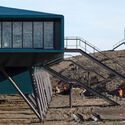
South of Everything: Architecture and Territorial Presence in Antarctica

Antarctica has no government, no permanent population, and no economy. It also, since 1959, has had no legally recognized owner as the Antarctic Treaty freezes every territorial claim on the continent. On paper, this makes Antarctica the closest thing on Earth to a true commons. In practice, close to thirty countries currently operate more than seventy research stations there, several of them within a short flight of one another, and one of those stations has a school, a chapel, a cemetery, and a civil registry office that has recorded eleven births since 1978.
None of that architecture is accidental, and very little of it is explained by science alone. A research station costs millions of dollars to build and supply in one of the most logistically hostile places on the planet; a country does not commit to that expense purely to measure atmospheric ozone it could, in several cases, measure somewhere closer. What a station does, reliably, is stake a claim to a territory that legally forbids exactly that.




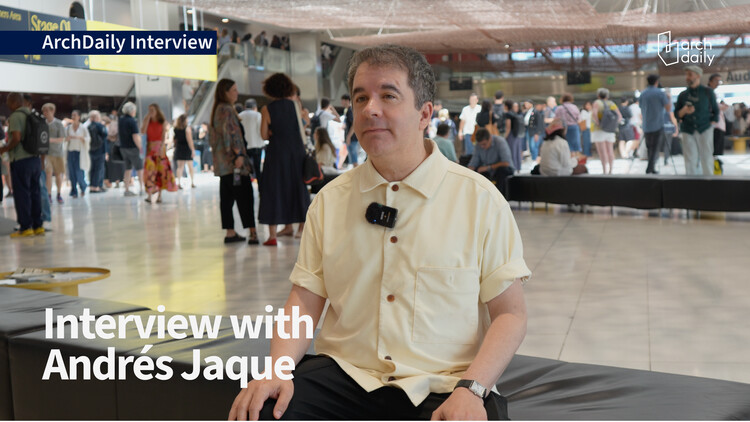
"Design Is Inseparable from Activism": In Conversation with Andrés Jaque at the UIA World Congress of Architects 2026
At the UIA World Congress of Architects 2026 in Barcelona, the theme Becoming. Architectures for a Planet in Transition framed architecture as a discipline operating within environmental, political, and social transformations rather than outside them. Among the speakers participating in this edition was architect Andrés Jaque, founder of the Office for Political Innovation and Dean of Columbia University's Graduate School of Architecture, Planning and Preservation (GSAPP). During the Congress, ArchDaily spoke with Jaque about architecture's capacity to generate alternatives, the role of experimentation in education, and why transition should be understood as a condition rather than a destination.

Who Owns Public Space? Three Active Models of Shared Management Shaping Urban Commons in Europe and New York

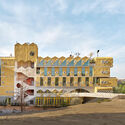
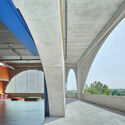
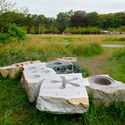
Public space is often understood as belonging to no one in particular, collectively accessible yet institutionally maintained, yet a growing number of initiatives are challenging this assumption by testing shared management and distributed ownership models. In Paris, Adoptez un banc introduces a sponsorship-based approach, allowing individuals and groups to support temporarily and symbolically claim responsibility for historic public furniture without compromising its collective use. Elsewhere in the city, community gardens operating under the Main Verte framework demonstrate a self-managed model, in which public and private landowners retain ownership while delegating day-to-day control to citizen associations for food production and shared use. In New York, Common Corner represents a third pathway, based on institutional collaboration and participatory design, where public agencies, nonprofits, designers, and residents co-produce public space within a public housing context. Taken together, these three cases suggest that care, authorship, and responsibility can be distributed across citizens and institutions, producing more resilient, locally grounded urban environments.
Call for Entries: 25th Tile of Spain Awards in Architecture and Interior Design

Showcase your project at the 25th Tile of Spain Awards
MVRDV Wins Competition to Design Shift Embassy in Rotterdam

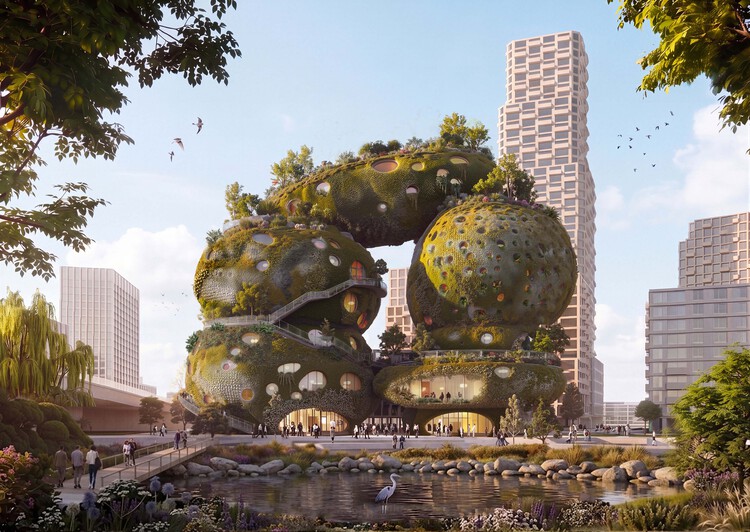
MVRDV has won the international design competition organized by the social enterprise Shift to design the Shift Embassy, a new cultural destination planned for Rotterdam's developing Waterkant district. Conceived as a hybrid of architecture and landscape, the proposal, titled Rotterdam ROCKS! combines exhibition spaces, hospitality, education, public amenities, and ecological infrastructure within a publicly accessible building intended to support Shift's mission of engaging visitors with environmental and societal challenges. The project will form part of Waterkant, a large-scale urban development on the south bank of the Maas, planned to include 3,750 homes alongside schools, workplaces, cultural venues, and public spaces.


The United States Enacts Sweeping Housing Reform Legislation to Expand Affordable Housing

The 21st Century ROAD to Housing Act, a bipartisan United States Senate housing bill, automatically became law on 11 July 2026. Officially the "Renewing Opportunity in the American Dream (ROAD) to Housing Act," the bill has been called the most significant housing measure in the country since the National Affordable Housing Act in 1990, and "the most comprehensive housing legislation in decades." In a context of global housing crisis, the text revises federal housing programs and expands available financing options, provides grants for communities, targets regulatory requirements for construction, and addresses the concentration of ownership. This law contributes to worldwide initiatives for adequate housing, such as limits on short-term rentals, taxing unoccupied residential units, and the transformation and adaptive reuse of existing structures, with the dual objective of increasing the number of residential units and making existing ones available.
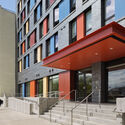


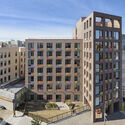
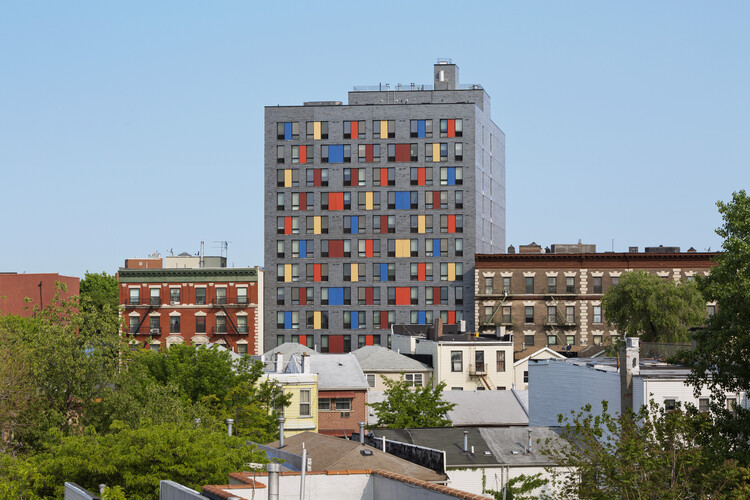
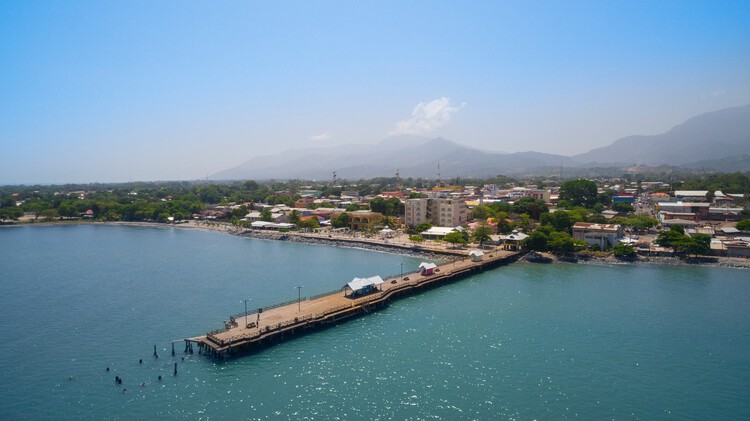
Caribbean Urbanism: From Garífuna Roots to the Layered City of La Ceiba, Honduras
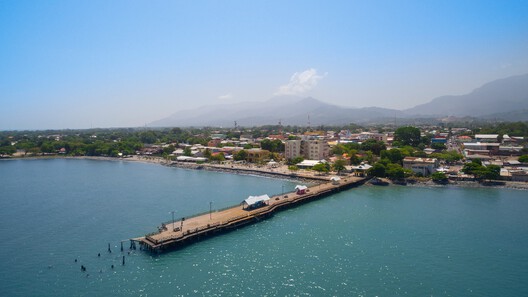
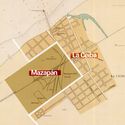
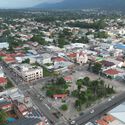
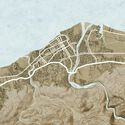
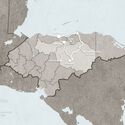
On the Caribbean coast of Honduras, lies the Leán valley, a narrow coastal strip lined by the Nombre de Dios Mountain Range to the South and the Caribbean Sea to the North. For a long time, this was the last frontier: dense jungle, swamps, no infrastructure, and difficult inland access. However, all of that started to change with the arrival of the Garífuna, who settled the area between the Danto and Cangrejal Rivers, setting the foundations of what would become the City of La Ceiba. An urban hub in the Honduran Caribbean whose history has been defined by migration waves: Central Americans, Afro-Caribbean people, Europeans, and corporate North America. These movements from all around the world did not merely contribute to economic growth, but actively produced the city's spatial logic, identity, and architectural form.
Reflections from UIA 2026 Barcelona about the Future of the Built Environment

As the UIA World Congress of Architects 2026 came to a close in Barcelona, one message resurfaced across debates, exhibitions, talks, and conversations alike: the future of architecture will depend less on definitive answers than on the ability to accept change and collectively question established models. At this year's Congress, under the theme "Becoming. Architectures for a Planet in Transition," architecture was framed as an evolving practice shaped by interdisciplinary dialogue, research, and collaboration.
The Architecture of the FIFA World Cup: Looking Back at 2026 and Ahead to 2030

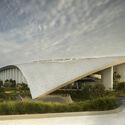
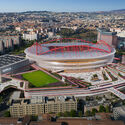
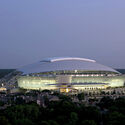
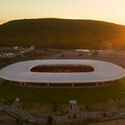
The conclusion of the FIFA World Cup 2026 marks the end of the tournament's largest edition to date. Hosted across Canada, Mexico, and the United States, the competition expanded to 48 national teams and brought together sixteen host cities distributed across three countries. For decades, FIFA World Cups have served as catalysts for architectural production. Each edition has generated a distinct collection of stadiums, transportation investments, public spaces, and urban interventions that often remain part of their host cities long after the tournament concludes. While recent competitions have become associated with landmark stadium projects and ambitious national building programs, the 2026 edition followed a different trajectory, relying primarily on existing venues adapted to FIFA's technical and operational requirements.