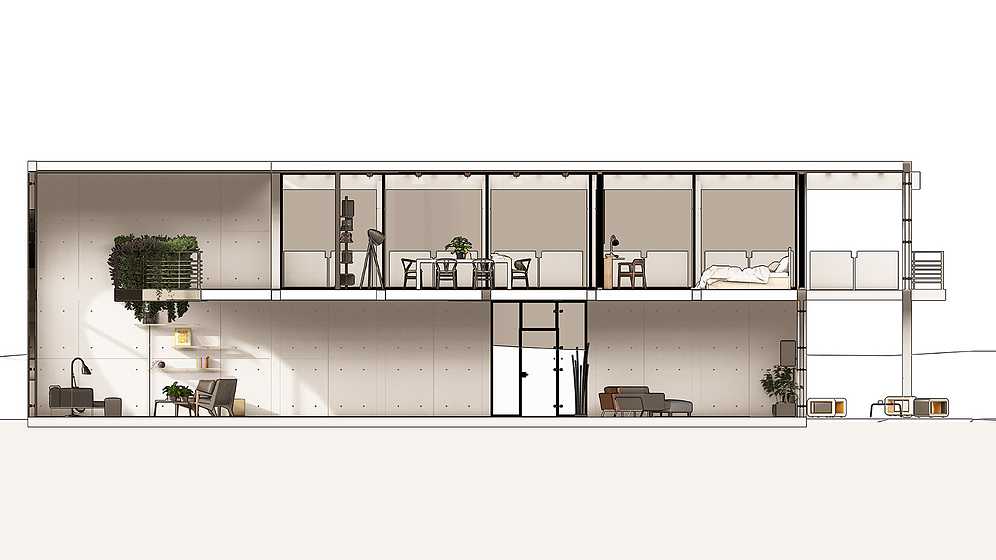
Produce personalized presentation boards that distill complex concepts into simple visual representations with a few helpful tools and effects.


Produce personalized presentation boards that distill complex concepts into simple visual representations with a few helpful tools and effects.
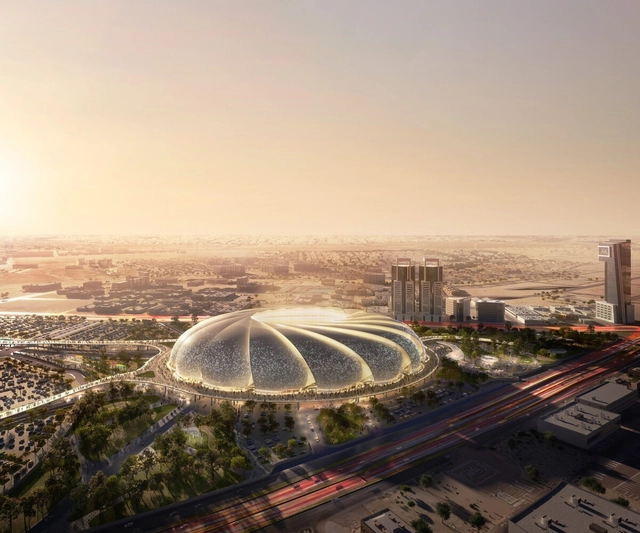
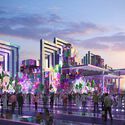
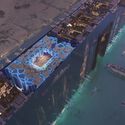
Saudi Arabia was officially announced as the 2034 FIFA World Cup host. The country plans to build 11 new stadiums and refurbish four of its existing venues. The proposed host cities include Riyadh, Jeddah, Al Khobar, Abha, and the yet-unbuilt Neom, a 170-kilometer-long linear city proposed to be built on the Red Sea coast. Additionally, the plan involves 134 training sites across the country, with 73 newly built facilities.
Released on December 11, 2024, the announcement came as no surprise, given that only one bid was submitted for each of the 2030 and 2034 World Cup tournaments. Spain, Portugal, and Morocco have been confirmed as joint hosts for the 2030 event, while Saudi Arabia has been chosen to host the 2034 edition.
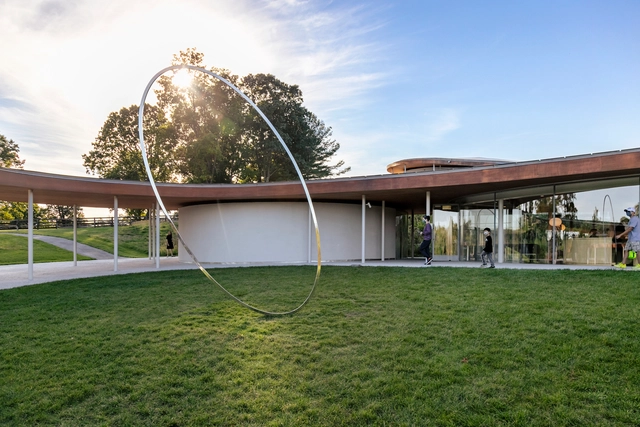
Design for Freedom, an initiative launched by Grace Farms Foundation, has released an updated International Guidance & Toolkit designed to help architects and construction professionals source building materials ethically and avoid products linked to forced labor. The comprehensive online resource addresses the critical issue of forced labor within global supply chains, offering practical tools and strategies for implementation. The toolkit provides detailed information on twelve high-risk materials commonly used in construction, including glass, concrete, steel, timber, and bricks, highlighting the often inhumane conditions under which they are extracted and produced. The release of the guide coincides with Human Rights Day, further highlighting the urgency and global importance of addressing forced labor in the construction industry.
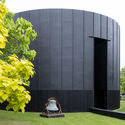



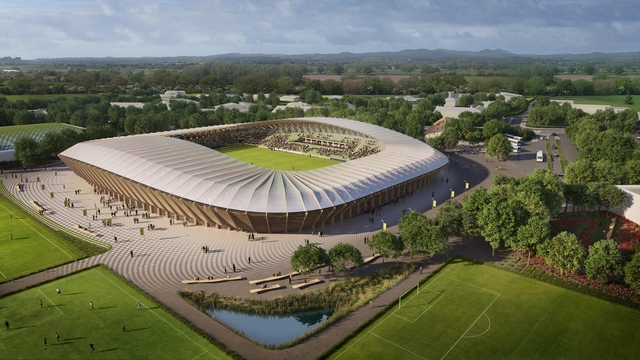
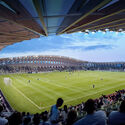
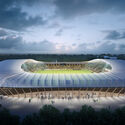
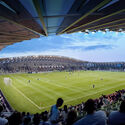
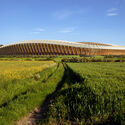
Zaha Hadid Architects has unveiled the design for Forest Green Rovers' Eco Park Stadium, located in Stroud, UK. As the first all-timber football stadium, the design uses sustainably sourced timber for key structural elements, including the framework, roof cantilevers, and cladding. The project combines innovative construction techniques with advanced material research to create a functional and environmentally considerate venue. Part of a larger development, the stadium is designed to integrate with its surroundings while offering facilities that benefit both the football club and the wider community.
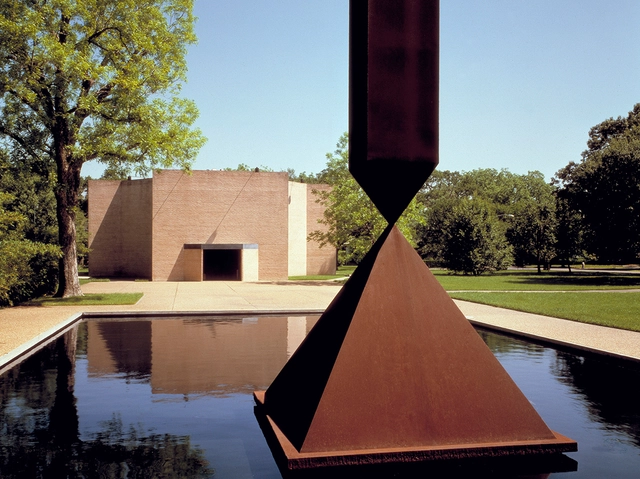
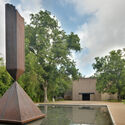
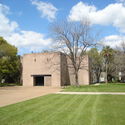
The Rothko Chapel, a celebrated structure appreciated for its profound meditative space, has announced its reopening to the public on December 17th. Following the extensive damage caused by Hurricane Beryl last July, the custodians of the structure announced its indefinite closure, as a team of art conservators, engineers, and volunteers began the extensive work to restore both the architecture and the invaluable artworks stored within. The Chapel's reopening marks a significant milestone in the recovery process, making this sanctuary of contemplation accessible once again to the community.
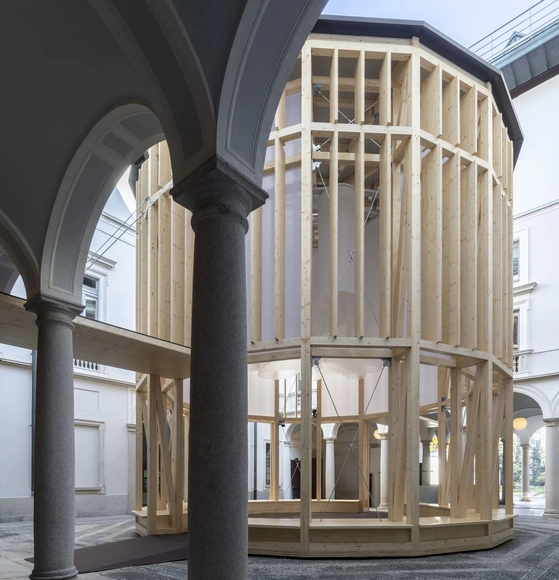
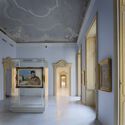
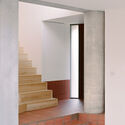
Mario Cucinella Architects (MCA) has reimagined the architectural design of Palazzo Citterio in Milan, Italy, integrating historical and contemporary elements to create a dynamic cultural space. As part of the Grande Brera initiative, which seeks to unify key cultural institutions such as the Pinacoteca di Brera and the Braidense National Library, the palazzo now stands as a hub for modern and contemporary art. Ultimately, the project aims to reestablish Palazzo Citterio as a significant cultural and social landmark, fostering community engagement and interaction.
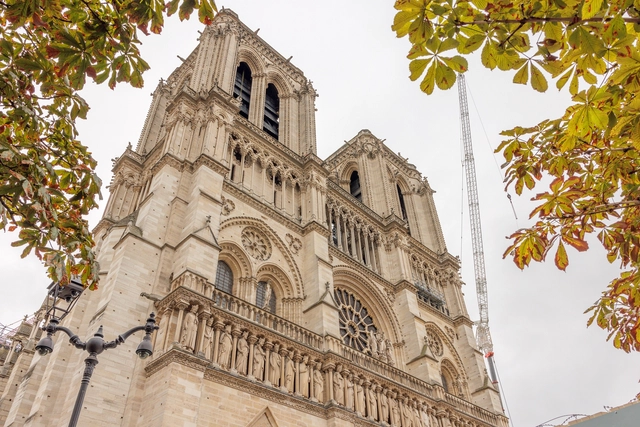
The Notre Dame Cathedral in Paris has officially reopened, five years after a devastating fire destroyed its roof and spire and threatened the integrity of the entire structure. The reopening ceremony took place on Saturday evening with a two-hour sermon, attended by global leaders and dignitaries. The ceremony also represented the first opportunity to witness the result of the estimated €700 million ($739 million) restoration, a process that included the thorough cleaning of the stone interiors, revealing a glistening white gothic interior.


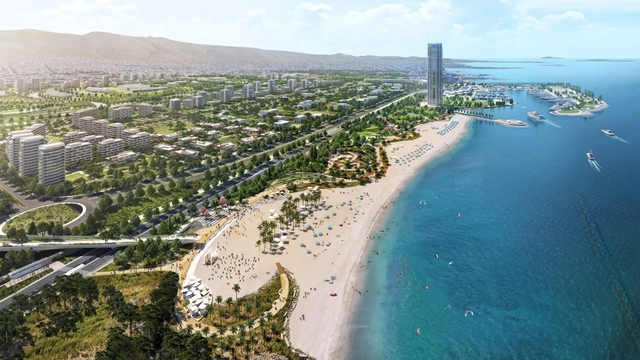
As Athens hosts The Architect Show (TAS) 2024, the event brings together global and local voices to highlight the latest innovations in architecture and design. Against this backdrop, the city's evolving urban narrative is exemplified by The Ellinikon, Europe's largest urban regeneration project. Encompassing 6.2 million square meters, this €8 billion development has already attracted globally renowned architects such as Bjarke Ingels Group (BIG), Kengo Kuma, Foster + Partners, and Aedas. Together, they are shaping the smart city that integrates sustainability, connectivity, and community-focused design into the heart of Athens.
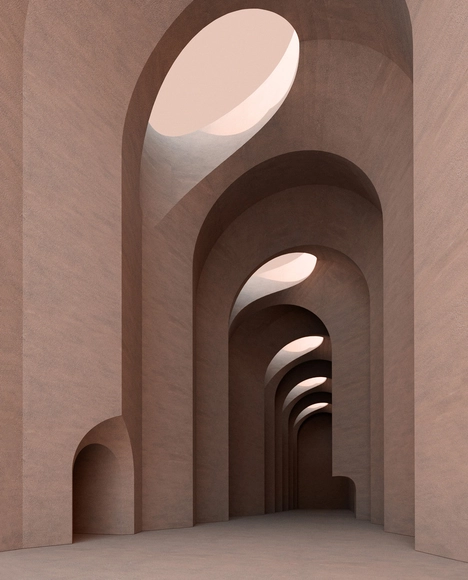
Pantone Color Institute has selected PANTONE 17-1230 Mocha Mousse as the Color of the Year 2025. The warm, brown hue, reminiscent of chocolate mousse and latte coffee, aims to bring a sense of comfort, intimacy, and elegance. This represents a versatile hue that can be combined in a multitude of pallets, from monochromatic earthy shades to mixtures of soft pastels, or even exotic combinations of vibrant colors balanced out with the rich yet subdued tone of Mocha Mousse.
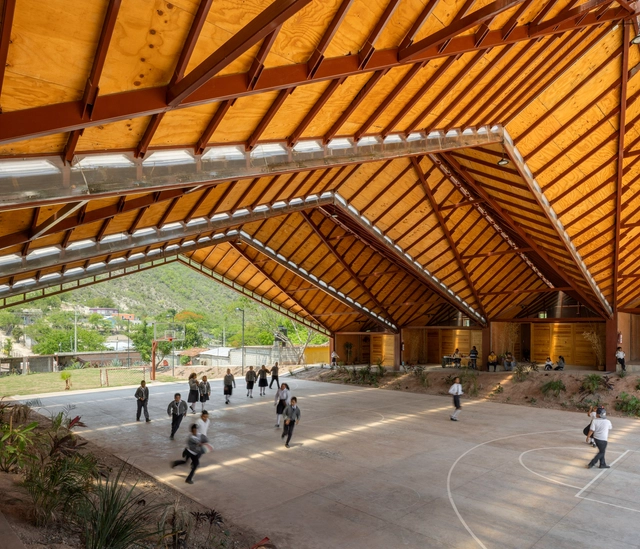
The Mies Crown Hall Americas Prize (MCHAP) hosted its inaugural Conference on Critical Practice at S. R. Crown Hall, where two figures were celebrated for their transformative contributions to architecture. Phyllis Lambert, founder of the Canadian Centre for Architecture (CCA) and Illinois Institute of Technology alumna, was named an MCHAP Luminary. Meanwhile, Román Meyer Falcón was honored as the first-ever recipient of the Phyllis Lambert Agent of Excellence Award, recognizing individuals or organizations whose work has directly elevated contemporary architecture. In an interview with ArchDaily, Meyer Falcón shared insights into his impactful tenure as Mexico's Secretary of Agrarian, Territorial, and Urban Development, discussing his approach to public architecture.
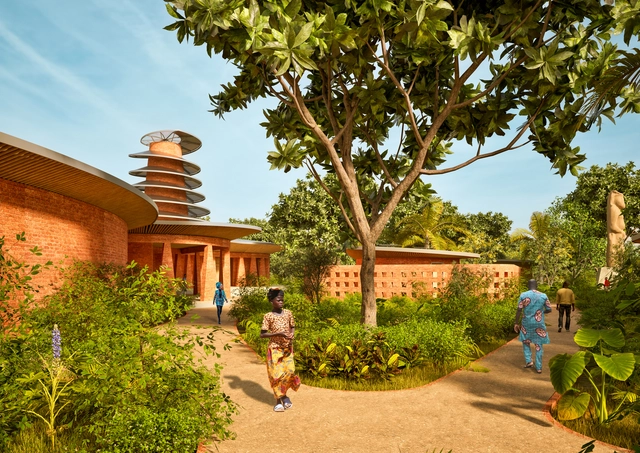
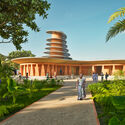
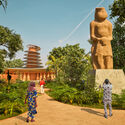
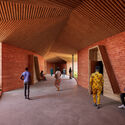
Kéré Architecture has revealed the design of a masterplan and series of buildings dedicated to the cultural and spiritual heritage of the Ewé people in the town of Notsé, in Togo. Commissioned by the Kothor Foundation, the center incorporates a sanctuary, several temples, a large-scale open-air amphitheater, as well as cultural functions such as exhibition halls, an auditorium, restaurants, and a reconstruction of the ancient royal palace of the Ewé Kingdom. The project, Francis Kéré's first in Togo, started construction in October 2024 and is scheduled for completion in February 2026.
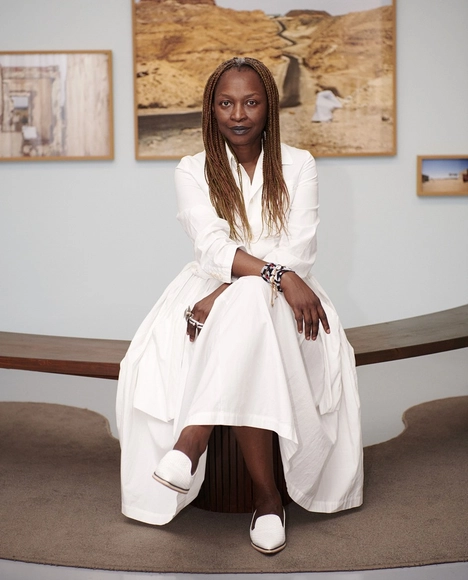
The Board of La Biennale di Venezia has just announced the appointment of Koyo Kouoh as the Director of the Visual Arts Department. Kouoh will lead the curation of the 61st International Art Exhibition, scheduled for 2026. This announcement follows a recommendation by Pietrangelo Buttafuoco, President of La Biennale, who emphasized Kouoh's extensive experience in the global art world and her ability to engage with contemporary artistic and cultural discourse. Born in Cameroon, Koyo Kouoh will become the first African woman to curate the Venice Art Biennale.
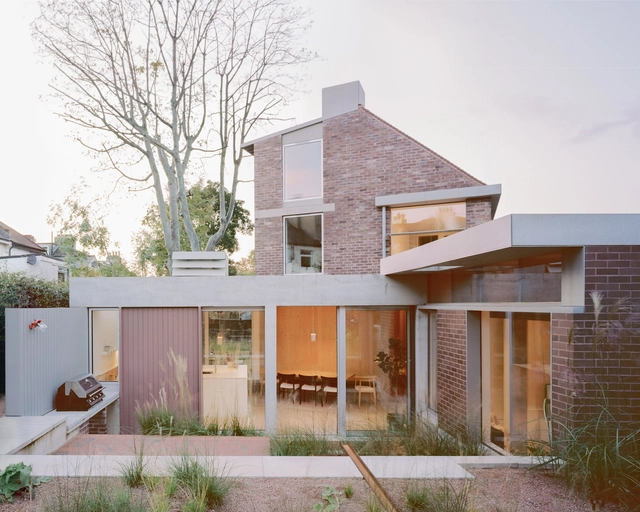
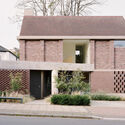
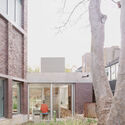
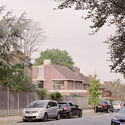
Six Columns, designed by 31/44 Architects has been announced as the winner of the RIBA House of the Year 2024 award. Designed by Will Burges, Director of 31/44 Architects, for his own family, this four-bedroom residence occupies a compact urban plot in Crystal Palace, South London. The home's design, inspired by the six prominent columns that define its structure, integrates with the surrounding terraced houses while retaining a distinctive and compelling architectural identity.
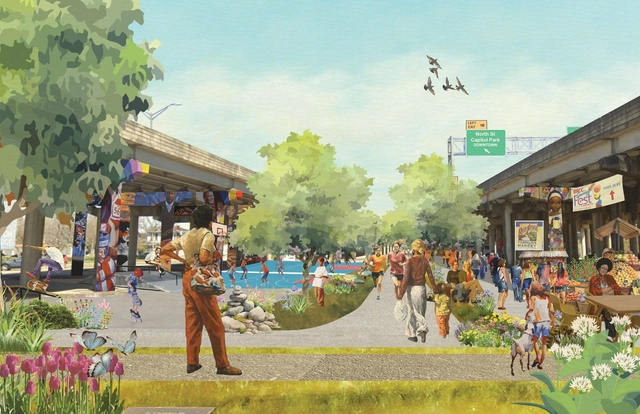
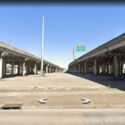
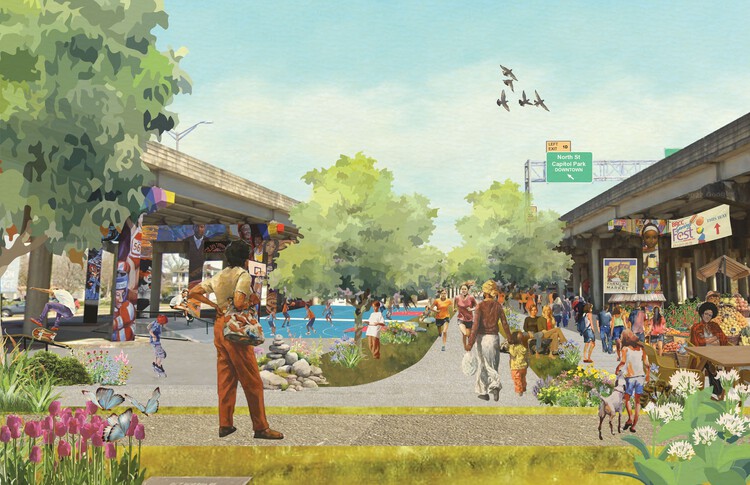
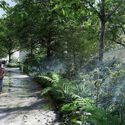
Global design firm Perkins&Will has just announced final plans have been approved for the Florida Corridor Plan in Baton Rouge, Louisiana, on which the firm is the leading planner and urban designer. This initiative, recently approved by the East Baton Rouge Metropolitan Council, aims to transform and rejuvenate a 12-mile stretch connecting downtown Baton Rouge to the Livingston Parish line.
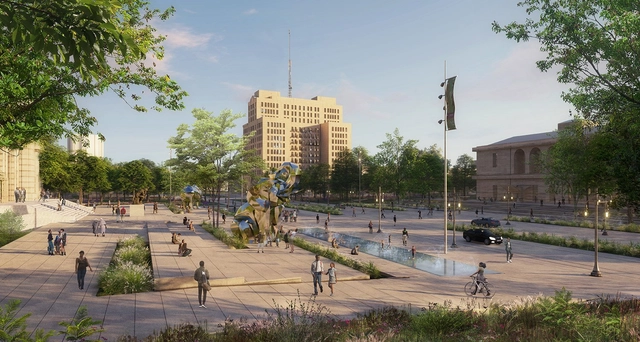
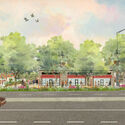
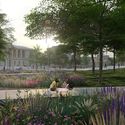
The Detroit Cultural District has announced an ambitious initiative to reshape its urban landscape. This multi-phased project led by the Detroit Cultural Center Association (DCCA) in partnership with Design Leads Akoaki and Agence Ter, will transform the district's character, creating a more vibrant and accessible environment for residents and visitors alike. The project builds upon a comprehensive master plan, outlining a 15-year vision for the 80-acre campus in Detroit, Michigan. The plan's guiding principles focus on unifying the district's twelve institutions, improving pedestrian flow, and fostering a stronger sense of community.
In an interview with Louisiana Channel, Rafael Moneo, the celebrated Spanish architect and 1996 Pritzker Architecture Prize laureate, reflected on his career and philosophy. Born in Tudela, Navarra, Spain, in 1937, Moneo described how his early academic interests and professional experiences shaped his approach to architecture, resulting in a distinguished body of work that integrates historical, cultural, and environmental contexts.
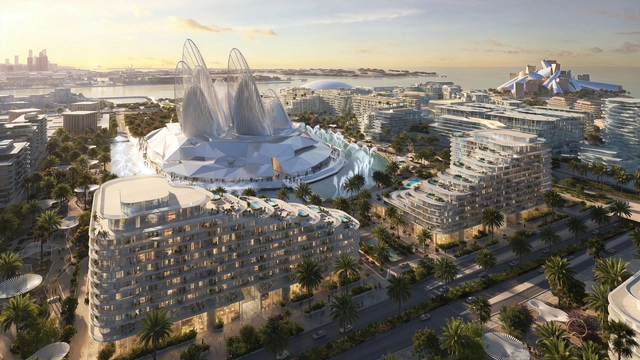
Recent architectural announcements showcase a global range of projects. This month, some of the most recognized architectural offices in the world have announced ambitious projects, some engaging with local communities, rediscovering and revitalizing existing structures, or contributing to complex architectural landscapes. Among them, BIG revealed their proposal for Saadiyat Island, a cultural district that gathers some of the world's most famous designers. Additionally, Populous revealed a new performance center, KCAP is developing a framework for an eco-industrial park, and Henley Halebrown is working to revitalize an overlooked structure in Belgium, reopening it to the local community. Read on to discover a collection of recent announcements from the architectural world, peeking into established architects' processes and recent announcements.
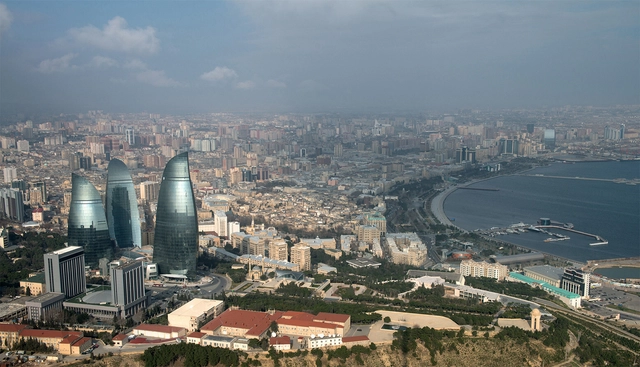
The 29th United Nations Climate Change Conference (COP29) took place in Baku, Azerbaijan, from November 10 to November 24, 2024, amid a backdrop of escalating climate challenges. For cities, the epicenters of population growth, economic activity, and climate vulnerability, the outcomes of COP29 are particularly significant. As urban areas contribute over 70% of global carbon emissions and housing more than half of the world's population, their consideration is pivotal in shaping global responses to the current crisis. In fact, cities are on the frontlines of the crisis, facing record-breaking heatwaves, catastrophic floods, and increasing economic losses from extreme weather events. In 2024 alone, urban areas worldwide experienced devastating climate impacts: flooding displaced millions in Africa, droughts crippled urban economies in South America, and storms caused widespread destruction in North America and Europe. The outcomes of COP29 directly affect urban planning, architecture, and sustainability efforts. From commitments to climate finance and carbon markets to renewable energy and resilience-building, the summit's decisions provide a roadmap for transforming cities into hubs of climate innovation and adaptation. Below are the key takeaways from COP29 for the built environment and urban spaces.
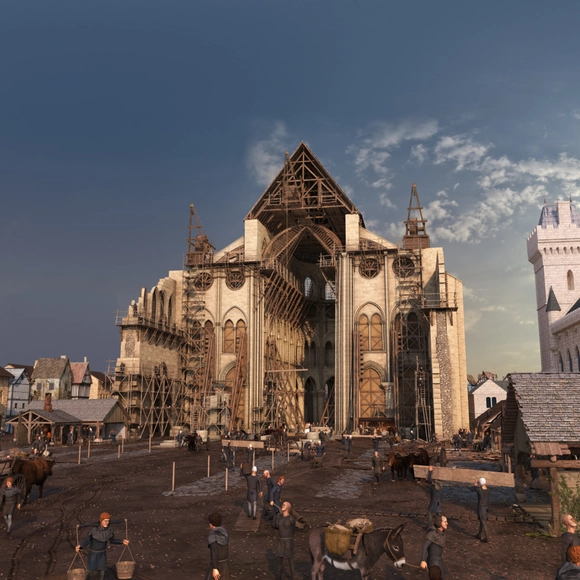
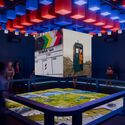
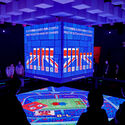
Ahead of the official reopening of Notre Dame de Paris, scheduled for December 8, a series of exhibitions are happening worldwide, aiming to use immersive technologies and augmented reality to bring to a wider audience both the restoration efforts and the wider story of the beloved monument. The event aims to present significant chapters of the history of the iconic structure, from its medieval origins to its witnessing of historical events such as the coronation of Napoleon or the marriage of Henri IV, the 19th-century restoration which added the spire designed by French architect Viollet-le-Duc, and the devastating 2019 fire.
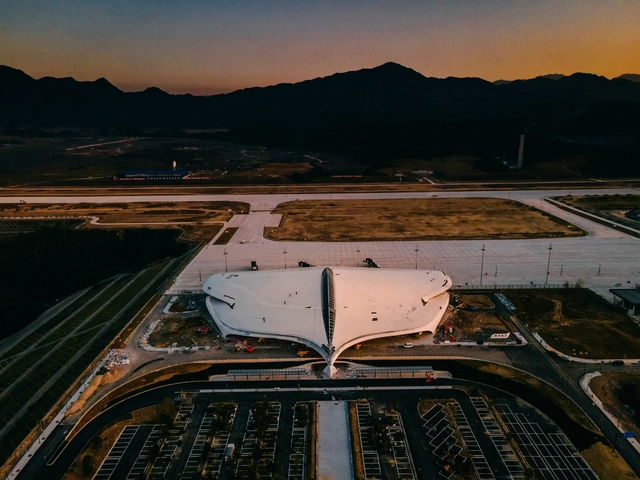
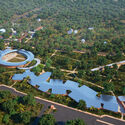
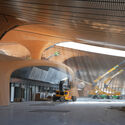
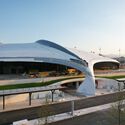
MAD Architects has provided an exciting update on the construction of Lishui (LIJ) Airport in China, now in its final stages. The project, which emphasizes harmony with nature, is scheduled to open by the end of 2024. Nestled within the foothill valleys of Lishui, the airport is designed to embody the city's reputation as a "forest city."
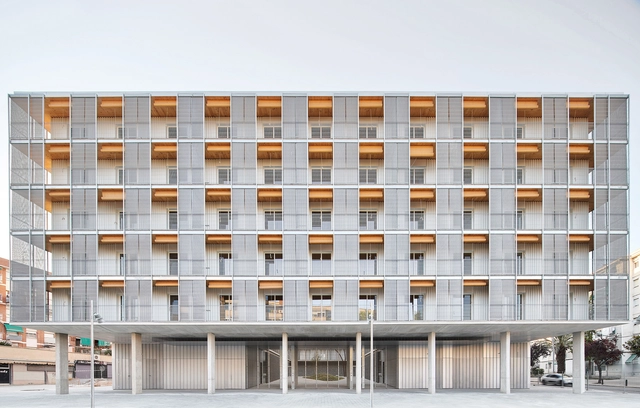
The Royal Institute of British Architects (RIBA) awarded its 2024 International Prize to Modulus Matrix, an 85-unit social housing development in Cornellà, near Barcelona. Designed by Peris + Toral Arquitectes, the six-story timber-framed building is a notable example of innovative social housing design. Its modular structure, based on a 3.6m x 3.6m grid inspired by traditional Japanese homes, creates a flexible and adaptable living space. The design prioritizes cross-ventilation, dual orientation, and a central communal courtyard, fostering social interaction and community building.
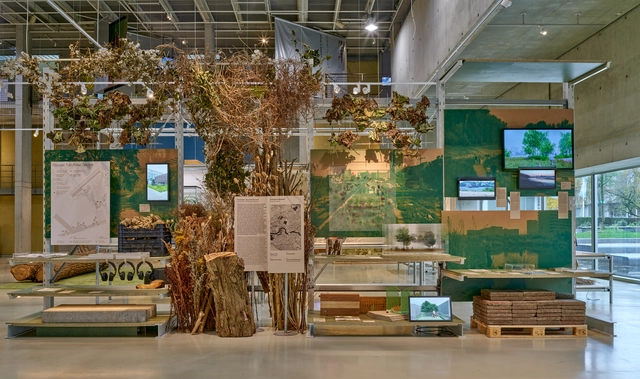
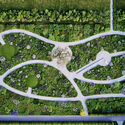
The "Garden Futures" exhibition, currently showing at the Nieuwe Instituut in Rotterdam until April 13, 2025, explores the multifaceted history and future of the modern garden. Curated by Maria Heinrich and spatially designed by Frank Bruggeman, the exhibition presents the garden not only as a personal refuge, but also as a site reflecting broader political and commercial forces. The show's structure, divided into four thematic chapters, allows for a comprehensive exploration of the garden's evolution and its potential for future development.
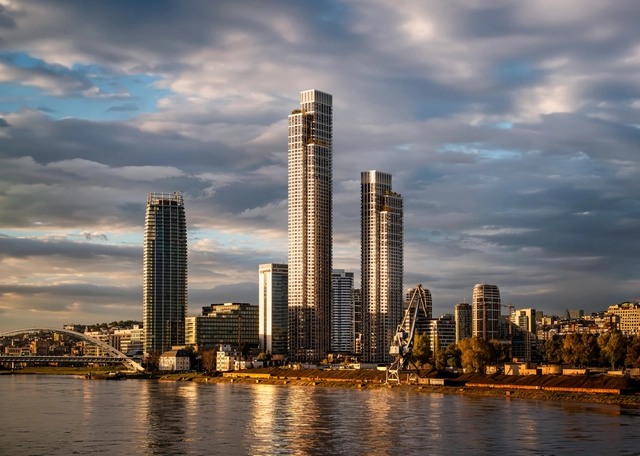
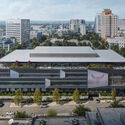
KCAP has been chosen to design two new skyscrapers in Bratislava, Slovakia. Respectively standing at 260 meters and 180 meters tall, these towers will become key additions to the city's skyline and contribute significantly to its urban landscape by providing over 1,100 residential units with extensive city and landscape views. This district, once an industrial zone, has undergone substantial redevelopment, transforming into a mixed-use urban hub that combines residential, commercial, and leisure spaces. The new towers support this ongoing urban renewal, offering easy access to public transport and nearby cultural landmarks.
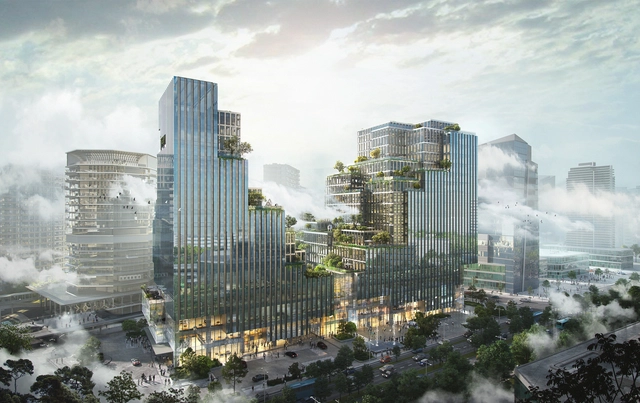
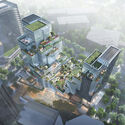
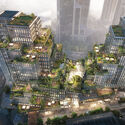
Büro Ole Scheeren has revealed their design for an 800,000 sq ft development following the concept of live-work-lay in Hangzhou, China. Titled Urban Glen, the project situated between West Lake and the Qiantang River comprises two towers connected by a central plinth. This feature, inspired by Hangzhou's hilly landscapes, becomes a built topography of terraces and exterior environments, aimed at optimizing natural light and the quality of both indoor and outdoor spaces. The Glen will house a variety of amenities, including ballrooms, meeting spaces, restaurants, and retail, all interwoven with public art from New World Development's extensive collection.
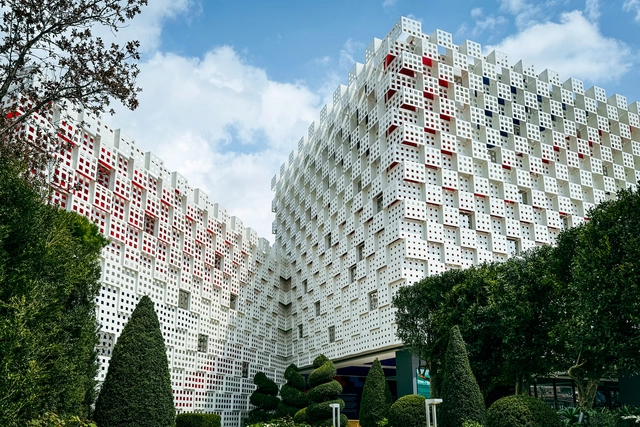
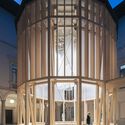
The UK Pavilion, designed by London-based Woo Architects, in collaboration with Japanese contractor ES Global, has been completed at the Expo 2025 in Osaka. Built on the principles of a circular economy, the pavilion features a modular, 10-by-10-meter gridded structure designed that prioritizes ease of assembly, disassembly, and relocation. Ultimately, the pavilion's design reflects the Expo's theme, "Come Build the Future," embodying sustainability and reuse.