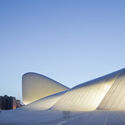
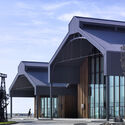
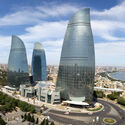
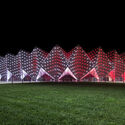
For centuries, large-scale infrastructure operated in the background. Ports, power plants, and energy facilities were positioned at the edges of cities, designed primarily for efficiency, and rarely considered part of civic life. Their function was indispensable, yet their architectural presence remained secondary. These structures supported urban growth and global exchange while maintaining a spatial distance from everyday urban experience.
Today, this condition is gradually shifting. As global trade intensifies and energy systems expand in complexity, the buildings that coordinate and house these networks are becoming more visible within the urban landscape. Rather than remaining neutral containers for technical operations, they begin to assert spatial identity. Infrastructure is no longer only operational; it is increasingly institutional, symbolic, and urban. The architecture that supports these systems now participates in how cities project themselves.
Architecture this week reflects the intersections of legacy, authorship, and social responsibility, as practices navigate questions of identity, recognition, and public engagement. Legal rulings, major competition shortlists, and large-scale urban proposals illustrate how architecture continues to operate across cultural, institutional, and environmental arenas. From sustainability-driven landmarks and transformative waterfront developments to iconic commercial towers, projects demonstrate approaches to ecological strategies and public programming. At the same time, global observances such as World Hearing Day highlight how spatial design shapes inclusion and accessibility, reminding the profession that the built environment can influence participation, learning, and well-being for diverse communities.
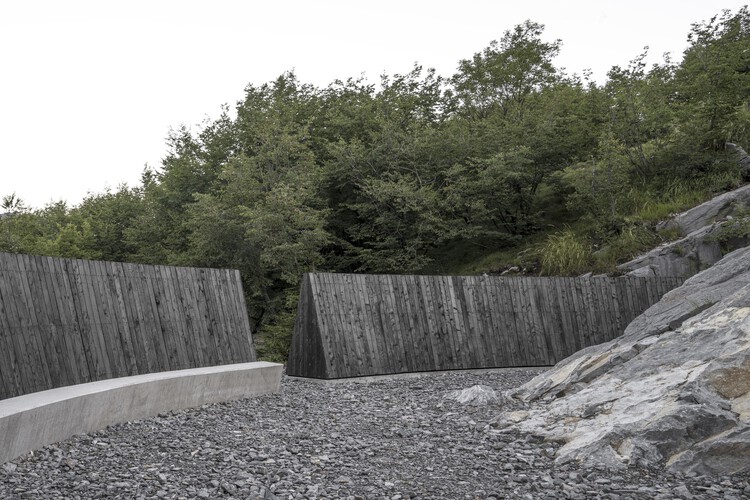
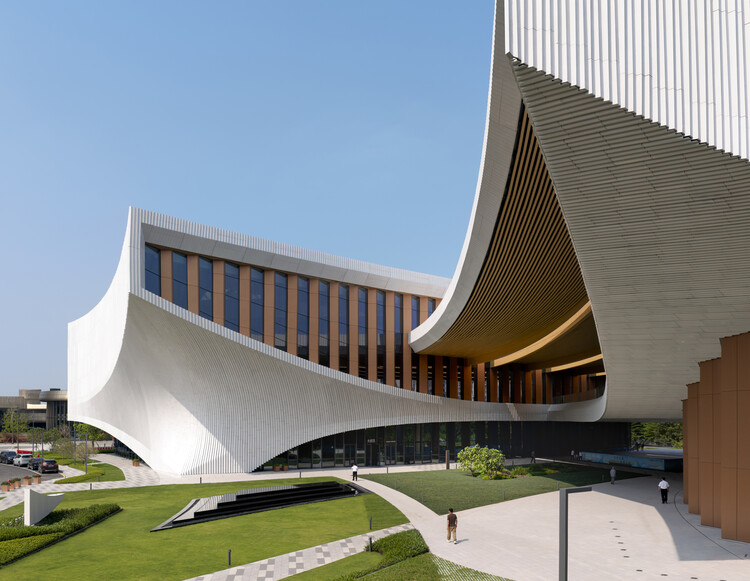
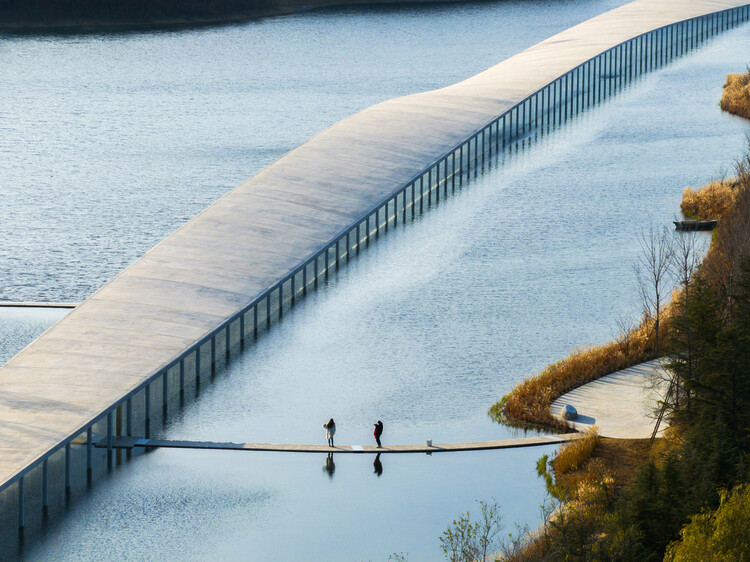
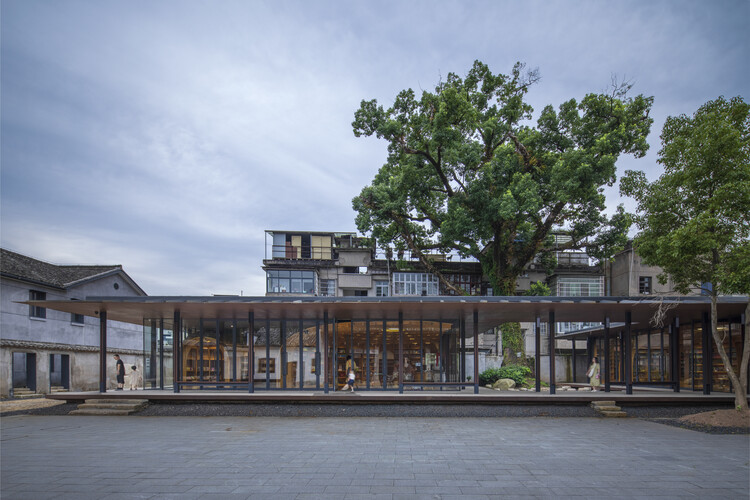
Songyang Culture Neighborhood by Liu Jiakun, the 2025 Pritzker Architecture Prize laureate. Image Courtesy of Arch-Exist
This week's news brings together developments in professional recognition, cultural programming, and large-scale urban strategy, reflecting the multiple scales at which architecture shapes contemporary discourse. As the field anticipates the next Pritzker Architecture Prize announcement, conversations around authorship, civic responsibility, and long-term impact unfold alongside the American Institute of Architects' 2026 Honorary Fellowship appointments, situating individual achievement within broader institutional frameworks. At the same time, updates from Riyadh to London foreground the role of architecture in both enabling new cultural platforms and safeguarding post-war heritage. Complementing these narratives, the reassignment of the 2029 Asian Winter Games and progress on expansive public landscapes highlight how cities are aligning infrastructure delivery, environmental resilience, and territorial planning with long-term economic and social agendas.
Baccarat Residence . Image Courtesy of Sou Fujimoto Architects
This week's news landscape brought together diverse approaches to built and cultural heritage, ranging from the design of a Museum of Jesus' Baptism at a UNESCO World Heritage Site in Jordan to major transformations of modern industrial sites and the development of major cultural districts. The World Monuments Fund's support for 21 locally led heritage projects foregrounds conservation strategies that reinforce the role of architecture in safeguarding both material and intangible heritage. Across this week's highlighted projects, adaptive reuse, landscape integration, and the reconfiguration of civic space emerge as recurrent strategies for extending the life and relevance of existing built environments. The projects also reflect broader contemporary concerns, including material research in timber construction, zero-waste urban installations, large-scale residential efficiency, and infrastructure upgrades linked to global events like the Olympic Games. Framing these developments within a wider territorial perspective, discussions on relocating capital cities worldwide offer an example of how geopolitical discourses continue to shape architecture, revealing the evolving relationship between the built environment and structures of power over time.
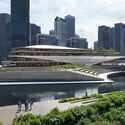
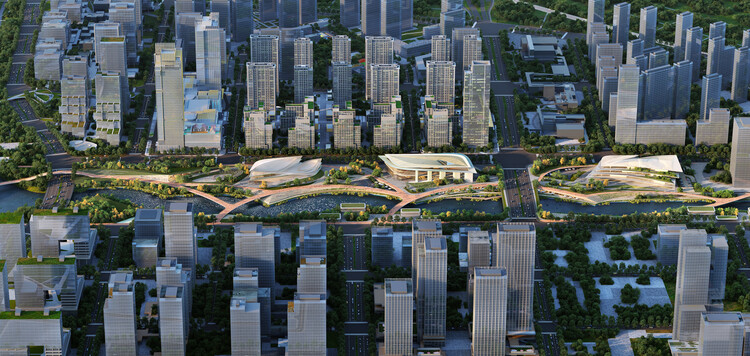
Zaha Hadid Architects has released images of its design for the redevelopment of the waterfront along the Zhedong Canal in Hangzhou's Xiaoshan District, China. The Qiantang Bay Central Water Axis project envisions a sequence of landscaped parklands, terraces, and gardens along the canal basin, proposing the transformation of former industrial areas into a green corridor extending toward the city center. The proposal adds to other recent design initiatives in the area, including Snøhetta's Qiantang Bay Art Museum, planned at the confluence of the Qiantang River and the Central Water Axis, as well as Zaha Hadid Architects' Grand Canal Gateway Bridge, a pedestrian bridge intended to connect the firm's 800,000-square-meter Seamless City masterplan on the east and west banks of the Grand Canal.
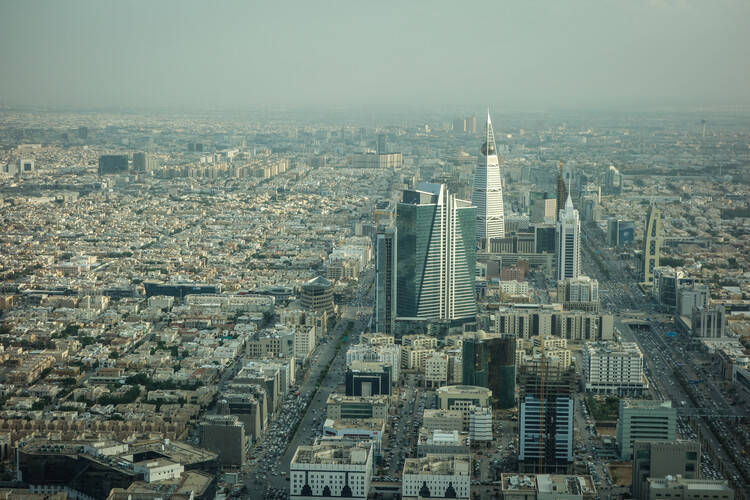
Once a Najdi settlement defined by mudbrick walls and courtyard houses, Riyadh has undergone one of the most radical urban transformations of the 20th and 21st centuries. The discovery of oil reserves, the consolidation of political power, and the rapid expansion of infrastructure reshaped the city from a regional capital into a sprawling metropolis almost within a single generation. As a result, Riyadh's urban fabric is marked by discontinuities, fragments of vernacular architecture coexist with mid-century institutional modernism, and a rapidly evolving contemporary skyline.
In recent decades, this layered condition has been further intensified by large-scale development strategies and cultural investment programs that position architecture as a tool for redefining national identity. International practices have played a decisive role in shaping key institutions, infrastructures, and landmarks, while local studios increasingly contribute projects that reinterpret climate, materiality, and social space within a contemporary framework.
Construction has begun on the new Bishoftu International Airport (BIA), designed by Zaha Hadid Architects for Ethiopian Airlines Group. Ethiopia's Prime Minister, Abiy Ahmed Ali, laid the cornerstone at the airport's groundbreaking ceremony on Saturday, January 10, 2026. The new airport will be located approximately 40 kilometers south of the Ethiopian capital, Addis Ababa, and is planned to become Africa's largest airport. Phase One of the project is designed to serve 60 million passengers per year. Subsequent phases are expected to increase capacity to up to 110 million passengers annually, supported by four runways and parking for 270 aircraft, more than four times the capacity of Ethiopia's current main airport, according to statements by the Prime Minister.
Across different geographies and scales, this week's architecture news reflects a sustained focus on how cities and buildings are being recalibrated in response to evolving patterns of movement, work, and collective life. Across multiple contexts, public space and mobility remain central concerns, with streets, downtowns, and large-scale developments serving as testing grounds for new approaches to accessibility, resilience, and everyday use. Pedestrianisation initiatives and community-led visions point to evolving governance models and long-term urban strategies, while cultural and research-driven platforms continue to frame these changes within broader public discourse. In parallel, progress on major mixed-use and corporate projects underscores the growing integration of digitalinfrastructure, environmental performance, and flexible spatial frameworks within contemporary architecture.
MVRDV and Delft University of Technology Release _Le Grand Puzzle_, an Urban Study of Marseille in the South of France. Image Courtesy of HÇläne Bossy, Manifesta
In architecture, most practices revolve around delivering projects to clients. Offices are shaped by deadlines, budgets, and clear briefs. While this structure produces buildings, it rarely leaves space for architects to question broader issues — about how we live, how cities are changing, or what the future demands of design. But alongside this production-focused system, a quieter movement has emerged: studios, collectives, and foundations that prioritize research, experimentation, and reflection. These are the architecture think tanks — spaces designed not to build immediately, but to think first.
The idea of a think tank is not new. Traditionally found in politics, economics, or science, think tanks bring together experts to study complex problems and propose solutions. In architecture, their rise reveals a tension at the heart of the discipline. If architecture is to remain socially and environmentally relevant, can it continue to rely only on client-driven practice? Or must it carve out space for slower, deeper inquiry?
'Architecture of Possibility: Zaha Hadid Architects' at MOCAUP Shenzhen. December 2025 - April 2026. Image Courtesy of MOCAUP
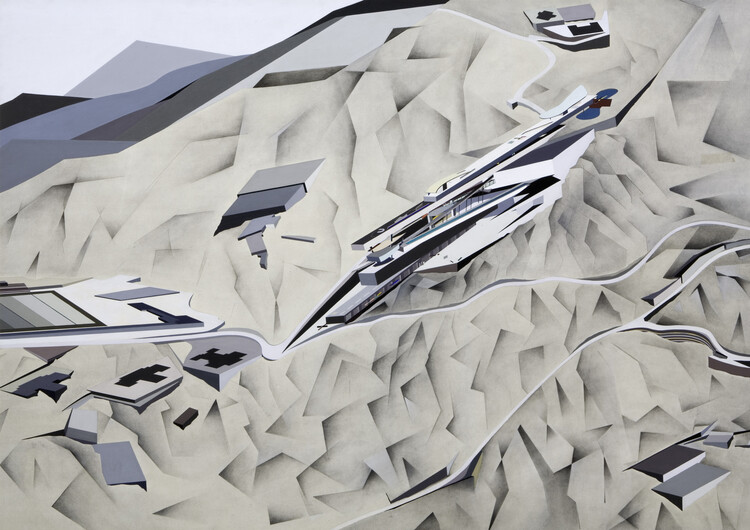
"Architecture of Possibility: Zaha Hadid Architects" at the Museum of Contemporary Art and Urban Planning (MOCAUP) in Shenzhen, China, presents a comprehensive overview of the evolution of Zaha Hadid Architects' work over recent decades. On view until April 10, 2026, the exhibition is structured through chronological and thematic narratives that highlight the studio's multidisciplinary research and design methodologies. The exhibition, now open to the public, showcases the office's work in the Shenzhen area and its involvement with new Artificial Intelligence technologies. Particular emphasis is placed on the integration of artificial intelligence (AI), immersive and interactive design tools, and virtual environments, which together form an expanding digital design ecosystem.
This week's architectural news reflects a broad engagement with how institutions, practitioners, and cultural platforms are positioning themselves in relation to both legacy and long-term change. Across museums, galleries, and major cultural events, architecture is being framed as an evolving public infrastructure, one that must respond to expanding collections, shifting curatorial models, and growing expectations around accessibility, sustainability, and civic presence. Alongside these institutional developments, professional recognitions and appointments have foregrounded practices rooted in site specificity, conservation, and critical research, highlighting architecture's role in mediating between historical contexts and contemporary needs.
This article is part of our new Opinion section, a format for argument-driven essays on critical questions shaping our field.
Who designs architecture today? In a professional landscape increasingly defined by collaborative workflows, generative software, and distributed teams, the figure of the architect as a singular creative author feels both anachronistic and inadequate. This article argues that architectural authorship is no longer an individual act, but a collective and distributed condition shaped by institutions, technologies, and shared forms of labor. The transition from individual to collective authorship is not simply a consequence of larger offices or digital tools; it signals a deeper structural shift in how architecture is produced, communicated, and validated.
Zaha Hadid Architects, in collaboration with RINA as team leader, Studio Plicchi, WSP, STI Engineering, and BC Building Consulting, has won the international competition to design Malpensa Hospital (Grande Ospedale della Malpensa) in Italy. Commissioned by the Lombardy Regional Health Authority, the project will consolidate the existing Gallarate and Busto Arsiziohospitals into a single medical campus serving the area between Milan and Varese, with a catchment of nearly one million residents.
As the year culminates, it's once again time for the ArchDaily team of curators to reflect on the best-performing projects of 2025 and consider what readers were most interested in. Through this diverse overview, we assess the cross-continental similarities and differences in trends and construction development. This year brought us many grand cultural and public spaces by Lina Ghotmeh, BIG, Zaha Hadid Architects, DnA, and Serie Architects, who populated events like Expo Osaka and the Venice Biennale, as well as a surprising number of museums and public or landscape works in China and the rest of the Asian continent. However, while these were sought-after projects, the leading works remained, unsurprisingly, residential projects.
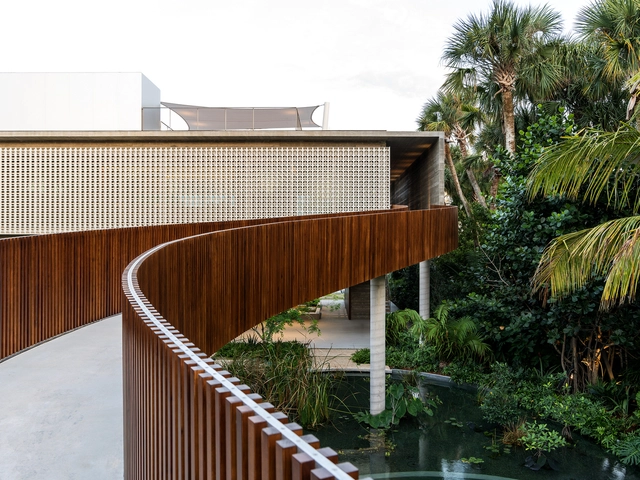
More specifically, the houses that were most viewed on the ArchDaily global site were concrete houses that bore considerable injections of greenery and landscape focus. They propose layouts highlighting voids and double heights, as well as inner courtyards or large openings to the exterior. While some references did suggest traditional or vernacular elements, modernist revivals were still predominant. Material trends are much more tame, with a recurrence of raw concrete use, as wood and stone were common accent elements. Still, the more interesting thing about the works this year is the efforts brought by architects in situating and setting the projects within their surroundings, bringing special attention to landscape and how projects merged with nature.
Athens stands as a city where the legacy of Antiquity is woven into its modern and vibrant urban landscape. World-renowned landmarks of Ancient Greece like the Acropolis and the Parthenon stand as enduring symbols of classical architecture and the city's storied past. These structures reflect the foundational principles of symmetry and balance that have influenced generations of architects and continue to attract scholars from around the world. Yet, Athens is also a thriving metropolis where contemporary architecture coexists with its historical counterparts. Recent developments, led by international firms and local architects, focus on sustainability and innovation while respecting Athens' rich cultural heritage. This duality—preserving the old while embracing the new—reflects Greece's broader urban aspirations, making Athens a focal point in global architectural discourse. The city's architectural evolution also extends to its contemporary architecture and interior design scene, which is gaining international recognition.
To celebrate this architectural evolution, this city guide features Athens's historical landmarks alongside ArchDaily's selection of projects focusing on contemporary architecture, and Designboom's curation of innovative interior designs. Together, they highlight Athens' role as a hub of design innovation.
Stretching along the Atlantic coast at the southern tip of Florida, Miami is often introduced through postcard views of beaches, palm trees, and glass towers facing the water. Yet, behind this familiar image lies a city shaped by migration, tourism, and real estate cycles, where architecture has repeatedly been used to project new identities and reinvent the urban landscape. From early resort hotels and the Art Deco façades of South Beach to experimental high-rises and cultural institutions on the bay, the built environment offers a way to read how Miami negotiates climate, economy, and everyday life.
Over the past century, the city has grown through successive layers of development that remain visible in its streets and skylines. The streamlined geometry and pastel colors of the historic Art Deco District coexist with the exuberant forms of Miami Modern (MiMo) motels and postwar infrastructure along Biscayne Boulevard. Downtown and Brickell have transformed from low-rise business districts into dense clusters of residential and office towers, many designed by international firms working alongside local practices. At the same time, neighborhoods such as Little Havana, Allapattah, and Wynwood reveal how diasporic communities, industrial heritage, and creative industries occupy and adapt existing fabrics, often in contrast with the image-driven waterfront.
Across cultural districts and civic centers, this week's architectural developments highlight how institutions and city governments are reshaping their futures amid shifting environmental, social, and economic pressures. New museum and opera projects signal ongoing commitments to expanding public cultural infrastructure, while the debate surrounding Dallas' modernist City Hall illustrates the tensions that arise when questions of heritage meet rising maintenance demands and redevelopment pressures. At the same time, municipalities are advancing new regulatory tools to confront climate challenges, from electrification standards in Sydney and Boston to mobility restrictions and emerging forms of urban diplomacy. These developments reflect an increasingly complex landscape in which architectural environments evolve through a combination of cultural ambition, environmental targets, and shifting models of public decision-making.