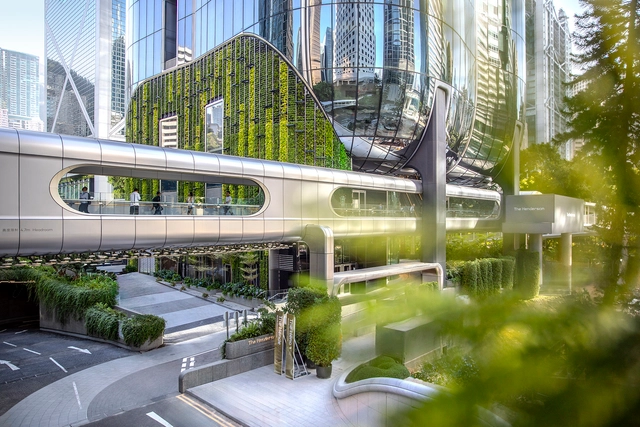
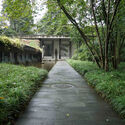
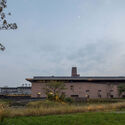
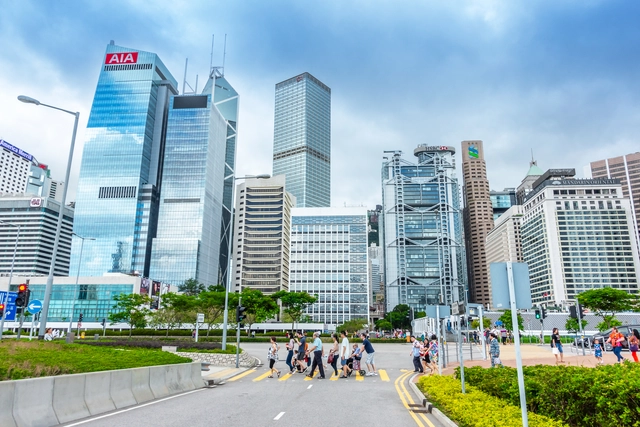
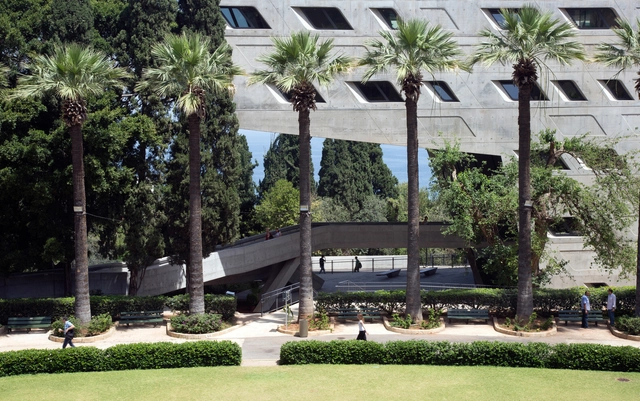
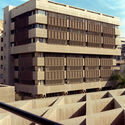
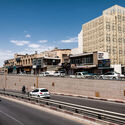
Architectural landmarks often cluster together. In Tokyo, the iconic Omotesando is a well-known stretch where global "starchitects" built flagship luxury retail spaces in the 2000s. Hong Kong has a lesser-known but equally powerful architectural agglomeration along Queensway—though historically more corporate and less publicly engaging. Beginning in the 1980s, this corridor became home to a series of landmark buildings by some of the world's most prominent architects: Norman Foster's HSBC Headquarters, I.M. Pei's Bank of China Tower, Paul Rudolph's Lippo Centre, and the nearby Murray Building by Ron Phillips—now revitalized as a hotel by Foster + Partners. The area is further enriched later on by Heatherwick Studio's renovation of Pacific Place and Tod Williams Billie Tsien Architects' Asia Society Hong Kong Center.
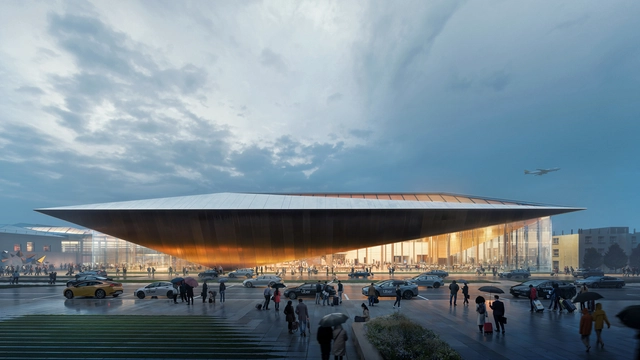
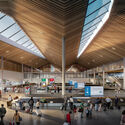
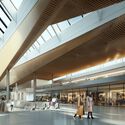
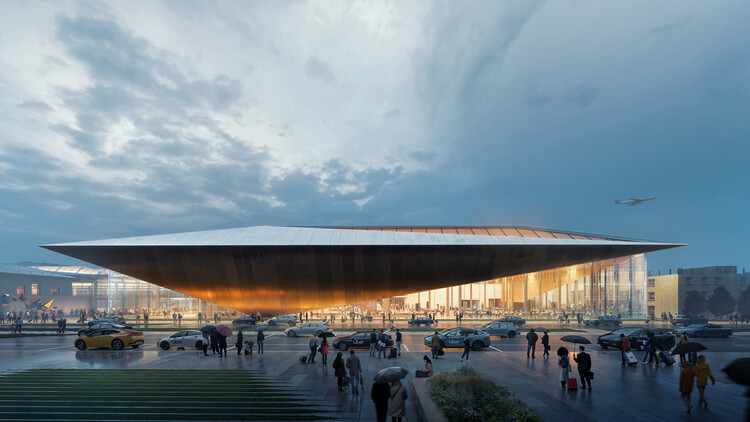
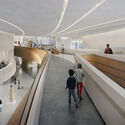
Lithuanian Airports has announced Zaha Hadid Architects as the winner of the international competition to design the new arrivals terminal at Vilnius Airport. Conceived as an integral part of the airport's evolving infrastructure, the new terminal will complement the recently completed departure terminal, enabling Vilnius Airport to accommodate up to 10.6 million passengers annually. The project marks a significant step in the airport's long-term development strategy, addressing future growth in passenger demand while enhancing Lithuania's role as a key gateway in the Baltic region.
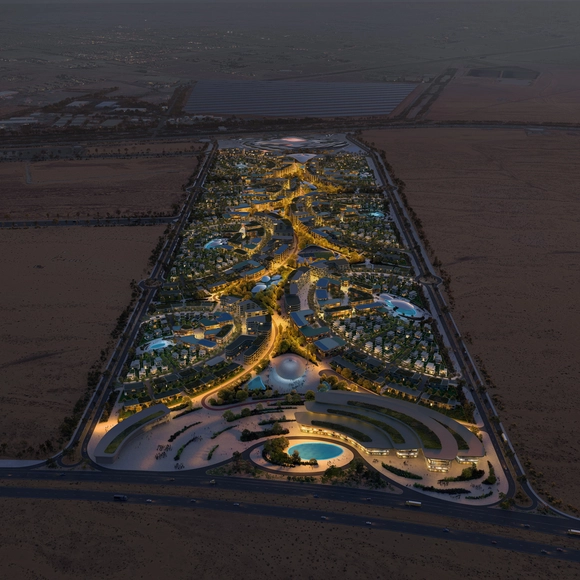
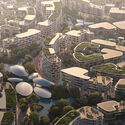
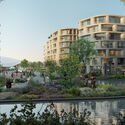
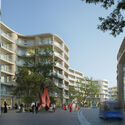
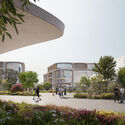
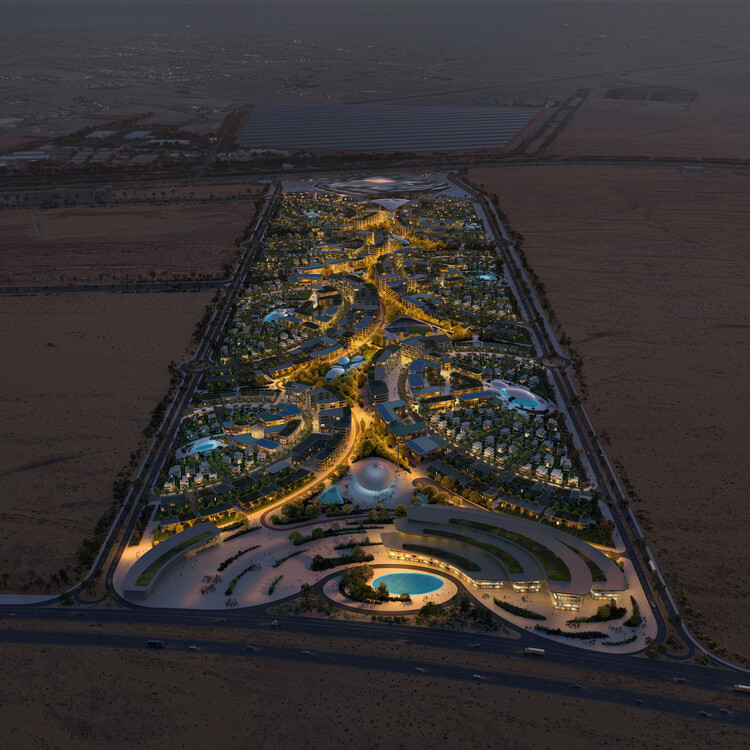
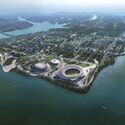
Zaha Hadid Architects (ZHA) has unveiled images of a master plan for Khalid Bin Sultan City in Sharjah, United Arab Emirates. Located adjacent to its BEEAH Headquarters, the development draws inspiration from that building's design, incorporating fluid architectural forms reminiscent of wind-swept desert dunes. Planned as a design and business district, the new urban area will consist of seven residential neighbourhoods connected by shaded walkways and anchored by a two-kilometre-long central oasis.
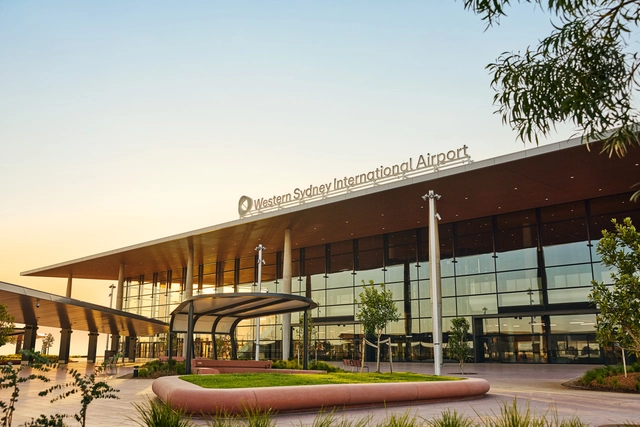
Western Sydney International Airport. Image Courtesy of Western Sydney International Airport
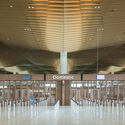
The first photos of the recently completed Western Sydney International (Nancy-Bird Walton) Airport (WSI) have just been unveiled, marking the delivery of Australia's first major airport in over half a century. The design was developed with Zaha Hadid Architects and COX Architecture involved in the initial design concept, and Woods Bagot as the leading design and delivery as part of Multiplex's design team. The terminal presents a new model for airport design, one that is grounded in its setting, responsive to its context, and oriented toward the future of travel. Located in Badgerys Creek on the Cumberland Plain, the terminal is positioned to serve as a long-term gateway to Greater Sydney. While major construction has concluded, final fit-outs of the terminal's retail precinct and airline lounges will be completed closer to the airport's official launch, as commercial agreements continue to progress. Western Sydney International Airport is on track to begin operations, including domestic, international, and air cargo services, in late 2026.
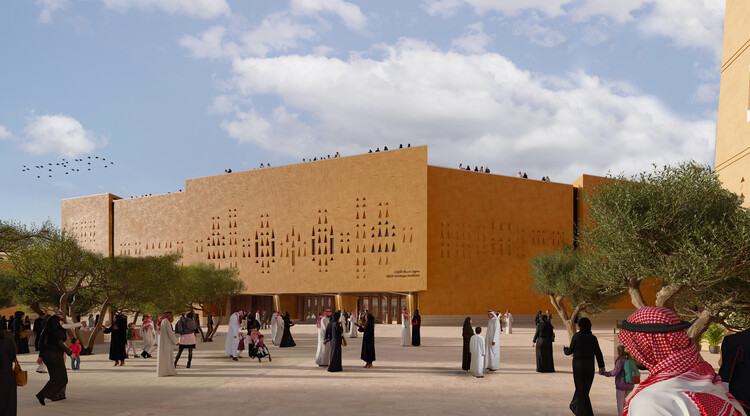
Asaan Museum, Render by Specto-Digital. Image Courtesy of ZHA
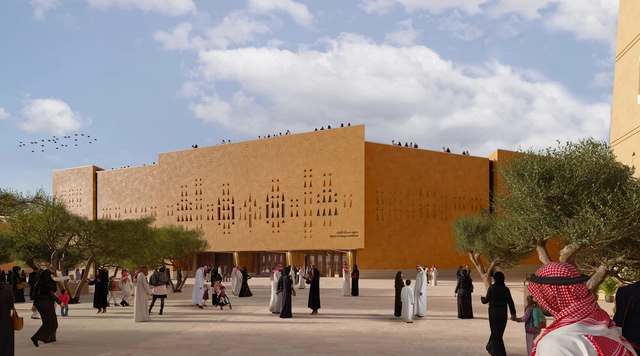
Designed by Zaha Hadid Architects, construction works for the Asaan Museum have recently begun. Located in the historic At-Turaif district of Diriyah, Saudi Arabia, the Asaan Museum aims to be a new cultural institution designed to preserve and celebrate the nation's heritage. Deriving its name from the Arabic word meaning "inheritance passed down through generations," Asaan underscores its role in connecting past and present. Situated within a site renowned for its mud-brick architecture and centuries-old urban fabric, the museum draws inspiration from traditional Najdi building techniques. Planned to be constructed using locally sourced clay mud-bricks, Asaan Museum will mark Zaha Hadid Architects' first project to employ adobe construction.
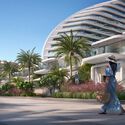
Oystra, Al Marjan, Render by MIR. Image Courtesy of ZHA
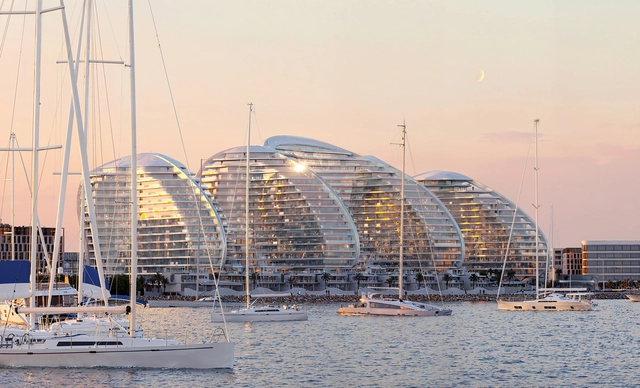
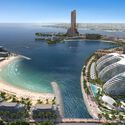
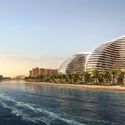
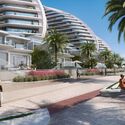
Oystra, designed by Zaha Hadid Architects, is a 128,000-square-metre seafront development located on Al Marjan Island in Ras Al Khaimah, United Arab Emirates, that comprises 950 residential units, a comprehensive range of shopping, dining, and leisure amenities. Ras Al Khaimah, one of the UAE's fastest-growing emirates, is projected to see a 55% increase in its population by 2030, driving the need for an additional 45,000 homes. The emirate's tourism sector is also experiencing significant growth, with the number of visitors expected to rise to 3.5 million annually by 2030, up from 100,000 in 2013.
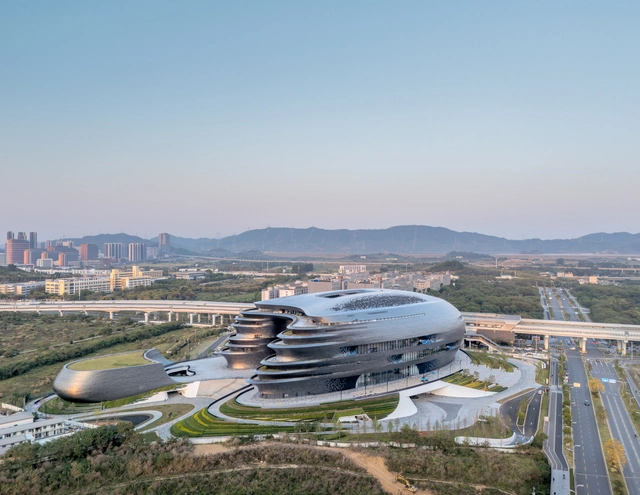
Zaha Hadid Architects has just revealed that the Shenzhen Science & Technology Museum, located in the Guangming District, has officially opened. Designed as a platform to highlight scientific research and technological innovation, the institution will explore the role of science in shaping the future. Adjacent to Guangming Station on Shenzhen's metro network, the design responds to its location as a solid, spherical volume facing the city, defining the southeast corner of the new Science Park. The museum aims to provide a space for public engagement with current developments in science and technology.
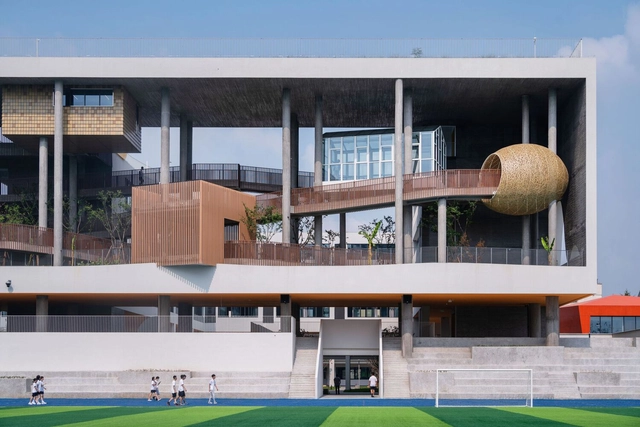
Huizhen High School by Approach Design Studio - Zhejiang University of Technology Engineering Design Group Co.,Ltd_Huizhen High School by Approach Design Studio. . Image Courtesy of WAF23
The World Architecture Festival (WAF) is set to host its 17th edition in Miami, marking the event's first appearance in the United States. This year's festival theme, announced as Hearts and Minds, will explore the intersection between rational design strategies and emotional resonance. Through a series of talks and panel discussions, speakers will examine how architecture operates both as an intellectual pursuit and a sensory experience, engaging perception, memory, and affect. Scheduled from November 12-14 at the Miami Beach Convention Center in Florida, the festival will gather architects and designers from around the globe for a three-day program featuring talks, awards, exhibitions, and fringe events. The event will highlight international practices, showcase new projects, and facilitate discussions on key issues shaping the built environment.
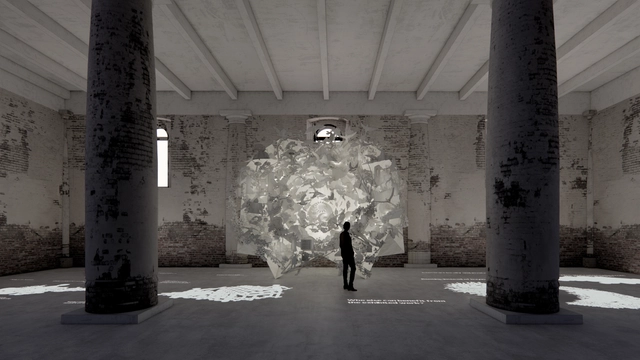
The Biennale promises to be a dynamic platform uniting over 750 participants from diverse backgrounds, including architects, engineers, mathematicians, climate scientists, and artists. Such a broad coalition of over 280 projects underlines the Exhibition's focus on inclusivity and interdisciplinary collaboration, an essential aspect for adaptation. The selection process proposed a bottom-up, open call approach through the Space for Ideas initiative, which ran between May and June 2024. It encouraged participation from global teams, from Pritzker Prize winners and Nobel laureates to emerging architects and scientists.
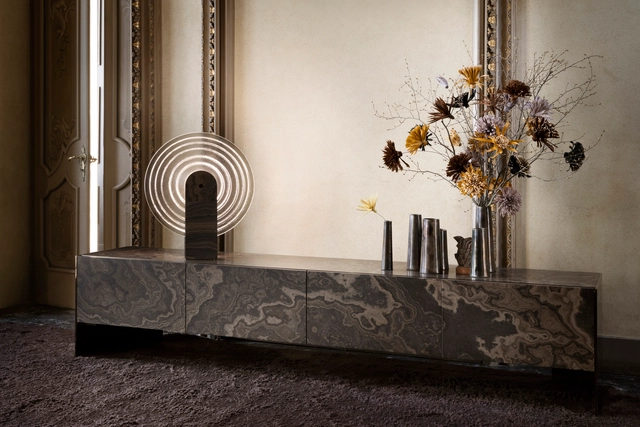
The 2025 edition of Milan Design Week took place from April 8 to April 13, 2025. During these five days, the city of Milan hosted special events, exhibitions, installations, and discussions centered on the creative disciplines, including the 63rd edition of the Salone del Mobile at Fiera Milano fairgrounds. Among the numerous activities, the event serves as an ideal opportunity to introduce the latest trends and showcase upcoming pieces from brands and designers worldwide. Among the new releases and product launches, the ArchDaily team identified a selection of products designed by architects, ranging from lighting and furniture systems to materials and small objects.
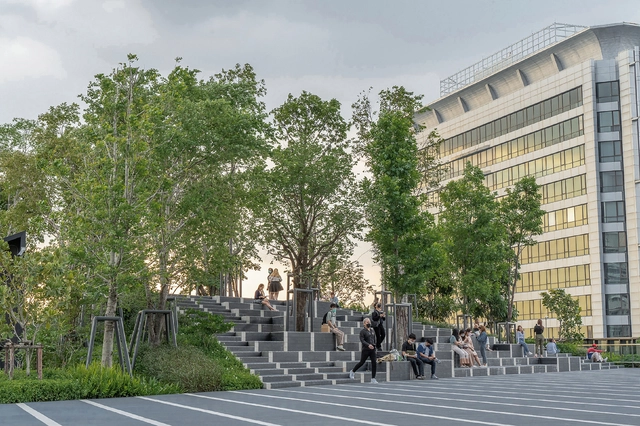
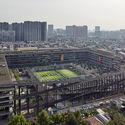
In contemporary urban development, the concept of Privately Owned Public Space (POPS) has gained increasing prominence. These are spaces that, while built, owned, and maintained by private developers, are legally required to remain publicly accessible. Often the result of negotiated planning incentives—such as zoning bonuses or increased floor area—POPS have become especially prevalent in dense urban environments where land is limited and demand for public amenities is high.
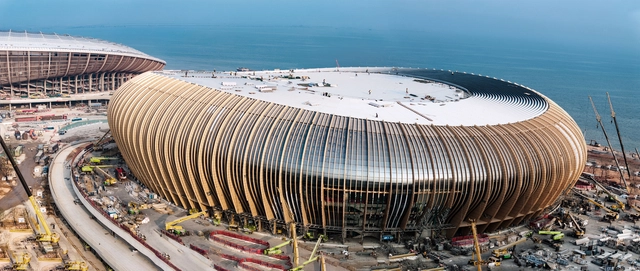
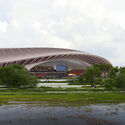
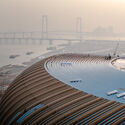
Designed by Zaha Hadid Architects in collaboration with the Guangdong Architectural Design & Research Institute, the Greater Bay Area Sports Centre in Nansha, China, is approaching completion. Construction began in August 2023, with the main structures of the stadium and arena topping out in February 2024. Roofing and curtain wall installations were finalized in February 2025, and the project has now entered its final phase of interior finishing and landscaping. The center is set for handover in June 2025, ahead of its role as a key venue for the China National Games in November.
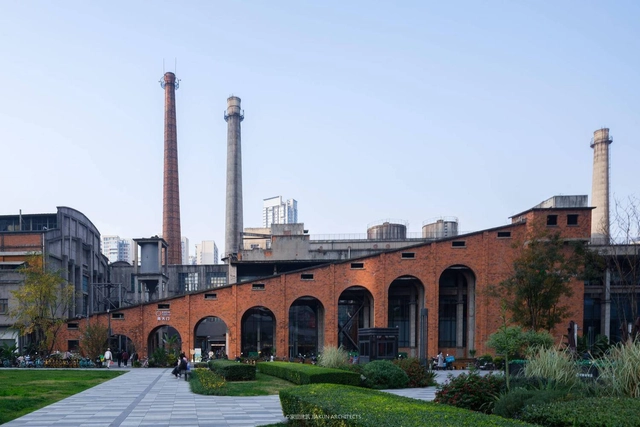
For nearly the past two decades, cities around the world embraced "starchitecture"—futuristic, eye-catching buildings designed by globally renowned architects. In China, this trend was particularly pronounced as rapid urbanization fueled the construction of iconic megastructures like Zaha Hadid's Galaxy SOHO, OMA's CCTV Headquarters, and Herzog & de Meuron's Bird's Nest Stadium in Beijing. At the time of their construction, these were all celebrated as symbols of progress and global ambition. However, architecture worldwide has begun shifting toward a more context-driven, human-centered approach, with China emerging as one of the key contributors to this transformation. This year, Liu Jia Kun's 2025 Pritzker Prize further underscores that shift.
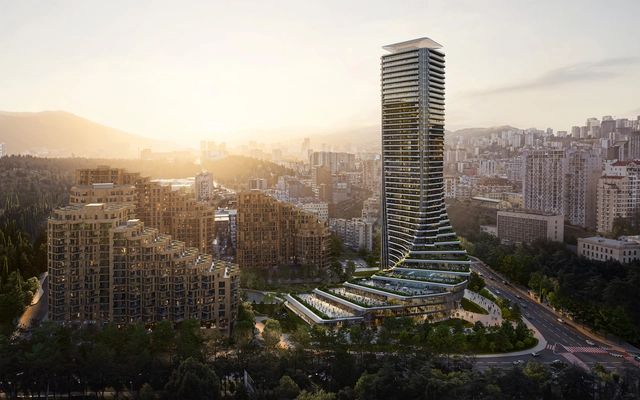
Zaha Hadid Architects has just revealed the design for Cityzen Tower, a 42-story high-rise set to become a landmark in Tbilisi, Georgia. Positioned in the Saburtalo district, the tower is part of the Cityzen development, a new civic hub integrating residential, commercial, and public spaces. Designed as a vertical extension of Tbilisi's new Central Park, the tower will bring together urban living and nature through cascading terraces and green spaces.
Prefabrication is one of the most transformative innovations in architecture and construction, redefining how buildings are designed, manufactured, and assembled. While not a new concept, its application has evolved to offer a broader range of advantages. Traditionally valued for its precision and quality, prefabrication is now equally recognized for its cost and time efficiencies, particularly in leveraging regional differences in labor and production. This shift has fueled its resurgence across high-end, design-driven projects and large-scale, cost-efficient public buildings.
Education has long been a driving force in the Middle East, shaping knowledge, encouraging innovation, and strengthening cultural identity. In recent years, educational architecture in the region has expanded beyond its academic function, evolving into public gathering spaces and cultural hubs. These institutions are designed not only for learning but also for dialogue, research, and collaboration, often integrating open courtyards, multi-use public areas, and architectural elements that reflect local heritage. Whether through their physical openness, adaptability, or connection to the urban environment, these spaces reinforce the idea that universities and research centers are essential to civic life.
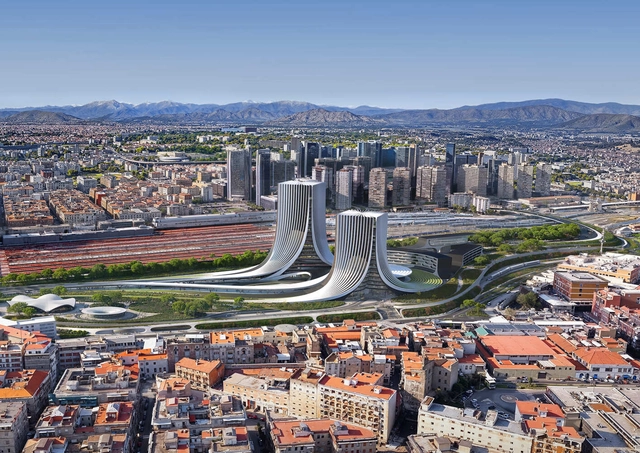
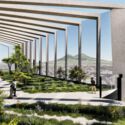
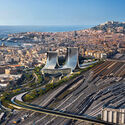
Zaha Hadid Architects (ZHA) has been announced as the winner of the international design competition for the Napoli Porta Est masterplan, a large-scale urban regeneration project in Naples, Italy. The project, which includes the new Campania Region headquarters, aims to reconnect fragmented urban areas and revitalize a district that has long been considered isolated and unsafe due to inadequate public spaces and physical barriers.
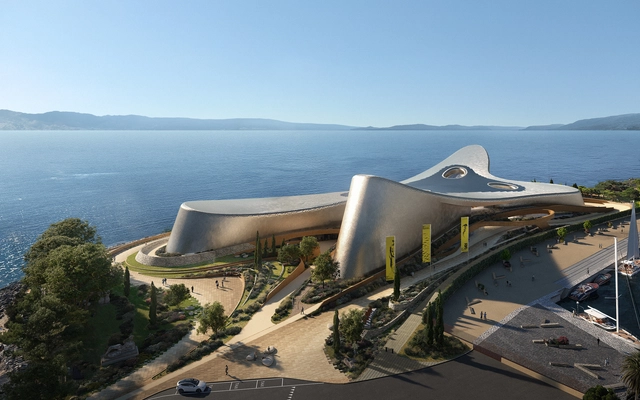
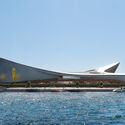
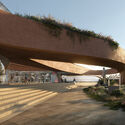
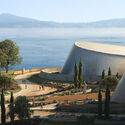
Zaha Hadid Architects have announced the breaking ground for the Centre of Mediterranean Culture in Reggio Calabria, Italy. The 24,000 square-meter structure houses diverse spaces, including a network of exhibition galleries, both permanent and temporary, capable of showcasing a wide range of displays. An integrated aquarium is a key feature, offering visitors a glimpse into the marine life of the Strait. The building also provides conference facilities, including a large auditorium suitable for performances, presentations, and industry events. Dedicated educational spaces are incorporated to support the region's schools, and visitor amenities include a bookshop and a restaurant and bar overlooking the port.