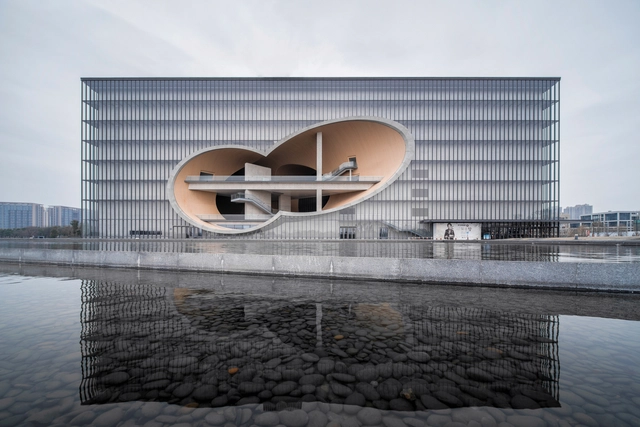
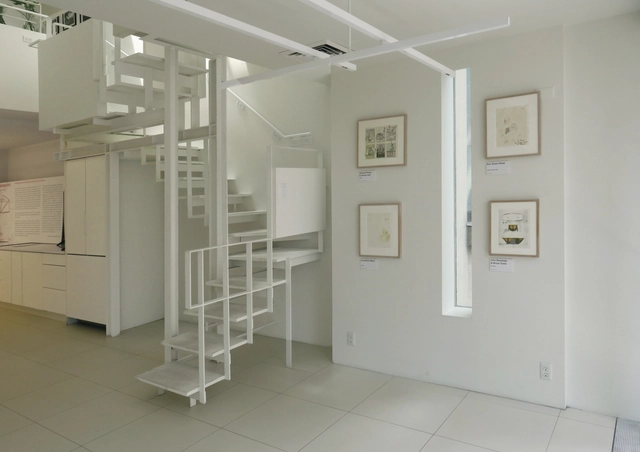
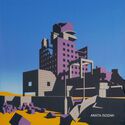
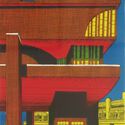
Taschen's new book, published in October 2025, Tadao Ando. Sketches, Drawings, and Architecturepresents an in-depth exploration of the Japanese architect Tadao Ando's creative process, bringing together over 750 sketches, drawings, models, and technical plans developed over nearly five decades. Created in close collaboration with Ando himself, the book provides a rare view into how his ideas take shape, from the immediacy of the first pencil lines to the precision of architectural drawings that define his built works. Through these materials, the publication highlights Ando's enduring focus on the relationship between hand, thought, and space.
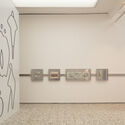
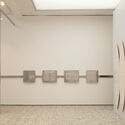
Two views, by Marie-Louise Raue. Image Courtesy of The Architecture Drawing Prize
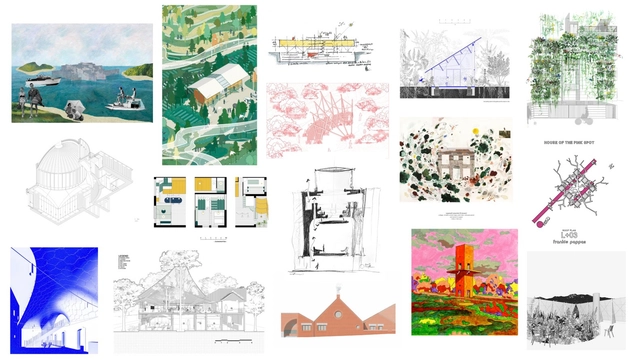
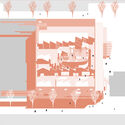
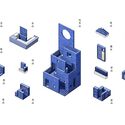
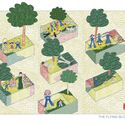
The eighth edition of The Architecture Drawing Prize has revealed its 15 winners, following a radical restructuring of its judging criteria to reflect the evolving landscape of architectural representation. For the first time, the competition assessed all entries together, rather than by category, embracing the growing influence of digital and AI-assisted tools in the creative process.
Launched in 2017 and co-curated by Make Architects, Sir John Soane's Museum, and the World Architecture Festival (WAF), the Prize celebrates the art and skill of architectural drawing across multiple modes of creation. Sponsored by Iris Ceramica Group and supported by ArchDaily as media partner, this year's edition attracted a record number of more than 200 submissions from around the world. Drawings were evaluated for their technical skill, originality, and capacity to convey architectural ideas through diverse techniques, ranging from traditional hand drawings to complex hybrid compositions.
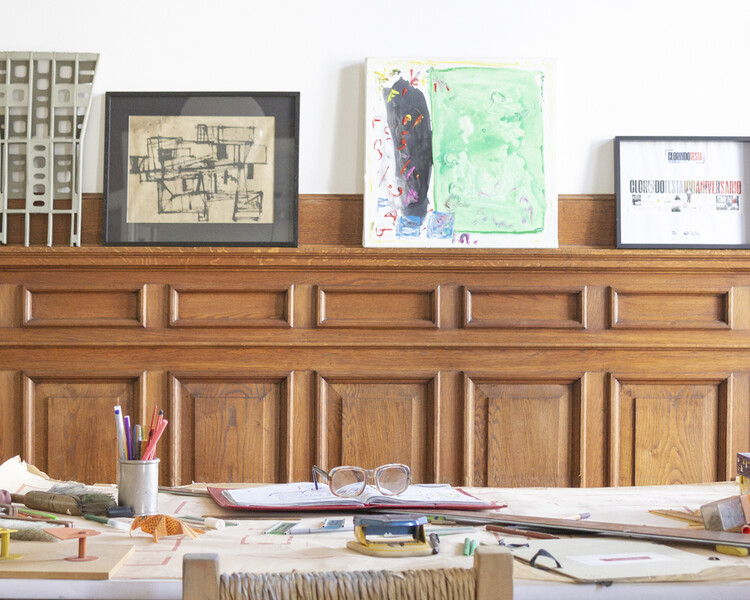
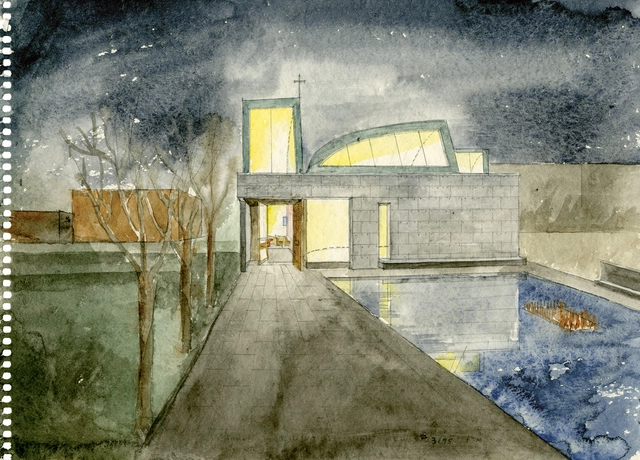
Amid questions, reflections, and debates, the work of Clorindo Testa embodies an innate connection between artistic and architectural experimentation, reflected in many of his built projects, sketches, models, and plans. From the Mariano Moreno National Library to the former Bank of London building in Buenos Aires, his production is of such scope, diversity, and complexity that it constitutes a major source of study, one that also includes unbuilt projects that deserve visibility and recognition on a global scale. In his final years of professional activity, two unbuilt projects of religious architecture highlight Testa’s work not only as an architect but also as a visual artist.
The use of primary colors, pure forms, and concrete represent some of the most distinctive characteristics of Clorindo Testa’s architecture, which is inseparable from his visual art. Reflecting on themes such as living in large cities or the conditions of life in urban spaces, the powerful expressiveness and plasticity of his works, together with the character of the line, his typical color palette, and the frequent presence of the human figure, reveal the importance and meaning he attributed to scales, uses, and perceptions as an architect who never settled for the first idea.
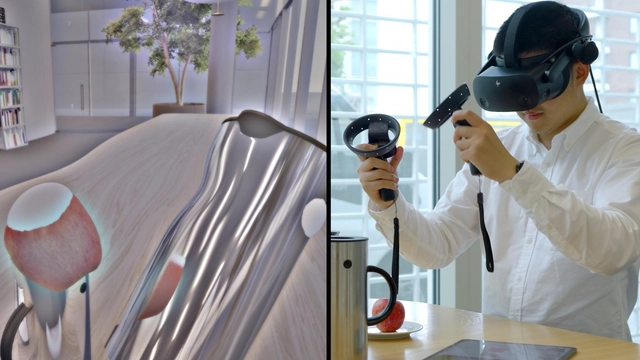
VARID A VR-AR Toolkit for Inclusive Design.. Image Courtesy of Foster + Partners
Over the last decade, architectural design has relied on 2D methods of representation, such as elevations, sections, and floor plans, paired with digital renderings of 3D models. While these tools are essential to convey geometry and intent, they remain limited by their two-dimensional format. Even the most realistic renderings, created through programs like SketchUp, Revit, or AutoCAD, still flatten space and distance the viewer from the lived experience of a project. Recently, architects have begun to explore immersive technologies as a way to bridge this gap between drawing and experience, offering new ways to inhabit and assess spatial proposals.
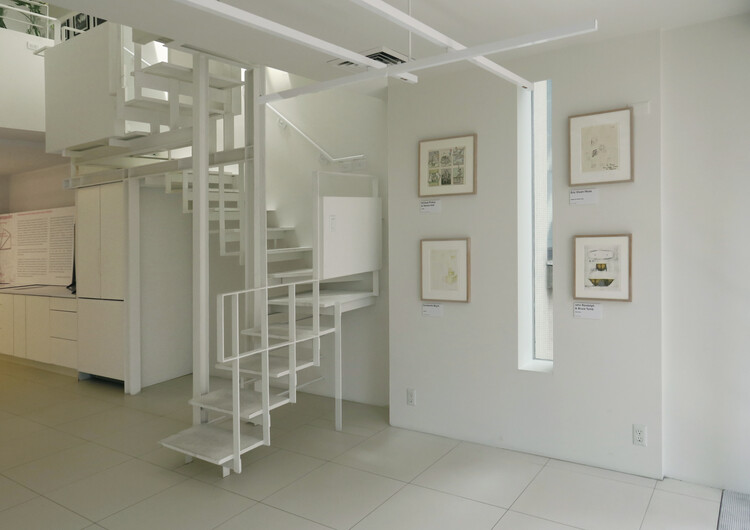
"Steven Holl – Drawing as Thought," an extensive exhibition of the American architect's original watercolors, is now on view at the Tchoban Foundation Museum for Architectural Drawing in Berlin. It reveals insights behind some of Holl's key projects and design methodology. The selected drawings range from early unbuilt winning competition entries to some of the latest visions now under construction in Europe and the United States. Occupying the museum's two levels, the show opened on February 6 with a conversation between Holl and the museum's founder and architect Sergei Tchoban, as well as addresses by Kristin Feireiss, the exhibition's curator and founding director of the next-door Aedes Architecture Forum, and Diana Carta, an architect and scholar from Rome. The show, which can be visited until May 4th, is accompanied by a catalog that states, "The work of internationally renowned US architect Steven Holl is distinguished not only by his extraordinary buildings, with a focus on cultural and public structures such as museums, art centers, concert halls, libraries and universities worldwide, but also by his artistic oeuvre, which today comprises more than 50,000 sketches, black-and-white drawings, and watercolors. […] While exhibition visitors will only encounter a small portion of his extensive body of work, each drawing should be explored and studied individually, in keeping with Holl's intent."
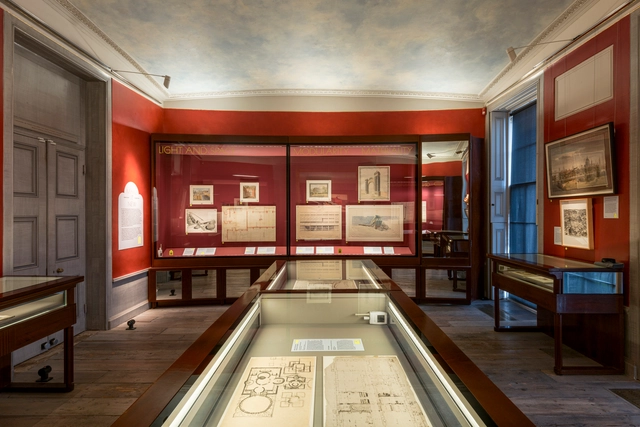
"Soane and Modernism: Make it New" brings together architectural drawings from Sir John Soane's extensive collection in dialogue with works by renowned modernist figures, including Le Corbusier, Frank Lloyd Wright, Adolf Loos, and Ernő Goldfinger. Curated by Dr. Erin McKellar, Assistant Curator of Exhibitions at Sir John Soane's Museum, the exhibition highlights the presence of 20th-century modern architectural design ideals in the work of 19th-century architect Sir John Soane. The selection of works is based on the idea that Soane's designs can be considered a precursor to many architectural principles adopted in the twentieth century.
The Museum for Architectural Drawing in Berlin, Germany, will host a new exhibition titled "Steven Holl – Drawing as Thought," curated by Kristin Feireiss. The exhibition explores the creative process of internationally renowned architect Steven Holl with a focus on his use of drawing as a fundamental tool in architectural design. Furthermore, the exhibition highlights Holl's extensive artistic practice, which includes over 50,000 sketches, black-and-white drawings, and watercolors, offering insight into his approach to architecture through visual exploration.
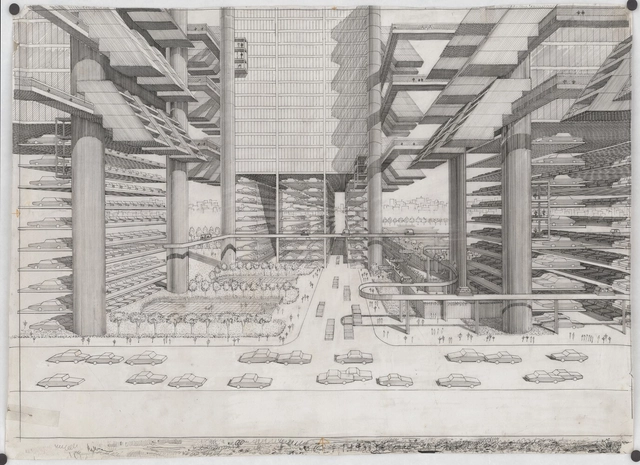
Perspective drawing of the Lower Manhattan Expressway / City Corridor project (unbuilt), New York ca. 1967–72. The Museum of Modern Art, New York, Gift of the Howard Gilman Foundation (1290.2000). Image Courtesy of The Met
The Metropolitan Museum of Art has opened a major exhibition focused on the diverse and innovative career of Paul Rudolph, a second-generation Modernist architect whose work stands alongside luminaries such as Eero Saarinen and I.M. Pei. Titled "Materialized Space: The Architecture of Paul Rudolph," the exhibition is on display from September 30, 2024, to March 16, 2025, covering a wide spectrum of Rudolph's architectural contributions, from his experimental houses in Florida, through civic projects, to visionary urban megastructures and mixed-use skyscrapers.
The Second Studio (formerly The Midnight Charette) is an explicit podcast about design, architecture, and the everyday. Hosted by Architects David Lee and Marina Bourderonnet, it features different creative professionals in unscripted conversations that allow for thoughtful takes and personal discussions.
A variety of subjects are covered with honesty and humor: some episodes are interviews, while others are tips for fellow designers, reviews of buildings and other projects, or casual explorations of everyday life and design. The Second Studio is also available on iTunes, Spotify, and YouTube.
This week David and Marina of FAME Architecture & Design share their favorite aspects of being an architect. They discussed ongoing learning opportunities; building something from nothing; architecture comradery; construction; appreciation for man-made and natural objects; technical drawings; when architecture projects are finished; and more.
https://www.archdaily.com/1021748/the-second-studio-podcast-6-reasons-to-love-architectureThe Second Studio Podcast
The Museum of Architectural Drawing presents “Lina Bo Bardi - The Poetry of Concrete,” an exhibition featuring 40 drawings by the esteemed architect Lina Bo Bardi, highlighting her architectural legacy. Showing together for the first time in Europe, these works include sketches and designs, photographs of the architect’s buildings, and illustrations. Taking place in Berlin, Germany, the exhibition opened on 31 May 2024 and will continue until 22 September 2024.
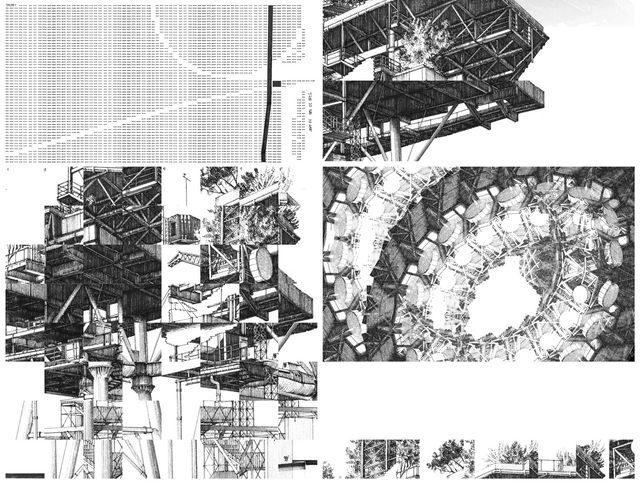
‘(Re)membering the See Monster' by Eldry John Infante - Overall Winner . Image Courtesy of WAF
The World Architecture Festival and Prize, together with co-curators Make Architects and Sir John Soane’s Museum, have announced Filipino Architect and Illustrator Eldry John Infante as the Overall Winner of the 2023 Architecture Drawing Prize. The awarded drawing, titled ‘(Re)membering the See Monster,’ is a mixed-media representation of a defunct oil platform. The image aims to invite conversations on the topic of reuse, going beyond the structure’s physicality.
As another year draws to a close, ArchDaily's team of curators is pleased to present a selection of the best architectural drawings published throughout 2023, without which the projects' appreciation would certainly not be the same.
Architectural representation plays a fundamental role both in the design process - from the very first sketches to the finest construction details - and in its presentation to a wider audience. Thus, during the selection process, we were able to see a rich and varied set of designs that were part of the more than 4,000 project publications this year. We had the difficult task of coming up with the most representative and inspiring ones amongst them.
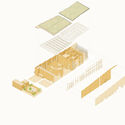
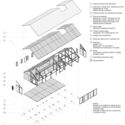
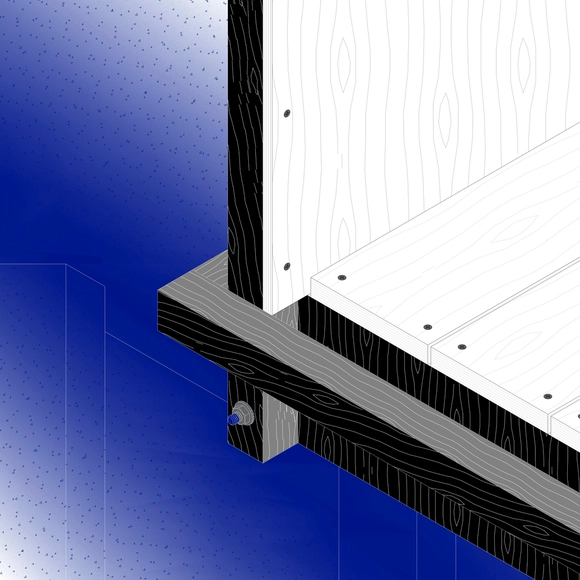
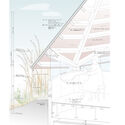
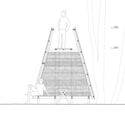
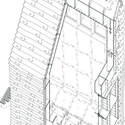
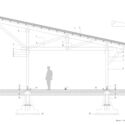
Drawing plays a pivotal role in architectural design as it is the primary means for transforming ideas into tangible spaces. Within wooden architecture, numerous techniques exist for creating joints, and connections, and seamlessly incorporating the material into other structural components. Beyond merely conveying precise details, drawing can also produce instructional guides for construction, simplifying comprehension for the workforce and facilitating project execution. This is why we've curated a collection of diverse projects that exemplify various approaches to depicting the use of wood and its myriad possibilities.
Cuadra San Cristóbal, Los Clubes, Atizapán de Zaragoza, State of Mexico, 1966-1968. Perspective sketch of the main courtyard by Luis Barragán. Image via Barragan Foundation
Two years ago, as part of an initiative by the Barragan Foundation, the launch of the institution's renewed website was announced via its Instagram account. This represented an effort to compile all the information that exists so far from the Barragán Archive that enriches the study of his career, opening up the panorama to understand his trajectory and evolution from a clear chronology, experiments, and collaborations, as well as unrealized or demolished projects. The website compiles these five decades of career, presenting a list of 170 works inside and outside the country that is updated as more material is researched and collected.
One of Paulo Mendes da Rocha's main design gestures in the Pinacoteca renovation project was to create a new longitudinal axis for circulation, moving its entrance to the south face of the building. Metallic walkways, which cross internal courtyards covered by skylights, enable new dynamics of circulation between the rooms, transforming a neoclassical building into a museum with a contemporary program.
The ability to completely renovate a space by demolishing parts, making additions, altering functionality, and improving ambience is one of the most admired functions of the architect. In housing, this significance is even more apparent, since adapting housing to contemporary demands, through a well-thought-out plan, can drastically improve the quality of life of the occupants.
SAP Headquarters / Yashar Architects. Image Courtesy of Yashar Architects
In architecture, choosing the right construction materials is crucial to improve efficiency, ensure structural integrity and maximize performance, ultimately setting the standard for the finished product. But because any building – from its outer skin to its framing system – consists of many layers and parts, understanding how these fit and work can be just as important during design and manufacture. Technical specification of materials and constructive systems plays a key role in conveying this information, providing all of the necessary knowledge, properties and characteristics for any successful project. After all, the more you know about what lies between walls and behind finishes, the better your architecture will be.