1. ArchDaily
  2. James Wines

James Wines: The Latest Architecture and News

Exhibition at Paul Rudolph’s Modulightor Building in New York Unites Works of Architectural Art from Gehry, Rossi, and More

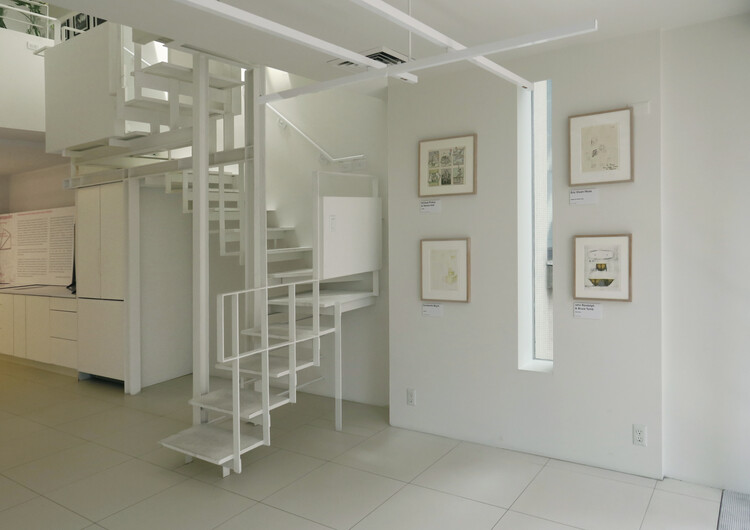
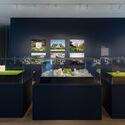
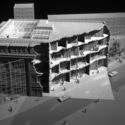
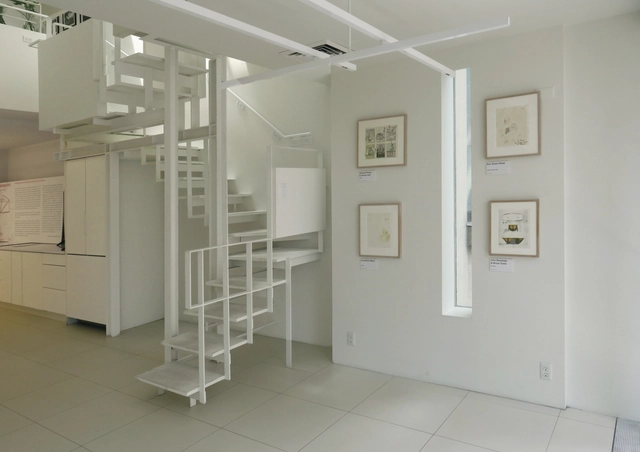
An exhibition of architectural drawings and photographs, titled "Architecture = Art: The Susan Grant Lewin Collection," is now on view at Paul Rudolph's Modulightor Building in Manhattan, New York. Hosted by the Paul Rudolph Institute for Modern Architecture (PRIMA), the collection brings together works by prominent architects, including Eileen Gray, Daniel Arsham, Frank Gehry, Jesse Reiser, Hani Rashid, Steven Holl, Aldo Rossi, Michael Graves, James Wines, Stanley Tigerman, John Hejduk, among others. The drawings are accompanied by a selection of photographs by architectural photographers such as Ezra Stoller, Robin Hill, Norman McGrath, Paul Clemence, and others. The exhibition opened on July 2 and will remain on view until September 20, 2025.

Exhibition at Paul Rudolph’s Modulightor Building in New York Unites Works of Architectural Art from Gehry, Rossi, and More - 1 的图像 4Exhibition at Paul Rudolph’s Modulightor Building in New York Unites Works of Architectural Art from Gehry, Rossi, and More - 2 的图像 4Exhibition at Paul Rudolph’s Modulightor Building in New York Unites Works of Architectural Art from Gehry, Rossi, and More - 3 的图像 4Exhibition at Paul Rudolph’s Modulightor Building in New York Unites Works of Architectural Art from Gehry, Rossi, and More - 4 的图像 4Exhibition at Paul Rudolph’s Modulightor Building in New York Unites Works of Architectural Art from Gehry, Rossi, and More - More Images+ 16

MoMA's “Emerging Ecologies” Exhibition Explores the Ecolution of Environmental Architecture

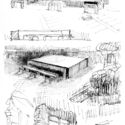
The Museum of Modern Art New York has announced the opening of an exhibition focused on the first realized and unrealized projects that address ecological and environmental concerns. Featuring works by architects who practiced mainly in the United States from the 1930s through the 1990s, the exhibition titled “Emerging Ecologies: Architecture and the Rise of Environmentalism” is on view from September 17, 2023, through January 20, 2024. The over 150 works showcased reveal the rise of the environmental movement through the lens of architectural practice and thought.

MoMA's “Emerging Ecologies” Exhibition Explores the Ecolution of Environmental Architecture - Image 1 of 4MoMA's “Emerging Ecologies” Exhibition Explores the Ecolution of Environmental Architecture - Image 2 of 4MoMA's “Emerging Ecologies” Exhibition Explores the Ecolution of Environmental Architecture - Image 3 of 4MoMA's “Emerging Ecologies” Exhibition Explores the Ecolution of Environmental Architecture - Image 4 of 4MoMA's “Emerging Ecologies” Exhibition Explores the Ecolution of Environmental Architecture - More Images+ 12

“Architecture Needed to Be Liberated from Itself”: In Conversation with James Wines

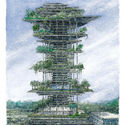
James Wines, a New York architect and environmental artist, has been on a mission of sorts. He believes that architecture needs to be liberated from itself. This act of liberation is expressed in many radical projects that he and his company, SITE (Sculpture In The Environment) realized in 11 countries. Wines is world famous for such projects as Ghost Parking Lot (Hamden, CO, 1977), Highrise of Homes (theoretical project, 1981), Highway 86 (Vancouver, Canada, 1986), Fondazione Pietro Rossini Pavilion (Briosco, Italy, 2008), and Off-White Showroom for Virgil Abloh (Ginza, Tokyo, 2021). The very essence of the architect’s work is expressed in his fascinating stores for BEST Products Company, the key focus of my conversation with the architect that took place over Zoom on August 10, 2022, following many of our in-person meetings.

“Architecture Needed to Be Liberated from Itself”: In Conversation with James Wines - Image 1 of 4“Architecture Needed to Be Liberated from Itself”: In Conversation with James Wines - Image 2 of 4“Architecture Needed to Be Liberated from Itself”: In Conversation with James Wines - Image 3 of 4“Architecture Needed to Be Liberated from Itself”: In Conversation with James Wines - Image 4 of 4“Architecture Needed to Be Liberated from Itself”: In Conversation with James Wines - More Images+ 9

“The Point is to Attack Architecture!“: In conversation with James Wines of SITE

As the founder of SITE (Sculpture in the Environment), an architecture firm most widely-known for its seminal series of buildings for the BEST discount-store chain in the 1970s, James Wines (b. 1932, Oak Park, Illinois), originally an artist, introduced his unique approach of practicing architecture as a form of cultural criticism. It struck a chord by delighting the public and infuriating many architects and critics for corrupting architecture with his witty ideas. His buildings were among the first to engage nature head-on, both for pure delight and to raise environmental issues.

Interview with James Wines: "The Point is to Attack Architecture!"

As the founder of SITE, an architecture firm most widely-known for their seminal series of stores for BEST in the 1970s, James Wines has become something of an anomaly in the field of architecture: originally an artist, his approach of creating architecture as a form of cultural criticism struck a chord almost universally, delighting critics and the public alike. In this interview, the latest in Vladimir Belogolovsky's “City of Ideas” column, Wines explains the ideas behind those early designs and how his subsequent works have continued that thread of ideas.

Interview with James Wines: "The Point is to Attack Architecture!" - Image 1 of 4Interview with James Wines: "The Point is to Attack Architecture!" - Image 2 of 4Interview with James Wines: "The Point is to Attack Architecture!" - Image 3 of 4Interview with James Wines: "The Point is to Attack Architecture!" - Image 4 of 4Interview with James Wines: The Point is to Attack Architecture! - More Images+ 42

When Art, Architecture and Commerce Collided: The BEST Products Showrooms by SITE

Subscriber Access | 

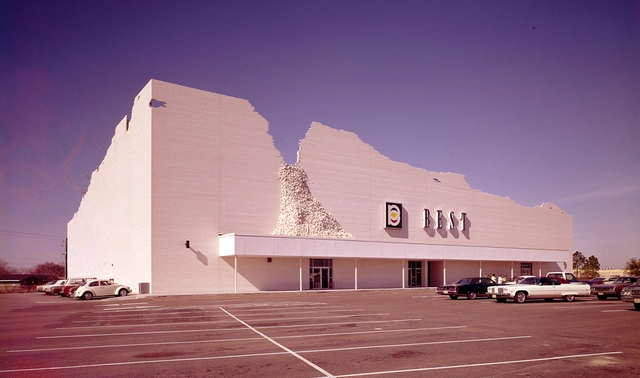
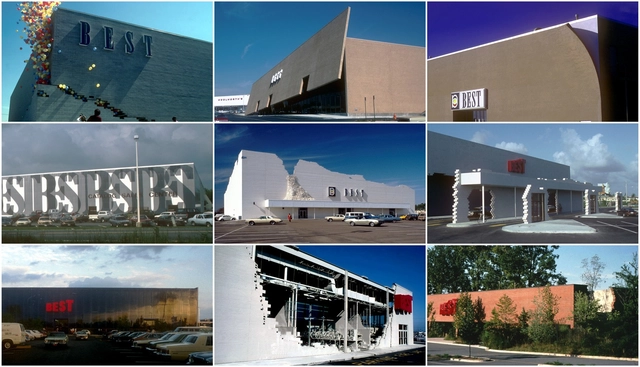
According to one survey, images of the BEST Products Showroom in Houston, Texas, designed by SITE (Sculpture in the Environment), appeared in more books on 20th-century architecture than any other building. The intentionally crumbling brick at that Houston store, known as “Indeterminate Façade,” and the eight other showrooms SITE designed, were simultaneously iconic and controversial, and most importantly for BEST, they brought in customers. Although SITE-founder James Wines never considered himself a Postmodernist architect, his designs for BEST, completed between 1972 and 1984, steeped in whimsical social commentary, came to symbolize the essence of Postmodernism. Today, all but one of the BEST showrooms have been demolished or altered beyond recognition, but they set a lasting precedent, and continue to influence the use of architecture in corporate branding today.

When Art, Architecture and Commerce Collided: The BEST Products Showrooms by SITE - Image 1 of 4When Art, Architecture and Commerce Collided: The BEST Products Showrooms by SITE - Image 2 of 4When Art, Architecture and Commerce Collided: The BEST Products Showrooms by SITE - Image 3 of 4When Art, Architecture and Commerce Collided: The BEST Products Showrooms by SITE - Image 4 of 4When Art, Architecture and Commerce Collided: The BEST Products Showrooms by SITE - More Images+ 35