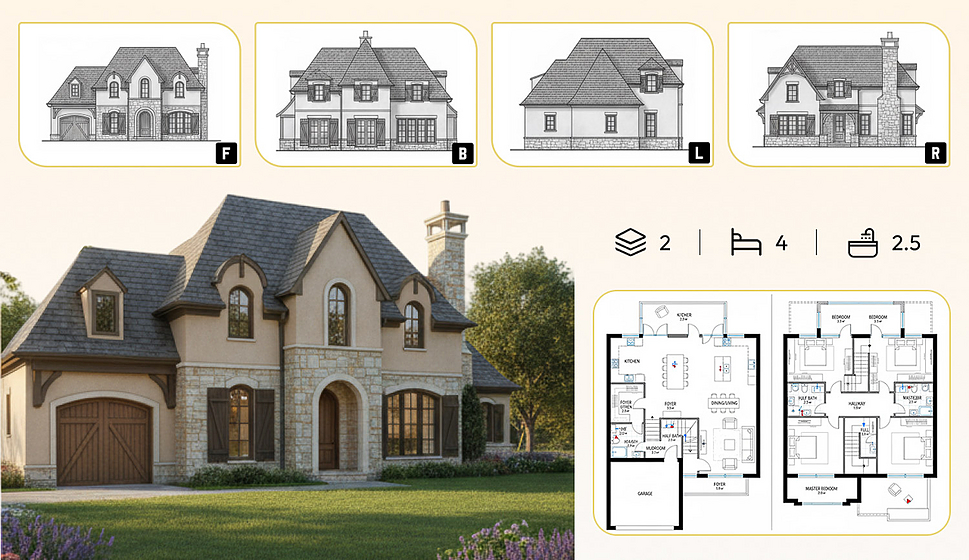
This guide covers a workflow that moves from project parameters to generated floor plans, 3D perspective views, exterior design exploration, and site context visualization, using AI tools in place of preliminary CAD and rendering work.
This guide covers a workflow that moves from project parameters to generated floor plans, 3D perspective views, exterior design exploration, and site context visualization, using AI tools in place of preliminary CAD and rendering work.
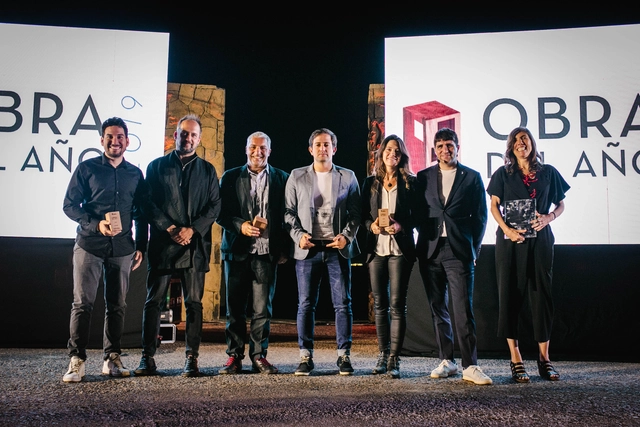
For the eleventh consecutive year, ArchDaily celebrated the best of Latin American architecture, presenting the Building of the Year award to architects Barclay & Crousse (Peru), Felipe Assadi (Chile), and Natura Futura + Frontera Sur Arquitectura (Ecuador). This year, the ceremony took place at the Pablo Neruda Lookout on San Cristóbal Hill, bringing together the architectural community and ArchDaily's main partners.
A glance at the portfolio of Miguel De Guzmán and Rocío Romero reveals a duo that successfully captures the breadth of architectural spaces while conveying the underlying concepts. Together, they founded the Madrid- and New York-based photography and film studio Imagen Subliminal , documenting the latest developments in global architecture to allow viewers to experience the energy and creativity driving these projects.
On World Photography Day, we spoke with the duo about the evolution of their work and the role photography plays in both the current and future architectural landscape.
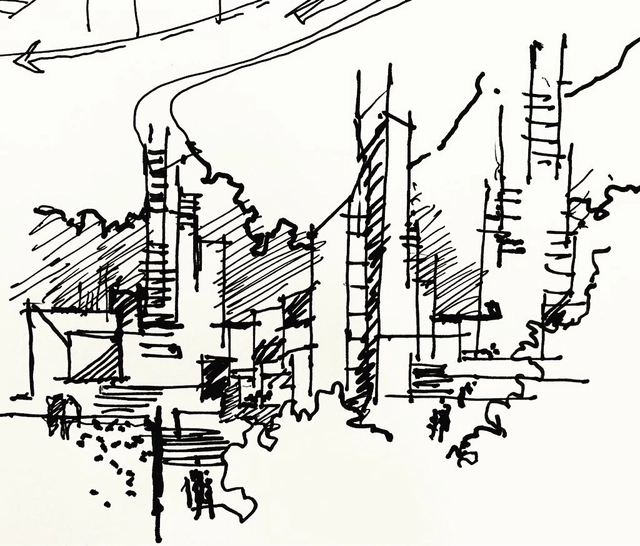
The city belongs to everyone; it is a reflection of who we are as a society. That is why we must care for it—because it is ours! We have a civic commitment.
(Civic, from the Latin civis / City, citizen, from the Latin civitas)
.jpg?1608579875&format=webp&width=640&height=580)
This year in Mexico, the National Workers' Housing Fund Institute (Infonavit) launched the Seventh Student Competition 2020, proposing the study of issues at different scales to develop housing, environmental, and locational strategies and solutions for the country's most troubled housing developments. The competition seeks new ideas as well as an academic dialogue, offering participants the opportunity to interact with users and their surrounding habitat to understand, analyze, and propose practical transformations through empirical research and interdisciplinary professional guidance.
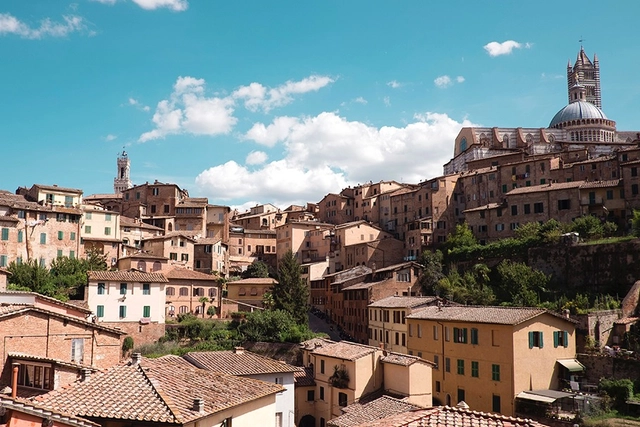
When we were still nomads, we fought our first battles with sticks and stones. The reasons for aggression against members of our own species can vary, ranging from securing resources and territory to seeking revenge or even power. Battles between different tribes have accompanied human evolution on Earth. Ever since the creation of cities, warfare and the combat equipment of each era have been important factors to consider in the planning of urban centers.
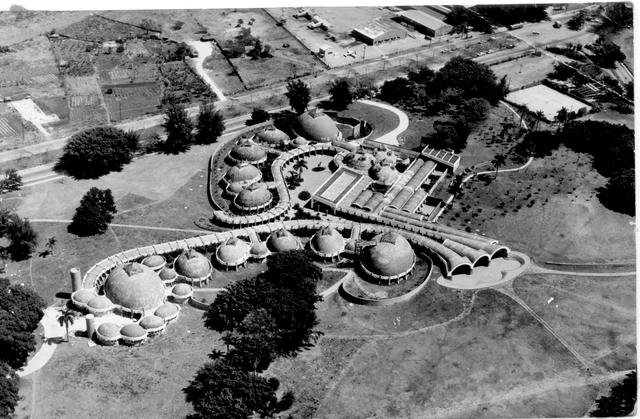
This article by María José Pizarro and Óscar Rueda was originally published in the 3rd issue of rita journal under the title "Ernesto N. Rogers y la 'Preesistenza Ambientale' en las Escuelas Nacionales de Arte de La Habana" and is part of a joint collaborative dissemination effort. The present text seeks to delve into the influence of Rogers' theoretical corpus on three of his outstanding students: Ricardo Porro, Vittorio Garatti, and Roberto Gottardi, and how this thinking informed the design of their first and most significant work: the National Art Schools of Havana.

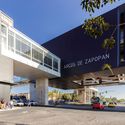
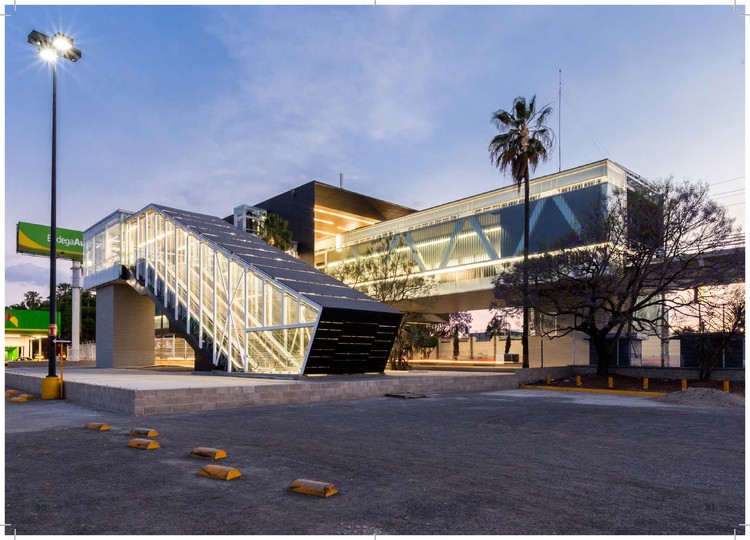
Mi Tren's Line 3 is one of the most significant public transit projects for the Guadalajara Metropolitan Area (AMG), aligning with the Government of Jalisco's commitment to achieving integrated mobility that connects riders quickly, accessibly, and safely. Line 3 will enable travel to the historic centers of Guadalajara, Zapopan, and Tlaquepaque in a single trip. This new light rail system is projected to handle 233,000 trips per day. In addition to serving residential areas, Line 3 is designed to connect key educational, administrative, commercial, and tourist infrastructure.
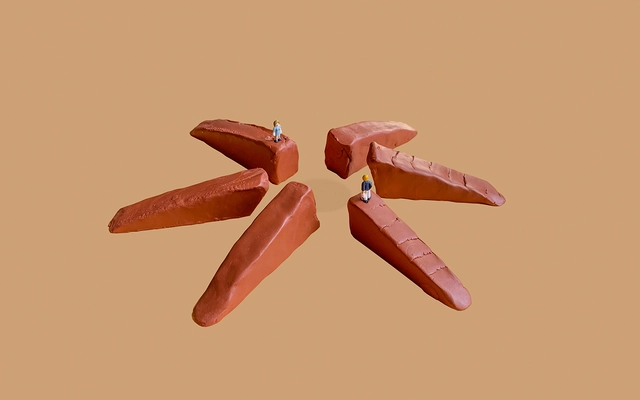
On Friday, September 25, the first Digital Event organized by ArchDaily took place, sponsored by Crest and Panel Rey for the Mérida-based architectural community. During the event, David Basulto (founder of ArchDaily) and Vanessa Vielma (Director of ArchDaily Mexico) gave a talk on the platform's history and shared relevant data specific to this context.
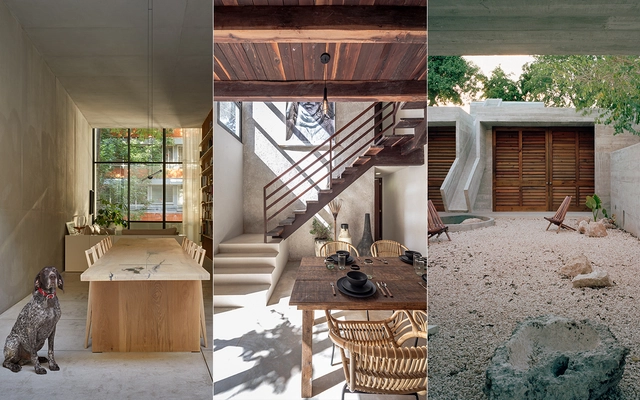
In a year defined by physical distancing, social media has taken on an even greater role in how we connect and stay informed. Our Instagram accounts have surpassed all previous reach records, bringing our audience the very best of what we publish on our website: projects, articles, interviews, and news from the architectural world, inspiring new ideas and tools for a better future for our cities.
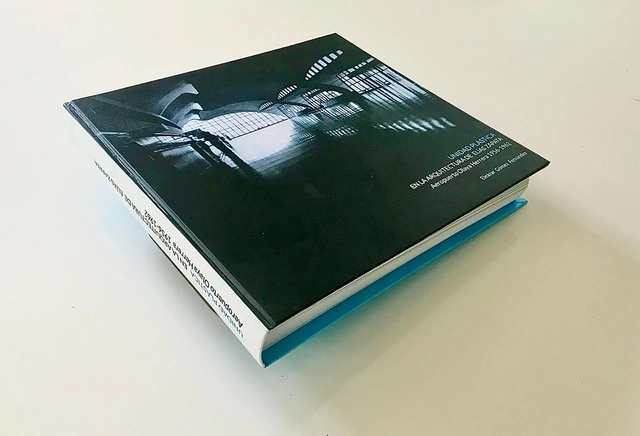
Every architecture school has its canonical local landmarks. For students in Colombia, one of the most easily recognized is the Olaya Herrera Airport in Medellín by Elías Zapata Sierra, an undeniable yet understudied icon. Architect Eleázar Gómez Fernández (Universidad Nacional de Colombia) presents this master's thesis, published in the Digital Library of the Universidad Nacional de Colombia.
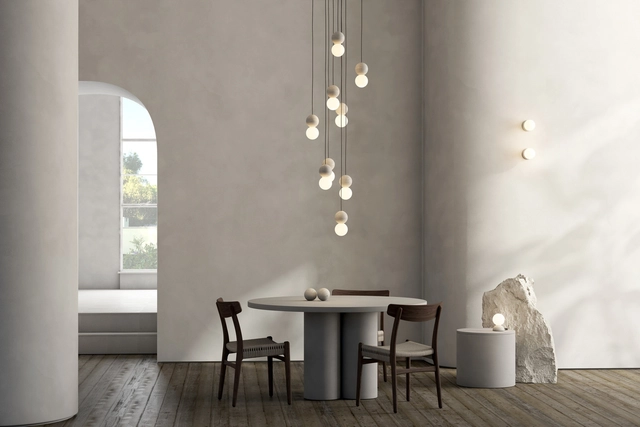
Founded in 2013 in Mexico City, David Pompa is a studio comprising designers, engineers, and makers based in Mexico and Austria. David Pompa grew up in both countries and studied product design in London. Over time, the studio has shown a strong interest in traditional materials and techniques, maintaining a commitment to Mexican culture since its inception, which is reflected in its creation of aesthetic and accessible design objects.
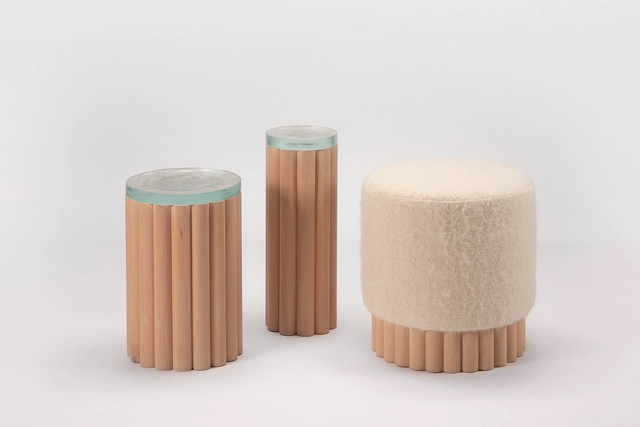
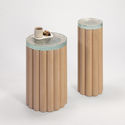
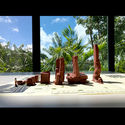
PECA design studio—led by Mexican architect Caterina Moretti—launches its new collection titled "Loto," crafted from beech wood, fused glass, and wool. It features two side tables with tops made of recycled glass fused in Tlaquepaque—providing the transparency needed to appreciate the interior of the pieces—and a pouf upholstered in sheep's wool woven on a backstrap loom in San Juan Chamula, in the Chiapas Highlands, which leaves a minimal portion of its wooden base exposed to highlight the contrast between the two textures.

As part of an initiative by architects and urban planners to mark the 50th anniversary of the founding of Cancun in Quintana Roo, Mexico, two comics have been released to portray the history of Cancun's Foundational Zone. Created by Pablo Landa of Landa + Martínez and David 'El Dee' Espinosa, this work explains the origins of the city's urban layout, as well as the history behind Cancun's Foundational Zone, to help understand its sustainable, pedestrian-friendly origins that promote community life.
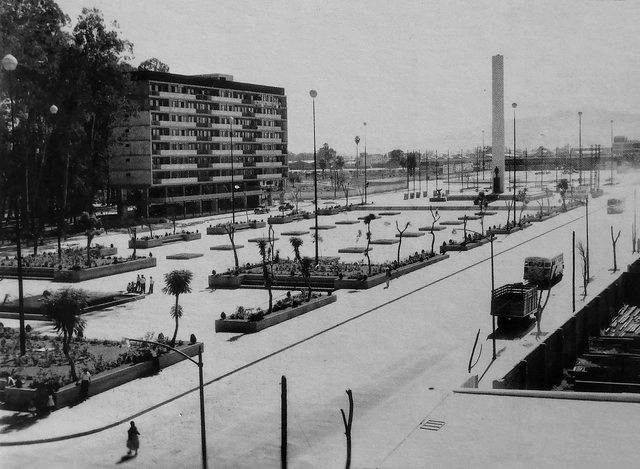


This article is part of a collaboration with the website coolhuntermx and was originally published under the title "Julio de la Peña, the architect who built half of Guadalajara."
The moniker of having “built half the city” is often an exaggeration when discussing architects with a large volume of work. However, in the case of Julio de la Peña, the claim is not so far-fetched. This is true not only because of the sheer number of his projects, but also due to how iconic they are for Guadalajara.

On Wednesday, December 16, Panel Rey brought together architects from across Mexico for its fifth annual New Year's toast in Monterrey, Nuevo León. This year, a special recognition was presented to architect Bernardo Hinojosa, who has an impeccable career of more than 46 years in the profession, with more than 1,750,000 square meters of planned projects spanning commercial, office, educational, sports, urban, industrial, and residential architecture.

With the emergence of COVID-19, we have had to adapt to living differently than we were used to, which has been directly reflected in our working style. Where and how do we work today? A large portion of the workforce has transitioned to working from home, where feasible. While comfortable for many, for others it has meant a radical shift, bringing new spatial and resource requirements. For architects, engineers, builders, and contractors, this challenge has been particularly complex, as much of their work involves handling large, high-cost devices.
In this article, we present 3 innovative solutions that replace the traditional, bulky plotter, allowing us to print in large formats from our own homes.

Yesterday, the Mayor's Office of Bogotá shared on social media the first images of the Santa Clara Hospital renovation, which is part of the San Juan de Dios hospital complex in the Antonio Nariño district. They also announced the signing of the start-of-work agreement for its construction and renovation.
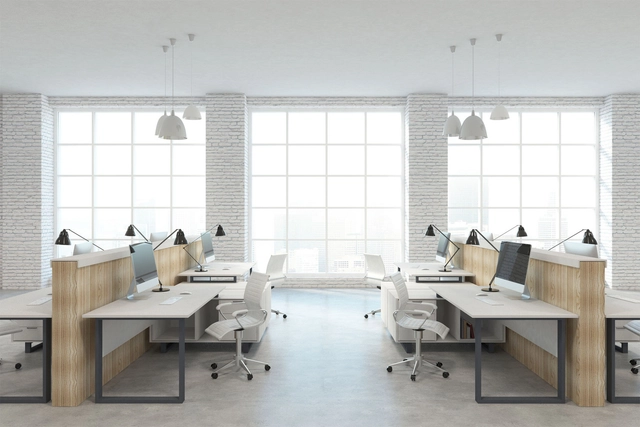
COVID-19 will likely change the way we live and work for an extended period. In this landscape, organizations have been seeking short-, medium-, and long-term solutions to guarantee their staff a safe return to work. Protecting the health of employees exposed to contact in the workplace requires implementing biosecurity strategies, social distancing, occupancy limits, cleaning, and disinfection. This article explores preventive measures recommended by HID Global, based on the application of identification technologies.

Historically, architecture is a discipline that for many years was a male-dominated territory, until in 1939, María Luisa Dehesa became the first Mexican female architect. Yet, despite the perception that gender parity has been achieved in the education of architects in Mexico, the concept of masculinity (which can be exercised by both men and women) continues to permeate architecture. This is reflected in design processes, in the figure of the "unreachable architect," in a sense of competitiveness, in hierarchical structures, and, in the most unfortunate cases, in the notion that women design interiors while men design *real* architecture.

Architect and curator Paula Monroy, in collaboration with Diego Montoya, presents an interview with National Architecture Prize winner Miguel Lawner, conducted during the XXI Bienal de Arquitectura y Urbanismo de Chile 2019. The common good and the political dimension of architecture are among the key themes explored in this conversation.

Slate 1 CAU+Plural, composed entirely of women architects and urban planners, received 11,568 votes in the election for CAU/SP, held on October 15. The election, which recorded the highest turnout of architects and urban planners in the history of the Council of Architecture and Urbanism of São Paulo, marked the first time a single slate garnered nearly 40% of the valid votes.
In an unprecedented achievement, the slate secured the majority of seats in the Council, winning 49 plenary seats. Out of 77 total seats, 52 will be occupied exclusively by women. Thanks to this strategy, the next term will see a 77% female composition—with 54 titular members and 66 alternates, respectively. This effectively reverses the previous composition, where 76% of the state council was represented by men.

Last week we announced the 15 finalist projects for the Building of the Year 2020 award (Obra del Año), which since 2008 has celebrated the best built architecture in Latin America and Spain, calling on our expert jury—that is, you, the readers—to choose your favorite completed buildings.
Today, the day has come to announce the winners of ODA2020.
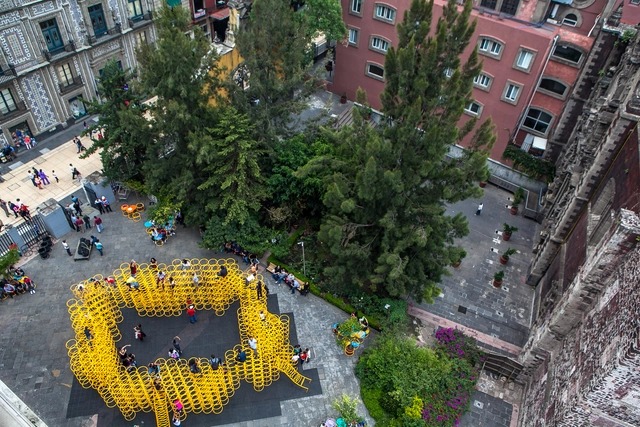
Mexico's National Social Distancing Campaign began on March 23, 2020, but a couple of weeks prior—even as the Federal Government recommended continuing activities as normal—social media was already filled with people opting to mirror the European model and self-isolate. Right away, some architecture firms decided to close their physical offices and transition to remote work, while others took a few more weeks to make the shift. However, this period of social and physical (spatial) distancing is experienced differently in every household. Over the months that this pandemic has unfolded, it has exposed not only inequalities regarding basic needs in dense urban areas, but also the fragility of the social order itself. Whether on a macro or micro scale, all of these experiences occur within and are influenced by the built environment, making architecture both an arbiter and an active participant in this equation.

La Parleta is a project by the Ecuadorian architecture and construction collective EseColectivo, which gathers "highly valuable reflections, anecdotes, and experiences surrounding the profession." Below, we share some of their thoughts alongside their fourth episode, "Post-Apocalyptic Architecture."

.jpg?1601431851 "© Taller Estilo Arquitectura")
.jpg?1601431998 "© Estudio 360")