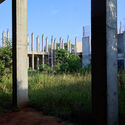
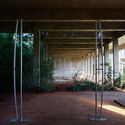
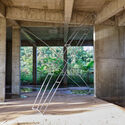
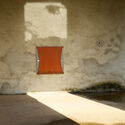
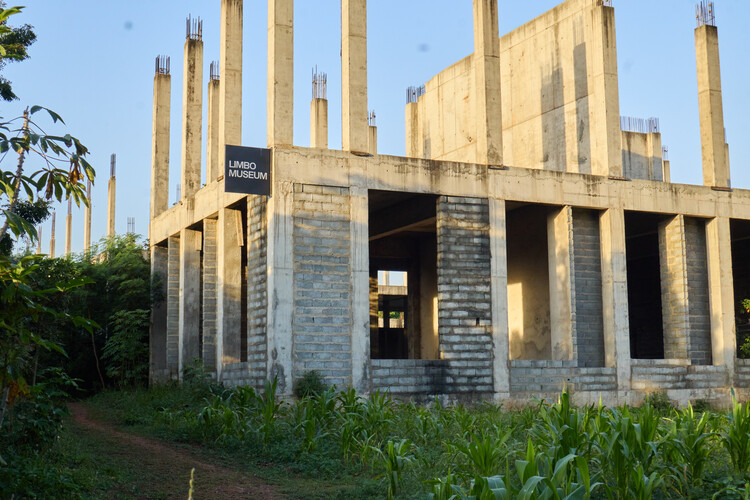
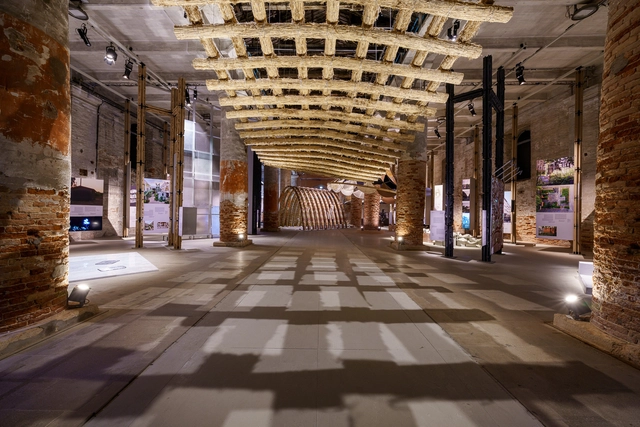
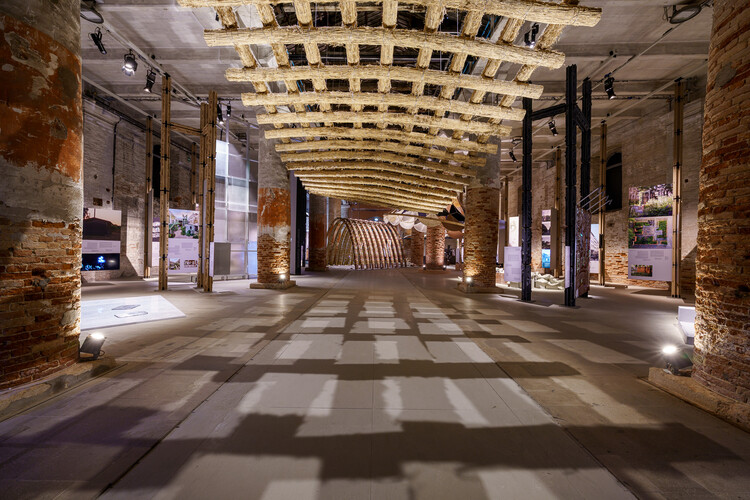
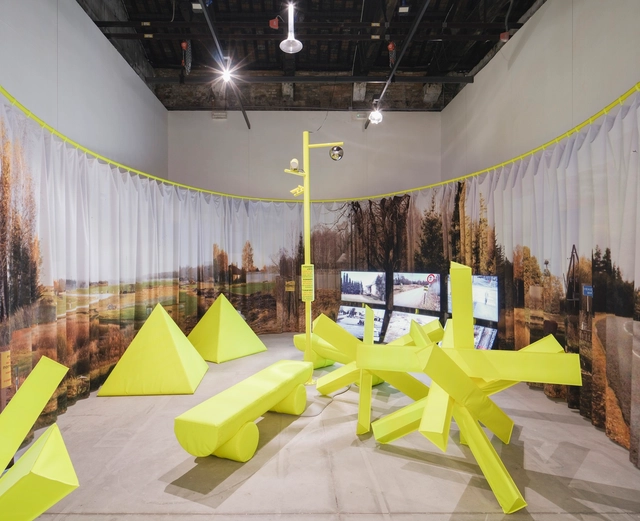
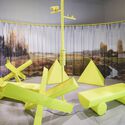
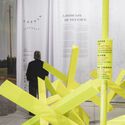
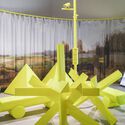
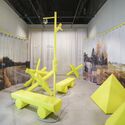
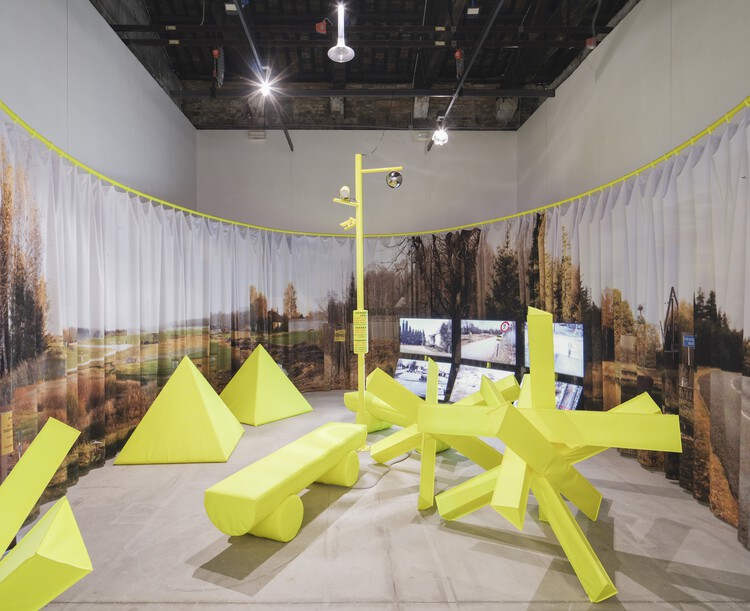
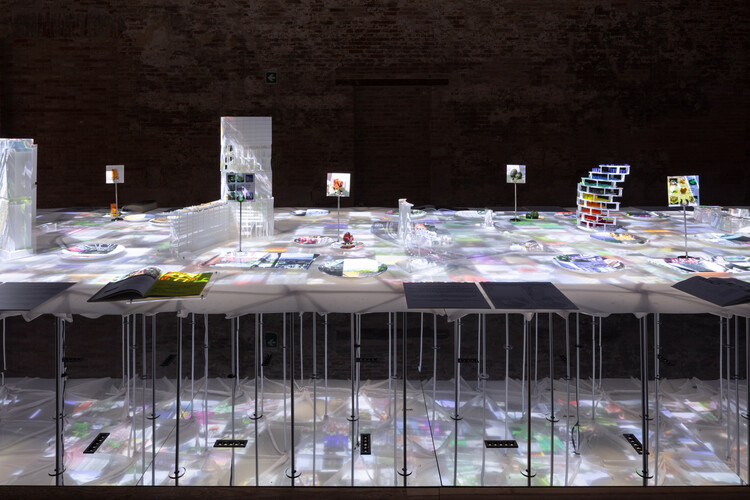
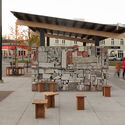
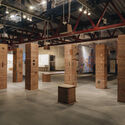
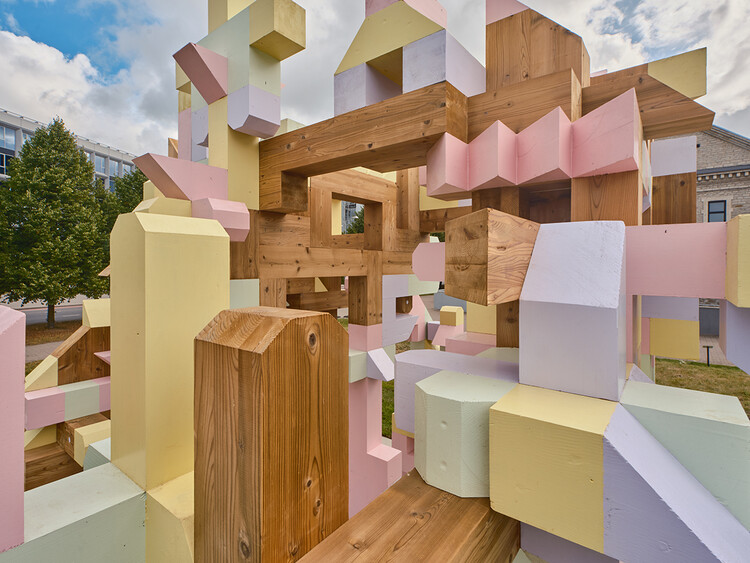
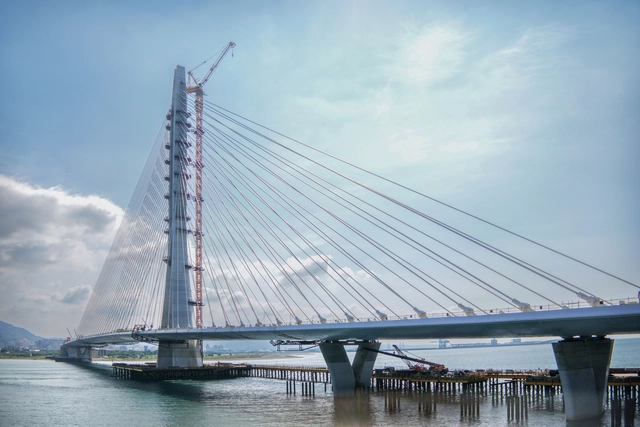
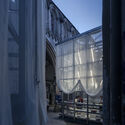
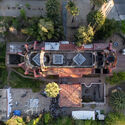
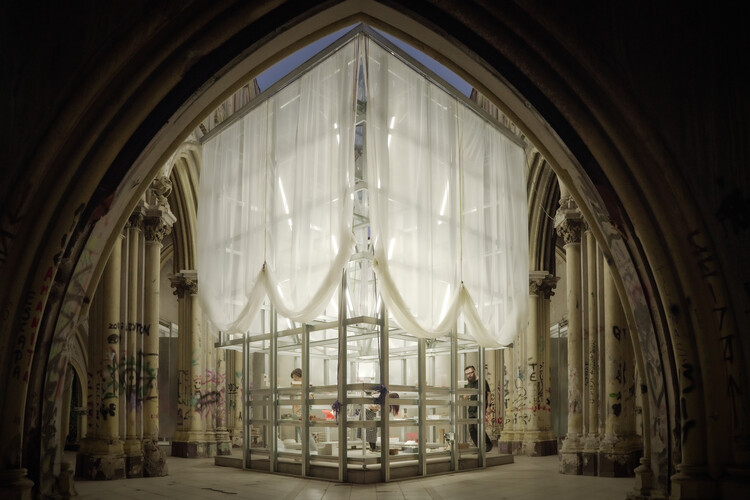
On the Other Side of Languish exhibition by Reginald Sylvester II. Debut exhibition of the Limbo Museum in Ghana, West Africa. Image Courtesy of Limbo Museum
The Limbo Museum is a new institution dedicated to architecture, art, and design based in Ghana, West Africa. The museum challenges the concept of the ruin, operating from a formerly abandoned Brutalist estate that currently conveys the image of an unfinished building. The project was founded by Limbo Accra, a spatial design and research-based practice established in 2018 by Dominique Petit-Frère and Emil Grip, dedicated to "unlocking the potential of unfinished buildings across West Africa and beyond." On October 31, 2025, the museum opened its first public exhibition, On the Other Side of Languish by Reginald Sylvester II, developed through the institution's visiting artist residency program.
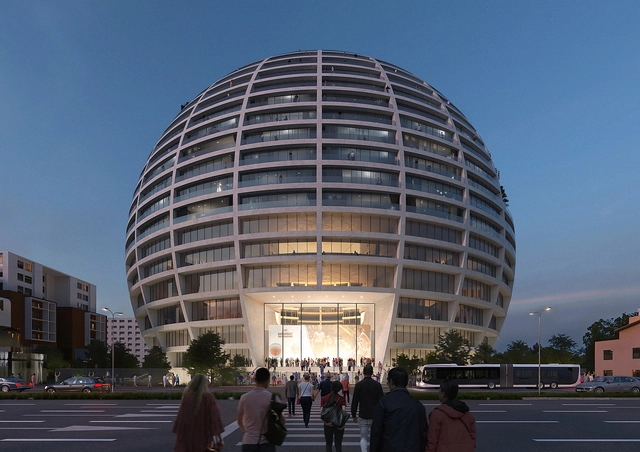
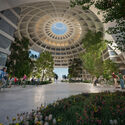
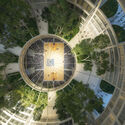
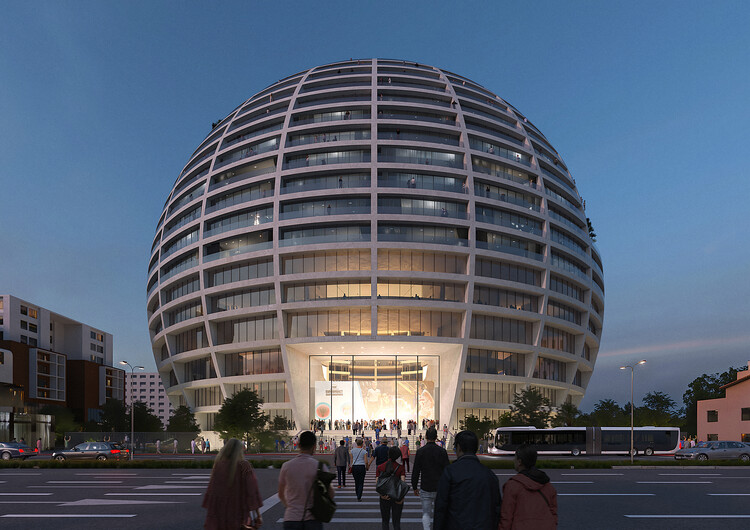
"The Grand Ballroom" Asllan Rusi sports palace project in Tirana, Albania by MVRDV. Image Courtesy of MVRDV
Tirana, the capital of Albania, is experiencing a rapid transformation driven by the long-term urban strategy outlined in the Tirana 2030 (TR030) Master Plan. Developed in 2017 by Stefano Boeri Architetti, UNLAB, and IND [Inter.National.Design] through a competition organized by the Ministry of Urban Development, the plan's objectives include increasing urban density, improving public infrastructure, and integrating green spaces and open areas into the urban fabric. It is in this dynamic setting that MVRDV has won the international competition for Tirana's new Asllan Rusi Sports Palace. Conceived as a mixed-use development, the project, named The Grand Ballroom, combines a 6,000-seat arena for basketball and volleyball with residential apartments, a hotel, and ground-level retail. With its spherical form exceeding 100 metres in diameter, the design adds a distinctive landmark to Tirana's growing collection of ambitious architectural projects.
About a month after the closing of Expo 2025 Osaka, the designs and constructions presented at the world's fair remain as a legacy. While the Bahrain Pavilion, designed by Lina Ghotmeh Architecture, drew particular attention this year for receiving double recognition, it was one among many awarded projects. During the awards ceremony held on the penultimate night of the event, a total of 45 awards were presented among 165 participating countries. The Official Participant Awards are granted according to pavilion size and type, recognizing excellence in Architecture and Landscape (for self-built pavilions only), External Design (for module pavilions only), Exhibition Design, Theme Development, and Sustainability. The recipients were selected by an international jury of nine experts who visited all national and thematic pavilions during two evaluation sessions in May and October 2025. The following overview presents all 45 pavilions distinguished in the five categories of the Official Participant Awards.
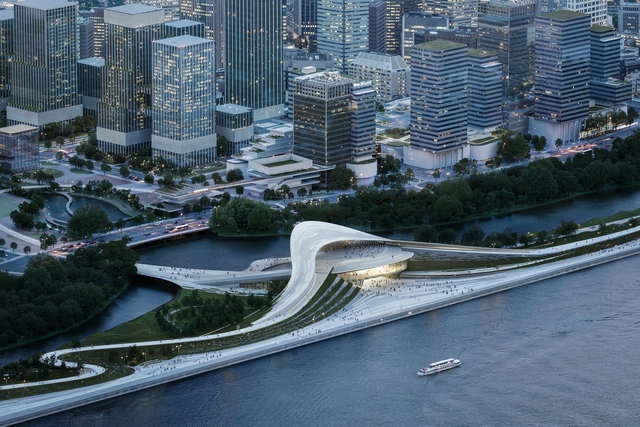
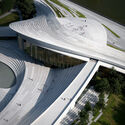
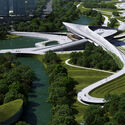
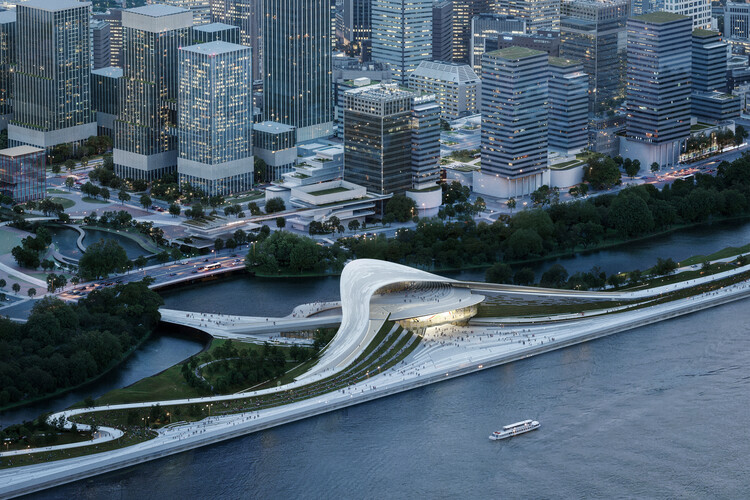
Qiantang Bay Art Museum design by Snøhetta. Render. Image Courtesy of Snøhetta
Snøhetta has been selected to design the Qiantang Bay Art Museum, a new cultural landmark within the Qiantang Bay Future Headquarters development in Xiaoshan District, Hangzhou, China. Conceived in collaboration with the Architectural Design & Research Institute of Zhejiang University Co., Ltd. and Buro Happold, the project encompasses architecture, landscape architecture, and interior design over 18,000 square meters. The museum will form part of Hangzhou's expanding downtown area along the Qiantang River, serving as an important destination for art, culture, and public life.
The EUmies Awards are organized annually by the Fundació Mies van der Rohe and the European Commission, with the support of the European Union's Creative Europe Programme. Based on the principle that "architecture is not merely a technical or aesthetic matter, but a cultural, environmental, and democratic issue," this 19th cycle of the Prize brings together 410 works from 40 countries and 143 regions across Europe. Beyond recognizing contemporary architecture projects, the Awards also aim to reflect European values such as cultural diversity, sustainability, democracy, and solidarity. This year, most nominated works (23%) are residential projects, including both collective and single-family housing, followed by cultural (13%) and educational (12%) programs. The selection shows a balance between transformations of existing buildings (44%) and new construction (56%), while 12% of the nominees are transnational works and 33% of the studios are 10 years old or younger, underscoring the growing visibility of emerging practices.
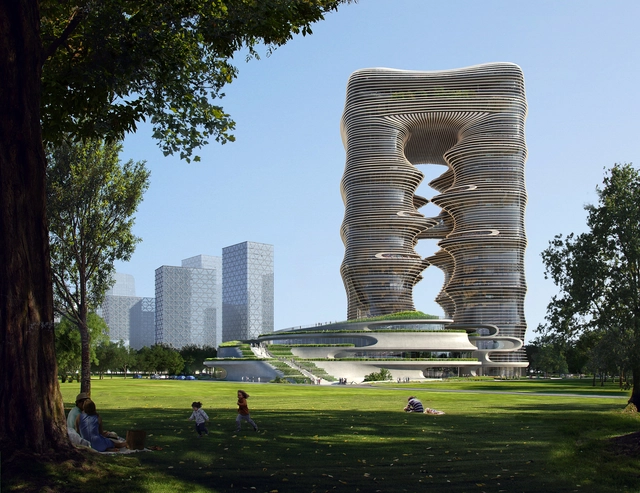
Construction of Zaha Hadid Architects' Yidan Center in Shenzhen, China, has reached full height. The new landmark will serve as the headquarters of the Chen Yidan Foundation and the Yidan Prize, organizations dedicated to promoting lifelong learning and innovation in education. The center will host facilities for academic research, cultural events, and exhibitions, supporting the foundation's mission to advance global education. Located adjacent to the Qianhai Museum, the Yidan Center helps define a new cultural quarter in China's third-most-populous city.
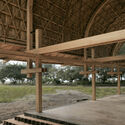
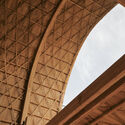
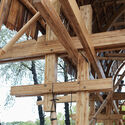
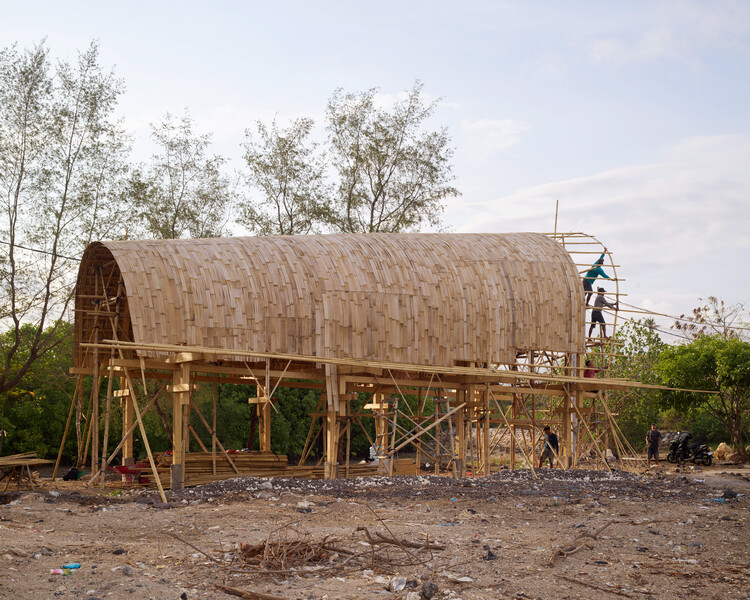
Bauhaus Earth is a Berlin-based non-profit organization working toward a systemic transformation of the built environment. Its mission includes transitioning to bio- and geo-based materials, reusing existing buildings, and restoring ecosystems. Together with the Bamboo Village Trust, a philanthropic financial vehicle, and Kota Kita, a participatory urban design organization, Bauhaus Earth has developed BaleBio, a bamboo pavilion designed by Cave Urban and rising above Mertasari Beach in Denpasar, Bali. The pavilion transforms a disused car park into an open community meeting space, offering a counterpoint to the city's tourism-driven coastal development. Designed as a regenerative building, BaleBio stores carbon instead of emitting it, challenging the extractive construction model that is replacing traditional wood and bamboo craftsmanship with concrete structures across the island.
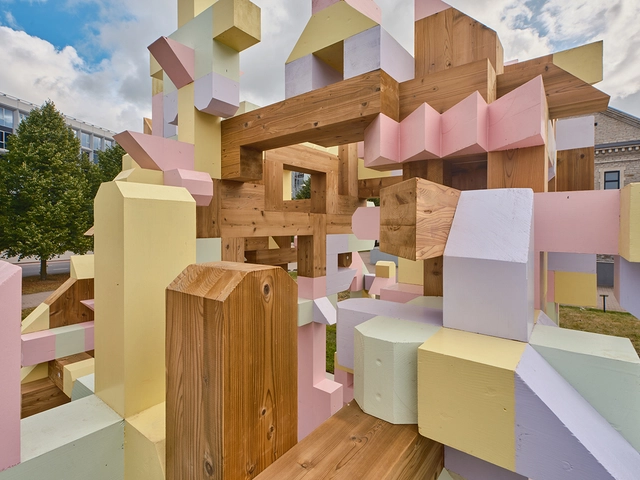
With just a few days left before the six-and-a-half-month 19th Venice Architecture Biennale comes to an end, it is possible to look back on some of the most notable contributions within its thematic framework. Marked by the largest call for participants to date, the Biennale's diversity of topics and the range of installations on display go beyond easy recapitulation. As part of that reflection, several initiatives can be highlighted as illustrative of the principles reflected in the curatorial theme, "Intelligens. Natural. Artificial. Collective." The concepts interwoven in Carlo Ratti's title form a call to address the urgent need for substantial solutions amid the accelerating climate crisis, positioning the Biennale as a platform for diverse design proposals and experiments organized around three forms of intelligence: natural, artificial, and collective. Beyond the national pavilions and numerous collateral events held throughout Venice over the past six months, among the more than 700 participants are projects that, through practice, embody four shared intentions: opening conversations about the future, proposing systemic responses to local realities, placing technology at the center of design innovation, and pursuing material research rooted in local sensitivity.
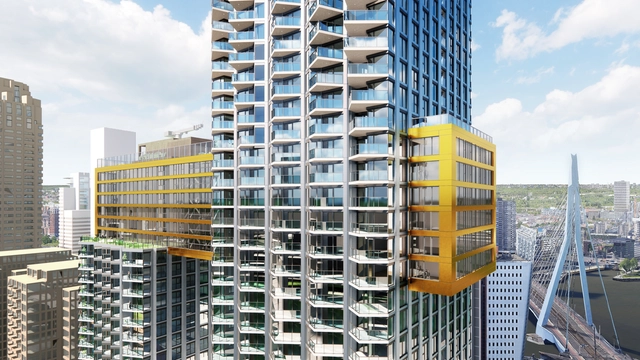
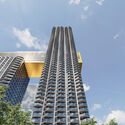
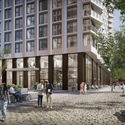
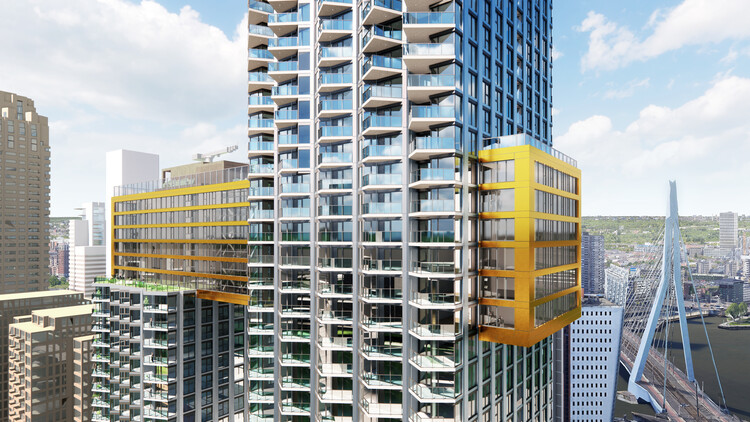
The Sax residential towers by MVRDV. Render. Image Courtesy of MVRDV
The City of Rotterdam, developers BPD and Synchroon, and architecture firm MVRDV have officially begun construction on The Sax, a major residential project located on Rotterdam's Wilhelminapier. Designed to contribute to the city's ongoing densification efforts, the development will deliver 916 apartments within two interconnected towers. Once completed, The Sax will make Wilhelminapier the most densely populated area in the Netherlands, making the project an example of compact urban growth. The design comprises two towers, combining a wide mix of housing types and shared amenities with strong connections to public transport and sustainable mobility solutions, including parking for 1,800 bicycles and a fully automated car garage. With its silver façade and undulating balconies, the building's form echoes the shape of a saxophone, reflecting the character of Rotterdam.
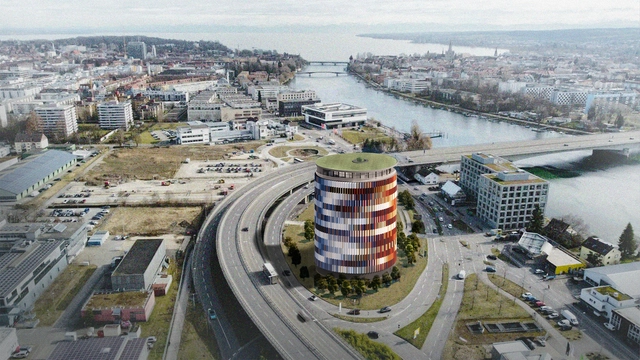
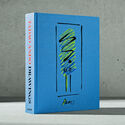
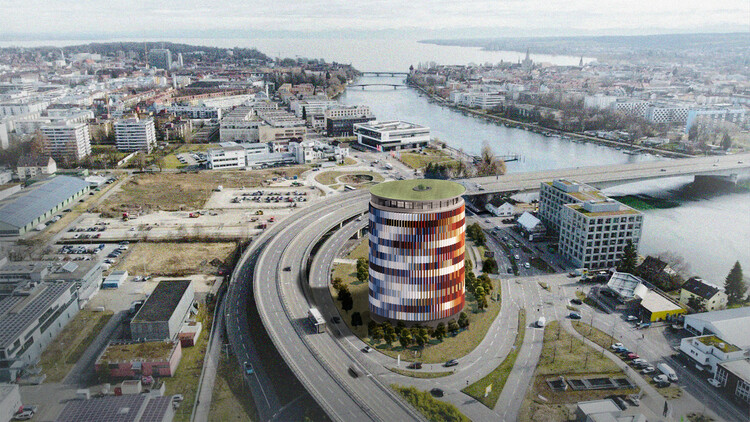
As the 19th Venice Architecture Biennale enters its concluding weeks, the global architecture scene continues to unveil significant projects and recognitions. This week's highlights include Studio Libeskind's residential complex in Prague; sauerbruch hutton's Panorama Constance exhibition building in Germany, and CRA–Carlo Ratti Associati's digitally fabricated bivouac for the upcoming Milano Cortina 2026 Winter Olympics. In New York, Venezuelan artist Miguel Braceli designed a major public artwork for the city's waterfront, addressing themes of migration, diversity, and the complexities of geopolitical identity. The week also brought recognition to sustainable and creative achievements, from the Holcim Foundation's regional awards for sustainable construction to the publication of Tadao Ando. Sketches, Drawings, and Architecture by Taschen, celebrating nearly five decades of the architect's design process.
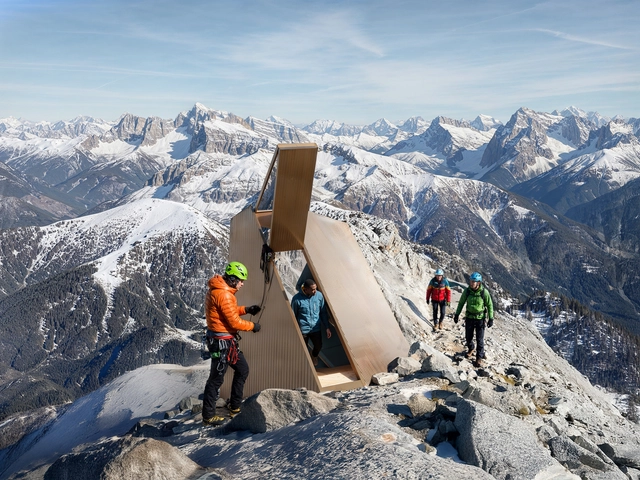
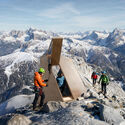
CRA–Carlo Ratti Associati, in collaboration with Salone del Mobile.Milano, recently unveiled the design of a digitally fabricated bivouac set to debut as an urban pavilion during the 2026 Winter Olympics in Milan. The digitally fabricated wooden structure is designed to be self-sufficient, incorporating systems for energy production and storage, as well as water harvesting through air condensation. After its debut at Milano Cortina 2026, the structure is planned to be airlifted by helicopter to its permanent high-altitude location in the Italian Alps, where it will serve as a refuge for mountaineers.
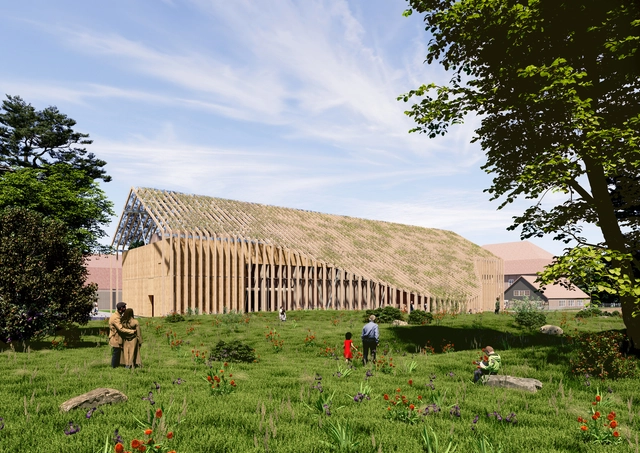
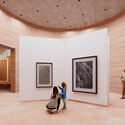
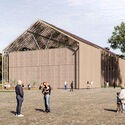
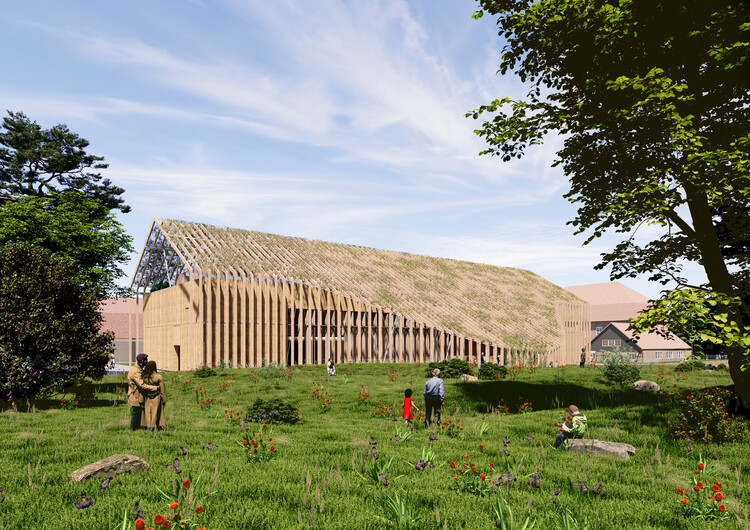
Museum Erhardt by Kéré Architecture. Exterior garden view. Render . Image Courtesy of Kéré Architecture
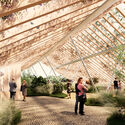
Construction has officially begun on the Museum Ehrhardt in Plüschow, northeast Germany, marking the first cultural project in Germany by Francis Kéré and his firm Kéré Architecture, as well as their first museum building in Europe. Developed in cooperation with HK Architekten and Hermann Kaufmann + Partner ZT GmbH, the 1,400-square-meter museum will be dedicated to photography and contemporary art. The initiative was launched by Dr. Jens Ehrhardt, son of the artist Alfred Ehrhardt (1901–1984), together with his wife Elke Weicht-Ehrhardt, to honor the painter, photographer, and filmmaker who was a leading figure of Germany's New Objectivity movement. The museum will stand near the Baltic Sea, adjacent to Schloss Plüschow, an artist residency and gallery.
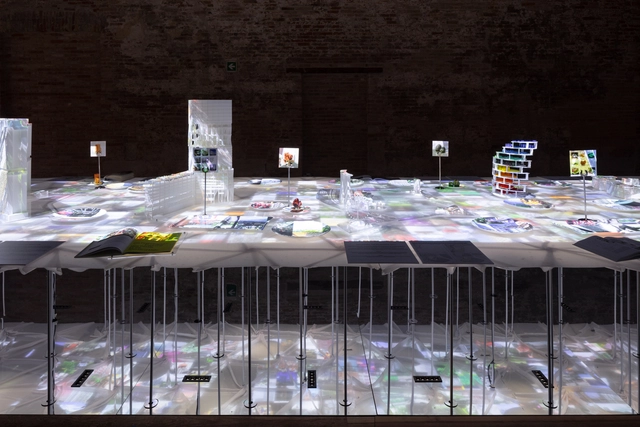
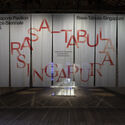
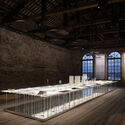
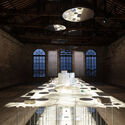
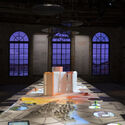
2025 marks the 60th anniversary of Singapore's independence, commemorating its separation from Malaysia on August 9, 1965. The occasion is celebrated in the country's national pavilion at the 19th Venice Architecture Biennale with a multisensory installation that honors Singapore's diversity and reimagines city-making through food, culture, and collective design. Titled RASA–TABULA–SINGAPURA, the installation invites visitors to take a seat at the Table of Superdiversity: an enticing reimagining of city-making and nation-building through the universal act of dining. According to the curatorial team from the Singapore University of Technology and Design (SUTD), the purpose of the installation is to showcase how the convergence of multicultural differences, collective histories, design, and new technology creates opportunities for more inclusive and adaptive urban futures.
The Tallinn Architecture Biennale (TAB) has been organized by the Estonian Centre for Architecture (ECA) since 2011. Since its founding, it has become Estonia's leading international festival dedicated to architecture and the built environment. The ECA recently announced that the upcoming edition will be curated by Stuudio TÄNA and Mark Aleksander Fischer, winners of the Curatorial Competition for the 8th International Tallinn Architecture Biennale (TAB 2026). Their winning proposal, titled "How Much?", poses the question of what affordability truly means in architecture today. The event, which in previous editions has included exhibitions, lectures, seminars, tours, satellite events, and installations across Tallinn, seeks to open a space for reflection on how architecture and design can be genuinely cost-effective, addressing the broader implications of cost and consumption. TAB 2026 will take place in the Estonian capital from 9 September to 30 November 2026.
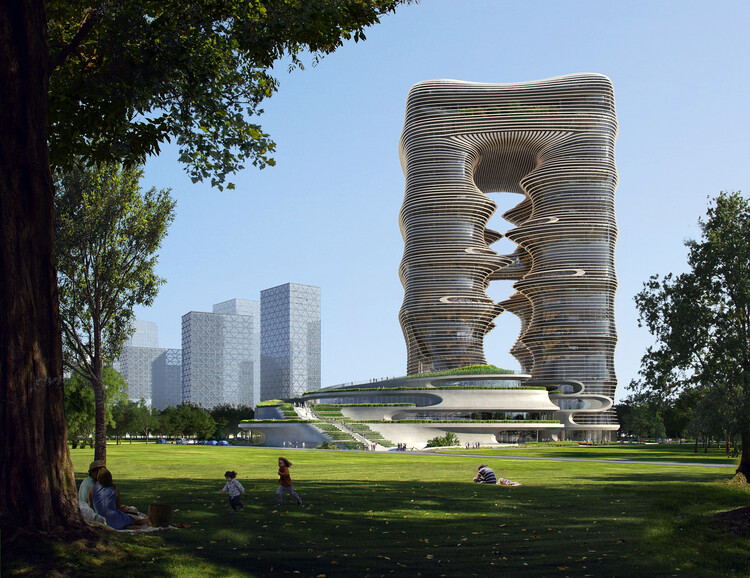
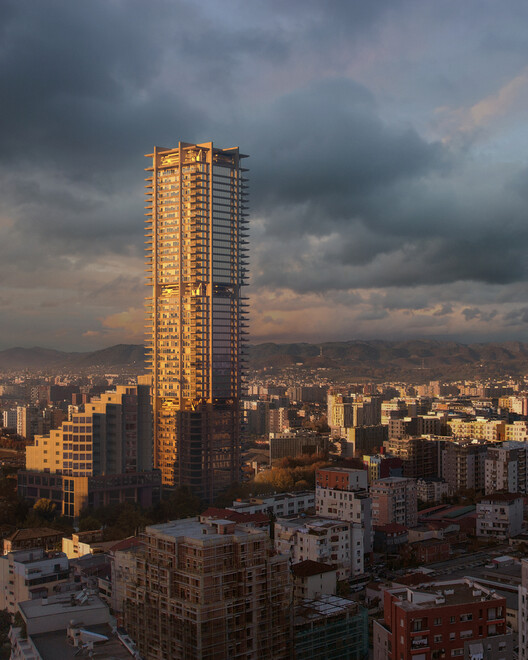
Oricon Tower project by Eduardo Souto de Moura and OODA. Exterior render. Image Courtesy of Plomp
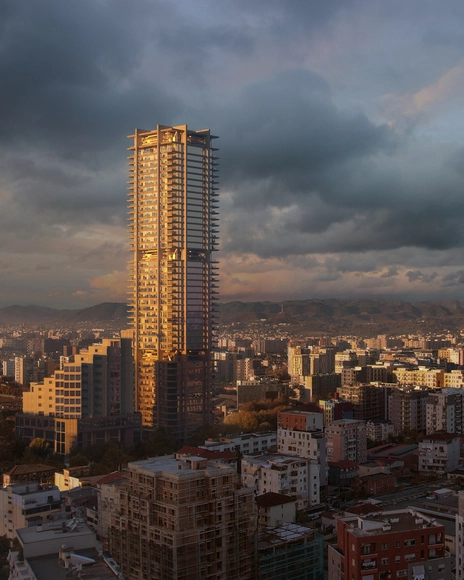
Eduardo Souto de Moura and OODA have unveiled the design of the Oricon Tower, a 180-meter mixed-use skyscraper planned for Tirana, Albania. Located near OODA's recently completed Bond Tower, the project is part of the city's ongoing transformation under the Tirana 2030 Masterplan, which envisions a denser and more connected urban core. The tower will house offices, residences, retail areas, and a hotel, contributing to the city's evolving skyline and serving as a new urban gateway between Tirana's historic center and its expanding western districts.
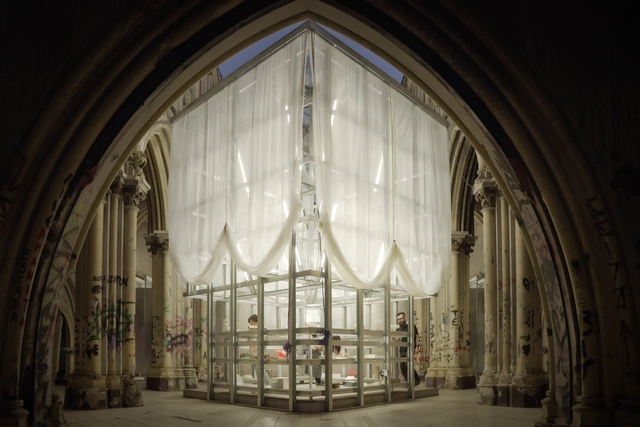
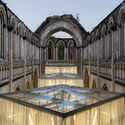
Between September 25 and October 5, 2025, the XXIII Chilean Architecture and Urbanism Biennial took place in Santiago. Under the title "DOUBLE EXPOSURE: (re)program · (re)adapt · (re)construct," the event was organized around the idea of "understanding architecture not as the production of the new, but as the ability to reactivate what already exists." Based on this premise, the curatorial team, composed of Ángela Carvajal and Sebastián López (Anagramma Arquitectes) together with Óscar Aceves, conceived a circuit of eight venues located in downtown Santiago. Their goal was to revive and reclaim urban spaces through a series of free public activities that drew around 70,000 visitors. Among the reactivated sites, the ruins of the San Francisco de Borja Church stood out. Burned during the social outburst of October 2019, the site hosted a temporary pavilion that served as a venue for talks, readings, art installations, discussions, and community events.