

Produce personalized presentation boards that distill complex concepts into simple visual representations with a few helpful tools and effects.
News
How to Create Architectural Presentation Boards
| Sponsored Content
https://www.archdaily.comhttps://www.archdaily.com/catalog/us/products/37234/how-to-create-architectural-presentation-boards-lumion
Studio Gang Projects Exhibition Inspired by Horticultural Grafting Opens at Aedes Berlin
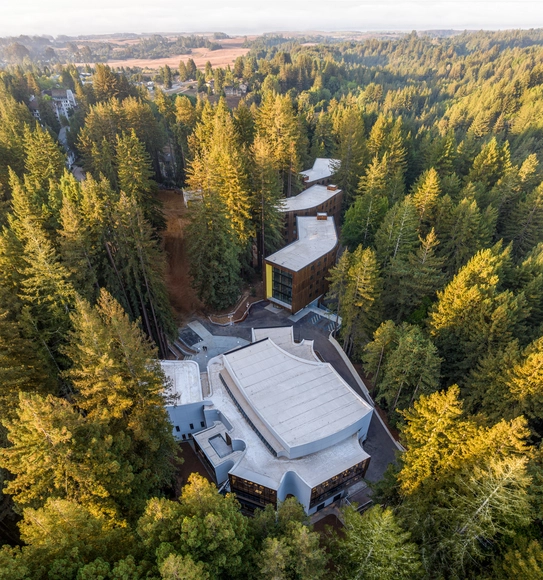
Studio Gang is an architecture and urban design practice founded in 1997 by Jeanne Gang and based in Chicago, with additional offices in New York, San Francisco, and Paris. Comprised of over 100 professionals, including architects, designers, and planners, the studio is known for its research-driven approach to design. On Friday, July 11, the Aedes Architecture Forum in Berlin will inaugurate an exhibition on Studio Gang's work, organized in collaboration with AW Architektur & Wohnen magazine. Titled Studio Gang: The Art of Architectural Grafting, the exhibition explores the studio's design methodology through six recent projects.


https://www.archdaily.com/1031980/studio-gang-projects-exhibition-inspired-by-horticultural-grafting-opens-at-aedes-berlinAntonia Piñeiro
Architecture as an Invitation to Explore: 25 Visitor Centers Around the World
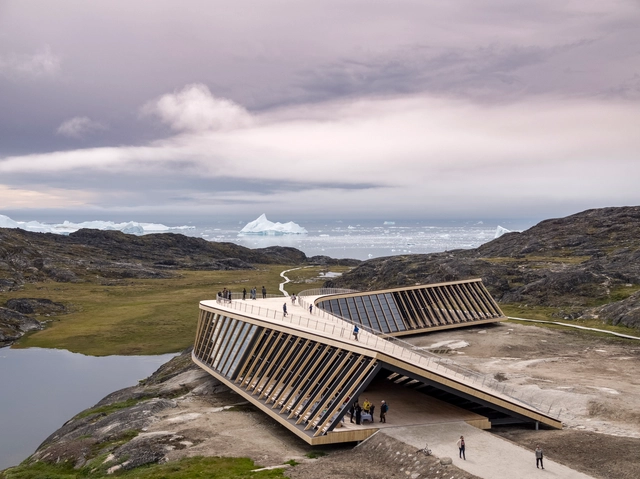
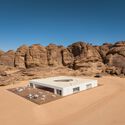
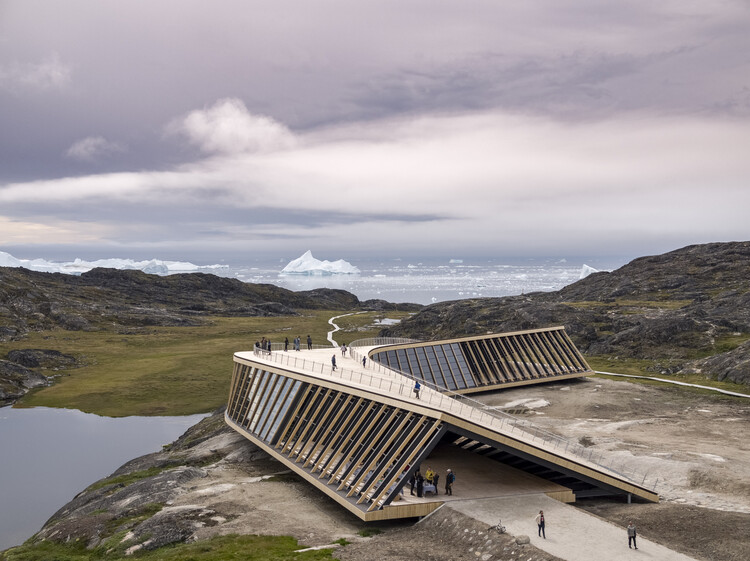
Destinations like ecological reserves, national parks, and historic sites rank among the most visited places worldwide. Motivated by different desires — from aesthetic appreciation to a longing for connection with nature — visitors are drawn to locations marked by historical importance, scenic beauty, or architectural significance. In this context, it becomes essential for the institutions responsible for preserving and managing these sites to adopt thoughtful mediation strategies — both in terms of communication and spatial design. One such strategy is the creation of visitor centers: architectural structures that not only receive guests but also educate and guide them. These buildings act as interfaces between the site and its audience, translating the ecological, historical, and cultural values of the place into architectural form.
https://www.archdaily.com/1031841/architecture-as-an-invitation-to-explore-25-visitor-centers-around-the-worldCamilla Ghisleni
Spin It to Win It: Deadline Extended for the Global WinDesign Challenge
| Sponsored Content

Enel, a global leader in renewable energy, launched "WinDesign", an international contest where talented professionals and students, in the domain of engineering, architecture and design, are invited to imagine and design new wind turbines. The goal is to develop turbines projects that blend more seamlessly into the landscapes that host them, thereby supporting a wider role for them in the energy transition.
https://www.archdaily.com/1031791/spin-it-to-win-it-deadline-extended-for-the-global-windesign-challengeRene Submissions

Henning Larsen Designs Rammed Earth Campus for Youth Academy in Uganda
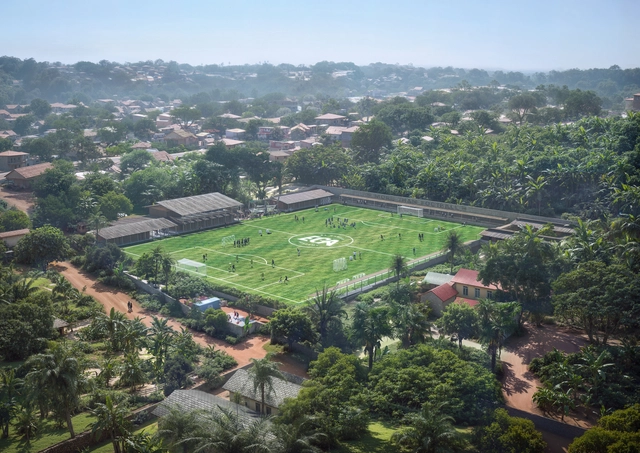
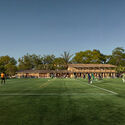
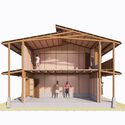
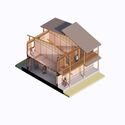
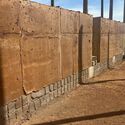
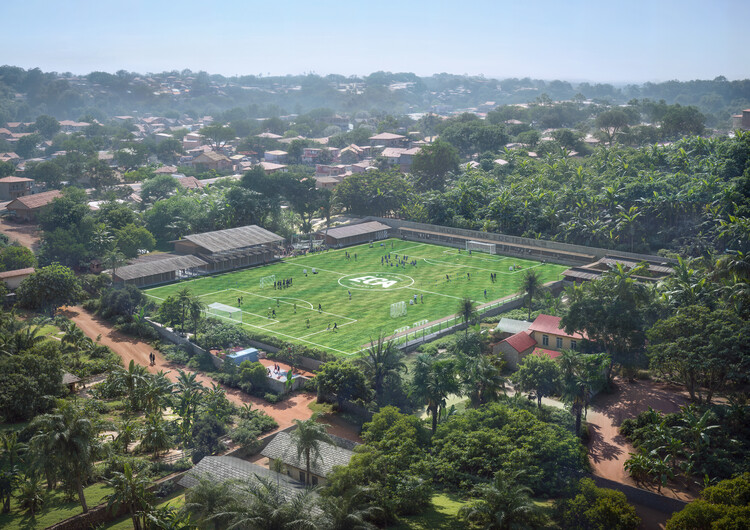
Henning Larsen, in collaboration with Kampala-based Siimi Design Studio, has revealed the design for a new modular campus for El Cambio Academy, a youth football and education institution located in Masaka, Uganda. The project is being developed using rammed earth construction, with bricks produced on site from locally excavated soil. Currently under construction, the first phase includes a boys' dormitory and is expected to be completed by summer 2025. The 1,280-square-meter campus is designed to accommodate 60 children between the ages of 9 and 16, providing facilities for both academic education and athletic training.
https://www.archdaily.com/1031954/henning-larsen-designs-rammed-earth-campus-for-youth-academy-in-ugandaReyyan Dogan
Foster+Partners Unveils Urban Regeneration Masterplan for Shanghai’s Putuo District
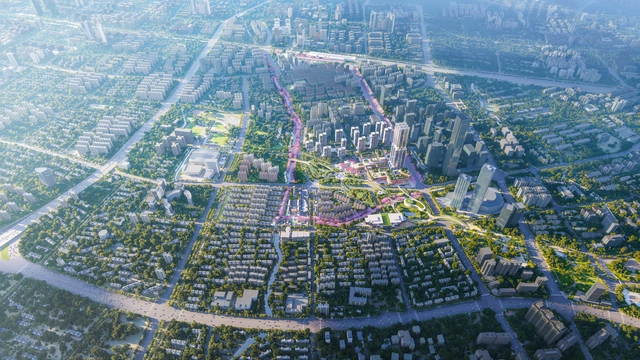
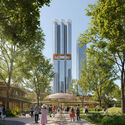
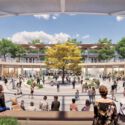
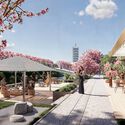
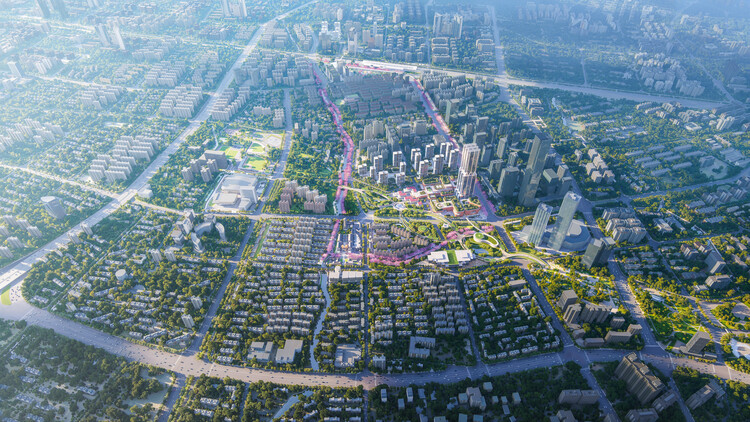
Foster + Partners has won a competition to transform Shanghai's Putuo District. The 3.2-square-kilometre masterplan focuses on the urban regeneration of the area surrounding Shanghai West Railway Station, creating a new gateway to China's most populous city. Structured around key transportation modes, the project includes two parallel pedestrian corridors that connect the station to Zhenru Temple and a new urban center planned on a currently undeveloped site. The masterplan follows the 2024 proposals for the Changfeng mixed-use development within Putuo District's Shanghai Science and Technology Finance cluster, part of the broader Shanghai 2035 Masterplan.

https://www.archdaily.com/1031947/foster-plus-partners-unveils-urban-regeneration-masterplan-for-shanghais-putuo-districtAntonia Piñeiro
Elements of a Complete Architecture: The Furniture of Louis I. Kahn
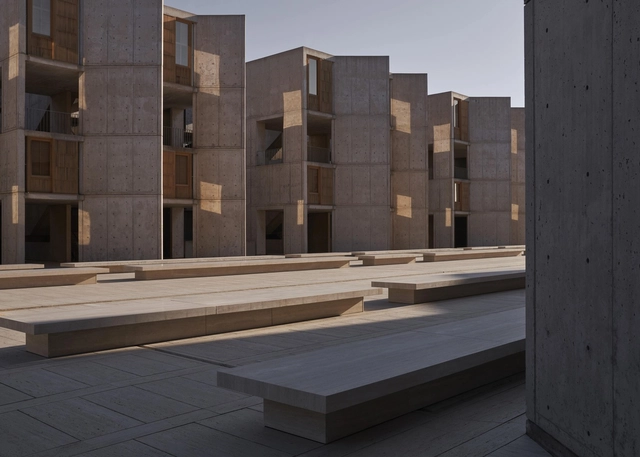
In the history of modern architecture, Louis I. Kahn is regarded as the undisputed master of monumentality in the United States. At the height of his career, Kahn managed to create a unique type of architecture, often awe-inspiring, but avoiding overdone grandiosity, expressing its constructive system, yet avoiding structural exhibitionism, steeped in history but developed with a new language and system of forms. His interest in light as a functional element and the specific qualities of materials extended beyond his buildings, in all the objects he created to populate them following their intrinsic spirit. To celebrate this legacy, Form Portfolios has now launched "Monumental Modernism," the first collection of lighting, objects, and furniture modeled after those discovered in Louis I. Kahn's buildings.


https://www.archdaily.com/1012356/elements-of-a-complete-architecture-the-furniture-of-louis-i-kahnMaria-Cristina Florian
"The city cannot be understood from the screen": AI and childhood in urban design
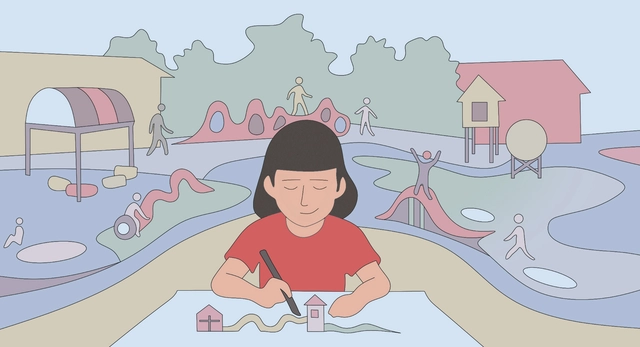
Neither a passing trend nor a permanent threat: the initial alarm is fading. Artificial intelligence is increasingly being adopted as a strategic tool which, when integrated responsibly, can be highly valuable—especially in participatory urban design processes focused on children and youth.
To explore this intersection of technology, cities, and new generations, we spoke with Dolores Victoria Ruiz Garrido, architect and founder of Little Architects, a program she created over a decade ago at the Architectural Association (AA) in London. With more than 15 years of experience in participatory urbanism, she emphasizes that AI can be a powerful tool when used ethically and purposefully—particularly to enrich education and community-focused design processes. But she warns: "The city cannot be understood from the screen—it must be grasped through the body, the walk, and wonder. Before generating stunning or visually beautiful images to transform the city, we must teach how to read it: to observe, understand, and emotionally connect with it."
https://www.archdaily.com/1031624/the-city-cannot-be-understood-from-the-screen-ai-and-childhood-in-urban-designJosé Tomás Franco
Refractions in Motion as Pools Become Luminous Forms
| Sponsored Content
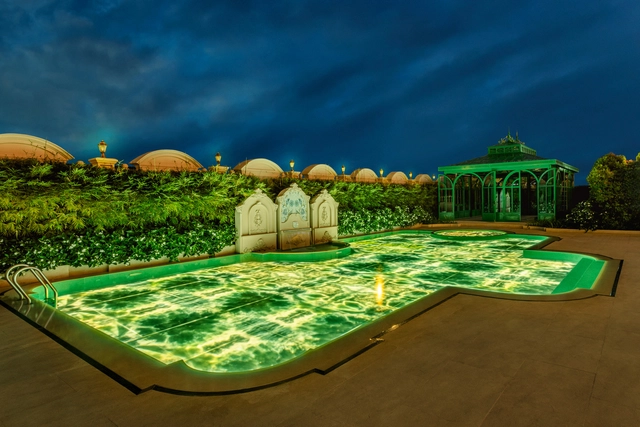
The trajectory of glass in architecture reflects the technological evolution of humankind. For centuries, it was a fragile, opaque material, restricted to small openings in churches or aristocratic residences, limited in size, with uneven transparency and a largely secondary role. With the Industrial Revolution and advances in manufacturing processes, this condition changed dramatically. From artisanal and imperfect stained glass, we now have a wide range of architectural applications, from fully glazed skyscraper facades to translucent pedestrian bridges, lightweight roofs, smart partitions, and movable elements. One of the most surprising uses, once thought to be impractical, is the direct interaction of glass with large volumes of water. Today, we see pools with transparent walls or floors that project out from buildings, float above streets, or visually merge with their surroundings, creating striking sensory experiences. A remarkable feat, especially considering that for a long time, glass was considered too fragile for submerged environments.
https://www.archdaily.com/1031525/refractions-in-motion-as-pools-become-luminous-formsEduardo Souza
Polish Pavilion at the 2025 Venice Architecture Biennale Investigates Architecture’s Role in Providing Security
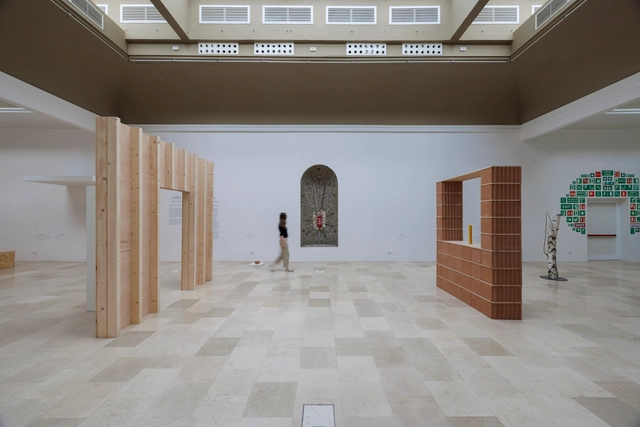
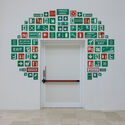
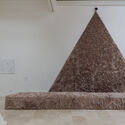
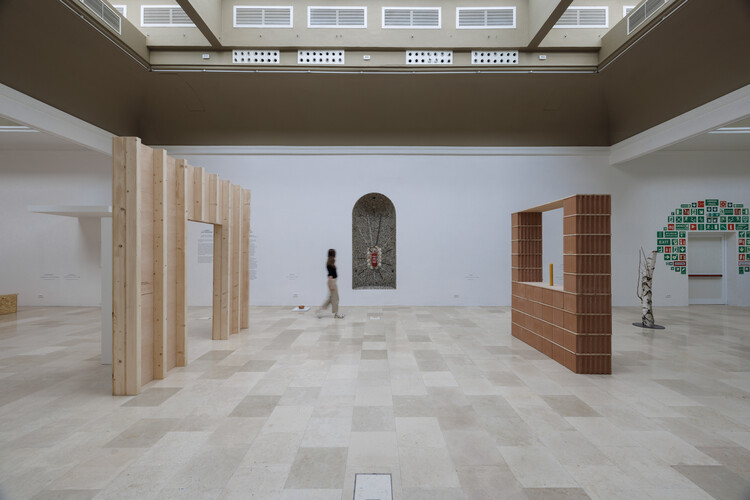
The Polish Pavilion at the 2025 Venice Architecture Biennale presents Lares and Penates: On Building a Sense of Security in Architecture, an exhibition that explores how architecture continues to function as a form of protection in an age marked by uncertainty. Framed as an anthropological investigation, the project examines the emotional and rational dimensions of building practices. The exhibition is developed by a multidisciplinary team including curator and art historian Aleksandra Kędziorek, architect Maciej Siuda, and artists Krzysztof Maniak and Katarzyna Przezwańska. Rather than focusing on architecture from the designer's perspective, the team investigates how individuals inhabit space and construct a sense of safety, responding to deep-seated fears, desires, and needs.
https://www.archdaily.com/1031893/polish-pavilion-at-the-2025-venice-architecture-biennale-investigates-architectures-role-in-providing-securityReyyan Dogan
Paul Clemence Captures Ingenhoven Architects’ Kö-Bogen II and Its Landmark Green Facade

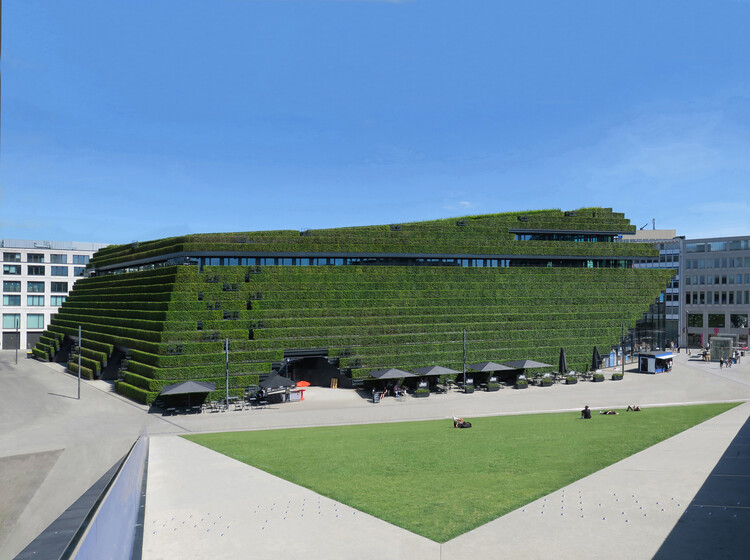
In early 2025, photographer Paul Clemence documented Kö-Bogen II, a commercial and office complex designed by ingenhoven architects in Düsseldorf, Germany. The photo series focuses on the building's signature feature: its vast green façade, considered one of the largest in Europe. Referred to as a "green heart" and an "urban mountain," the building has become a landmark in the city due to its sloping surfaces wrapped in over 30,000 hornbeam plants. For Clemence, this was an unforeseen encounter during his first visit to Düsseldorf, which he describes as an unexpected meeting with a "stunning green pyramid."


https://www.archdaily.com/1031869/paul-clemence-captures-ingenhoven-architects-ko-bogen-ii-and-its-landmark-green-facadeAntonia Piñeiro
The Nubian Vault: Reviving Ancient Techniques for Modern Solutions
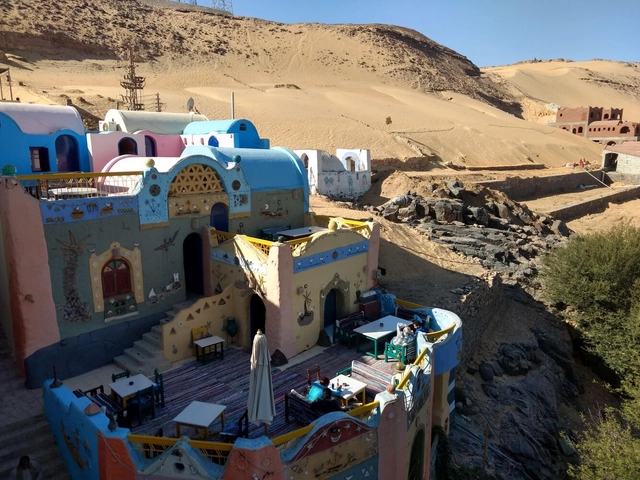
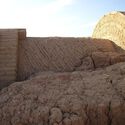
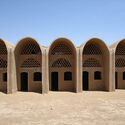
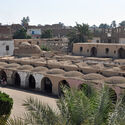
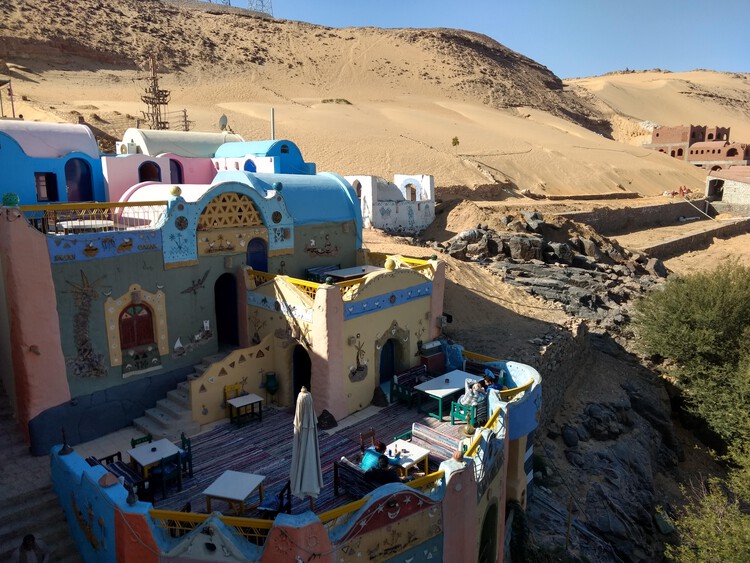
The colorful houses of Aswan in the south of modern-day Egypt attract tourists who venture that far up the River Nile. Accessed by small river boats, islands like Suheil West are the homes of Nubian communities, some of whom had had to relocate after the building of the Aswan High Dam in the 1960s. Behind the picturesque views of plastered walls covered in murals and motifs, perched on rocky hills overlooking the Nile, is a construction technique used locally for centuries. It uses locally sourced materials, conserves nature, and regulates internal temperatures against the heat in the day and the cold at night.
https://www.archdaily.com/1031878/the-nubian-vault-reviving-ancient-techniques-for-modern-solutionsMohieldin Gamal
Should Buildings Be Designed to Decay?
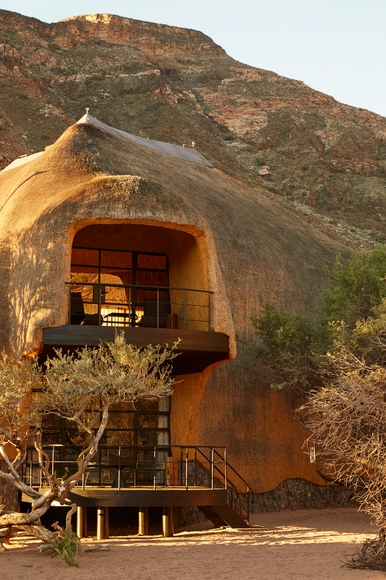
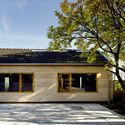
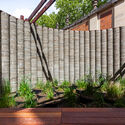
Buildings are physical, static, and permanent. To imagine them otherwise often requires some creative thinking. The industry has operated with this strong association between structures and permanence, unknowingly constraining perspectives on building life cycles. Innovations in building materials have opened up avenues for cirular design that challenge the long-held notion that buildings must endure indefinitely. Emerging approaches promote architecture that ebbs and flows with nature.


https://www.archdaily.com/1031846/should-buildings-be-designed-to-decayAnkitha Gattupalli
World Architecture Festival Reveals the 2025 Shortlist
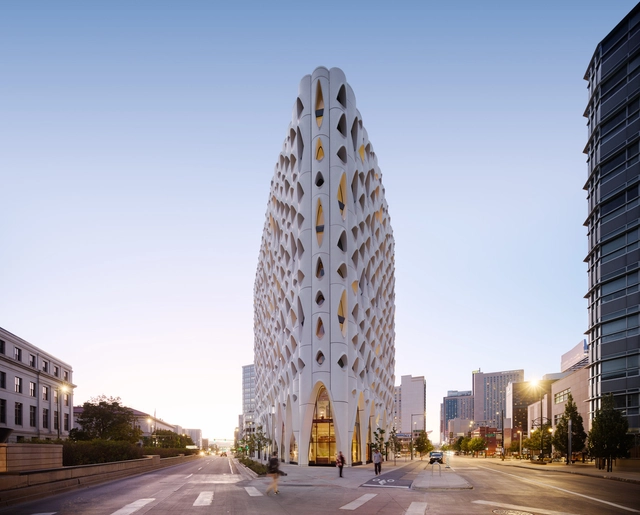
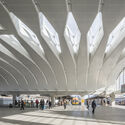
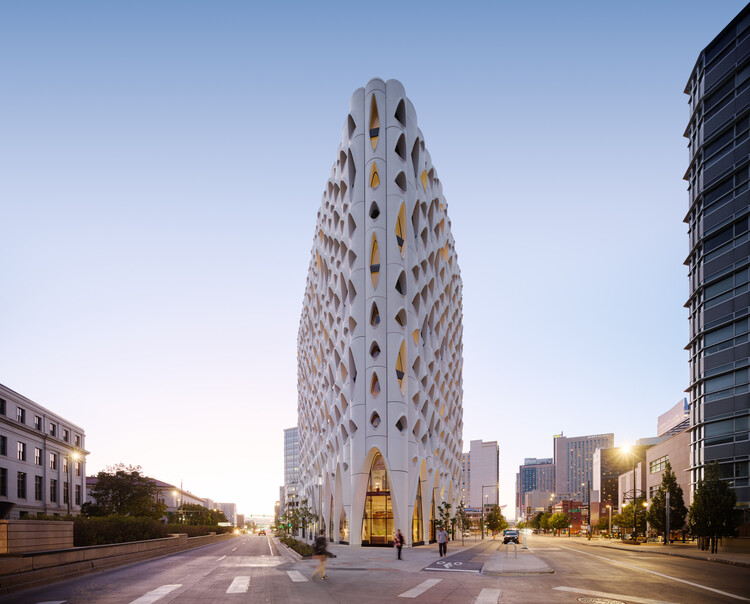
The World Architecture Festival (WAF) has announced the shortlist for its 2025 edition, highlighting notable examples of completed buildings, future projects, interiors, and urban landscaping from around the world. The announcement comes ahead of WAF's first event in the United States, which will take place at the Miami Beach Convention Center from November 12 to 14, 2025. Finalists will present their projects within their categories during the first two days of the festival. Selected from more than 780 entries, this year's shortlist features over 460 projects that span a broad range of categories, including Creative Re-Use, Housing, Education, Hotel, Sports, and Culture.


https://www.archdaily.com/1031858/world-architecture-festival-reveals-the-2025-shortlistReyyan Dogan
To Build Law: The CCA Documents HouseEurope!’s Campaign for Legal Change in European Architecture
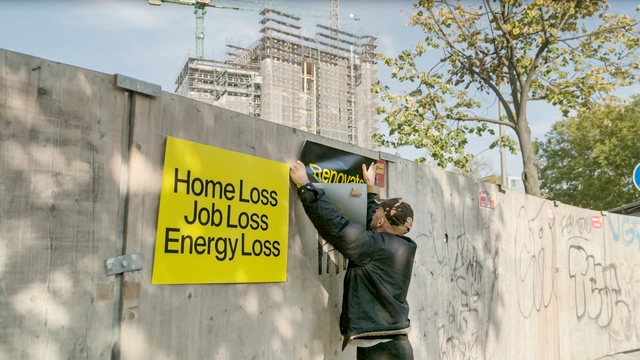
During 2024, the Canadian Centre for Architecture (CCA) launched a three-part documentary and exhibition series titled Groundwork, exploring alternative modes of practice in light of the current climate crisis. The process began with a series of studio visits in search of offices addressing substantial questions for contemporary architecture through practice, culminating in the selection of three projects: Xu Tiantian's "minimal intervention" museum on Meizhou Island, Carla Juaçaba's community pavilions in a coffee field in Minas Gerais, and bplus.xyz (b+)'s European Citizens' Initiative for a new legal framework to facilitate the renovation and transformation of existing buildings. The latter, HouseEurope!, was recently recognized as the winner of the seventh edition of the OBEL Award and was showcased at the international exhibition of the Venice Architecture Biennale 2025.




https://www.archdaily.com/1031847/to-build-law-the-cca-documents-houseeurope-s-campaign-for-legal-change-in-european-architectureAntonia Piñeiro
Hong Kong's Queensway Reimagined: Sara Klomps on the Genesis and Ambition of The Henderson by Zaha Hadid Architects
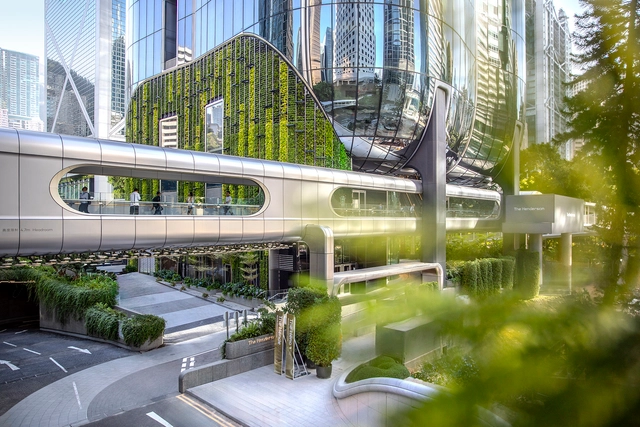
Architectural landmarks often cluster together. In Tokyo, the iconic Omotesando is a well-known stretch where global "starchitects" built flagship luxury retail spaces in the 2000s. Hong Kong has a lesser-known but equally powerful architectural agglomeration along Queensway—though historically more corporate and less publicly engaging. Beginning in the 1980s, this corridor became home to a series of landmark buildings by some of the world's most prominent architects: Norman Foster's HSBC Headquarters, I.M. Pei's Bank of China Tower, Paul Rudolph's Lippo Centre, and the nearby Murray Building by Ron Phillips—now revitalized as a hotel by Foster + Partners. The area is further enriched later on by Heatherwick Studio's renovation of Pacific Place and Tod Williams Billie Tsien Architects' Asia Society Hong Kong Center.


https://www.archdaily.com/1031843/hong-kongs-queensway-reimagined-sara-klomps-on-the-genesis-and-ambition-of-the-henderson-by-zaha-hadid-architectsJonathan Yeung
Salt as a Building Material: Rethinking the Life of Minerals and Waste in Architecture with Mále Uribe

In response to today's environmental, political, economic, and social challenges, material experimentation in architecture invites us to recognize the importance of researching and analyzing the properties of construction elements, and to understand the role of spatial design and its immediate surroundings. While various textiles, plastics, and even waste from different sources are being recycled and given a new life, the debate around the use of salt as a building material encourages the development of more sustainable practices to reduce the industry’s impact on the environment, as well as to explore the renewed life of discarded minerals and mining waste for implementation in architecture.
https://www.archdaily.com/1031621/salt-as-a-building-material-rethinking-the-life-of-minerals-and-waste-in-architecture-with-male-uribeAgustina Iñiguez
Creating Safe Spaces for Learning: Explore Solis Colomer Arquitectos' Educational Projects in Latin America
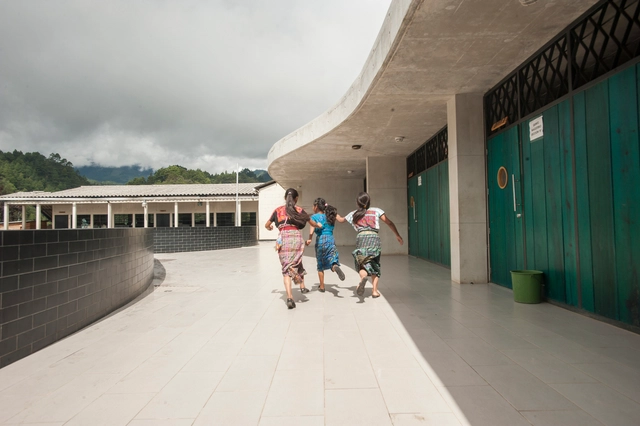
Founded in 2002, Solis Colomer Arquitectos has established a strong reputation over the past two decades, designing and constructing projects with both social and commercial impact across Latin America. With over 200 completed works, the firm specializes in institutional architecture with social impact and user-centered commercial architecture. Its mission is clear: to use architecture as a tool to dignify the human experience, especially for those in greatest need.


https://www.archdaily.com/1031506/creating-safe-spaces-for-learning-explore-solis-colomer-arquitectos-educational-projects-in-latin-americaMoises Carrasco
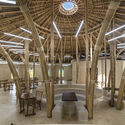
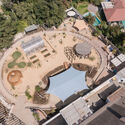
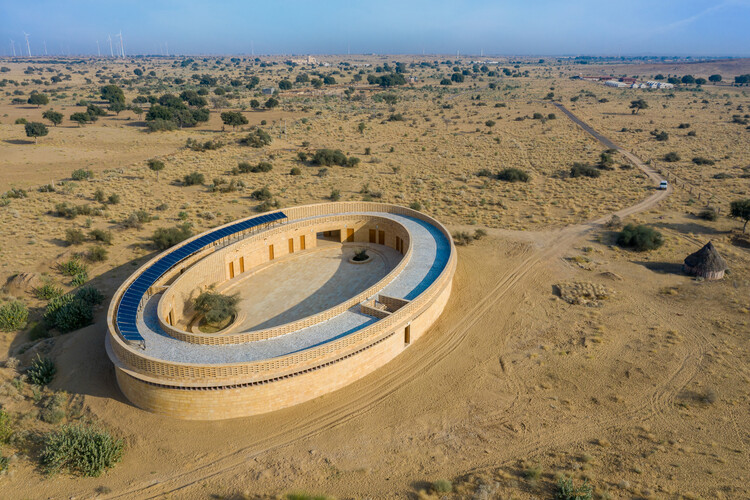
Learning Circles: 12 Educational Projects with Elliptical Plans
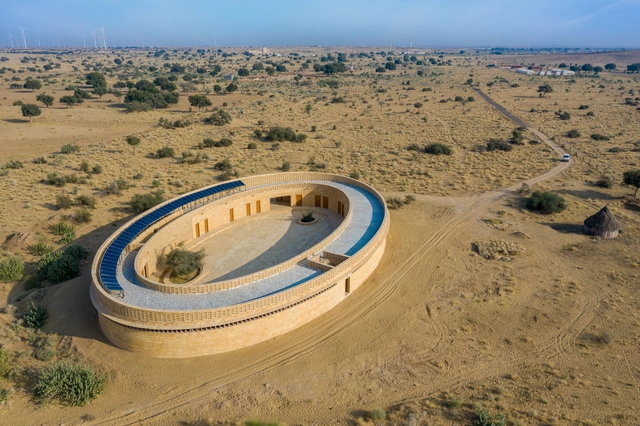
Creating an educational setting is a specific and sensitive task. Merging children's safety and learning optimization requirements with an aesthetic appeal and solid concept can birth some of the most beautiful, unique projects around. One common configuration is the elliptical or circular school. A circular, more specifically ringlike educational setting can suggest a sense of protectiveness and safety with the construction of the embracing surrounding membrane. It is also a practical setup that envelopes multiple functions while linking them, consequently allowing interactive instances through the central courtyard.

https://www.archdaily.com/975095/learning-circles-7-educational-projects-with-elliptical-plansHana Abdel & Hadir Al Koshta
CHYBIK + KRISTOF Nears Completion of Multipurpose Arena in Jihlava, Czech Republic
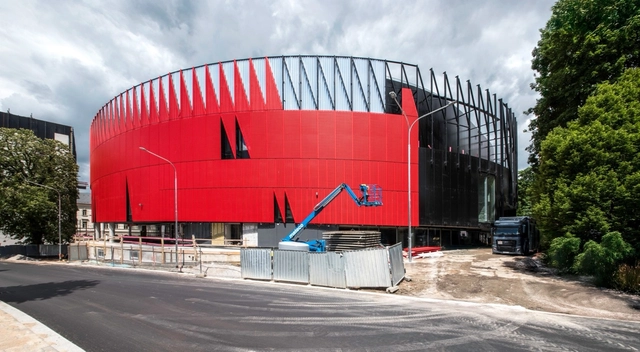
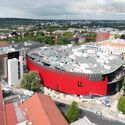
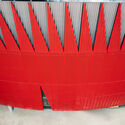
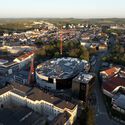
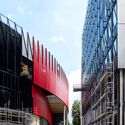
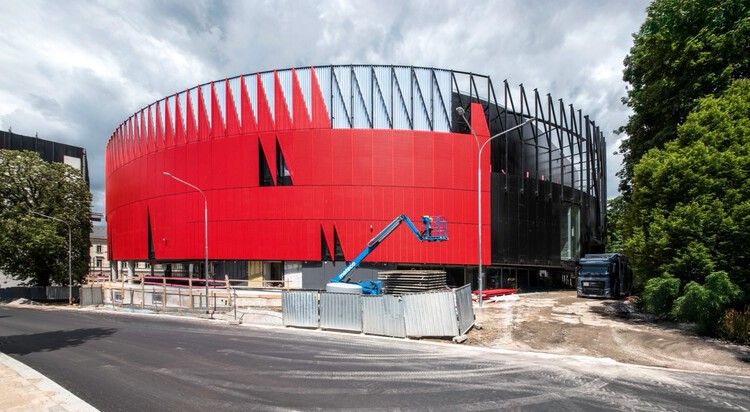
CHYBIK + KRISTOF (CH+K) has unveiled new images of its multi-purpose arena in Jihlava, a progressive city in the heart of the Czech Republic. Designed as part of a winning competition proposal in 2019, the project is being developed for the local ice hockey team, HC Dukla, and is scheduled for completion in late 2025. The arena has recently reached a key milestone with the installation of its characteristic facade. Unlike many similar developments that relocate to the outskirts, the venue retains its central position, an intentional decision by the municipality to activate the city core, support local businesses, and ensure accessibility by public transport and on foot. The project aims to enhance public life while contributing to the city's long-term sustainable growth.
https://www.archdaily.com/1031793/chybik-plus-kristof-nears-completion-of-multipurpose-arena-in-jihlava-czech-republicReyyan Dogan
The European AHI Award 2025 Celebrates Six Public Heritage Interventions Across Europe
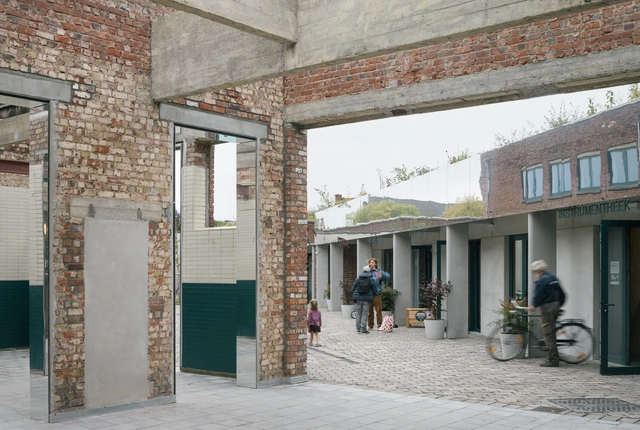
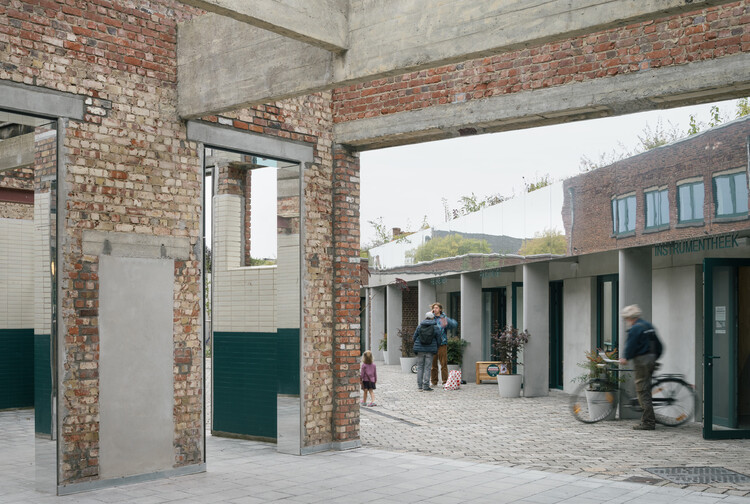
The European AHI Award recognizes architectural heritage interventions across Europe, highlighting their role as a forward-looking model for 21st-century architecture with tangible social, environmental, and economic benefits. In its seventh edition, the award honored six projects, four first prizes and two special mentions, during a ceremony held in early June at the Paranimf Ceremonial Hall of the Escola Industrial in Barcelona. A total of 238 projects from architecture studios in 24 European countries were submitted. The selected winners are located in Antwerp, Kortrijk, Olot, Ancient Corinth, and Milan.


https://www.archdaily.com/1031790/the-european-ahi-award-2025-celebrates-six-public-heritage-interventions-across-europeAntonia Piñeiro
From Martian Hydrospheres to Forest-Like Cities: 6 Radical Urban Visions Unveiled at the Venice 2025 Architecture Biennale

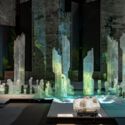
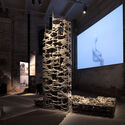
Cities today are being reimagined as living, evolving organisms, combining digital intelligence, ecological systems, and new materials to shape radical futures. At Carlo Ratti's "Intelligens. Natural. Artificial. Collective." biennial, over 750 participants challenge established boundaries between architecture, landscape, and technology. Several conceptual projects showcased in the main exhibition challenge conventional boundaries between architecture, landscape, and technology. From bio-adaptive urban systems and Martian water-based settlements to immersive symphonies of satellite data, these works collectively envision new models for cohabitation, resilience, and planetary awareness.
This month's Unbuilt selection presents six speculative projects, presented as part of the 2025 Venice Architecture Biennale exhibition, as provocations for rethinking the future of cities and human settlement. While some proposals transform architecture into self-sustaining, living infrastructures, others explore how data and sensory interfaces can redefine our relationship with natural and urban environments. Together, they offer a cross-section of how architects and designers are using unbuilt work to imagine new possibilities for life on Earth and beyond.


https://www.archdaily.com/1031792/from-martian-hydrospheres-to-forest-like-cities-6-radical-urban-visions-unveiled-at-the-venice-2025-architecture-biennaleNour Fakharany
Between Fantasy and Reality: Aldo Rossi's Floating Teatro del Mundo for the First Venice Architecture Biennale
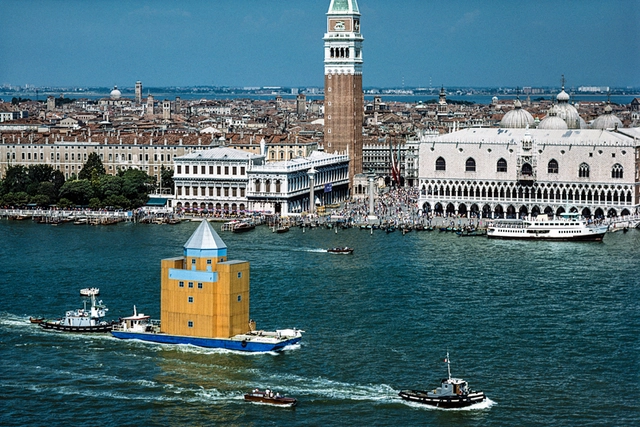
The first edition of the Venice Architecture Biennale took place in 1980, immediately revealing its role as a platform for images and ideas that would become essential references in contemporary architectural theory and practice. This disruptive character was embodied from the very beginning by the strangely familiar floating structure designed by Aldo Rossi, titled Teatro del Mondo. At once temporary and archetypal, the project introduced central themes that would shape Italian architectural discourse in the years that followed. To this day, it continues to inspire reflections on timelessness, imagination, and the memory embedded in cities.

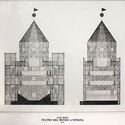
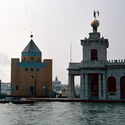
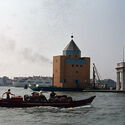

https://www.archdaily.com/1031620/between-fantasy-and-reality-aldo-rossis-floating-teatro-del-mundo-for-the-first-venice-architecture-biennaleCamilla Ghisleni
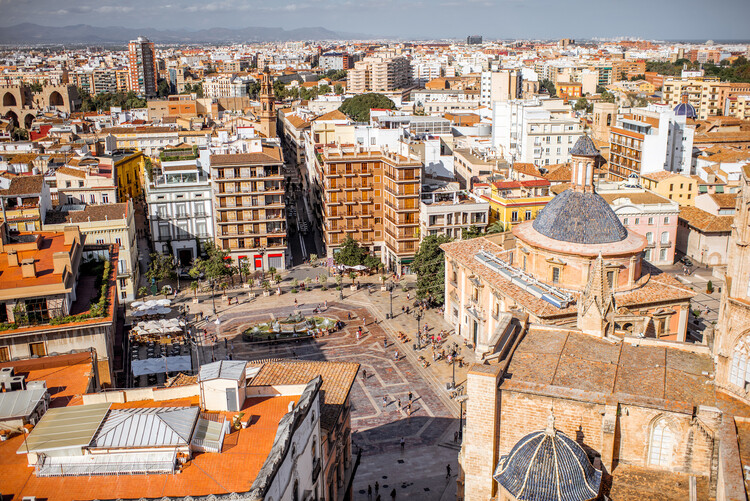
Cooling the City: How European Cities are Adapting to Extreme Heat
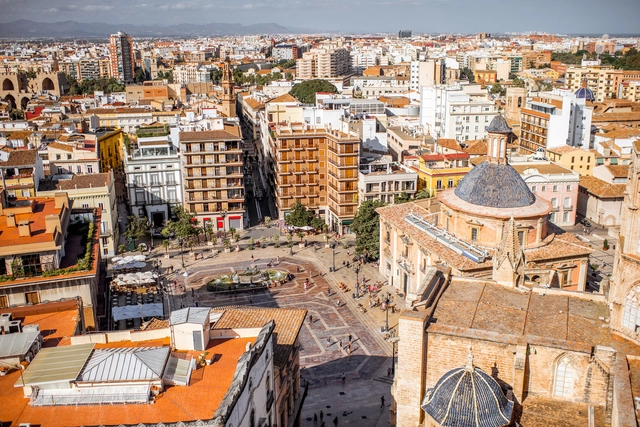
The summer of 2025 has brought extreme heat across Europe and beyond, with record-breaking temperatures and widespread climate-related impacts. Red alert warnings have been issued in France, Italy, and Spain as temperatures exceeded 46°C in parts of the Iberian Peninsula. These conditions have led to school closures, restrictions on outdoor work, and pressure on urban infrastructure, including power grids and public transport systems. The heatwave has simultaneously intensified wildfire risk across the Mediterranean. In western Turkey, ferocious wildfires near Izmir forced the evacuation of over 50,000 people as high winds and low humidity fueled rapidly spreading flames. In Spain's Catalonia region, two people died in a wildfire that raced across farmland and old structures in Torrefeta on July 1. Similar disasters have occurred in Greece, France, and Italy, with evacuations throughout southern Europe as widespread heat‑induced drought exacerbates fire season intensity.


https://www.archdaily.com/1031776/cooling-the-city-how-european-cities-are-adapting-to-extreme-heatReyyan Dogan