Produce personalized presentation boards that distill complex concepts into simple visual representations with a few helpful tools and effects.


Produce personalized presentation boards that distill complex concepts into simple visual representations with a few helpful tools and effects.
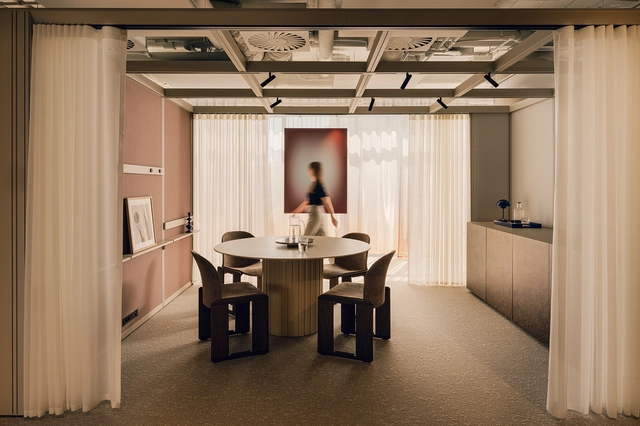
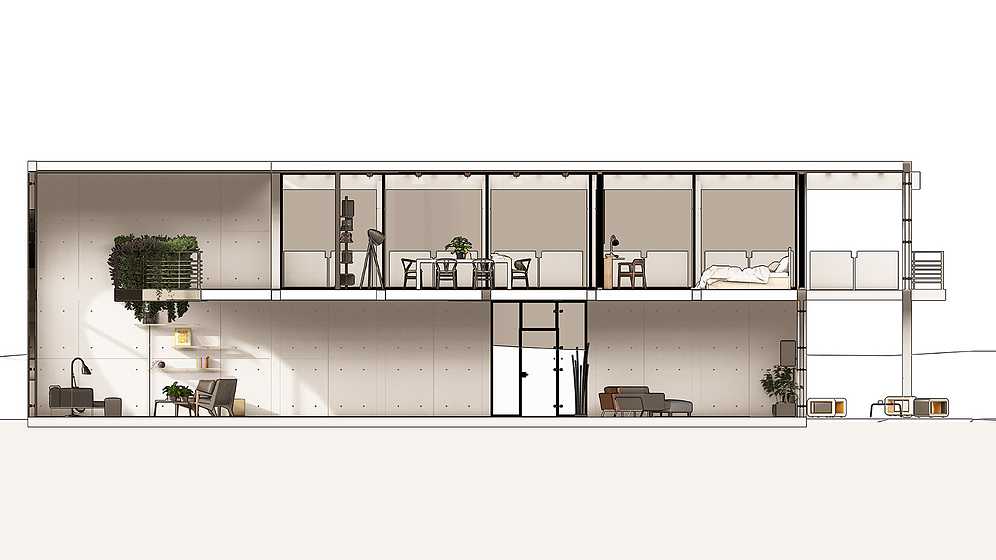
Mute, a global manufacturer of adaptable architecture solutions for modern workplaces, has opened its new headquarters in the Ambassador office building in Warsaw, managed by Hines. Covering more than 840 m², it is the first office in Europe built entirely using a modular system — one that can be freely reconfigured without generating renovation waste or CO₂ emissions.
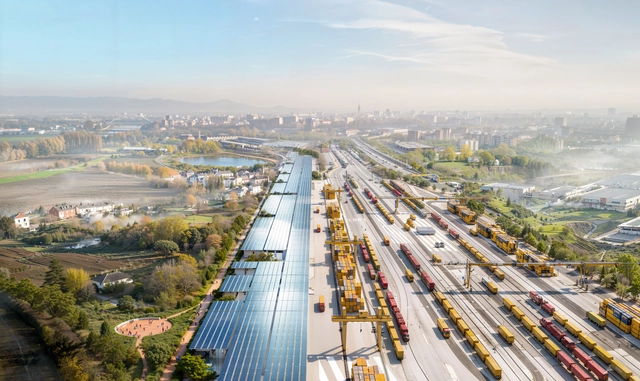
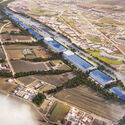
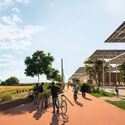
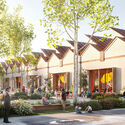
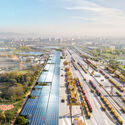
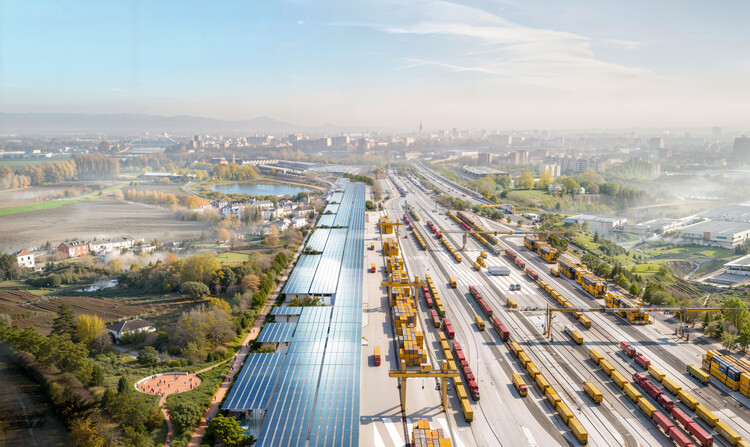
CRA-Carlo Ratti Associati, in collaboration with The Blossom Avenue Partners, has been announced as the winner of the international competition for the urban and architectural design of X-Change, a major multimodal logistics hub located on the site of a former railway yard in Alessandria, Italy. The project reimagines a traditionally introverted typology, rail distribution infrastructure by integrating logistics with energy production, ecological regeneration, and public life. Conceived as one of Southern Europe's largest intermodal hubs, X-Change is set to support Alessandria's evolving role as a backport to Genoa, leveraging future fast rail freight connections.
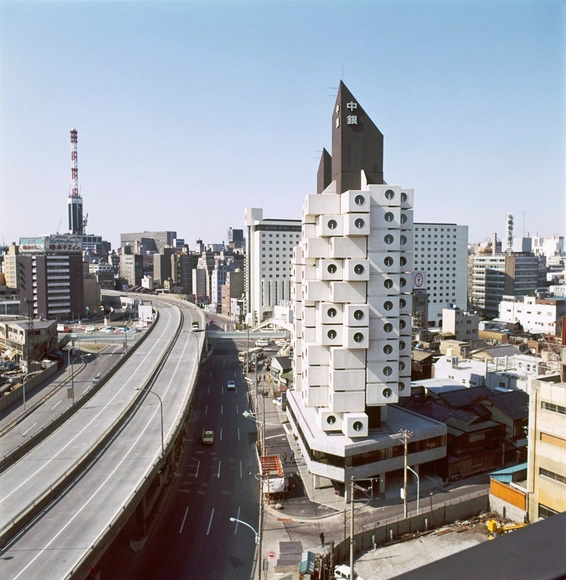
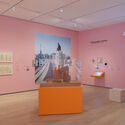
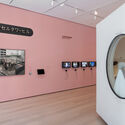
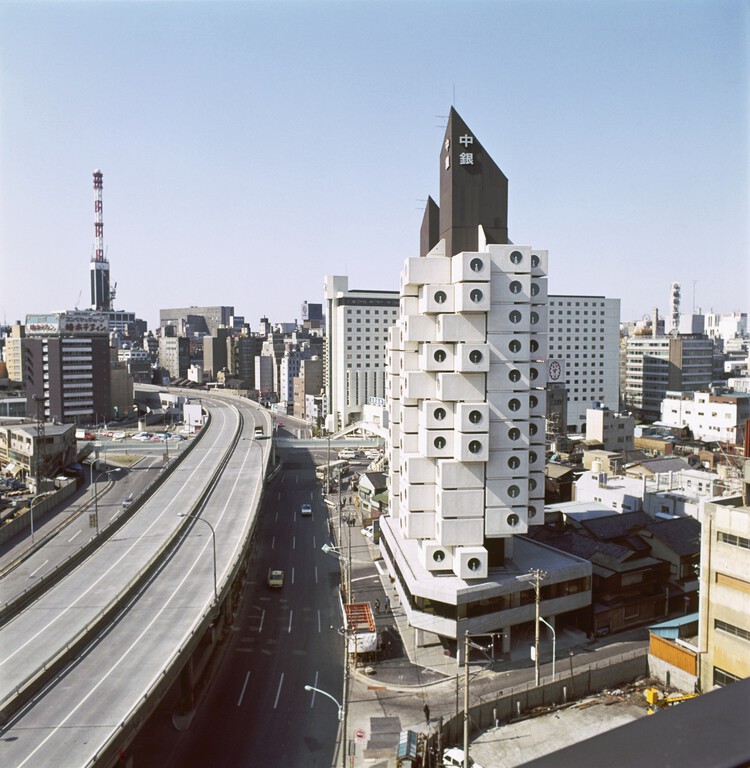
The Museum of Modern Art (MoMA) in New York is hosting an exhibition dedicated to Japanese architect Kisho Kurokawa's Nakagin Capsule Tower from July 10, 2025, through July 12, 2026. Titled The Many Lives of the Nakagin Capsule Tower, the exhibition offers a retrospective on the building's 50-year lifespan. Constructed in Tokyo's Ginza district in 1972 and dismantled in 2022, the tower is presented through contextual materials, original drawings, archival recordings, and a fully restored capsule. The exhibition invites reflection on how cities address aging buildings and the rapid transformation of urban areas. The diverse materials documenting the tower's continuous evolution over five decades encourage viewers to consider how architecture might endure by taking on new roles and functions beyond its original purpose.
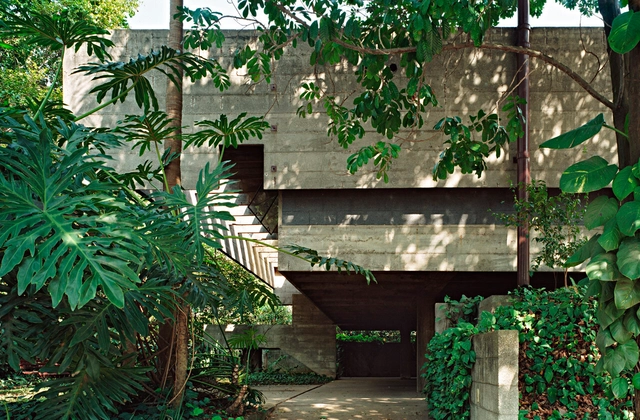
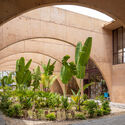
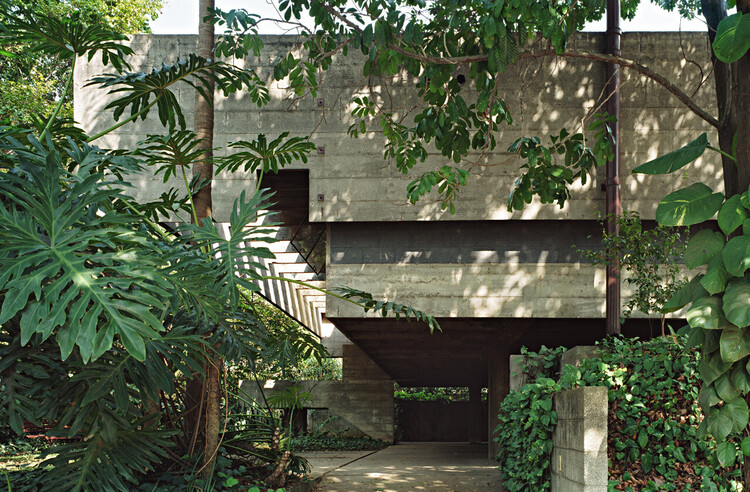
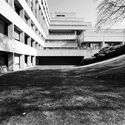
The built environment is expected to reduce carbon emissions, support biodiversity, and respond to changing ecological conditions, all while providing housing for communities and reflecting their cultural values. In this shifting landscape, a once-maligned architectural style emerges in a surprising new form. Brutalism, long associated with institutional gravitas and material austerity, is now being reframed through an ecological lens. This hybrid movement, known as eco-brutalism, combines the power of concrete with greenery and climate-sensitive design strategies. The result is a set of spaces that are visually arresting, conceptually complex, and increasingly popular among designers, urban planners, and the general public. This movement includes not only the direct lineage of 1960s Brutalism but also contemporary projects that, while not strictly Brutalist, share its material honesty, monumental scale, and use of expressive concrete forms.
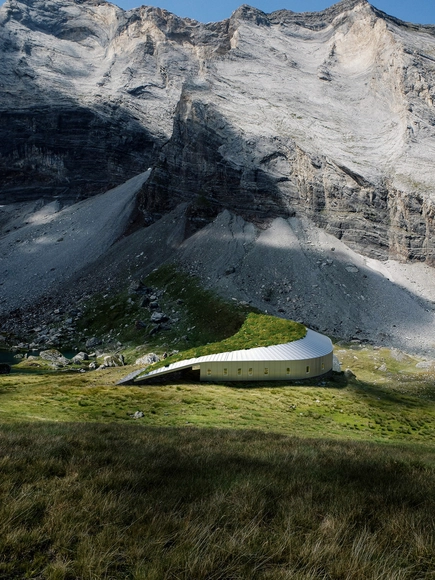
In 1982, at a conference on earth building in Tucson, Arizona, an unusual presentation challenged everything architects thought they knew about rural resources. Instead of focusing on construction techniques, the presenter, architect Pliny Fisk III, spread out a series of hand-drawn maps that revealed something extraordinary - rural Texas wasn't resource-poor, as conventional wisdom suggested, but material-rich beyond imagination. The maps showed volcanic ash perfect for lightweight concrete, caliche deposits stretching across vast territories, and mesquite forests that could supply both hardwood flooring and insulation. The revelation redefined prevailing notions of value in architecture.
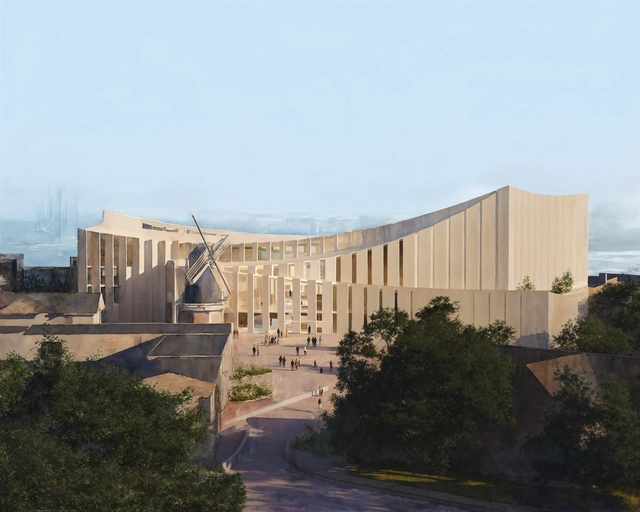
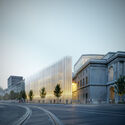
The House of Culture and Administration, a new civic complex designed by Benthem Crouwel Architects in collaboration with Snøhetta, is gradually taking shape in the Dutch city of Delfzijl. Located at Molenbergplein, the project brings together cultural and administrative functions in a unified architectural gesture that aims to strengthen the urban fabric of Eemsdelta. The current visualization marks a step forward in the structural design phase. Technical and financial refinements will continue over the summer, with final approval from the municipal council expected in October 2025.
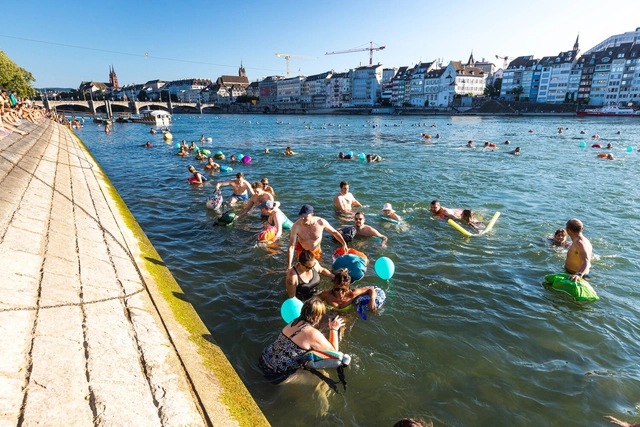
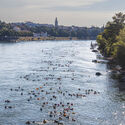
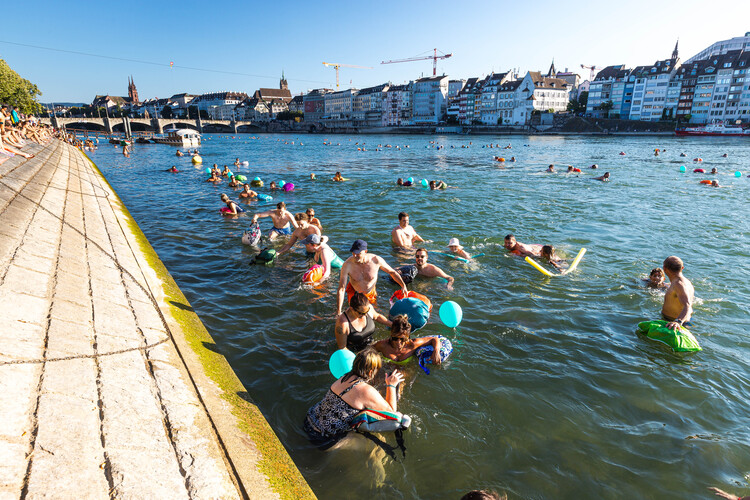
Swimmable Cities is an alliance of 153 signatory organizations across 59 cities in 22 countries, supporting the global movement for swimmable urban waterways. In the context of increasing urbanization, climate change, and biodiversity loss, the initiative aims to reclaim rivers and harbors as public spaces for communities to enjoy and benefit from bathing. It advocates for urban waterways to be made safe, healthy, and accessible for both swimmers and wildlife, calling for cross-border collaboration to develop improvement strategies and collect data to evaluate "swimmability." This call becomes especially relevant amid rising global temperatures and growing inequalities in access to public infrastructure in major cities. The movement's 10-point charter begins with the affirmation of "the right to swim," celebrating urban swimming culture and recognizing the historical significance of water.
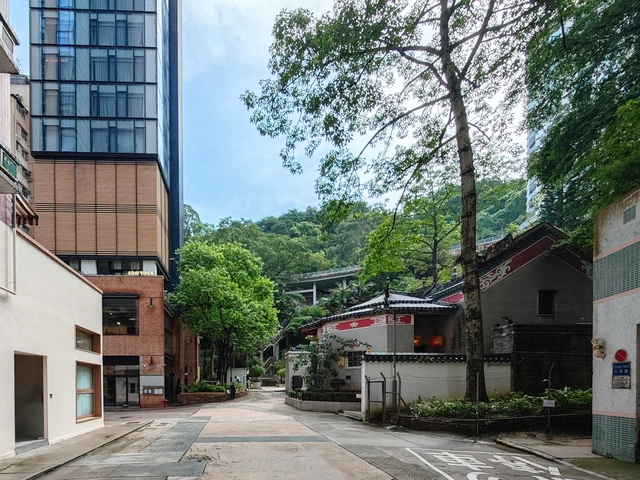
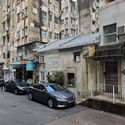
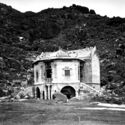
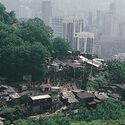
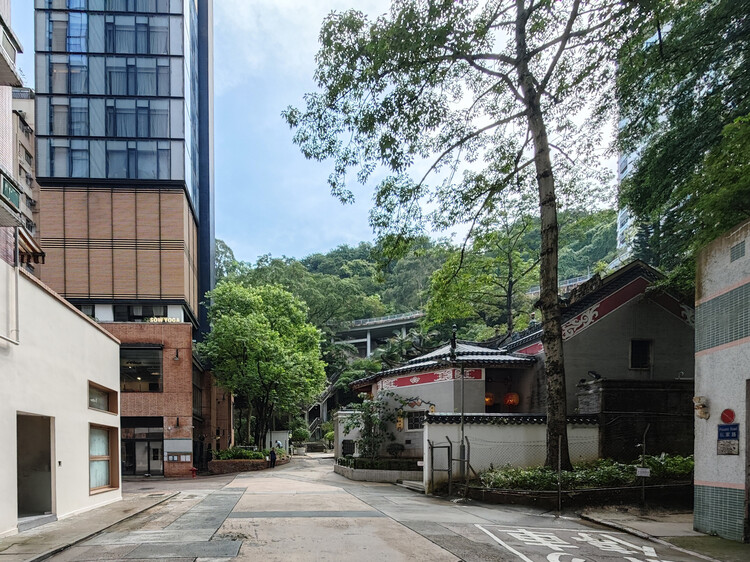
Vernacular architecture in Hong Kong originated as a series of small, coastal settlements—simple, village-like communities that reflected the city's early identity as a fishing hub. These seaside villages were typically composed of low-rise, timber-framed houses clustered around temples, forming tight-knit communities closely tied to the rhythms of the water.
One notable example is Tai Hang, among the earlier settlements established by the Hakka people in Hong Kong. Originally located along a water channel that flowed from the nearby mountains to the sea, the area was once a vital washing site for villagers—hence its name, which literally means "Big Drainage." Before extensive land reclamation, Tai Hang sat quite close to the shoreline. Today, it lies nearly 700 meters inland.
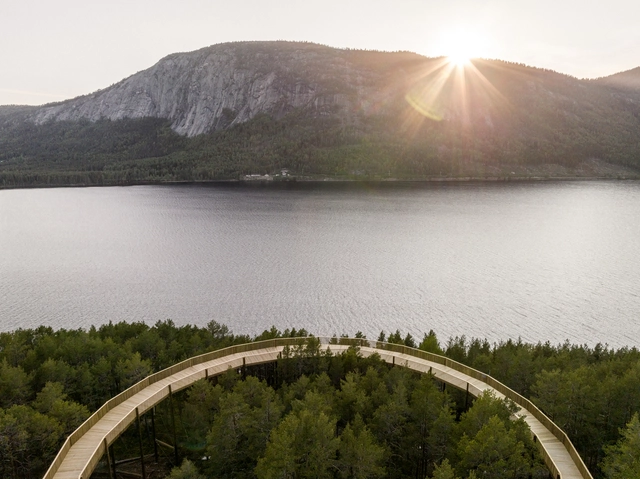
Scandinavian design has long been admired for its minimalist aesthetic and functionality, which places value in the simple things, deeply rooted in the concept of Hygge. This reverence goes beyond interior design and extends also to the natural world, resulting in high-quality architecture and landscape installation design that enhances human connection to untouched environments. Rather than imposing grand structures upon the environment, the Scandinavian approach is one of subtle and precise intervention. These projects are not meant to dominate but to enter into a dialogue with the existing landscape, using thoughtful design to potentiate its inherent shape, color, and texture. The goal is to complement and enhance, creating spaces that serve a functional purpose while simultaneously deepening the visitor's connection to their surroundings.
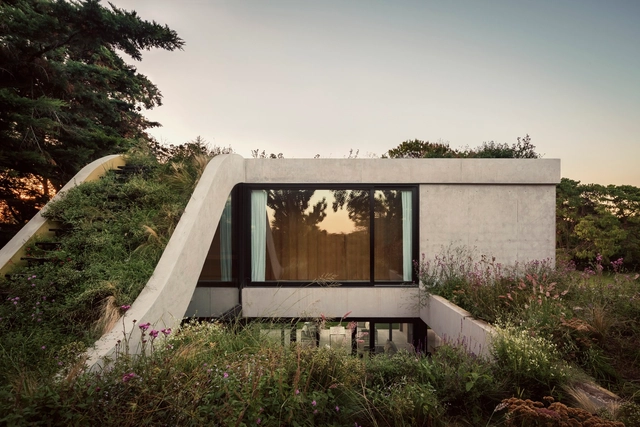
Seeking to create a fluid dialogue between architecture and its surrounding landscape, the study of topography embodies an awareness and exploration of the use of materials, self-sufficient strategies, low-maintenance solutions, and landscape designs that integrate into the natural environment and minimize the environmental impact of projects. Beyond recording variations in elevation, sun orientation, prevailing winds, or drainage slopes of the terrain, several architects in Argentina demonstrate a strong interest in developing architectural solutions capable of adapting to natural geographies and restoring the bond between nature and the human being.

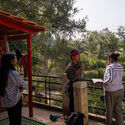
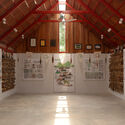
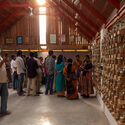
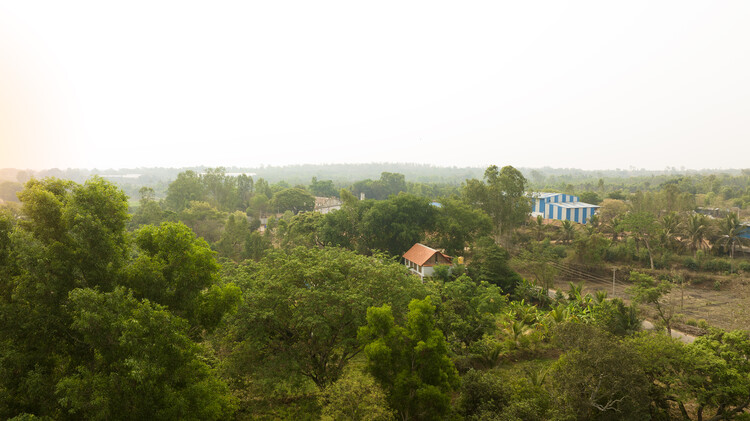
Located on a farm in southern India, the Rice Museum occupies the upper floor of Syed Ghani's home, nestled in the verdant agricultural landscape of Mandya — a region shaped by brick structures, expansive greenery, and ancestral farming knowledge. Syed Ghani, a farmer, historian, and museologist, has dedicated himself to preserving indigenous rice varieties through seed conservation, proliferation, and educational initiatives. With the support of local farmers, he has helped recover more than 1,000 native paddy (rice) varieties, safeguarding an essential part of India's agricultural heritage.
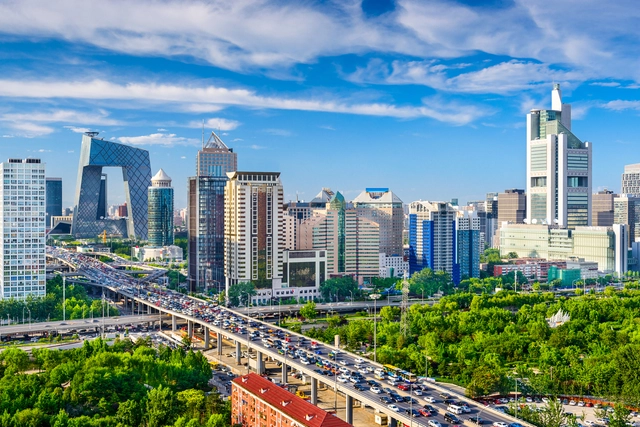
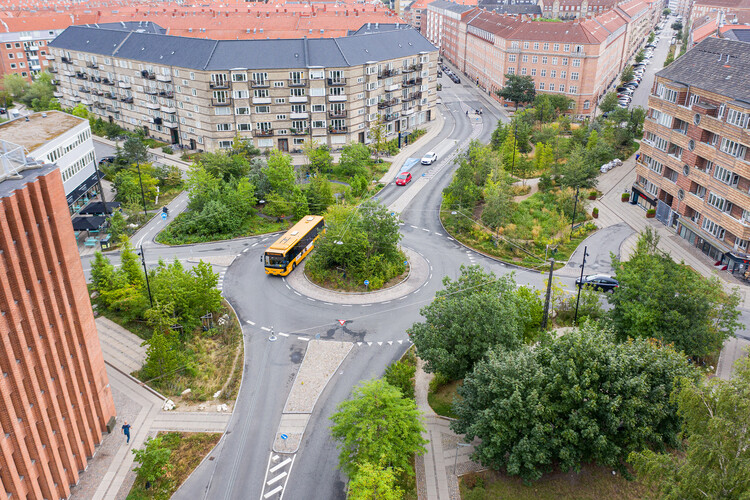
Every year, World Population Day is observed on July 11th, aiming to increase people's awareness of various population issues, such as the importance of urbanization, gender equality, poverty, health, and human rights. In 2025, under the theme "Empowering Youth to Build the Families They Want," the United Nations draws attention to the largest generation of young people in history, many of whom are coming of age in rapidly urbanizing contexts. Urban centers remain key to understanding these demographic patterns, as cities continue to attract populations seeking opportunity, stability, and access to essential services. Today, more than half of the global population resides in urban areas, a share projected to increase to 66% by 2050.
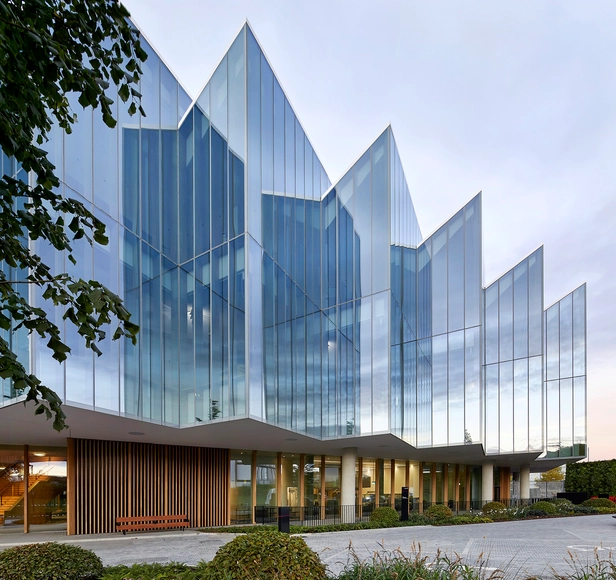
The Royal Institute of British Architects (RIBA) has announced the 20 winners of the 2025 RIBA National Awards, recognising the most significant contributions to architecture across the UK. Presented annually since 1966, the awards celebrate design excellence and provide a valuable snapshot of evolving architectural, cultural, and social trends. This year's winning projects span the length and breadth of the country, from the Isle of Wight to Scotland and Northern Ireland, and represent a wide range of typologies and scales, from major institutional buildings to small-scale residential and community-focused interventions.
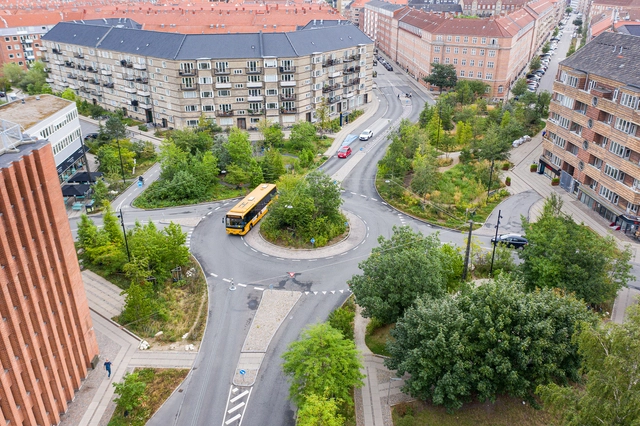
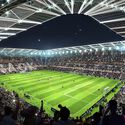
As cities worldwide navigate evolving social, environmental, and cultural priorities, recent project announcements showcase how architecture is increasingly conceived as both civic infrastructure and a catalyst for collective identity. From Populous' new stadium design in Thessaloniki that blurs the lines between sport and urban life, to HENN's transparent cultural stage in Augsburg that invites community participation, these projects illustrate architecture's expanding role beyond its immediate function. In Luxembourg, Schmidt Hammer Lassen's work for the European Investment Bank reimagines institutional spaces through sustainability and heritage, while SLA and GHD's new island community in Toronto pushes forward nature-based, climate-adaptive urbanism. This edition of Architecture Now brings together diverse yet interconnected efforts to shape how architecture can support long-term ecological, cultural, and civic impact.
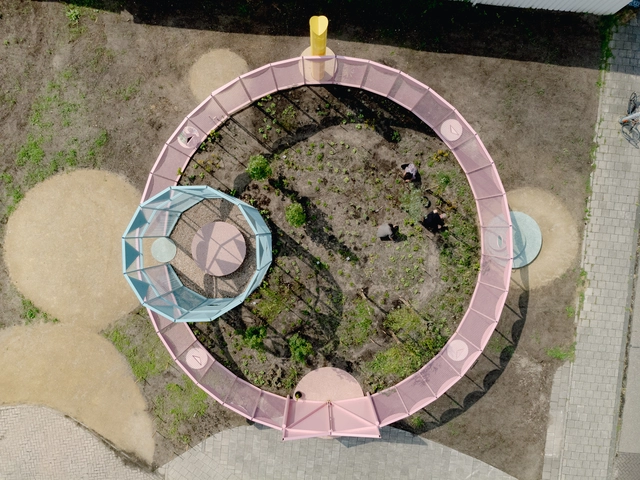
As climate instability reshapes design priorities, architecture is increasingly drawn into ecological debates not as a spectator but as a participant. Among the concepts gaining traction is rewilding, a practice rooted in the restoration of self-sustaining ecosystems through the reintroduction of biodiversity, the removal of barriers, and the rebalancing of human presence in the landscape. Though often associated with conservation biology, rewilding also opens up new spatial and architectural imaginaries — ones that challenge conventional notions of permanence, authorship, and use.
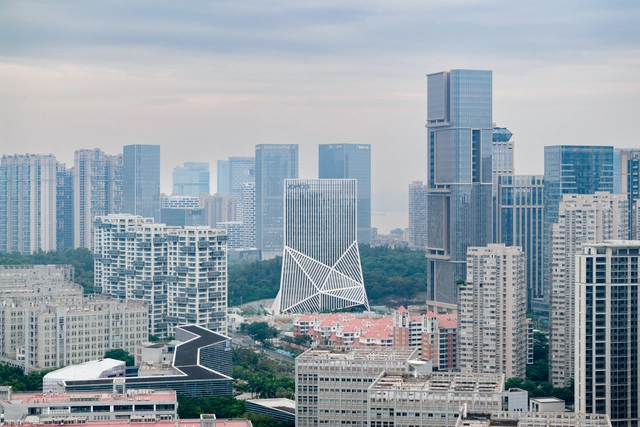
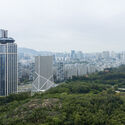
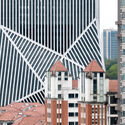
OMA has completed the JOMOO Headquarters in Xiamen, marking the first office campus for China's largest sanitaryware company. Situated at the edge of the city's central business district, the building reflects JOMOO's ongoing transformation into a global brand. The project was led by OMA Partner Chris van Duijn, alongside project architects Lingxiao Zhang and Chen Lu. According to Chris van Duijn, the headquarters is part of a broader trajectory in OMA's work across rapidly developing Chinese cities such as Hangzhou, Xiamen, and Shenzhen, where the office continues to explore new relationships between tower architecture and its urban context.
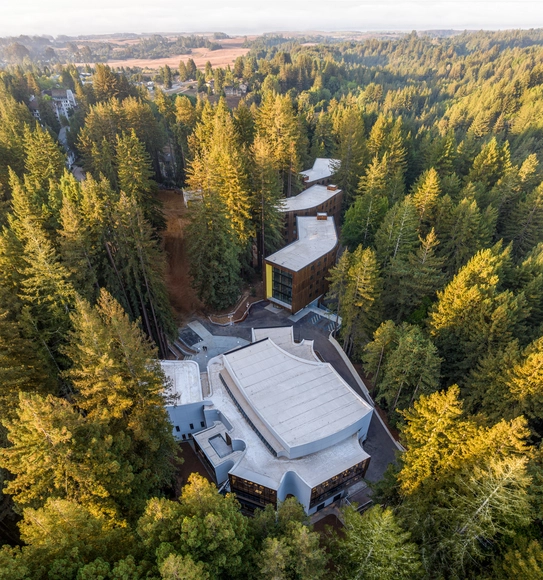
Studio Gang is an architecture and urban design practice founded in 1997 by Jeanne Gang and based in Chicago, with additional offices in New York, San Francisco, and Paris. Comprised of over 100 professionals, including architects, designers, and planners, the studio is known for its research-driven approach to design. On Friday, July 11, the Aedes Architecture Forum in Berlin will inaugurate an exhibition on Studio Gang's work, organized in collaboration with AW Architektur & Wohnen magazine. Titled Studio Gang: The Art of Architectural Grafting, the exhibition explores the studio's design methodology through six recent projects.
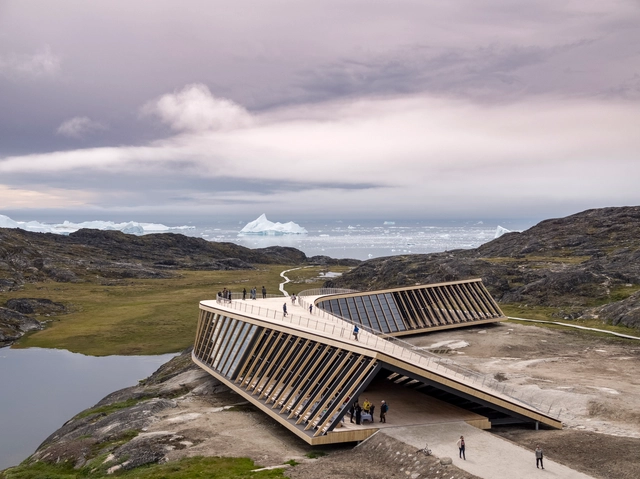
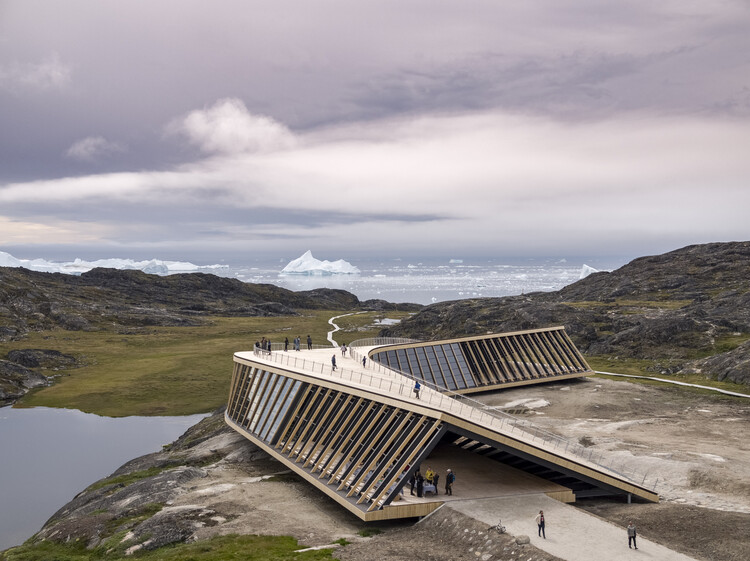
Destinations like ecological reserves, national parks, and historic sites rank among the most visited places worldwide. Motivated by different desires — from aesthetic appreciation to a longing for connection with nature — visitors are drawn to locations marked by historical importance, scenic beauty, or architectural significance. In this context, it becomes essential for the institutions responsible for preserving and managing these sites to adopt thoughtful mediation strategies — both in terms of communication and spatial design. One such strategy is the creation of visitor centers: architectural structures that not only receive guests but also educate and guide them. These buildings act as interfaces between the site and its audience, translating the ecological, historical, and cultural values of the place into architectural form.
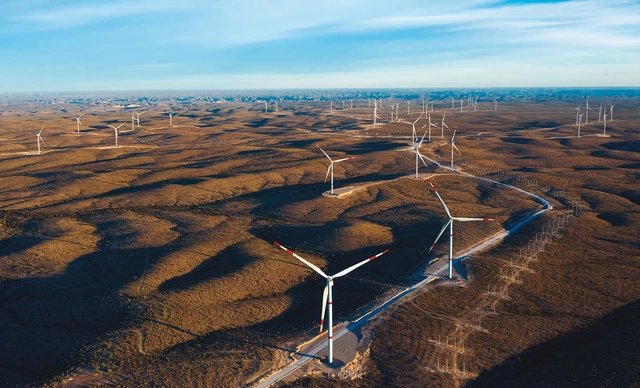
Enel, a global leader in renewable energy, launched "WinDesign", an international contest where talented professionals and students, in the domain of engineering, architecture and design, are invited to imagine and design new wind turbines. The goal is to develop turbines projects that blend more seamlessly into the landscapes that host them, thereby supporting a wider role for them in the energy transition.

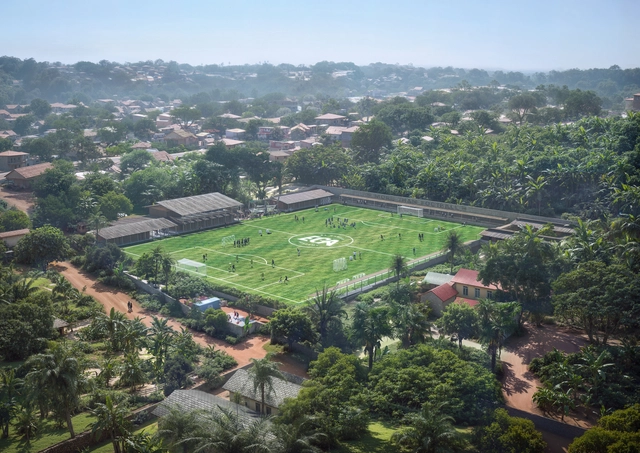
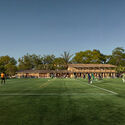
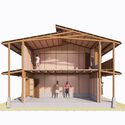
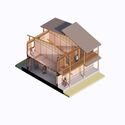
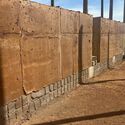
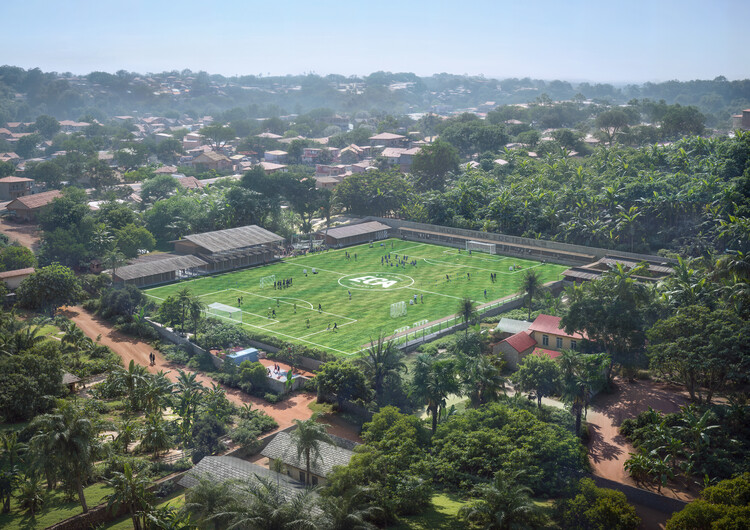
Henning Larsen, in collaboration with Kampala-based Siimi Design Studio, has revealed the design for a new modular campus for El Cambio Academy, a youth football and education institution located in Masaka, Uganda. The project is being developed using rammed earth construction, with bricks produced on site from locally excavated soil. Currently under construction, the first phase includes a boys' dormitory and is expected to be completed by summer 2025. The 1,280-square-meter campus is designed to accommodate 60 children between the ages of 9 and 16, providing facilities for both academic education and athletic training.
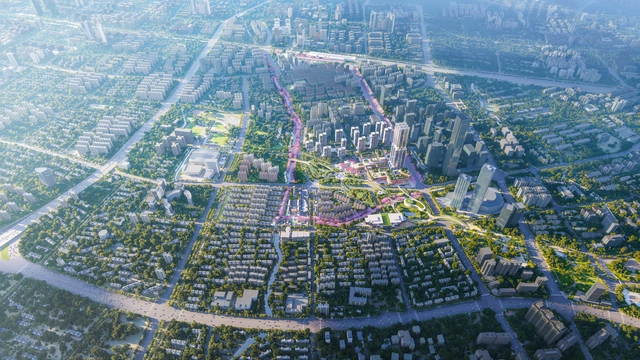
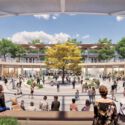
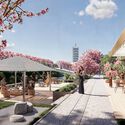
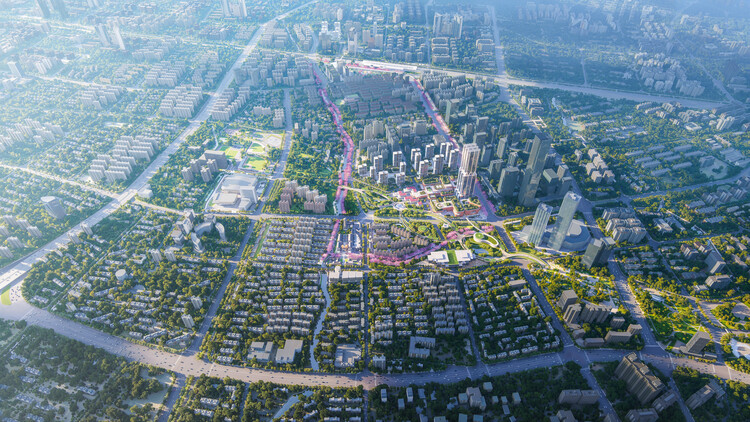
Foster + Partners has won a competition to transform Shanghai's Putuo District. The 3.2-square-kilometre masterplan focuses on the urban regeneration of the area surrounding Shanghai West Railway Station, creating a new gateway to China's most populous city. Structured around key transportation modes, the project includes two parallel pedestrian corridors that connect the station to Zhenru Temple and a new urban center planned on a currently undeveloped site. The masterplan follows the 2024 proposals for the Changfeng mixed-use development within Putuo District's Shanghai Science and Technology Finance cluster, part of the broader Shanghai 2035 Masterplan.

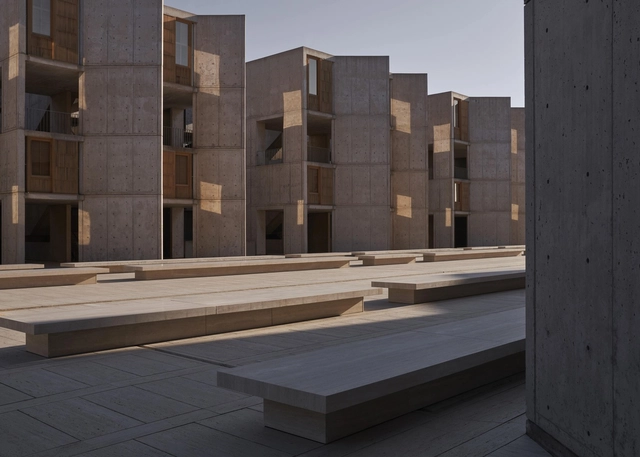
In the history of modern architecture, Louis I. Kahn is regarded as the undisputed master of monumentality in the United States. At the height of his career, Kahn managed to create a unique type of architecture, often awe-inspiring, but avoiding overdone grandiosity, expressing its constructive system, yet avoiding structural exhibitionism, steeped in history but developed with a new language and system of forms. His interest in light as a functional element and the specific qualities of materials extended beyond his buildings, in all the objects he created to populate them following their intrinsic spirit. To celebrate this legacy, Form Portfolios has now launched "Monumental Modernism," the first collection of lighting, objects, and furniture modeled after those discovered in Louis I. Kahn's buildings.
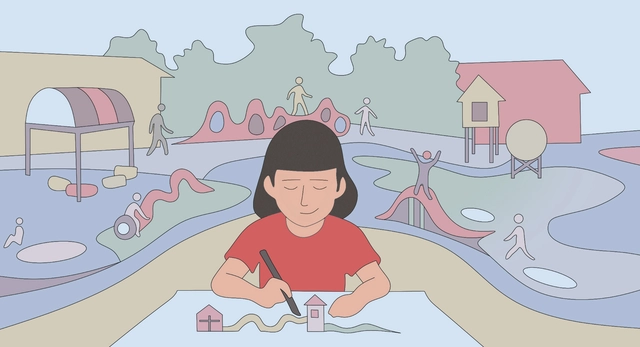
Neither a passing trend nor a permanent threat: the initial alarm is fading. Artificial intelligence is increasingly being adopted as a strategic tool which, when integrated responsibly, can be highly valuable—especially in participatory urban design processes focused on children and youth.
To explore this intersection of technology, cities, and new generations, we spoke with Dolores Victoria Ruiz Garrido, architect and founder of Little Architects, a program she created over a decade ago at the Architectural Association (AA) in London. With more than 15 years of experience in participatory urbanism, she emphasizes that AI can be a powerful tool when used ethically and purposefully—particularly to enrich education and community-focused design processes. But she warns: "The city cannot be understood from the screen—it must be grasped through the body, the walk, and wonder. Before generating stunning or visually beautiful images to transform the city, we must teach how to read it: to observe, understand, and emotionally connect with it."