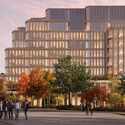
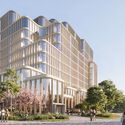
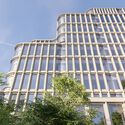
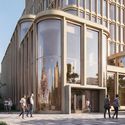
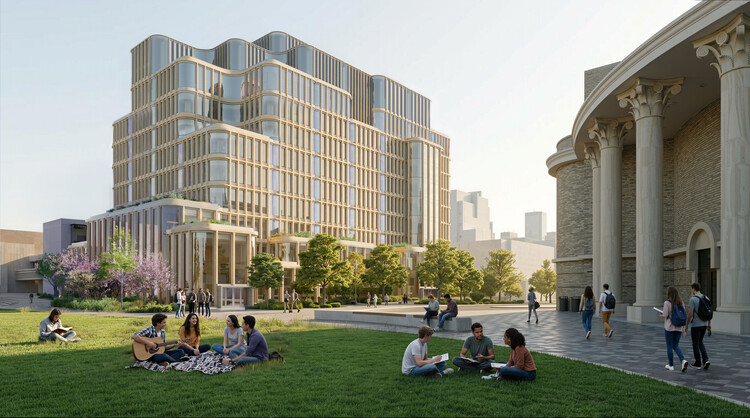
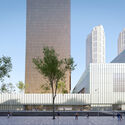
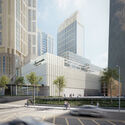
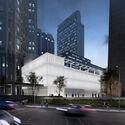
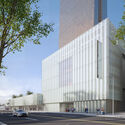
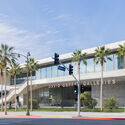
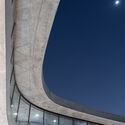
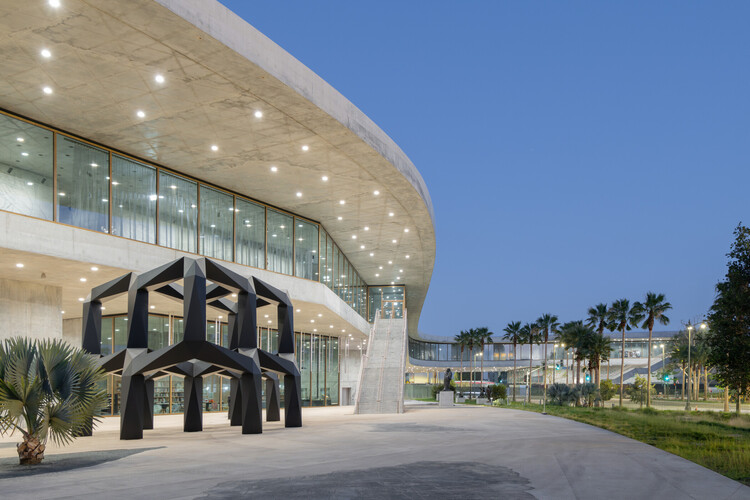
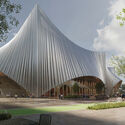
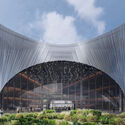
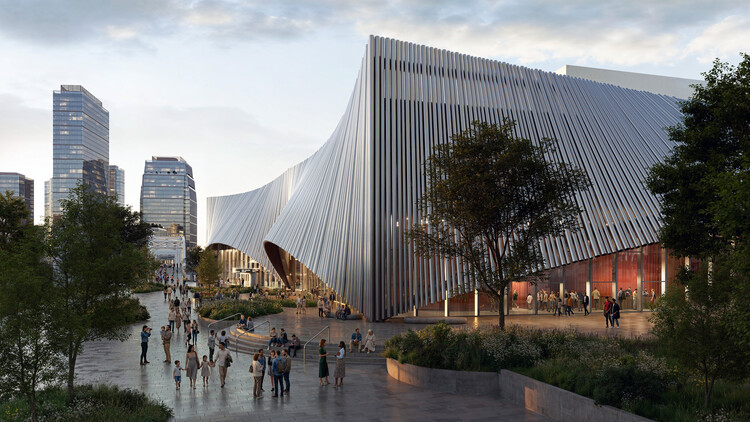
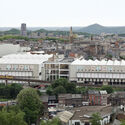
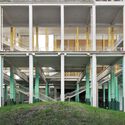
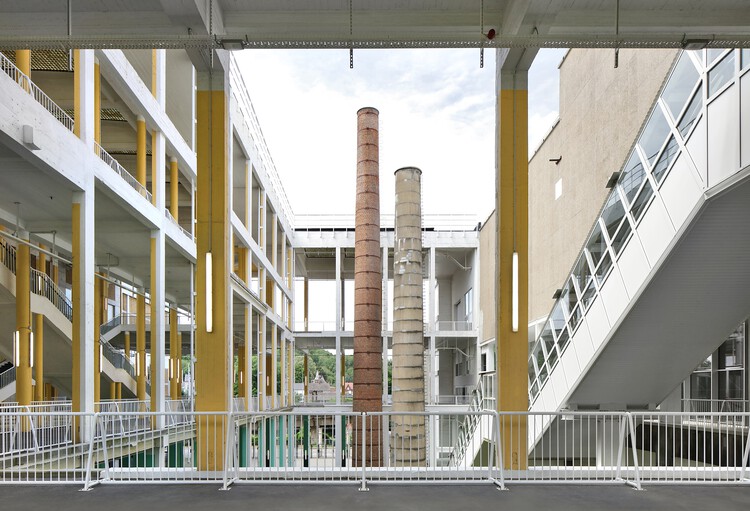
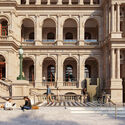
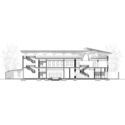
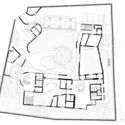
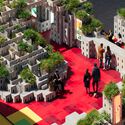
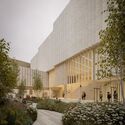
The University of Toronto has revealed the design for the Temerty Building, a new facility for health research and education at the heart of the university campus. The project was designed by MVRDV and Diamond Schmitt Architects in collaboration with Two Row Architect. It builds on a previous collaboration between the first two offices at the University of Toronto Scarborough campus, scheduled for completion in late 2026. The project was first introduced in Temerty Medicine's 2018-2023 Academic Strategic Plan and envisions a 36,000-square-metre extension to the university's Medical Sciences Building, including laboratories for higher education, classrooms, and shared spaces. Work on site is expected to begin in the second half of 2026, starting with preparatory work in July.
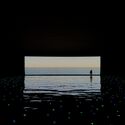
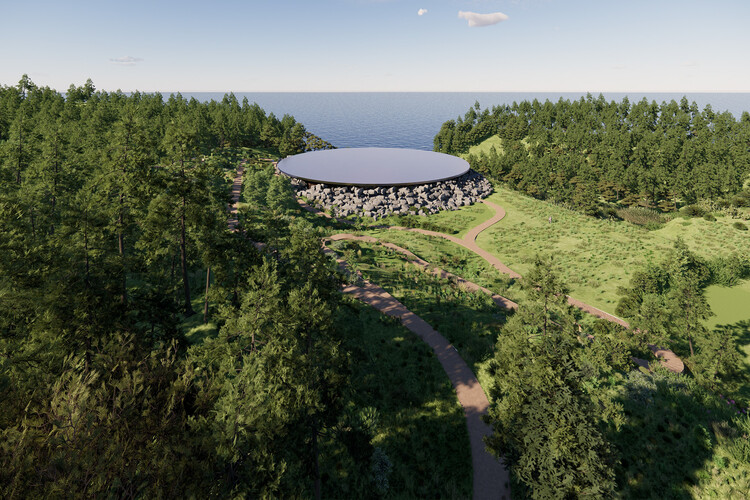
Located in Tomioka, Fukushima Prefecture, Sea of Time – TOHOKU is both an artwork by Tatsuo Miyajima and an architectural project commissioned by the artist. Designed by Japanese architectTsuyoshi Tane of Atelier Tsuyoshi Tane Architects (ATTA), the project envisions a permanent museum to house Miyajima's artwork. Currently under development from 2024 to 2027, with an anticipated opening in spring 2028. Positioned on a cliff overlooking the Pacific Ocean, the proposal brings together architecture and installation within a site shaped by the memory of the 2011 Tōhoku earthquake and tsunami, framing both the landscape and its historical context as integral components of the design.
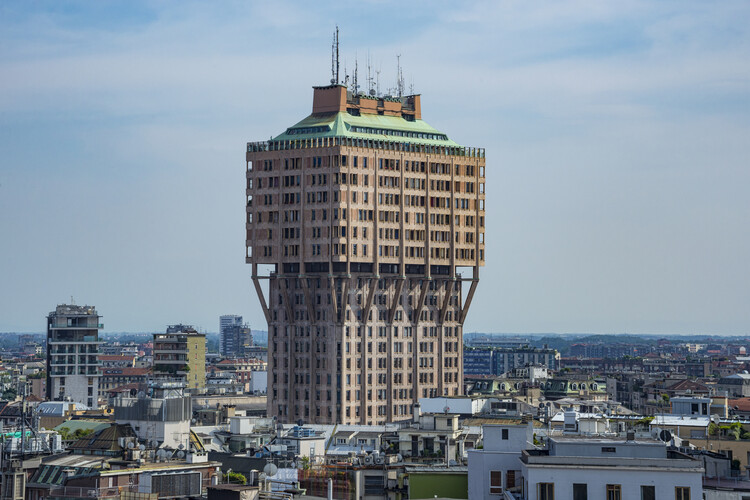
Ooooh, that's EpiQ! By Ricardo Orts Ulises. Image Courtesy of ArchDaily's editors on-site in Milano
Observed annually on April 22, International Mother Earth Day frames this week's architectural discourse through an urgent call to rethink the relationship between the built environment and natural systems, foregrounding themes such as urban rewilding, the restoration of aquatic ecosystems, and the integration of ancestral knowledge into contemporary design practices. On another note, the opening of Salone del Mobile.Milano 2026 and Milan Design Week 2026 seek to reinforce the global relevance of design as a platform for exchange and experimentation, activating the city of Milan through a network of exhibitions and installations that engage both industry and public audiences. Among the announcements of award-winning architectural projects this week, the United Nations' House of No Waste (HØW) Competition highlights emerging architectural responses to climate and resource challenges. The awarded projects demonstrate scalable strategies for reducing material waste and embodied carbon while promoting adaptable, socially responsive, and resource-conscious public infrastructure.
Metamorphosis in Motion by Lina Ghotmeh. Image Courtesy of ArchDaily's editors on-site in Milano
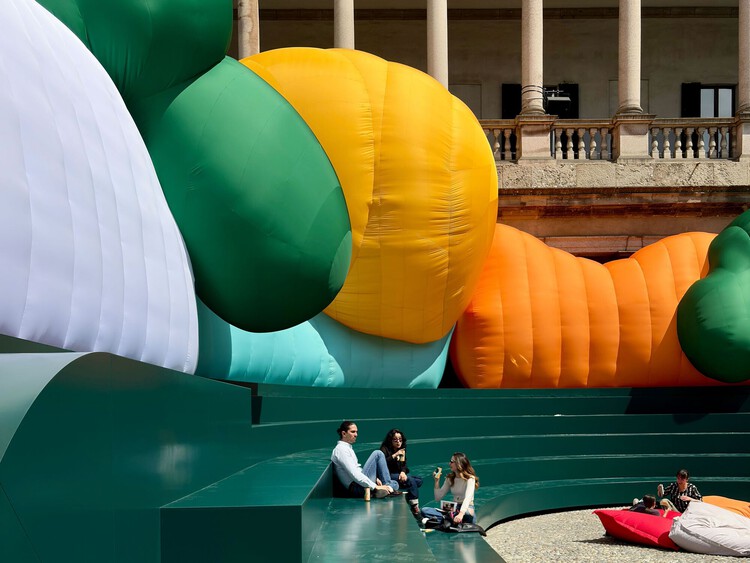
Milan reactivates its role as a global design capital this week as Milan Design Week 2026 has began on April 20, followed by the opening of the 64th edition of Salone del Mobile.Milano on April 21 at Fiera Milano, Rho. Rather than a single event, the week unfolds as a layered system in which the fair and the city operate through different temporalities and spatial conditions. From early openings across urban districts to the formal start of the fairgrounds program, the staggered calendar reinforces a continuous flow of activity that extends across institutions, infrastructures, and public space.
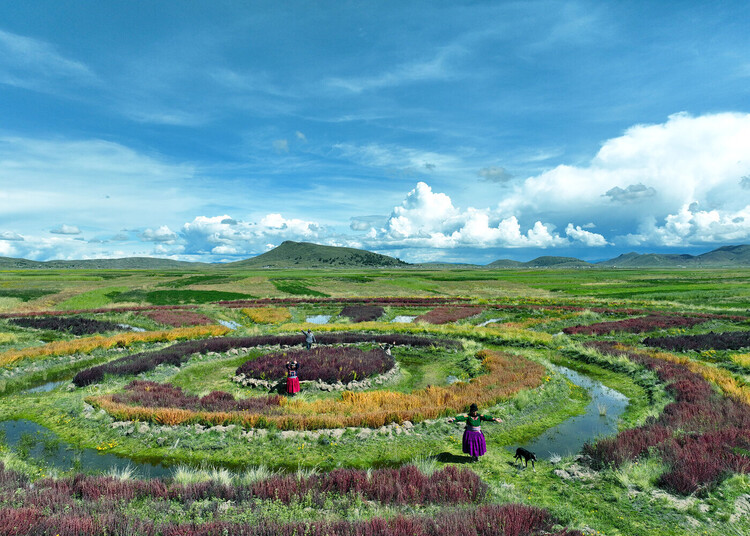
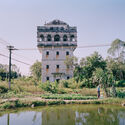
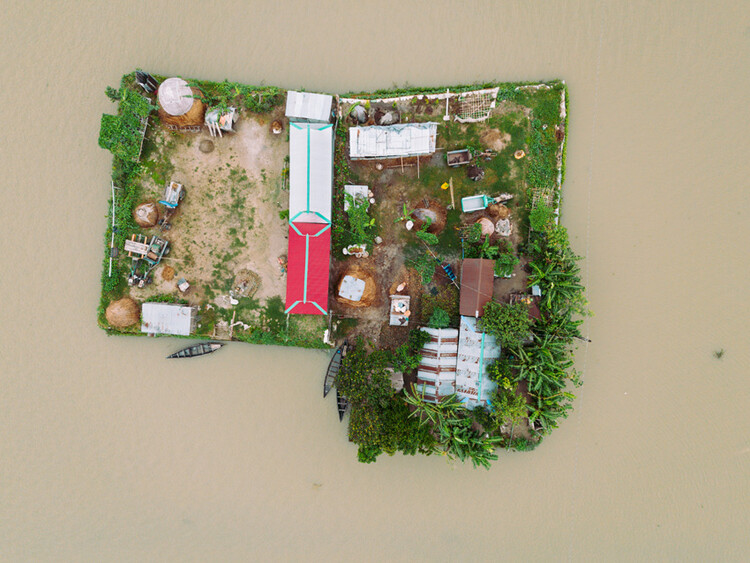
Waru Waru agricultural field. Image via World Monuments Fund
The United Nations' International Mother Earth Day, observed annually on April 22, aims to "promote harmony with nature and the Earth." In light of the urgency posed by climate change, it seeks to raise awareness of the challenges of preserving all forms of life supported by the planet. It is a call to the global community to safeguard biodiversity while striving to balance economic, social, and ecological systems. Crimes against biodiversity include large-scale practices such as deforestation, land-use change, intensified agriculture, livestock production, and illegal wildlife trade, all considered by the UN to be accelerating factors in the destruction of the planet.
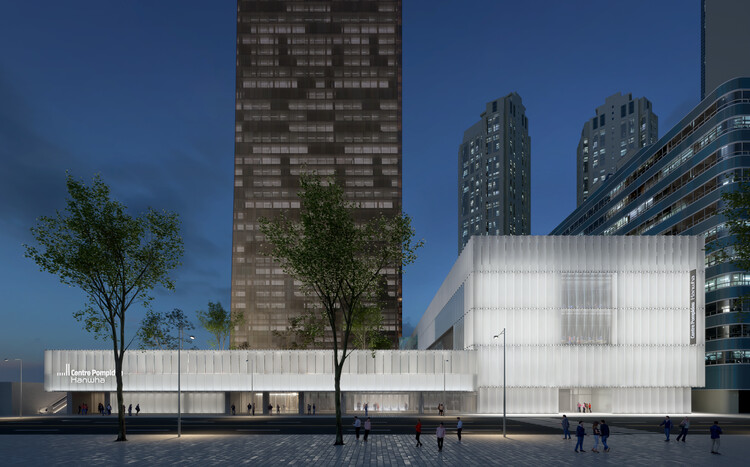
Centre Pompidou Hanwha, 2026. Image Courtesy of Wilmotte & Associés Sa
The French museum and cultural institution Centre Pompidou is opening a new Korean branch in collaboration with the local Hanwha Foundation of Culture. Well known in the architectural field for its French headquarters, designed by Renzo Piano and Richard Rogers and recently closed for renovations, the Centre Pompidou is expanding its international presence with a new venue, adding to its sites in Spain, Belgium, China, and the United Arab Emirates. The Korean building is a 12,000 m² renovation project at the base of the 63 Tower skyscraper, led by Wilmotte & Associés. Located on Yeouido Island, along the banks of the Han River, and at the heart of Seoul's financial district, the Hanwha Seoul Pompidou Center is conceived as both an exhibition venue and a meeting point where education and art converge, offering adaptable spaces to host a broad range of activities.
The 2026 edition of the Sony World Photography Awardshas announced its overall winners, recognizing contributions across the Professional, Open, Student, and Youth competitions. Now in its 19th year, the program continues to position itself as a key platform for both emerging and established practitioners, drawing over 430,000 submissions from more than 200 countries and territories. The program recognizes work across ten Professional categories, including Architecture & Design, alongside parallel Open, Student, and Youth competitions, and is accompanied by an annual exhibition at Somerset House in London.
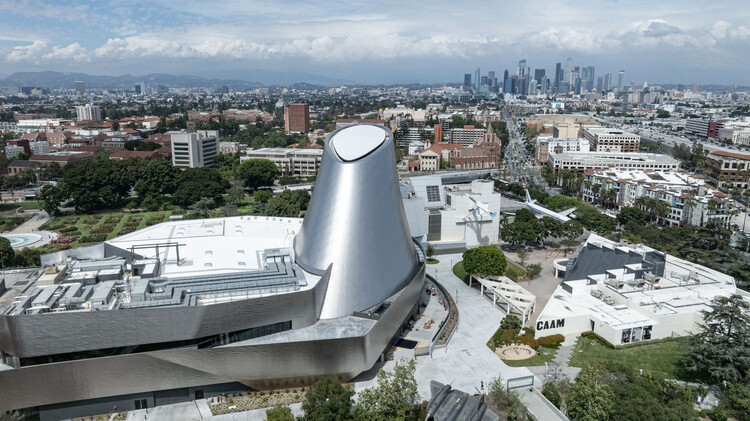
On Sunday, April 19, 2026, the Los Angeles County Museum of Art (LACMA) opened its new David Geffen Galleries to the public. Designed by architect Peter Zumthor, the building offers an elevated exhibition space for the museum's permanent collection. All artworks are presented in a single-level open space, in a non-hierarchical layout of cultures, traditions, and eras, spanning 6,000 years of art history across approximately 155,000 objects. The space is flexible, accommodating diverse curatorial projects as well as visitors' individual paths. The project marks a new step in the institution's two-decade transformation into a global art museum and the most comprehensive in the western United States.
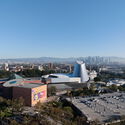
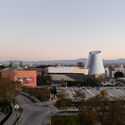
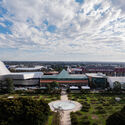
The California Science Center is a dynamic destination where visitors of all ages can explore the wonders of science through hands-on exhibits, live demonstrations, innovative programs, and large-format films. The Center and IMAX Theater are located in the historic Los Angeles Exposition Park, where an expansion has been under construction since June 2022. The new Samuel Oschin Air and Space Center, designed by ZGF Architects, is a 200,000-square-foot addition that will nearly double the Science Center's educational exhibit space. The building was completed on April 13, 2026. Its centerpiece is the retired NASA spacecraft Space Shuttle Endeavour, used for missions from 1992 until its 25th and final mission in 2011.
As major cultural events, institutional transformations, and new architectural commissions unfold across different geographies, this week's discourse highlights how architecture operates at the intersection of public life, creativity, and long-term adaptation. With Milan Design Week 2026 foregrounding process, experimentation, and citywide participation, the projects and initiatives emerging this week point to a broader shift toward openness, accessibility, and experiential engagement across disciplines and urban contexts. Ongoing investments in cultural infrastructure, from new museums to large-scale renovations and competition-winning proposals, further underscore how institutions continue to recalibrate their spatial and social roles in response to evolving environmental, technological, and cultural demands.
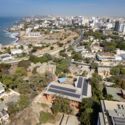
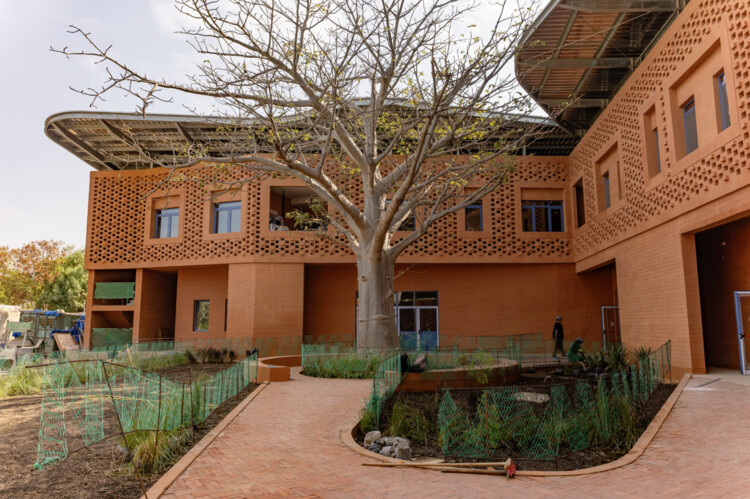
In February 2022, construction began on the Goethe-Institut in Dakar, designed by Kéré Architecture. Present in Senegal since 1978, the Goethe-Institut is reaching a milestone in strengthening cultural ties between Germany, Senegal, and West Africa with this new building. As the first purpose-built Goethe-Institut on the African continent, it embodies a long-term commitment to supporting the creative industries and fostering intellectual exchange. From April 16 to 18, 2026, the Goethe-Institut will host a series of events to mark the inauguration of its new headquarters.
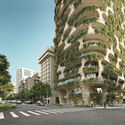
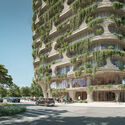
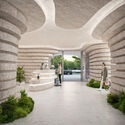
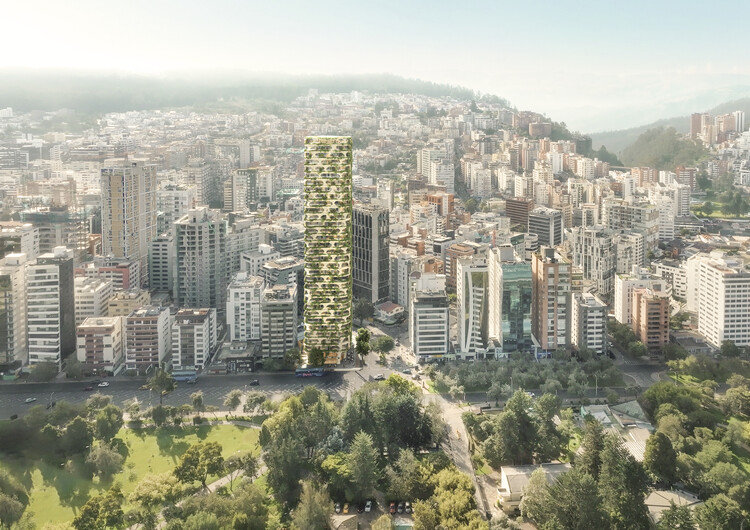
Qapital Tower Ecuador. Image Courtesy of Kengo Kuma and Associates(KKAA)
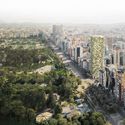
Kengo Kuma & Associates has unveiled plans for Qapital, a 32-story mixed-use tower set to rise in Quito, Ecuador, in collaboration with local developer Uribe Schwarzkopf. Scheduled for completion in 2029, the project marks Japanese architectKengo Kuma's first work in the country, extending the studio's international portfolio into the South American context. Located opposite La Carolina Park in Quito's central business district, the 125.8-meter tower introduces a vertically organized program that brings together residential, commercial, and shared amenities.
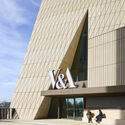
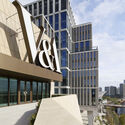
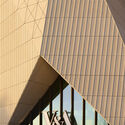
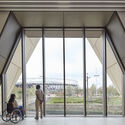
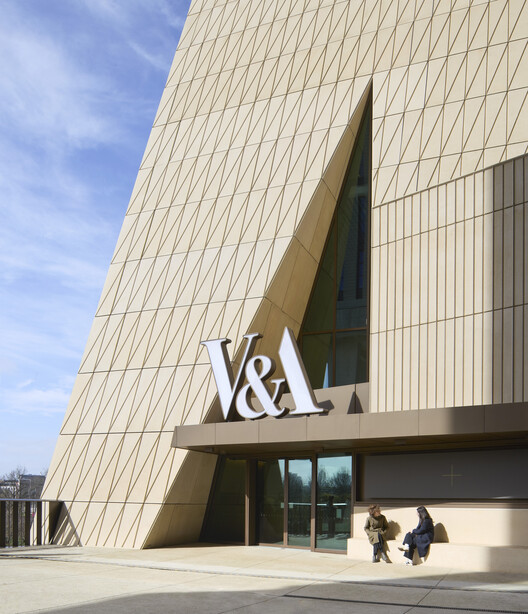
V&A East Museum, designed by architects O'Donnell + Tuomey, will open to the public on 18 April 2026. Assigned to the firm in 2015, the new building is located in the Queen Elizabeth Olympic Park, near its recently opened sister facility, the V&A East Storehouse, designed by Diller Scofidio + Renfro. Located in East London, the UK's newest cultural quarter supported by the Mayor of London, the two-building complex aims to "spotlight the many ways global artists, designers, and makers use creativity to shape the world." Dedicated to creative opportunity and its power to bring change, the museum's five public levels contain two permanent galleries, a 900 sqm temporary exhibition gallery, a top-floor project and event space, learning facilities, and a café.
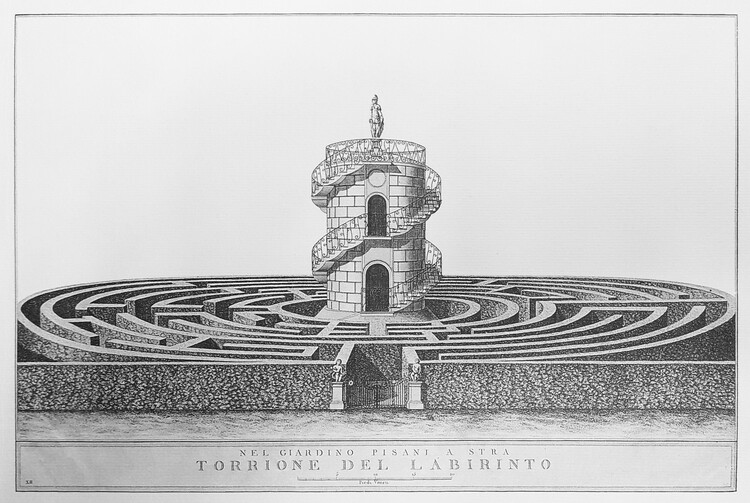
Villa Pisani, labirinto. Image Cortesia de Martins Fontes
Architecture is typically understood through principles such as order, clarity, and functionality. In O Livro dos Labirintos, Francesco Perrotta-Bosch proposes another entry point: thinking about the discipline through the labyrinth—a structure that, since its mythical origins, has operated through detours, ambiguity, and disorientation.
Drawing on the Labyrinth of Crete, attributed to Daedalus in Greek mythology, the author shifts the discussion on the origins of architecture to a realm less associated with constructive rationality and closer to spatial experience. The book's guiding question is direct: why would architecture have begun with a form that subverts linearity and legibility?
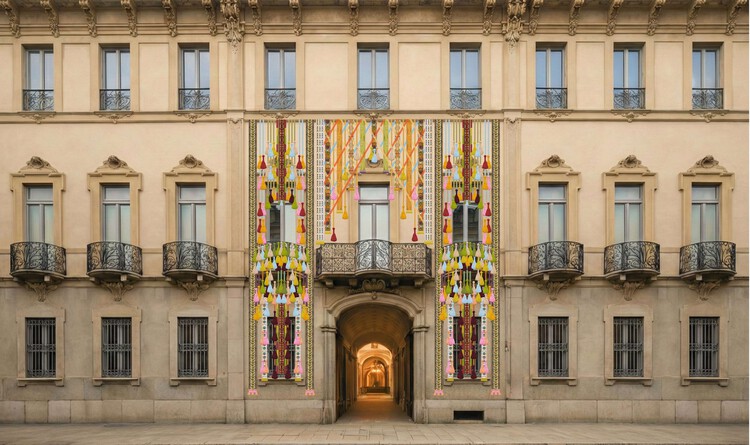
Entrance to Palazzo Citterio, indicative render. Image Courtesy of ACDF and Bethan Laura Wood Studio
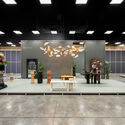
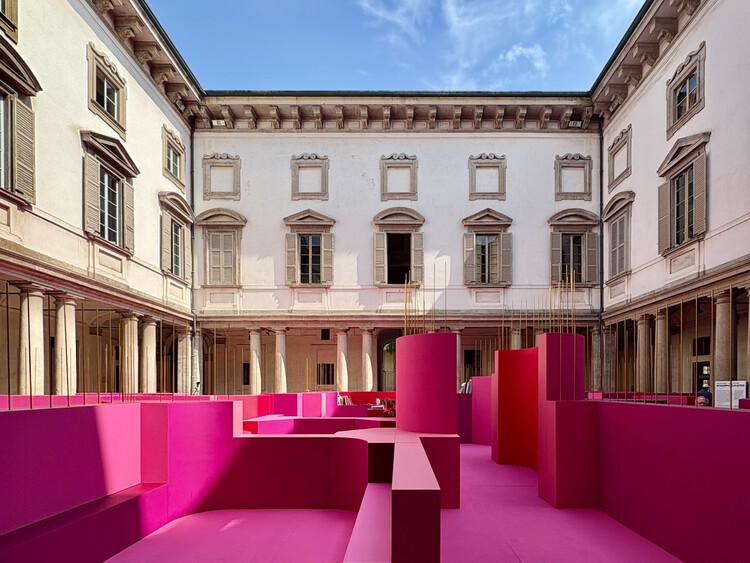
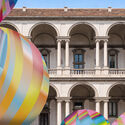
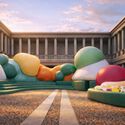
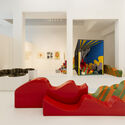
From April 20 to 26, Milan Design Week 2026 returns as a citywide platform where design operates as both a cultural practice and a form of exploration. Framed by the Fuorisalone theme "Be the Project," this year's edition shifts the focus from outcome to process, positioning design as a dynamic, human-centered act shaped by intuition, responsibility, and transformation. Installations and exhibitions across the city foreground making as an open-ended condition, one that embraces error, temporality, and experimentation as integral to creative production. Within this context, design becomes a space of exchange between disciplines, materials, and intelligences, reflecting broader conversations around sustainability, emerging technologies, and the evolving relationship between the physical and the digital.
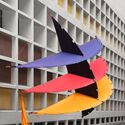
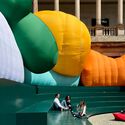
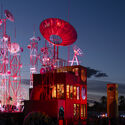
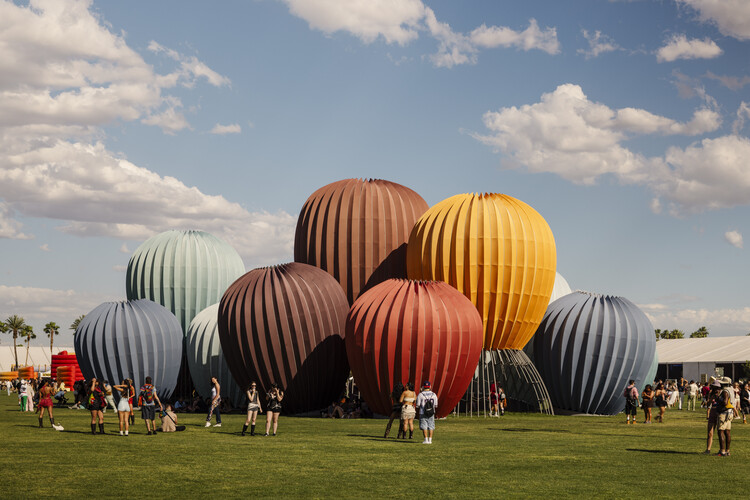
The 25th edition of the Coachella Valley Music and Arts Festival returns to the Empire Polo Club in Indio, California, from April 10 to 12 and April 17 to 19, 2026, bringing together more than 130 acts alongside an ambitious program of large-scale art installations. Presented by Public Art Company (PAC) and curated by founder Raffi Lehrer in collaboration with Goldenvoice Art Director Paul Clemente, this year's selection explores monumentality through luminance, transparency, and lightness of form. Set within Coachella's desert oasis, the installations invite visitors to engage physically and sensorially, responding to shifting daylight and the evolving atmosphere from sunrise to nightfall.
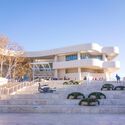
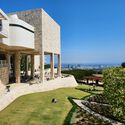
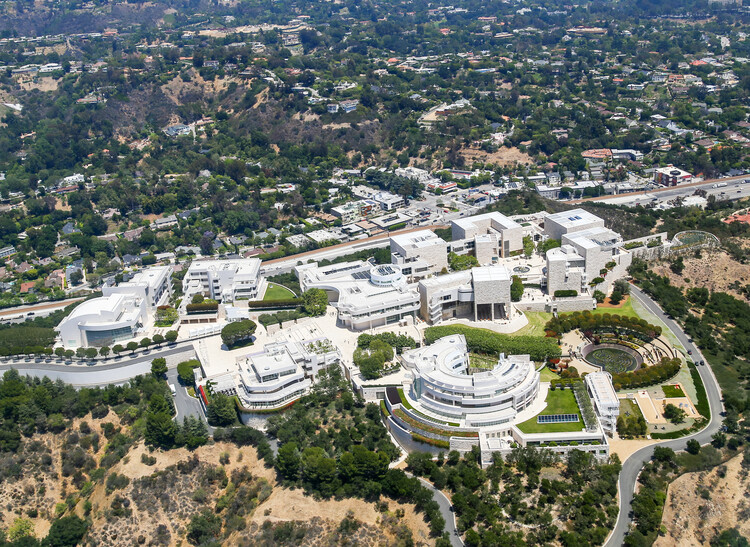
The Getty Centerhas announced a comprehensive modernization program marking its most significant transformation since its opening in 1997. Located within the Santa Monica Mountains and overlooking Los Angeles, the campus will temporarily close to the public from March 15, 2027, through spring 2028 to accommodate the planned works. The initiative focuses on enhancing visitor experience, improving accessibility, and advancing energy resilience, while supporting the long-term stewardship of the institution. Before the closure begins, the Getty Center will continue its program of exhibitions and events through early 2027.
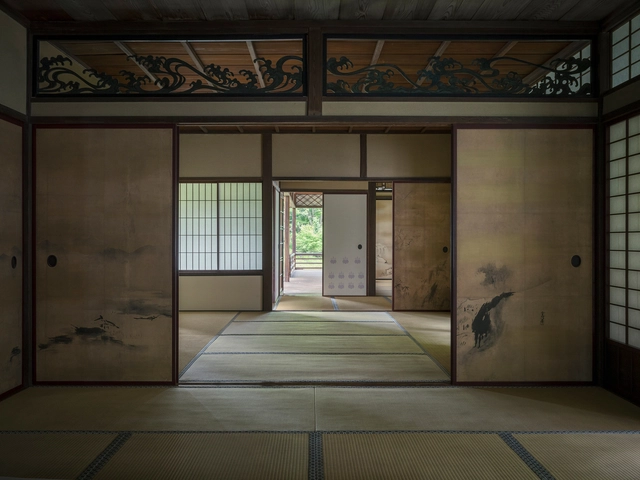
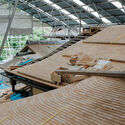
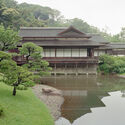
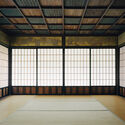
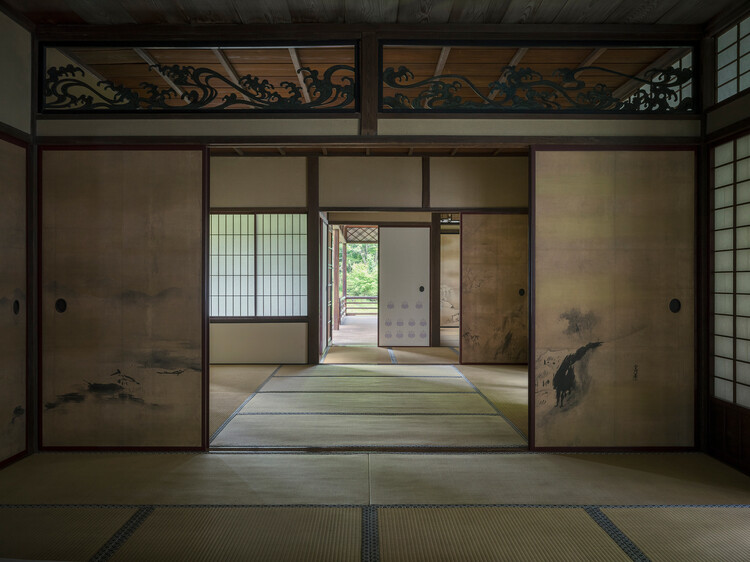
Rinshunkaku is a notable example of early Edo-period residential architecture. Originally built in the Wakayama Prefecture by the Kishu Tokugawa family, the villa was relocated to Sankeien, a traditional Japanese garden in the city of Yokohama, during the Taisho era (1912-1926). The garden was created in the early 20th century by businessman and art patron Sankei Hara and features a number of historic buildings relocated from Kyoto, Kamakura, and other areas of Japan. Rinshunkaku, one of the garden's gems, is a prime example of traditional Japanese architecture and wood construction. Its historical value motivated a large-scale restoration project in 2019, documented in the film Artisans of the Reiwa Era (Reiwa no Shokunin-tachi), filmed and edited by Katsumasa Tanaka and Hiroshi Fujiki. The documentary offers a close, detailed view of Japanese craftsmanship and wood expertise, highlighting rare traditional techniques and paying tribute to the artisans who preserve them.
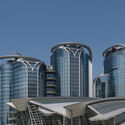
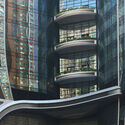
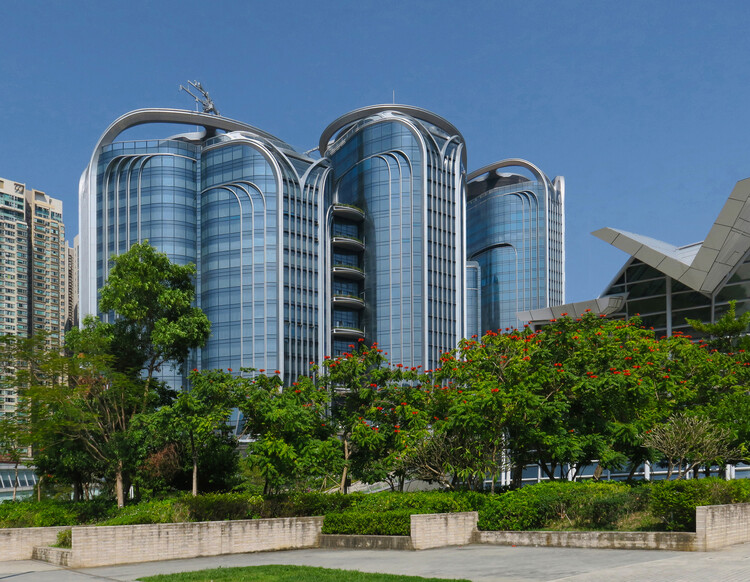
Photographer Paul Clemence documented the International Gateway Centre (IGC) in West Kowloon, a mixed-use development by Zaha Hadid Architects in Hong Kong, as it approaches completion. The photo series captures the project at a stage where its overall massing, facade systems, and spatial organization are largely realized, while final works continue across public and interior areas. Clemence's close-range views highlight the vertical shading pleats, the curvature of the glazed envelope, and the transitions between structural and environmental elements, underscoring how the building's formal language is resolved through construction.
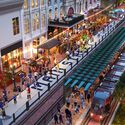
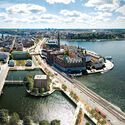
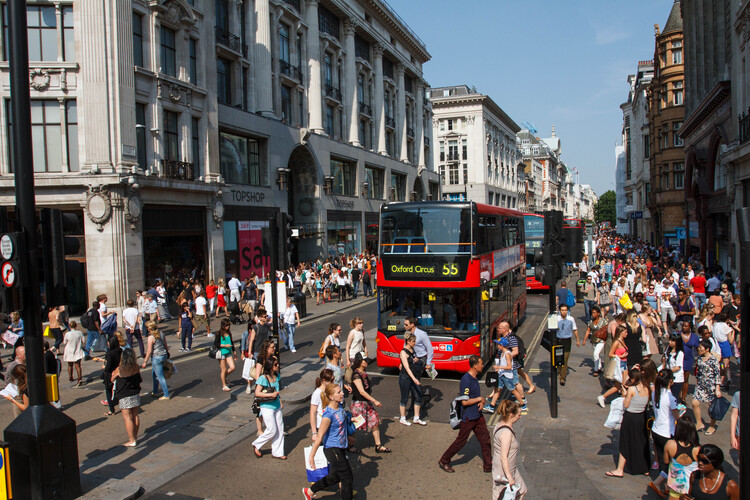
Across Europe and North America, pedestrianisation is increasingly being deployed as a context-specific urban strategy shaped by distinct economic, social, and spatial pressures. As cities continue to reassess the role of streets in the wake of economic shifts, climate pressures, and changing mobility patterns, pedestrianisation is emerging as a tool in current urban transformation efforts. Across London, New York, Houston, and Stockholm, ongoing pedestrian-first projects are testing different pathways toward more resilient and walkable cities, ranging from statutory planning and capital construction to research-driven visioning. London's Oxford Street is advancing through consultation and governance reform to address retail decline; New York's Paseo Park is moving from a temporary pandemic intervention into permanent infrastructure; Houston is accelerating the pedestrianisation of its downtown core in preparation for a global sporting event; and Stockholm's Superline is using design research to rethink the future of an inner-city motorway. These initiatives reveal how pedestrianisation is being actively negotiated, designed, and built today, adapting to local motivations while converging on a shared objective of streets that perform as resilient public spaces rather than traffic conduits.
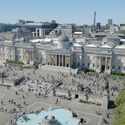
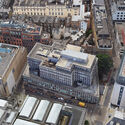
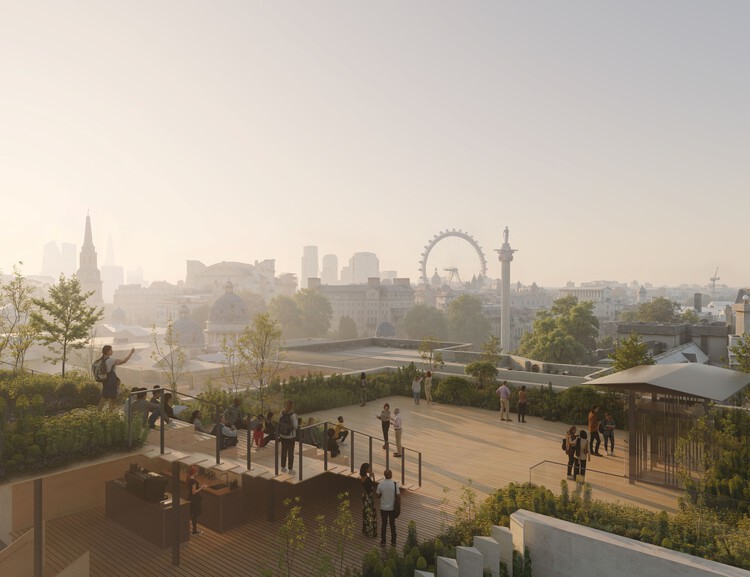
London's National Gallery has announced Kengo Kuma & Associates, in collaboration with BDP and MICA, as the winners of the international competition to design a new wing for the institution. Launched in September 2025, the competition attracted 65 submissions from international practices, from which six teams were shortlisted to develop proposals. The selection marks a key milestone in the institution's long-term development strategy, Project Domani, positioning the new addition as a central component in the reconfiguration of its architectural and curatorial framework. Conceived as the most significant transformation of the museum since its establishment in 1824, the project aims to expand both spatial capacity and curatorial scope, enabling the presentation of a continuous narrative of Western painting within a single setting.
This week marked World Health Day, observed annually on April 7 by the World Health Organization. This year's edition issued the call to "Stand with science," inviting renewed engagement with scientific knowledge as a foundation for collective action across disciplines. In architecture and urban design, this imperative resonates through projects that translate research into spatial strategies: from the deployment of digital twins to inform urban planning and decision-making, to rewilding initiatives that integrate biodiversity as a tool to mitigate climate change, and materially informed practices that engage resource-conscious construction. Within this broader framework, recent works also foreground architecture's social agency at multiple scales, including a landscape-driven cancer support center in Kent that aligns wellbeing with environmental sensitivity, an urban installation in Brescia operating as a civic awareness device around life in prison and pathways to reintegration, and the transformation of a street in Mantua into a pedestrian-oriented, biodiversity-rich public space.