Architect, urbanist, and Content Editor at ArchDaily, covering news and developments in architecture and the built environment. Editorial work focuses on the Gulf region and the Middle East, exploring contemporary regional architectural languages and their relationship to local contexts.
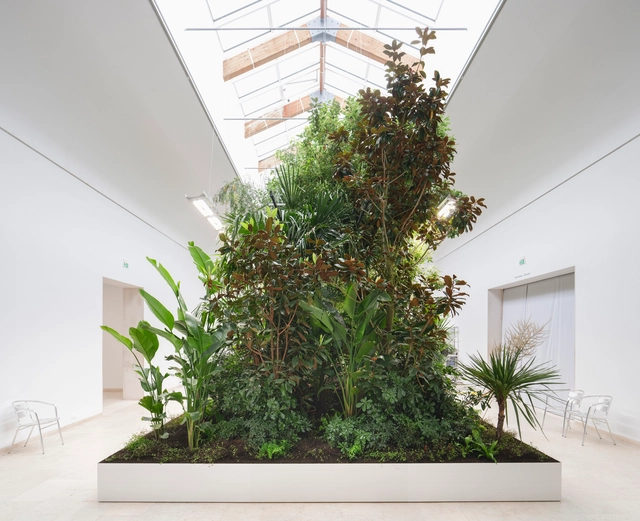
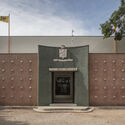
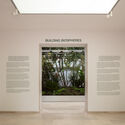
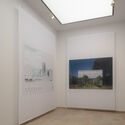
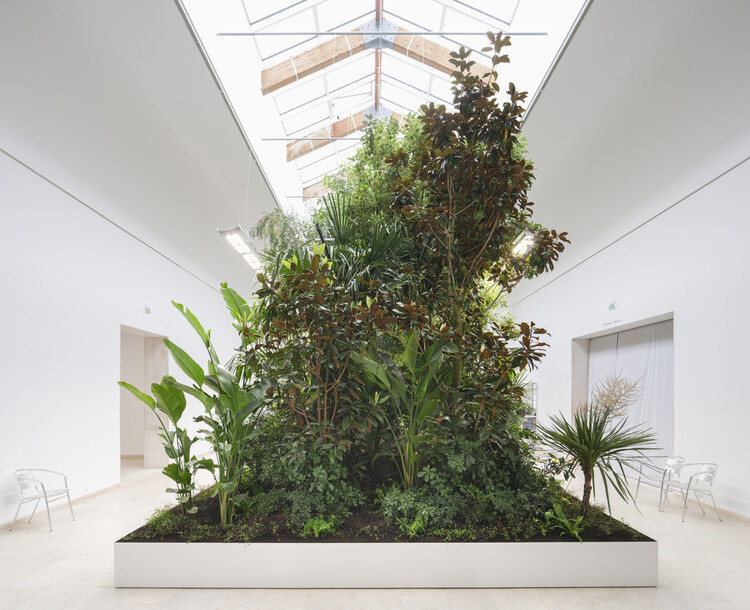
The 19th Biennale Architettura, which opened in Venice on May 10th, 2025, sees the Belgian pavilion transformed by an exhibition titled "Building Biospheres," curated by a team comprising landscape architect Bas Smets and biologist Stefano Mancuso. Initiated by the Flemish government and the Flanders Architecture Institute, this thought-provoking exhibit explores a transformative approach to architecture through the lens of plant intelligence.
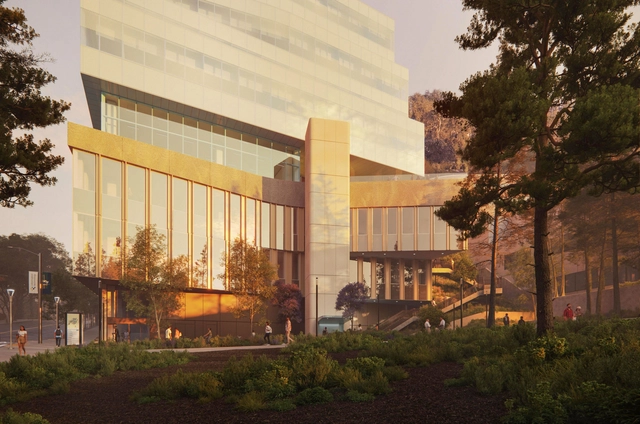
Courtesy of HGA | Barabara and Gerson Bakar Research and Academic Building (BRAB)
Architectural firms Snøhetta and HGA have just began work on the Barbara and Gerson Bakar Research and Academic Building (BRAB) at the University of California, San Francisco (UCSF). This nine-story, 323,000-square-foot facility is set to redefine UCSF's approach to biomedical research and academic collaboration. Designed as a state-of-the-art hub for scientific inquiry, BRAB will offer cutting-edge spaces for translational research, fostering breakthroughs in critical areas such as cancer, diabetes, microbiology, immunology, and cell biology.
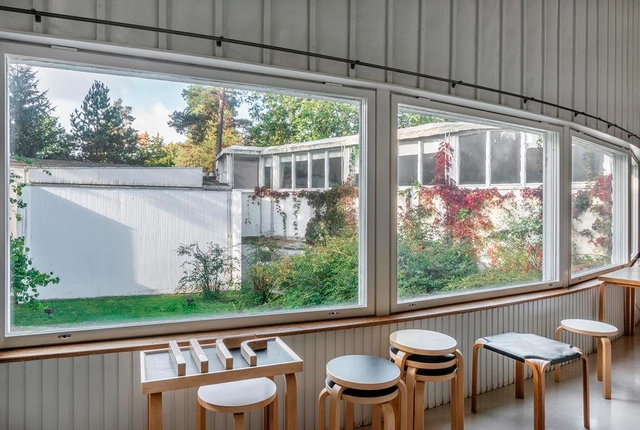
Studio Aalto and its garden area have just been officially granted protection by the Uusimaa Centre for Economic Development, Transport, and the Environment. Originally constructed in 1955 as an architect's office, with an extension in 1962-63, it holds major significance as the workspace where Alvar Aalto's acclaimed architecture was conceived. Additionally, the Studio reflects the architectural-office design ethos of the 1950s and 60s. Its interiors, including layers of furniture accumulated over decades, remain intact and are integral to the site's protected status, marking it as the first Aalto location in Finland to be listed in this way.
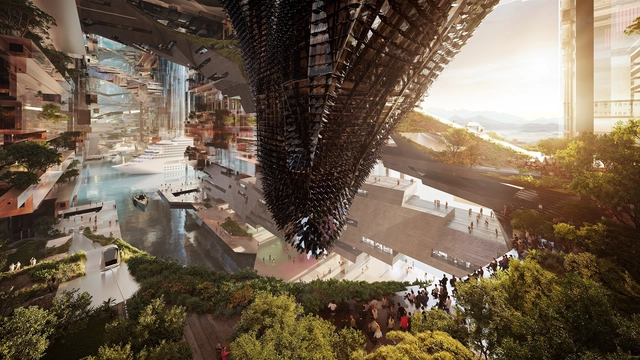
THE LINE, Phase One Strategic Partners. Image Courtesy of NEOM
NEOM has announced the appointment of new partners to advance the city planning, design, and engineering for the initial phase of THE LINE, a core component of its region in northwest Saudi Arabia. The collaboration brings together Delugan Meissl Associate Architects (DMAA), Gensler, and Mott MacDonald, who will work alongside THE LINE's design and development teams to shape the urban landscape, offering expertise in urban design, planning consultancy, and infrastructure development.
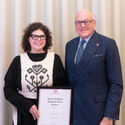
The Ukrainian volunteer organization Livyj Bereh has been named the recipient of the 2024 Royal Academy Dorfman Prize, which comes with a £10,000 (€12,000) award. This recognition celebrates emerging architectural talent and innovative practices that significantly impact the future of the built environment. The Dorfman Prize, supported by the Dorfman Foundation, highlights work that transcends conventional boundaries, embracing bold new ideas and community-driven approaches.
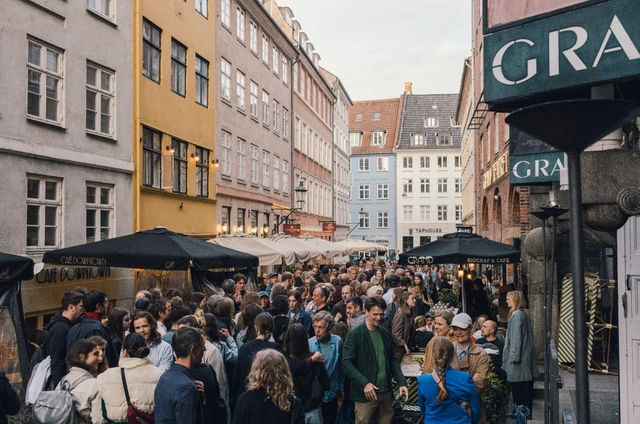
The inaugural Copenhagen Architecture Biennial, set to take place from September 18 to October 19, 2025, has announced its first curatorial theme, "Slow Down." Organized by CAFx, the biennial builds upon the foundation of the annual Copenhagen Architecture Festival, established in 2014, evolving into a larger international platform aimed at deepening engagement with architectural issues. This transition marks a shift in focus toward more comprehensive and long-term dialogue around the built environment's role in shaping society and addressing contemporary challenges.
The International Union of Architects (UIA), in partnership with UN-Habitat, has just announced the winners of the second cycle of the UIA 2030 Award. This prestigious award recognizes architectural achievements that advance the UN's 2030 Agenda for Sustainable Development and the New Urban Agenda. Honoring projects that embody sustainable design principles, the UIA 2030 Award celebrates contributions to Sustainable Development Goal 11: "Make cities and human settlements inclusive, safe, resilient, and sustainable."
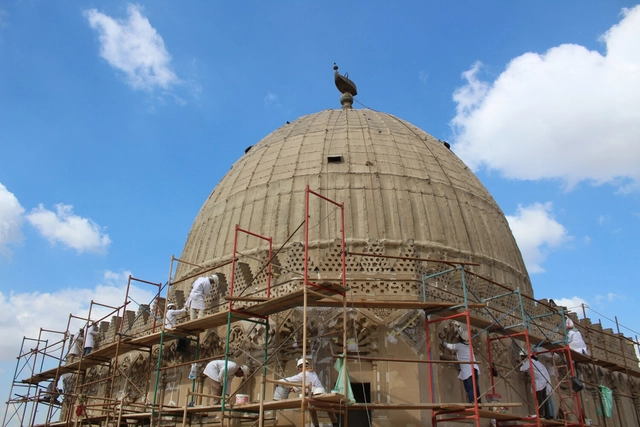
After receiving 100 submissions from 33 countries, regional finalists were selected in the first stage, representing the five UIA regions: Western Europe, Central and Eastern Europe and the Middle East, the Americas, Asia and Oceania, and Africa. These finalists moved on to Stage 2, where they submitted three-minute videos showcasing their projects in action and detailing their alignment with the SDGs. The winners in the six categories have been awarded during the World Urban Forum (WUF12), taking place in Cairo,Egypt, from November 4-8, 2024. This biennial competition highlights how architects around the world are advancing sustainable, inclusive urban solutions to address global challenges and shape resilient communities for the future.
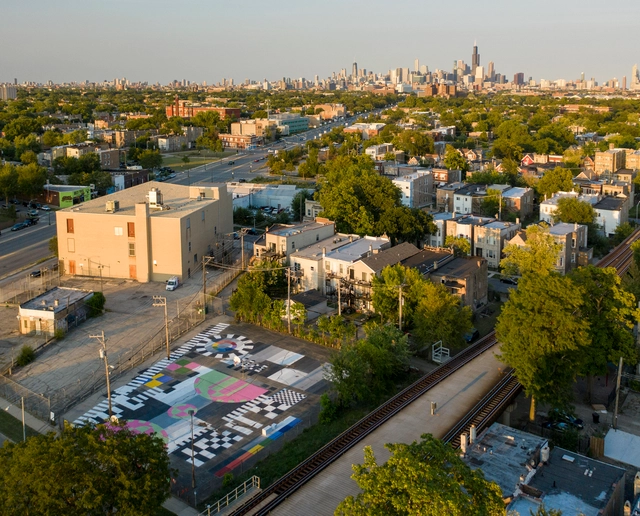
The Chicago Architecture Biennial (CAB) has announced its sixth edition, marking the tenth anniversary of the renowned event, to take place from September 12, 2025, to February 28, 2026. The event will be titled CAB 6: Shift: Architecture in Times of Radical Change and will be directed by Florencia Rodriguez, an esteemed architect, writer, and educator. As the first female Latin American Director to lead CAB, Rodriguez brings a fresh perspective to the Biennial, which is set to continue its tradition as North America's largest exhibition of contemporary architecture, held biennially in Chicago.
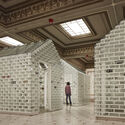
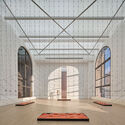
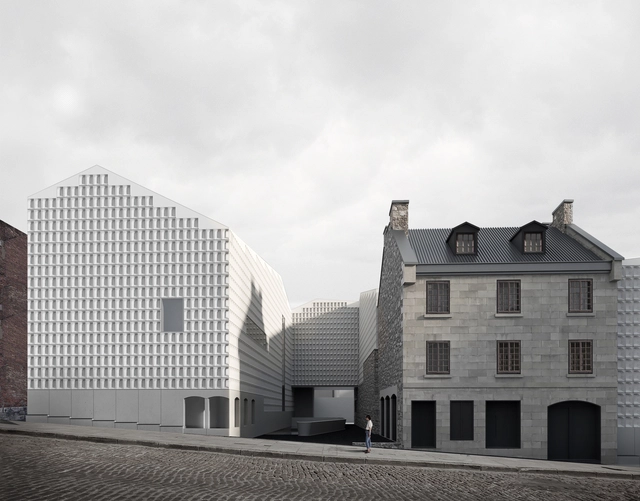
Cultural centers are vibrant places where art, community, and innovation intersect—each uniquely crafted to embody and celebrate its local character. This month's projects, submitted by the ArchDaily community, showcase a diverse array of cultural spaces, from the transformation of a historic townhouse in Montreal to a dynamic creative hub in Riyadh and an eco-conscious visitor center in Tennessee's mountains. Each design offers a new perspective on what a cultural center can be, whether a hub for creativity, a sanctuary for nature, or a bridge to the past.
The Australian Institute of Architects has announced the Creative Directors for the Australia Pavilion at the upcoming 19th International Architecture Exhibition - La Biennale di Venezia in 2025. Selected to lead this project, Dr. Michael Mossman, Emily McDaniel, and Jack Gillmer will present "HOME", a pavilion dedicated to Australia's natural environment and Indigenous knowledge systems.
In October 2024, "The Vessel" at Hudson Yards in New York City reopened to the public after being closed for nearly three years due to multiple suicides. Originally designed by Heatherwick Studio and opened in 2019, the 150-foot monumental staircase was closed in January 2021 after four individuals, all under the age of 25, tragically took their own lives within an 18-month span. This photo series by Paul Clemence captures "The Vessel" as it reopens, offering a fresh look at its design and renewed role in the city.
Courtesy of Safdie Architects | Marina Bay Islands
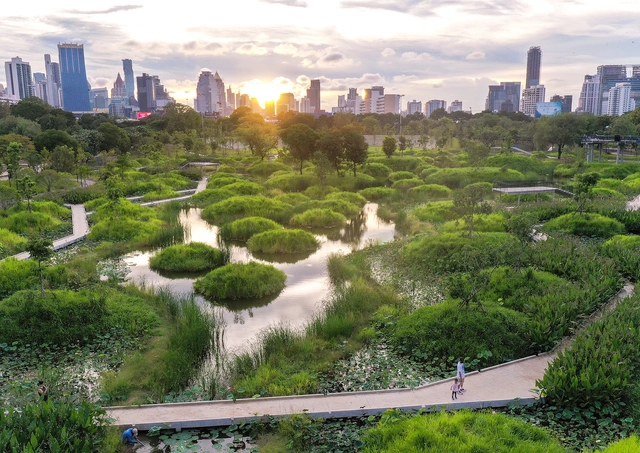
Nestled in the heart of Southeast Asia, Singapore stands as a beacon of sustainable urbanization. According to the 2016 Green City Index, the city-state of Singapore was the greenest city in Asia at one point. Renowned as the "City in a Garden," Singapore has intertwined lush greenery, verdant parks, and new environmental policies into its urban fabric/ After gaining independence in 1965, the city-state stands as a testament to how urban life can integrate with nature.
The Western Australian Government has announced the upcoming renovation of the Perth Concert Hall, a 51-year-old heritage-listed venue known for its significant role in the city's cultural landscape. Originally designed by architects Jeffrey Howlett and Don Bailey, the concert hall will undergo extensive upgrades led by OMA's Australian office in collaboration with Perth-based WITH Architecture Studio. The project is set to begin in early 2025, aiming to provide a modern home for the West Australian Symphony Orchestra (WASO) and improve visitor facilities through new public spaces, upgraded amenities, and improved seating.
In this roundup, ArchDaily consolidates this year's transformative updates in cities worldwide, organized into thematic clusters that capture the evolving nature of urban design and policy in 2024. Projects like the extensive renovations of Barcelona's La Rambla and the preservation efforts around Chicago's historic skyscrapers highlight preservation of urban heritage, while initiatives in Venice and Los Angeles respond to overtourism and housing pressures, balancing livability with growth. Meanwhile, ambitious master plans have been announced, including the revitalization of industrial sites in Tallinn and Connecticut, reflect how cities are reimagining their urban fabric. Finally, post-disaster rebuilding in Kharkiv and Türkiye underscores the urgency of resilience-driven design, ensuring that cities can endure and evolve even in challenging times. Together, these updates offer a glimpse into the global forces reshaping urban landscapes
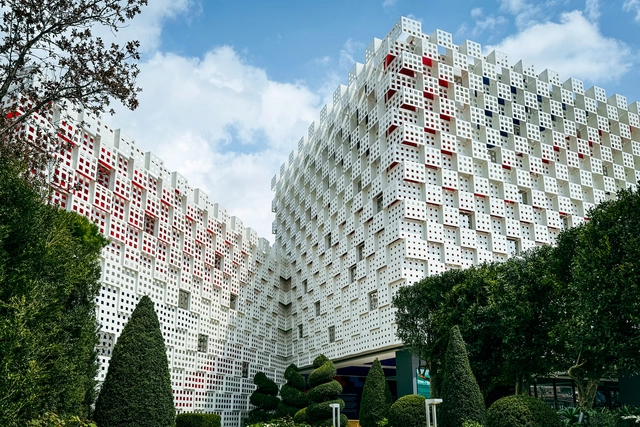
The MonacoPavilion at Expo 2025 Osaka explores the fusion of Mediterranean and Japanese landscapes, creating a unique cultural dialogue through architecture and landscape design. The pavilion's design, centered around a harmonious blend of Mediterranean and Japanese garden elements, embodies Monaco's global initiatives and its commitment to environmental stewardship. Reflecting the Expo's theme, "Take Care of Wonder," the pavilion invites visitors to experience a captivating and serene environment that celebrates both nature and culture.
Chapman Taylor's Saadiyat Beach District Residences project has moved to the construction phase, marking a new development within Saadiyat Island's expanding cultural and residential landscape. This waterfront project, part of the broader Saadiyat Island masterplan for Nael & Bin Harmel, situated near Abu Dhabi's urban center, will introduce a range of residential options, including apartments, townhouses, and villas.
Iceland presents the Lavaforming at its National Pavilion for the 19th International Architecture Exhibition – La Biennale di Venezia. Led by architect Arnhildur Pálmadóttir, founder of s.ap architects, the pavilion is commissioned by Halla Helgadóttir, Iceland Design and Architecture. Lavaforming envisions a provocative and speculative future in which the elemental force of lava is no longer seen solely as a natural hazard but instead embraced as a generative, architectural medium. By harnessing and directing controlled lava flows, the project explores the potential of molten rock to shape urban environments, transforming destruction into construction. Through a series of physical experiments and research-driven installations, Lavaforming demonstrates how this often-feared geological phenomenon could become a renewable and expressive material in the creation of future cities.