

Watch live the Holcim Foundation Awards 2025 Ceremony on November 20, broadcast from Venice, Italy, during the closing week of the 19th International Architecture Exhibition, to discover the regional Grand Prize winners. The Holcim Foundation for Sustainable Construction has announced the 20 winning projects of this cycle, selected across five regions: Asia Pacific, Europe, Latin America, the Middle East and Africa, and North America. This edition introduces a new Grand Prize format, replacing the Gold, Silver, and Bronze distinctions to highlight excellence without comparison and reflect the varied contexts in which sustainable design operates.
Architecture News
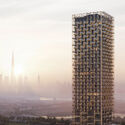
Dallas City Hall Debate and ZHA’s Symphony Tower in Dubai: This Week’s Review

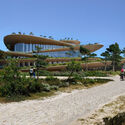
Across cultural districts and civic centers, this week's architectural developments highlight how institutions and city governments are reshaping their futures amid shifting environmental, social, and economic pressures. New museum and opera projects signal ongoing commitments to expanding public cultural infrastructure, while the debate surrounding Dallas' modernist City Hall illustrates the tensions that arise when questions of heritage meet rising maintenance demands and redevelopment pressures. At the same time, municipalities are advancing new regulatory tools to confront climate challenges, from electrification standards in Sydney and Boston to mobility restrictions and emerging forms of urban diplomacy. These developments reflect an increasingly complex landscape in which architectural environments evolve through a combination of cultural ambition, environmental targets, and shifting models of public decision-making.

https://www.archdaily.com/1036221/dallas-city-hall-debate-and-zhas-symphony-tower-in-dubai-this-weeks-reviewReyyan Dogan
The Japanese Pavilion at the 2025 Venice Biennale Explores Artificial Intelligence in Architectural Processes
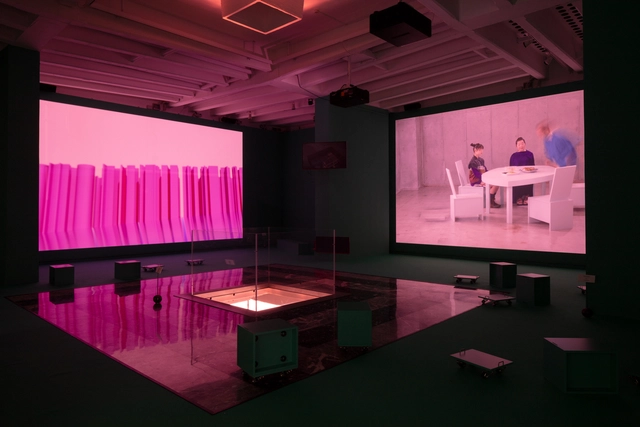
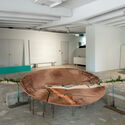
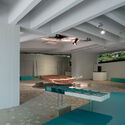
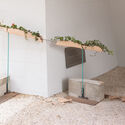
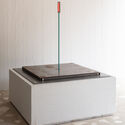
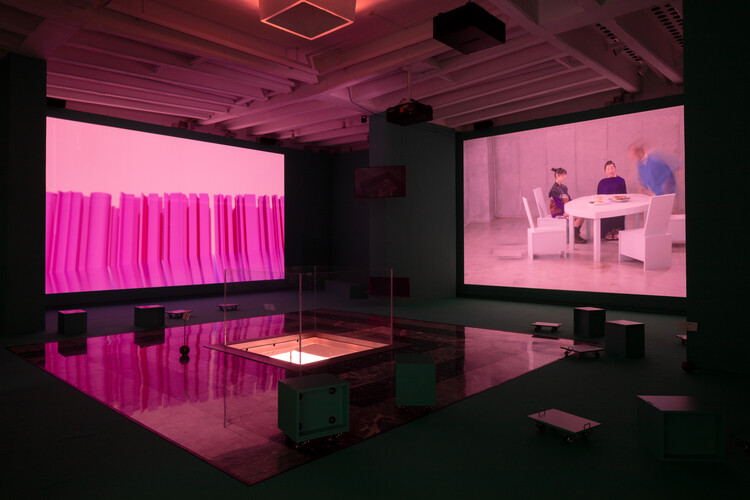
The Japan Pavilion at the 2025 Venice Biennale investigates the evolving role of artificial intelligence (AI) in architecture, focusing on the concept of the "in-between." Curated by Jun Aoki, the exhibition runs from May 10 to November 23, 2025, at the Giardini della Biennale in Venice. The exhibition explores the growing autonomy of AI in architectural design, raising questions about the shifting relationship between human agency and machine intelligence. The showcase aligns with the overarching theme "Intelligens. Natural. Artificial. Collective," curated by Carlo Ratti.
https://www.archdaily.com/1027934/japan-pavilion-at-2025-venice-biennale-explores-architectural-intelligence-in-architectural-processesNour Fakharany
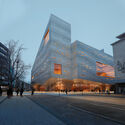
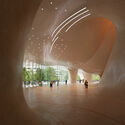
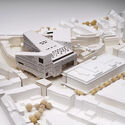
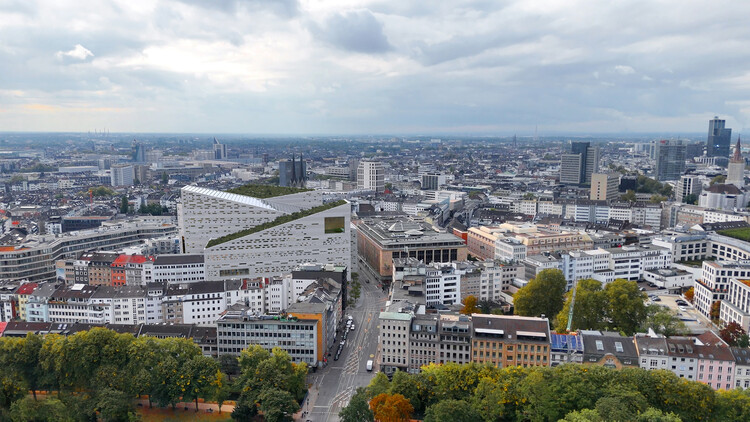
Snøhetta Reveals New Images of Winning Düsseldorf Opera House Design
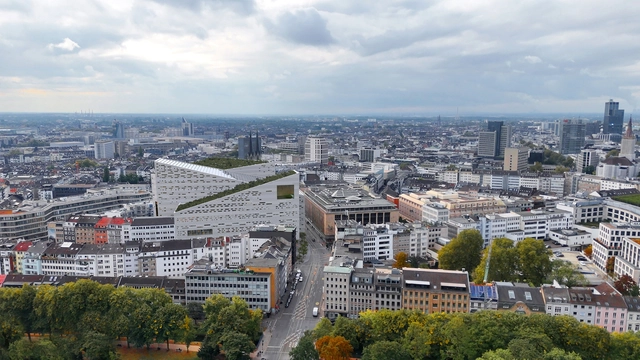
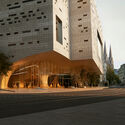
Snøhetta has revealed new images of their winning design for the new Düsseldorf Opera House. First launched in 2017, the "Opera House of the Future" competition experienced several interruptions over the years due to shifts in the planned construction site, extending the decision-making process for this significant cultural project. The new building is set to accommodate the Deutsche Oper am Rhein alongside the City of Düsseldorf's Music Library and the Clara Schumann Music School, forming a consolidated cultural venue. The proposal aims to establish a contemporary opera house that strengthens the city's cultural infrastructure and public life.
https://www.archdaily.com/1036205/snohetta-reveals-new-images-of-winning-dusseldorf-opera-house-designReyyan Dogan
DAM Launches Interactive Exhibition of 100 Years of Architectural Construction Kits in Frankfurt, Germany
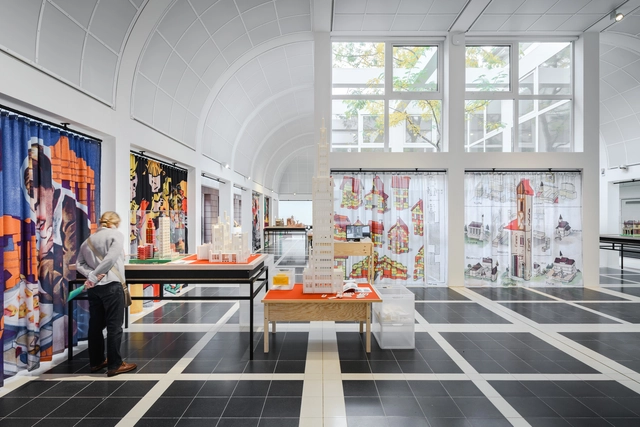
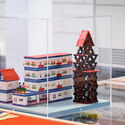
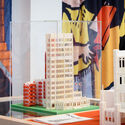
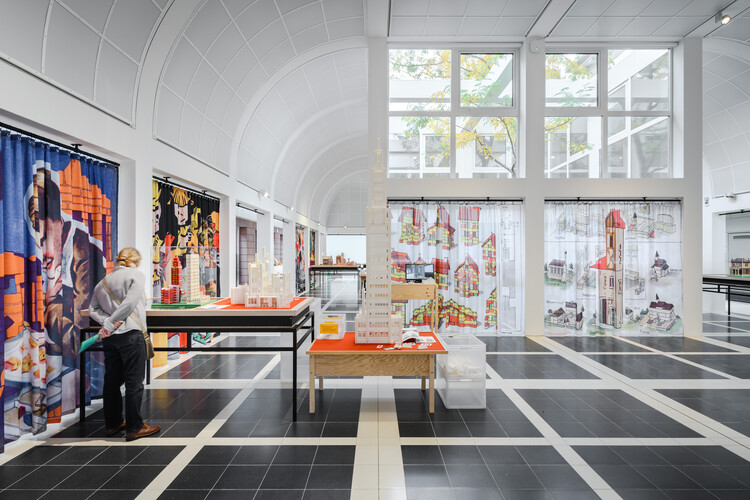
The Deutsches Architekturmuseum (DAM) in Frankfurt, Germany, has opened a new interactive exhibition, on view from October 25, 2025, to February 8, 2026, presenting 100 years of architectural construction kits. Developed in collaboration with graphic designer Claus Krieger, Professors Andreas Kretzer and Philipp Reinfeld from the Stuttgart University of Applied Sciences (HFT), their students, and the wider DAM team, the exhibition brings together around 80 construction kits produced between 1890 and 1990. Many of these systems have been recreated at an enlarged scale so visitors can test their assemblies at eight central play stations. Additional digital features include VR model worlds programmed by HFT students. Dozens of completed models illustrate the range of architectural ideas represented across the kits, and the full collection is documented in an accompanying catalogue. The exhibition is accompanied by a public competition titled How Small Can Architecture Be?, which invites participants to submit miniature architectural models for display.

https://www.archdaily.com/1036192/dam-launches-interactive-exhibition-of-100-years-of-architectural-construction-kits-in-frankfurt-germanyAntonia Piñeiro
Coldefy Completes the First Timber-Framed School in Northern France
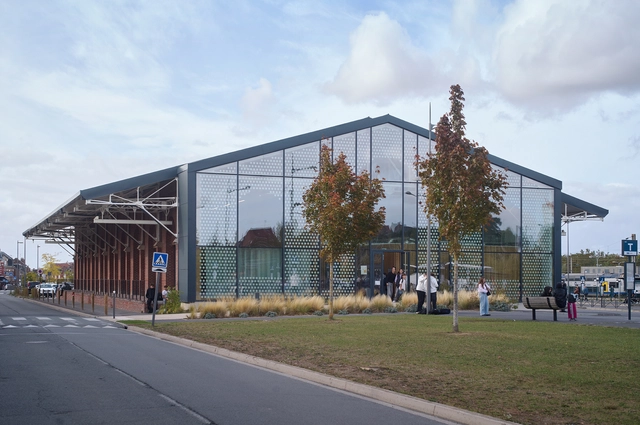
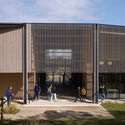
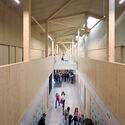
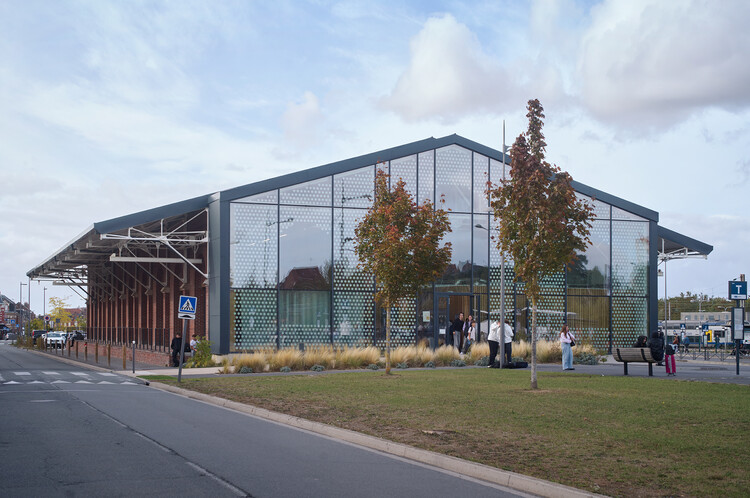
Coldefy, in collaboration with Relief Architecture, has completed the Robert Badinter Secondary School, the first timber-framed school in northern France. Designed to accommodate 650 students, the project is situated on a former railyard adjacent to the city's train station and within walking distance of the town center. The new school forms part of a wider urban renewal strategy aiming to consolidate transportation links and introduce new civic amenities to the area.
https://www.archdaily.com/1036170/coldefy-completes-the-first-timber-framed-school-in-northern-franceReyyan Dogan
ArchDaily Interviews From the 2025 Venice Architecture Biennale as the Exhibition Enters Its Final Week

As the 19th International Architecture Exhibition enters its final week before closing on November 23, the 2025 Venice Architecture Biennale offers a lens through which to revisit the ideas and experiments that have shaped this year's global architectural conversation. Curated by Carlo Ratti under the theme "Intelligens. Natural. Artificial. Collective.", the Biennale brings together more than 750 participants across national pavilions, collateral events, and city-wide installations. Framed around interconnected forms of intelligence, this edition examines architecture's role in navigating climatic instability, evolving technologies, and emerging forms of collaboration.


https://www.archdaily.com/1036108/archdaily-interviews-from-the-2025-venice-architecture-biennale-as-the-exhibition-enters-its-final-weekReyyan Dogan
Qatar Foundation Launches New Museum Dedicated to M. F. Husain in Doha’s Education City

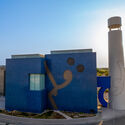
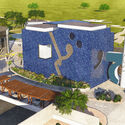
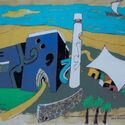
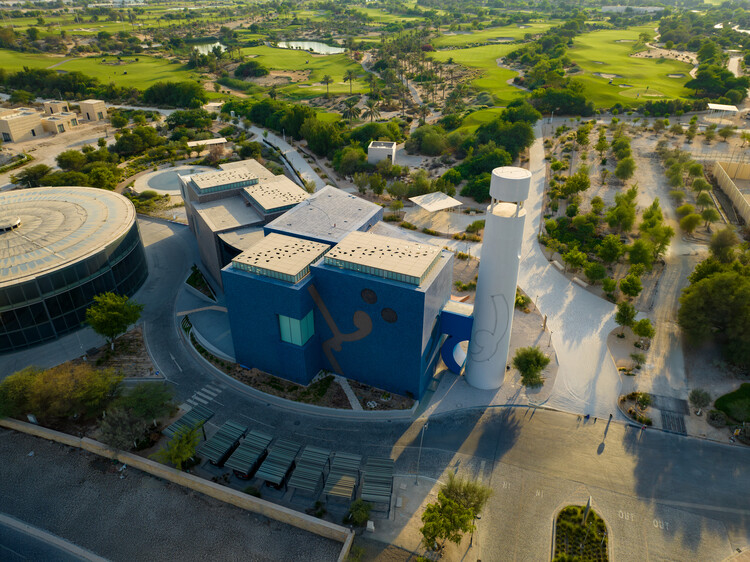
On November 28, 2025, Qatar Foundation will launch Lawh Wa Qalam: M. F. Husain Museum, a new addition to Qatar's cultural landscape dedicated to the life and work of artist Maqbool Fida Husain. The museum will be the world's first institution to trace Husain's artistic journey from the 1950s to his death in 2011, offering an immersive experience in a building drafted by the artist himself. The permanent exhibition will include paintings, films, tapestry, photography, poetry, and installations, presented through multimedia storytelling. Covering more than 3,000 square meters, the museum aims to foster creativity and dialogue, serving as a new space for learning and exploration within Qatar Foundation's Education City in Doha. The initiative adds to a campus that houses educational and research institutions designed by architects such as Arata Isozaki, Rem Koolhaas, and Antoine Predock, as well as firms like Legorreta + Legorreta and Mangera Yvars Architects.

https://www.archdaily.com/1036088/qatar-foundation-launches-new-m-f-husain-museum-in-dohas-education-cityAntonia Piñeiro
BIG Wins International Competition to Design the New Hamburg State Opera on HafenCity’s Waterfront
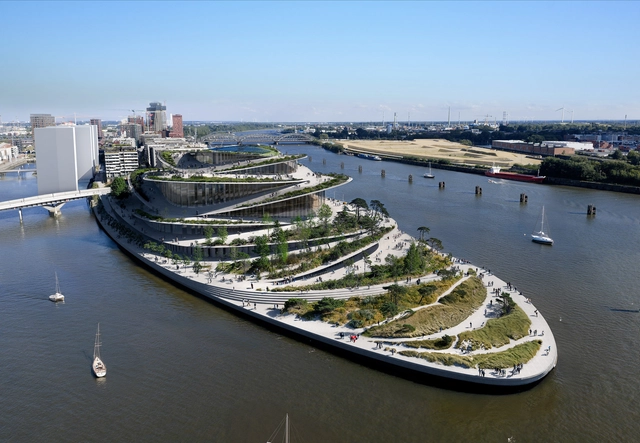
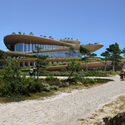
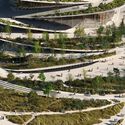
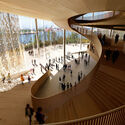
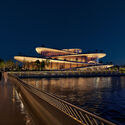
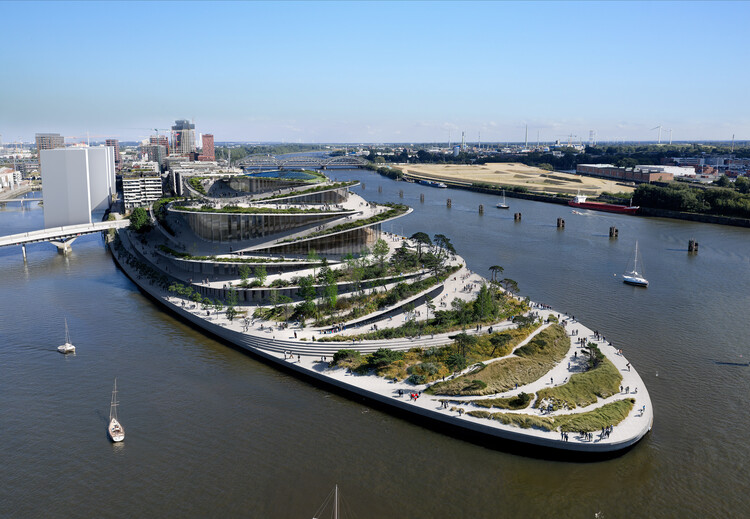
BIG – Bjarke Ingels Group has been selected as the winner of the international competition to design the new Hamburg State Opera, a major cultural project planned for the Baakenhöft peninsula in HafenCity, Hamburg, Germany. The building will consolidate the city's opera and ballet companies under one roof, introducing new performance spaces, production facilities, and public amenities along the Elbe. The project replaces the mid-20th-century opera house on Dammtorstraße, responding to the city's call for a venue that reflects contemporary standards in acoustics, stagecraft, and audience experience.
https://www.archdaily.com/1036048/big-wins-international-competition-to-design-the-new-hamburg-state-opera-on-hafencitys-waterfrontReyyan Dogan
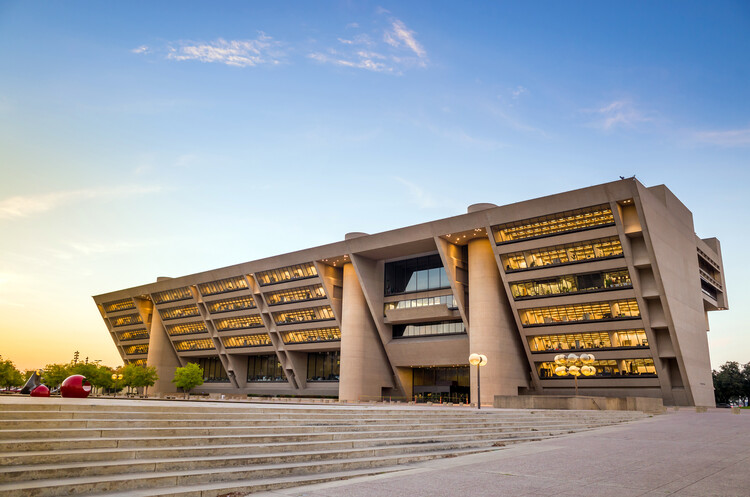
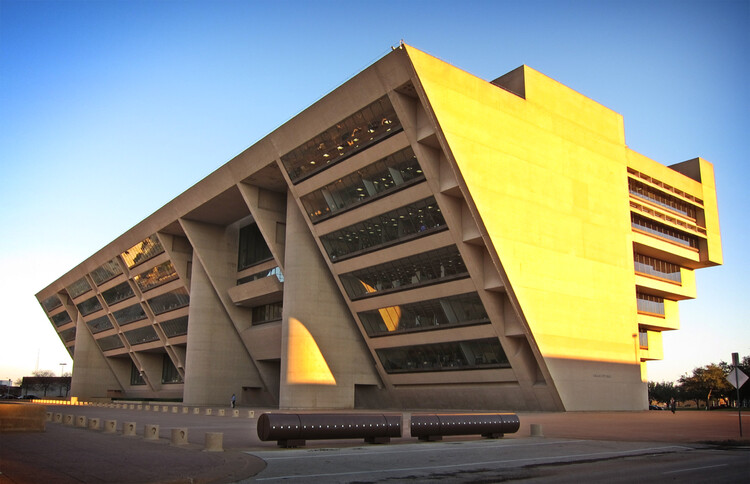
Dallas Evaluates Repair and Demolition Options for I.M. Pei’s Modernist City Hall

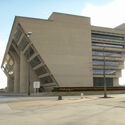
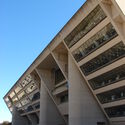
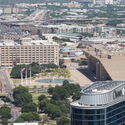
Since August 2025, debate has intensified in Dallas, United States, over the future of one of its modern landmarks: I.M. Pei & Partners' Dallas City Hall. This month, the Dallas City Council will continue weighing whether to repair, sell, or demolish the 47-year-old building, following growing concerns over long-deferred maintenance and the need for major investment. In late October, council members began public listening sessions and committee meetings to gather resident input. Preservationists and some council members urged a full study of repair options and historic landmarking, while others emphasized fiscal and operational concerns.
Supporters of preservation stress the building's civic and architectural significance, while those advocating for demolition point to high maintenance costs and the redevelopment potential of the centrally located site. A petition to "Save Dallas City Hall," calling on council members to halt demolition plans and commission a transparent renovation study, remains open for signatures. Meanwhile, the mayor has said he wants to review all the facts before taking a position on whether the city should relocate or invest in repairs. The case adds to the growing list of modernist icons worldwide facing uncertain futures, sparking broader cultural debates about civic heritage and public infrastructure.
https://www.archdaily.com/1036025/dallas-evaluates-repair-and-demolition-options-for-im-peis-modernist-city-hallAntonia Piñeiro
Lucas Museum of Narrative Art by MAD Architects Set to Open September 2026 in Los Angeles
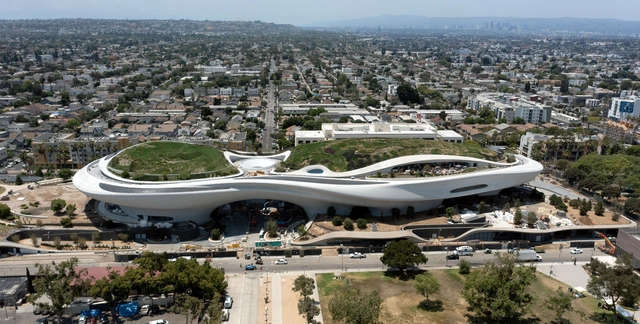
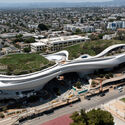
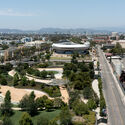
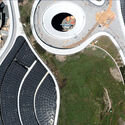
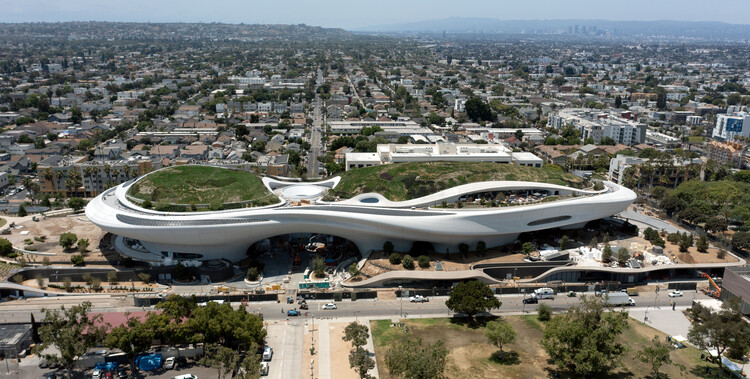
The Lucas Museum of Narrative Art has announced that it will open to the public on September 22, 2026, adding a new cultural institution to Los Angeles's Exposition Park. Founded by George Lucas and Mellody Hobson, the museum is dedicated to illustrated and narrative storytelling, understood as visual works that communicate stories across media and periods. The building is designed by Ma Yansong of MAD Architects, with landscape architecture by Mia Lehrer of Studio-MLA and Stantec serving as executive architect.

https://www.archdaily.com/1036001/lucas-museum-of-narrative-art-by-mad-architects-set-to-open-september-2026-in-los-angelesReyyan Dogan
New Cultural Venues, Awards and Transformative Architecture From Ghana to New York: This Week’s Review
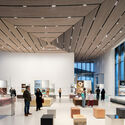
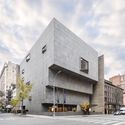
This week's architecture news highlights a diverse global landscape of design innovation, cultural investment, and adaptive reuse. Across continents, new museums and cultural venues are opening to foster dialogue around art, design, and community engagement. At the same time, major recognitions and project announcements underscore the growing importance of sustainable, socially conscious practices in shaping contemporary architecture. From adaptive transformations in New York, Tainan, and Milan, including preparations for the Milano Cortina 2026 Winter Games, to new cultural landmarks in Ghana and Qatar, this week's overview features projects by leading firms such as Herzog & de Meuron, Snøhetta, and Mecanoo, alongside initiatives from emerging practices like Limbo Accra in West Africa.
https://www.archdaily.com/1035984/new-cultural-venues-awards-and-transformative-architecture-from-ghana-to-new-york-this-weeks-reviewAntonia Piñeiro
Ammodo Architecture Awards 2025 Announces 26 Recipients for Socially and Ecologically Responsible Design
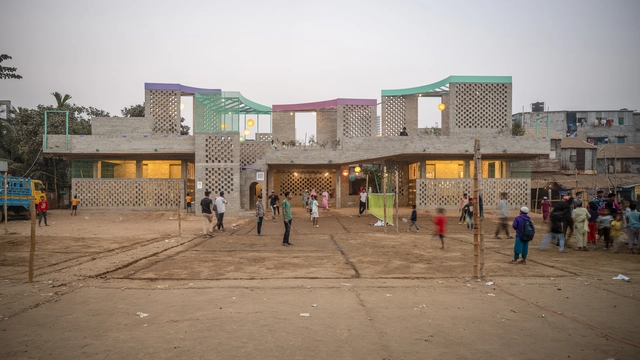
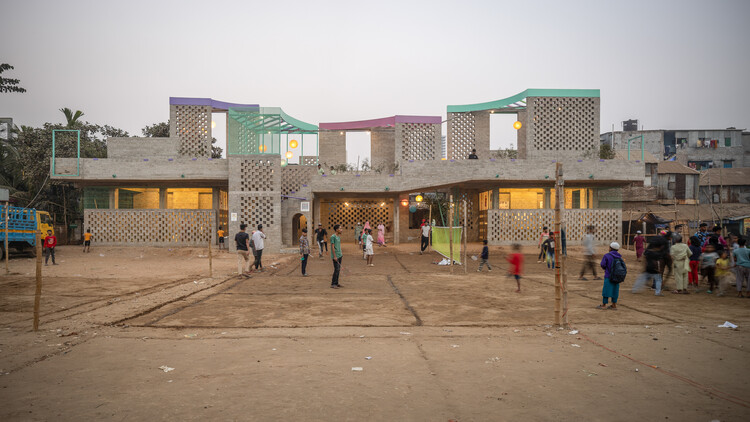
The second edition of the Ammodo Architecture Award has recognized 26 recipients for their contributions to socially and ecologically responsible design. Selected from 168 submissions spanning over 60 countries, the laureates represent a wide range of practices, from established offices to emerging collectives and community-led initiatives. Each recipient receives a grant ranging from €10,000 to €150,000 to support the continued development of their projects. Beyond recognition and financial support, the Ammodo Architecture initiative also functions as a knowledge platform, connecting awardees across regions and facilitating the exchange of ideas on key themes identified by the advisory committee.


https://www.archdaily.com/1035920/ammodo-architecture-awards-2025-announces-26-recipients-for-socially-and-ecologically-responsible-designReyyan Dogan
AMO / OMA Explores the Future of Rural Living with “Countryside: A Place to Live, Not to Leave” in Doha
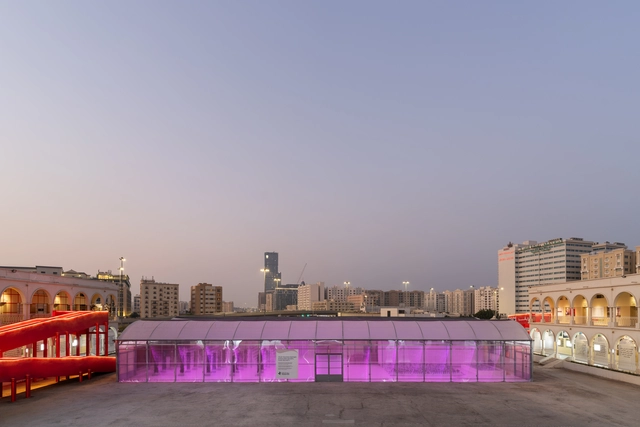
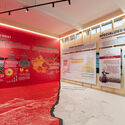
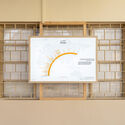
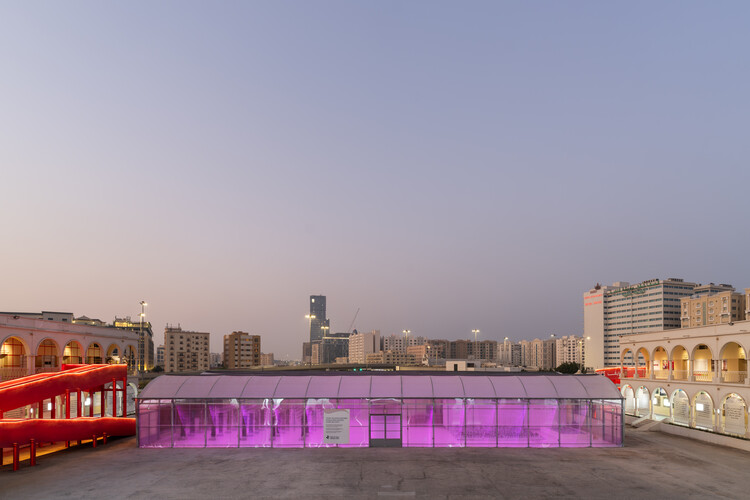
Countryside: A Place to Live, Not to Leave by AMO / OMA presents an exploration of contemporary life beyond the city, examining how rural territories adapt to global transformation. Conceived under the direction of Rem Koolhaas and Samir Bantal, with Yotam Ben Hur as project architect, the exhibition is presented by Qatar Museums in collaboration with the Qatar Fund for Development (QFFD), the Ministry of Environment and Climate Change (MoECC), Hassad Food, and Kahramaa. It is hosted across two venues in Doha, the Qatar Preparatory School and the National Museum of Qatar, and remains accessible to the public until June 30, 2026.
https://www.archdaily.com/1035961/amo-oma-explores-the-future-of-rural-living-with-countryside-a-place-to-live-not-to-leave-in-dohaReyyan Dogan
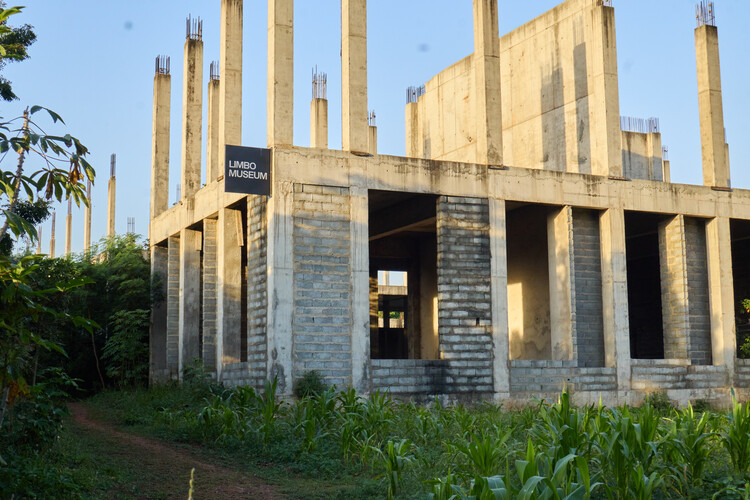
Limbo Museum Opens Its Debut Exhibition Within an Unfinished Brutalist Building in Ghana, West Africa

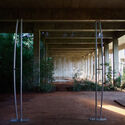
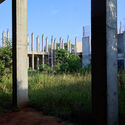
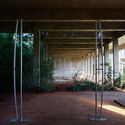
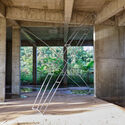
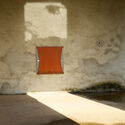
The Limbo Museum is a new institution dedicated to architecture, art, and design based in Ghana, West Africa. The museum challenges the concept of the ruin, operating from a formerly abandoned Brutalist estate that currently conveys the image of an unfinished building. The project was founded by Limbo Accra, a spatial design and research-based practice established in 2018 by Dominique Petit-Frère and Emil Grip, dedicated to "unlocking the potential of unfinished buildings across West Africa and beyond." On October 31, 2025, the museum opened its first public exhibition, On the Other Side of Languish by Reginald Sylvester II, developed through the institution's visiting artist residency program.
https://www.archdaily.com/1035953/limbo-museum-opens-its-debut-exhibition-within-an-unfinished-brutalist-building-in-ghana-west-africaAntonia Piñeiro
BIG’s Suzhou Museum of Contemporary Art in China Nears Completion with "Materialism" Exhibition

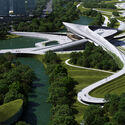
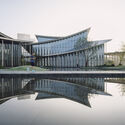
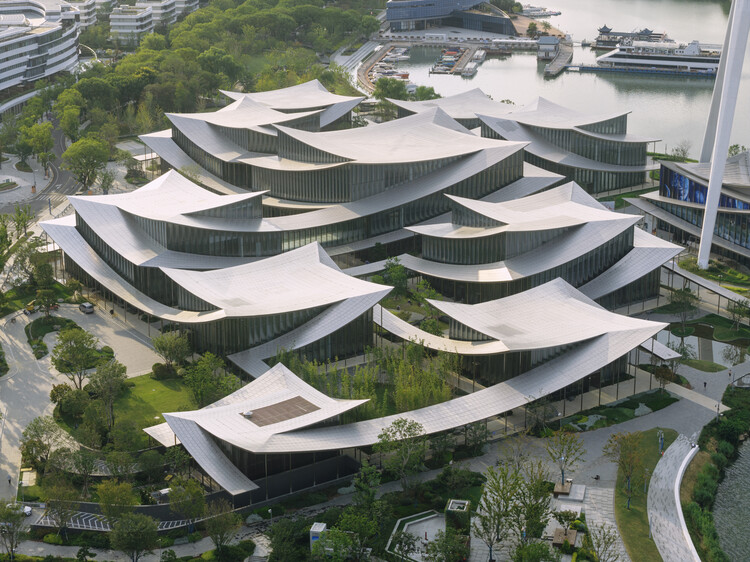
The Suzhou Museum of Contemporary Art (Suzhou MoCA), designed by BIG – Bjarke Ingels Group, is nearing completion along the Jinji Lake waterfront in Suzhou, China. Conceived as a cluster of twelve pavilions beneath a continuous, ribbon-like roof, the 60,000-square-meter complex reinterprets the traditional garden architecture that has long defined Suzhou's urban and cultural identity. Commissioned by the Suzhou Harmony Development Group and developed in collaboration with ARTS Group and Front Inc., the project is expected to open officially in 2026. The museum will debut with "Materialism," an exhibition curated by BIG that traces a material journey from stone to recyclate.



https://www.archdaily.com/1035914/bigs-suzhou-museum-of-contemporary-art-in-china-nears-completion-with-materialism-exhibitionReyyan Dogan
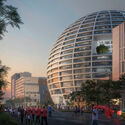
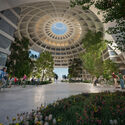
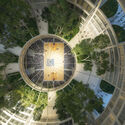
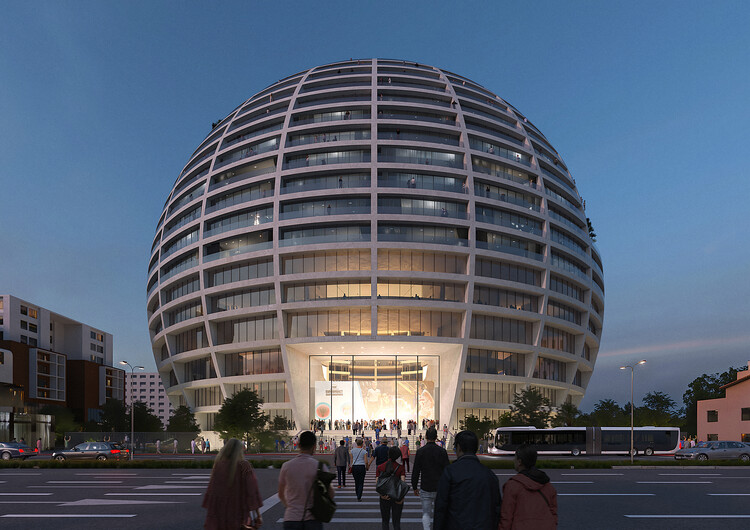
MVRDV Designs Spherical Landmark for Tirana’s New Asllan Rusi Sports Palace
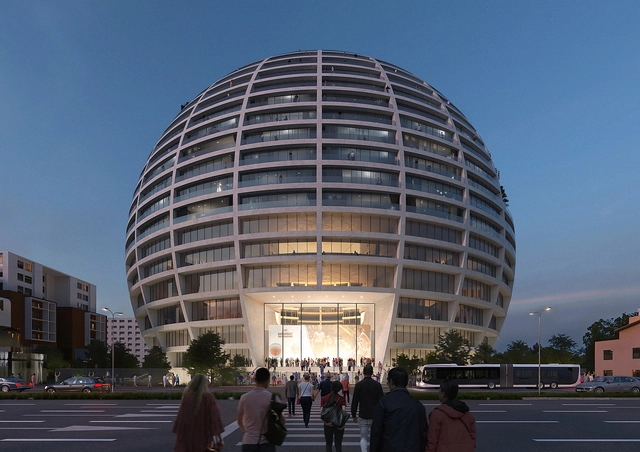
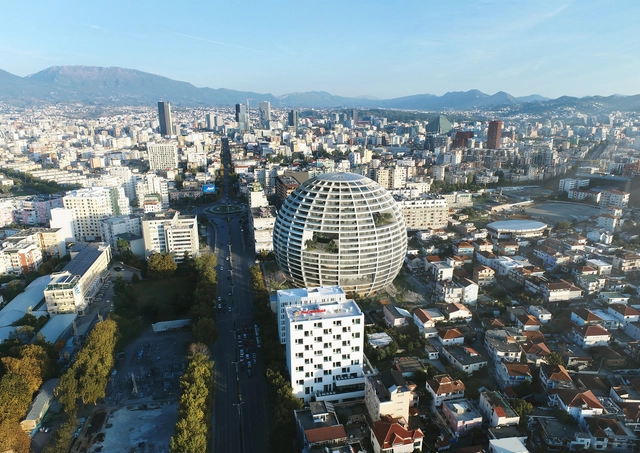
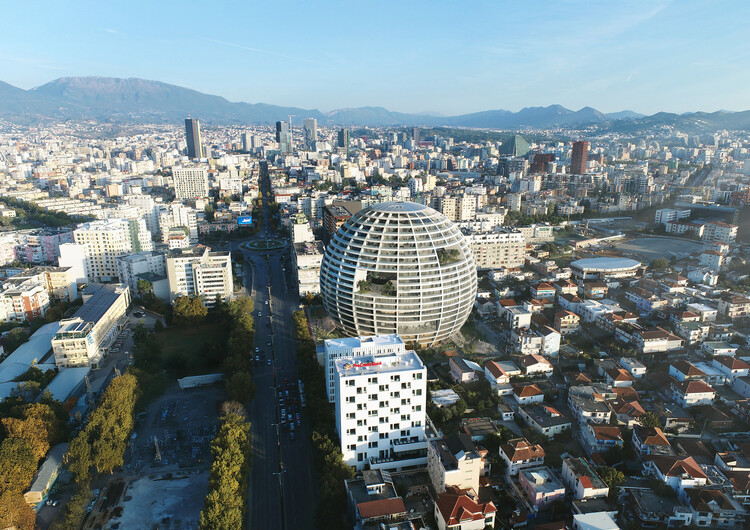
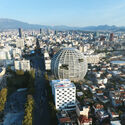
Tirana, the capital of Albania, is experiencing a rapid transformation driven by the long-term urban strategy outlined in the Tirana 2030 (TR030) Master Plan. Developed in 2017 by Stefano Boeri Architetti, UNLAB, and IND [Inter.National.Design] through a competition organized by the Ministry of Urban Development, the plan's objectives include increasing urban density, improving public infrastructure, and integrating green spaces and open areas into the urban fabric. It is in this dynamic setting that MVRDV has won the international competition for Tirana's new Asllan Rusi Sports Palace. Conceived as a mixed-use development, the project, named The Grand Ballroom, combines a 6,000-seat arena for basketball and volleyball with residential apartments, a hotel, and ground-level retail. With its spherical form exceeding 100 metres in diameter, the design adds a distinctive landmark to Tirana's growing collection of ambitious architectural projects.
https://www.archdaily.com/1035904/mvrdv-designs-spherical-landmark-for-tiranas-new-asllan-rusi-sports-palaceAntonia Piñeiro
2025 Pritzker Architecture Prize Ceremony Video Released Honoring Liu Jiakun
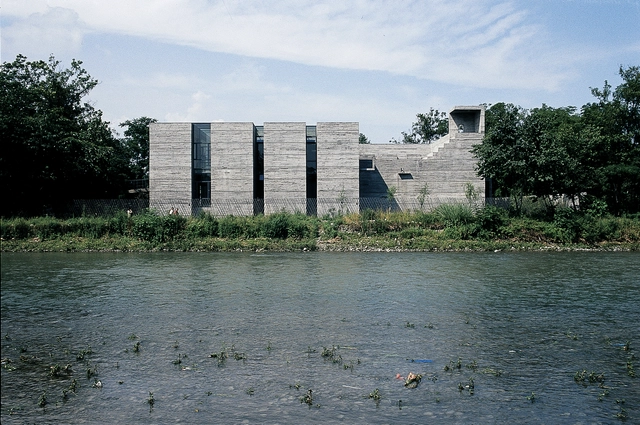
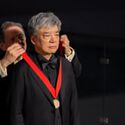
The Pritzker Architecture Prize has released a special video honoring Liu Jiakun, the 54th Laureate of the award. Filmed at the Louvre Abu Dhabi, the ceremony celebrates Liu's architectural vision, characterized by a deep engagement with civic life, cultural continuity, and the human condition. The film captures moments from the event and offers insight into Liu's broader practice, emphasizing architecture's capacity to reconcile tradition and modernity while addressing social and environmental challenges. The release of the ceremony video marks the culmination of the 47th edition of the Pritzker Architecture Prize. The 2026 Laureate will be announced in March, continuing the award's legacy of recognizing architects whose work advances the discipline and its role in shaping human experience.

https://www.archdaily.com/1035919/2025-pritzker-architecture-prize-ceremony-video-released-honoring-liu-jiakunReyyan Dogan