

Watch live the Holcim Foundation Awards 2025 Ceremony on November 20, broadcast from Venice, Italy, during the closing week of the 19th International Architecture Exhibition, to discover the regional Grand Prize winners. The Holcim Foundation for Sustainable Construction has announced the 20 winning projects of this cycle, selected across five regions: Asia Pacific, Europe, Latin America, the Middle East and Africa, and North America. This edition introduces a new Grand Prize format, replacing the Gold, Silver, and Bronze distinctions to highlight excellence without comparison and reflect the varied contexts in which sustainable design operates.
News
How Open-Source Toolkits Are Democratizing Built Heritage

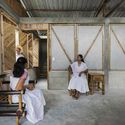
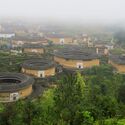
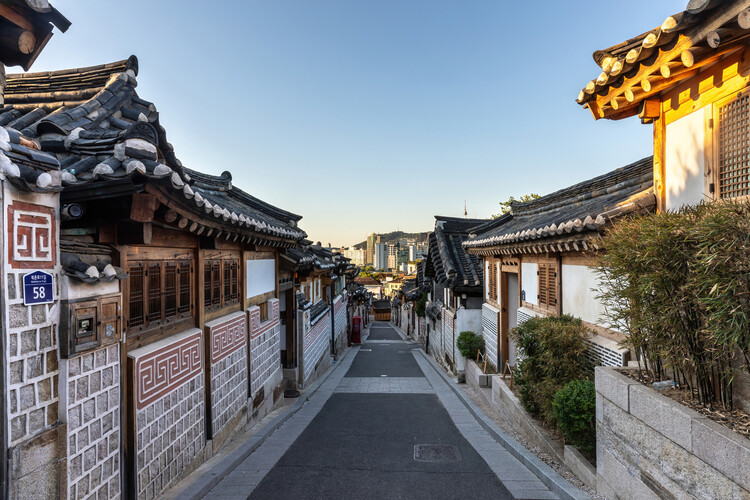
For monuments worthy of sustained admiration, conservation practices have been selectively mobilized to reinforce their prestige and secure their place at the center of heritage narratives. Structures whose vernacular ought to be passed down miss the discerning eye of the experts. Rowhouses, shopfronts, and neighborhood structures that form the fabric of our cities are often left to deteriorate beyond repair. Much more is lost, apart from aesthetics.


https://www.archdaily.com/1036161/how-open-source-toolkits-are-democratizing-built-heritageAnkitha Gattupalli
The Role of Responsible AI in Transforming Architectural Practices and Design
| Sponsored Content
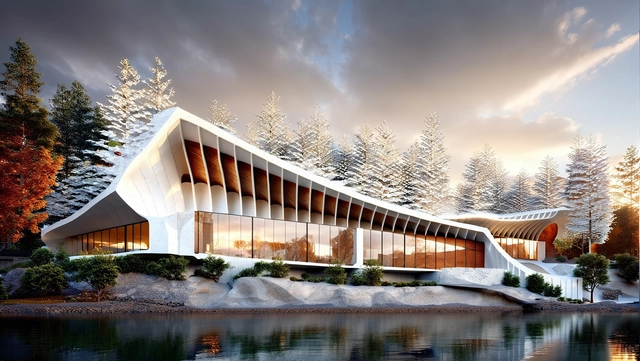
The conversation around AI in architecture has shifted from hype to application. Architects and designers now want to understand how the intelligent use of AI-powered tools can drive innovation and create a competitive advantage. Yet, as curiosity and optimism grow, firms also face concerns about the ethical and legal questions surrounding AI adoption.
https://www.archdaily.com/1035931/the-role-of-responsible-ai-in-transforming-architectural-practices-and-designRene Submissions
Dallas City Hall Debate and ZHA’s Symphony Tower in Dubai: This Week’s Review

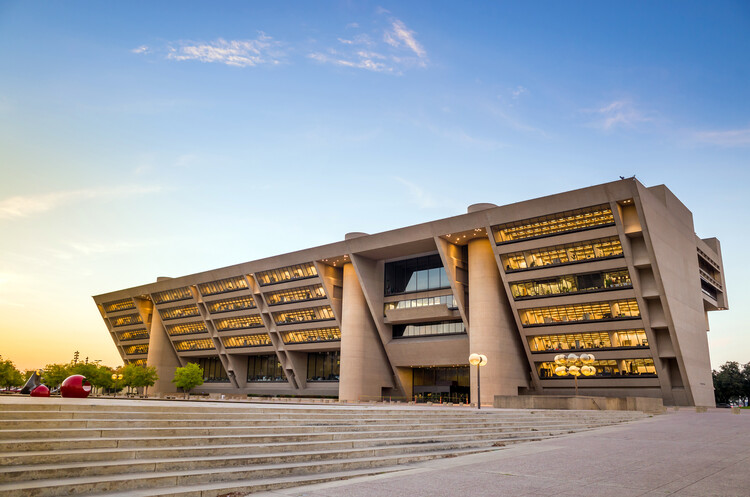
Across cultural districts and civic centers, this week's architectural developments highlight how institutions and city governments are reshaping their futures amid shifting environmental, social, and economic pressures. New museum and opera projects signal ongoing commitments to expanding public cultural infrastructure, while the debate surrounding Dallas' modernist City Hall illustrates the tensions that arise when questions of heritage meet rising maintenance demands and redevelopment pressures. At the same time, municipalities are advancing new regulatory tools to confront climate challenges, from electrification standards in Sydney and Boston to mobility restrictions and emerging forms of urban diplomacy. These developments reflect an increasingly complex landscape in which architectural environments evolve through a combination of cultural ambition, environmental targets, and shifting models of public decision-making.

https://www.archdaily.com/1036221/dallas-city-hall-debate-and-zhas-symphony-tower-in-dubai-this-weeks-reviewReyyan Dogan
The Japanese Pavilion at the 2025 Venice Biennale Explores Artificial Intelligence in Architectural Processes
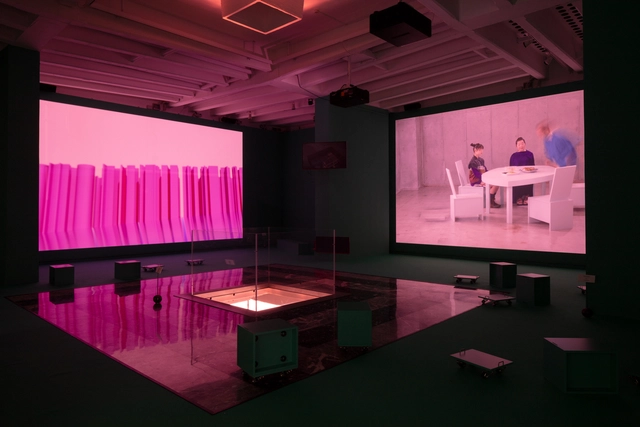
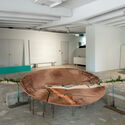
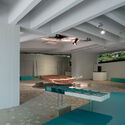
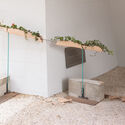
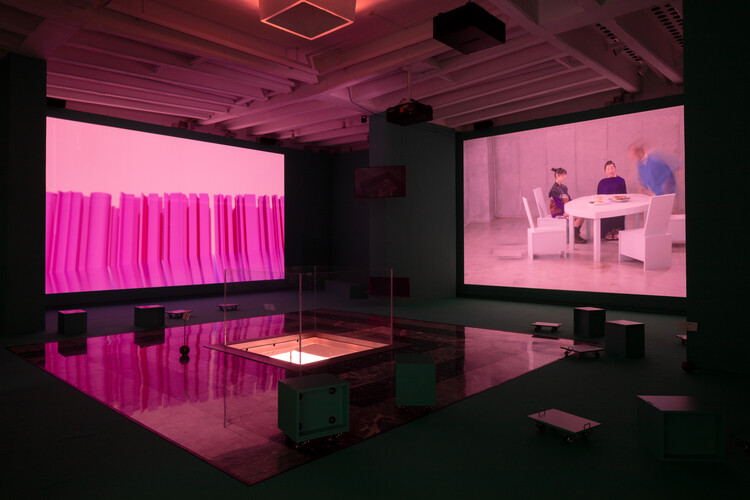
The Japan Pavilion at the 2025 Venice Biennale investigates the evolving role of artificial intelligence (AI) in architecture, focusing on the concept of the "in-between." Curated by Jun Aoki, the exhibition runs from May 10 to November 23, 2025, at the Giardini della Biennale in Venice. The exhibition explores the growing autonomy of AI in architectural design, raising questions about the shifting relationship between human agency and machine intelligence. The showcase aligns with the overarching theme "Intelligens. Natural. Artificial. Collective," curated by Carlo Ratti.

https://www.archdaily.com/1027934/japan-pavilion-at-2025-venice-biennale-explores-architectural-intelligence-in-architectural-processesNour Fakharany
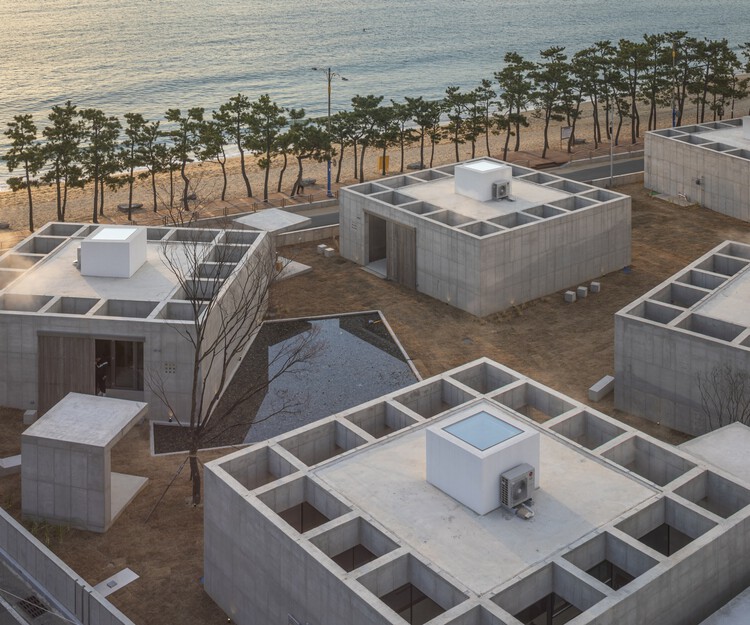
Elemental Shores in the Asia-Pacific: Concrete Recasts the Beach House

Living by the beach has long been a defining aspiration—drawn by the promise of tempered nature, privacy, and immediate access to the water. Historically, beach houses tended to be rustic and pared back: partly because servicing remote sites and delivering materials was difficult, and partly because their charm lay in being closer to the elements—simpler, rougher, more direct.
Accordingly, many early beach houses were built in timber. Wood offered clear advantages: it was lightweight, adaptable, quick to work with, and could be erected with minimal heavy machinery. While timber weathers and fares poorly in salt-laden humidity, exterior-grade lumber carries a raw, natural character that reinforced the appeal of the beach-house ideal.

https://www.archdaily.com/1036100/elemental-shores-in-the-asia-pacific-concrete-recasts-the-beach-houseJonathan Yeung
The Architecture of Restraint: When Choosing Not to Build Becomes Design
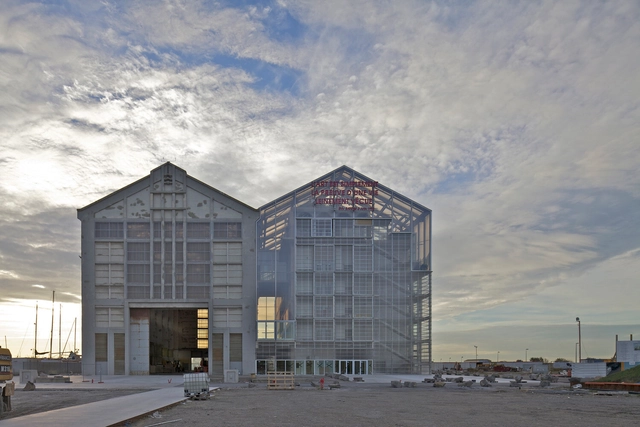
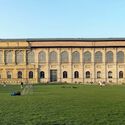
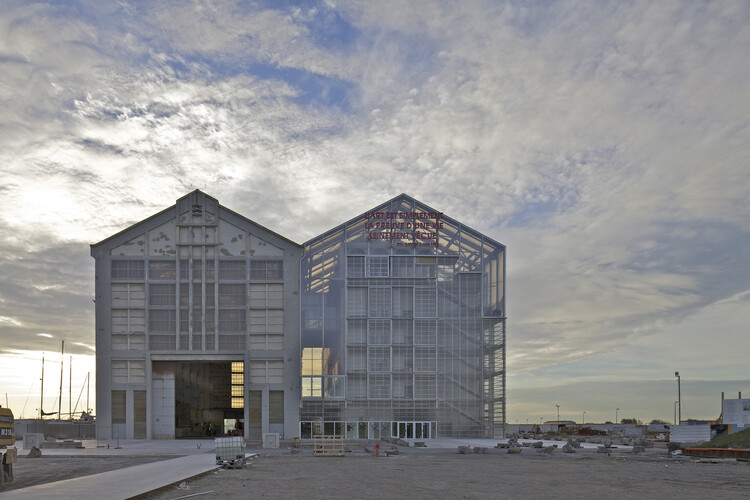
In a world facing ecological exhaustion and spatial saturation, the act of building has come to represent both creation and consumption. For decades, architectural progress was measured by the new: new materials, new technologies, new monuments of ambition. Yet today, the discipline is increasingly shaped by another form of intelligence, one that values what already exists. Architects are learning that doing less can mean designing more, and this shift marks the emergence of what might be called an architecture of restraint: a practice defined by care, maintenance, and the deliberate choice not to build.
The principle recognizes that the most sustainable building is often the one that already stands, and that transformation can occur through preservation, repair, or even absence. Choosing not to build becomes a political and creative act, a response to the material limits of the planet and to the ethical limits of endless growth. That Architecture moves beyond the production of new forms to embrace continuity, extending the life of structures, materials, and memories that already inhabit the world.
https://www.archdaily.com/1035638/the-architecture-of-restraint-when-choosing-not-to-build-becomes-designDiogo Borges Ferreira
Snøhetta Reveals New Images of Winning Düsseldorf Opera House Design
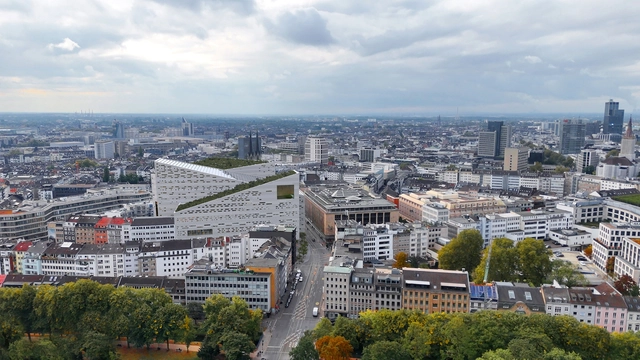
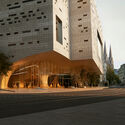
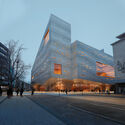
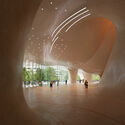
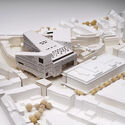
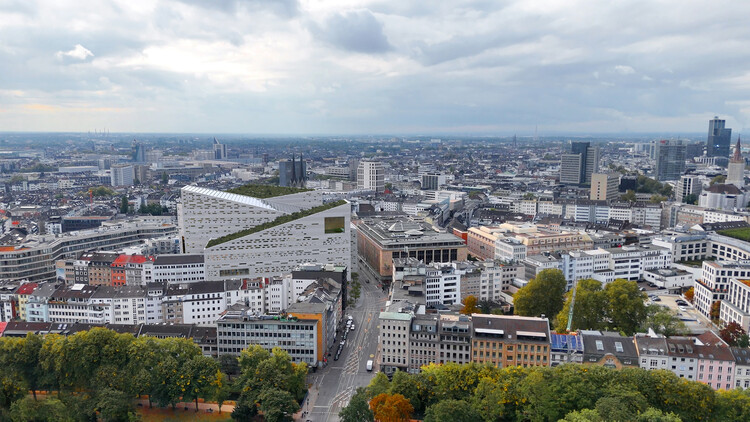
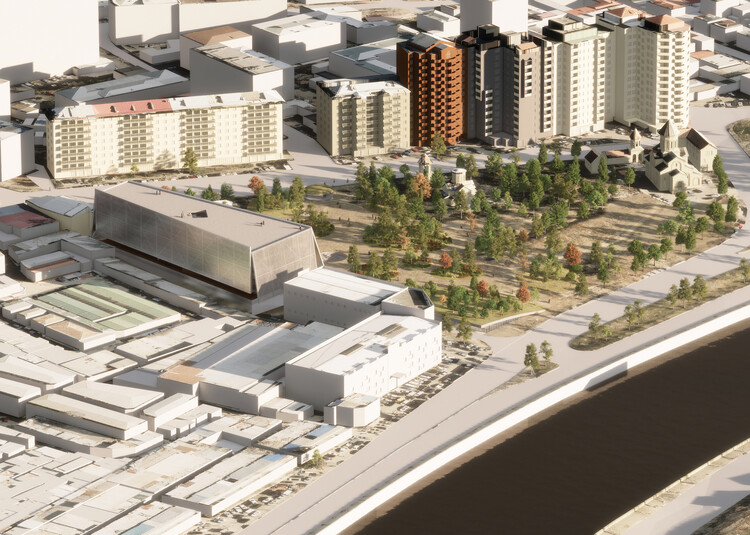
Snøhetta has revealed new images of their winning design for the new Düsseldorf Opera House. First launched in 2017, the "Opera House of the Future" competition experienced several interruptions over the years due to shifts in the planned construction site, extending the decision-making process for this significant cultural project. The new building is set to accommodate the Deutsche Oper am Rhein alongside the City of Düsseldorf's Music Library and the Clara Schumann Music School, forming a consolidated cultural venue. The proposal aims to establish a contemporary opera house that strengthens the city's cultural infrastructure and public life.
https://www.archdaily.com/1036205/snohetta-reveals-new-images-of-winning-dusseldorf-opera-house-designReyyan Dogan
DAM Launches Interactive Exhibition of 100 Years of Architectural Construction Kits in Frankfurt, Germany
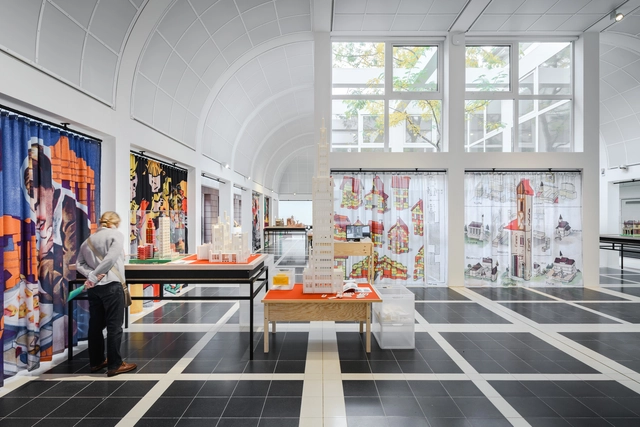
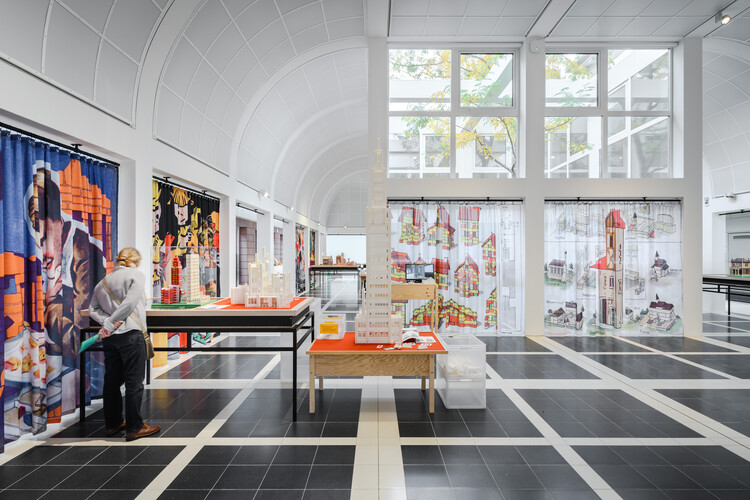
The Deutsches Architekturmuseum (DAM) in Frankfurt, Germany, has opened a new interactive exhibition, on view from October 25, 2025, to February 8, 2026, presenting 100 years of architectural construction kits. Developed in collaboration with graphic designer Claus Krieger, Professors Andreas Kretzer and Philipp Reinfeld from the Stuttgart University of Applied Sciences (HFT), their students, and the wider DAM team, the exhibition brings together around 80 construction kits produced between 1890 and 1990. Many of these systems have been recreated at an enlarged scale so visitors can test their assemblies at eight central play stations. Additional digital features include VR model worlds programmed by HFT students. Dozens of completed models illustrate the range of architectural ideas represented across the kits, and the full collection is documented in an accompanying catalogue. The exhibition is accompanied by a public competition titled How Small Can Architecture Be?, which invites participants to submit miniature architectural models for display.

https://www.archdaily.com/1036192/dam-launches-interactive-exhibition-of-100-years-of-architectural-construction-kits-in-frankfurt-germanyAntonia Piñeiro
From Bangkok to Florence: 6 Unbuilt Public Space Projects Rethinking Community, Ecology, and Urban Identity

Public spaces remain some of the most dynamic sites for unbuilt architectural experimentation, revealing how cities and architects can imagine accessibility, gathering, and civic identity. In this curated Unbuilt edition, submitted by the ArchDaily community, the selected proposals examine parks, pedestrian corridors, cultural landscapes, and open-access urban environments that invite people to meet, move, rest, and participate in collective life. Rather than treating public space as leftover terrain, these projects position it as essential infrastructure—shaping urban health, memory, and social interaction.


https://www.archdaily.com/1036151/from-bangkok-to-florence-6-unbuilt-public-space-projects-rethinking-community-ecology-and-urban-identityNour Fakharany
Silence Is Also Important: Acoustics as Cultural Infrastructure
| Sponsored Content
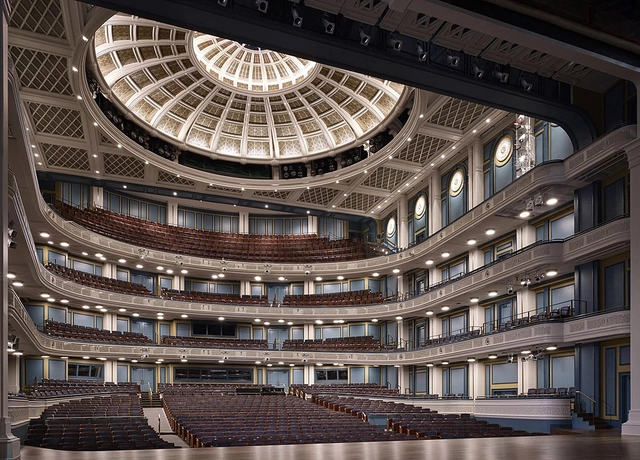
In 1952, American composer John Cage presented his groundbreaking piece "4'33''" for the first time. In it, the orchestra produces no intentional sound for four minutes and thirty-three seconds. What can be heard instead are breaths, movements, and subtle noises that would normally go unnoticed, but here become part of the composition itself. With this work, Cage revealed that absolute silence does not exist. There is always sound, even when unplanned.
In the same way, every architectural space has its own soundscape. Sound moves, reflects, reverberates, and dissipates according to the materials, volumes, and surfaces it encounters. Hard walls and high ceilings can amplify echoes, while fabrics and porous panels soften them. Acoustics, therefore, is not merely a technical concern but a form of materialized listening, a science that operates at the boundary between perception and emotion. For this reason, it is also complex. Each typology, whether a museum, temple, studio, or theater, has its own sonic logic, and understanding these nuances is essential to creating spaces that embrace sound, voice, and silence with equal precision.
https://www.archdaily.com/1035540/silence-is-also-important-acoustics-as-cultural-infrastructureEduardo Souza
The Temperature of Inequality: Rethinking Urban Surfaces for a Changing Climate

Cities bring together the best and worst of the human condition. They concentrate opportunities for work, social networks, and cultural production, but they also expose deep social inequalities. Among the many forms of urban exclusion are limited access to transportation, housing, leisure, or safety issues. One form that is rarely discussed is thermal inequality. In lower-income neighborhoods, where there are fewer trees, parks, and permeable surfaces, heat accumulates and thermal discomfort dominates, resulting in higher energy consumption and health risks. As concern about the climate crisis grows, this discussion becomes more urgent: extreme heat is no longer just a climatic phenomenon but also a spatial expression of inequality.
https://www.archdaily.com/1035983/the-temperature-of-inequality-rethinking-urban-surfaces-for-a-changing-climateEduardo Souza
Coldefy Completes the First Timber-Framed School in Northern France
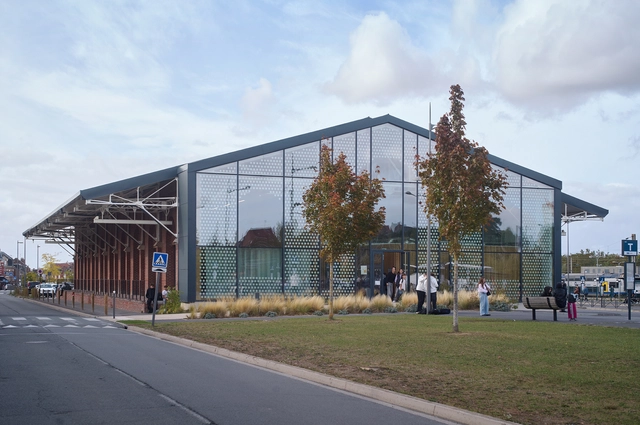
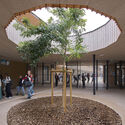
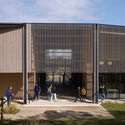
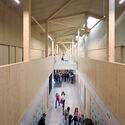
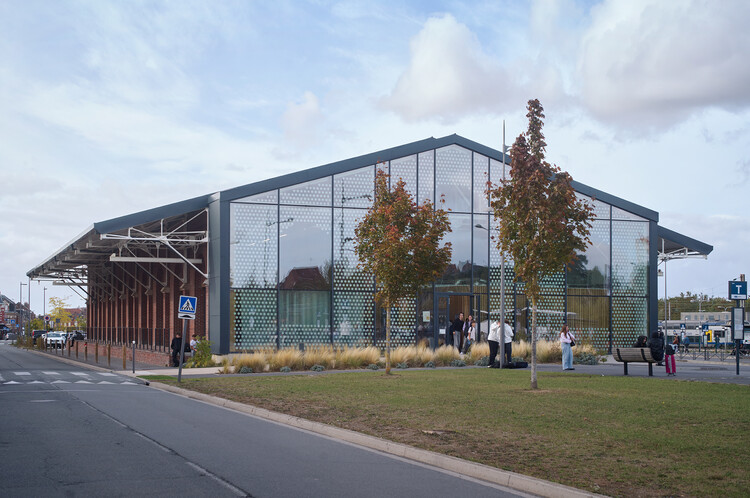
Coldefy, in collaboration with Relief Architecture, has completed the Robert Badinter Secondary School, the first timber-framed school in northern France. Designed to accommodate 650 students, the project is situated on a former railyard adjacent to the city's train station and within walking distance of the town center. The new school forms part of a wider urban renewal strategy aiming to consolidate transportation links and introduce new civic amenities to the area.
https://www.archdaily.com/1036170/coldefy-completes-the-first-timber-framed-school-in-northern-franceReyyan Dogan
From Diplomacy to Mobility: Six Legislative Responses Cities Are Using to Confront Climate Change
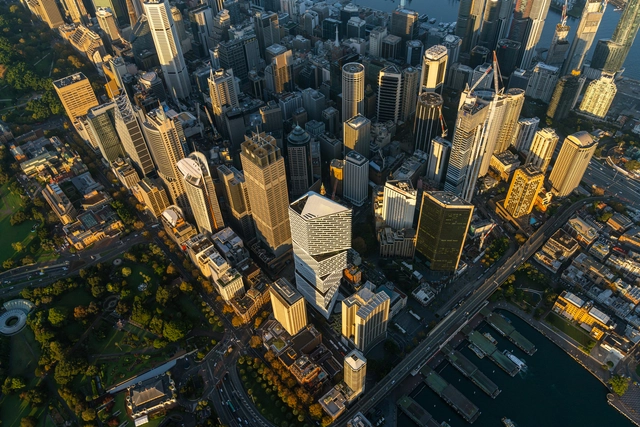
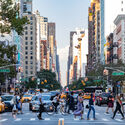
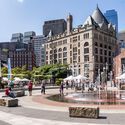
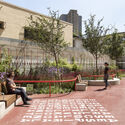
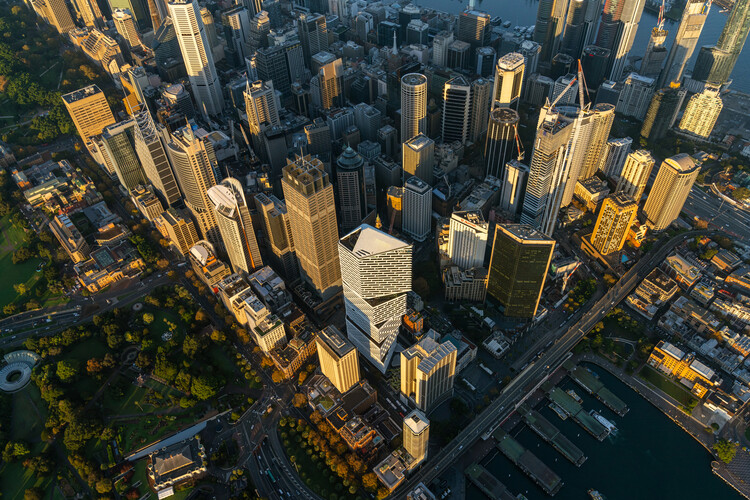
From building codes to mobility restrictions and new diplomatic roles within city governments, climate policy is increasingly being shaped at the local level through a widening range of legislative and institutional tools. Cities as varied as Sydney, Boston, New York, Paris, Miami, and dozens across Latin America are adopting targeted strategies that reflect their distinct environmental pressures and governance structures. These initiatives range from all-electric and net-zero construction requirements, to traffic-control measures designed to curb the social costs of private vehicle use, to emerging forms of urban diplomacy that coordinate responses to rising temperatures and biodiversity loss. Together, these approaches illustrate how territorial management is evolving in response to the accelerating climate crisis, and how local governments are experimenting with regulation and collaboration to confront challenges that are at once global and deeply place-specific.

https://www.archdaily.com/1036162/from-diplomacy-to-mobility-six-legislative-responses-cities-are-using-to-confront-climate-changeAntonia Piñeiro
Designing Beyond the Formula: Get to Know the Works of 5468796 Architecture in Canada

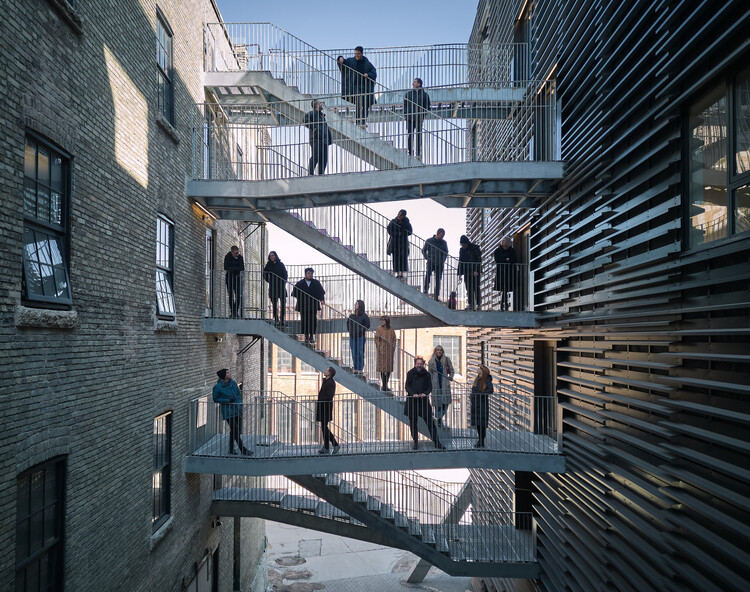
Founded in Winnipeg, Manitoba, in 2007 by Johanna Hurme and Sasa Radulovic, and shortly afterward joined by its third partner, Colin Neufeld, 5468796 Architecture was established as an architecture firm whose early work explored the current state of housing in North America. The Canadian studio operates as a collaborative group of approximately 20 designers, where they prioritize the collective value of ideas over individual authorship.



https://www.archdaily.com/1035863/designing-beyond-the-formula-get-to-know-the-works-of-5468796-architecture-in-canadaMoises Carrasco
Designing for Tomorrow: Nature-Positive Solutions in Urban Environments
| Sponsored Content

The future of urban planning and architecture is promising if the world, collectively, looks beyond the concept of mere sustainability and instead embraces a nature-positive approach. As global population growth drives rapid urbanization—requiring humanity to build the equivalent of a city the size of Madrid every week for decades to come—the construction sector faces a defining challenge: how to build durable, energy-efficient, and resilient urban environments in harmony with natural ecosystems.
https://www.archdaily.com/1035817/designing-for-tomorrow-nature-positive-solutions-in-urban-environmentsRene Submissions
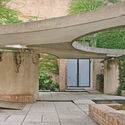
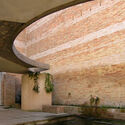
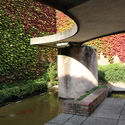
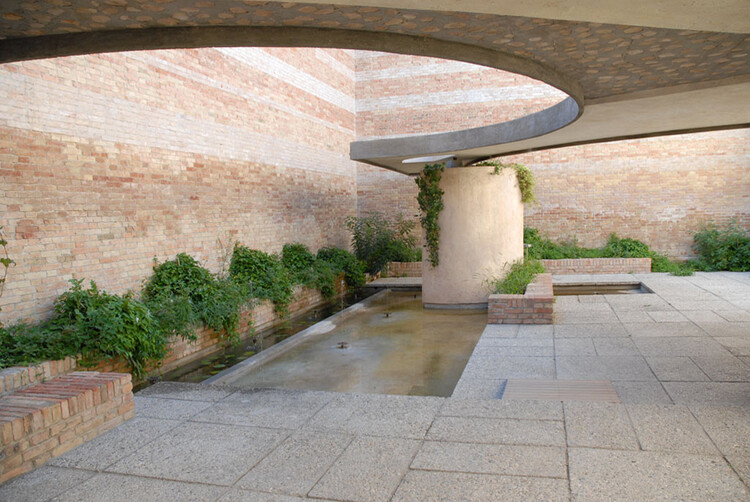
The Silent Pavilion: Carlo Scarpa and the Giardino delle Sculture at the Venice Biennale

When we think of Venice, familiar images come to mind: Piazza San Marco, winding canals, and the reflection of Byzantine domes on still waters. Few, however, imagine that among those reflections lies a discreet chapter of Italian modernity — the architecture of Carlo Scarpa.
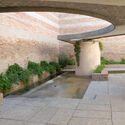
More than an architect, Scarpa was a craftsman of light and matter, a poet of detail who knew how to listen to the Venetian tradition and respond to it with gestures of surprising delicacy. The city where he was born and worked is now an open-air museum of his legacy, including projects such as the Fondazione Querini Stampalia, the Venezuelan Pavilion, the Olivetti Showroom, and, more quietly, the Giardino delle Sculture — a small courtyard hidden in the heart of the Giardini della Biennale.
https://www.archdaily.com/1035891/the-silent-pavilion-carlo-scarpa-and-the-giardino-delle-sculture-at-the-venice-biennaleCamilla Ghisleni
Sculpting Saudi Arabia’s Urban Vision: Buildner Reveals Winners of the Mujassam Watan Challenge
| Sponsored Content
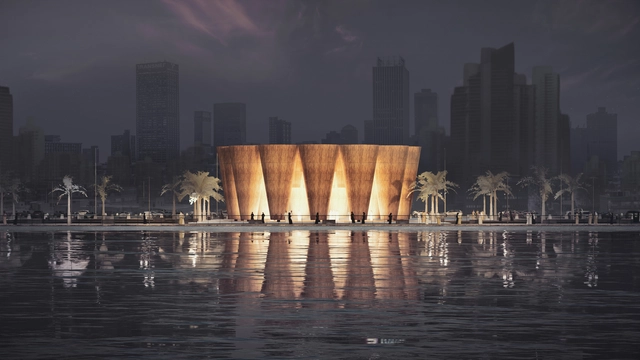
Buildner and the Mujassam Watan Initiative have announced the results of the Mujassam Watan Urban Sculpture Challenge.
This international competition invited architects, artists, and designers to create visionary public sculptures that reflect Saudi Arabia's rich cultural heritage and forward-looking ambitions. As the Kingdom undergoes a profound transformation under Vision 2030, this initiative—organized in partnership with the Mujassam Watan Initiative—called for works that engage with both history and future, tradition and innovation, within the public realm.
https://www.archdaily.com/1035799/sculpting-saudi-arabias-urban-vision-buildner-reveals-winners-of-the-mujassam-watan-challengeRene Submissions
ArchDaily Interviews From the 2025 Venice Architecture Biennale as the Exhibition Enters Its Final Week

As the 19th International Architecture Exhibition enters its final week before closing on November 23, the 2025 Venice Architecture Biennale offers a lens through which to revisit the ideas and experiments that have shaped this year's global architectural conversation. Curated by Carlo Ratti under the theme "Intelligens. Natural. Artificial. Collective.", the Biennale brings together more than 750 participants across national pavilions, collateral events, and city-wide installations. Framed around interconnected forms of intelligence, this edition examines architecture's role in navigating climatic instability, evolving technologies, and emerging forms of collaboration.


https://www.archdaily.com/1036108/archdaily-interviews-from-the-2025-venice-architecture-biennale-as-the-exhibition-enters-its-final-weekReyyan Dogan
Qatar Foundation Launches New Museum Dedicated to M. F. Husain in Doha’s Education City

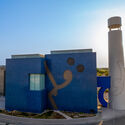
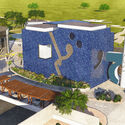
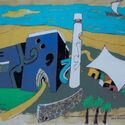
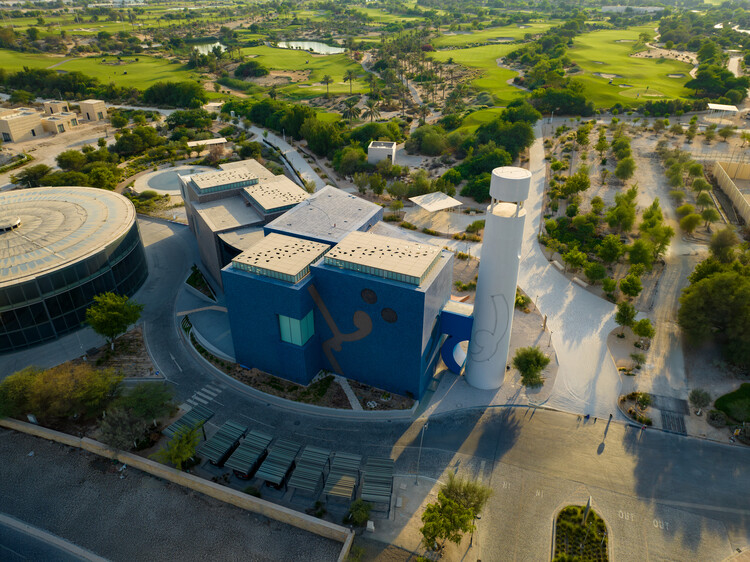
On November 28, 2025, Qatar Foundation will launch Lawh Wa Qalam: M. F. Husain Museum, a new addition to Qatar's cultural landscape dedicated to the life and work of artist Maqbool Fida Husain. The museum will be the world's first institution to trace Husain's artistic journey from the 1950s to his death in 2011, offering an immersive experience in a building drafted by the artist himself. The permanent exhibition will include paintings, films, tapestry, photography, poetry, and installations, presented through multimedia storytelling. Covering more than 3,000 square meters, the museum aims to foster creativity and dialogue, serving as a new space for learning and exploration within Qatar Foundation's Education City in Doha. The initiative adds to a campus that houses educational and research institutions designed by architects such as Arata Isozaki, Rem Koolhaas, and Antoine Predock, as well as firms like Legorreta + Legorreta and Mangera Yvars Architects.

https://www.archdaily.com/1036088/qatar-foundation-launches-new-m-f-husain-museum-in-dohas-education-cityAntonia Piñeiro
Beyond Human-Centered Architecture: Designing Spaces with Other Species

As architecture moves beyond human-centered design, new practices are rethinking coexistence as an ethical and ecological framework. From political infrastructures to habitats, these approaches invite us to imagine architecture as a shared living system.
Modern architecture has long been written through an anthropocentric lens, placing the human at its center and rendering other species invisible. Yet this paradigm continues to shift, as architects and researchers redefine the role of design in more-than-human worlds. Studios such as Office for Political Innovation, Studio Ossidiana, and Husos Architects are questioning human-centered narratives and reframing design as a shared practice between species. In this context, architecture is no longer a tool of control but a medium for coexistence, a discipline that mediates between species, environments, and cultures.




https://www.archdaily.com/1035986/beyond-human-centered-architecture-designing-spaces-with-other-speciesDaniela Andino
Beyond the Exhibition: Architecture, Interior, and Landscape as a Single Narrative
| Sponsored Content

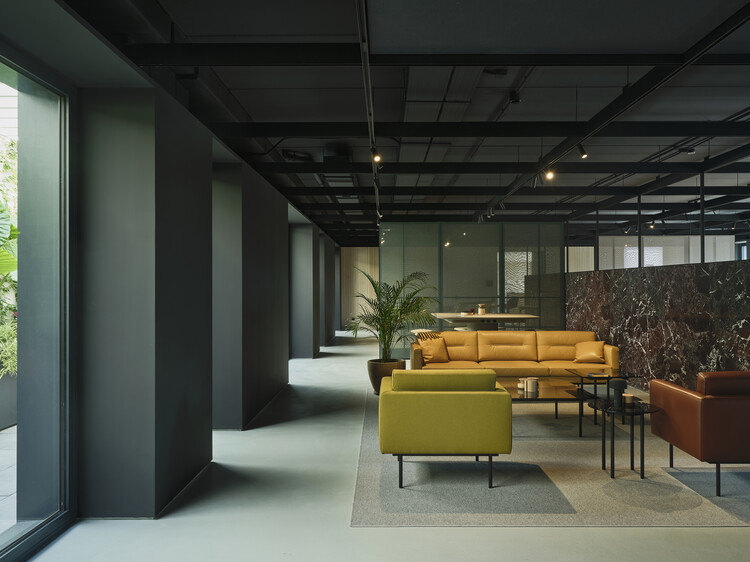
As part of the experiential context, the concept of exhibition in architecture is closely tied to perception. Understanding the user's journey, recognizing the properties and characteristics of each element, and revealing the methodology behind their operation are all vital aspects of the design and development process for these spaces. From equipment, furniture, and artworks to construction materials and technologies, architecture and interior design demonstrate an increasingly significant creative potential to develop solutions that merge historical, landscape, and social perspectives.




https://www.archdaily.com/1035780/beyond-the-exhibition-architecture-interior-and-landscape-as-a-single-narrativeAgustina Iñiguez
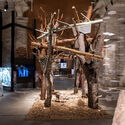
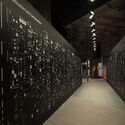
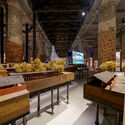
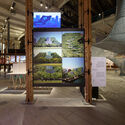
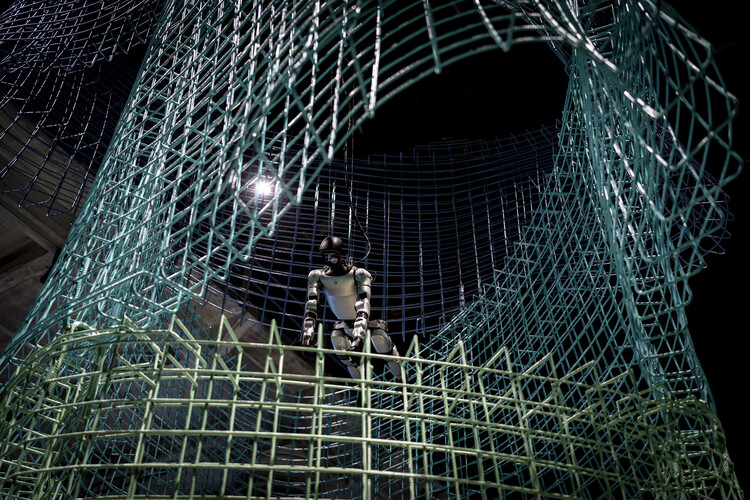
The Intelligens Biennale Gathers the Data, But Fails to Synthesize It
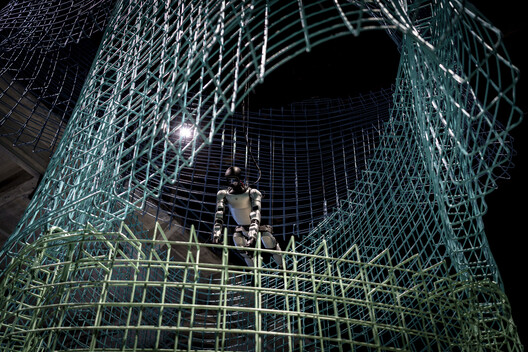
This article introduces our new Opinion section, a format for argument-driven essays on critical questions shaping our field.
The Venice Architecture Biennale has always been larger than itself. Never content with merely being an exhibition, it has always carried ambitions that expand beyond the grounds of Arsenale and Giardini. Rem Koolhaas's Fundamentals sought to deconstruct architecture into a universal grammar; Alejandro Aravena's Reporting from the Front reframed it as a tool for social justice on the ground; Lesley Lokko's The Laboratory of the Future set out to decolonize and decarbonize the architectural canon.
https://www.archdaily.com/1035972/the-intelligens-biennale-gathers-the-data-but-fails-to-synthesize-itMaria-Cristina Florian
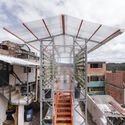
Community-Centered Architecture: Redefining the Role of Architects in South America

Across South America, architecture is increasingly being understood as a collective act. Rather than imposing external views, many studios and designers are building with and for communities, learning from their local practices, materials, and ways of inhabiting. These projects are repositioning the architect's role from an author to a facilitator, transforming design into a participatory process that centers collaboration, care, and mutual respect.
What unites these efforts is not style or scale, but a shared belief: architecture emerges from collective dialogue, not imposition. From rural Ecuador to the urban peripheries of Brazil, Colombia, and Paraguay, these projects reveal how social engagement and local making produce spaces that are sustainable not only environmentally but also socially. They respond to inequality not through top-down solutions, but through co-authorship, offering spaces that reflect the needs, knowledge, and agency of the people who use them.

https://www.archdaily.com/1035776/community-centered-architecture-redefining-the-role-of-architects-in-south-americaDaniela Andino