Architect, urbanist, and Content Editor at ArchDaily, covering news and developments in architecture and the built environment. Editorial work focuses on the Gulf region and the Middle East, exploring contemporary regional architectural languages and their relationship to local contexts.
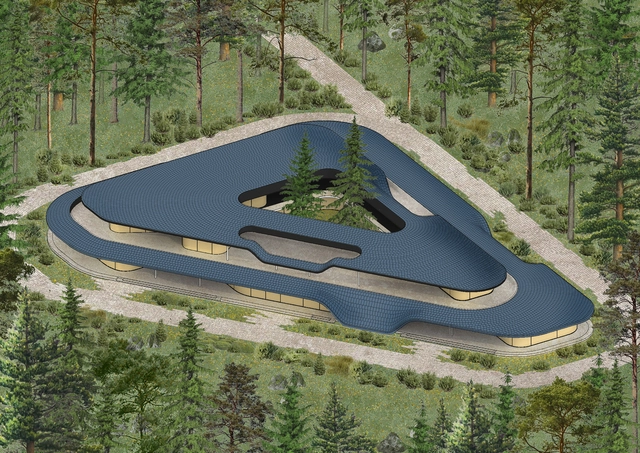
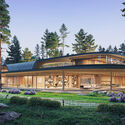
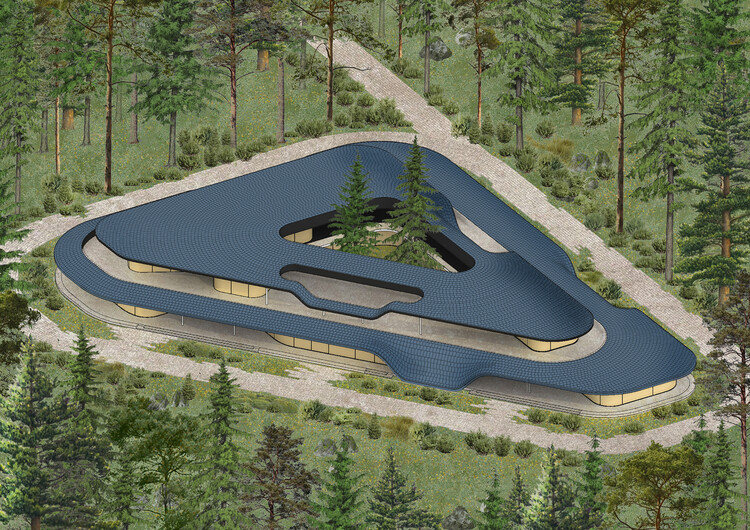
Across diverse climates and landscapes, architects are reimagining the home as a place deeply rooted in its surroundings, where architecture and environment work together to nurture well-being. This curated selection of unbuilt residences, submitted by the ArchDaily community, are conceived as sanctuaries, offering respite from the pace of urban life and drawing on the restorative qualities of greenery, water, and open air. Nature is utilized as an active presence, shaping courtyards, guiding circulation, and influencing the choice of materials and colors.
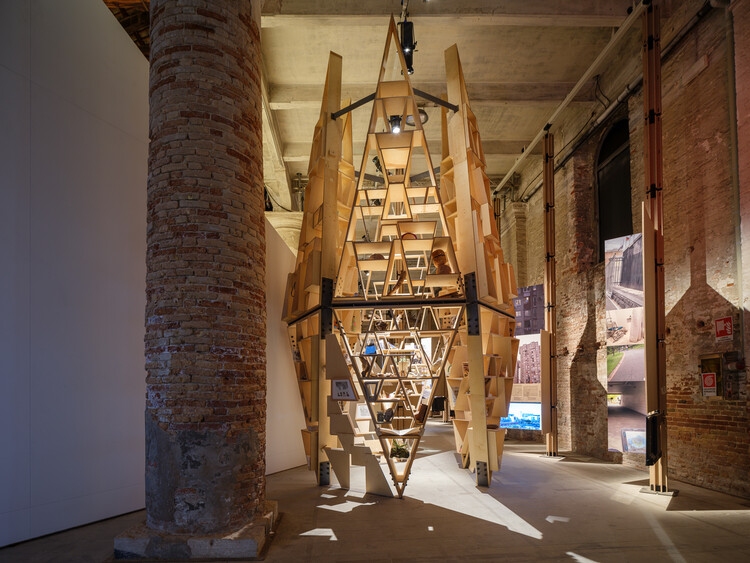
This curated selection of projects from the 2025 Venice Architecture Biennale explores regeneration as a deliberate, intelligent process rooted in the specific conditions of a place. For decades, the Biennale has been a testing ground for architecture's most urgent ideas, allowing designers, researchers, and institutions to present visions that address evolving environmental, cultural, and social challenges. This year's projects reveal how regeneration, whether of an entire coastal city, a disused industrial site, or a neglected public space, requires more than replacing the old with the new. It calls for a precise reading of existing contexts, the preservation of embedded knowledge, and the careful integration of contemporary needs.
The eight selected works show that regeneration can emerge from multiple starting points: reactivating heritage through adaptive reuse, restoring ecological systems as part of urban planning, developing open and modular strategies for social housing renewal, or layering technological innovation onto historically rooted practices. While the scale of intervention varies, each project demonstrates a sensitivity to what is already there and existing, be it material resources, urban patterns, or cultural memory, and a willingness to work with these assets as catalysts for transformation. Together, they suggest that regeneration must start somewhere, and that its success lies in balancing innovation with the intelligence of what already exists.
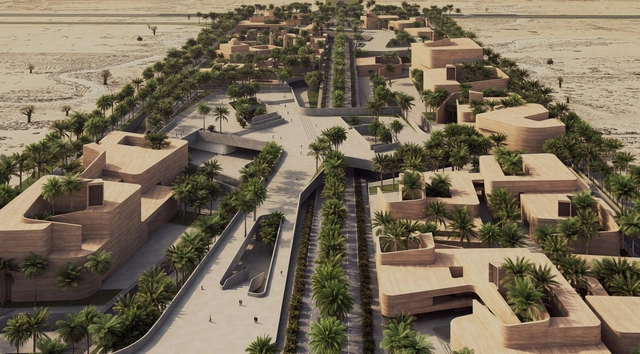
In today's architectural discourse, masterplanning is increasingly recognized as a means to reconcile growth with long-term social, cultural, and environmental priorities. Beyond organizing buildings and infrastructure, these large-scale proposals aim to regenerate urban fabrics, adapt historic or underutilized sites, and establish frameworks for inclusive and resilient communities. Submitted by the ArchDaily community, the projects featured in this edition of Unbuilt Architecture highlight how masterplans can respond to contemporary challenges while preparing cities for an uncertain future.
Spanning diverse geographies, from Europe to the Middle East and the Americas, the selected projects reinterpret industrial complexes, cultural sites, and residential neighborhoods through strategies that prioritize sustainability, mobility, and collective identity. Many share a focus on regenerative design: reopening historic canals, creating climate-adapted public spaces, and introducing green corridors and community hubs to reconnect people with their environments. Together, they showcase how masterplanning is evolving into a critical tool for rethinking how cities grow, adapt, and sustain civic life.
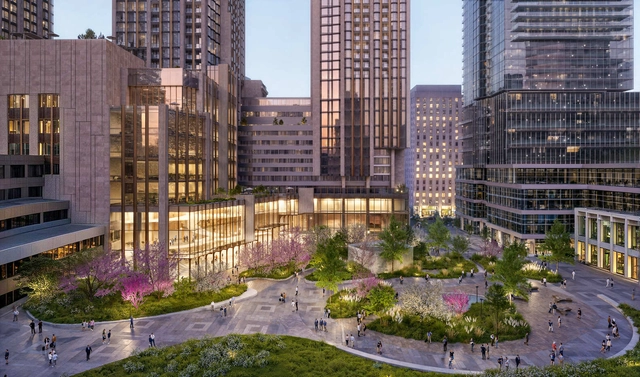
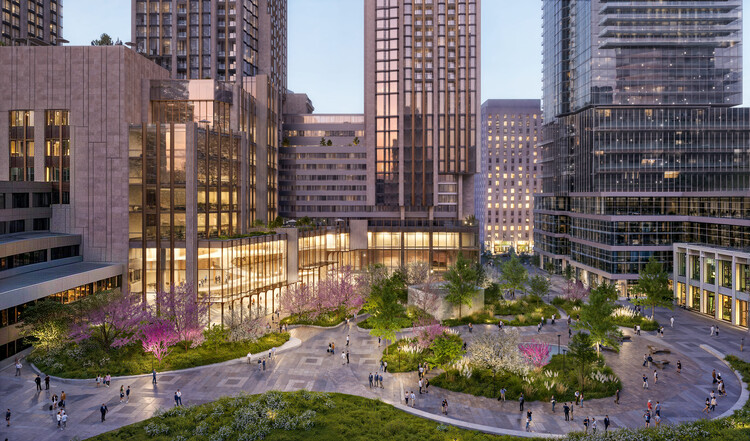
College Park. Image Courtesy of Hariri Pontarini Architects
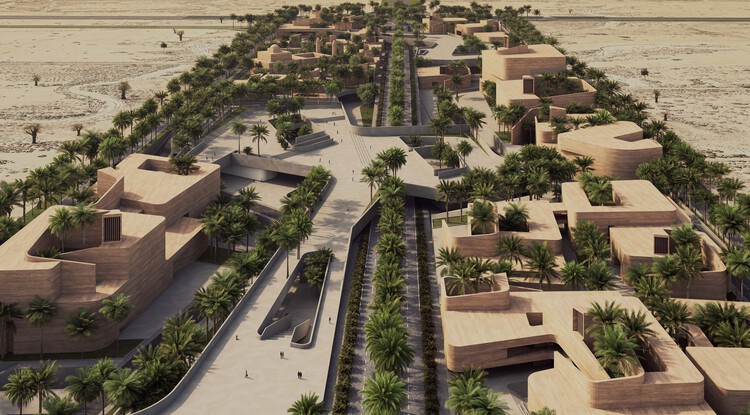
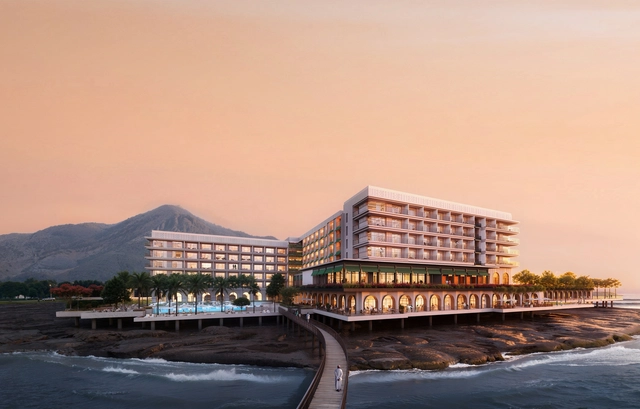
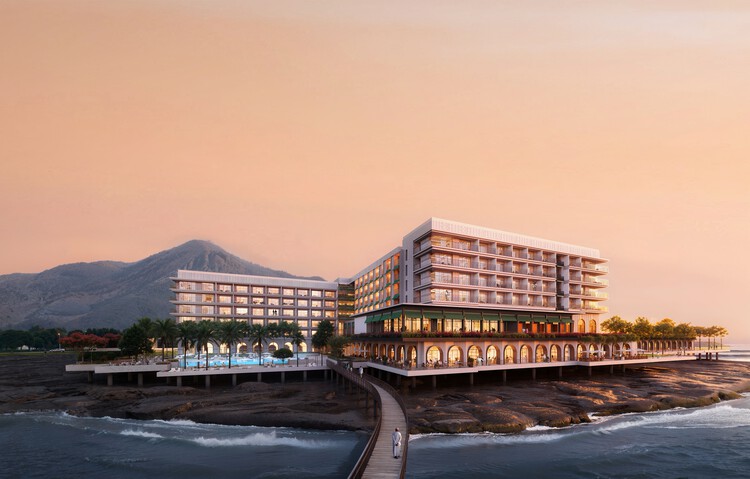
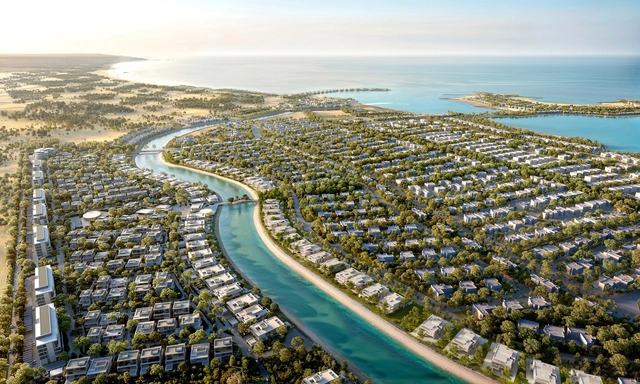
As cities around the world respond to shifting environmental, cultural, and social dynamics, new architectural proposals are reshaping how we think about public life, community engagement, and the built environment. From Aldar's coastal wellness destination on Fahid Island in Abu Dhabi, to a flexible scaffolding-based office concept in Athens by Georges Batzios Architects, this edition of Architecture Now features diverse projects that reinterpret architecture as both infrastructure and interface. In Seoul, Heatherwick Studio is leading a resident-initiated redevelopment model for a housing complex near the Han River, while Toronto's College Park is set for a major transformation balancing heritage restoration with vertical intensification. In Oklahoma City, MANICA and TVS are designing a new sports arena that anchors an emerging entertainment district through material, landscape, and civic gestures. Together, these diverse yet interconnected efforts signal a broader shift toward integrated, future-oriented urban design.
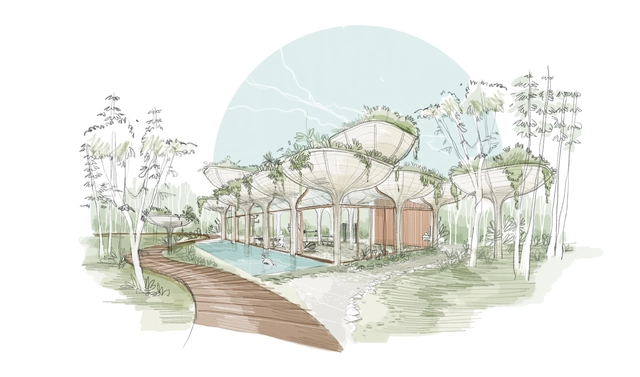
From forest-inspired offices in Sweden to jungle-nest clubhouses in Tulum, mixed-use architecture continues to evolve as a tool for integrated living. As cities grow and our expectations of public, private, and commercial space shift, designers are increasingly rethinking how different functions including work, play, rest, learning, can coexist in a single architectural language. These projects suggest that buildings and projects no longer need to silo activities, but rather choreograph them to reflect the rhythms of everyday life.
This collection, submitted by the ArchDaily community, presents a global spectrum of approaches to mixed-use design, from large-scale masterplans to conceptual theses. What ties them together is a commitment to spatial overlap, ecological sensitivity, and reimagined programs that prioritize user experience. Whether it's a student dormitory in Tehran, a public plaza in Cairo, or a community hub in Texas, each project embraces complexity to create spaces that are alive with interaction, transformation, and meaning.
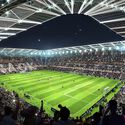
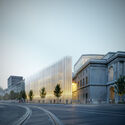
As cities worldwide navigate evolving social, environmental, and cultural priorities, recent project announcements showcase how architecture is increasingly conceived as both civic infrastructure and a catalyst for collective identity. From Populous' new stadium design in Thessaloniki that blurs the lines between sport and urban life, to HENN's transparent cultural stage in Augsburg that invites community participation, these projects illustrate architecture's expanding role beyond its immediate function. In Luxembourg, Schmidt Hammer Lassen's work for the European Investment Bank reimagines institutional spaces through sustainability and heritage, while SLA and GHD's new island community in Toronto pushes forward nature-based, climate-adaptive urbanism. This edition ofArchitecture Now brings together diverse yet interconnected efforts to shape how architecture can support long-term ecological, cultural, and civic impact.
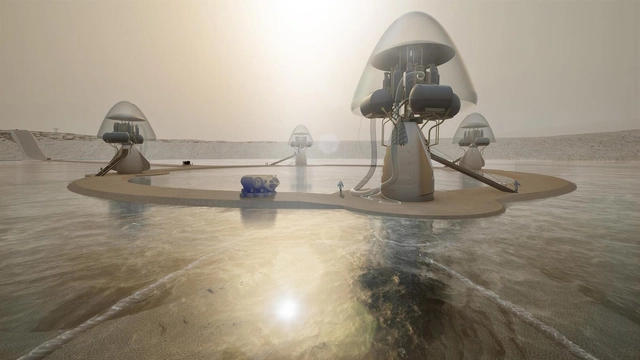
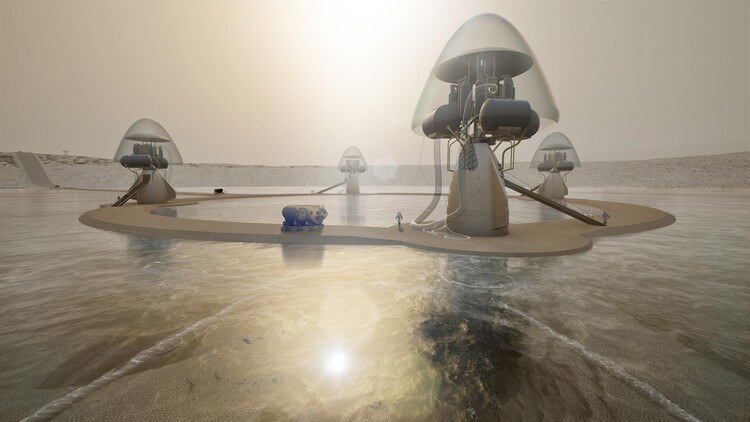
Cities today are being reimagined as living, evolving organisms, combining digital intelligence, ecological systems, and new materials to shape radical futures. At Carlo Ratti's "Intelligens. Natural. Artificial. Collective." biennial, over 750 participants challenge established boundaries between architecture, landscape, and technology. Several conceptual projects showcased in the main exhibition challenge conventional boundaries between architecture, landscape, and technology. From bio-adaptive urban systems and Martian water-based settlements to immersive symphonies of satellite data, these works collectively envision new models for cohabitation, resilience, and planetary awareness.
This month's Unbuilt selection presents six speculative projects, presented as part of the 2025 Venice Architecture Biennale exhibition, as provocations for rethinking the future of cities and human settlement. While some proposals transform architecture into self-sustaining, living infrastructures, others explore how data and sensory interfaces can redefine our relationship with natural and urban environments. Together, they offer a cross-section of how architects and designers are using unbuilt work to imagine new possibilities for life on Earth and beyond.
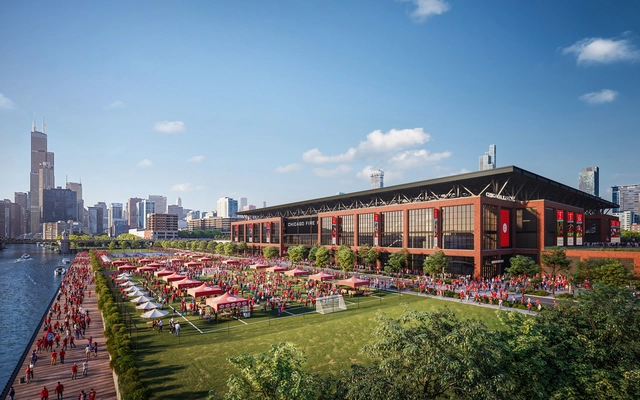
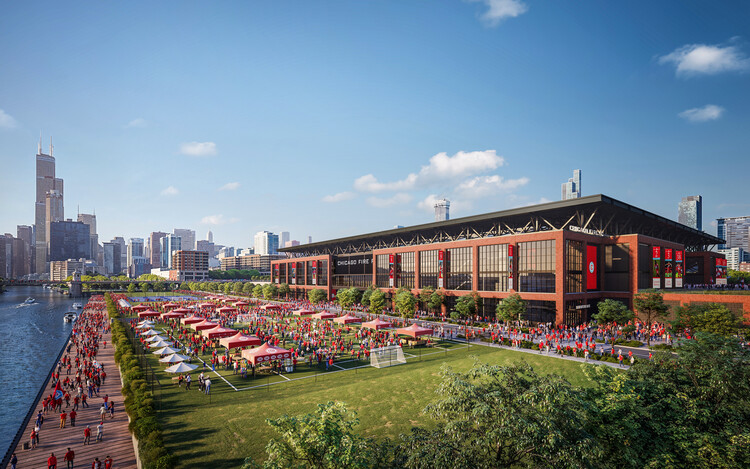
Chicago Fire FC soccer stadium. Image Courtesy of Gensler
From Milan's Scalo Farini to downtown Chicago, and from the Tuscan countryside to the UK's retrofit initiatives, recent announcements demonstrate how architecture is evolving in response to climate goals, cultural identity, and urban transformation. Herzog & de Meuron's new headquarters for UniCredit will anchor one of Europe's largest redevelopment sites with a focus on sustainability and workplace innovation, while Gensler's stadium design for Chicago Fire FC aims to redefine the U.S. matchday experience as part of a major waterfront development. In Tuscany, Alvisi Kirimoto's Sapaio Pavilion merges agricultural production with architectural sensitivity, and in the UK, RIBA and The King's Foundation are advancing retrofit as a national agenda. Meanwhile, finalists including MVRDV, Heatherwick Studio, and Mecanoo are advancing in an international competition to create a climate landmark intended to inspire large-scale behavioral change. This edition of Architecture Now brings together diverse yet interconnected efforts to shape how architecture can support long-term ecological, cultural, and civic impact.
Collective living continues to be a central theme in contemporary housing discourse, one that extends beyond questions of density or typology to engage broader concerns of land use, social cohesion, and spatial identity. This selection of conceptual unbuilt projects, submitted by the ArchDaily community, explores the potentials of shared living environments, not only as functional housing solutions but as frameworks for interaction, environmental integration, and cultural continuity. Whether in urban or remote settings, they reflect a growing interest in rethinking how domestic space can support both individual privacy and communal life.
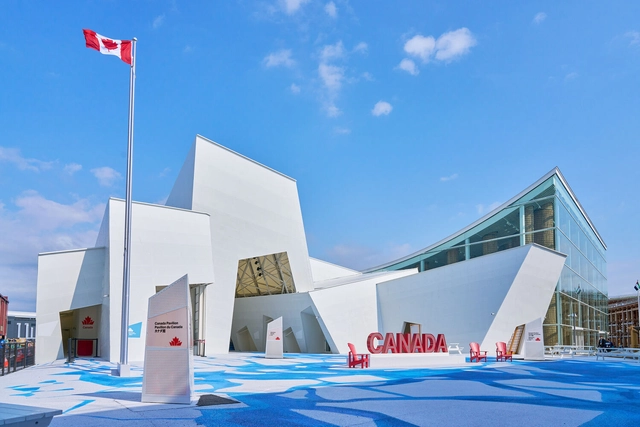
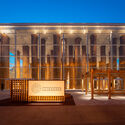
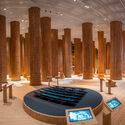
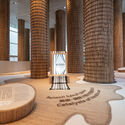
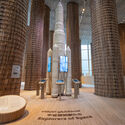
The Canada Pavilion at Expo 2025 Osaka features interactive exhibits and installations that present the country's innovation, culture, and diversity. Designed under the creative direction of Robert Lepage, the pavilion offers an immersive experience aimed at introducing Canada's values and capabilities to a global audience. Additionally, it aims to showcase Canadian innovation, resources, investment, and education to the broader Indo-Pacific region. Centered around regeneration, the design is in line with the broader theme at the Expo: "Designing the Future Society for Our Lives."
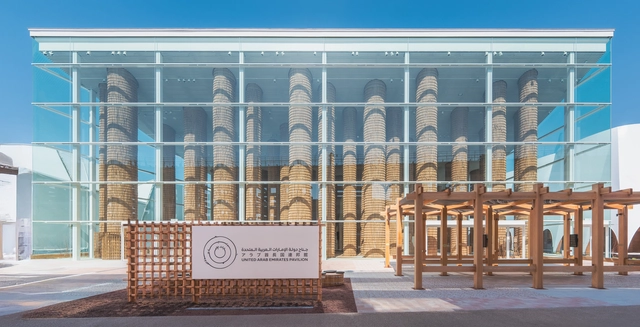
UAE Pavilion at the Expo Osaka 2025. Image Courtesy of UAE Expo Office
The UAEPavilion at Expo 2025 Osaka, titled "Earth to Ether," presents an immersive, multisensory experience that narrates the story of the United Arab Emirates, from its cultural heritage and core values to its forward-looking innovations. Inspired by the symbolic date palm, the pavilion reimagines areesh, a traditional form of Emirati vernacular architecture, by combining agricultural byproducts from date palms with refined Japanese woodworking techniques. Opened in April 2025, under the theme "Designing Future Society for Our Lives," the pavilion is located in the "Empowering Lives" zone. Designed to work under the broader theme, the UAE Pavilion offers diverse programming and interactive exhibits and serves as a collaborative platform for co-creating solutions that "drive collective progress."
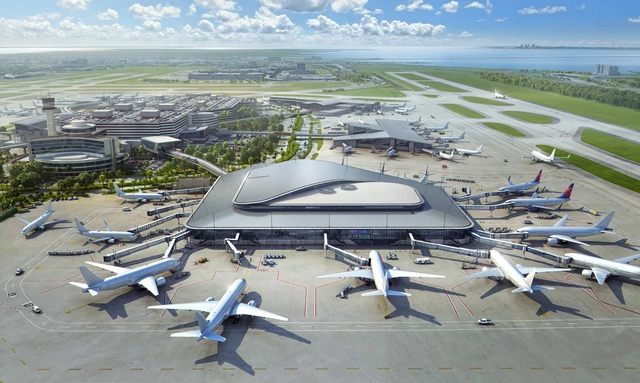
Tampa International Airport. Image Courtesy of Hensel Phelps and HNTB, in association with Gensler
From Bangkok to Billund, a new wave of architectural project announcements is reshaping how spaces for work, culture, mobility, and public life are conceived. Across Norway, Thailand, the United States,Denmark, Australia, and Thailand, these projects reflect an increasing emphasis on technological integration, sustainable construction, and flexible, future-ready environments. Whether designing production hubs for digital creators, adaptable media campuses, or civic landscapes layered with history and ecological intent, each scheme offers insight into how architecture is evolving to support emerging industries, cultural programming, and new forms of public engagement. This edition of Architecture Now brings together a selection of recently announced projects that highlight the intersection of design, technology, and innovation in a global context.
Architectural competitions have long offered a space for experimentation: platforms where ideas can be tested, typologies reimagined, and critical questions addressed through design. Freed from some of the constraints of commercial commissions, competition entries often reflect ambitious visions for how architecture can respond to environmental, cultural, and social challenges. Whether focused on future habitats, public institutions, or small-scale community infrastructure, these proposals give shape to the values and priorities driving architectural thinking today.
This month's Unbuilt selection brings together eight competition-winning projects submitted by the ArchDaily community. Each received first, second, or third place in recent local and international competitions. The featured proposals span a wide range of programs and geographies: a sustainable library in Lima, a Martian habitat exploring closed-loop systems, an adult orphanage designed for empowerment in India, a new French school in Athens, and a placemaking initiative in Singapore rooted in local folklore. While varied in scale and scope, they all highlight architecture's capacity to engage context, foster inclusion, and propose new ways of inhabiting space.
The Land Remembers: Lebanon’s Pavilion. Image Courtesy of CAL
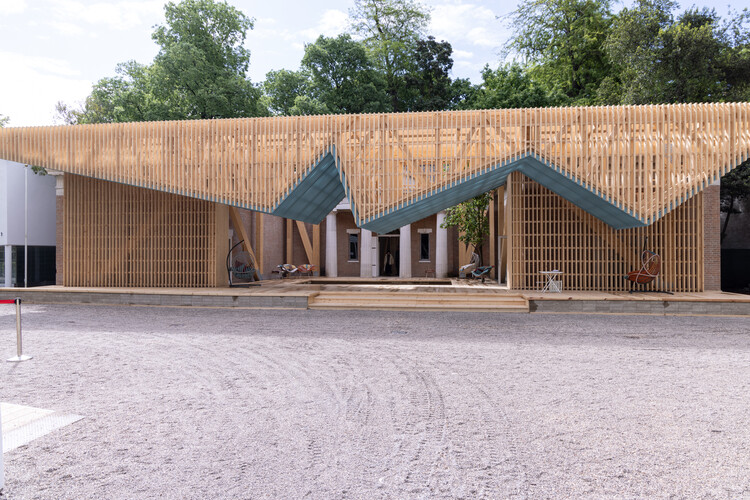
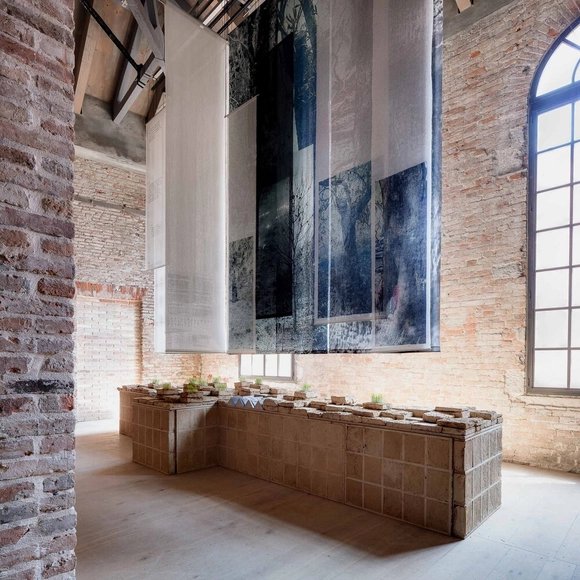
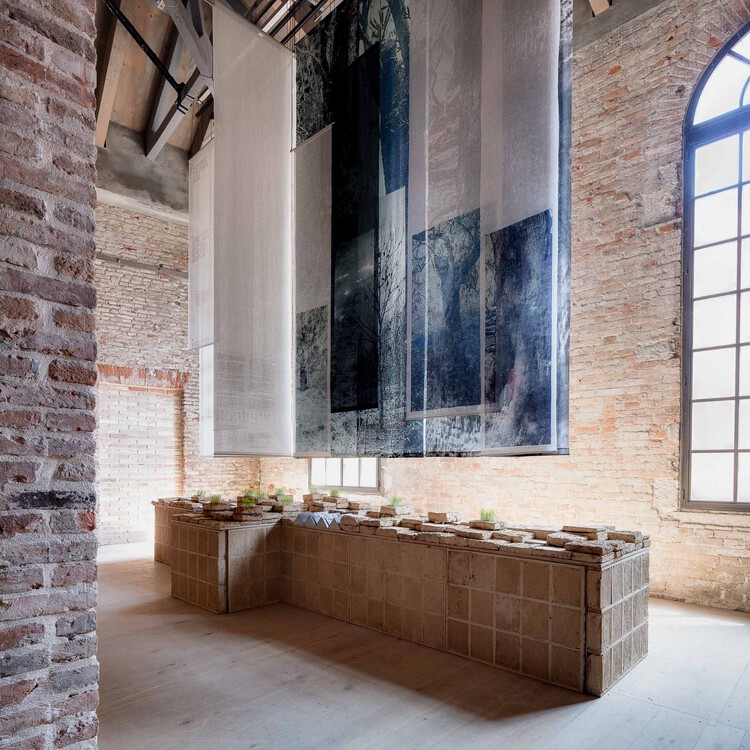
At the 19th International Architecture Exhibition of La Biennale di Venezia in 2025, the Lebanese Pavilion, curated by the Collective for Architecture Lebanon (CAL), presents "The Land Remembers," an exploration of ecocide and environmental healing. Selected by Lebanon's Ministry of Culture and the Lebanese Federation of Engineers, CAL is a non-profit organization co-founded in 2019 by Shereen Doummar, Edouard Souhaid, Elias Tamer, and Lynn Chamoun. Their curatorial vision aims to transform the pavilion into a fictional institution, the Ministry of Land Intelligens, dedicated to confronting environmental devastation and proposing strategies for ecological restoration.
A series of recently announced projects across Europe, Asia, the Middle East, and North America reflects an ongoing shift in architectural thinking toward approaches that integrate buildings with their landscapes, programs with public life, and design with long-term environmental goals. In Nantes, France, a healthcare campus redefines medical education through climate-conscious planning, while in San Antonio, Texas, a new arboretum transforms a former golf course into a research-driven public landscape. Residential towers are rising beside Bangkok's Lumphini Park, a new coastal community is underway in the UAE, and an expansion to the Nelson-Atkins Museum in Kansas City reconsiders how cultural institutions connect with their surroundings. Together, these announcements point to a growing interest in projects that embed architecture within broader ecological and civic systems, proposing new models of spatial integration, accessibility, and resilience.
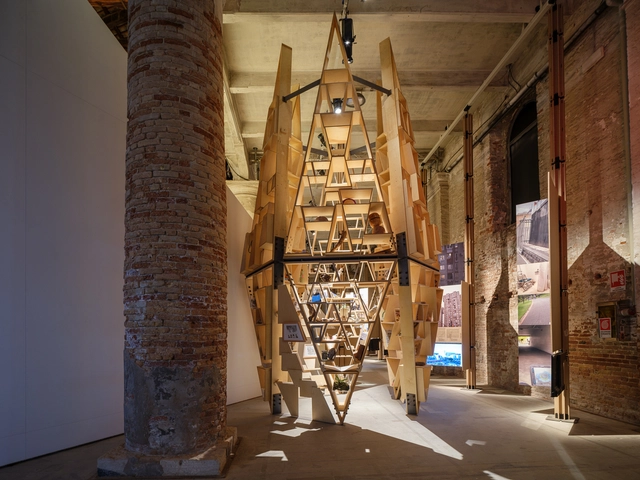
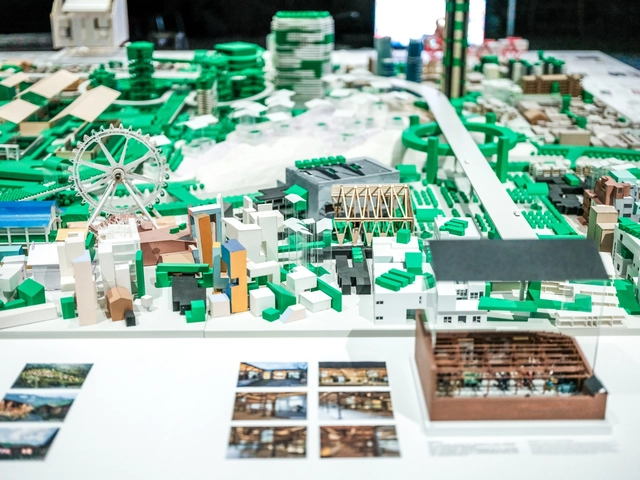
The Pavilion of China at the 19th International Architecture Exhibition - La Biennale di Venezia presents the exhibition CO-EXIST, curated by Ma Yansong, founder of MAD Architects, and organized by the Ministry of Culture and Tourism of the People's Republic of China at the Arsenale. Through ten works by twelve interdisciplinary groups, the pavilion examines how traditional Chinese philosophical thought can inform architectural responses in the age of advanced technology and artificial intelligence.
At a time when architectural practice is increasingly tied to climate and context, the boundary between the built and the natural has become a critical site of experimentation. This month's unbuilt selection gathers eight conceptual projects that work with the edges of landscape. In Ramia by João Teles Atelier, the architecture draws directly from the metaphor of a seed breaking through soil, using wood, concrete, and water to create a sensorial route through Tulum's ecology. Meanwhile, Mobius Pier by X Atelier loops gently over the river edge, becoming both infrastructure and observation point. Similarly, Il mare degli Umbri approaches the threshold differently, restoring the historic shoreline of Lake Trasimeno and reintroducing local wetland ecologies. Each project in this collection reflects a unique position: some treat the edge as a spatial experience, others as a regulatory line, and others still as a point of cultural or ecological return.