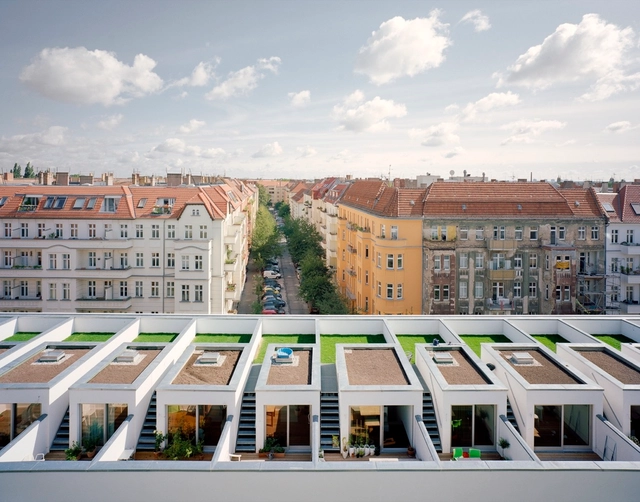
Designing a typical residential building rarely involves its future residents. Often created by property developers in response to predefined market demands, the projects are rarely optimized for livability. An emerging development system that began in Germany aims to change this dynamic and reposition the residents at the core of the new housing developments. The Baugruppe system, German for "building group," proposes an alternative approach to housing that allows groups of individuals to come together to design and construct their residential spaces, bypassing traditional developers to create personalized and sustainable living environments.
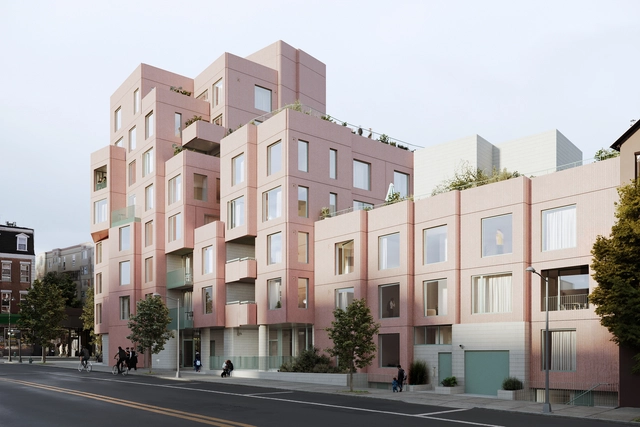
Architecture firm SO – IL has revealed plans for a new residential condominium project planned for Brooklyn's Fort Greene neighborhood. Named 144 Vanderbilt, the development offers 26 condominiums and amenities spanning almost 90,000 square feet. According to SO – IL, the architecture takes cues from Brooklyn's historical heritage, while incorporating a modern twist, as the staggered building prioritizes community interactions and comfortable urban living.
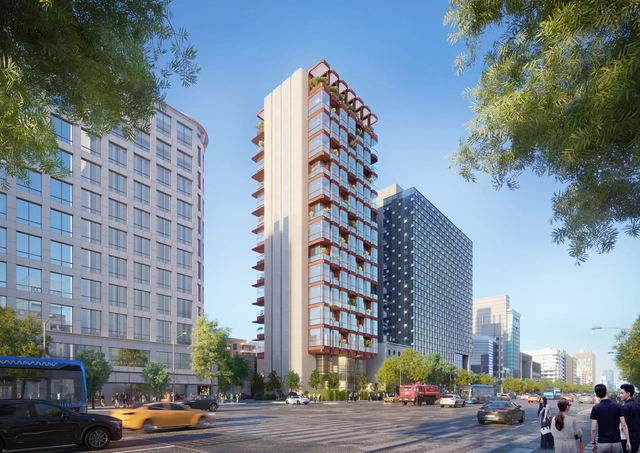
Foster + Partners have just unveiled designs for a new live-work building in Seoul, South Korea, which aims to redefine business hospitality with a personalized approach. This structure is set to accommodate professionals seeking a mixture of work and leisure in an urban environment. With an emphasis on comfort, functionality, and well-being, the building incorporates spaces designed for hosting and entertaining, along with dedicated meeting and negotiation rooms. It also features state-of-the-art wellness facilities, making it a unique setting for both work and relaxation. The project consists of twelve private units, each occupying an entire floor, providing a unique living experience tailored to individual needs.
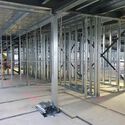
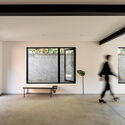
Two primary building approaches are commonly identified in architecture and design: solid versus hollow construction. These methods vary significantly across different cultures and regions, specifically for interior partitioning systems, when they appear interchangeable. Each has its own established practices influenced by local materials, labor preferences, climatic conditions, and cultural traditions. When architects and designers focus on their local context, it is easy to overlook the broader construction assumptions, limiting design flexibility and methodology. This raises an important question: How do these two building approaches differ?
Focusing mainly on interior systems, the distinctions between solid and hollow construction largely stem from the availability of materials and workforce preferences. For example, in the United States and Japan, stud walls, both wood and metal, are frequently used for partitioning. Conversely, brick remains the predominant material for partition walls in regions such as Hong Kong and southern China. Why do we build differently, and what are the benefits and challenges of each building methodology?
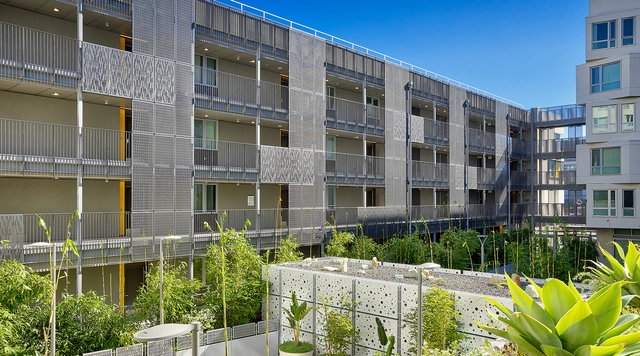
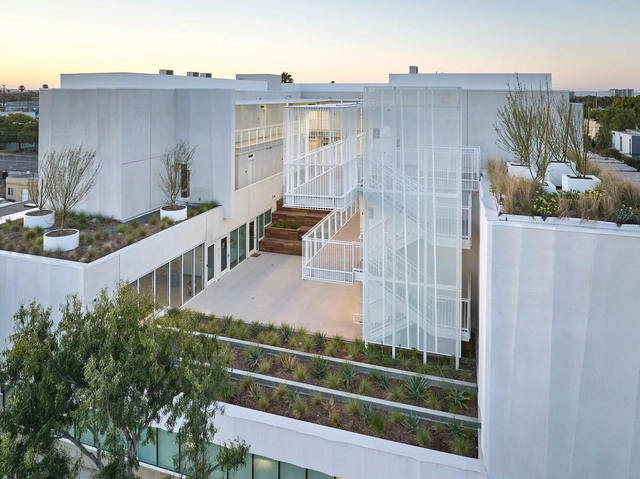
Mission Bay, San Francisco, once an industrial landscape of warehouses and railroad land, has transformed into the city’s fastest-growing commercial and urban development area. This rapid change, typical of such developments, has led to gentrification, driving up housing prices and making the area unaffordable for many. To address the affordable housing crisis, the Lillian Murphy Housing Complex was built—not just as a place to live, but as a project that redefines the standards for low-income housing. This success was achieved through the collaboration of Paulett Taggart Architects, Studio VARA, and BŌK Modern, demonstrating that functional, intuitive, and high-quality design that strengthens a community is accessible to everyone.
In a recent interview with ArchDaily, Sigurd Larsen, renowned for his innovative architecture practice, reflects on his journey and the evolution of his office. A significant player in shaping contemporary European architecture, Larsen shares insights into his career development, the current profile of his practice, and his approach to various types of projects.
Currently, Larsen's office is known for its diverse range of projects, including residential homes,hotels, and public spaces across Europe. "Our focus is on combining conceptual creativity with practical considerations," Larsen explained. Projects such as landscape hotels and public schools in Germany exemplify this approach, showcasing a blend of innovation and context-sensitive design.
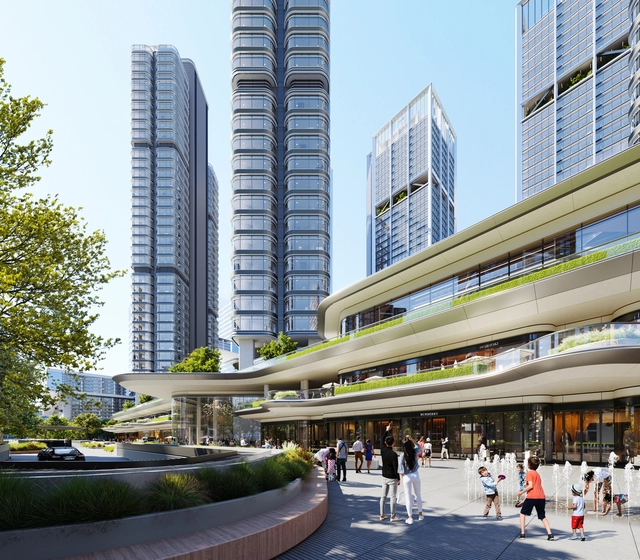
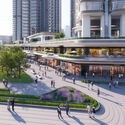
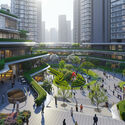
Situated in Hangzhou's Central Business District, the Euro American Innovation City is a mixed-use development designed by Foster+Partners to become a dynamic addition to the city. The 346,450 square-meter project includes two 200-meter-high office towers and four high-rise apartment buildings, complemented by a public plaza, an IT incubator, and a retail mall on the lower levels. Construction is currently progressing in phases, with the first phase nearing completion next month and the second set to finish by year-end, while the entire project aims for completion in September 2025.
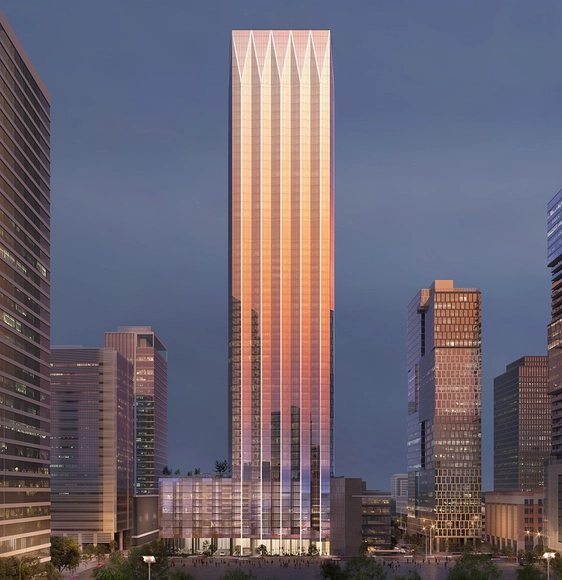
Goettsch Partners has just revealed the design for a new tower in Nashville, United States, which is set to become the city’s tallest structure. The building, named “Paramount,” will reach 750 feet across 60 stories, surpassing the current tallest, the 617-foot AT&T Building. Located in downtown Nashville, the Paramount will include 360 apartments, 140 condominiums, a 517-space parking garage, and a 60,000-square-foot expansion to the neighboring Downtown YMCA.
New developments, companies, start-ups in the real estate industry are transforming perceptions and needs around home ownership and rental experiences. In a society where home ownership is attributed to personal success, innovations in the residential rental market seek to enhance the appeal of renting. Evolving consumer needs are resulting in a trend of exclusive, community-focused living models. This shift is redefining how people view their living spaces, interact with their communities, and perceive the value of their homes.
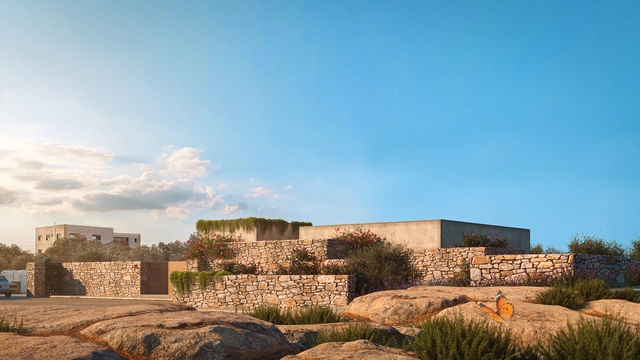
Throughout history, stone has been a vital building material because of its strength, beauty, and inherent appeal. Stone has been used to build long-lasting constructions for ages, from historic monuments to contemporary residences. Because of its resilience, it is suitable for both interior and exterior design projects, providing a diverse array of appearances. There are numerous varieties of stone, each with a distinct texture and color, including marble, granite, and limestone. Because of this diversity, stone may be creatively used by architects and builders to create accents or entire buildings. This curated selection of Unbuilt Architecture,submitted by the ArchDaily community, showcases how stone is still a dependable and adaptable building material that can combine old-world craftsmanship with contemporary style.
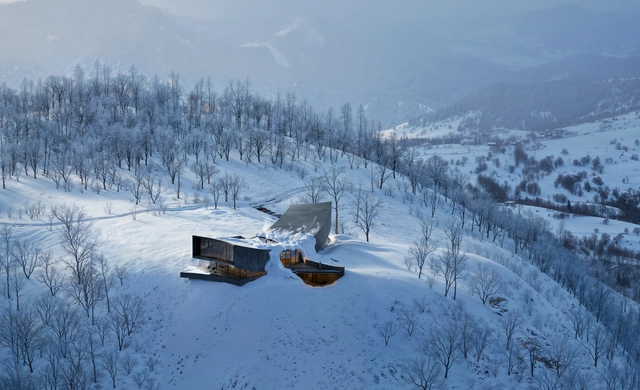
Snøhetta has unveiled a vacation home design nestled within the landscape of Hokkaido Island for the Japanese hospitality group NOT A HOTEL. Situated atop the renowned Rusutsu Resort, the project centers itself around Mount Yotei and provides framed views. The 1200 sqm building’s design aims to be minimal, influenced by the surrounding terrain and defined site boundaries.
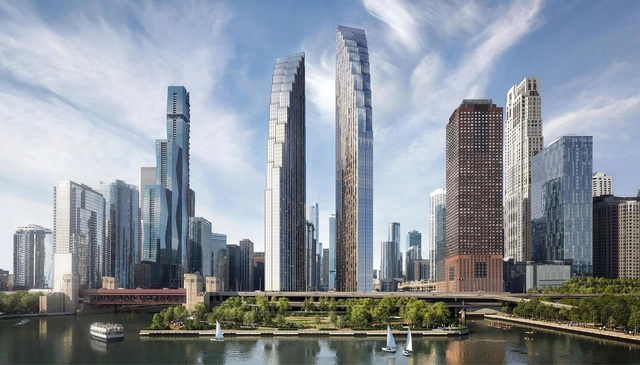
The Skidmore Owings & Merril (SOM) two-tower development in Downtown Chicago has just started construction. Situated at the intersection of Lake Michigan and the Chicago River, the new residential development seeks to redefine Chicago’s skyline. Composed of 635 residential units in its first phase, 20% of which are designated as affordable housing, the scheme also outlines the design of DuSable Park. Phase one of the project has officially commenced, occupying the last undeveloped waterfront parcel in the Streeterville neighborhood.
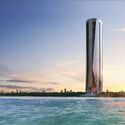
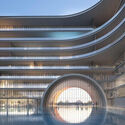
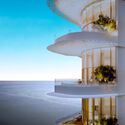
Metropolitan cityscapes come with the appeal of sophistication, luxury, and exclusivity. Their glittering skylines and vibrant energy attract thousands of tourists and residents seeking luxurious experiences every year. Catering to this market, several renowned brands and real estate firms have teamed up to offer "branded residences" – a modern typology that elevates hotel-like living into a daily delight.
The concept of branded residences can be traced back nearly a century to 1927 when New York City's Sherry-Netherland Hotel and Apartments joined forces with the famous Sherry's restaurant. Over the past decade, the trend has witnessed a 230% growth with over 580 developments from 133 brands equating to nearly 100,000 residential units established worldwide. The drive for this demand goes beyond aesthetics and architectural grandeur. World-class services and amenities such as spas, fitness centers, private cinemas, and concierge services offered by luxury housing developments build on a sense of indulgence.
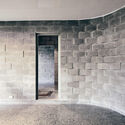
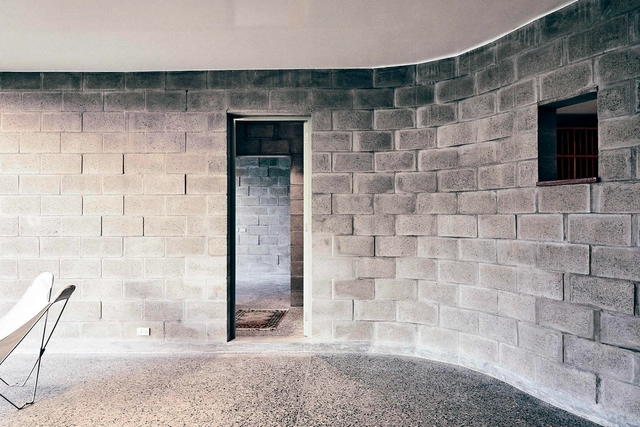
Beyond being a prefabricated material currently produced in large quantities, the use of concrete blocks in architecture continues to evolve to meet the demands and needs of contemporary societies that are constantly changing. Whether in interior or exterior spaces, their use can align with concepts of circular economy, resource efficiency, sustainability, and more, with the goal of creating habitable spaces while also understanding their constructive advantages and disadvantages, their expressive and aesthetic qualities, and so on.
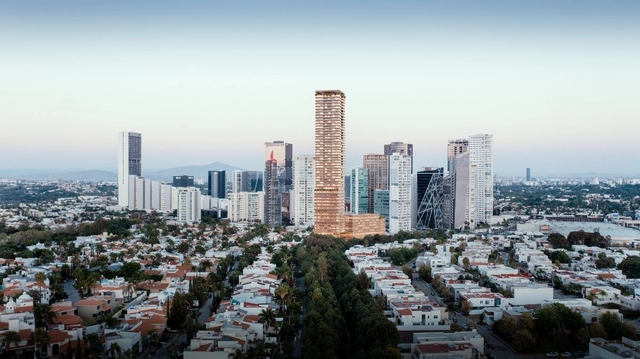
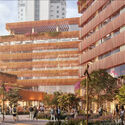
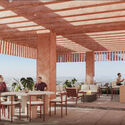
American architecture and engineering firm Skidmore, Owings & Merrill (SOM), in collaboration with Mexico City-based Estudio AMA and interior designer Esrawe Studio, has revealed a new 190-meter-tall mixed-use tower in Guadalajara, Mexico. The new addition, which broke ground on May 24, is slanted to become the tallest building in the Andares Zapopan district of the city, offering residential units, hotel rooms, and various amenities.
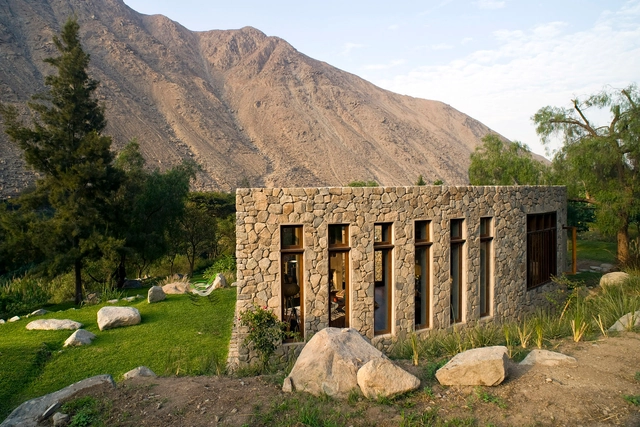
Organizing, shaping, stacking. Transforming raw materials from the soil into architecture. This is a challenge that many Latin American architects embrace, demonstrating that scarcity can be daunting but also a rich opportunity to unleash creativity.
The use of materials extracted from the local soil serves a dual purpose. In regions with limited industrialization, using locally sourced materials makes economic sense because industrial materials such as concrete and steel are expensive and often require long-distance transportation, adding to their cost. Environmentally, choosing locally sourced materials from the start of a project reduces transportation needs and carbon emissions, supporting sustainability efforts.