1. ArchDaily
  2. Craftsman

Craftsman: The Latest Architecture and News

"Artisans of the Reiwa Era" Documentary Showcases Traditional Japanese Wood Construction and Craftsmanship

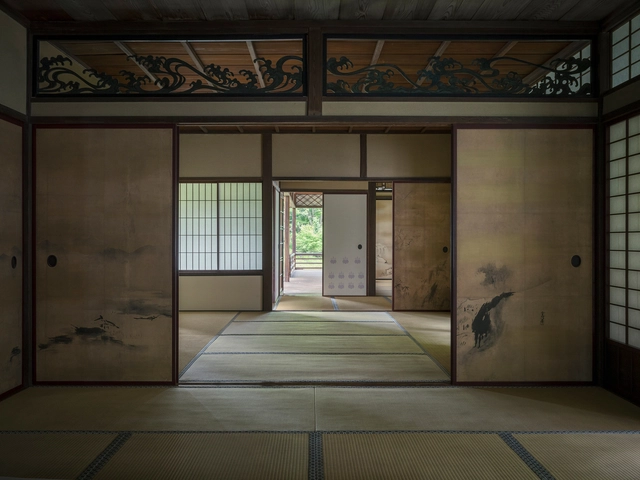
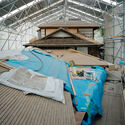
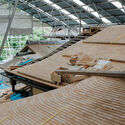
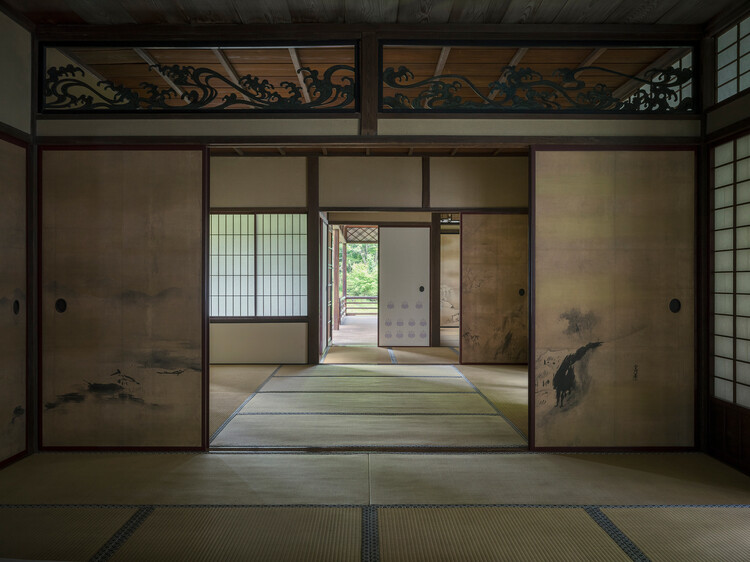
Rinshunkaku is a notable example of early Edo-period residential architecture. Originally built in the Wakayama Prefecture by the Kishu Tokugawa family, the villa was relocated to Sankeien, a traditional Japanese garden in the city of Yokohama, during the Taisho era (1912-1926). The garden was created in the early 20th century by businessman and art patron Sankei Hara and features a number of historic buildings relocated from Kyoto, Kamakura, and other areas of Japan. Rinshunkaku, one of the garden's gems, is a prime example of traditional Japanese architecture and wood construction. Its historical value motivated a large-scale restoration project in 2019, documented in the film Artisans of the Reiwa Era (Reiwa no Shokunin-tachi), filmed and edited by Katsumasa Tanaka and Hiroshi Fujiki. The documentary offers a close, detailed view of Japanese craftsmanship and wood expertise, highlighting rare traditional techniques and paying tribute to the artisans who preserve them.

"Artisans of the Reiwa Era" Documentary Showcases Traditional Japanese Wood Construction and Craftsmanship - Imagen 1 de 4"Artisans of the Reiwa Era" Documentary Showcases Traditional Japanese Wood Construction and Craftsmanship - Imagen 2 de 4"Artisans of the Reiwa Era" Documentary Showcases Traditional Japanese Wood Construction and Craftsmanship - Imagen 3 de 4"Artisans of the Reiwa Era" Documentary Showcases Traditional Japanese Wood Construction and Craftsmanship - Imagen 4 de 4Artisans of the Reiwa Era Documentary Showcases Traditional Japanese Wood Construction and Craftsmanship - More Images+ 7

Slovenian Pavilion Highlights the Relationship Between Architect, Craftsman, and Architecture at the Venice Architecture Biennale 2025

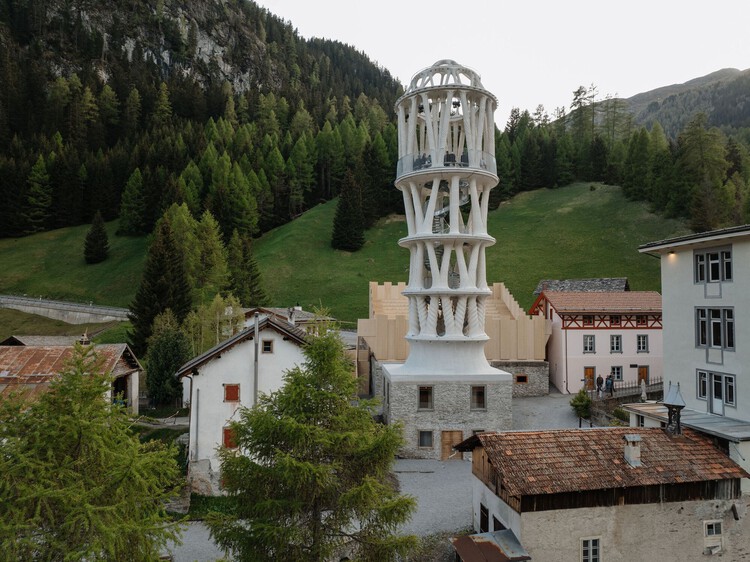
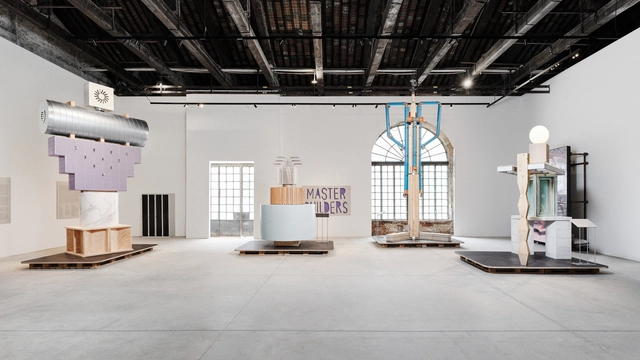
The Slovenian Pavilion at the 19th International Architecture Exhibition – La Biennale di Venezia presents Master Builders, a project curated by Ana Kosi and Ognen Arsov and organized by the Museum of Architecture and Design (MAO). The project addresses the evolution of construction technology, encompassing robotics, prefabrication, artificial intelligence, 3D printing, and other emerging tools, while drawing attention to a notable paradox within this technological shift, and also emphasizing that the quality of the built environment continues to rely heavily on the tacit knowledge of skilled craftsmen. By constructing a series of totems, the project examines the collaborative dynamics between architect and craftsman, revealing how this relationship shapes the material realization of architecture.

Slovenian Pavilion Highlights the Relationship Between Architect, Craftsman, and Architecture at the Venice Architecture Biennale 2025 - Imagen 1 de 4Slovenian Pavilion Highlights the Relationship Between Architect, Craftsman, and Architecture at the Venice Architecture Biennale 2025 - Imagen 2 de 4Slovenian Pavilion Highlights the Relationship Between Architect, Craftsman, and Architecture at the Venice Architecture Biennale 2025 - Imagen 3 de 4Slovenian Pavilion Highlights the Relationship Between Architect, Craftsman, and Architecture at the Venice Architecture Biennale 2025 - Imagen 4 de 4Slovenian Pavilion Highlights the Relationship Between Architect, Craftsman, and Architecture at the Venice Architecture Biennale 2025 - More Images+ 8

Historic Materials in the Digital Age: How Digitally Assisted Stone Carving Adds a New Dimension to Heritage Restoration

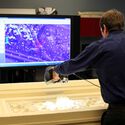
Heritage restoration has always been an intricate process that requires delicate balancing between preserving the integrity of historic materials while integrating contemporary techniques that can enhance accuracy, efficiency, and resilience. With the restoration process of Parliament Hill in Ottawa, Canada's capital city, this intersection of tradition and technology is now on full display. The East Block, built in 1865, offers a compelling example of how digital tools can support the efforts of heritage restoration and contribute to a centuries-old craft such as stone carving.

Historic Materials in the Digital Age: How Digitally Assisted Stone Carving Adds a New Dimension to Heritage Restoration  - Image 4 of 4Historic Materials in the Digital Age: How Digitally Assisted Stone Carving Adds a New Dimension to Heritage Restoration  - Image 6 of 4Historic Materials in the Digital Age: How Digitally Assisted Stone Carving Adds a New Dimension to Heritage Restoration  - Image 5 of 4Historic Materials in the Digital Age: How Digitally Assisted Stone Carving Adds a New Dimension to Heritage Restoration  - Image 2 of 4Historic Materials in the Digital Age: How Digitally Assisted Stone Carving Adds a New Dimension to Heritage Restoration  - More Images+ 8

Customizable Bathroom Fittings With Re-Purposed and Crystal Glass Materials

 | Sponsored Content

In addition to contributing to the functionality of the space, bathroom fittings underlie the overall aesthetics of a chosen design style. Within their technical features –as well as the possible materials, finishes, and styles–, fittings play a role in both the visual appeal of a space, while also focusing on comfort and user experience. This is part of Dornbracht's continuous re-imagination of bathrooms as living spaces, in which the brand seeks to create innovative solutions based on proportion, precision, progressiveness, performance, and personality.

Among Dornbracht’s series, the MEM collection includes a complete selection of minimalist bathroom fittings for washstands, showers, and tubs. In collaboration with ethical design brand Nature Squared and Italian craft manufacturer Glass Design, the collection’s original design has been enriched with versatile new features for customizing bathrooms. These features are created through the combination of high-quality materials with sustainable craftsmanship and the incorporation of futuristic artistic crystal glass.

Pasadena Heritage Craftsman Weekend

In its 27th year, Pasadena Heritage will present the Annual Craftsman Weekend on November 9-11, 2018. The Weekend will feature house tours of notable Craftsman properties, along with bus and walking tours of the surrounding neighborhoods. Other events scheduled include a Show and Sale with exhibitors of antique and contemporary furniture and decorative arts, a silent auction, workshops and presentations. In addition, Pasadena Heritage will be offering exclusive receptions at historic locations throughout the weekend.

Markham Place Neighborhood Walking Tour

The Governor Markham Landmark District is one of the oldest neighborhoods in the City of Pasadena, and residences included in the District parallel Pasadena’s growth from incorporation as a city in 1886. Ninety-four percent of the homes were constructed between 1891 and 1933. This area became an official Landmark District in 2005 and was listed on the National Register of Historic Places in 2012, nominated by Pasadena Heritage.

"Autotuned Architecture" Is Endangering the Craft of Architectural Construction

This article was originally published by Common Edge as "Separating Architecture From the Building Arts Produces Soulless Structures."

Truth be told, many architects I know are a little uneasy about their lack of building knowledge. Since architecture without construction is largely a graphic arts exercise, this is either deeply ironic or grimly paradoxical. To bridge this yawning gap, architects today typically hire a slew of consultants—roof, skin, curtain wall, interior, sustainability, preservation—who join the growing influence of software-driven structural and mechanical engineers to absorb much of what architects once assumed they could handle.

The Astonishing (Vanishing) Stepwells of India

Subscriber Access | 

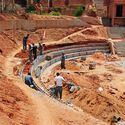
Thirty years ago, on my first visit to India, I glanced over an ordinary wall. The ground fell away and was replaced by an elaborate, man-made chasm the length and depth of which I couldn’t fathom. It was disorienting and even transgressive; we are, after all, conditioned to look up at architecture, not down into it, and I had no clue as to what I was looking at. Descending into the subterranean space only augmented the disorientation, with telescoping views and ornate, towering columns that paraded five stories into the earth. At the bottom, above-ground noises became hushed, harsh light had dimmed, and the intense mid-day heat cooled considerably. It was like stepping into another world.

The Astonishing (Vanishing) Stepwells of India - Image 1 of 4The Astonishing (Vanishing) Stepwells of India - Image 2 of 4The Astonishing (Vanishing) Stepwells of India - Image 3 of 4The Astonishing (Vanishing) Stepwells of India - Image 4 of 4The Astonishing (Vanishing) Stepwells of India - More Images+ 10