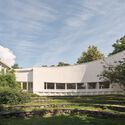
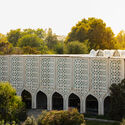
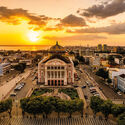
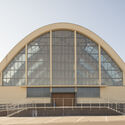
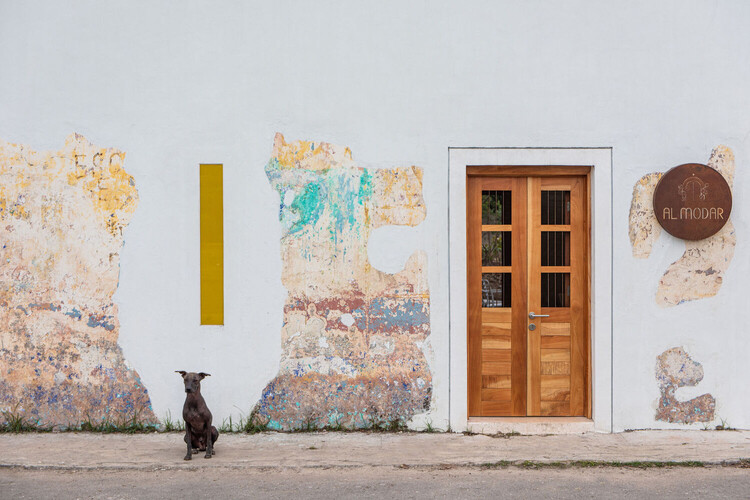
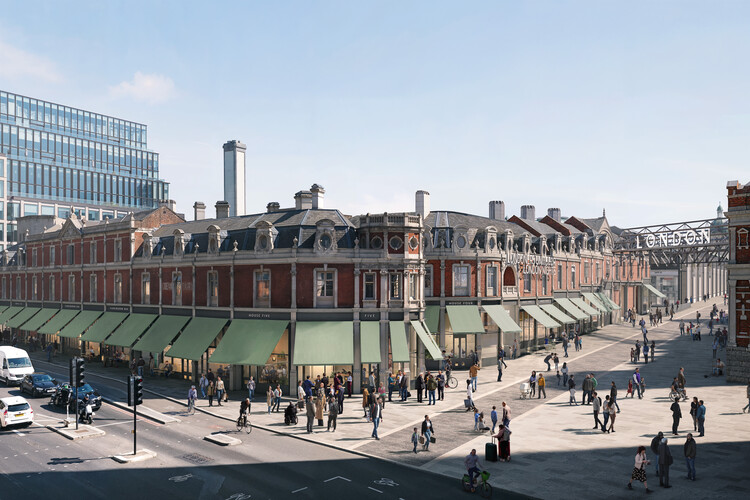
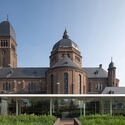
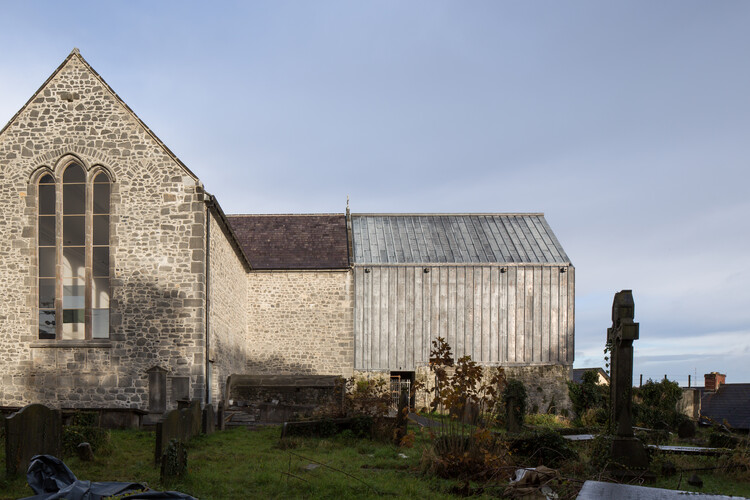
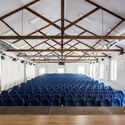
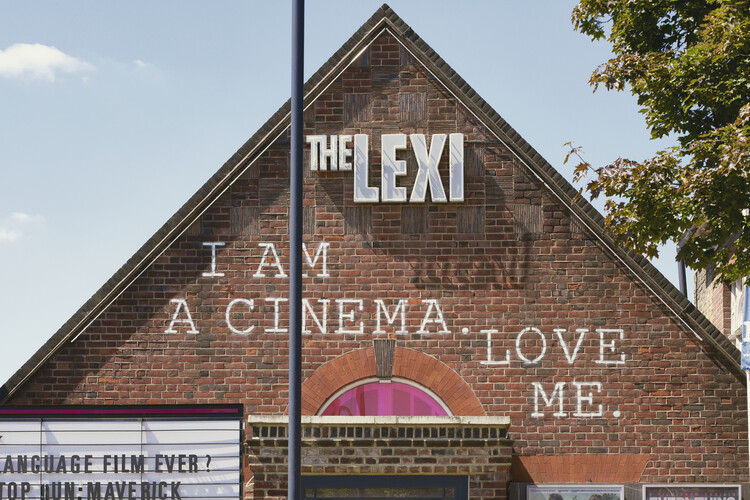
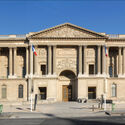
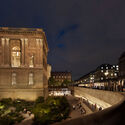
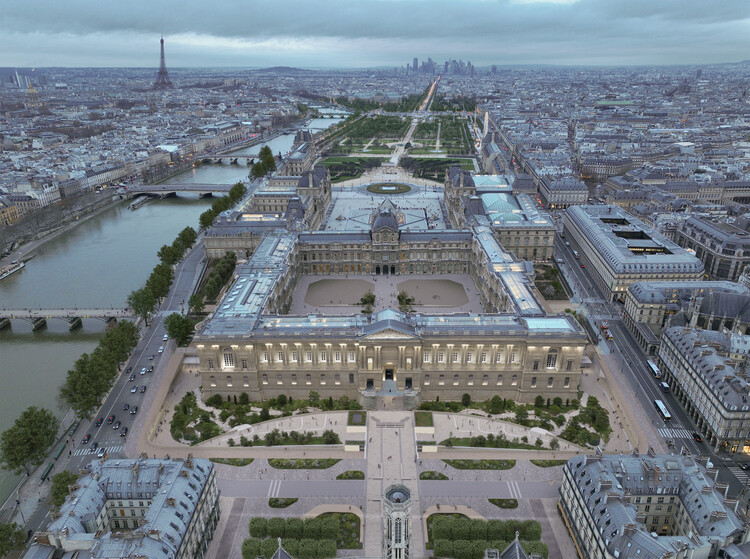
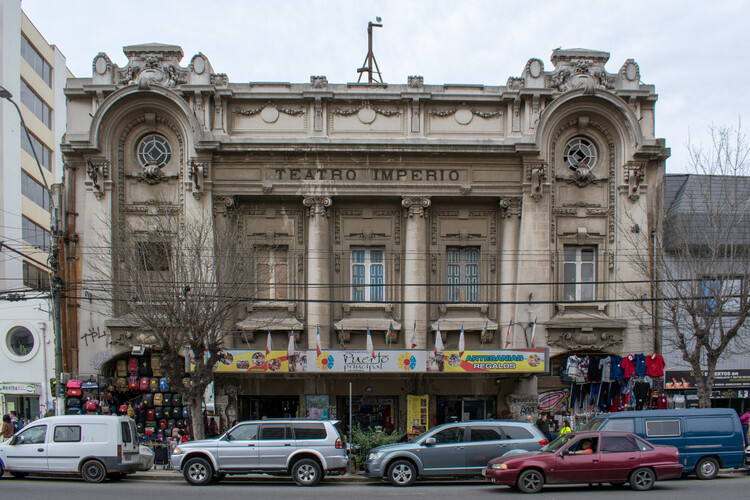
Italy's rich history, evident in its monuments and cities, has created a unique context for architectural renovation. Italian architects often embrace this heritage by engaging in a dialogue between old and new, rather than aiming for a complete transformation. This approach intentionally avoids an imitative style, instead using contemporary materials like steel, glass, and new wood to frame and highlight the existing historic stone and brickwork. This juxtaposition turns the original materials from simple structural elements into featured decorative and narrative ones. The result is a layered experience where the history of the space remains visible, ensuring it is preserved rather than erased by the renovation.
During the 47th session of the World Heritage Committee, held from July 6 to 16, 2025, at UNESCO Headquarters in Paris, France, 26 new properties were inscribed on the World Heritage List. In addition to examining new nominations, the Committee reviewed the conservation and management of existing sites, addressed the impact of climate change on heritage, and approved the extension of two existing sites to create new transboundary natural parks. According to UNESCO, the session placed the work of local communities at the center of safeguarding policies, reinforced efforts to preserve African heritage, and acknowledged the growing recognition of remembrance sites and the protection of humanity's shared prehistory. These 26 properties, located across 26 countries, now benefit from the highest level of international heritage protection.
In February 2023, the governor of Kagawa Prefecture, Japan, announced the planned demolition of the Kagawa Prefectural Gymnasium, designed by Pritzker Prize-winning architect Kenzo Tange. Discussion surrounding its fate dates back to its permanent closure in 2014, after a roof leak caused structural problems in the ceiling boards. Since then, several organizations have worked to save the building, including a petition by the World Monuments Fund and an effort by a promotional council to nominate it as a UNESCO World Cultural Heritage site in 2021. Despite these initiatives, on August 7, 2025, the Kagawa Prefectural Government officially announced a public competitive bidding process to select a contractor for the demolition, something the Former Kagawa Prefectural Gymnasium Regeneration Committee is determined to prevent.
The Sardarapat Memorial and the architect's original sketch. Image via risraelyan.com/en/, courtesy of Aram Ghanalanyan
In a time when much global architecture can feel disconnected from local identity, the work of Rafayel Israelyan stands out for being rooted in place, culture, and memory. Working in mid-20th-century Armenia, Israelyan created architecture that is more than functional or monumental; it is culturally resilient. His use of traditional Armenian motifs, materials, and symbolic forms gave his designs a second life after the fall of the Soviet Union, when many buildings across post-Soviet states were abandoned or demolished. Armenia, by contrast, preserved many of his works, likely because their design approach not only served a specific moment in time, but also told a larger story. Long before concepts like sustainability or critical regionalism became popular, Israelyan understood that buildings gain meaning and endurance when they reflect the specific identity and characteristics of their place.
In today's architectural discourse, masterplanning is increasingly recognized as a means to reconcile growth with long-term social, cultural, and environmental priorities. Beyond organizing buildings and infrastructure, these large-scale proposals aim to regenerate urban fabrics, adapt historic or underutilized sites, and establish frameworks for inclusive and resilient communities. Submitted by the ArchDaily community, the projects featured in this edition of Unbuilt Architecture highlight how masterplans can respond to contemporary challenges while preparing cities for an uncertain future.

Spanning diverse geographies, from Europe to the Middle East and the Americas, the selected projects reinterpret industrial complexes, cultural sites, and residential neighborhoods through strategies that prioritize sustainability, mobility, and collective identity. Many share a focus on regenerative design: reopening historic canals, creating climate-adapted public spaces, and introducing green corridors and community hubs to reconnect people with their environments. Together, they showcase how masterplanning is evolving into a critical tool for rethinking how cities grow, adapt, and sustain civic life.

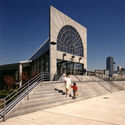
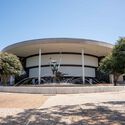
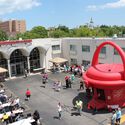
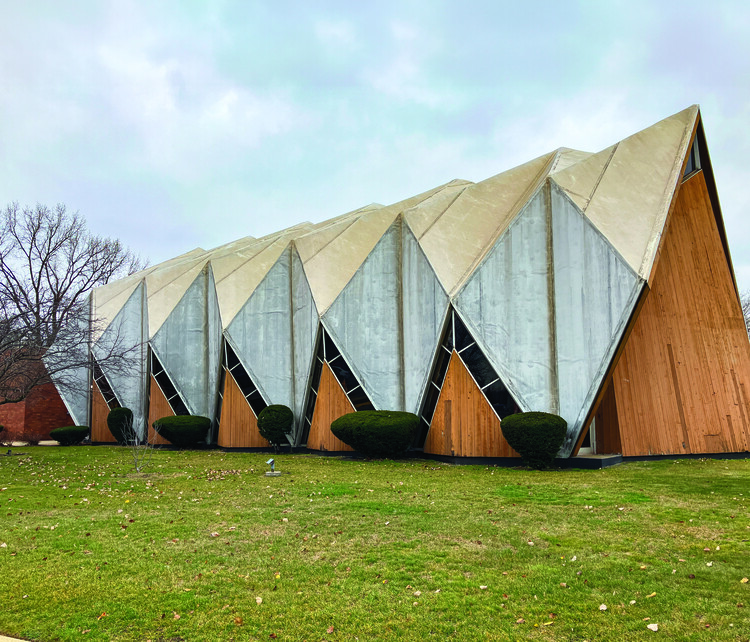
The Getty Foundation's Conserving Black Modernism initiative was launched in 2022 as a grant program to preserve and ensure the legacy of African American architects within the Modernist movement across the United States. In partnership with the National Trust for Historic Preservation's African American Cultural Heritage Action Fund, it supports conservation efforts, training, and educational initiatives to address the historical oversight of significant architectural landmarks and their designers' contribution. For its third funding cycle in 2025, five new buildings will receive critical support, expanding the initiative's reach into new communities with the first projects in Chicago and the Pacific Northwest.

While Hong Kong is widely celebrated for its iconic harbor view, glittering skyline, and fast-paced urban lifestyle, its origins tell a different story—one deeply rooted in its relationship with water. Before transforming into a dense, vertical metropolis, Hong Kong's architectural identity was closely tied to its maritime context. Today, the city is often associated with slender, glass-clad towers that symbolize modernity. While visually striking in their pursuit of height and form, many of these buildings appear disconnected from their immediate environment, often overlooking natural site conditions, ecological responsiveness, and contextual sensitivity.
Historically, however, this was not the case. Hong Kong's earliest built environments—rural fishing villages in areas like Tai O, Aberdeen, and Shau Kei Wan—emerged through organic, community-driven spatial practices that engaged closely with their surroundings. These coastal and riverside settlements developed architectural systems tailored to the marine environment and to the rhythms of fishing life. Villages were sited around water, and construction strategies were adapted to fluctuating tides, terrain, and social use.
The Benedictine Monastery of San Nicolò l’Arena in Catania, Sicily, holds within its stones the echoes of five centuries, shaped by time, varied uses, violent earthquakes, and the blazing force of Mount Etna. Its walls, silent witnesses to history, were molded both by the fire of nature and by human hands. Yet among all the transformations it underwent, none was as profound or poetic as the one led by Italian architect Giancarlo De Carlo, starting in 1980. After 30 years of dedicated work, time required to truly understand such a complex and awe-inspiring site, the former monastic residence was reborn as a university, not by force, but through revelation.
Rinshunkaku is a notable example of early Edo-period residential architecture. Originally built in the Wakayama Prefecture by the Kishu Tokugawa family, the villa was relocated to Sankeien, a traditional Japanese garden in the city of Yokohama, during the Taisho era (1912-1926). The garden was created in the early 20th century by businessman and art patron Sankei Hara and features a number of historic buildings relocated from Kyoto, Kamakura, and other areas of Japan. Rinshunkaku, one of the garden's gems, is a prime example of traditional Japanese architecture and wood construction. Its historical value motivated a large-scale restoration project in 2019, documented in the film Artisans of the Reiwa Era (Reiwa no Shokunin-tachi), filmed and edited by Katsumasa Tanaka and Hiroshi Fujiki. The documentary offers a close, detailed view of Japanese craftsmanship and wood expertise, highlighting rare traditional techniques and paying tribute to the artisans who preserve them.
The circular economy, including the reuse of building materials, is fast becoming a key component in the fight against carbon emissions. This involves designing to minimize waste and utilize materials that can be reused at the end of the building's life. On the opposing side, the reuse of materials from partially or wholly demolished buildings can also reduce waste and carbon emissions that would have resulted from using virgin materials. Sustainability purposes aside, the reuse of building materials has a centuries-old history, both for symbolic reasons and simply out of necessity.
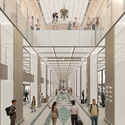
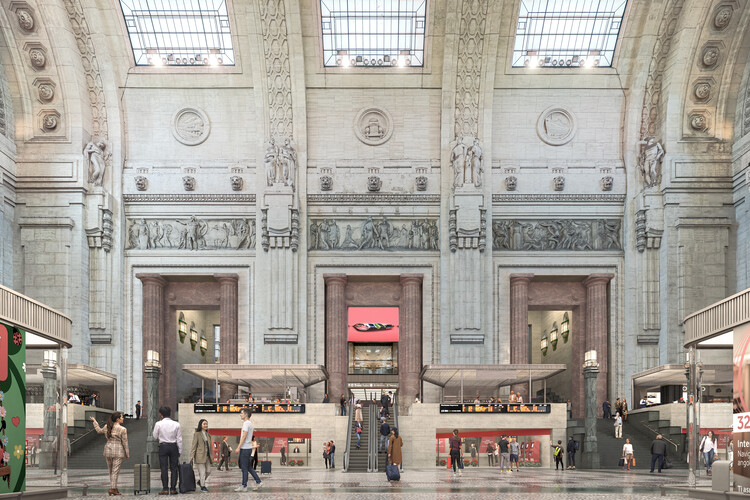
The European AHI Award recognizes architectural heritage interventions across Europe, highlighting their role as a forward-looking model for 21st-century architecture with tangible social, environmental, and economic benefits. In its seventh edition, the award honored six projects, four first prizes and two special mentions, during a ceremony held in early June at the Paranimf Ceremonial Hall of the Escola Industrial in Barcelona. A total of 238 projects from architecture studios in 24 European countries were submitted. The selected winners are located in Antwerp, Kortrijk, Olot, Ancient Corinth, and Milan.
What does a change in use and/or scale in buildings imply? How can a church or chapel be transformed into a home? While the architecture of many contemporary sacred spaces shows a remarkable capacity for adaptation and evolution, the creative boundaries of many professionals extend beyond their conception as structures of spirituality or worship. Globally, the conversion of large churches and small chapels into private residences reveals a wide field for intervention and exploration, one that can preserve, restore, adapt, and/or renew the character of spaces originally conceived for other uses and scales, which for various reasons have been abandoned, become obsolete, or now require transformation.
The residential project Villa San Luis, originally named Villa Compañero Ministro Carlos Cortés, was built between 1971 and 1972 on land that today lies in one of the highest-income areas of Santiago, Chile. Initially designed as an urban center for 60,000 middle-income residents, with staggered buildings and a civic center covering 3.4 of its 50 hectares, the project was redefined in the 1970s to accommodate the unhoused population in the eastern sector of the Chilean capital. The process was not without conflict. During the dictatorship, the new residents of the complex were evicted, and the land was acquired by the military. From then on, the complex entered a process of reappropriation and resignification that now appears to be reaching a new milestone: the conversion of one of its buildings into a memorial site and museum, through a project by UMWELT and Plan Común.
Scaenae view render. Image Courtesy of David Chipperfield Architects
The preliminary design for the architectural restoration and functional redevelopment of the Roman Theatre was presented on Tuesday, April 8, 2025, at the Auditorium of the Santa Giulia Museum in Brescia. The project was developed by the Milan office of David Chipperfield Architects, commissioned by the Fondazione Brescia Musei in collaboration with the Municipality of Brescia and the Brescia Chamber of Commerce, Industry, Handicraft, and Agriculture. Chipperfield was tasked with identifying the essential architectural elements to guide future design phases, leading to the drafting of the Technical-Economic Feasibility Project (PFTE) and the final project, including the necessary authorizations. This initiative is financially supported by the Italian Chamber of Commerce under a 2019 ministerial decree prioritizing cultural heritage, especially where it enhances tourism.
The twentieth century marked a definitive shift in the realm of architecture, as the Modernist movement broke from traditional building styles and encouraged experimentation and innovation. With the help of new materials and technologies, these times represent a crucial moment in the history of architecture as both cities and building styles evolved at an unprecedented rate. The structures that stand testament to this day are, however, nearing the age of a hundred years old. Their stark design features are not always embraced by the public, while the functionalist principles often hinder the adaptability of their interior spaces. Given that they also often occupy central positions within the city, there is increasing pressure to demolish these structures and redevelop the area in its entirety.
Austrian Pavilion at Expo Osaka 2025. Image Courtesy of Expo Austria
BWM Designers & Architects has just completed the design for the Austrian Pavilion at Expo Osaka 2025. Titled "Austria. Composing the Future," the pavilion reimagines the expo's theme, "Designing Future Society for Our Lives," through a music lens, suggesting a future that is not only designed but also composed. In collaboration with facts and fiction, the pavilion and exhibition embark on a journey through Austria's musical heritage and witness its transition into the future. The 900 square meters pavilion is located between the pavilions of Switzerland and Ukraine in the section "Empowering Lives."
Hungarian Architecture Center and Museum Design. Image Courtesy of BIVAK Studio
The Hungarian Architecture Center and Museum, designed by BIVAK Studio in collaboration with Tér és Forma Szeged Építéstervező Ltd., has received its building permit, paving the way for construction to begin. Located at the corner of Városligeti Fasor and Bajza Street in Budapest, Hungary, the project aims to establish a cultural and professional hub within an urban context. The proposal was selected as the winning entry in an international two-round open design competition, organized by the Hungarian Academy of Arts, held in December 2023.