Architect, urbanist, and Content Editor at ArchDaily, covering news and developments in architecture and the built environment. Editorial work focuses on the Gulf region and the Middle East, exploring contemporary regional architectural languages and their relationship to local contexts.
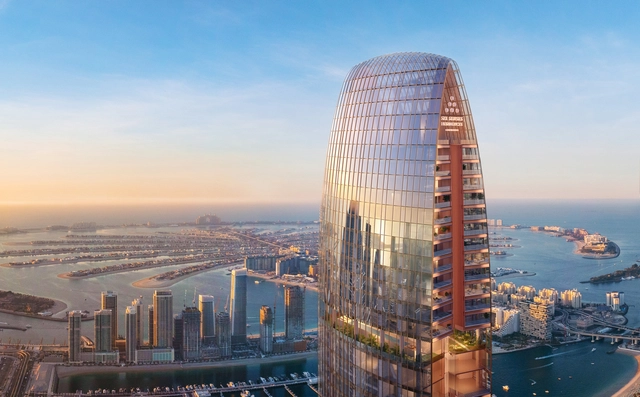
As the global population continues to rise, dense cities face mounting challenges in catering to the needs of billions of people living and working in urban areas. Architects have long explored the skyscraper typology as a solution to these challenges, integrating commercial spaces and public amenities within residential buildings to create all-inclusive experiences for tenants. Over the years, skyscrapers have evolved into multifaceted vertical communities that aim to address the complexities of urban living.
Every year, the Council on Tall Buildings and Urban Habitat (CTBUH) ranks the tallest buildings worldwide, encompassing completed projects, those under construction, and proposed developments. In this updated 2024 article, ArchDaily presents a list of the 25 tallest buildings currently under construction, along with their expected completion dates. These skyscrapers showcase the latest innovations in architecture, engineering, and urban planning.
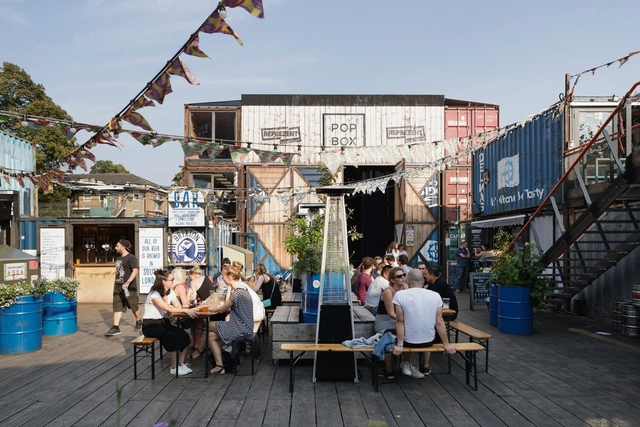
A "meanwhile space" refers to the temporary use of an otherwise vacant area—whether it's an empty shop, a disused building, or a site awaiting redevelopment. The concept revolves around making productive use of these spaces during the interim period before a long-term purpose is established. Essentially, it's about what happens in the meantime, turning unused spaces into vibrant, functional places during periods of uncertainty or transition.
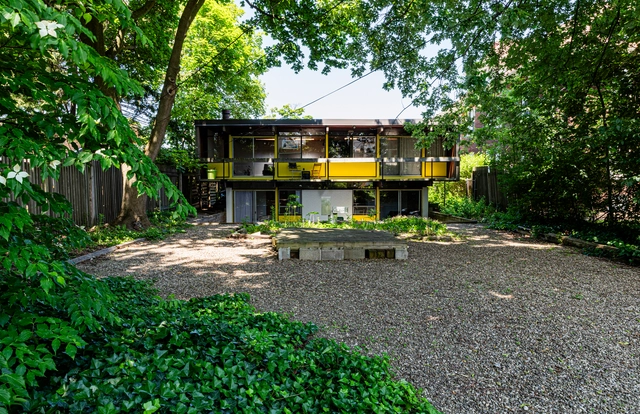
The Getty Foundation's Conserving Black Modernism initiative, launched in 2022, represents a pivotal effort to preserve and celebrate the architectural contributions of African American architects in the Modernist movement. This initiative, a partnership with the National Trust for Historic Preservation's African American Cultural Heritage Action Fund, aims to address historical oversight and ensure the legacy of these trailblazing architects is protected for future generations. Over three funding cycles from 2023 to 2025, the program supports conservation planning, professional training, and storytelling to highlight the cultural and architectural significance of these sites.
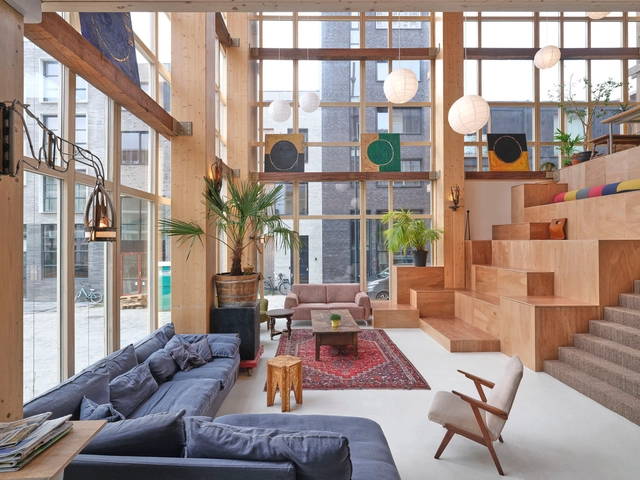
The International Day of Cooperatives, celebrated on the first Saturday of July each year, is an opportunity to raise awareness and celebrate the cooperative movement. Celebrated on this day by the United Nations since 1992, the cooperative movement is a social and economic movement empowering individuals and communities by creating enterprises that are collectively owned and democratically controlled by members. This year's theme is "Cooperatives: Partners for Accelerated Sustainable Development." Underscoring the critical role cooperatives play in achieving the Sustainable Development Goals, it also emphasizes the unique typology of cooperatives in exploring new ways of living together. With a belief in community growth, cooperatives believe in communal development, prioritizing people and supporting them to improve collective well-being.
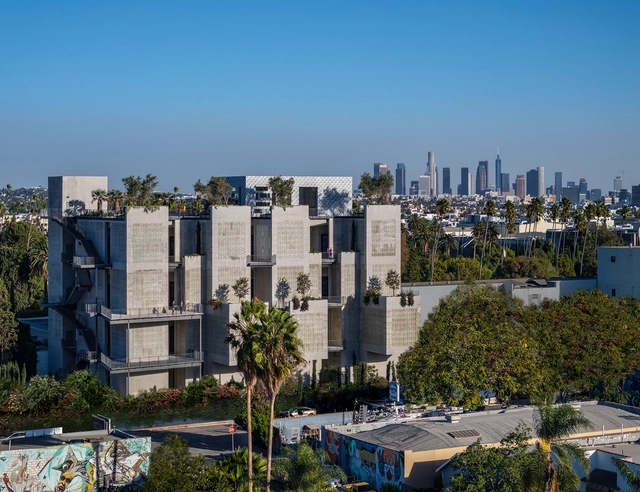
Architects Lehrer Architects LA and Arquitectura y Diseño have just unveiled the first phase of the Gower Mausoleum at Hollywood Forever Cemetery in Los Angeles,United States. This innovative vertical structure, rising 100 feet, is set to provide eternal resting spaces for over 50,000 individuals, while also serving as a cultural and spiritual landmark in the heart of Hollywood.
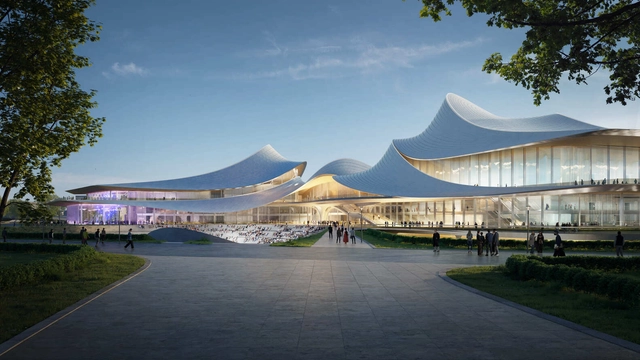
Zaha Hadid Architects has been selected to design the Zhejiang Shaoxing Shangyu District Cao'e River Culture and Art Center, located within a newly planned cultural district in Shaoxing's Shangyu area in Zhejiang province, China. The project is situated along the Cao'e River, a location with historical significance, and is envisioned to serve as a key cultural and artistic space for both the local community and visitors. Its design seeks to integrate contemporary functionality with the architectural and cultural traditions of the region.
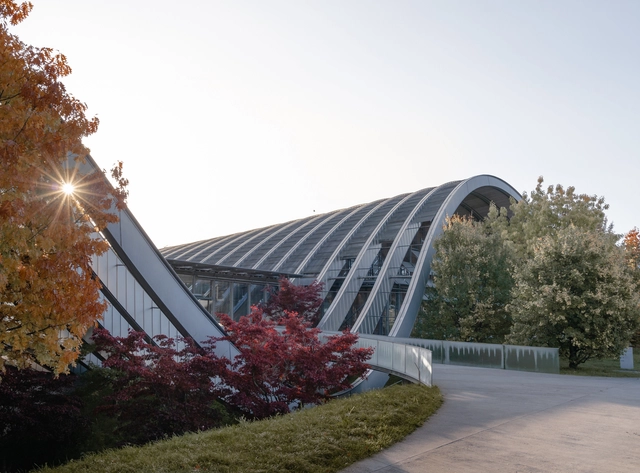
The Paul Klee Center, designed by Renzo Piano Building Workshop, is a tribute to the renowned German-Swiss artist Paul Klee. Blending architecture with the natural landscape of Bern, Switzerland, the museum echoes the rolling hills and fields of the region. Situated on the city's easter outskirts, the structure aims to harmonize with its surroundings. Renowned as an iconic structure, Bern-based photographer Katerina Skarka has recently captured it through her lens, showcasing the architectural landmark.
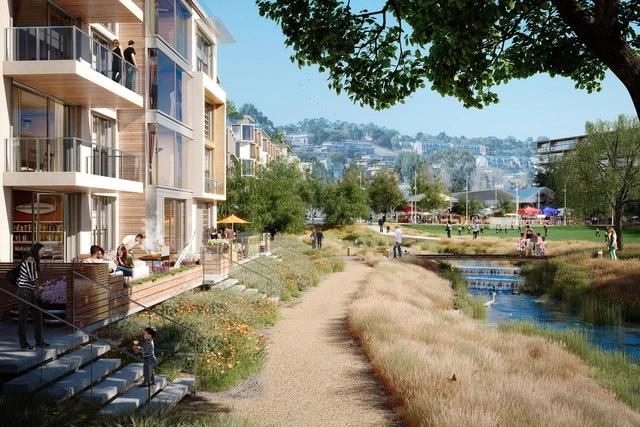
This month, architecture has addressed a wide array of themes, from preserving cultural heritage to designing for adaptability. Around the world, architects are responding to changing needs with solutions that aim to prioritize both functionality and the environment. Notable examples include Gehl, SOM, and Bionic's ambitious redevelopment of San Francisco's India Basin waterfront, which reimagines urban living in harmony with nature, and VOID Studios' collaboration on Kenya's Masai Mara Conservation Centre, a project deeply rooted in ecological and cultural sensitivity. Elsewhere, Nokken and BIG unveiled their "Softshell structure," offering a flexible option for hospitality and residential markets. Meanwhile, the transformation of The Raleigh in Miami Beach by Peter Marino aims to preserve the site's heritage while introducing new standards. These projects, among others, reflect the ever-evolving priorities of the field. Read on to discover the latest news shaping the architectural world.
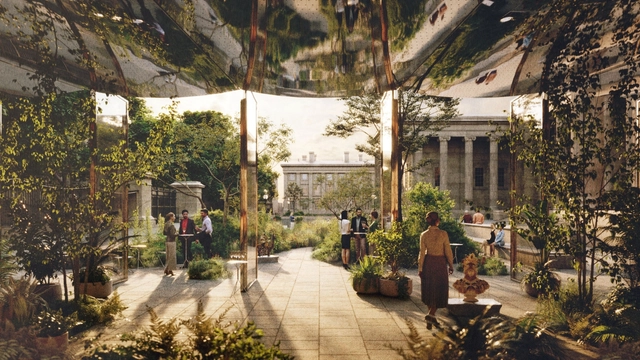
The British Museum has revealed Studio Weave as the lead team selected to design its new visitor welcome pavilions and forecourt as part of a larger redevelopment initiative. The project is one of the Museum's key steps in its extensive Masterplan, which aims to modernize the iconic central London site while preserving its historical significance. The winning proposal was chosen through a competition organized under the Greater London Authority's Architecture + Urbanism framework, which prioritizes diversity and sustainability in design.
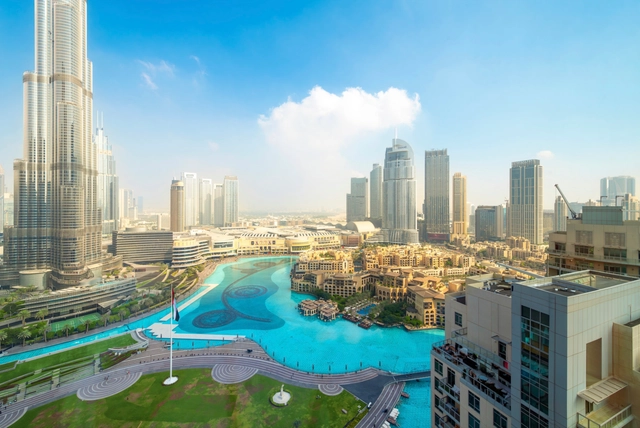
Dubai has just unveiled an ambitious initiative aimed at enhancing pedestrian mobility in the city and promoting sustainable urban development. Announced by Sheikh Mohammed bin Rashid Al Maktoum, Vice President and Ruler of Dubai, the "Dubai Walk Master Plan" envisions transforming the city into a pedestrian-friendly hub by 2040.
The Renzo Piano Building Workshop (RPBW) has just been selected to design the Jawaher Boston Medical District in Sharjah, a significant new healthcare initiative spearheaded by BEEAH, a private organization working in sustainability in the MENA region. Following a competitive selection process, RPBW's appointment marks the beginning of a project aimed at redefining the integration of healthcare excellence with environmental and cultural sensitivity.
In 2024, architecture continues to evolve in response to global challenges, with an increasing focus on sustainability, cultural context, and social responsibility. ArchDaily's interviews with leading architects, such as Kengo Kuma and Anne Lacaton, highlight how design is shifting towards environmental and community-centric solutions. These conversations also shed light on the emerging voices from the Global South, where innovative practices are addressing unique socio-political and environmental challenges. Architects from regions like Africa, Asia, and Latin America are offering fresh perspectives, pushing the boundaries of traditional architecture to reflect their diverse cultural narratives and local contexts.
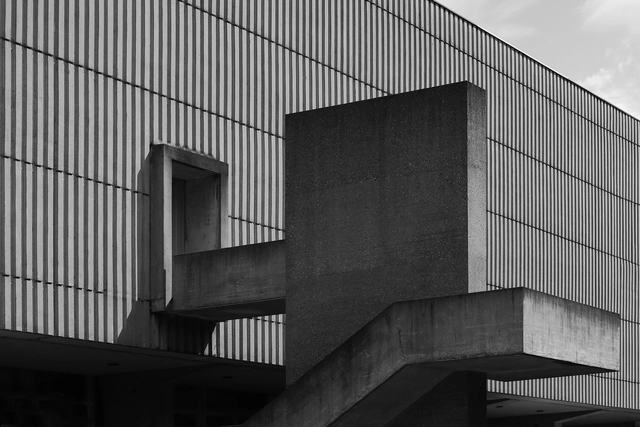
In his latest photographic journey, Paul Clemence explores the architectural essence of SwissMuseums at Le Salon Suisse, Miami Art Week. Delving into the architectural artistry of the region and the museum's significance in today's urban landscape, the photographer showcases a comprehensive exhibition. Titled "Shapes, Rhythm, Abstraction: Swiss Museums," the photo series includes Geneva, Lausanne, Basel, Zurich, and St. Gallen.
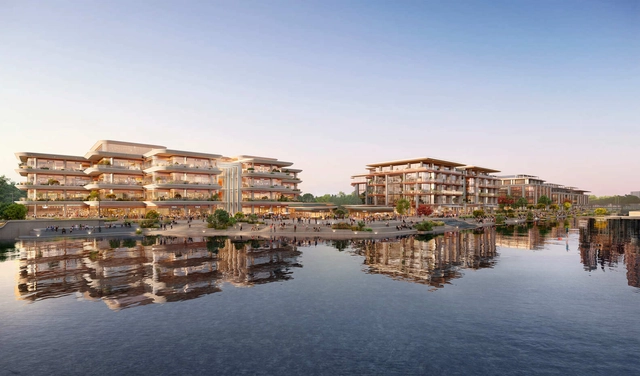
Construction has just begun on a new mixed-use project within the Sanlin Riverside development in Shanghai, designed by Foster + Partners. A recent groundbreaking ceremony marked the start of work on the site, which is envisioned to serve as a significant addition to the larger area. The development is designed to include modern office spaces in the northern section, with retail facilities and additional workspaces situated in the south. These components are connected by landscaped plazas, gardens, courtyards, and a park designed to host community markets, festivals, and waterfront activities. The site will also feature a colonnade along the river, aiming to appeal as a community gathering space.
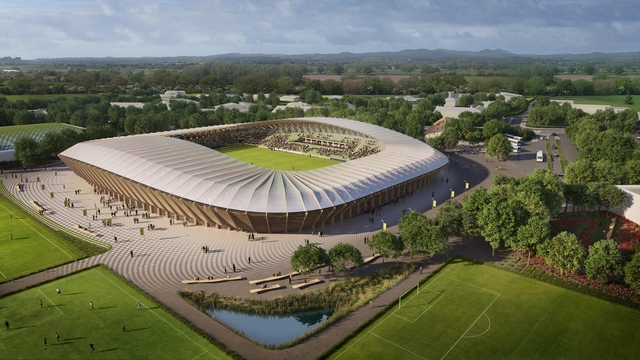
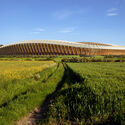
Zaha Hadid Architects has unveiled the design for Forest Green Rovers' Eco Park Stadium, located in Stroud, UK. As the first all-timber football stadium, the design uses sustainably sourced timber for key structural elements, including the framework, roof cantilevers, and cladding. The project combines innovative construction techniques with advanced material research to create a functional and environmentally considerate venue. Part of a larger development, the stadium is designed to integrate with its surroundings while offering facilities that benefit both the football club and the wider community.
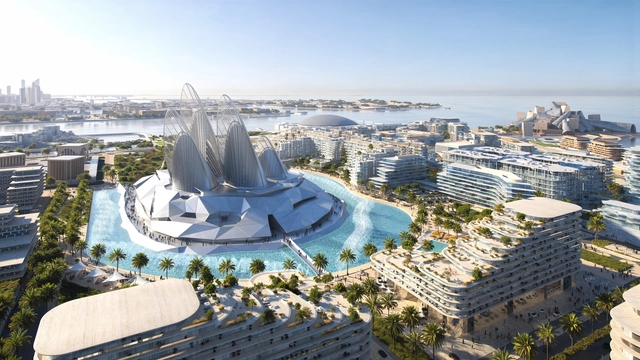
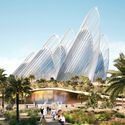
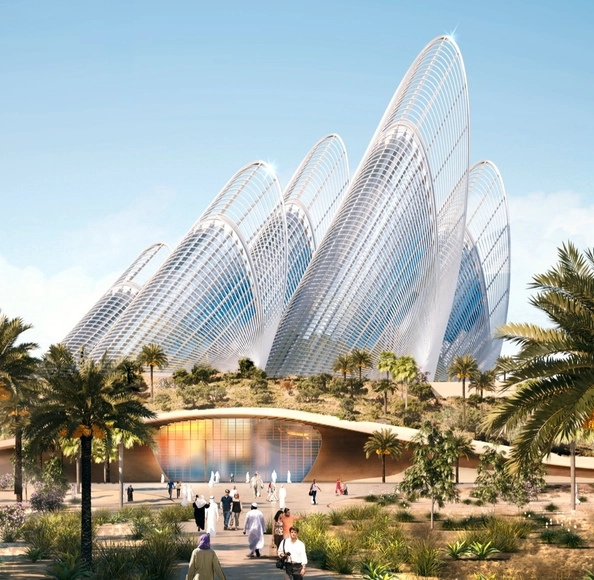
Sheikh Zayed National Museum / Foster + Partners. Image Courtesy of Foster + Partners
As 2024 comes to an end, the architectural world looks ahead to 2025, a year set to unveil transformative projects across the globe. From cultural landmarks in Asia, such as Sou Fujimoto's "Grand Ring" for Expo 2025 Osaka and MAD Architects' Hainan Science Museum in China, to dynamic urban developments like OMA's Harajuku Quest in Tokyo and David Chipperfield's Elbtower in Hamburg, these projects reflect a commitment to innovation, sustainability, and preserving cultural heritage.
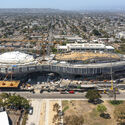
In North America, Studio Gang's Shirley Chisholm Recreation Center in Brooklyn and the Lucas Museum of Narrative Art in Los Angeles highlight architecture's role in fostering community connections. Meanwhile, Europe anticipates Shigeru Ban's hybrid residential tower in Antwerp and Kengo Kuma's Visitor Center at Albania's Butrint National Park, showcasing the intersection of contemporary design and local context. As these projects take shape, they offer a glimpse into architecture's power to redefine spaces and inspire communities.