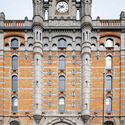
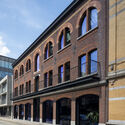
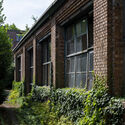
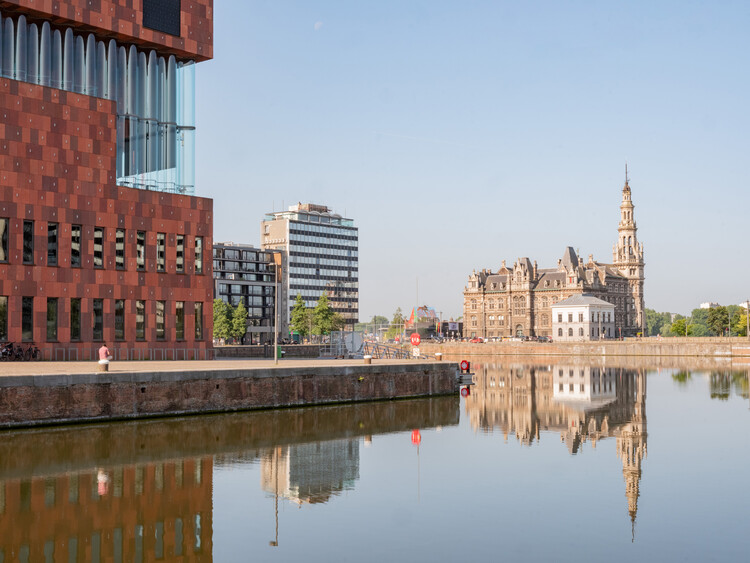
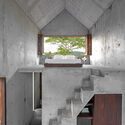
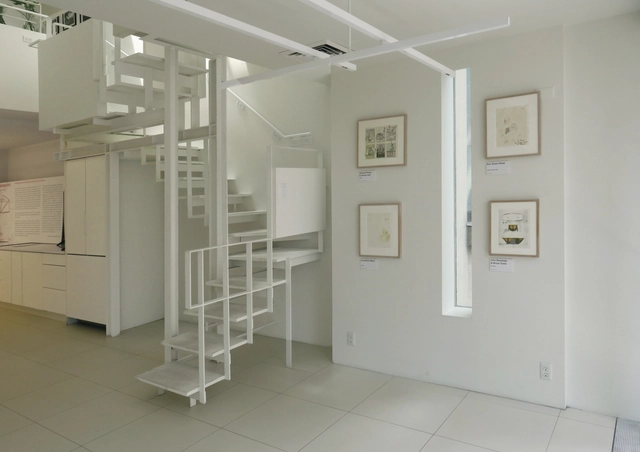
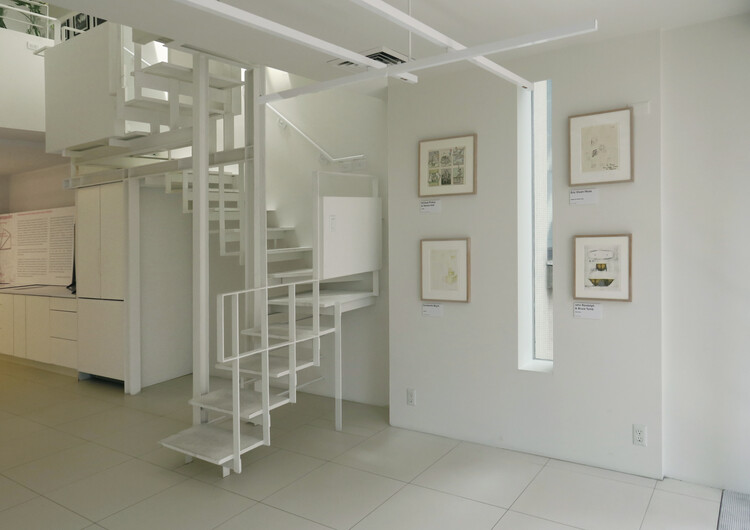
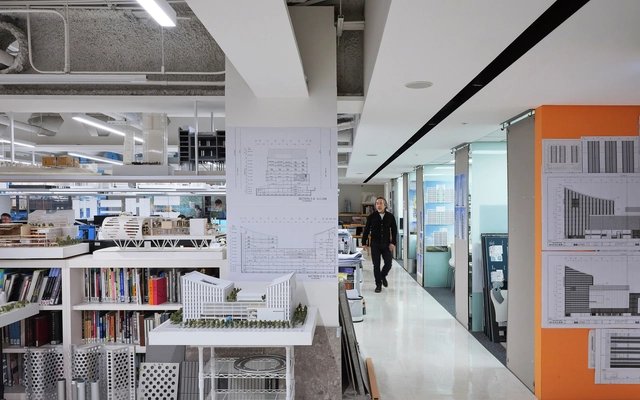
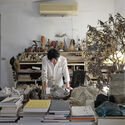
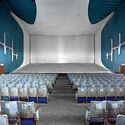
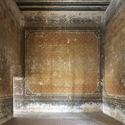
In addition to photographing the studios, Goodwin asked each practice the same question: "What makes for a good office space and office culture for you?" Their responses accompany the images, offering insight into how architects define the atmosphere of their workplaces. Studio Okami describes its workplace as a "home office away from home," while Brut highlights the role of shared meals and greenery in softening their penthouse space.
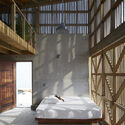
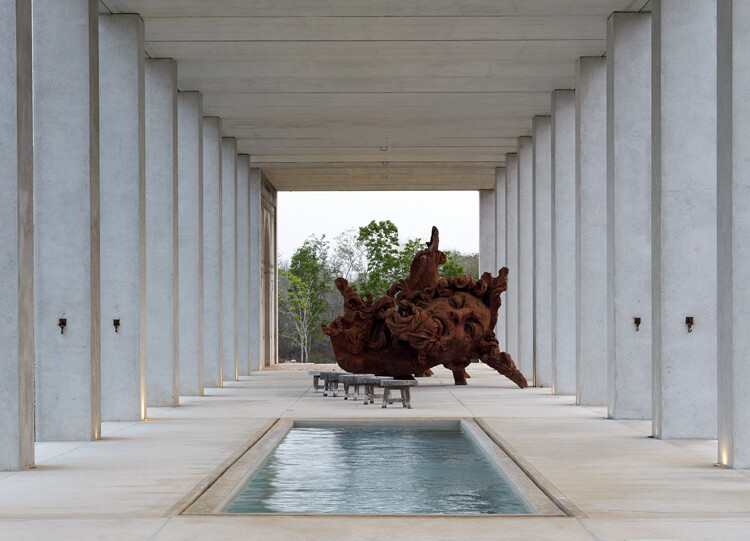
Blending vernacular techniques with contemporary experimentation, Mexico's architectural landscape is shaped by a continuous dialogue between tradition, materiality, and modernity. As the fifth most biodiverse country in the world, Mexican architecture seeks to respond to its vast range of natural environments, climates, and cultural traditions, all within a territory marked by striking contrasts. Reflecting a visible duality, it can embody both exclusivity and act as a catalyst for social transformation.
For over five decades, Swiss photographer Thomas Mayer has developed a serene, emotional, and documentary language for architecture. His lens captures the random and memorable moments of our built environment - reflections in the rain, long blue hours in Nordic summers, and the quiet darkness of sacred spaces. Recognized by ArchDaily as one of the top architectural photographers, Mayer carries an abundant fascination for light and space.
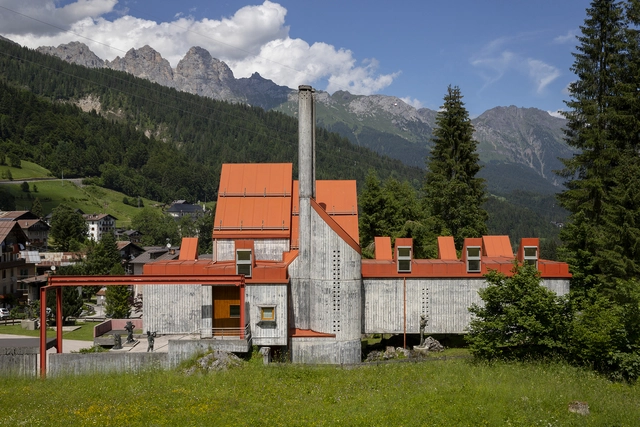
Born in the post-war period in the United Kingdom, the Brutalism movement was first met with skepticism but has found a new appreciation in the last decade, capturing the imagination of new designers fascinated with the interplay between striking geometric shapes and the exposed raw materials in which they are rendered. From Britain, the movement spread throughout Europe, Southeast Asia, and Africa, gathering different variations influenced by the cultural and socio-economic status of each area. In this article, we delve into the particularities that define Italy's contribution to the Brutalist movement, exploring the style through the lens of Roberto Conte and Stefano Perego. The two photographers have also published a photographic essay on the subject, taking the form of a book titled "Brutalist Italy: Concrete Architecture from the Alps to the Mediterranean Sea".
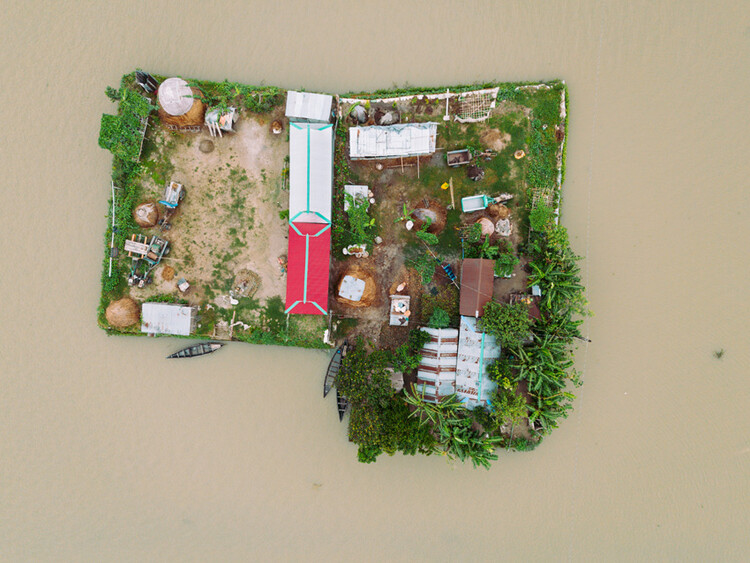
Now in its 18th edition, the Sony World Photography Awards serve as a global platform for both established and emerging artists, offering an annual glimpse into contemporary photography. This free-to-enter competition provides exposure across 10 categories, including Architecture, Landscape, Travel, and Street Photography. Each category awards a winner, features a shortlist of selected works, and culminates in the title of Open Photographer of the Year. For the 2025 Open competition, participants were invited to submit their strongest single images from 2024, with a focus on capturing and distilling a singular moment while evoking a broader narrative.
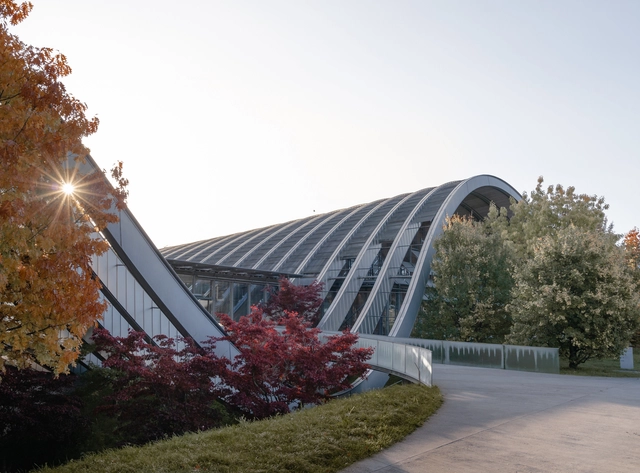
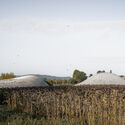
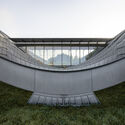
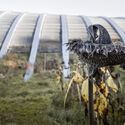
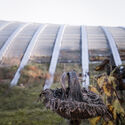
The Paul Klee Center, designed by Renzo Piano Building Workshop, is a tribute to the renowned German-Swiss artist Paul Klee. Blending architecture with the natural landscape of Bern, Switzerland, the museum echoes the rolling hills and fields of the region. Situated on the city's easter outskirts, the structure aims to harmonize with its surroundings. Renowned as an iconic structure, Bern-based photographer Katerina Skarka has recently captured it through her lens, showcasing the architectural landmark.
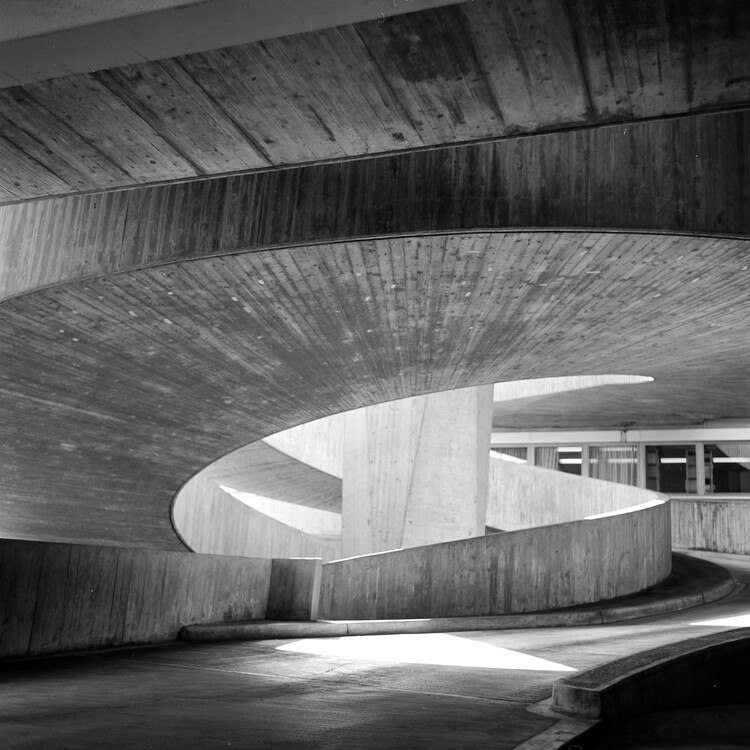
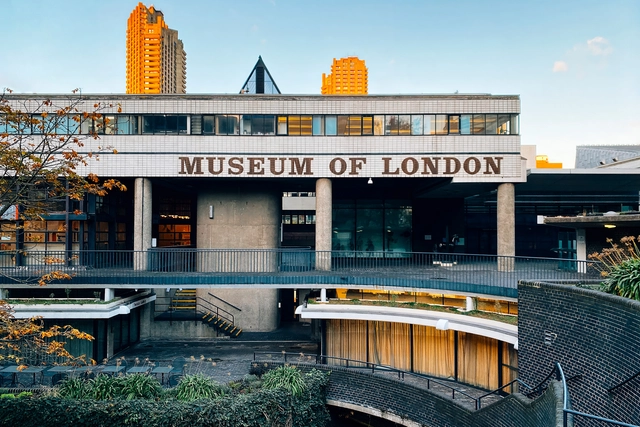
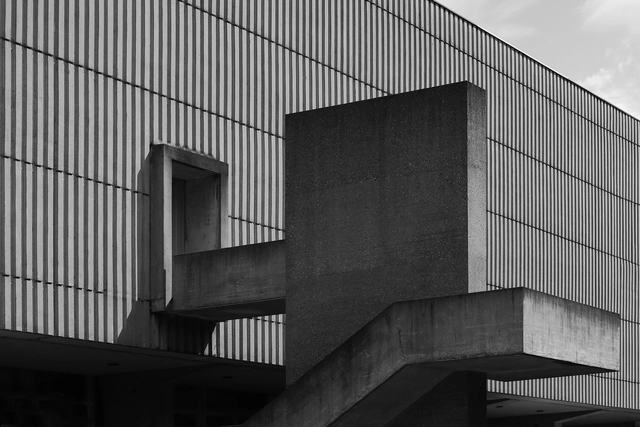
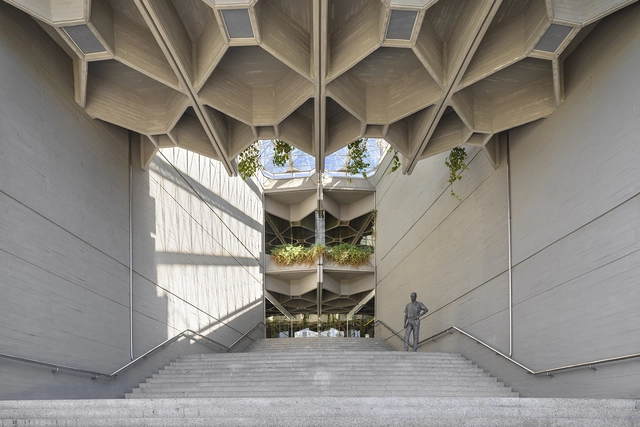
Nestled within the junction of London Wall and Aldersgate Street in the Barbican district of the City of London lies the Museum of London. Built in 1977, the brutalist building was home to the world's largest urban history collection, with more than six million objects curated to highlight London's social history. The museum has been closed for over two years with plans for relocation, while its historic building faces demolition to make way for a new development—the London Wall West scheme. This has sparked mixed reactions from London residents and people across the country, with calls to review the proposed design and campaigns favoring retrofit over the demolition of this unique modernist building. Photographer Arnolt Smead recently visited the museum to capture its beautiful architectural moments and highlight its unique features.
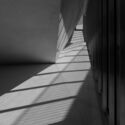
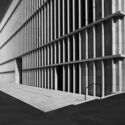
In his latest photographic journey, Paul Clemence explores the architectural essence of SwissMuseums at Le Salon Suisse, Miami Art Week. Delving into the architectural artistry of the region and the museum's significance in today's urban landscape, the photographer showcases a comprehensive exhibition. Titled "Shapes, Rhythm, Abstraction: Swiss Museums," the photo series includes Geneva, Lausanne, Basel, Zurich, and St. Gallen.
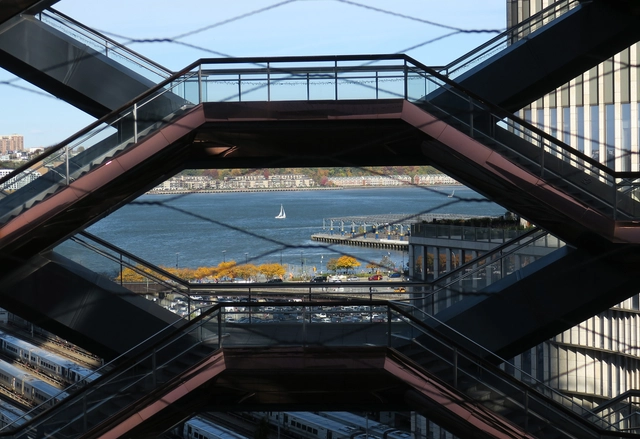
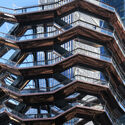
In October 2024, "The Vessel" at Hudson Yards in New York City reopened to the public after being closed for nearly three years due to multiple suicides. Originally designed by Heatherwick Studio and opened in 2019, the 150-foot monumental staircase was closed in January 2021 after four individuals, all under the age of 25, tragically took their own lives within an 18-month span. This photo series by Paul Clemence captures "The Vessel" as it reopens, offering a fresh look at its design and renewed role in the city.
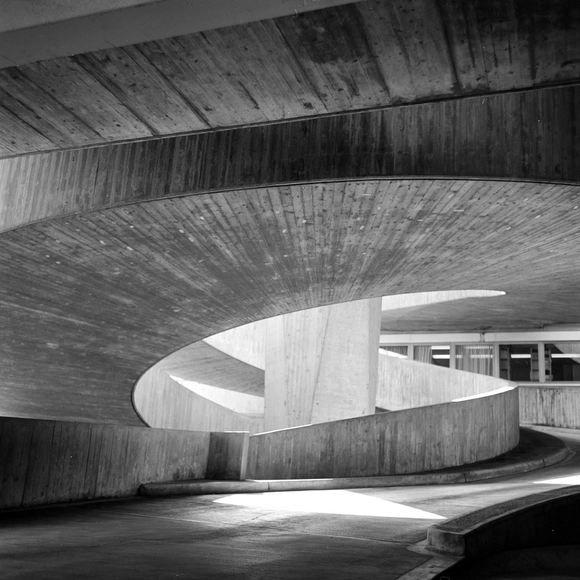
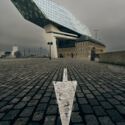
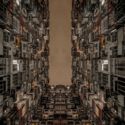
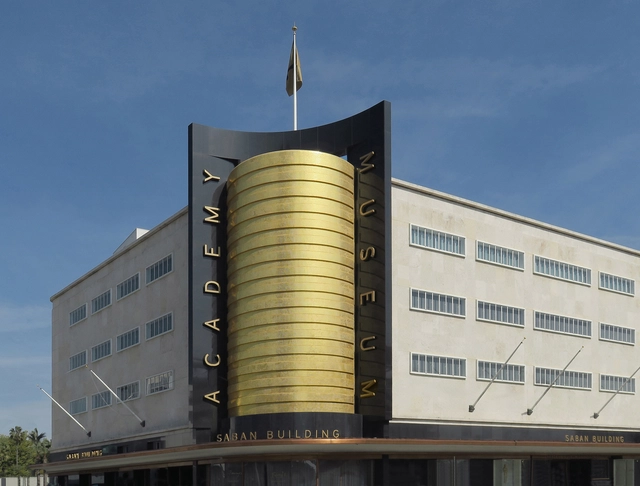
Beyond just a visual record, architectural photography is a powerful medium that holds the ability to reveal and explore architectural spaces from unique perspectives. Through the lens of a skilled photographer, architecture showcases its interplay of lights and shadows, the tectonics of its structural elements, the careful detailing of joined materials, and the larger narratives of cultural heritage. On World Photography Day 2024, we celebrate this unique art form by highlighting the work of 25 distinguished photographers who have captured architecture in its most evocative forms.
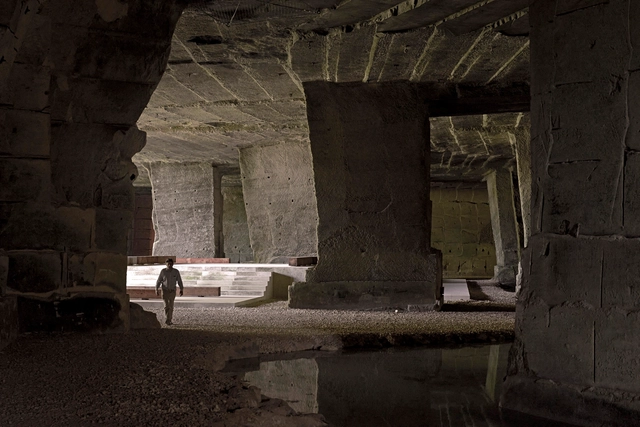
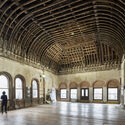
Among the featured photo series, Paul Clemence explores the minimalist precision of Swiss museums, Iwan Baan offers a visual narrative of Prague, while Simone Bossi highlights the contrast between man-made structures and their natural surroundings. Additionally, Marc Goodwin continues his series on architecture studios from around the world, providing a glimpse into the profession’s creative spaces. Erieta Attali’s work transports viewers to ancient ruins to explore historical juxtapositions and cultural landscapes.
To create this collection, Marc Goodwin collaborated with Italian architect, publisher, teacher, and curator Alessandro Martinelli, who is based in Taipei. He selected the participants with the help of Mr. Chung-Hsiung Wang, the curator of the Taiwan Pavilion at the Venice Architecture Biennale 2018. The series will continue to develop with the creation of scale models for each studio, which will be exhibited alongside the photographs in the Taiwan Pavilion of the Venice Biennale.
Starting on June 30th, 2024, Edmund Sumner presents the “Traces” exhibition, a solo show at Rodic Davidson Architects in London featuring architectural photography that explores cultural identity and historical significance across diverse landscapes. The show offers a profound exploration of architecture and design across diverse landscapes, including Europe, India, and Mexico, presenting a compelling intersection between photography and the built environment. Additionally, the photographer is expected to release his fifth book with Thames & Hudson in 2025.
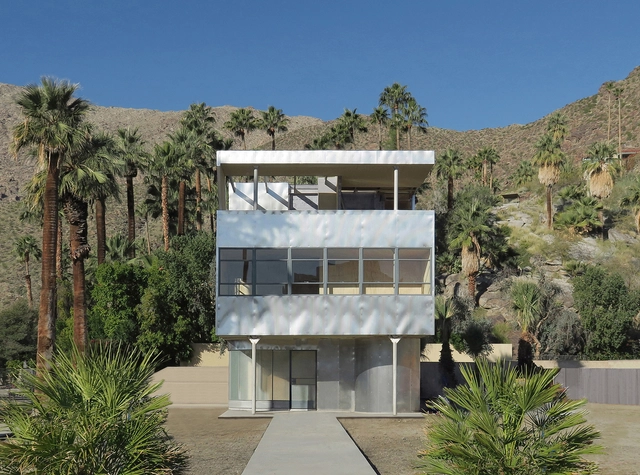
In his latest photographic journey, Paul Clemence explores the architecture of the Aluminaire House in Palm Springs. The Aluminaire House Foundation has bestowed the house exhibit upon the Palm Springs Art Museum, joining its permanent collection. This architectural landmark, designed by Albert Frey and Lawrence Kocher is currently undergoing reconstruction in the south parking lot of the Museum. Hailed as an icon of modernist design, recently recognized by the Architectural Record as one of the most significant buildings completed worldwide in the past 125 years.
Paul Clemence has released a new series of images showcasing the ongoing construction works in The Los Angeles County Museum of Art (LACMA). Undergoing massive transformations, including a new building by Swiss architect Peter Zumthor, the LACMA is the largest art museum in the western United States. Approved in 2019, Zumthor’s design, known as the David Geffen Galleries, aims to modernize the museum’s campus.
The photographs reveal snippets of everyday life in these studios. While not all of the buildings were designed by their occupying architecture studios, each office has added a personal touch to their space, aligning them with their internal culture and traditions. One such example is Tato Architects, for whom the kitchen has become an important gathering space, as they take turns preparing lunch for each other and eating together is a significant part of their office story.
The Sony World Photography Awards 2024 has announced its category winners and shortlist, showcasing the best single images from around the world captured during the last year. With over 395,000 submissions from 220 countries and territories, the competition aims to highlight established and emerging photographers from around the world. The Open Competition is divided into 10 category sections, covering a diverse range of themes, from Architecture and Landscape to Portraiture, Lifestyle, and Wildlife photography.
For the Architecture category, ArchDaily collaborator Ana Skobe has been declared the winner with a photograph titled “Falling Out of Time.” Bathed in the soft hues of evening light, a sleek geometric structure rises from the coastal landscape, its clean lines contrasting with the natural elements surrounding it. Positioned at the base of the lighthouse, a solitary figure gives a sense of scale to the composition, as it contemplates the vastness of the ocean.