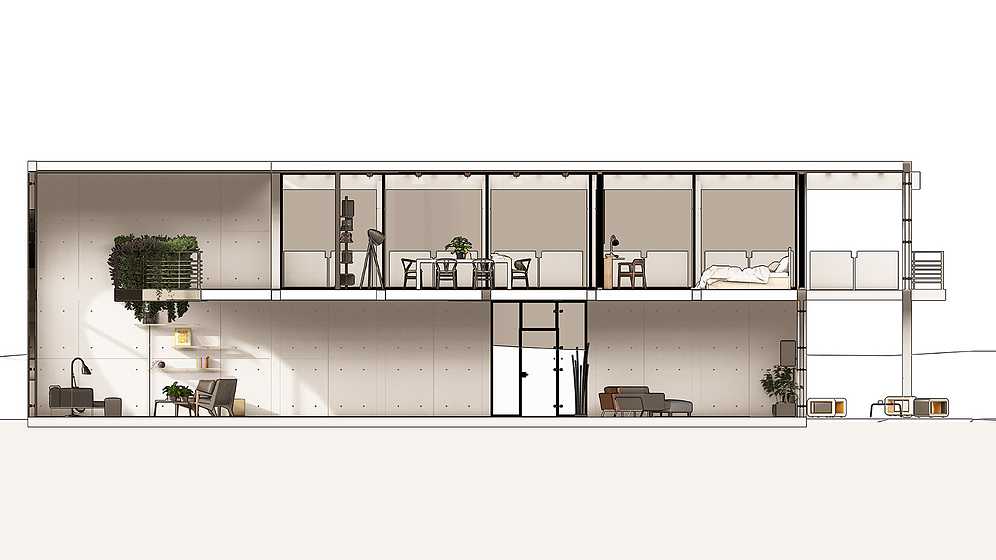
Produce personalized presentation boards that distill complex concepts into simple visual representations with a few helpful tools and effects.


Produce personalized presentation boards that distill complex concepts into simple visual representations with a few helpful tools and effects.
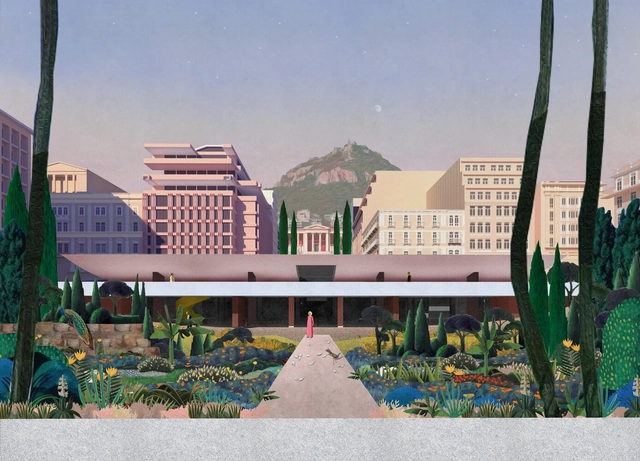
During the EUmies Awards Day in Venice, representatives from the Creative Europe program and the Fundació Mies van der Rohe revealed the four student project winners of the EUmies Awards Young Talent 2025. The award recognizes architecture projects for their capacity to respond to contemporary social, urban, and environmental challenges. The event was held within the context of the 19th International Architecture Exhibition – La Biennale di Venezia, inviting winners, jury members, and institutional representatives to engage in dialogue around four key themes, aligned with the Biennale's curatorial proposal: Artificial, Natural, Collective, and Intelligens.
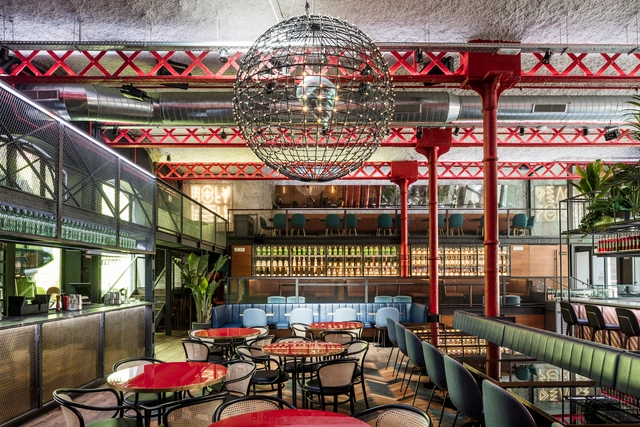
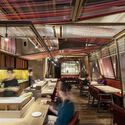
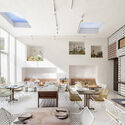
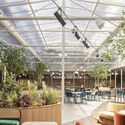
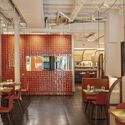
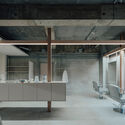
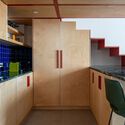
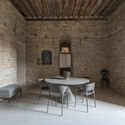
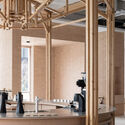
How does the design of contemporary interiors create different experiences through its materials? How does the adaptability and reuse of certain materials make it possible to generate contrasting and/or complementary atmospheres within a single space? According to each material's textures, proportions, colors, or properties, interior architecture currently recognizes the opportunity to create environments where materiality plays more than just an aesthetic role. With special attention to the final experience of its users, El Equipo Creativo aims to combine designs where landscape, nature, culture, and art stand out in interior compositions that accommodate broad programs and audiences.
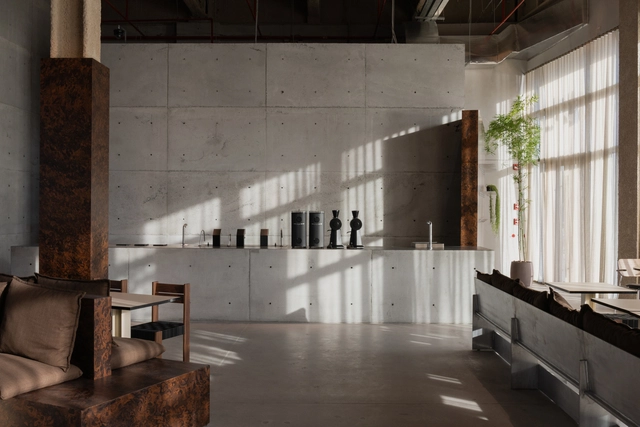
When designing a space—whether at the scale of interiors, architecture, or infrastructure—materiality is a central concern. Beyond aesthetics, materials determine how a project functions, ages, and endures. Some architects—such as Wang Shu and Kengo Kuma—have built their practices on a deep sensitivity to the potential and limits of materials. But even in the most pragmatic sense, the question arises: What lasts? What doesn't? And how do materials change over time? Naturally, materials shape atmosphere and appearance—qualities that often matter most to clients. Yet increasingly, the discourse around materiality has shifted from structural substance to surface treatment. When did we start focusing more on "decorating" our spaces by layering one material over another, rather than relying on the inherent beauty and performance of the building fabric itself?
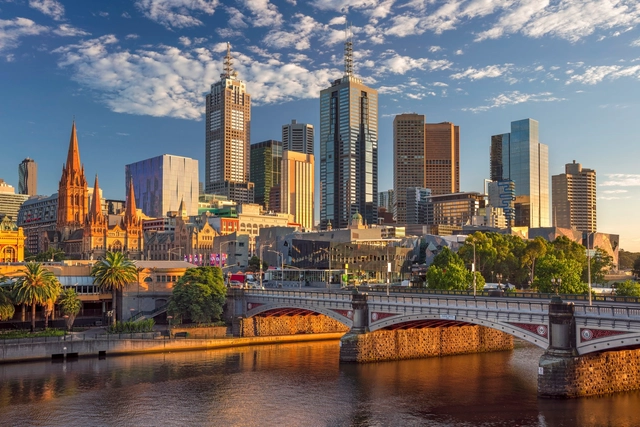
For the third year in a row, Melbourne has been selected as one of the top five most liveable cities in the world. The city is widely viewed as the leading architectural hub in Australia for its unique street culture and diverse design expression, with its layers and bold mix of architectural styles. From the very well-restored Victorian era edifices with their intricate ornamentation and detailing to the adjoining Contemporary landmarks, the city seems to achieve a nice balance of all typologies and design movements, while still being very inviting and engaging to its citizens.
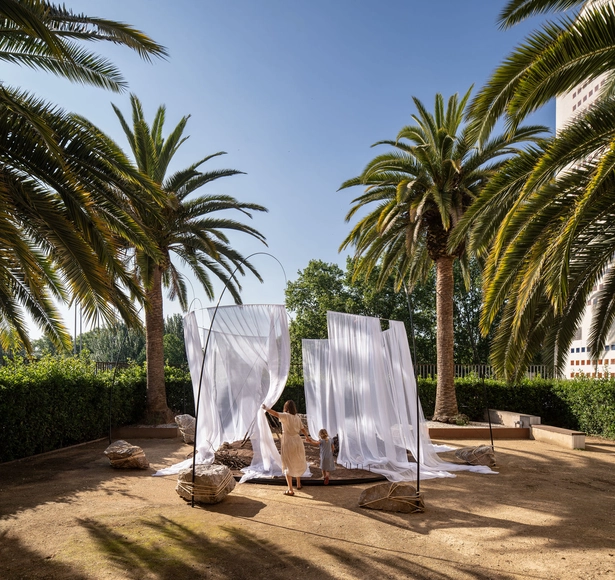
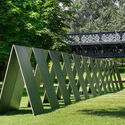
The 11th edition of Concéntrico, the International Festival of Architecture and Design, is currently taking place in Logroño, Spain, from June 19 to 24, 2025. This year's edition broadens the scope of the festival with a multifaceted programme that includes not only temporary installations but also permanent projects, exhibitions, educational initiatives, and traveling events. Through 24 urban interventions, Concéntrico 2025 explores themes such as material reuse and circular design, food as a collective practice, the recovery of water-related spaces, the activation of urban voids, and interspecies connections in the urban context, while emphasizing the need to imagine new ways of inhabiting the city, placing care, sustainability, empathy, and active listening at the core of public architecture.
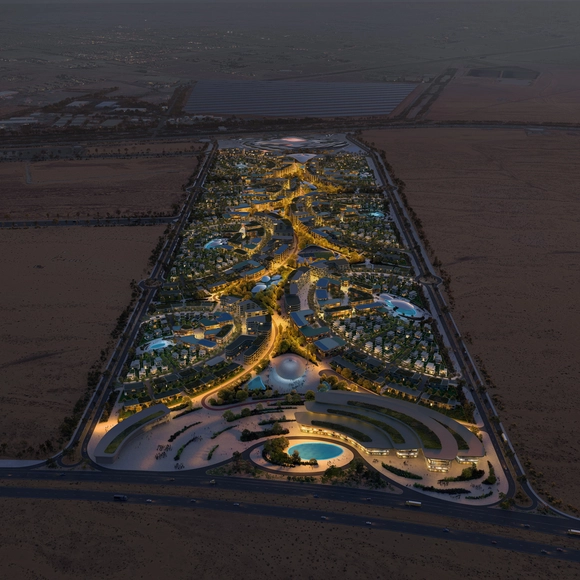
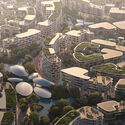
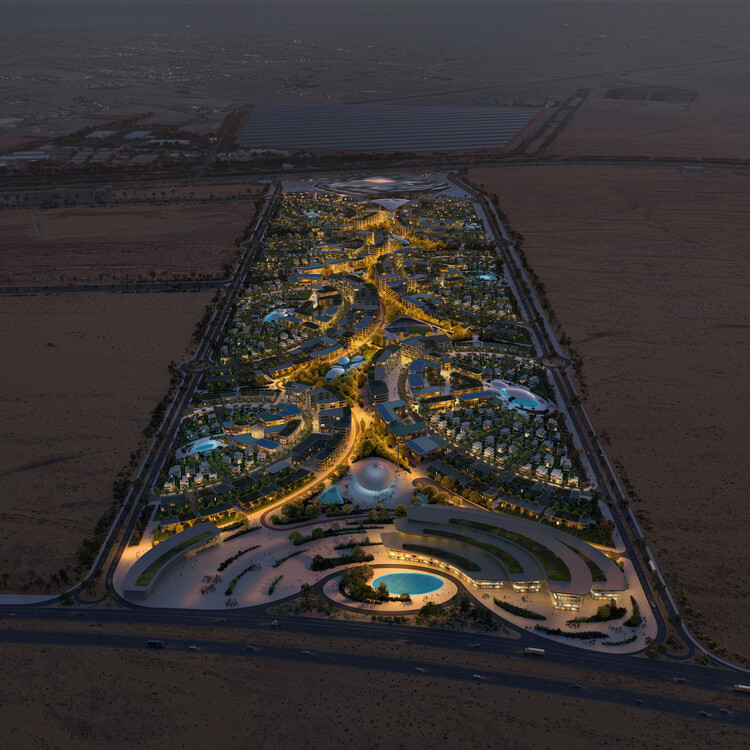
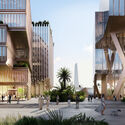
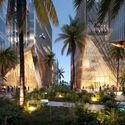
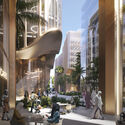
Zaha Hadid Architects (ZHA) has unveiled images of a master plan for Khalid Bin Sultan City in Sharjah, United Arab Emirates. Located adjacent to its BEEAH Headquarters, the development draws inspiration from that building's design, incorporating fluid architectural forms reminiscent of wind-swept desert dunes. Planned as a design and business district, the new urban area will consist of seven residential neighbourhoods connected by shaded walkways and anchored by a two-kilometre-long central oasis.
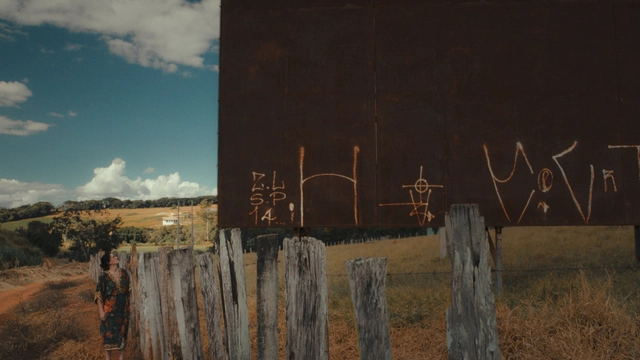
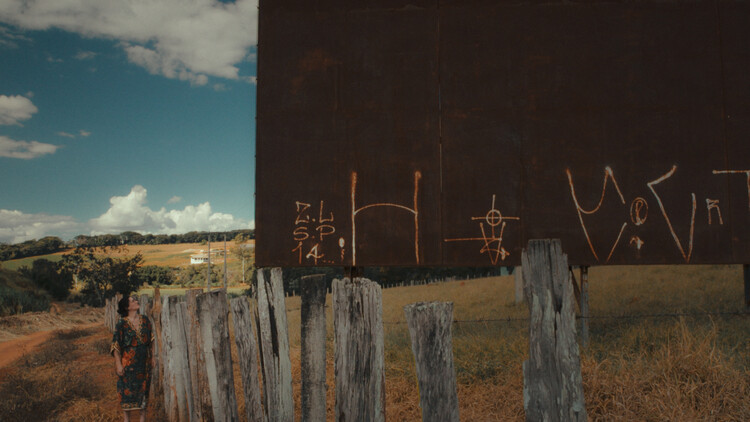
The Canadian Centre for Architecture (CCA) launched a documentary and exhibition, "With an Acre", the third and final chapter of the series Groundwork, which explores how contemporary architects cultivate alternative modes of practice to address the ecological crisis. The documentary follows the work of architect Carla Juaçaba in Minas Gerais, Brazil, where she is developing pavilions in a coffee field where collectives resist extractive industrial agriculture. The narrative examines the role of architects in extractivist contexts facing land regeneration challenges and unstable climatic conditions, as well as the tools smallholder farmers can use to cope with the environmental and social consequences of colonial settlement, urbanization, and industrialization.
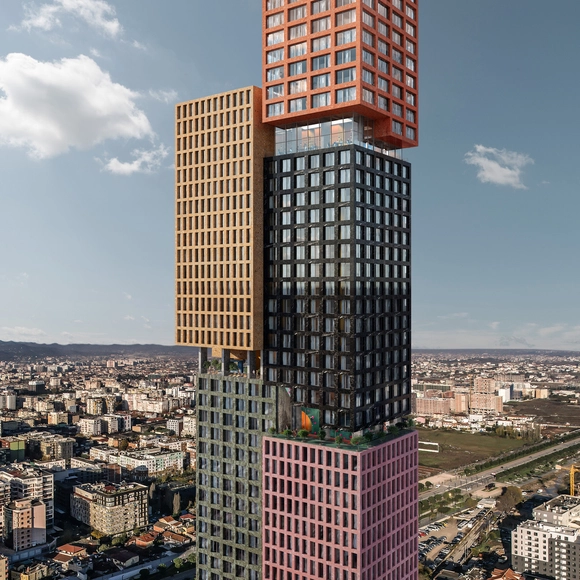
Collective living continues to be a central theme in contemporary housing discourse, one that extends beyond questions of density or typology to engage broader concerns of land use, social cohesion, and spatial identity. This selection of conceptual unbuilt projects, submitted by the ArchDaily community, explores the potentials of shared living environments, not only as functional housing solutions but as frameworks for interaction, environmental integration, and cultural continuity. Whether in urban or remote settings, they reflect a growing interest in rethinking how domestic space can support both individual privacy and communal life.
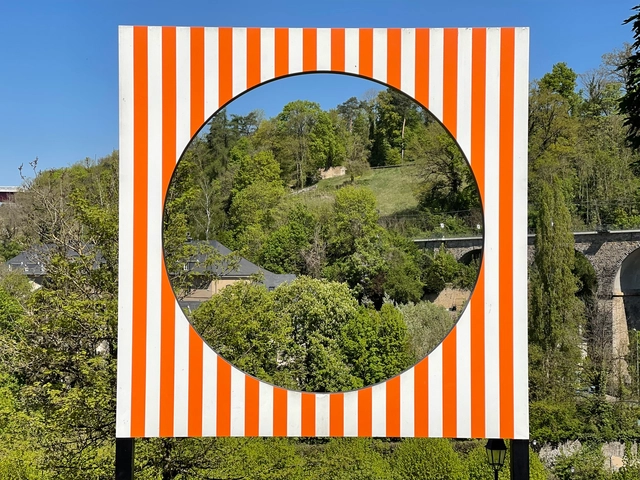
Public space has long been central to architectural thought, often framed in terms of planning, infrastructure, and regulation. From Haussmann's Paris to contemporary masterplans, architects have worked to define and formalise collective life through spatial tools. Yet, outside of these frameworks, artists have continuously offered alternative ways of understanding and inhabiting public space—ways that rely not on construction or permanence, but on presence, perception, and participation. Through actions, objects, or atmospheres, artists engage the city as a site of friction and imagination. These gestures challenge architectural conventions and invite artists to reconsider public space not as a solved form, but as a contingent and open process.
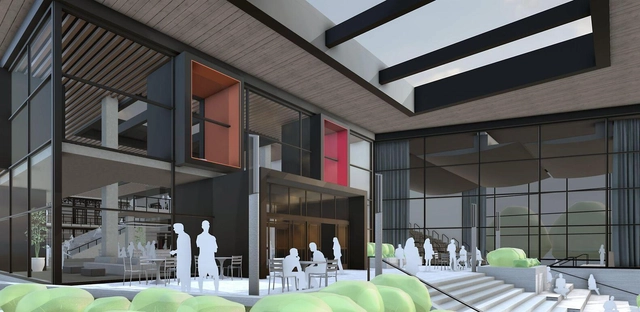
SketchUp 2025 introduces new tools and enhancements aimed at improving how architects and designers visualize, collaborate, and communicate their work.
This release brings more realistic materials and immersive environments, making it easier to create compelling visual representations of architectural models. These visualization updates are available across SketchUp for Desktop, Web, and iPad, as well as in LayOut and 3D Warehouse, allowing for a consistent experience across platforms.
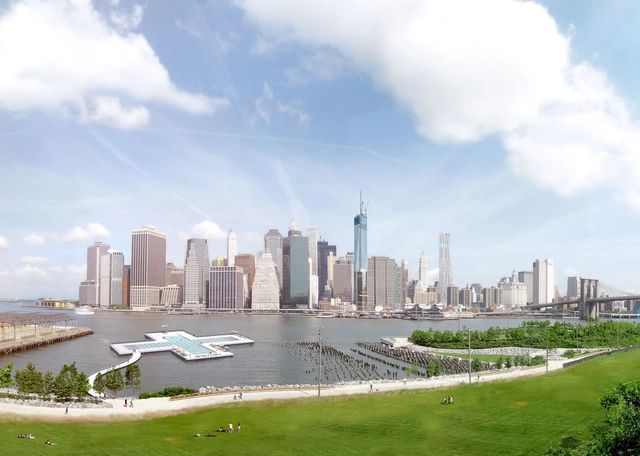
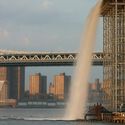
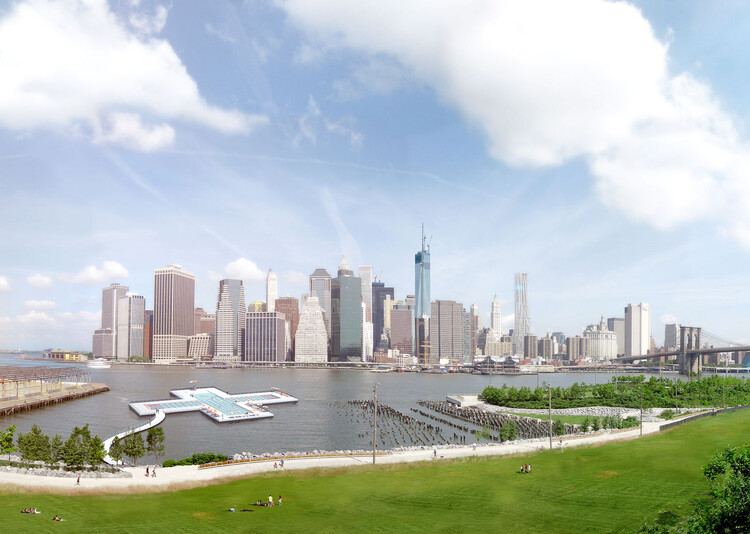
Friends of + POOL has announced the next steps in the realization of New York City's first water-filtering floating swimming pool, to be installed at Pier 35, north of the Manhattan and Brooklyn Bridges. The project seeks to provide safe public access to swimming in the city's rivers by integrating a custom-designed filtration system into a floating pool structure. Installation at Pier 35 is scheduled for May 2026, when the pool will enter its final phase of evaluation. Public access will be contingent on the successful completion of large-scale filtration testing and the full build-out of the facility for safe public use.
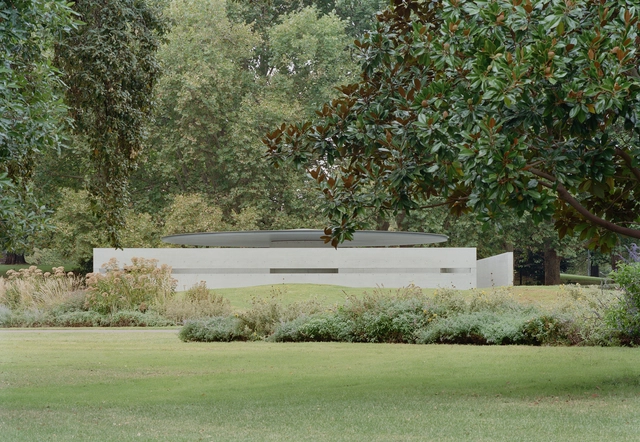
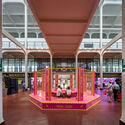
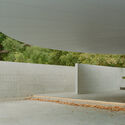
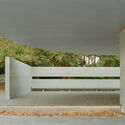
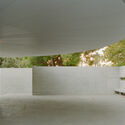
Every year, the Naomi Milgrom Foundation commissions an architect to design a temporary pavilion for the Queen Victoria Gardens, in the center of Melbourne's Southbank Arts Precinct. The pavilions are then transferred to the state of Victoria. The tenth edition of the MPavilion was designed by Pritzker Prize Laureate Tadao Ando as his first and only built work in Australia and the southern hemisphere. The pavilion opened on November 16, 2023, and its presence was extended until March 2025, hosting a wide-ranging program of cultural events over two summer seasons. After facing demolition, given the temporary nature of the initiative, a community-led program, "Preserve the Pavilion", was launched in hopes of preserving the building. The Naomi Milgrom Foundation has recently announced that the pavilion will remain in Queen Victoria Gardens until 2030, following a decision by the City of Melbourne.
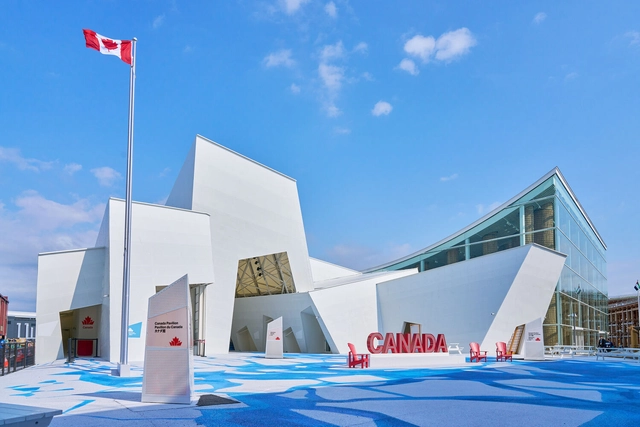
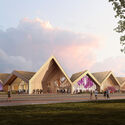
The Canada Pavilion at Expo 2025 Osaka features interactive exhibits and installations that present the country's innovation, culture, and diversity. Designed under the creative direction of Robert Lepage, the pavilion offers an immersive experience aimed at introducing Canada's values and capabilities to a global audience. Additionally, it aims to showcase Canadian innovation, resources, investment, and education to the broader Indo-Pacific region. Centered around regeneration, the design is in line with the broader theme at the Expo: "Designing the Future Society for Our Lives."
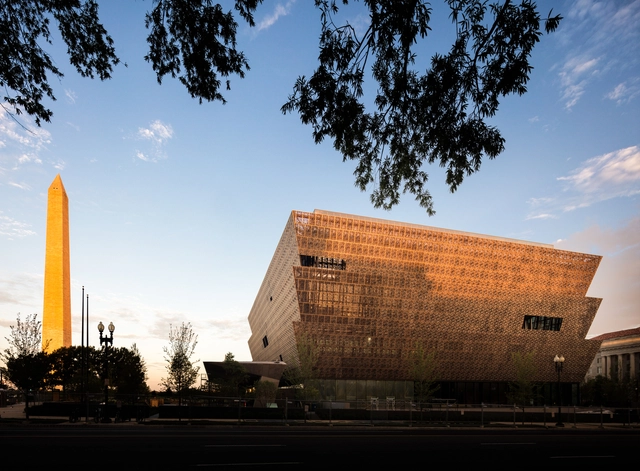
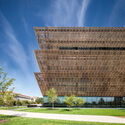
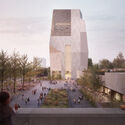
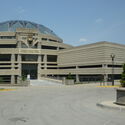
Juneteenth, observed annually on June 19th, commemorates the emancipation of enslaved African Americans in the United States, marking a moment of liberation and reflection on a complex and often overlooked history. Originally celebrated in Texas, Juneteenth has grown to symbolize broader themes of freedom, resilience, and cultural identity, fostering conversations about justice and representation. This day also presents an opportunity to highlight the ways in which architecture can serve as a medium for preserving and presenting African American history and cultural values.
Architecture, beyond its functional and aesthetic qualities, can reflect and collect narratives, values, and hidden histories, giving a tangible and visual presence to communities often underrepresented in cityscapes. Buildings dedicated to African American history and culture become physical landmarks that anchor these stories within the daily life of cities. They serve as places of learning, reflection, and celebration, creating meaningful spaces that engage the public and foster a sense of communal identity.
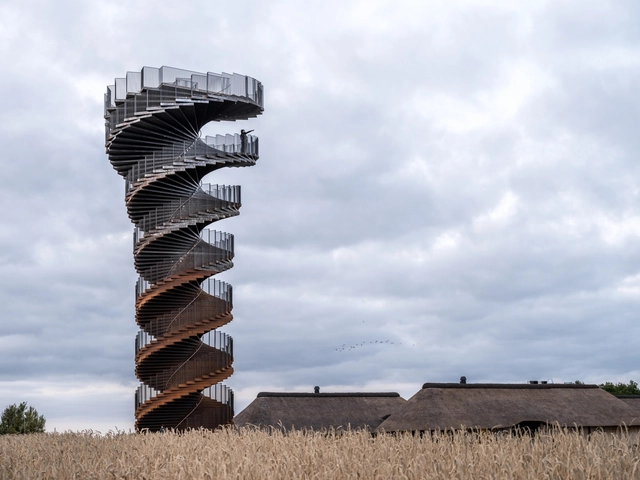
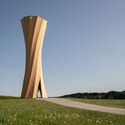
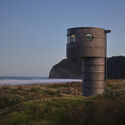
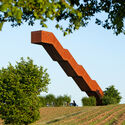
The desire to see the world from above transcends cultures and time — an almost instinctive impulse to seek new horizons, gain perspective, and momentarily step outside everyday life. Observation towers embody that desire: built in forests, mountains, urban parks, or coastal landscapes, they invite us to pause, look closely, and discover the surroundings in a quiet or playful way. These structures offer more than just views; they offer experiences. As we climb their steps or ramps, our bodies take part in a ritual of transition — from ground to sky.
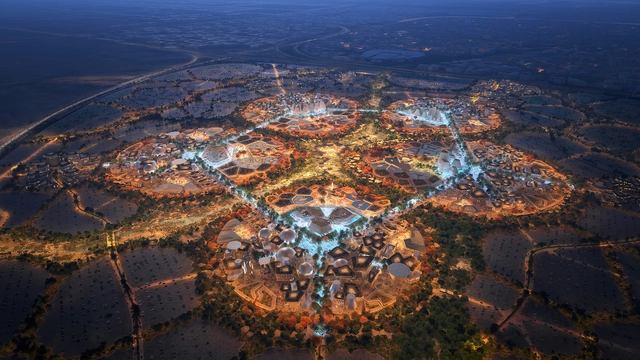
The Bureau International des Expositions (BIE) General Assembly in Paris has officially approved the Registration Dossier for Expo 2030 Riyadh, formally confirming Saudi Arabia as the host of the upcoming World Expo. With this milestone, the next phase of preparations will begin, including the official invitation of participating countries through diplomatic channels. Coinciding with the approval, the initial masterplan for the Expo site designed by LAVA, the Laboratory for Visionary Architecture, has been unveiled. Scheduled to take place from October 1, 2030, to March 31, 2031, the event will be held on a site in Riyadh, designed to accommodate more than 40 million visits and host over 195 participating nations.
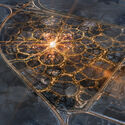
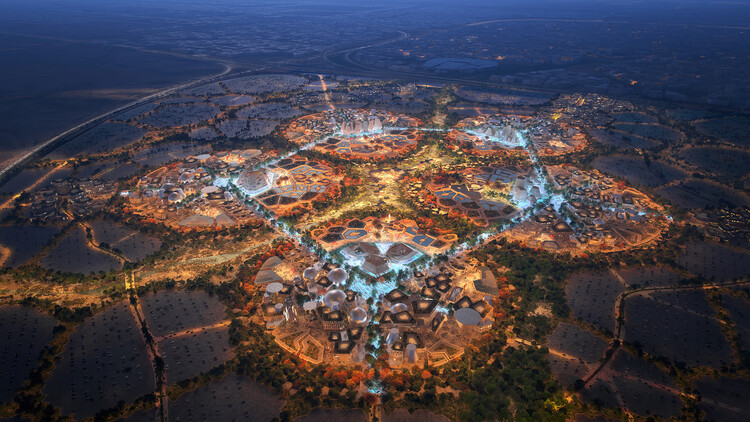
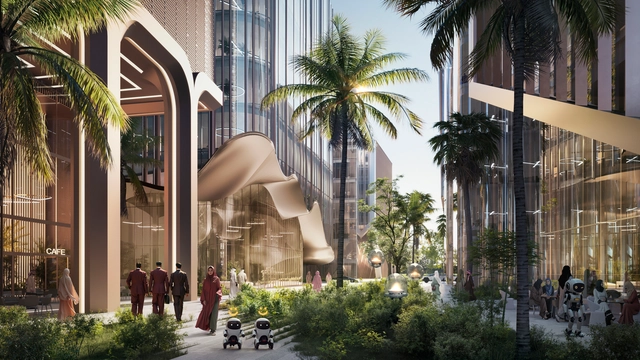
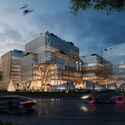
Architecture firm HWKN has been commissioned by Al Marwan Real Estate Development to design eleven distinct buildings for a new commercial neighborhood in central Sharjah, the third most populous city in the United Arab Emirates. The district, featuring offices, retail spaces, cafés, childcare and healthcare facilities, specialized institutes, and a mosque, has been fully researched, conceptualized, and planned using Artificial Intelligence (AI).
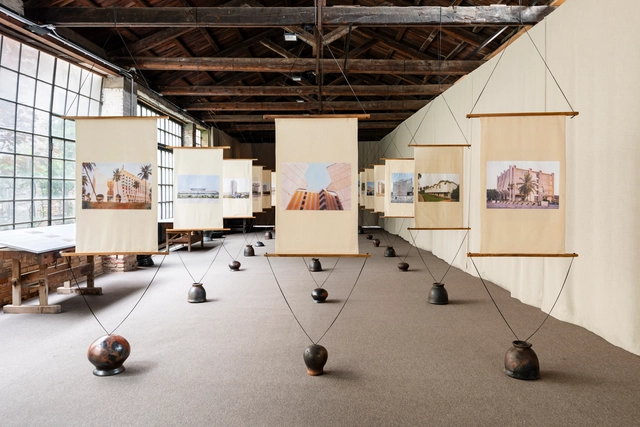
The Republic of Togo presents its first pavilion at the 19th International Architecture Exhibition – La Biennale di Venezia 2025 with a project titled Considering Togo's Architectural Heritage. The inaugural pavilion is curated by Studio NEiDA, an architecture and research practice co-founded by architect Jeanne Autran-Edorh and curator Fabiola Büchele. Based in Lomé and Berlin, the studio is dedicated to equitable design processes, applying an Afrocentric lens to contemporary architectural discourse. The exhibition, located at Venice's Squero Castello, explores Togo's architectural narratives from the early 20th century, focusing on themes of conservation and transformation.
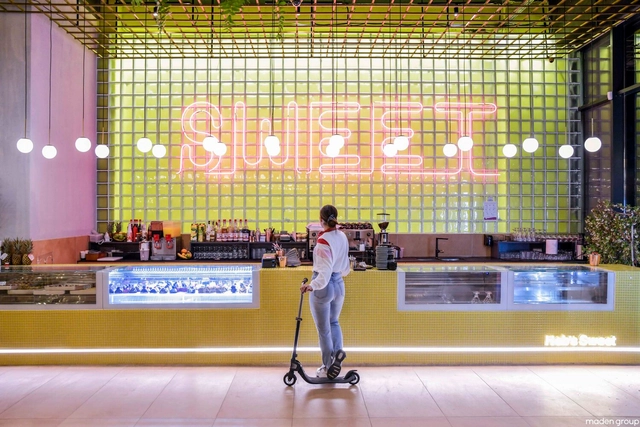
Glass bricks have been widely used in architecture, eventually becoming a staple of the 1980s architectural styles. Some examples of construction with this material could be the classic "Maison de Verre" by Pierre Chareau and Bernard Bijvoet in Paris or the more modern take of Hiroshi Nakamura & NAP with the Optical Glasshouse in Japan. In recent years, glass bricks are becoming increasingly popular, no longer relegated to older aesthetics. Instead, they have evolved into versatile design elements that bring light, texture, and character into contemporary interiors. Their ability to diffuse natural and artificial light while maintaining privacy has reignited interest among designers seeking innovative ways to enhance indoor spaces while taking advantage of natural light.
Finding the right job—or the right candidate—within the Architecture, Engineering, and Construction (AEC) industry can be a real challenge. As the sector evolves, professionals and companies alike are looking for more effective ways to connect, collaborate, and grow. AECO Space is a job and networking platform tailored specifically for AEC professionals. It offers a space for both employers and talent to engage in a more efficient, industry-specific hiring and networking process.
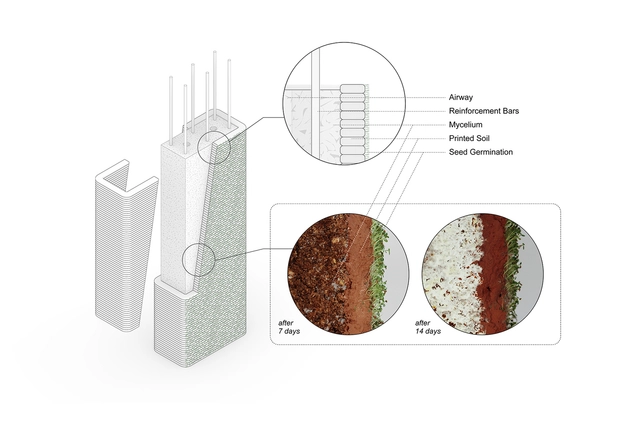
It is commonly accepted that the appearance of moss or vegetation on the surface of a building is a sign of neglect, deterioration, or poor maintenance. And this assumption is not entirely unfounded: small cracks in traditional materials can lead to water infiltration, thermal bridging, or even structural pathologies. But what if this organic presence were not a flaw, but the result of coevolution between architecture and the environment? This reversal of perspective was masterfully anticipated by Lina Bo Bardi in the Casa Cirell, in São Paulo, where mosses, orchids, and spontaneous vegetation were part of the architectural intent from the initial sketches. The use of raw stone cladding and exposed surfaces allowed the house to blend into the terrain. More recent projects have further deepened this relationship between built matter and plant life, such as Patrick Blanc's vertical gardens and Stefano Boeri's Bosco Verticale, which transform façades into vertical ecosystems, redefining the architectural envelope as a living infrastructure capable of filtering pollutants, absorbing heat, and fostering biodiversity.
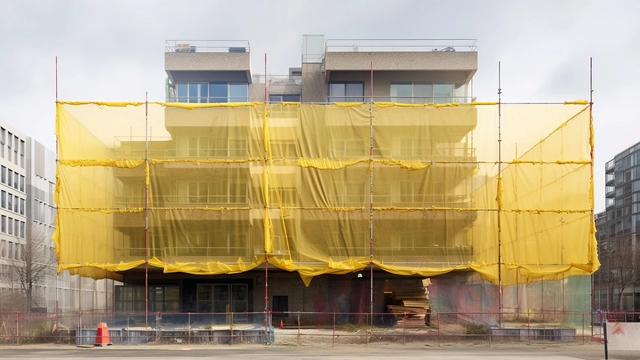
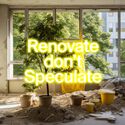
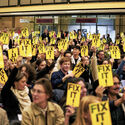
HouseEurope!, a registered non-profit organization focused on promoting the social and ecological transformation of Europe's built environment, has received the 2025 OBEL Award. Presented annually by the Henrik Frode Obel Foundation, the award recognizes architectural contributions with the potential to drive meaningful change. Aligned with this year's theme, "Ready Made," the OBEL Award Jury selected HouseEurope! for its efforts in raising awareness and fostering public engagement around the need for a shift in construction and housing practices across Europe.

Lesley Lokko, the Scottish-Ghanaian architect, curator of the 18th Venice Architecture Biennale, and the first Black woman to receive the RIBA Royal Gold Medal, has recently launched Nomadic African Studio, an educational program for young architects. The initiative is organized by Lokko's African Futures Institute (AFI) and is inspired by her experience establishing the Biennale College Architettura in 2023, a program for graduate students, recent graduates, early-career academics, and emerging practitioners to explore new possibilities for architectural education, which has also been continued for the 2025 edition. Nomadic African Studio consists of a series of fully funded, month-long studios across the African continent, "basing locations on themes, rather than places." The first edition is set to begin in July 2025, in Fez, Morocco.