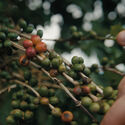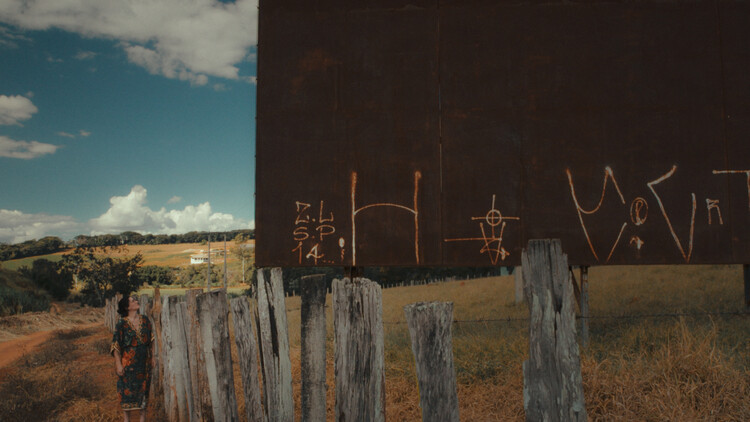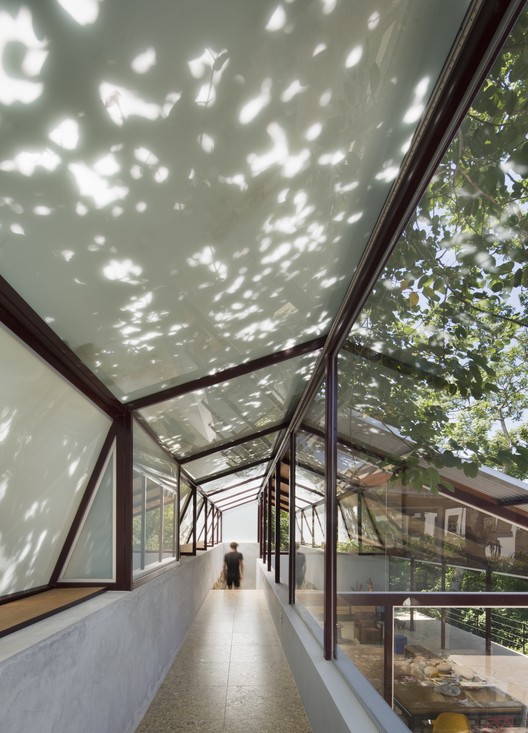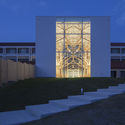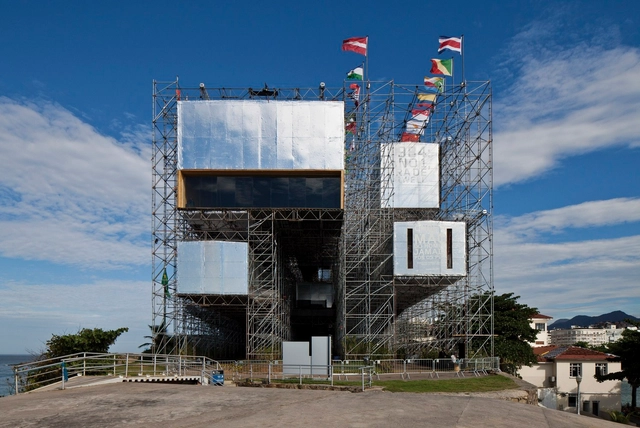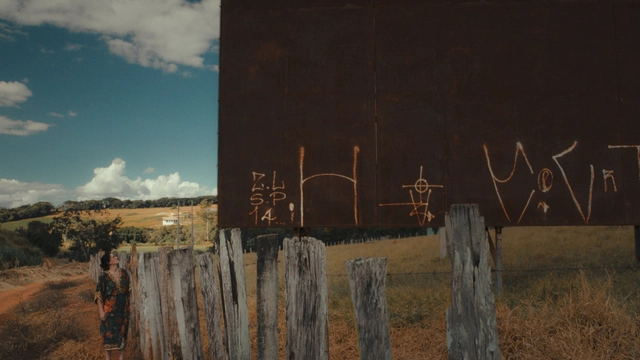
The Canadian Centre for Architecture (CCA) launched a documentary and exhibition, "With an Acre", the third and final chapter of the series Groundwork, which explores how contemporary architects cultivate alternative modes of practice to address the ecological crisis. The documentary follows the work of architect Carla Juaçaba in Minas Gerais, Brazil, where she is developing pavilions in a coffee field where collectives resist extractive industrial agriculture. The narrative examines the role of architects in extractivist contexts facing land regeneration challenges and unstable climatic conditions, as well as the tools smallholder farmers can use to cope with the environmental and social consequences of colonial settlement, urbanization, and industrialization.

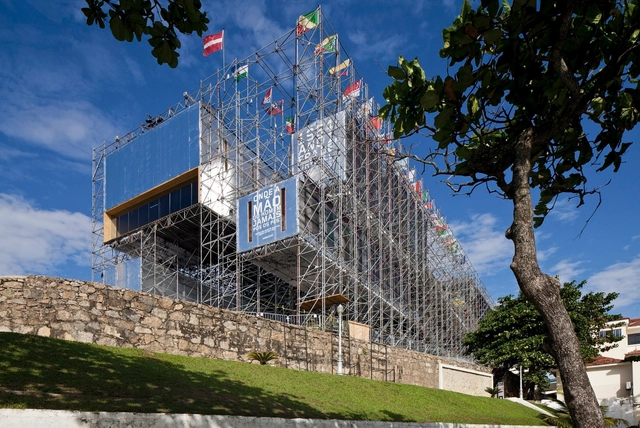
Technical precision combined with environmental concern and exploratory and investigative character make Carla Juaçaba one of the great representatives of Latin American architecture today. Carioca, born in 1976, Carla Juaçaba attended the University of Santa Úrsula and attributes much of her experimental and interdisciplinary style to this educational institution. It is not by chance that during her academic training her great inspiring masters were the architect Sergio Bernardes and the visual artist Lygia Pape, insinuating her interest in the multiple disciplinary branches that can compose architecture. In this sense, while still at graduation, Carla worked together with architect Gisela Magalhães, from Oscar Niemeyer’s generation, in scenography and expography projects.
Countries that are part of the so-called “global south” have undergone many transformations in their cities and urban contexts in recent years due to the economic and social challenges they face. Urban growth, sustainable development, quality of life and health in emerging cities, and the development of their own cultural identity have been some of the issues that local architecture had to incorporate.
Young architects have understood the importance of making an architecture that is deeply rooted in their own territory while giving this architecture a clear local identity. By generating new typologies and using their own resources and materials, they have presented innovative, site-specific, and, above all, solutions with a new fresh focus towards what represents them as creators of this architecture.
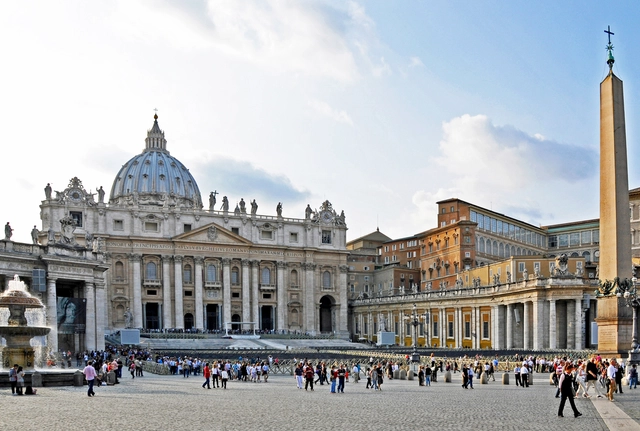
Vatican City participated in the Venice Architecture Biennale for the first time this year, inviting the public to explore a sequence of unique chapels designed by renowned architects including Norman Foster and Eduardo Souto de Moura. Located in the woods that cover the island of San Giorgio Maggiore, the chapels offer interpretations of Gunnar Asplund’s 1920 chapel at Woodland Cemetery in Stockholm, a seminal example of modernist memorial architecture set in a similarly natural wooded context.
A new video produced by Spirit of Space offers a brief virtual tour of the structures that make up the Holy See’s pavilion, lingering on each just long enough to show different views and angles. As members of the public circulate through the chapels in each shot, the scenes give an impression of how each chapel guides circulation.
With the opening of the 16th Venice Architecture Biennale comes a look at the first ever contribution by the Holy See, an exhibition that brings together architects to design chapels that, after the Biennale, can be relocated to sites around the globe.
Located in a wooded area on the Venetian island of San Giorgio Maggiore, 10 chapels by architects including Norman Foster, Eduardo Souto de Moura, and Smiljan Radic, are joined by the Asplund Chapel by MAP Architects. This 11th structure serves as a prelude to the other chapels, while reflecting on Gunnar Asplund's 1920 design for the Woodland Chapel.
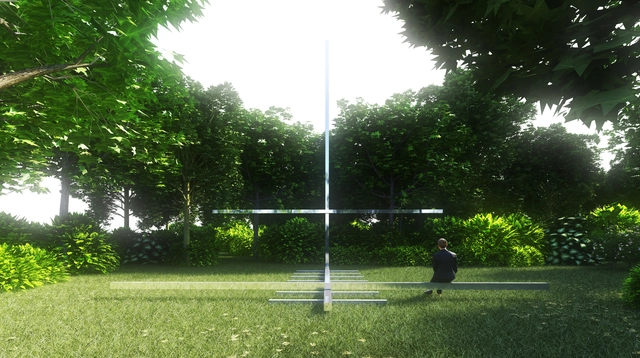
Selected along with nine other architects by the Vatican, Carla Juaçaba has shared images of her proposed chapel design as part of the Venice Architecture Biennial, which marks the city-state's first time participating in the largest architectural event in the world.
The proposed chapel design seeks a harmonious integration between the water and trees that surround Venice, with the nearby vegetation outlining the interior space of the chapel. The space between the treetops - which offers a view of the sky - functions as the ceiling of the chapel.
In 2018 the Vatican will participate in the Venice Architecture Biennale for the first time. Ten international architects will construct 10 different chapels as part of the representation of the city-state in the Italian architecture event. The news was confirmed by Paraguayan media outlets ABC y Última Hora, who revealed that one of the participants was local architect Javier Corvalán.
The elite group of architects was selected by Francesco Dal Co, an Italian architecture historian and curator. The designers have been instructed that their chapels must be able to be relocated so that they can be deployed around the world, in places that are in need of these spaces of worship.
The architects who will build chapels in the 2018 Venice Architecture Biennale:
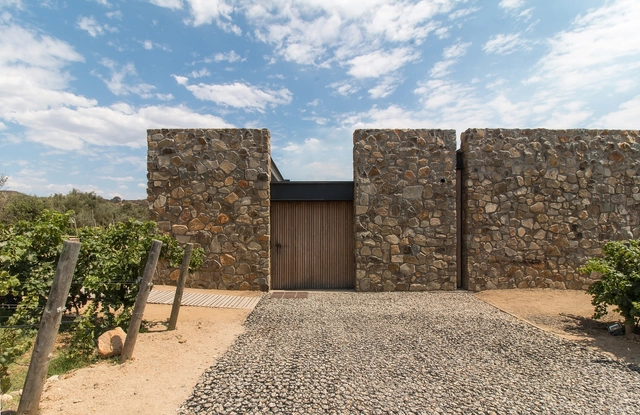
In Baja California, Mexico, the 860 hectares that make up 'Cuatro Cuatros'—a tourism development that for the past ten years has been overseen and designed by Mauricio Rocha and Gabriela Carrillo of Taller de Arquitectura—present an arid and mostly monochromatic landscape interrupted only by stones and bushland.
Vast as the site may seem, only 360 of its hectares will be destined for housing development, of which only 10% can be impacted by construction. The challenge will lay in mitigating the protagonistic stance architecture usually assumes when conquering previously untouched lands, by taking on a presence that disappears into the landscape.
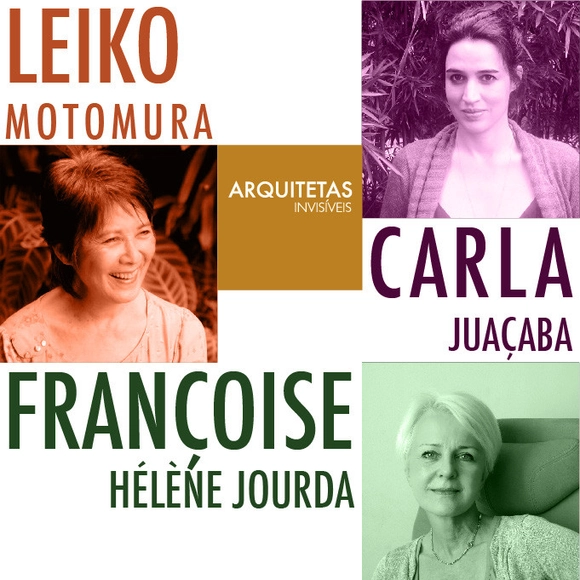
To celebrate International Women’s Day, we asked the Brazilian non-profit group Arquitetas Invisíveis to share with us a part of their work, which identifies women in architecture and urbanism. They kindly shared with us a list of 48 important women architects, divided into seven categories: pioneers, “in the shadows,” architecture, urbanism, social architecture, landscape architecture and sustainable architecture. We will be sharing this list over the course of the week.
Today, in the last post of the series, we present the female architects who put an emphasis on sustainability.
Brazilian architect Carla Juaçaba has been announced as the winner of the inaugural arcVision - Women and Architecture Prize, an international social architecture award instituted by the Italcementi Group. The prize honors Juaçaba’s work for exemplifying significant qualitative excellence and attention to the core issues of construction, such as technology, sustainability, social and cultural implications.