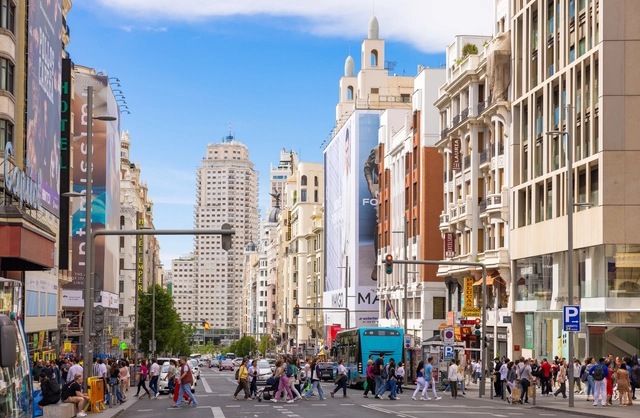
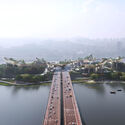
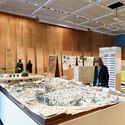
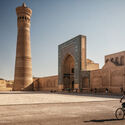
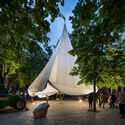
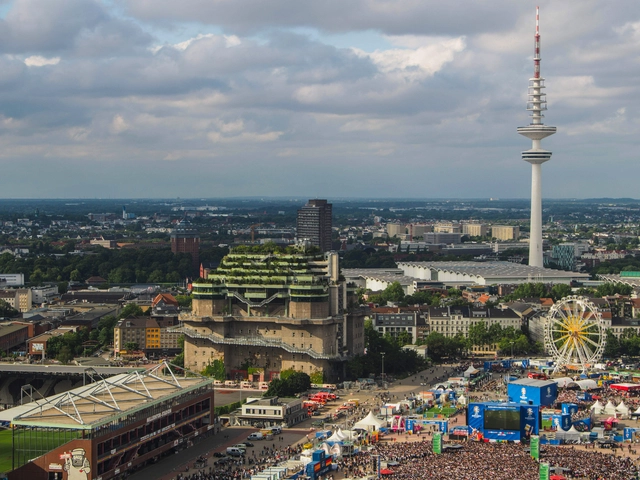
It is almost impossible to talk about Madrid, the Spanish capital, which, in addition to its obvious tourist appeal and its leadership as the most visited city in the country—followed by Barcelona—is inseparable from its long history and evolution up to the present day. In 2024, Madrid welcomed over 11.2 million visitors, accounting for approximately 11.9% of the total tourists who came to Spain that year. Much of the city's identity, the uniqueness of each of its neighborhoods, and the new areas developed over the years are deeply linked to growth that, although planned and modernized in many aspects, has managed to preserve the diverse character that defines its urban essence.
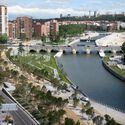
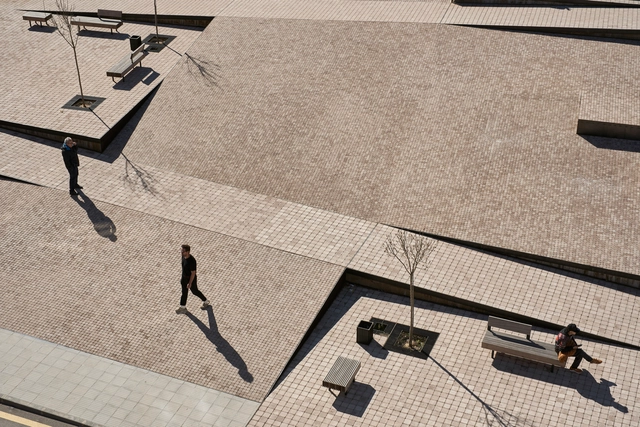
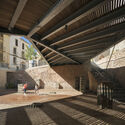
Spain boasts a vast diversity of natural and urban landscapes, where public space plays a leading role. Its relevance has grown in recent years, solidifying it as a key axis for interaction. Beyond its architectural and landscape qualities, public space offers visitors and citizens high-quality environments that contribute to improving living conditions, whether, in an urban park, a pedestrian axis within the city, or a space simply meant for being in a natural setting and connecting with the territory.
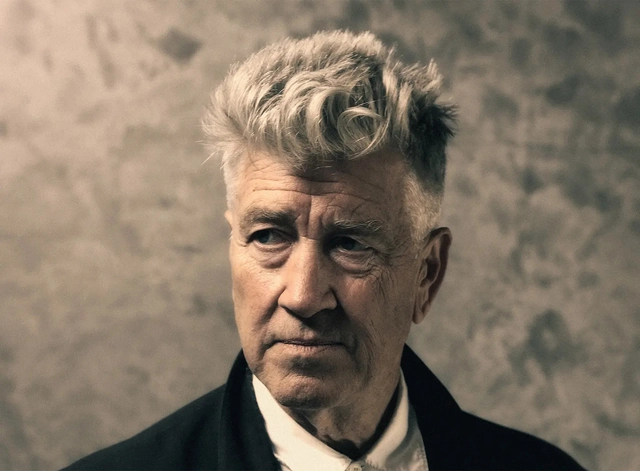
David Lynch - Ph. Dean Hurley. Image Courtesy of Salone del Mobile.Milano
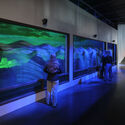
Filmmaker David Lynch, renowned for his surreal and influential works like Blue Velvet and Twin Peaks, passed away at age 78. Lynch's nearly 50-year career was marked by distinctive, stylized films often featuring surreal elements and fragmented narratives. He received numerous accolades, including a Golden Lion for lifetime achievement and an honorary Oscar. His career began with painting and experimental animation before transitioning to filmmaking, culminating in iconic films and the groundbreaking television series Twin Peaks. His impact extended beyond the silver screen; his unique manipulation of space and atmosphere profoundly influenced architectural discourse.
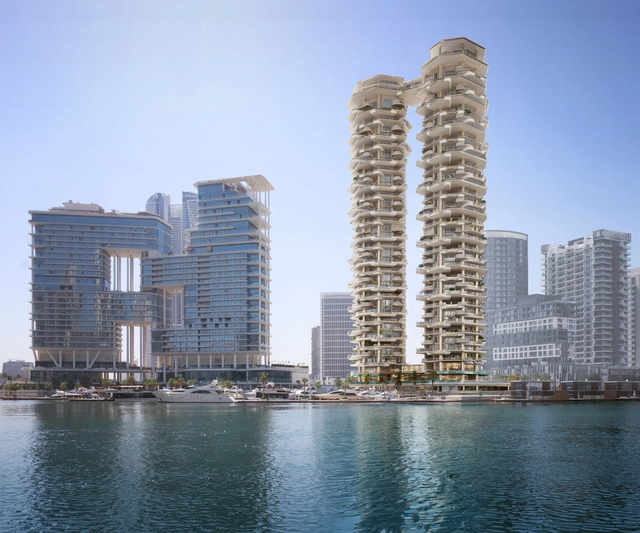
Dubai’s Marasi Marina. Image Courtesy of Foster + Partners
In recent weeks, a series of significant architectural developments have been unveiled, highlighting the work of diverse architecture studios across the globe. These projects, announced between late September 2024 and early 2025, focus on transformative masterplans, housing solutions, and public spaces. Prominent firms such as Foster + Partners, ACPV ARCHITECTS Antonio Citterio Patricia Viel, and fjcstudio are at the forefront of these initiatives. In Dubai, Foster + Partners revealed the Regent Residences, a pair of residential waterfront towers. Meanwhile, ACPV ARCHITECTS announced three projects in Taichung, Taiwan, combining Italian design with Eastern philosophies to create green, community-focused urban spaces. In Sydney, fjcstudio's masterplan for Midtown aims to reshape the city's urban core with two 80-storey mixed-use towers, enhancing connectivity and public engagement. These projects demonstrate the diverse scales and contexts in which architects continue to innovate, shaping cities and communities worldwide.
2025 promises to be a landmark in architecture, heralding a vibrant renaissance of creativity and exploration. As societies confront challenges such as climate change, rapid urbanization, and technological evolution, architecture is both a mirror to these dynamics and a compass pointing toward a sustainable and inclusive future. This year's architectural calendar offers abundant opportunities to celebrate the discipline's transformative power — from boundary-pushing festivals to thought-provoking exhibitions that explore pressing cultural and environmental narratives.
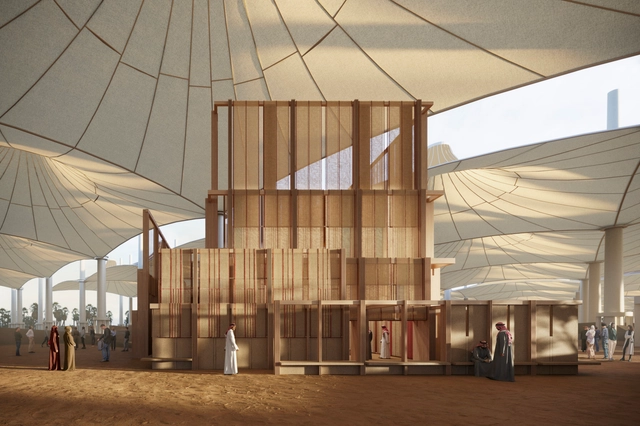
From well-established biennials to inaugural gatherings, including the World Architecture Festival 2025, Desert X Al Ula, and the COP Climate Conference, the 2025 calendar highlights themes such as sustainability, heritage, and community. These events underscore architecture's unique ability to shape a better future, addressing global challenges while honoring cultural diversity and design ingenuity.
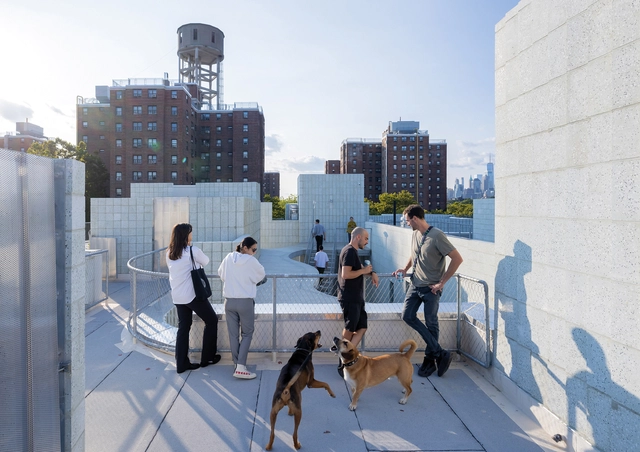
SO-IL (Solid Objectives – Idenburg Liu) is an architectural design firm based in Brooklyn, New York, founded in 2008 by Florian Idenburg and Jing Liu. Known for an architecture deeply engaged with social, cultural, and environmental contexts, the studio focuses on exploring innovative materials, creating fluid spatial experiences, and prioritizing ecological sustainability. SO-IL's work spans various scales and program types, reflecting their versatile approach to design. In 2024, their housing project 450 Warren in Brooklyn was selected as ArchDaily's Building of the Year by the audience in the housing category.
In their latest book, In Depth: Urban Domesticities Today, SO-IL explores the evolving concept of home in contemporary urban contexts, transforming it "from a source of vulnerability into a tool for empowerment." The book redefines domesticity as an active and shared experience and examines how architects can address pressing urban challenges such as affordability, density, and sustainability. SO-IL's work advocates for flexible, resilient housing that fosters community while integrating ecological and social dimensions. ArchDaily spoke with the architects about the innovative solutions and ideas presented in the book, delving into how their projects challenge conventional systems and envision a future where architecture is a tool for empowerment.
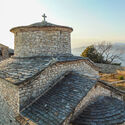
The World Monuments Fund (WMF) has announced its 2025 World Monuments Watch, highlighting 25 sites facing significant challenges. This biennial program, launched in 1996, aims to raise awareness and mobilize action for the preservation of cultural heritage worldwide. The 2025 list includes diverse locations across five continents and, notably, the Moon, representing the need to protect artifacts from humanity's first lunar missions. The selection process involved over 200 nominations, revealing regional trends such as climate change impacts in Sub-Saharan Africa and urbanization challenges in Asia and the Pacific.
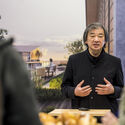
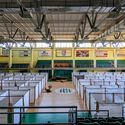
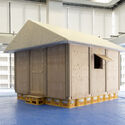
In a recent interview with Louisiana Channel, acclaimed Japanese architect Shigeru Ban shared his perspectives on architecture, his journey in the field, and his dedication to socially responsible design. Known for his innovative use of materials such as paper and timber, Ban has spent much of his career creating solutions for disaster-stricken communities and displaced populations around the world.
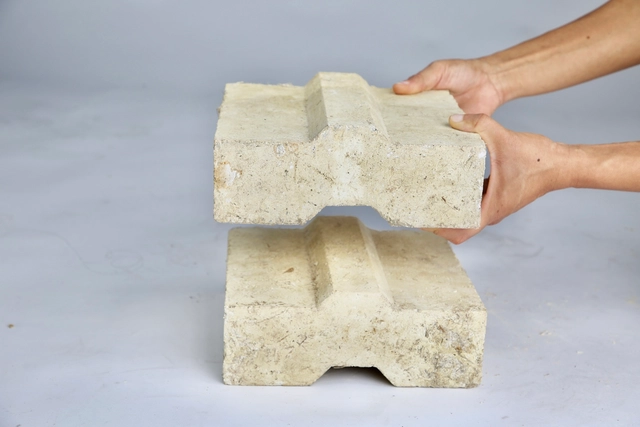
The construction industry, traditionally reliant on the intensive use of non-renewable natural materials, is at a decisive moment to reevaluate its processes and mitigate its significant environmental impact. How can the growing demand for infrastructure, housing, healthcare, and education be met without depleting natural resources? While recycling initiatives are gaining traction, they remain insufficient. In this context, more innovative solutions are emerging, proposing the use of agricultural waste, such as sugarcane bagasse, to create sustainable and disruptive alternatives for construction.
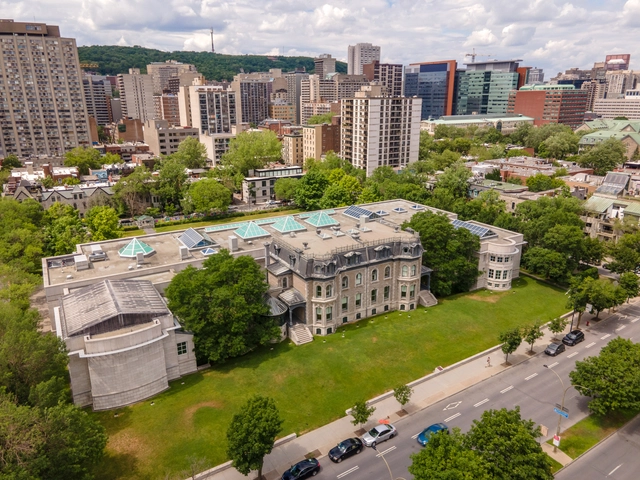
Phyllis Lambert has been a key figure in the preservation of Canada's cultural heritage. As an architect and advocate for heritage conservation, Lambert has left an indelible mark in Montreal and other cities worldwide. Her contributions to Montreal's architectural scene can't really be judged in terms of individual buildings, but rather in terms of the city as a whole. She not only cofounded the Canadian Center for Architecture (CCA), but also helped reshape the way cities like Montreal think about heritage and the importance of community voices in urban planning.
The evolution of bathrooms into their modern configuration traces back to ancient civilizations like the Ottoman and Roman, where sanitation held significant cultural importance. During the Middle Ages, however, personal hygiene practices declined, setting back developments in sanitation until the Renaissance revived interest in cleanliness. This shift paved the way for key innovations in the 18th century, including modern plumbing systems that enabled the widespread adoption of modern sanitation spaces. Today, it's unimaginable to design an architectural project without incorporating these facilities, highlighting the essential role of hygiene and well-being, now closely tied to technological advancements.
https://www.archdaily.com/1023022/beyond-the-basics-innovations-transforming-bathroom-hand-dryer-technologyEnrique Tovar
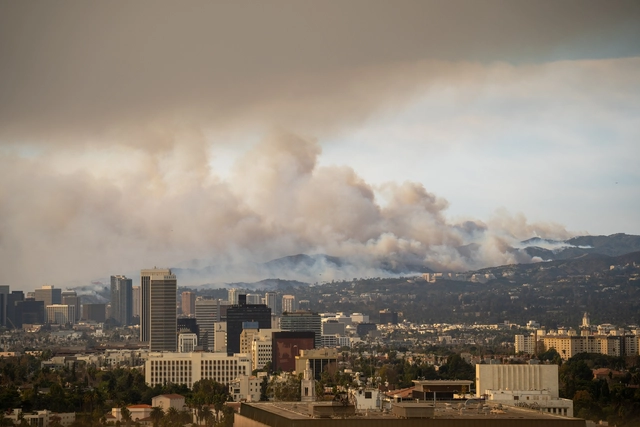
Devastating wildfires across Los Angelesa have resulted in widespread destruction, displacing thousands of residents, and necessitating a rapid and efficient rebuilding process. Two executive orders have been issued to expedite the rebuilding process, one by Los Angeles Mayor Karen Bass and another by California Governor Newsom, both intending to remove significant regulatory hurdles and expedite project approvals.
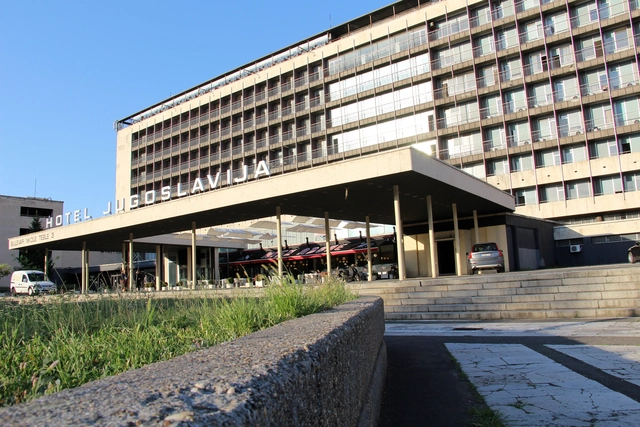
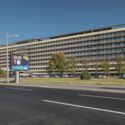
The demolition of Hotel Jugoslavija, a notable example of modernist architecture in Belgrade, has begun, making way for new development in the city's rapidly changing urban landscape. Constructed in 1969 in New Belgrade, the hotel was once among the largest and most prominent in Europe, reflecting the aspirations of the Socialist Federal Republic of Yugoslavia (SFRY) during its peak. Designed by Zagreb architect Lavoslav Horvat, the eight-story hotel was a key project under the leadership of Josip Broz Tito. It showcased the modernist principles of the time, combining functionality with imposing architectural forms. Its interiors featured luxurious details, including a Swarovski chandelier comprised of 40,000 crystals, which underscored the building's significance as a flagship of Yugoslavia's international presence.
Museums and cultural centers hold a unique position in society as spaces for learning, community, and connection. They serve as platforms for preserving history and engaging the public with new ideas and perspectives. Architecture plays a key role in shaping these experiences, providing the physical and emotional framework that enhances how people interact with art, culture, and each other. From monumental structures to more intimate designs, these cultural buildings have the potential to reflect local identities, champion sustainability, and inspire visitors while creating lasting cultural landmarks.
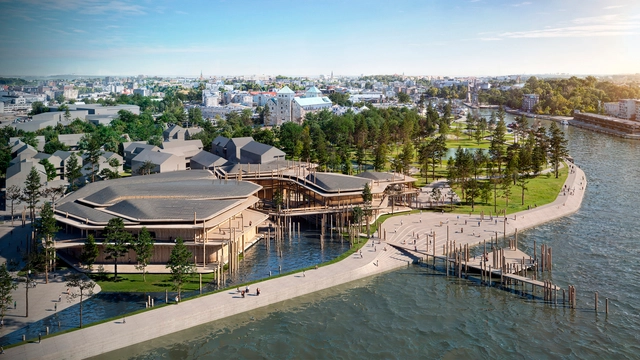
From Los Angeles to Turku and Vinh Long, this collection of conceptual museum and cultural center designs submitted by the ArchDaily community highlights the diversity and creativity of unbuilt projects. Each month, ArchDaily's editors select a collection of conceptual projects centered around a specific theme or program, submitted by architects from across the globe. In this collection, proposals range from a children's museum expansion in the United States to a sustainable agricultural museum in Vietnam, all showcasing how architecture can respond to distinct local contexts while fostering universal themes of education, play, and discovery. Whether celebrating archaeological heritage in Cyprus or reimagining public spaces in Finland, these projects explore how museums can serve as cultural hubs that engage and uplift their communities.
For decades, the life cycle of buildings was a simple formula: planning, design, construction, demolition, and, of course, the great villain in this history: the landfill. Over time, architectural practice began embracing concepts like reuse, disassembly, and circular demolition, but often as secondary elements, part of the gradual shift toward a circular economy in construction. But what if these principles were no longer exceptions? What if we crafted or chose every building component to maintain value and purpose beyond its original use? The truth is, there is life after demolition. This transition—from demolition to practices focusing on reuse, repurposing, and sustainable dismantling—is edging closer to reality. By the time 2030 arrives, we could fundamentally reshape how we approach processes, buildings, and the market itself. As these changes unfold, we must assess how our strategies align with the evolving goals and challenges related to sustainability—and, of course, the new opportunities they bring.
https://www.archdaily.com/1025567/what-if-every-brick-had-a-future-rethinking-demolition-and-material-reuse-in-the-circular-economyEnrique Tovar
Videos
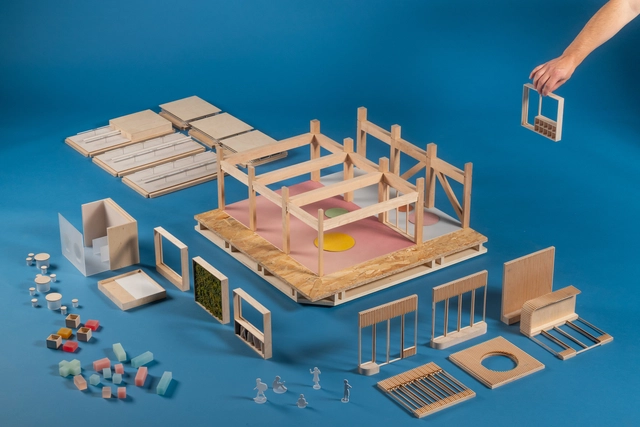
Project: Mahón Model, from the '111 Casas inHAUS' catalogue. Architect: inHAUS Houses.
Architects from all over the world are invited to participate in the "Best House in the World"competition, a new international contest designed to discover and reward innovative residential architectural designs that have not yet been built and are still in development. The inHAUS brand, with the sponsorship of Geberit, Porcelanosa, Schüco, Joquer and S&P, presents the challenge of industrialized construction for the most daring and creative projects. These are real projects, with actual clients and real plots, designed by architects striving to achieve new standards of excellence and quality in their residential constructions. Dare to challenge the innovative off-site construction system by inHAUS!
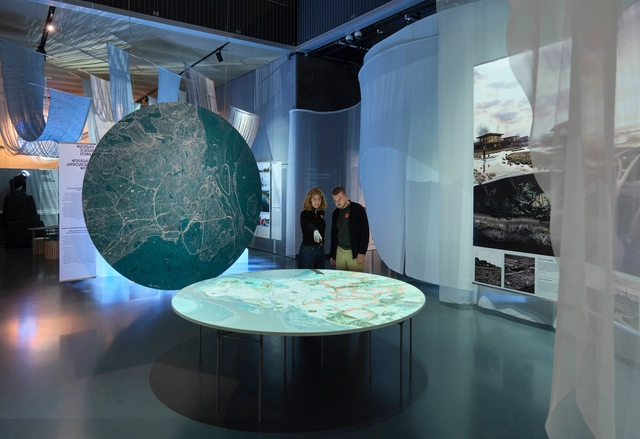
The Danish Architecture Center (DAC) will open its new exhibition, "Water is Coming" in October 2024, remaining open until March 12, 2025. The exhibition addresses the escalating global water crisis, prompted by melting polar ice, rising groundwater levels, and increasingly frequent and intense flooding. It acknowledges the reality of rising sea levels and extreme weather events, shifting the focus from mitigation to adaptation. The exhibition aims to foster a deeper understanding of our complex relationship with water, exploring its vital role as both a life-giving resource and a potential threat to human settlements.
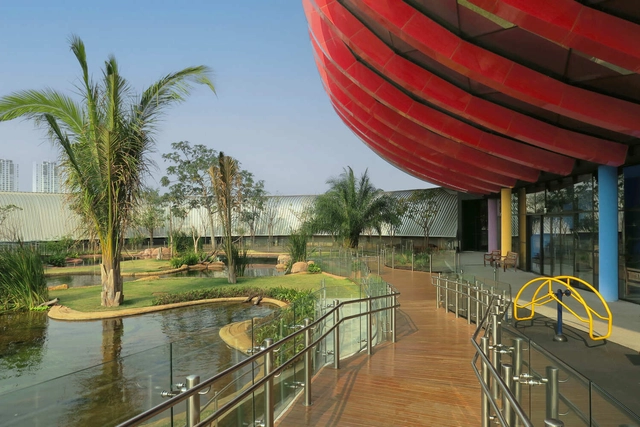
Photographer Paul Clemence captured a striking photo series of the Bioparque Pantanal, also known as the Pantanal Aquarium, a recently completed architectural project in Campo Grande, Brazil, designed by the late architect Ruy Ohtake. Located within the Parque das Nações Indígenas, one of the largest urban parks in the country, the structure serves as a centerpiece for cultural, scientific, and ecological exploration in the state of Mato Grosso do Sul. Clemence's photography highlights the interplay between the aquarium's architectural design and its surrounding environment, providing a visual documentation of the project's form, materials, and spatial organization.
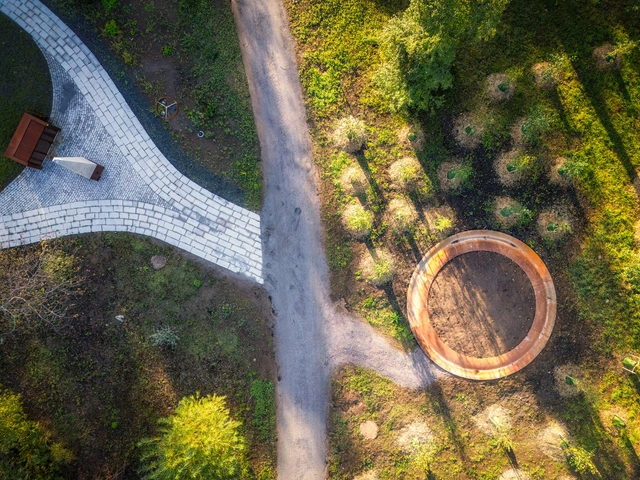
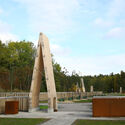
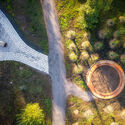
Opened in October 2024, the Järva Cemetery offers everyone, regardless of faith or beliefs, a space for remembrance, continuing Stockholm's long tradition of funeral history. After overcoming significant planning obstacles, the site, designed by Kristine Jensen Tegnestue and Poul Ingemann, was created to accommodate burials and funeral ceremonies, with options for coffins, urns, ash groves, and a commemorative forest. During the last edition of Open House Stockholm, visitors could explore its surrounding natural landscapes and connect with the space.
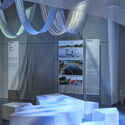
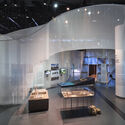
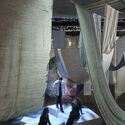
Much before humans constructed their first permanent shelters, they discovered the protective power of animal hides as a barrier against harsh environmental conditions. This fundamental principle of building with flexible materials finds influence in the architecture of today, despite the lack of strong precedents that have been lost to time. Textiles served as humanity's first architectural elements, predating ancient construction methods like stone masonry. The relationship between textiles and shelter would go on to shape the entire history of architecture, from prehistoric settlements to modern skyscrapers. What lessons might these ancient origins of architecture hold for future advancements in building design?
Over the past two decades, the Holcim Foundation Awards has committed USD 20M to spotlight transformative projects by architects, designers, and engineers who pioneer sustainable design and construction practices. To capture these stories, the Foundation launched a short film series titled Words withWinners.
This series provides an in-depth look at award-winning sustainable design projects through exclusive interviews with their creators. It includes the first film to showcase BRAC University campus, recently completed in Dhaka, featuring an exclusive interview with the lead architect and co-founder of Singaporean green building specialists WOHA Wong Mun Summ.
Maria Lisogorskaya and Kaye Song of Assemble: Atelier LUMA 2023 Lot 8 Le Magasin Electrique Photo @ Joseph Halligan. Image Courtesy of Bauhaus Earth
Maria Lisogorskaya and Kaye Song from the London-based collective Assemble, along with Lviv-based architects Anna Pomazanna and Mykhailo Shevchenko, have been announced as the 2025 Experimental Fellows at Bauhaus Earth. Selected from 120 submissions, their projects are set to explore earth as a material in contemporary architecture. The annual Bauhaus Earth Fellowship program was established in 2022 by architect Prof. Regine Leibinger. It aims to support diverse projects that explore new modes of practice across various geographies, that can contribute to ecological and social resilience. Fellows receive financial support, mentorship, and access to a network encouraging collaboration among architects, manufacturers, and local stakeholders.
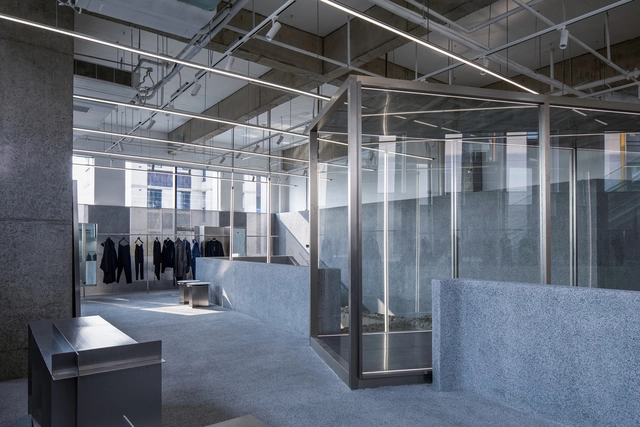
As we close the chapter on 2024, a review of ArchDaily's extensive database projects highlights a few standout interior design trends that defined the year. Among these is the use of stainless steel, often paired with concrete and shades of grey, creating interiors with a refined, industrial elegance. This article delves into the increasing prominence of stainless steel as an interior element, exploring its applications, pairings, and growing appeal despite lingering perceptions of its cold, industrial nature.