-
Architects: Waterfrom Design
- Area: 307 m²
- Year: 2026
-
Manufacturers: Imperfettolab
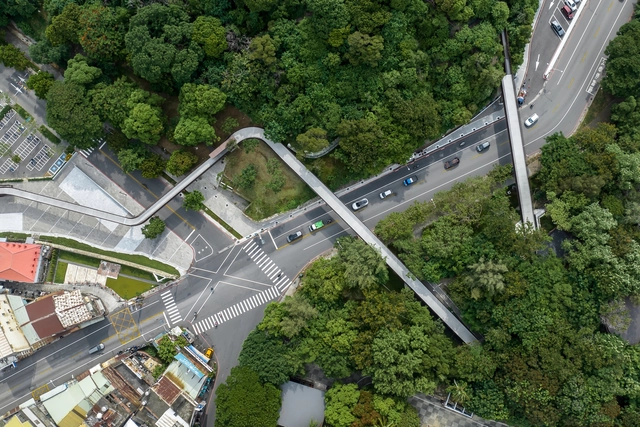
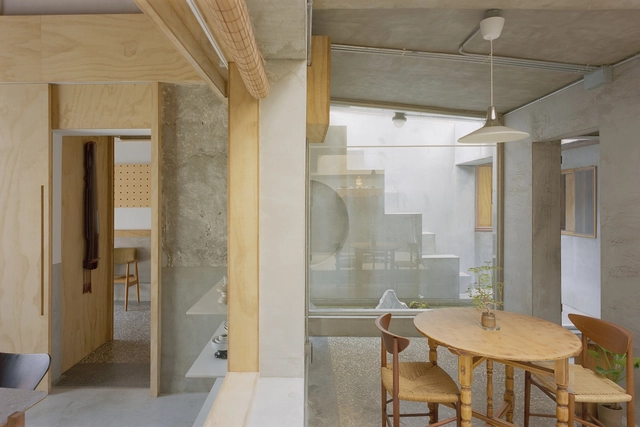
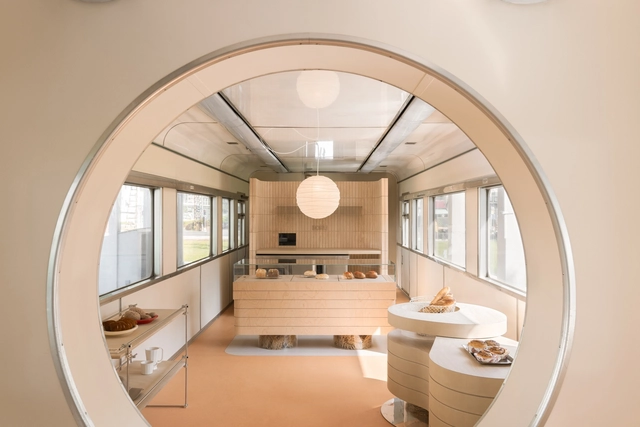
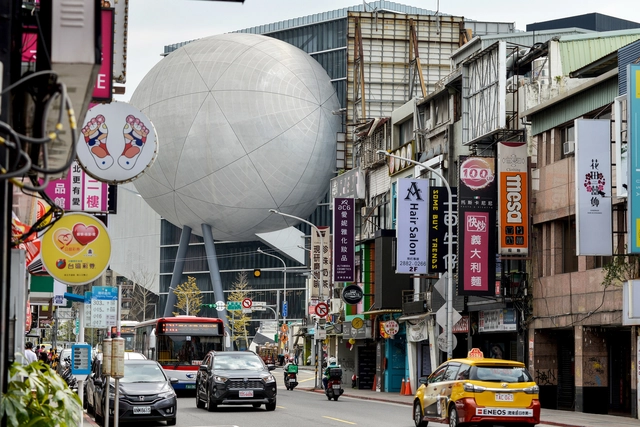
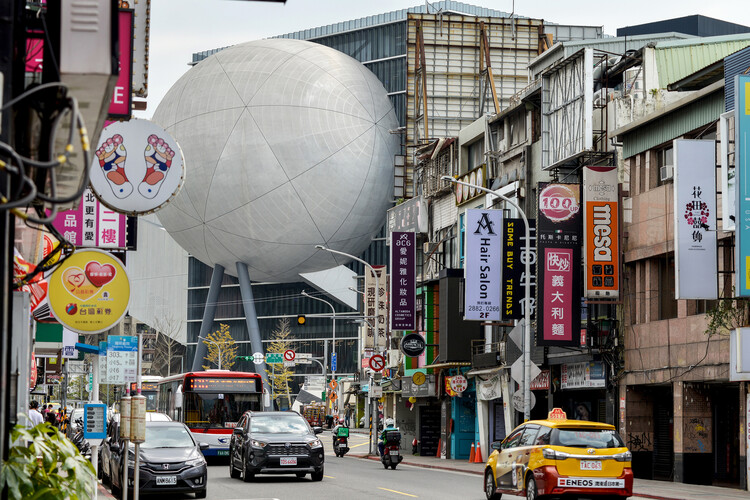
In most situations, architects navigate a complex web of construction codes, airspace regulations, and numerous other rules that dictate the form and execution of a project. However, cultural architecture often presents a unique opportunity for more daring and expressive designs. These projects frequently garner support from local governments, unlocking possibilities for formal explorations that might otherwise remain unrealized. In this regard, cultural architecture serves a dual purpose: enriching the community and establishing iconic landmarks that define the identity of their city or region. This ambition has certainly manifested in Taiwan. Situated in the heart of East Asia, this island nation boasts a remarkable array of formal explorations by both international and Taiwanese architects.
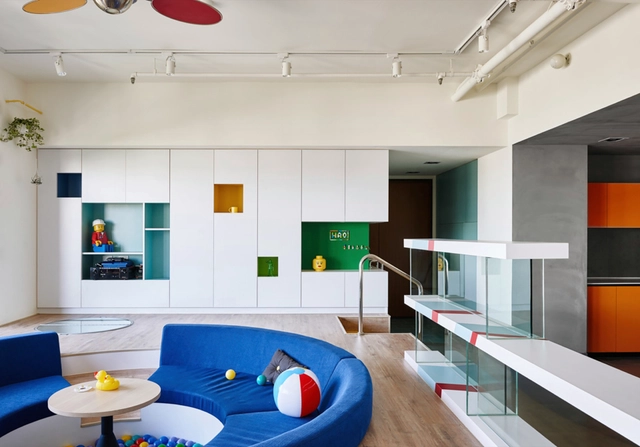
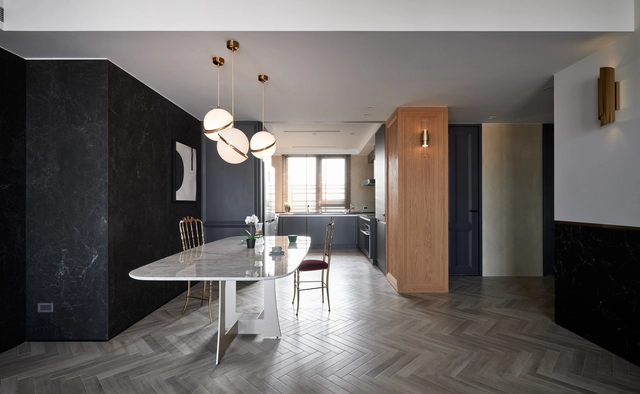
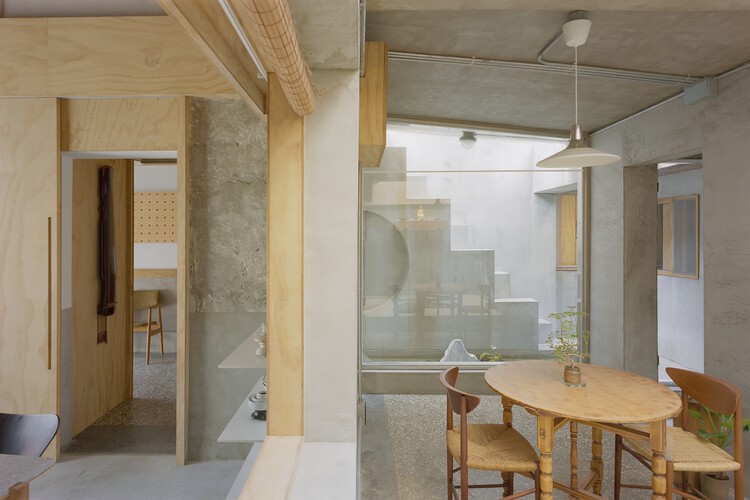
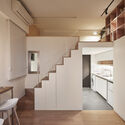
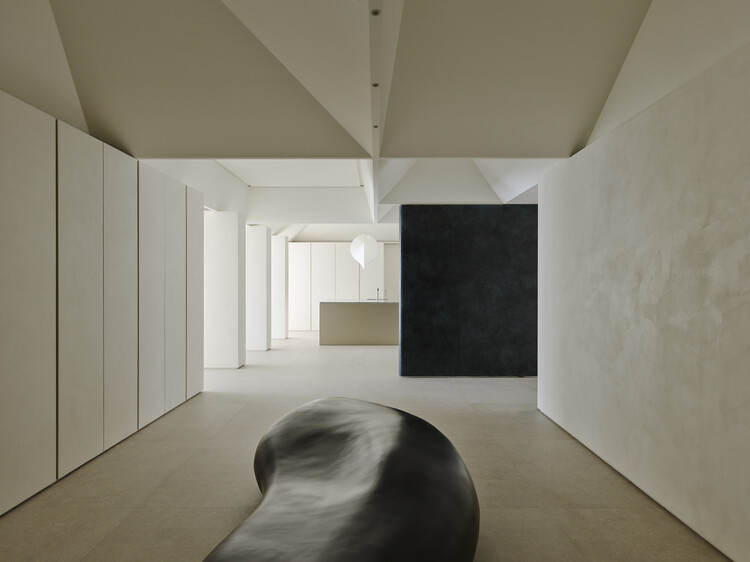
Despite its small size, the island of Taiwan is densely populated, with more than 80% of its people living in urban areas. Available space is often limited, particularly in major cities like Taipei, Taichung, and Kaohsiung. Therefore, designers face the ongoing challenge of creating interiors that feel spacious, functional, and visually appealing despite their sometimes compact footprints. Rather than seeing these limitations as constraints, architects embrace them as opportunities to experiment with smart layouts and multi-functional furniture that enhances livability.
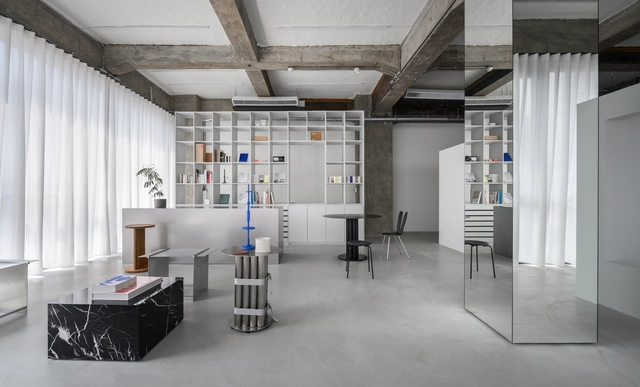
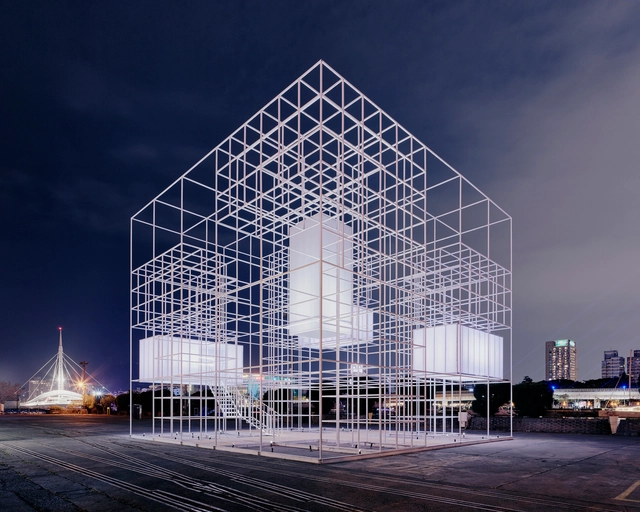

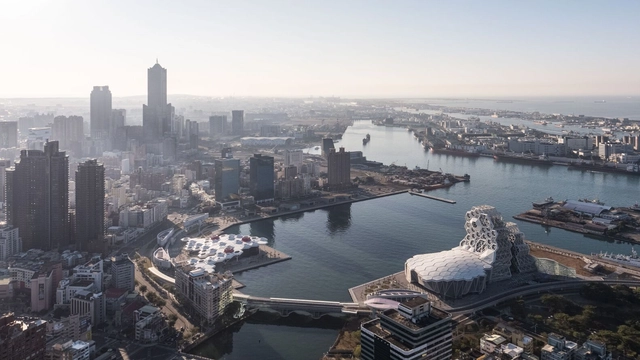
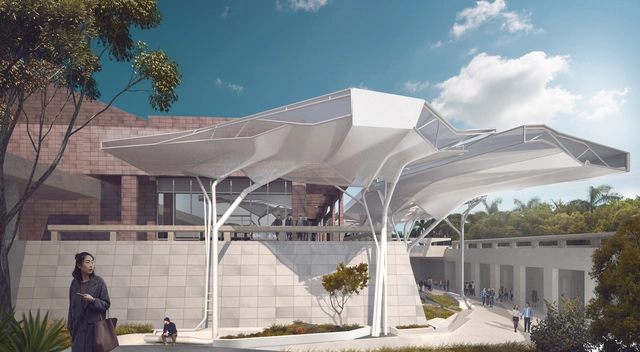
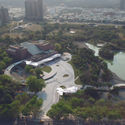
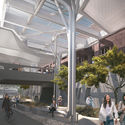
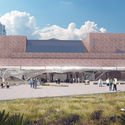
Oyler Wu Collaborative and Taiwanese partner Ren Lai Architects have won a competition to re-envision the Kaohsiung Museum of Fine Arts in Taiwan. Selected among finalists including Asif Khan with C.M.Chao Architects, Sou Fujimoto Architects with WSAA Design Team, and Liao Architects and Associates, the winning project proposes a newly renovated exterior that seeks to reconnect the building with its evolving context.


Kaohsiung Museum of Fine Arts (hereinafter referred to as KMFA) is going to budget 195 million NTD for its “Transformation & Rebirth——Exterior Renovation Project of Kaohsiung Museum of Fine Arts.” The Museum looks forward to creative proposals from outstanding domestic or foreign architectural teams, based on a “Coronation” concept to strengthen the function of museum’s roof, solve the substantive issue of roof leakage, and endow it with a new image with aesthetic quality by “retrofit” or “facelift” solutions.