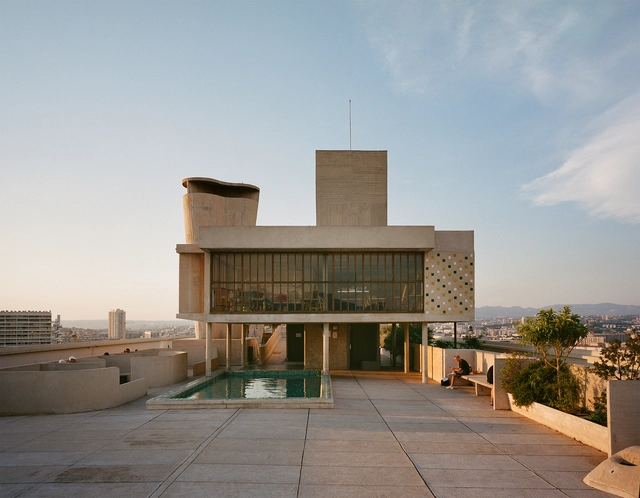
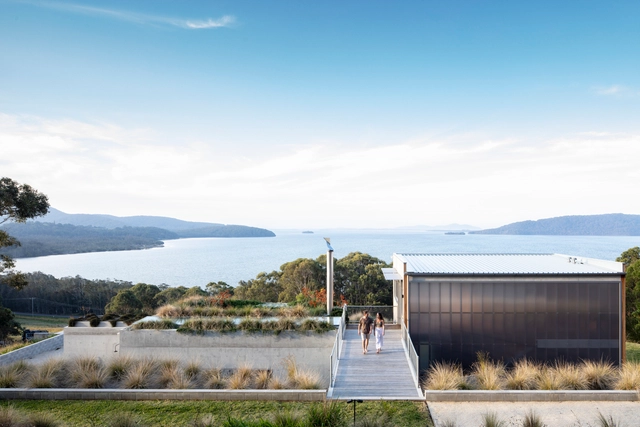
Modernism emerged in the early 20th century as a revolutionary movement that rejected historical styles, prioritizing functionality, innovation, and rationality. Grounded in the promise of industrial progress, architects like Walter Gropius, Le Corbusier, and Ludwig Mies van der Rohe championed using new materials and construction methods, striving for a universal architectural language. Their work introduced radical ideas: open floor plans, expansive glazing for natural light, and pilotis that elevated structures, symbolizing a new architectural era. However, alongside its groundbreaking ideas, modernism's relationship with sustainability has sparked ongoing debates.
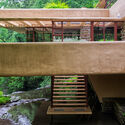
While modernist architects sought to address social and economic challenges through affordable housing and efficient design, their reliance on energy-intensive materials like concrete and steel created unintended environmental consequences. The large-scale industrialization celebrated by modernists often disregarded local climates and ecological systems, leading to inefficiencies. Yet, the principles of functionality and adaptability embedded in modernist architecture laid the groundwork for what we now recognize as sustainable practices. From Le Corbusier's rooftop gardens to Frank Lloyd Wright's integration of nature, the seeds of environmentally conscious design were undeniably present, albeit limited in their execution.
On the shores of serene lakes, where water reflects the harmony between architecture and nature, homes emerge as true retreats. Designed to offer comfort and a deep connection with the surroundings, these residences stand out worldwide for their diverse materials and scales, adapting to different landscapes and lifestyles. From remote woodencabins to sophisticated concrete and glass mansions in urban areas, each project takes advantage of natural resources and the unique characteristics of its setting.
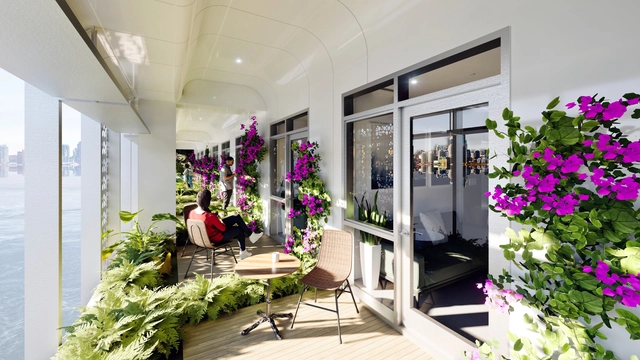
Winston Churchill once wisely stated, "We shape our buildings, and in turn, our buildings shape us," a reflection that highlights how architecture, in its dynamic nature, responds to functional needs and molds the experiences of its users. Workplaces have been no exception, evolving with the social and technological changes that have redefined our understanding of organizational interactions. Almost in the blink of an eye, the once-restrictive cubicles and closed offices have made way for open layouts, while hybrid models have transformed offices into destination spaces. Furniture elements like office pods are at the forefront of this change—balancing collaboration and privacy. Designed to adapt, they have continually evolved alongside the shifting demands of modern workspaces and their inhabitants.
https://www.archdaily.com/1025776/an-eden-within-the-workplace-flexible-pods-with-biophilic-and-human-centered-designEnrique Tovar
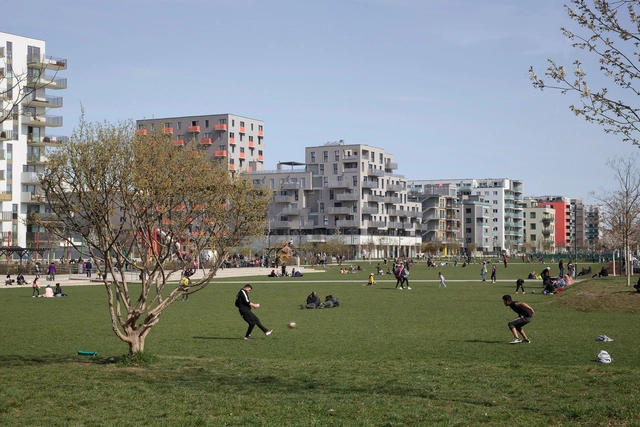
What defines good housing and a good living environment? What political framework is needed to create them? How can we design socially equitable, affordable housing? And what strategies lead to the best results? These are the questions guiding Lorenzo Romito, Sabine Pollak, and Michael Obrist's proposal for the Austrian Pavilion at the Venice Architecture Biennale 2025. The building, designed by Josef Hoffmann and inaugurated in 1934, will become an interactive space with the opening of the "Agency for Better Living", an exhibition dedicated to exploring the new political dimension of the fundamental right to housing. The proposal takes as its starting point a comparison of social housing models in Vienna and Rome, creating a space for sharing ideas on better living for all.
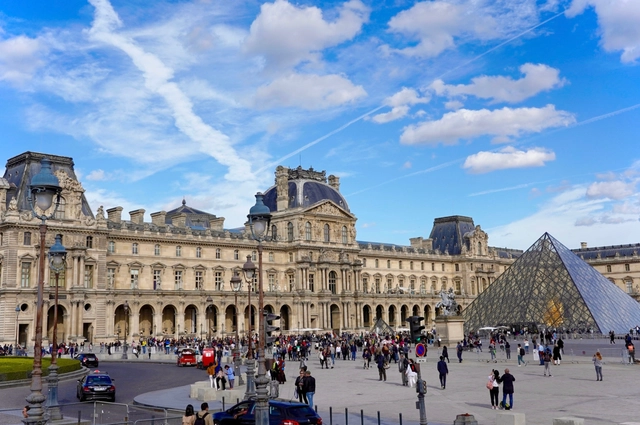
French President Emmanuel Macron has announced a significant renovation plan for the Louvre, following concerns from the museum's director about the building's deteriorating condition. The project includes the creation of a new grand entrance and broader refurbishments across the historic site.
The renovation comes after a letter from Louvre director Laurence des Cars to the French Cultural Ministry highlighted serious maintenance issues affecting both visitors and staff. According to the letter, first published in Le Parisien, conditions inside the museum have become increasingly difficult, with visitors lacking space to rest, insufficient food and restroom facilities, and outdated signage in need of a complete redesign. The letter also pointed to climate control issues, describing a greenhouse effect inside the 36-year-old glass Pyramid designed by I.M. Pei, as well as hazardous temperature fluctuations and leaks in other parts of the building.
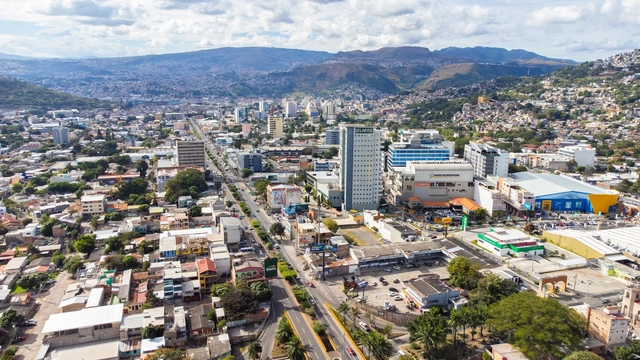
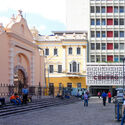
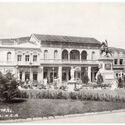
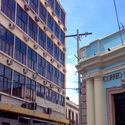
In 1975, Honduras was under a military regime that had been in power for over a decade, led at the time by General Juan Alberto Melgar Castro. During this period, Tegucigalpa underwent several big and unprecedented changes. The influx of people from various parts of the country due to rural migration transformed the city from a compact urban area into an expanding metropolis. This unexpected growth prompted the government to implement a municipal development and planning scheme, a project that would define the city's future and the evolution of its old town. This article was developed with the collaboration of the Honduran architect Lisandro Calderón, who specializes in Urban Planning and is currently a professor at the Central American Technological University (UNITEC), located in Tegucigalpa, Honduras.
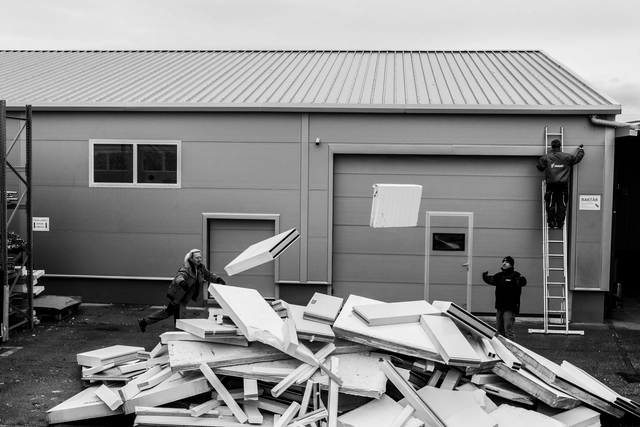
Polyurethane (PU) started as a solution to a 1930s shortage, but today it's a key material in industries from insulation to cushioning. Invented in 1937 by Otto Bayer and his team in Germany, PU was originally designed as a cheap, versatile alternative to rubber. It quickly became popular in coatings and adhesives for its strong bonding and protective properties. PU is made by reacting polyols and isocyanates, which generates heat and, in the presence of expansion agents such as water or gases, creates bubbles that cause the material to expand, resulting in a foam with adjustable density and structure. Its flexibility allowed PU to revolutionize industries with products like insulation and padding. However, its durability and non-biodegradability have raised environmental concerns. To address this, companies like Purman are leading the charge in recycling PU waste, helping to reduce its environmental impact while promoting more sustainable alternatives.
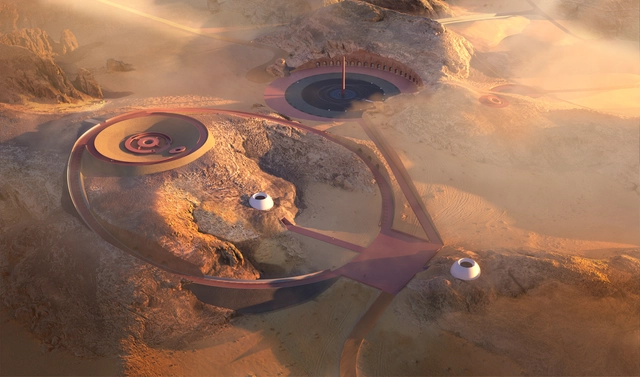
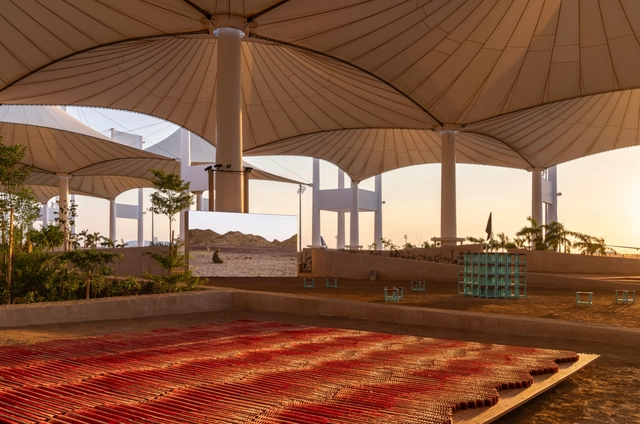
The AlUla Arts Festival, running from January 16th to February 22nd, 2025, features a significant exhibition of works by renowned Light and Space artist James Turrell. Presented by Wadi AlFann, the exhibition, curated by Michael Govan of LACMA, offers a unique preview of Turrell's upcoming monumental commission for Wadi AlFann, a sprawling contemporary art destination in the AlUla region of north-west Saudi Arabia. The exhibition, located in AlJadidah Arts District within AlUla's historic old town, provides context for Turrell's ambitious project, which will involve the creation of a series of chambers within the canyon floor, designed to create a sensory experience of light, color, and perception.
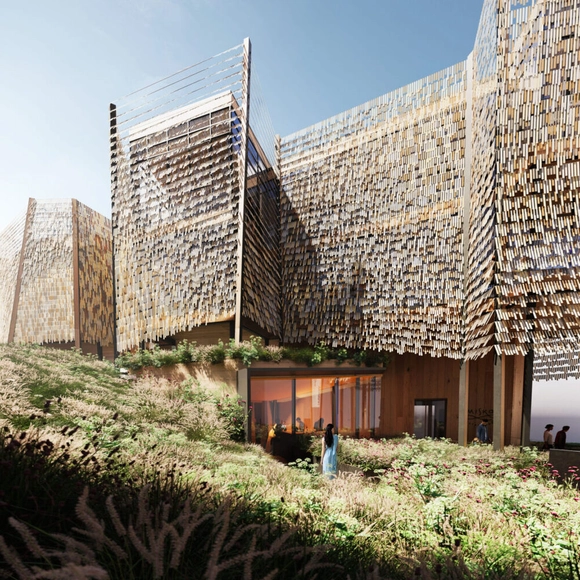
The Hungarian Pavilion at Expo 2025 in Osaka is designed to reflect the event's central theme, "Designing Future Society for Our Lives." It explores the relationship between humans and nature, emphasizing cultural heritage and sustainability through its architecture and exhibition. The pavilion will offer an immersive experience centered around music, heritage, and the connection between people and their environment.
Welcome to the ArchDaily Building of the Year Awards! Now in its 16th edition, this award continues to be the most democratic recognition in architecture, celebrating excellence and innovation across the built environment. With over 4,000 projects participating annually, it has become a global benchmark, powered by the voices of our passionate readers.
Each year, your votes shape the future of architecture, highlighting the most outstanding projects that push boundaries and redefine possibilities. As we embark on this journey once again, we invite you to be part of this collective celebration—honoring diversity, creativity, and ingenuity in architecture and design. Together, let's recognize and elevate the projects that inspire, challenge, and shape our world. Cast your vote and help define the architecture of today and tomorrow!
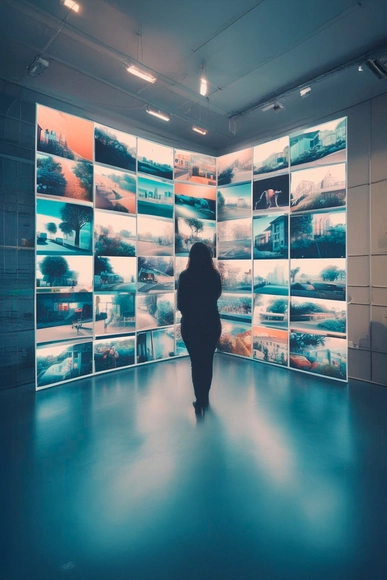
Prompt: An image that embodies the essence of social media: a giant screen displaying photographs of architectural and interior projects, with a person at the center, standing with their back turned, absorbing the scene. Image Courtesy of Enrique Tovar using DaVinci AI
I saw it on Instagram! It's a phrase we often hear in various contexts, from the latest restaurant recommendations to the trendiest hotel in town. The window to observe and expose ourselves to the outside world now sits in our smartphones. This doesn't necessarily mean it's all doom and gloom. Still, it reflects that we're constantly flooded with data and information segmented by algorithms, all in a super easy-to-consume format. In today's world, it takes only a few seconds to form a lasting impression of a building and its atmosphere—and those first impressions matter more than we often realize.
https://www.archdaily.com/1025972/social-media-friendly-design-is-architecture-adapting-to-viral-trends-and-algorithmsEnrique Tovar
In the world of architecture, competitions often serve as platforms for creativity, experimentation, and problem-solving. For Daniel Rojas, Founding Partner of Wandrian Studios, winning the 2023-2024 MICROHOME competition, sponsored by Buildner and Kingspan, was a transformative moment. His project, Urban Residential Pods, addresses the global housing crisis by reimagining vacant office spaces as compact, sustainable homes.
Rojas' design strikes a balance between innovation, functionality, and sustainability, offering a glimpse into how architecture can address some of today's most pressing challenges. As the next edition of the competition approaches, Rojas shares insights into his winning project and offers advice to future participants.
Visit the MICROHOME competition site for details in the open 2025 edition and to register before the deadline on February 13.
British architect Asif Khan has just unveiled the transformation of a Soviet-era cinema in Almaty, Kazakhstan, into the Tselinny Center of Contemporary Culture, a multifunctional venue designed to support the growth of Kazakh and Central Asian creatives. The project, which began in 2018, is set to open in April and will feature spaces for art exhibitions, performances, film screenings, workshops, and more. Once complete, the Tselinny Center will mark Kazakhstan's first independent cultural institution.
When India gained independence in 1947, the nation faced a decision that would determine the course of its architectural future: brick or concrete. A seemingly mundane choice of material was rooted in a deeper philosophical divide between two potential outcomes for post-colonial India's built environment. Pioneering figures in India's struggle for independence held opposing views - Mahatma Gandhi advocated for traditional craftsmanship while Jawaharlal Nehru embraced modernism. The architecture one sees in the subcontinent today is a mosaic of both, begging the question: was modernism in India a foreign imposition or a celebrated import?
The clock is ticking for architects, urban planners, and engineers to submit their groundbreaking projects to the Holcim Foundation Awards. With the entry deadline of February 11, 2025, at 14:00 hrs UTC, this is the final opportunity to gain global recognition and compete for a share of the USD 1 million prize pool. The awards ceremony will take place at the Venice Forum on November 20, 2025 and winners are invited to attend.
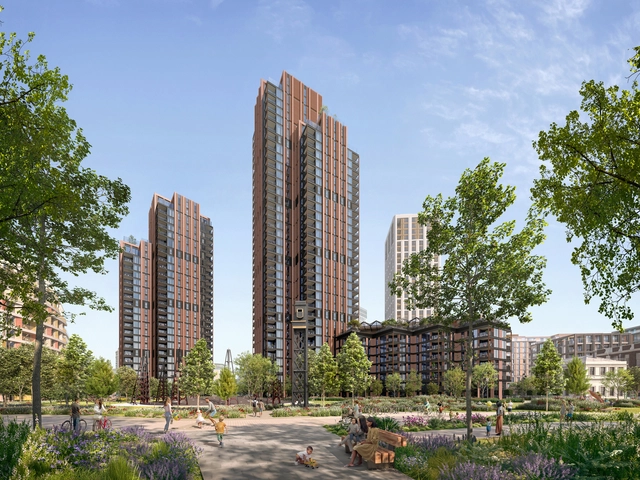
Kings Road Park, Fulham. Image Courtesy of Foster + Partners
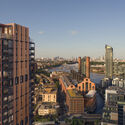
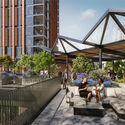
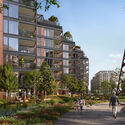
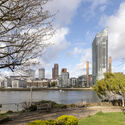
Phase four of the King's Road Park masterplan, designed by Foster + Partners for St William, has received detailed planning permission. The design, located in the London Borough of Hammersmith & Fulham, comprises two residential towers of 28 and 38 stories, a seven-story podium building, and 1.9 acres of new parkland and public open space, totaling 357 new homes. The residential buildings incorporate communal spaces, including a ground-level amenity and a rooftop garden sheltered by a louvered canopy. The towers' slender profiles are intended to complement the existing urban skyline, featuring terracotta paneling in a nod to local architectural styles.
It has been nearly three weeks since one of California's most devastating wildfires began, triggering an immense effort to combat the blaze and mitigate further damage. As firefighters work to contain the remaining flames, the city braces for its first significant winter rainfall, raising concerns about flooding and landslides that may exacerbate the already extensive destruction.
Amid these challenges, the wildfire has spurred widespread reflection at local and global levels. Discussions have emerged on topics such as the insurance system, firefighting infrastructure, water resources, global warming's role in high-wind fire conditions, and the impact of landscape design, particularly the use of non-native vegetation.
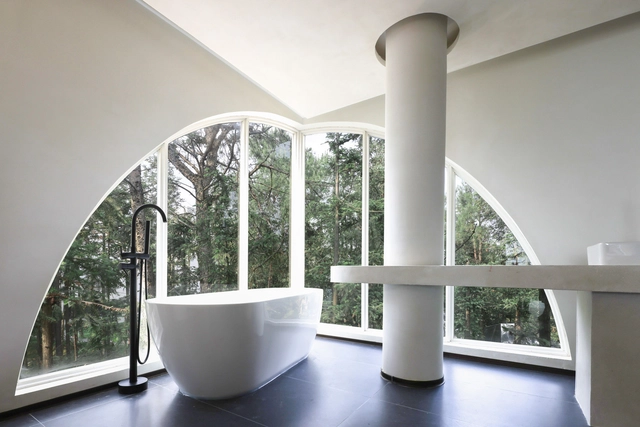
Bathrooms play a significant role in our daily lives, serving multiple functions beyond basic hygiene. Research highlights their importance as relaxation, introspection, and personal wellness spaces. A bathroom's design and comfort can profoundly influence how we begin and end our day, framing our routines with a sense of ease or disruption. When traveling, hotel bathrooms often leave a lasting impression, as a well-designed and thoughtfully executed bathroom can significantly elevate the overall experience of a stay.
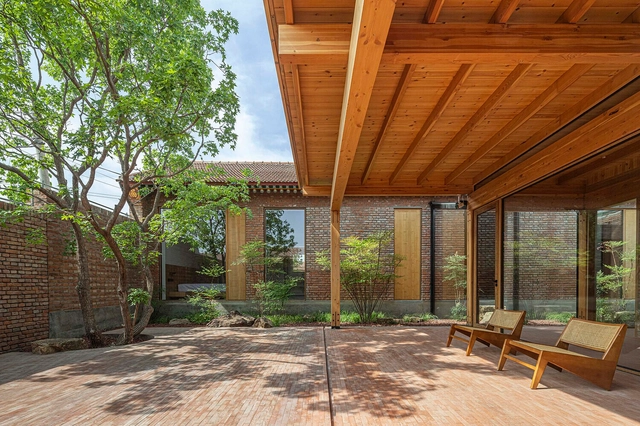
Courtyards have long been a fundamental aspect of traditional Chinese architecture, serving as central spaces around which domestic life is organized. These spaces play a vital role in creating a harmonious living environment, offering benefits that range from regulating indoor temperatures to enhancing social interactions and fostering a close connection with nature.
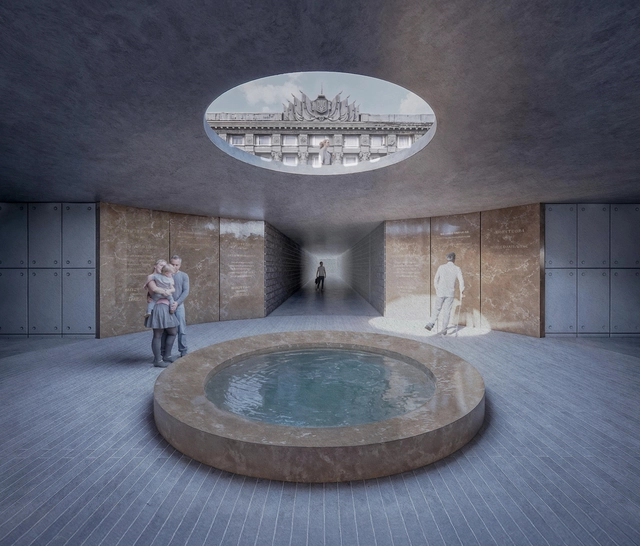
The city of Kharkiv has faced significant challenges due to its proximity to the Russian border. Amidst these circumstances, Kharkiv's Mayor, Ihor Terekhov, underscored the need for a new landmark during the United Nations' Second Forum of Mayors—a project that could embody renewal, resilience, and hope. The Freedom Square International Competition was launched as part of this vision, inviting local and international experts to propose innovative designs for Freedom Square and the Kharkiv Regional State Administration Building.
This competition is part of the broader Kharkiv Masterplan Concept, an initiative led by the Kharkiv City Council in collaboration with the United Nations Economic Commission for Europe (UNECE), the Norman Foster Foundation, Arup, and local architects and experts. The Masterplan Concept seeks to guide Kharkiv's regeneration by fostering a vibrant, inclusive, and forward-looking urban environment while honoring the city's historical identity.
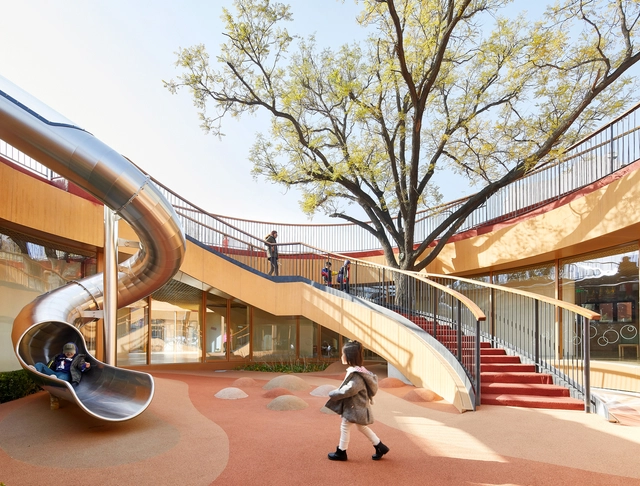
Today, the International Day of Education serves as a reminder of the significant impact that architectural design has on learning environments. From flexible classrooms that adapt to diverse teaching methods to outdoor learning areas that integrate natural elements, the architecture of learning spaces embodies the principles of pedagogy, offering opportunities for exploration, collaboration and creativity, all while maintaining a focus on the safety and comfort of all users. This selection of articles explores the potential of design to enhance learning outcomes through spatial exploration, be it inside the classroom, in outdoor spaces or by encouraging larger communities to part-take in the learning process.
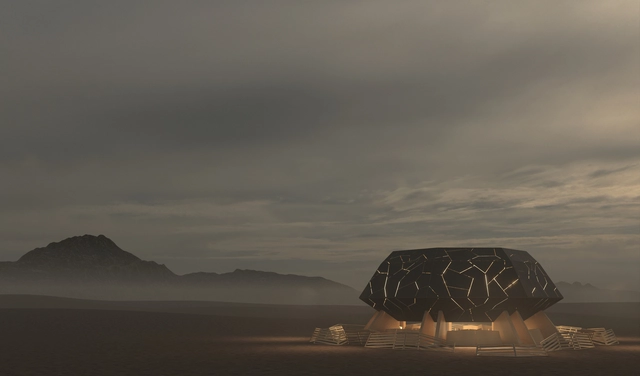
Spanish architect Miguel Arraiz has introduced the design for the 2025 Burning Man Temple, titled Temple of the Deep. Drawing inspiration from the natural landscape of the Black Rock Desert, the Temple aims to provide a space for reflection, healing, and connection. The Temple of the Deep explores the concept of radical acceptance, emphasizing the importance of fully experiencing emotions as part of the healing process.