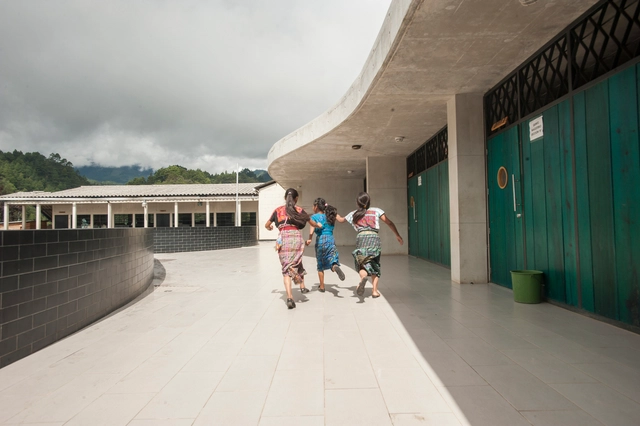
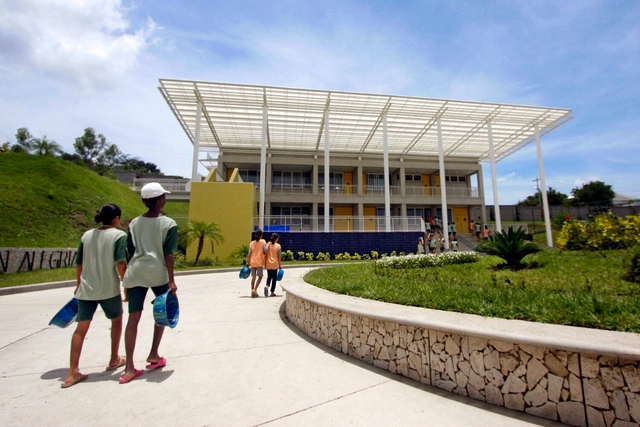
Children Running in the school at Nebaj, Guatemala . Image Courtesy of Solis Colomer Arquitectos
Founded in 2002, Solis Colomer Arquitectos has established a strong reputation over the past two decades, designing and constructing projects with both social and commercial impact across Latin America. With over 200 completed works, the firm specializes in institutional architecture with social impact and user-centered commercial architecture. Its mission is clear: to use architecture as a tool to dignify the human experience, especially for those in greatest need.
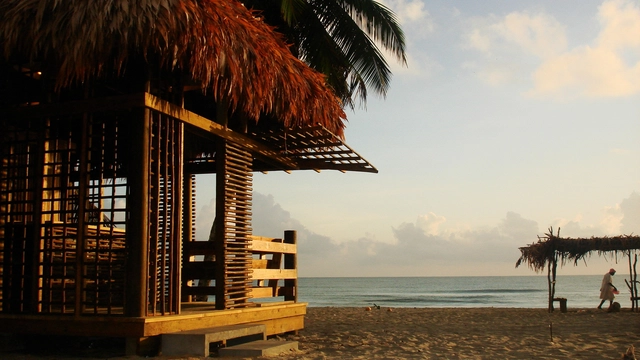
Detail of the Garifuna Kiosk Network. Image Courtesy of 24 Grados Arquitectura
How can architecture restore relevance to forgotten places? What dialogues can emerge when buildings and landscapes are treated not as blank slates, but as layers of memory, identity, and potential? For the Honduran architecture firm 24 Grados, these questions shape an approach rooted in adaptation, reuse, and contextual design. Their projects range from the restoration of old Spanish plazas and cultural centers to interventions in natural parks and coastal villages in Honduras. Each one is grounded in the belief that design can reweave relationships between people, place, and heritage.
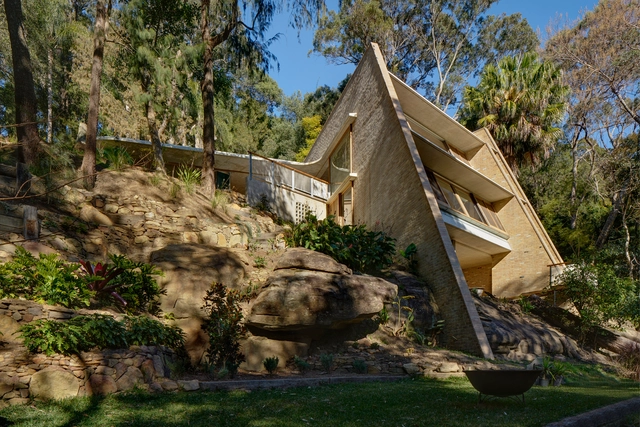
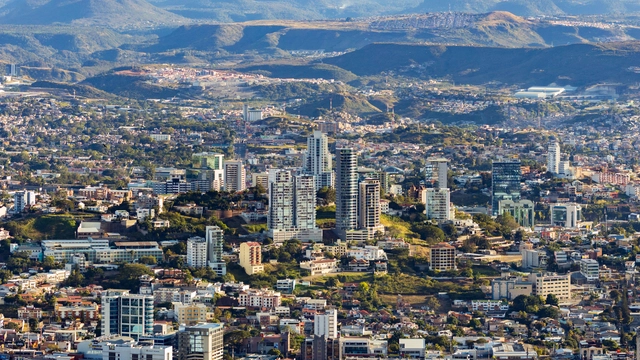
When we think about cities, we often assume the orthogonal grid is the norm: neat, predictable, and rational. However, many urban areas around the world, notably those shaped by hills and uneven terrain, defy this convention. In cities like Lisbon, in Portugal orthogonal grids appear only in flatter zones such as Baixa, while surrounding areas like Alfama adapt organically to topography. These areas create more layered, irregular, and visually dynamic urban forms. Yerevan in Armenia, offers another urban example of this adaptation: the Cascade Complex transforms a steep hill into a terraced public space that connects different city levels while framing panoramic views. For other countries, this response to topography becomes even more critical. Cities like Tegucigalpa in Honduras or Valparaiso in Chile are defined by steep, irregular terrain that requires architects to engage deeply with the land. Designing in these contexts, especially for residential projects, demands technical adaptation and a contextual understanding that allows the slope to become a generative element in the design process.


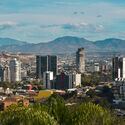
In 1975, Honduras was under a military regime that had been in power for over a decade, led at the time by General Juan Alberto Melgar Castro. During this period, Tegucigalpa underwent several big and unprecedented changes. The influx of people from various parts of the country due to rural migration transformed the city from a compact urban area into an expanding metropolis. This unexpected growth prompted the government to implement a municipal development and planning scheme, a project that would define the city's future and the evolution of its old town. This article was developed with the collaboration of the Honduran architect Lisandro Calderón, who specializes in Urban Planning and is currently a professor at the Central American Technological University (UNITEC), located in Tegucigalpa, Honduras.
Tegucigalpa, the capital of Honduras, offers a dynamic blend of the country's architectural heritage with mountainous landscapes. Nonetheless, just like many other cities in Latin America, it faces significant urban challenges such as social class disparities and a fragmented urban fabric. In response, several design initiatives have emerged over the years to address those issues. One of the most prominent examples is the "Villa for Girls", designed by the Guatemalan firm Solis Colomer Arquitectos, which has now expanded to include a "Villa for Boys" since 2017. These projects are aimed at children from low-income families who often face the risk of being recruited by gangs. Together they build upon an architectural legacy that offers a safe, supportive environment to grow and learn.
Tourism, as an urban and architectural phenomenon, has grown to encompass more than just sightseeing; it engages visitors with the social, cultural, and economic narratives that cities tell through their built environments. In celebration of World Tourism Day 2024, this collection of city guides highlights the role of architecture in shaping the urban tourism experience. Today, cities around the world stand as testaments to human ingenuity, historical preservation, and modern innovation. In fact, each city's versatile architecture offers a window into a city's identity, drawing millions of visitors each year who seek to understand how these spaces shape everyday life and collective memory.
In 2024, many cities have seized the world's collective imagination, each with its unique narrative waiting to be uncovered. Whether one finds themselves meandering through London, admiring Paris, or immersing in the cultural treasures of Sharjah, the story is always there to be unraveled. From Amsterdam's canals to Cairo's rich historical layers, Barcelona's avant-garde architecture, the liveliness of Santiago to the ancient marvels of Rome, and the diverse Istanbul to the bustling Bangkok – each city serves as a testament to the enduring spirit of human civilization.
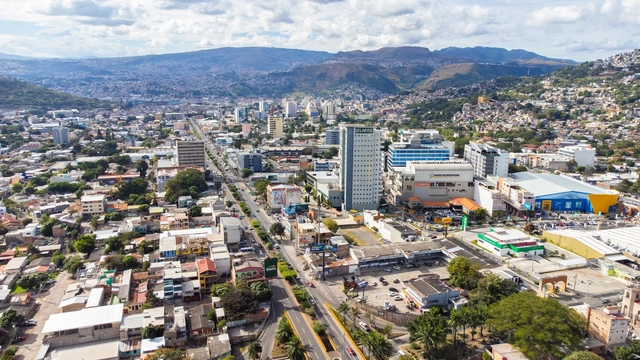
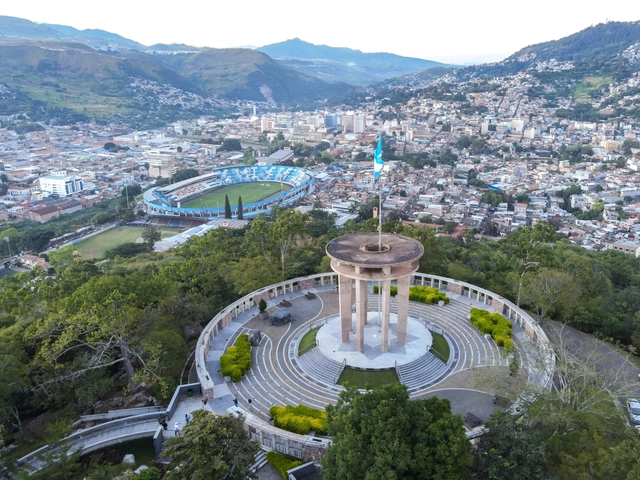
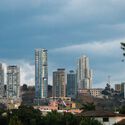
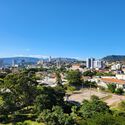
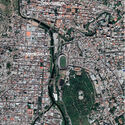
Located in the Central Mountains of Honduras, Tegucigalpa stands as the country's largest city. Being home to approximately 1.5 million residents, it is also one of the biggest urban centers in Central America, with origins that date back to 1578 when it was founded by Spanish colonizers. It was declared the capital in 1880 and has since developed into the political, cultural, and economic heart of Honduras. This history has endowed the city with a diverse architectural heritage, showcasing styles from various periods and influences.
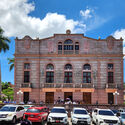
Styles that range from colonial Baroque, Neoclassical, and Art Deco to Modernism and Post-Modernism, reflect its dynamic history. It is also home to several museums that celebrate both traditional and contemporary Honduran arts, such as the Museum of National Identity (MIN) and the National Gallery of Art. Beyond its urban attractions, the city's surrounding mountains are home to the hiking trails of La Tigra National Park and several colonial silver mining towns, which make it a great city to visit while traveling through Central America.
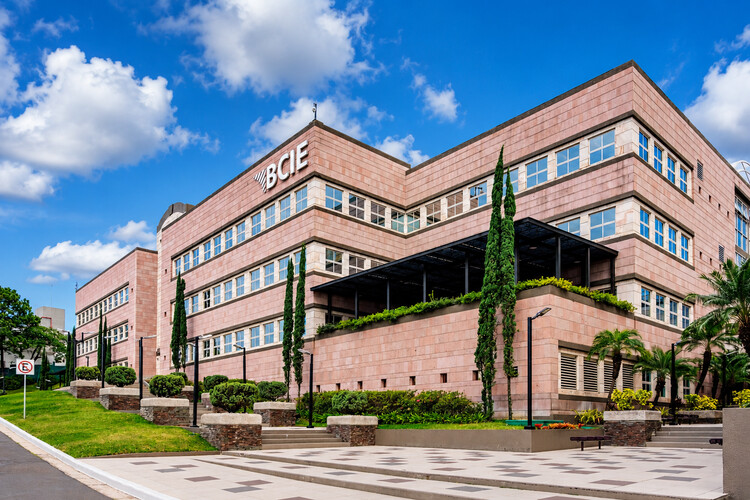
In the first decades of the XXI century, Honduras experienced higher levels of crime and violence compared to its other Central American neighbors. This situation caused the country to be largely avoided by most visitors and investors. However, it didn’t stop Tegucigalpa, its capital city, from experiencing an explosion of residential and office developments which are currently reshaping its skyline. Defined by a unique topography, and tropical weather, the city served as a testing ground for modernist urban principles that contributed to the transformation of a small mining town into one of the largest metropolises in Central America.