"Traditional Construction Is Doomed To Disappear:" Interview With the Portuguese Office Summary

 | Sponsored Content

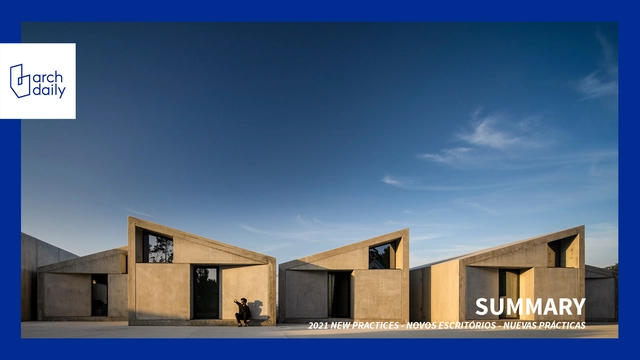
Contemporary challenges and developments in technology inevitably trigger changes in the way we design and build our cities. SUMMARY, one of ArchDaily's Best New Practices of 2021, is a Portuguese architecture studio focused on the development of prefabricated and modular building systems. Striking a balance between pragmatism and experimentalism, the firm develops prefabricated solutions in order to respond to a driving challenge of contemporary architecture—to speed up and simplify the construction process. Founded in 2015 by the architect Samuel Gonçalves, a graduate of the School of Architecture of the University of Porto, the studio has presented at prominent events such as the 2016 Venice Biennale. We talked with Samuel about the firm's practical experience in prefabrication and modulation, as well as their experiments and forays into research.

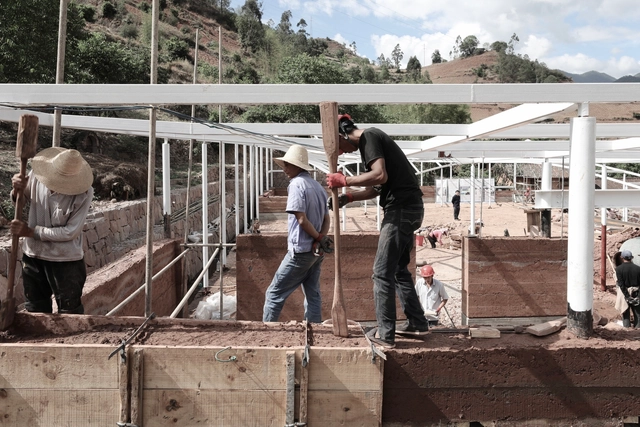
Local Can Be Universal

In the 14th century, Geoffrey Chaucer wrote “Familiarity breeds contempt”. By definition “local” is “familiar”. Why are humans so thrilled to go beyond the familiar, the local, and reach for what is new, universal, and salvational? The word “local” has the weight of true value, like “density” or “sustainable” But the lure of connection between all humans is powerfully seductive, and that desire to connect almost always falls short of our hopes.  

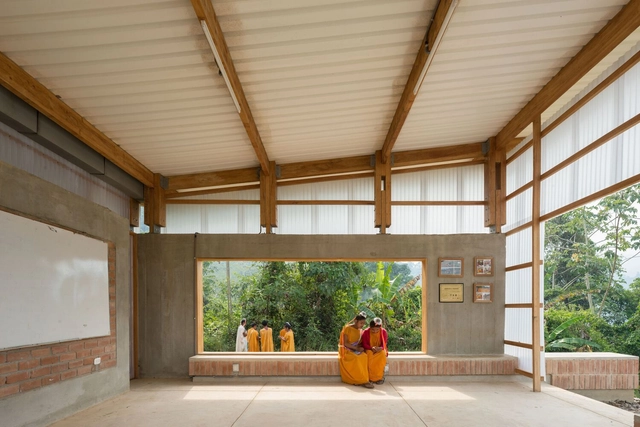
6 Thoughts On Materials and Construction: Decisions That Improve People's Quality Of Life

Subscriber Access | 

Materials, products, and construction systems are constantly evolving and following new technologies, discoveries, and market trends. The question is: are we, as architects, evolving with them? We have heard about robots working on construction sites, responsive and intelligent materials and the continued rise of 3D printing, but is it all white noise at the moment of starting a new design? More importantly, could these new systems continue to progress without sensitively and effectively taking people's quality of life into account?