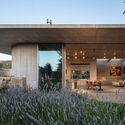
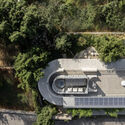
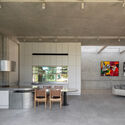
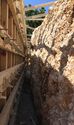
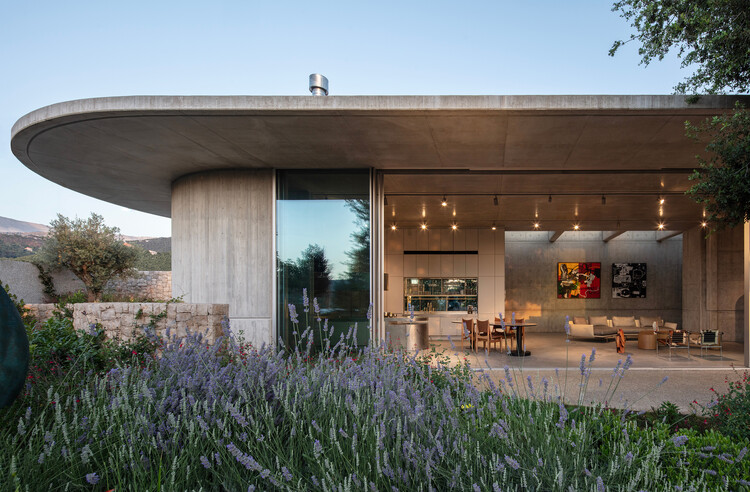
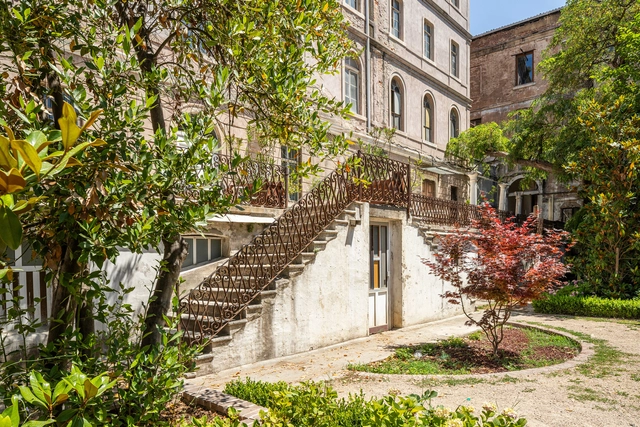
Set within the mountainous landscape of Zabbougha, Lebanon, Capsule Retreat by EAST Architecture Studio is shaped through the process of its making. The project unfolds through material decisions, on-site adjustments, and evolving conditions, allowing construction itself to guide its spatial logic.
The construction process played a central role in defining the project. Built during a period marked by economic collapse, material shortages, and ongoing disruption in Lebanon, the house developed through continuous adaptation. With no general contractor, the architects took on an expanded role, coordinating craftsmen, testing ideas directly on site, and responding to changing constraints. In this context, sociopolitical conditions became not only a challenge but a catalyst for rethinking design. "We were constantly testing ideas on site", say the architects and founders of EAST Architecture Studio, Charles Kettaneh and Nicolas Fayad, "tailoring these decisions economically while exploring what local craft could offer."
Aluminum Chain Facade Disney Glamour Store / SRA Architectes – Etienne Jacquin. Image Courtesy of Kriskadecor
In highly-curated environments such as Disneyland Paris, architecture operates under a different set of expectations. Buildings are not only required to perform, they must also communicate, often instantly. Within this context, the facade becomes a visual marker that can serve as a threshold, mediating light, air, and perception. One strategy that has gained traction in this setting is the use of semi-opaque envelope systems. Neither fully transparent nor entirely enclosed, these facade systems introduce depth and variability.
The Cosmogony of (Racial) Capitalism. Image Courtesy of Dele Adeyemo
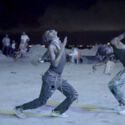
Having thrown a stone today, Eshu kills a bird of yesterday. The Yoruba proverb tells both a story of reparation and of ancestrality by joyfully bending spacetime conventions and accessing subjects from the past with present actions. The saying offers a poetic entry point to broader West African traditions and to the practice of Scottish-Nigerian artist and architect Dele Adeyemo. Named one of the winners of the ArchDaily 2025 Next Practices Awards, Adeyemo's work brings together ecology, spirituality, dance, and territory, examining how embodied cultural practices can generate alternative spatial possibilities within and against the architecture of racial capitalism.
Born in Nigeria and raised in the United Kingdom, Adeyemo has been visiting Lagos for many years. Through this engagement, he has developed an extensive body of research on collective movement practices that predate capitalism and offer distinct, often imaginative spatial intelligences operating alongside dominant systems. ArchDaily spoke with Dele about his artistic and pedagogical practices, and how he identifies design sophistication where architects often perceive deficiency.
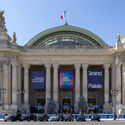
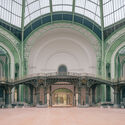
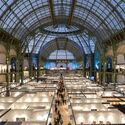
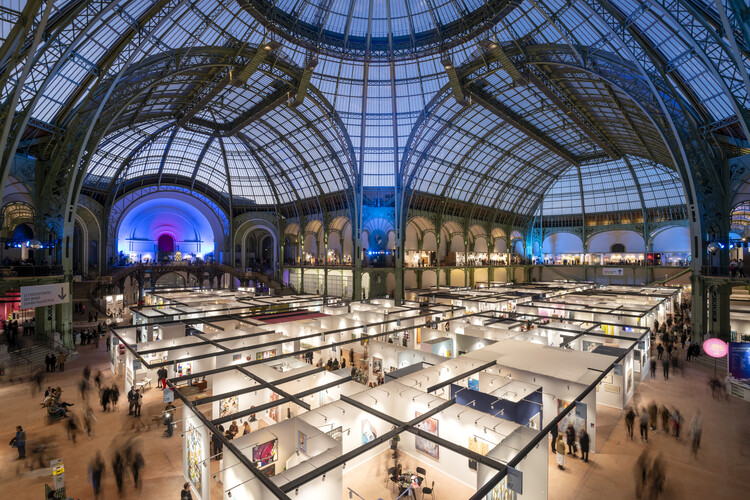
Art Paris will return to the Grand Palais from 9-12 April 2026, marking the 28th edition of the fair at the recently renovated landmark. Reopened following its most extensive restoration in over a century, the 77,000-square-meter building, transformed under the direction of Chatillon Architectes, now accommodates large-scale cultural events across its nave and balcony spaces. Bringing together approximately 165 galleries from around twenty countries, the fair is structured around two curatorial themes, language and reparation, presented within an updated spatial framework defined by improved circulation and expanded exhibition areas.
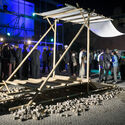
The Bethel Woods Art and Architecture Festival announces BuildFest: Acts of Construction, a three-year initiative that activates the historic grounds of the 1969 Woodstock festival through large-scale timber installations and multimedia experiences. Each year is organized around a single theme, inviting designers to collaborate on an interdisciplinary series of "acts" that build on one another to create an interconnected set of installations, activations, and performances. Act One: Staging is currently accepting proposals for adaptive art infrastructure designed to "set the stage" for future activations. It will be followed by Act Two: Choreography in 2027 and Act Three: Performance in 2028.
Liminal Air Space-Time by Shinji Ohmaki, Noor Riyadh 2025. Image Courtesy of Noor Riyadh
Noor Riyadh 2025 brought large-scale light installations to public sites across the Saudi Arabian capital, temporarily transforming transit hubs, historic districts, and significant landmarks into illuminated urban environments. From November 20 to December 6, 2025, Riyadh became a citywide gallery of light, motion, and shifting perception. The festival's fifth edition featured 60 artworks by 59 artists from 24 countries, including more than 35 new commissions, responding to the theme "In the Blink of an Eye." Through light as both medium and concept, the installations reinterpreted the capital's rapidly evolving architectural landscape and reflected how perception shifts in spaces shaped by heritage and ambitious urban development.
Color of the Year 2026 "Cloud Dancer". Image Courtesy of Pantone
PantoneColor Institute has introduced PANTONE 11-4201 Cloud Dancer as the Color of the Year 2026, a soft white selected for its understated presence and sense of visual calm. The hue, described as balanced and airy, appears against a broader cultural context in which designers and creatives are reassessing the role of clarity, simplicity, and spatial quietude. Framed as a color that resembles a blank canvas, Cloud Dancer signals a renewed interest in environments that support reflection and measured creativity rather than constant acceleration.
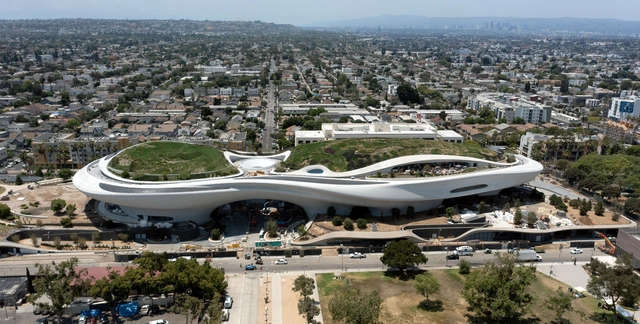
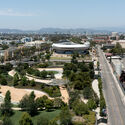
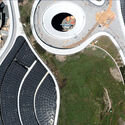
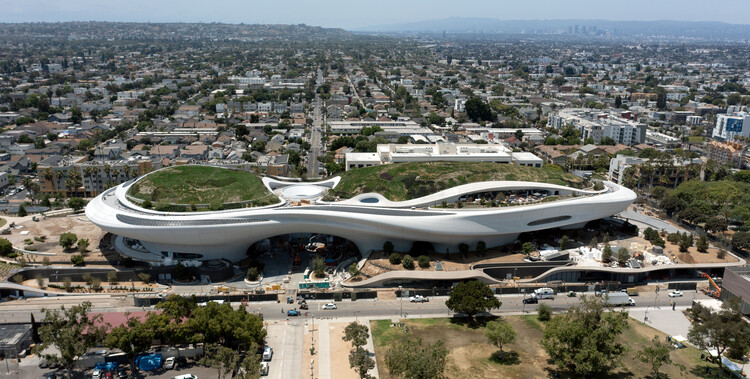
The Lucas Museum of Narrative Art has announced that it will open to the public on September 22, 2026, adding a new cultural institution to Los Angeles's Exposition Park. Founded by George Lucas and Mellody Hobson, the museum is dedicated to illustrated and narrative storytelling, understood as visual works that communicate stories across media and periods. The building is designed by Ma Yansong of MAD Architects, with landscape architecture by Mia Lehrer of Studio-MLA and Stantec serving as executive architect.
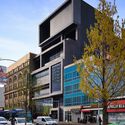
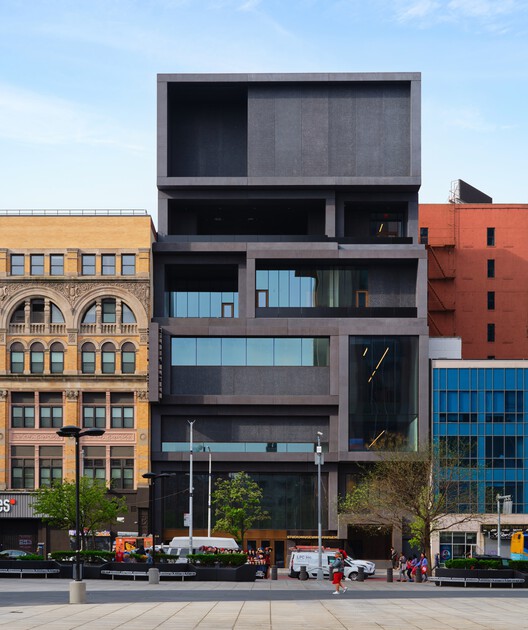
The Studio Museum in Harlem is preparing to open its new purpose-built home to the public on November 15 with a Community Day celebration. Designed by Adjaye Associates in collaboration with Cooper Robertson, the seven-story, 82,000-square-foot building is located on West 125th Street in Harlem, New York City. Serving as a major institution dedicated to artists of African descent, the museum's new facility marks the first structure in its fifty-seven-year history conceived specifically for its mission. The opening signals a new chapter for the museum's engagement with art, education, and the local community through expanded spatial and programmatic capacities.
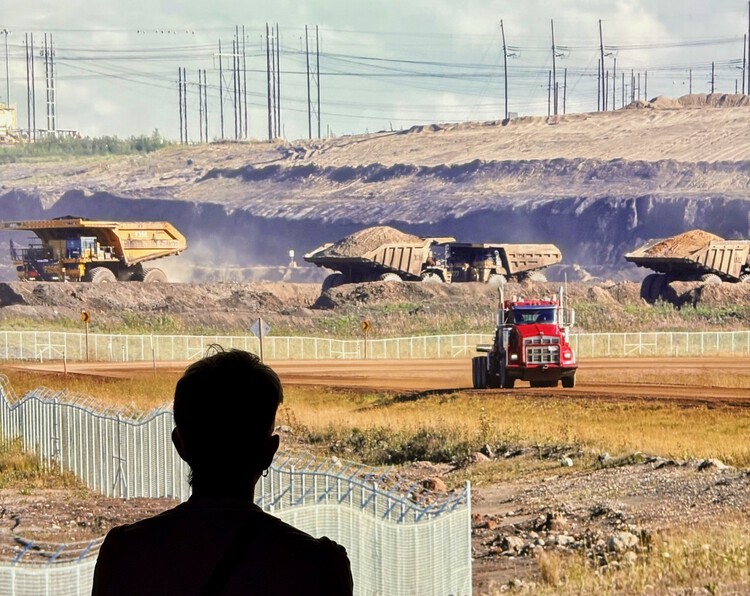
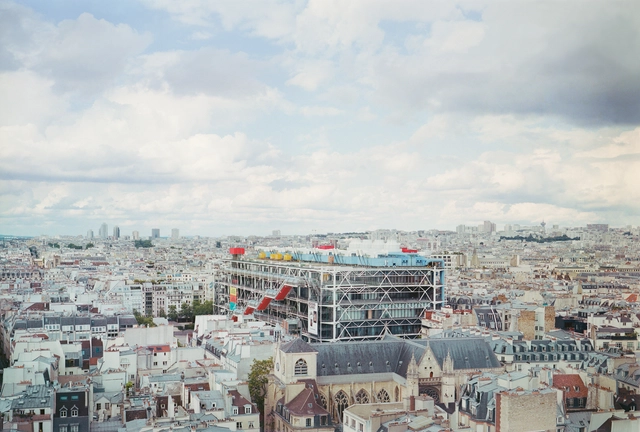
Thirty trillion tons. This is the estimated mass of all human-made matter on Earth, and the starting point for the 7th edition of the Lisbon Architecture Triennale. Curated by Ann-Sofi Rönnskog and John Palmesino, founders of Territorial Agency, the event asks a deceptively simple question: How heavy is a city? To answer it requires more than data. It demands a shift in perception: from the scale of the city to the planetary technosphere.
The technosphere, a term borrowed from Earth sciences, defines the vast system of infrastructures, technologies, and materials that sustain human life while reshaping the planet. Cities, in this view, are not only territories but dense nodes within this planetary metabolism. From October to December 2025, Lisbon becomes a lens to examine that magnitude, hosting three main exhibitions (Fluxes, Spectres, Lighter), a book of essays, a talks program, and more than twenty independent projects across the city.
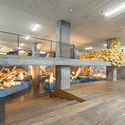
The museum and gallery visit has long been a highly curated experience. Visitors are guided through a carefully orchestrated sequence of rooms, with hand-picked works arranged to tell a specific narrative, supported by signage, graphics, scenography, and calibrated lighting. Even the rarely changed exhibitions - the permanent collections, also typically rely on a strong curatorial voice— led by noted artists or curators—to set institutional stance and shape interpretation.
At the same time, storage areas for museums and galleries are typically kept separately—often within the same building but under tightly controlled access, and not infrequently off-site in dedicated facilities, such as the Louvre Conservation Centre. These zones have long been understood as highly controlled spaces not only in terms of access, but also in relation to climate, humidity, archival order, handling protocols, maintenance, and repair. For fear of thefts and that the spatial, environmental, and sequencing requirements of the archive could be disturbed, storage has traditionally been somewhat secretive and primarily serves academic researchers and art practitioners by request. Rarely does the general public gain a comprehensive picture of the works safeguarded by any given institution.
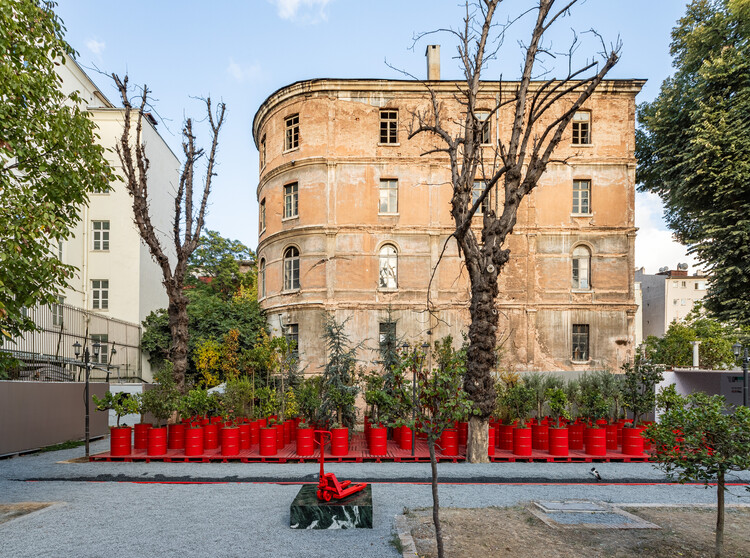
The 18th Istanbul Biennial, organized by the Istanbul Foundation for Culture and Arts (İKSV), has opened its first phase to visitors and will remain on view until November 23, 2025. Curated by Christine Tohmé under the title "The Three-Legged Cat," the biennial is envisioned as a three-year process unfolding between 2025 and 2027. The second phase, scheduled for 2026, will focus on establishing an academy and collaborating with local initiatives through a series of public programs. The third and final chapter in 2027 will bring together the accumulated encounters through exhibitions and workshops.
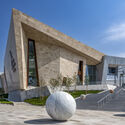
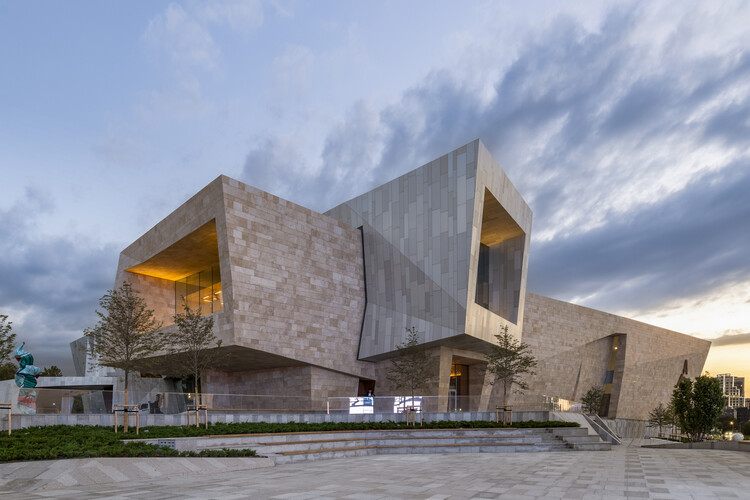
The AlmatyMuseum of Arts has opened in Kazakhstan, establishing a new cultural institution dedicated to contemporary art in Central Asia and internationally. Designed by Chapman Taylor, the museum is located at the foothills of the Tian Shan mountains and encompasses 10,060 square meters. The design draws inspiration from the contrast between the city of Almaty and its mountainous surroundings, a relationship expressed through two interconnecting limestone and aluminium-clad volumes. These are organized around a central, light-filled atrium referred to as the "Art Street," which serves as the primary circulation and gathering space.
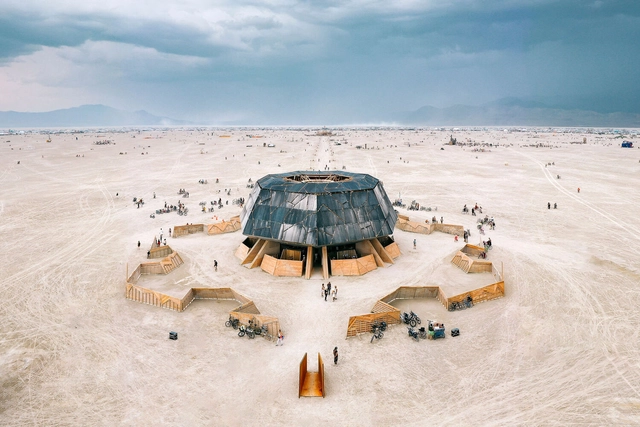
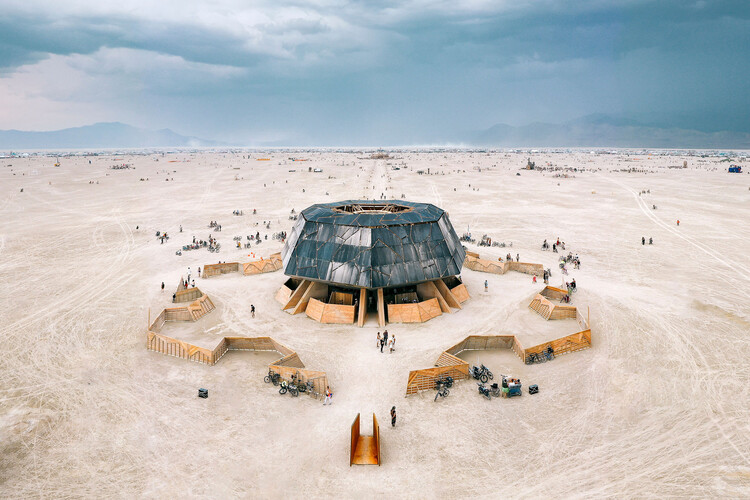
The 2025 edition introduced projects that examined themes of ecology, memory, and connectivity while responding to the challenges of building in the desert. Ranging from intimate interactive pieces to monumental landmarks, the installations encouraged reflection, participation, and community engagement before disappearing at the close of the event.
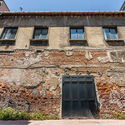
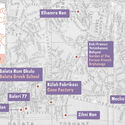
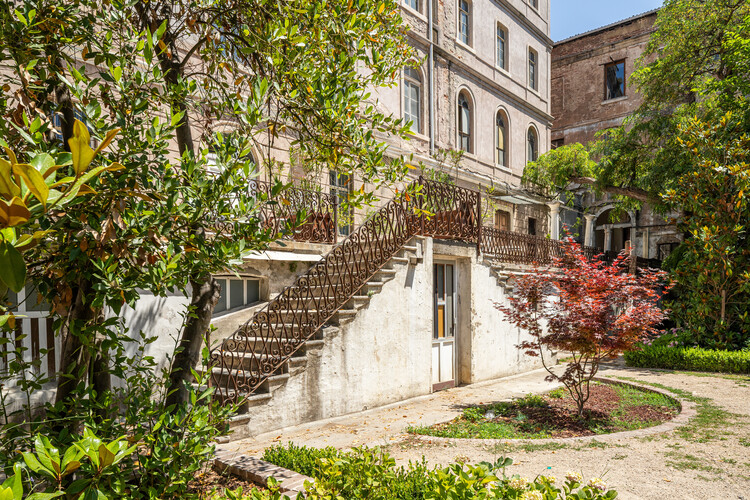
Organized by the Istanbul Foundation for Culture and Arts (İKSV), the 18th Istanbul Biennial will be realized in three stages between 2025 and 2027, continuing to be Türkiye's largest international exhibition dedicated to contemporary art. Curated by Christine Tohmé under the title The Three-Legged Cat, the first leg will be held from September 20 to November 23, 2025. Continuing the Biennial's approach of engaging directly with Istanbul through a dispersed model rather than a fixed venue, this edition will use eight sites located within walking distance along the Beyoğlu–Karaköy axis. Over this period, works by 47 artists from more than 30 countries will be presented to the public, accompanied by a program of performances, screenings, and live events during the opening week.
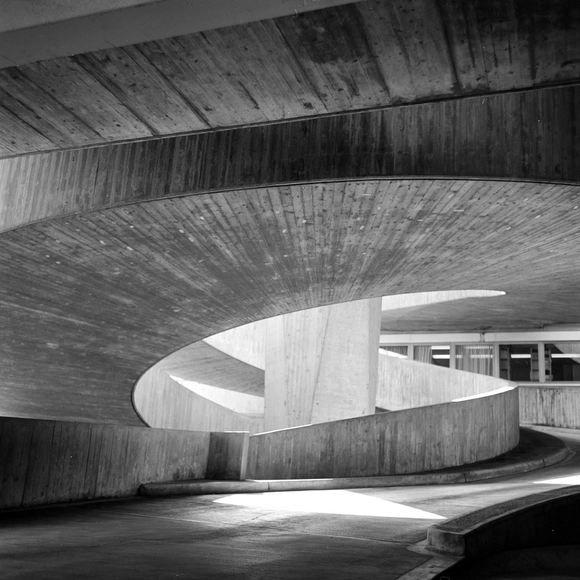
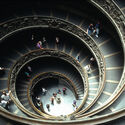
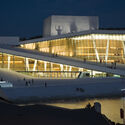
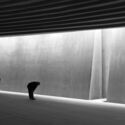
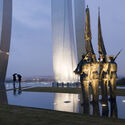
For over five decades, Swiss photographer Thomas Mayer has developed a serene, emotional, and documentary language for architecture. His lens captures the random and memorable moments of our built environment - reflections in the rain, long blue hours in Nordic summers, and the quiet darkness of sacred spaces. Recognized by ArchDaily as one of the top architectural photographers, Mayer carries an abundant fascination for light and space.