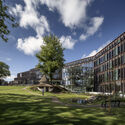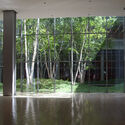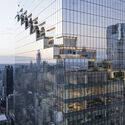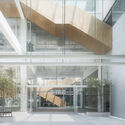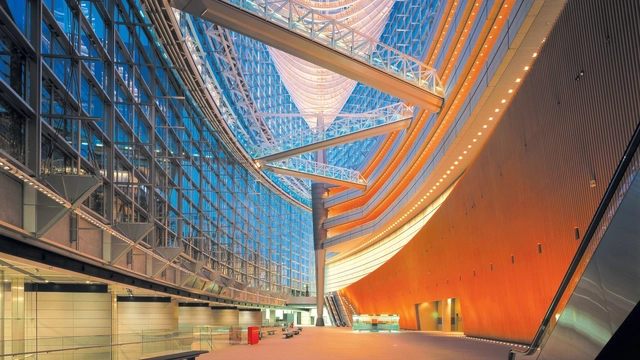
Rafael Viñoly Architects’ Tokyo International Forum has been honored with the prestigious AIA Twenty-five Year Award. Celebrating its “distinctive transparent character and capacity to engage with the public in the largest metropolitan area in the world.” Rafael Viñoly Architects was first selected to design the structure through Japan’s first international design competition facilitated by Kenzo Tange, the architect of Tokyo’s City Hall and the first Japanese laureate of the Pritzker Prize.
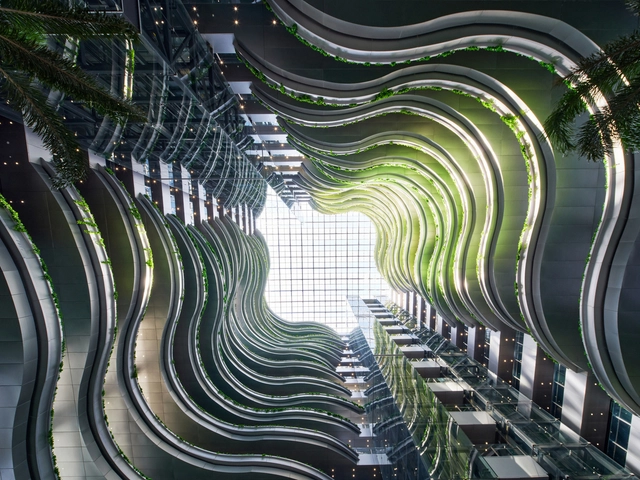
While hybrid working and flexible hours represent the most obvious ways to improve work/life balance for many, because of the missed social interactions and the lack of space or functionality at unproductive home workspaces, the majority of 16-24-year-olds are the only age group who prefer to work from the office.
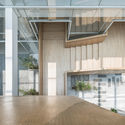
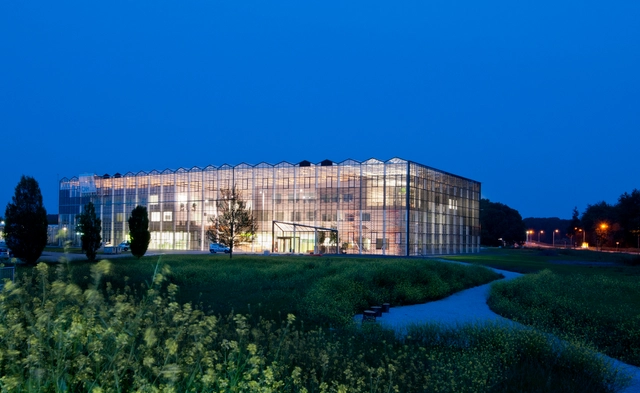
Greenhouses are elegant and ingenious structures that incorporate simplicity in design while creating light-filled spaces that shape indoor climates. With walls and roofs composed mainly of transparent or translucent materials, these structures harness solar energy to create a controlled environment. As advances in materials and environmental management progress, they can seamlessly be integrated into architectural designs, offering innovative solutions that blend functionality with aesthetics. Beyond their original role in plant cultivation, they have evolved into projects that emphasize sustainability, education, and conservation. At their core, they offer experiences of exploration and discovery, showcasing the intricate relationship between sunlight, plants, and indoor environments.
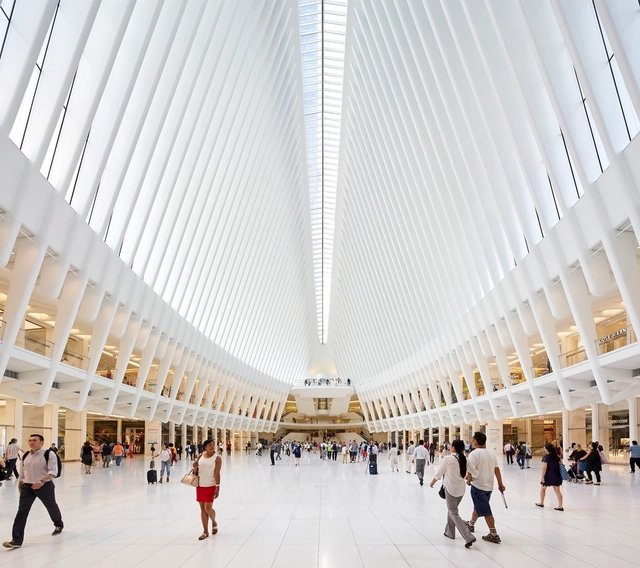
Contemporary cityscapes vary greatly from their early precedents, hosting urban life in sprawling interior spaces like mega-hotels, shopping malls, and transportation hubs. Soaring atriums and expansive concourses are now a normal part of the urban experience, allowing for public activity 'inside' the city. Interiors and urbanism are often considered at far ends of the spatial spectrum, with architecture serving as a mediator between the two. The growing significance of 'interior urbanism' in the functioning of the built environment demands the question - how can cities be reinvented from the inside out?
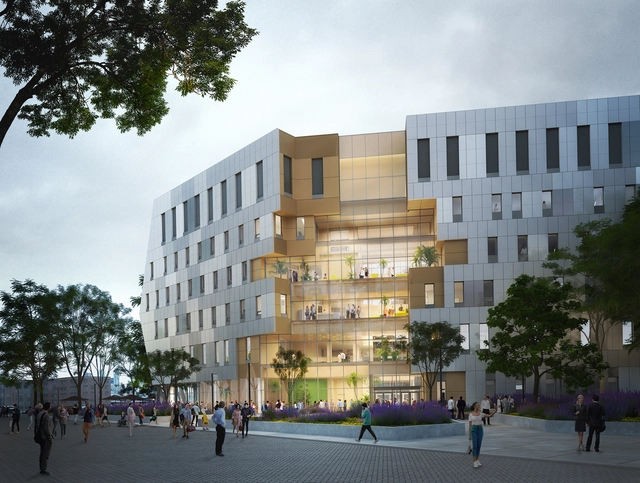
Diamond Schmitt and MVRDV have unveiled the design for a new building for the Scarborough Academy of Medicine and Integrated Health (SAMIH) at the University of Toronto’s Scarborough Campus. The new addition, featuring laboratory spaces, classrooms, and offices, aims to function as a communal and gathering space for the community. The functions are distributed around a five-story atrium that opens toward the exterior on both sides of the building and establishes a destination point within the pedestrian flows of the campus. Solar panels integrated into the façade help power the building, while the warm finishes of the interior contribute to creating a welcoming atmosphere.
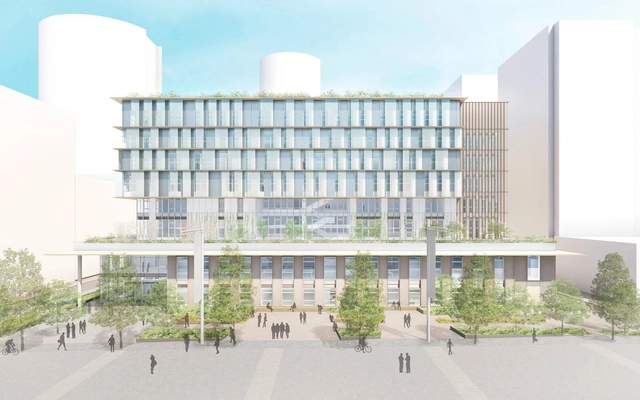
WilkinsonEyre has been selected to design a new college campus on the Olympic Way in Wembley, London, to serve as the new educational facility for the College of North West London. The project is designed to cater to over 300 students per week in addition to the 250 staff members. The new facility will offer classes in engineering, the built environment, and green skills, as well as digital technology, computing, health, and social care. The new campus scheme has recently been granted planning permission at the Council’s Planning Committee meeting and has now been passed to the Greater London Authority for final approval.
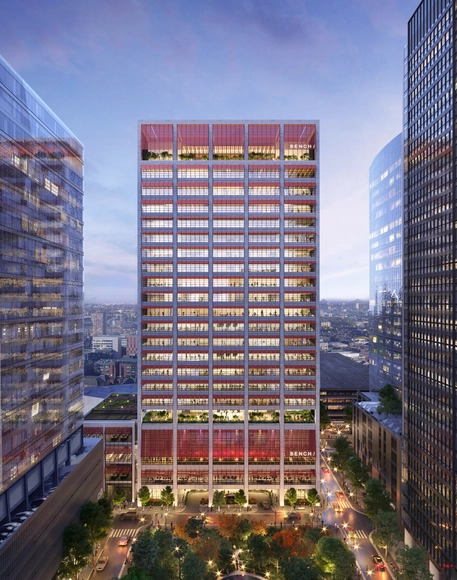
Foster + Partners’ project for BENCH, one of the Philippines’ leading clothing and lifestyle brands, has started construction in Manila. The 24-storey headquarters building offers offices, design studios, event spaces, and the necessary amenities to create an enjoyable environment for the company’s employees. Located on the east-west axis in the Bonifacio Global City, the building opens up the ground floor to create a visual connection to the green space surrounding it.
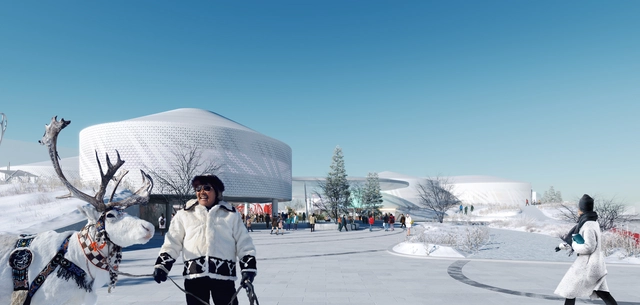
SAKHA_Z. Image Courtesy of Atrium Architects & Vostok
Russian practice Atrium Architects and Vostok+ have designed a new learning commons and public space in Yakutsk, the world's largest city built on continuous permafrost. Sited in the Republic of Sakha, the design is part of the largest administrative-territorial unit in the world with a territory of more than 3 million square kilometers in the far east of Russia. Building in a region known for diamonds and extreme climate, the project reinterprets Yakutsk's unique culture atop the frost.
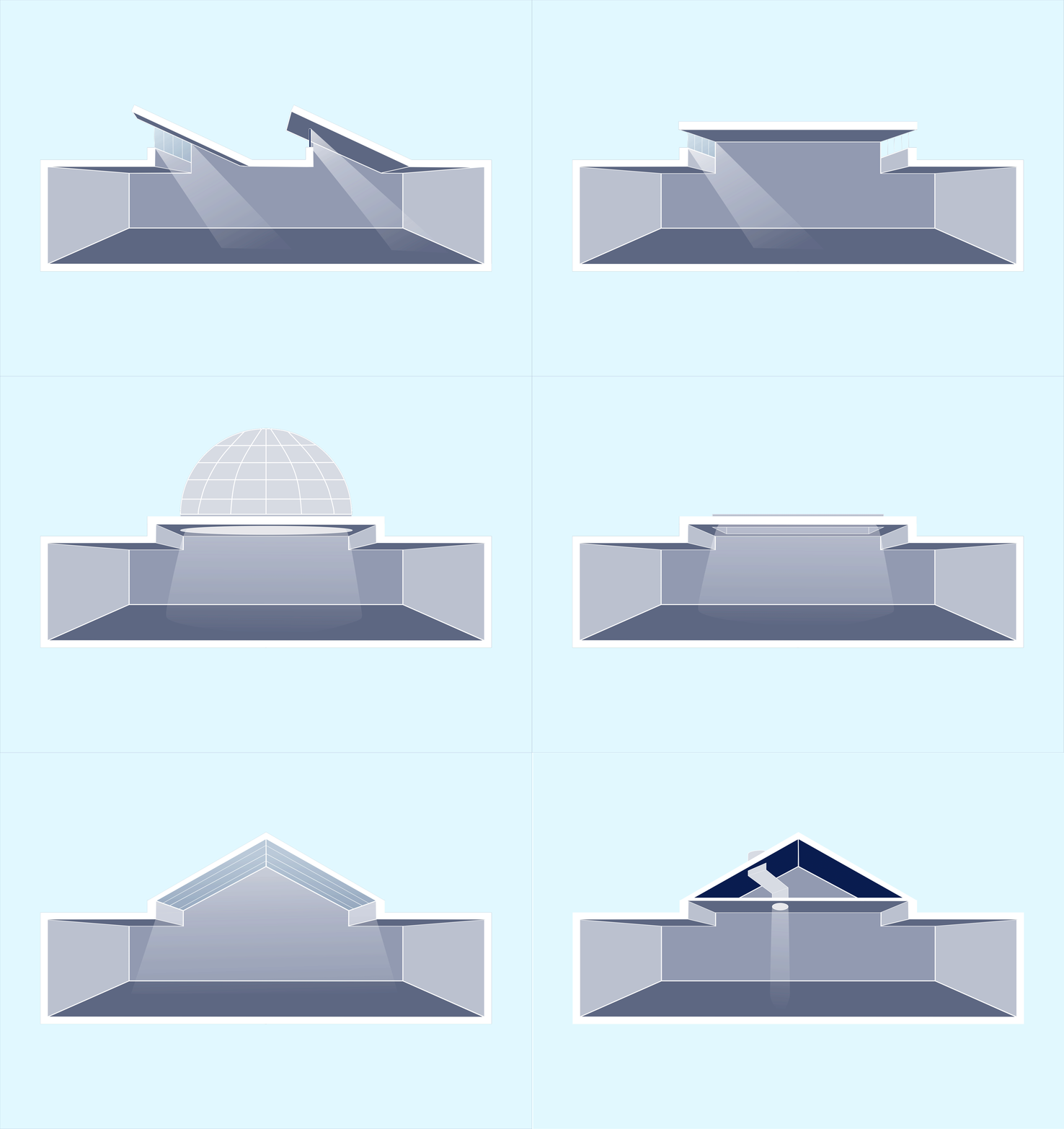
There is nothing more rational than taking advantage of natural lighting as a guarantee to improve the spatial quality of buildings, as well as saving energy. The awareness of the finitude of natural resources and the demands for reducing energy consumption has increasingly diminished the prominence of artificial lighting systems, forcing architects to seek more efficient design solutions. With this goal in mind, different operations have been adopted to capture natural light.
These systems can also guarantee excellent spatial properties if projected correctly. Below we have gathered five essential systems for zenithal lighting.
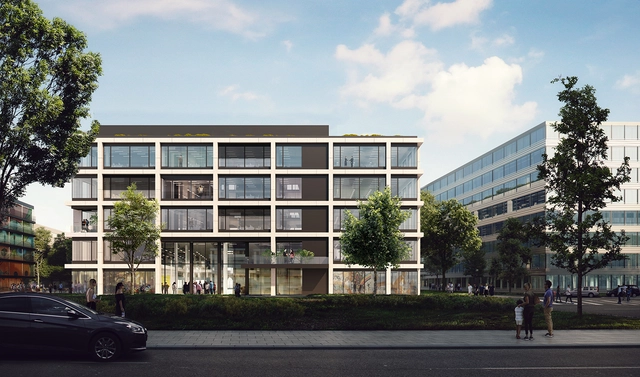
RKW Architektur + strove to represent today’s creative industry through transparent loft spaces in the design of office buildings named Alpha, Beta, and Gamma. KAAN’s facades for the buildings maintain the architectural identity while being their own distinctive elements.