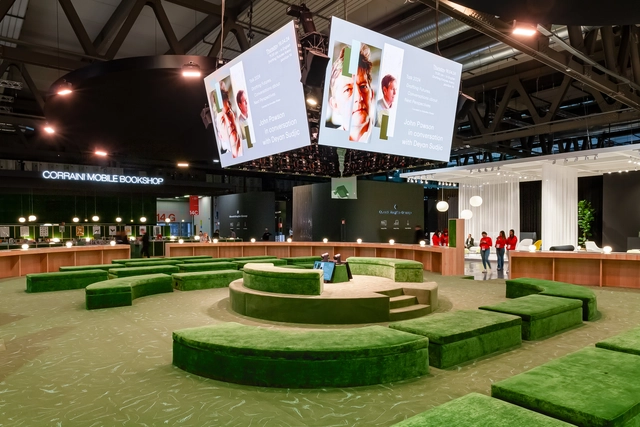
The 63rd edition of the Salone del Mobile will take place in Milan from April 8 to 13, 2025. Dating back to 1961, Salone del Mobile is a trade fair that covers a wide range of interior design products. The theme of this edition focuses on exploring the deep connections between humanity and design, aiming to establish the event as a creative platform beyond its commercial functions. The fair also serves as a laboratory for experimentation and the exchange of ideas, where new prototypes for furniture and domestic spaces are presented in settings that bring different narratives about ways of living to life. In addition to the furniture exhibition, the event will feature installations, conferences, and workshops, all taking place over the five days at Milan's Rho Fiera fairgrounds.
Videos
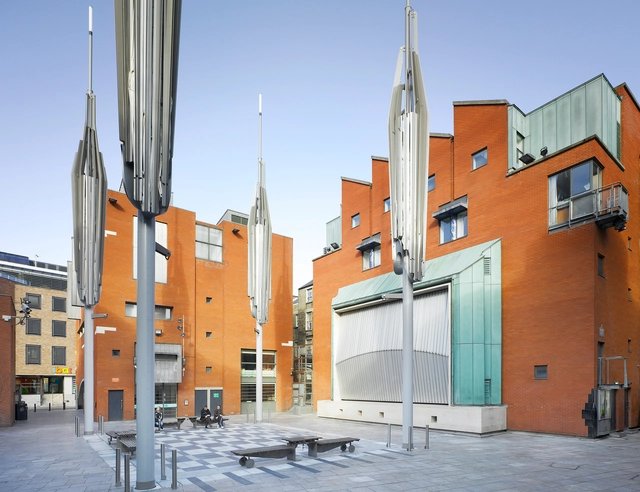
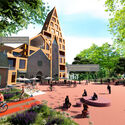
Meeting House Square, Temple Bar. Image Courtesy of Sean Harrington Architects
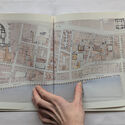
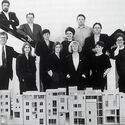
The veteran Irish architecture critic Shane O'Toole once remarked that when traveling in Europe in the 1970s, "The universal comment was is there modern architecture in Ireland? Now, in less than 50 years, we've gone to a Pritzker Prize and two RIBA Royal Gold Medallists in five years." He attributes this change in perception to a design competition that launched the careers of several of Ireland's award-winning architects of today. This was the Temple Bar Framework Plan competition of 1991 in the center of Dublin, the capital of Ireland, which was won by a group of architects still in their 30s, running under the name of Group 91.
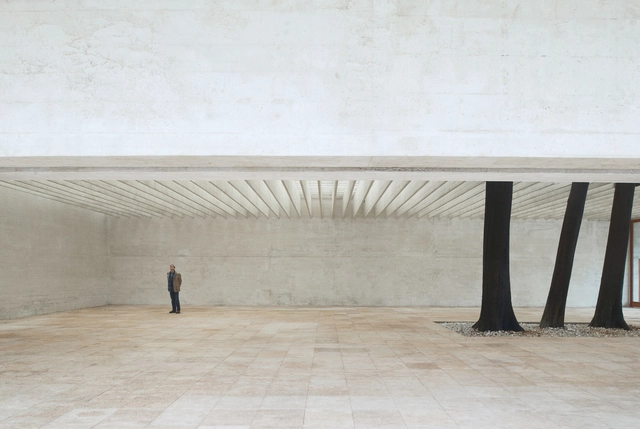
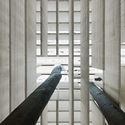
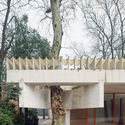
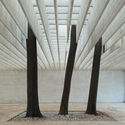
As a result of the ideas competition organized by the governments of Sweden, Finland, and Norway in 1958, Sverre Fehn's Nordic Pavilion won first prize, becoming one of the most significant works of his career and one of the most outstanding Scandinavian architectural achievements during the mid-20th century. Designed to create a space at the Venice Biennale for the biennial exhibitions of these countries, Fehn's proposal addressed several key architectural challenges—ranging from its integration with the site and incorporation of pre-existing elements to the handling of physical boundaries and uniform natural lighting. His design explored the interaction between architecture and trees, the flexibility in the exhibition space, the filtering of light, the connection between interior and exterior, the concept of movement through space, and the display of artworks.
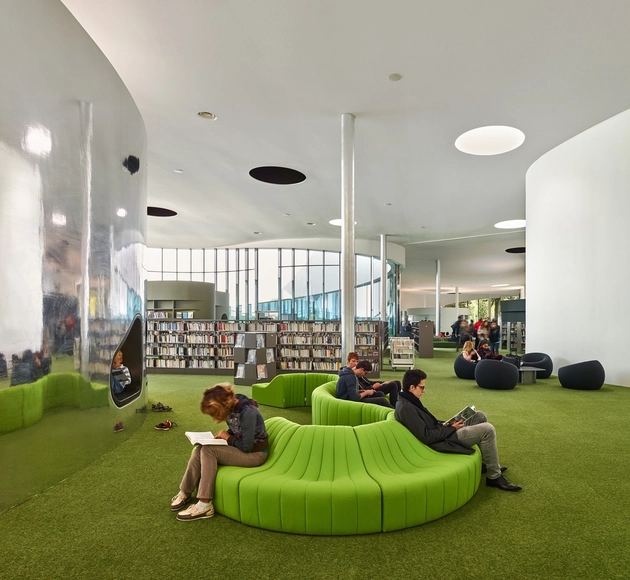
The modern world is disconnected. Online interactions dominate the daily lives of people across the world. This shift is not just a result of the rise of the internet, but also a stark reflection of the decline of public spaces, particularly third places. Third places, once essential for promoting community and social cohesion, have evolved drastically over the past few decades. In today's commercialized landscape, third places face plenty of demands from users and designers alike, calling for a need to reconsider their accessibility and purpose.
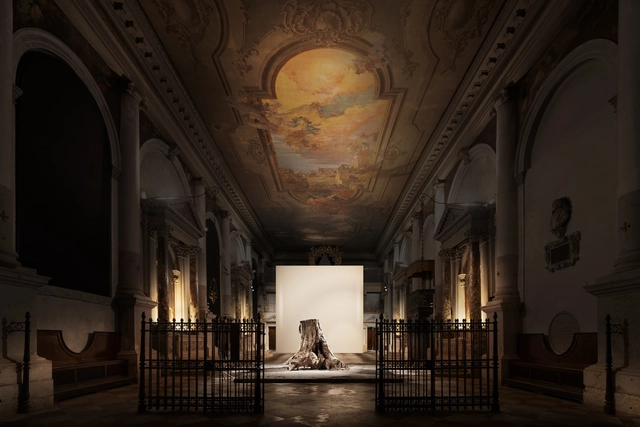
The Lithuanian Pavilion at the 2025 Venice Architecture Biennale presents Archi / Tree / tecture, a project by the National Architects Association. Commissioned by Juratė Tutlyte and curated by architect Gintaras Balčytis, the exhibition invites architects, students, communities, and visitors to reflect on the deep connections between architecture and urban nature. It positions the discipline as an interpretive medium that reveals the layered relationships shaping our cities, which in turn reflect these dynamic interactions. The proposal evokes an urban memory rooted in landscapes where fields and trees once stood, introducing the dimension of time into discussions on city ecosystems, sustainability, and resilience. The exhibition, an indoor installation designed by architects Paulius Vaitiekūnas, Andrius Pukis, and Vika Pranaitytė, will be set within the Church of Santa Maria dei Derelitti. The audiovisual and light installation in the pavilion was designed by the interdisciplinary art duo Lina Pranaitytė and Urtė Pakers, while the sculptural component of the installation was created by Kęstutis Lanauskas.
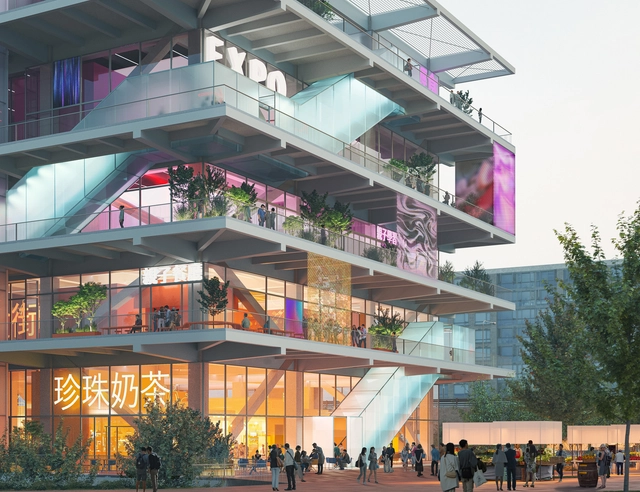
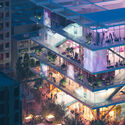
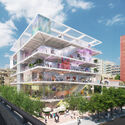
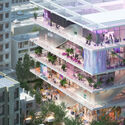
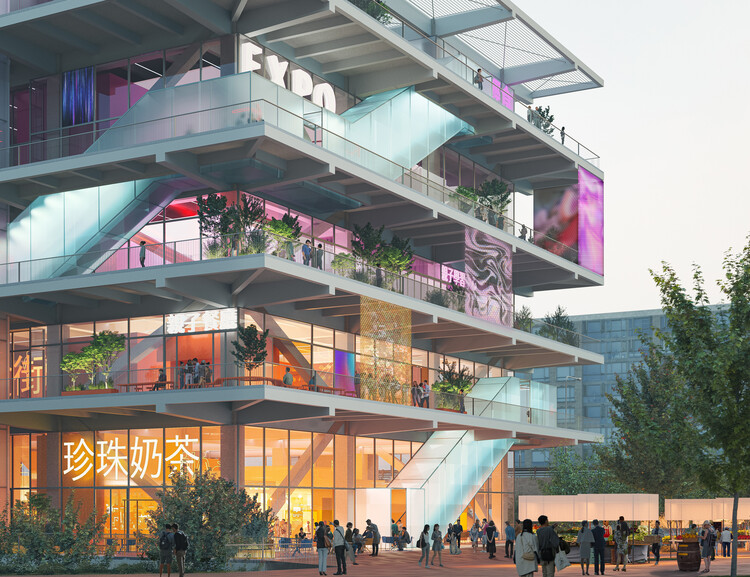
Dutch architecture firm MVRDV has won the competition to design a new multifunctional market and food hall in Zhubei, Taiwan. Developed in collaboration with local firm EKUO, the project, referred to as the "Market Cube" or "River Bank 1," aims to redefine the traditional market building through a vertically layered, highly adaptable structure. Positioned along the Touqian River at a prominent gateway between Zhubei and neighboring Hsinchu, the building is set to become a major civic destination.
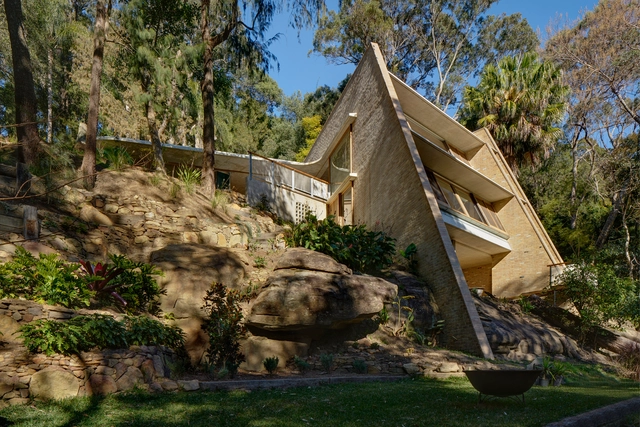
When we think about cities, we often assume the orthogonal grid is the norm: neat, predictable, and rational. However, many urban areas around the world, notably those shaped by hills and uneven terrain, defy this convention. In cities like Lisbon, in Portugal orthogonal grids appear only in flatter zones such as Baixa, while surrounding areas like Alfama adapt organically to topography. These areas create more layered, irregular, and visually dynamic urban forms. Yerevan in Armenia, offers another urban example of this adaptation: the Cascade Complex transforms a steep hill into a terraced public space that connects different city levels while framing panoramic views. For other countries, this response to topography becomes even more critical. Cities like Tegucigalpa in Honduras or Valparaiso in Chile are defined by steep, irregular terrain that requires architects to engage deeply with the land. Designing in these contexts, especially for residential projects, demands technical adaptation and a contextual understanding that allows the slope to become a generative element in the design process.
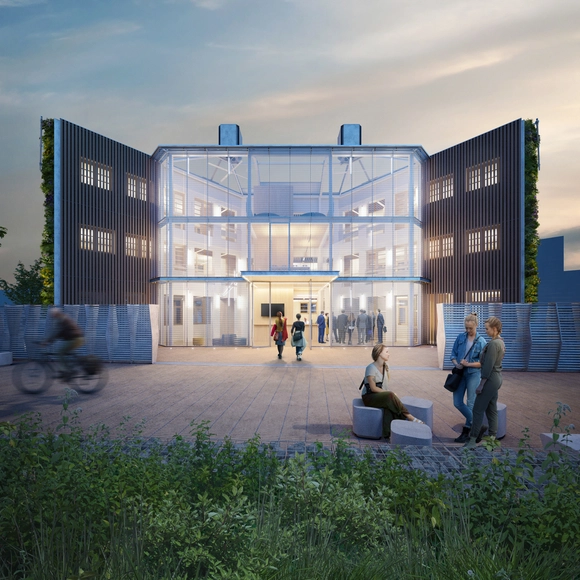
How can architecture professionals transform the atmosphere of a structure? What kinds of interventions can go beyond adaptive reuse to modify spatial perception? As architectural structures are repurposed over time, new uses and needs emerge between spaces and their users. While the structures of old buildings keep the memory of communities alive, the introduction of new life through greenhouses, housing, commerce, offices, or cultural centers brings about new atmospheres where light, ventilation, the integration of nature, and other elements reshape interior experiences.
A change in the way architecture was practiced in Colombia was necessary, and Taller Síntesis emerged to materialize this transformation. The studio combines a deep understanding of the territory and its context with architectural solutions that translate into materiality and built spaces. Their works stand out for their strong local cultural identity, achieving a precise balance between the preexisting, the new, and harmony with the landscape.
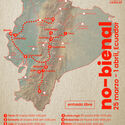
Happening throughout 8 days across 12 cities from north to south of Ecuador, the "no-bienal" biennale is holding its second edition from March 25 to April 1, 2025. Its unique name is devised to stand in opposition to the competitive structure that characterizes traditional biennials in the discipline. One of the objectives of this new edition is to demonstrate that there is unity in Ecuador, resisting the political strategies of division. Escuela Radical, the educational collective at the center of the event's organization, asserts that "it is not about centralization or decentralization, but simply about sharing without competing."
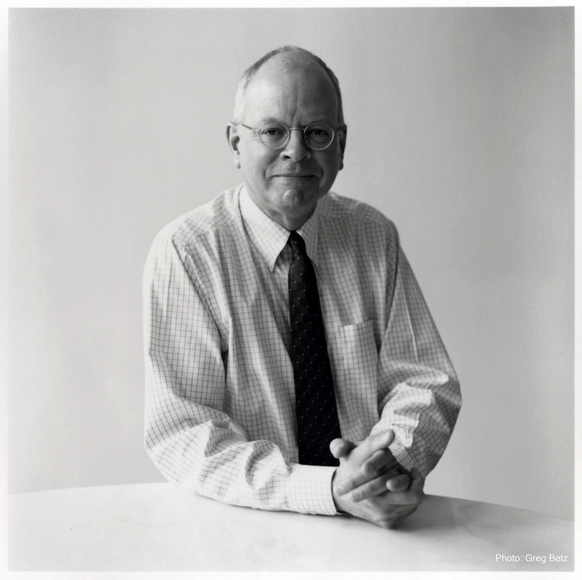
David M. Childs, the architect renowned for his significant contributions to the New York City skyline, passed away on March 26, 2025, in Pelham, N.Y., at the age of 83. His career, primarily spent at Skidmore, Owings & Merrill (SOM), was marked by a commitment to urbanistic values and a dedication to enhancing the civic good through architecture. Childs left an indelible mark on the built environment, balancing aesthetic considerations with the complex demands of large-scale urban projects.
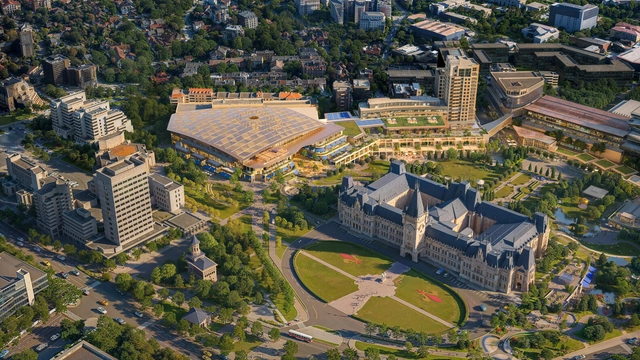
Foster + Partners has just released the design for the redevelopment of Palas Iași, a major mixed-use development in Iași, a city in eastern Romania. The proposal includes a new masterplan centered around the historic Palace of Culture and aims to improve urban connectivity, enhance public green spaces, and upgrade the existing commercial infrastructure. Developed in collaboration with Romanian developer IULIUS, the project aims to bring together retail, cultural, and landscape elements within a unified and accessible framework.
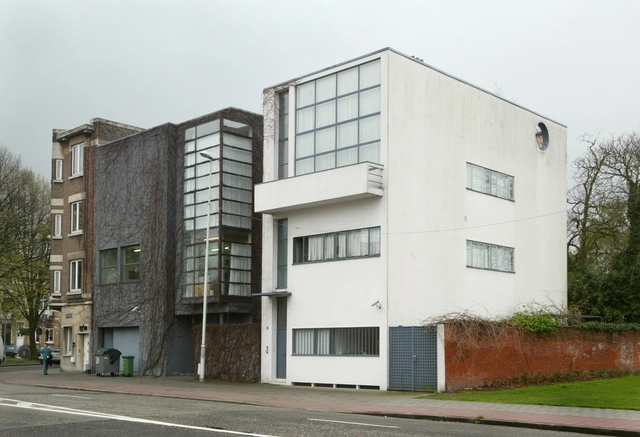
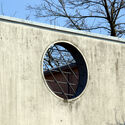
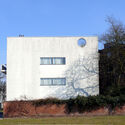
Amidst the traditional streets of Antwerp, where centuries-old townhouses stand as remnants of a historic European city, a stark white volume quietly asserts its presence. Maison Guiette, designed by Le Corbusier in 1926, is an anomaly in its surroundings — a bold statement of modernity in a context that had not yet embraced it.
While today it is overshadowed by the architect's more famous works, this house holds a unique place in history: it was Le Corbusier's first built project outside France, a precursor to his later architectural experiments, and a manifestation of his emerging Modernist principles. Despite its modest scale, it was a manifesto in built form — a house that encapsulated the essence of an architectural revolution.
As educational institutions around the world adapt to shifting societal needs, the architecture of learning is also evolving. This curated selection brings together projects submitted by the global ArchDaily community, highlighting how architects are rethinking the future of schools and universities through design. These proposals reflect pressing global concerns: the importance of community-centerededucation, the revitalization of historical buildings and neighborhoods, the integration of natural systems, and the search for spatial expressions that accommodate both formal instruction and informal exchange. Whether situated in dense urban centers, rural villages, or coastal landscapes, these projects respond to specific cultural and environmental contexts while engaging with broader architectural questions about sustainability, access, and identity.
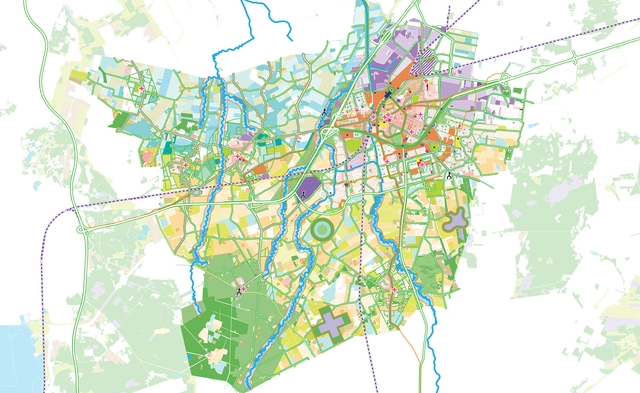
In 2021, the Municipality of Roosendaal began collaborating with MVRDV as an urban development consultant. The firm's partner, Winy Maas, was subsequently appointed as urban advisor, conforming a team that included MVRDV, Rebel Group, Transitiefocus, and other experts. Their task was to consolidate existing projects and initiatives into a unified strategic vision, seeking a mix of bottom-up and top-down planning approaches. The vision, also called "The Mosaic", was developed through a participatory process involving residents. It provides insight at multiple scales, from land-use adjustments across the municipality to over 40 potential projects aimed at harnessing the potential of specific locations. Published as a series of seven interconnected documents, the vision aims to provide Roosendaal with strategies to accommodate growth.
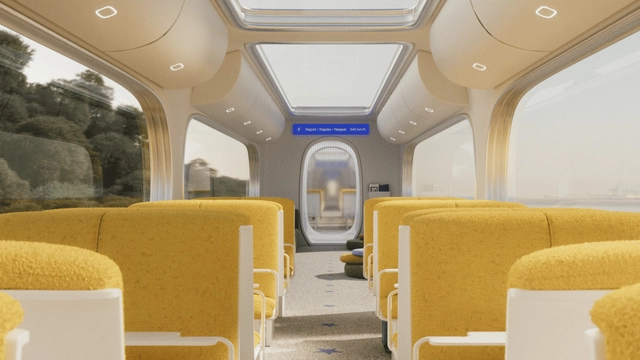
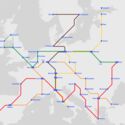
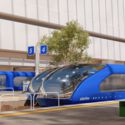
21st Europe, a new design-led think tank founded by former SPACE10 creative director Kaave Pour focused on shaping the future of the continent, has just unveiled Starline: a blueprint for a high-speed rail system that aims to connect Europe as seamlessly as a city metro. Revealed at the think tank's inaugural summit in Barcelona and developed in collaboration with creative technology studio Bakken & Bæck, Starline combines infrastructure, digital tools, and visual identity into one integrated vision for movement across the continent.
"Steven Holl – Drawing as Thought," an extensive exhibition of the American architect's original watercolors, is now on view at the Tchoban Foundation Museum for Architectural Drawing in Berlin. It reveals insights behind some of Holl's key projects and design methodology. The selected drawings range from early unbuilt winning competition entries to some of the latest visions now under construction in Europe and the United States. Occupying the museum's two levels, the show opened on February 6 with a conversation between Holl and the museum's founder and architect Sergei Tchoban, as well as addresses by Kristin Feireiss, the exhibition's curator and founding director of the next-door Aedes Architecture Forum, and Diana Carta, an architect and scholar from Rome. The show, which can be visited until May 4th, is accompanied by a catalog that states, "The work of internationally renowned US architect Steven Holl is distinguished not only by his extraordinary buildings, with a focus on cultural and public structures such as museums, art centers, concert halls, libraries and universities worldwide, but also by his artistic oeuvre, which today comprises more than 50,000 sketches, black-and-white drawings, and watercolors. […] While exhibition visitors will only encounter a small portion of his extensive body of work, each drawing should be explored and studied individually, in keeping with Holl's intent."
The way we perceive and experience spaces extends beyond aesthetics—they directly influence our emotions, thoughts, and even creativity. Spacious environments with high ceilings often evoke a sense of freedom and inspiration, while smaller, enclosed spaces encourage focus and introspection. This is not merely a subjective impression but a scientifically studied phenomenon. In the 1960s, anthropologist Edward T. Hall introduced the term "Cathedral Effect" to describe how ceiling height impacts cognition and behavior. More recent research has expanded on this idea, demonstrating how architecture shapes decision-making and emotional states in various contexts.