1. ArchDaily
  2. ArchDaily International Days

ArchDaily International Days: The Latest Architecture and News

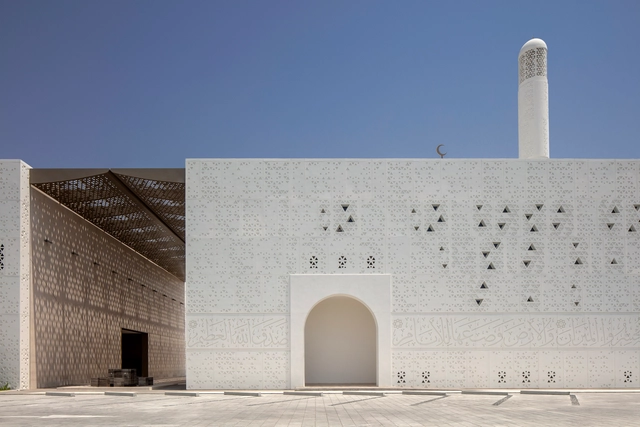
World Photography Day: Showcasing 25 Architectural Photographers and Their Distinctive Series

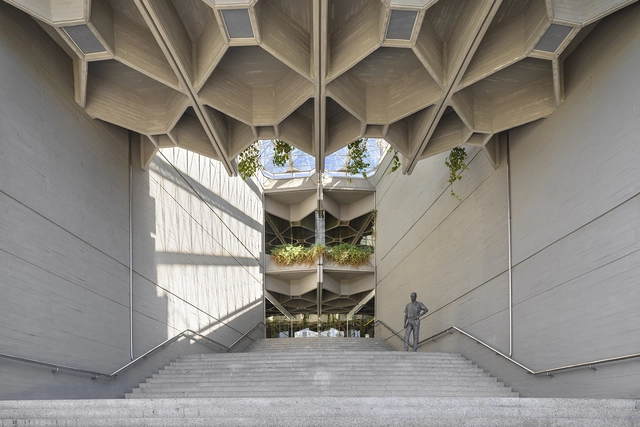
Beyond just a visual record, architectural photography is a powerful medium that holds the ability to reveal and explore architectural spaces from unique perspectives. Through the lens of a skilled photographer, architecture showcases its interplay of lights and shadows, the tectonics of its structural elements, the careful detailing of joined materials, and the larger narratives of cultural heritage. On World Photography Day 2024, we celebrate this unique art form by highlighting the work of 25 distinguished photographers who have captured architecture in its most evocative forms.

Among the featured photo series, Paul Clemence explores the minimalist precision of Swiss museums, Iwan Baan offers a visual narrative of Prague, while Simone Bossi highlights the contrast between man-made structures and their natural surroundings. Additionally, Marc Goodwin continues his series on architecture studios from around the world, providing a glimpse into the profession’s creative spaces. Erieta Attali’s work transports viewers to ancient ruins to explore historical juxtapositions and cultural landscapes.

World Photography Day: Showcasing 25 Architectural Photographers and Their Distinctive Series - Image 1 of 4World Photography Day: Showcasing 25 Architectural Photographers and Their Distinctive Series - Image 2 of 4World Photography Day: Showcasing 25 Architectural Photographers and Their Distinctive Series - Image 3 of 4World Photography Day: Showcasing 25 Architectural Photographers and Their Distinctive Series - Image 4 of 4World Photography Day: Showcasing 25 Architectural Photographers and Their Distinctive Series - More Images+ 21

Exploring Indigenous Wisdom: A Journey through Architecture Rooted in Tradition and Community

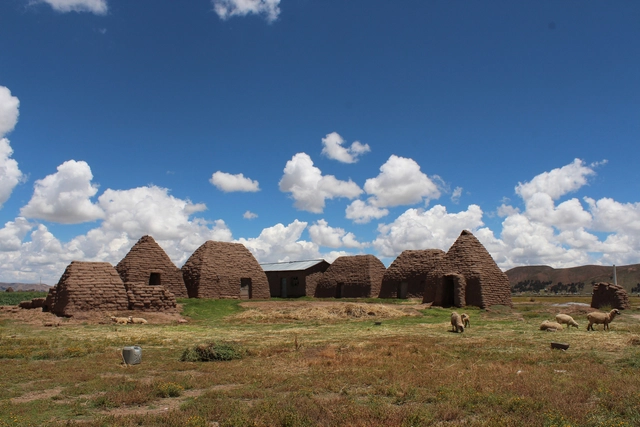
According to the United Nations, indigenous people are "place-based" ethnic cultures that have not migrated from their initial homeland. In today's world, with human-caused climate change driving extreme weather events and a growing demand for authenticity and cultural diversity, architects are increasingly turning to indigenous knowledge systems not only as sources of inspiration but as viable solutions to adapt and respond to local and global challenges. As traditional custodians of the land, Indigenous communities possess a profound understanding of their ecosystems, locally available materials, cultural norms, and social constraints. This knowledge holds insights valuable for shaping contemporary architecture, helping it adapt to both the people and their environments.

Vernacular and indigenous practices are emerging as a foundation for architectural reimagining, informing spatial lays, the choice of materials, and building techniques while also allowing for the integration of innovation and contemporary expression. This careful blend of tradition and modernity can have a significant impact in terms of sustainability, as architects who adopt the indigenous approach to harnessing available resources can not only create structures rooted in their context but also minimize the ecological impact of the construction. Additionally, collaborating directly with Indigenous communities leads to projects that prioritize community participation, cultural sensitivity, and sustainable development.

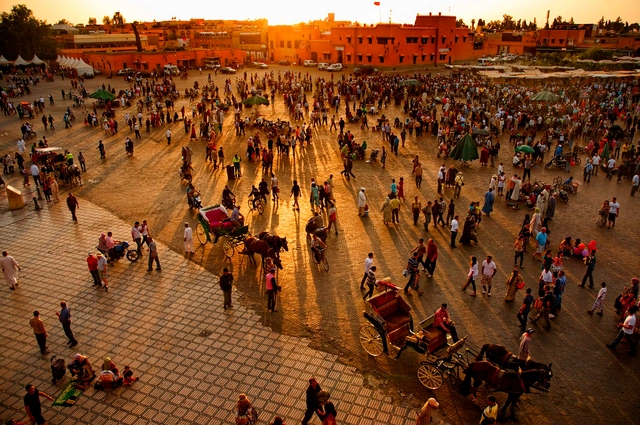
The 2024 Largest Cities in the World by Population

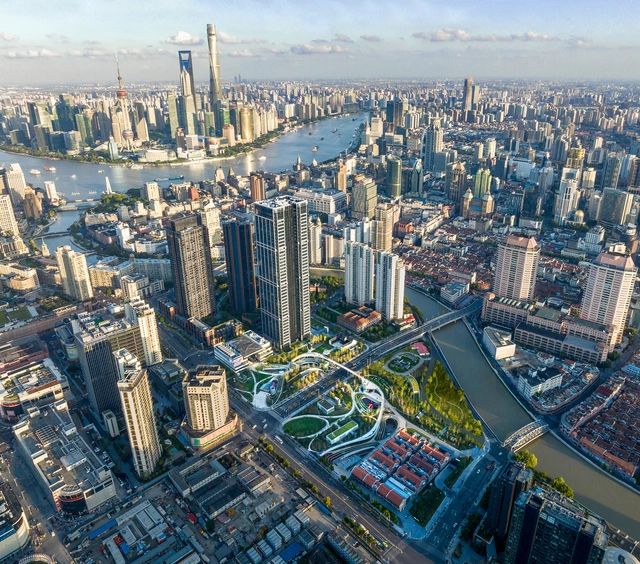
More than half of the world's population resides in urban areas, with over 4 billion people depending on cities as their main environment. According to the United Nations’ latest report on populations in cities, this number is expected to continue to increase over the next 50 years, prompting cities worldwide to strive to find better ways to accommodate their growing population while transitioning to more sustainable urban practices. To highlight this responsibility, the United Nations has declared July 11th the World Population Day.

Under this year’s theme, “To Leave No One Behind, Count Everyone,” the UN aims to also draw attention to the importance of data collection for reflecting societal diversity. The growth of world cities is part of this equation as an important measure for understanding global population trends. The following list presents the top 20 cities worldwide in 2024, ranked by the population size of their metropolitan areas. Comparing the results to the previous editions, the only cities to reduce their size are the two cities from Japan, Tokyo and Osaka. The highest growth rates can be observed in African mega-cities, Kinshasa and Lagos, while China continues to be the most present country in the list, with 5 metropolises present in the top 20: Shanghai, Beijing, Chongqing, Tianjin, and Guangzhou.

The 2024 Largest Cities in the World by Population - Image 1 of 4The 2024 Largest Cities in the World by Population - Image 2 of 4The 2024 Largest Cities in the World by Population - Image 3 of 4The 2024 Largest Cities in the World by Population - Image 4 of 4The 2024 Largest Cities in the World by Population - More Images+ 17

Redefining the Horizon: North America's Cutting-Edge Skyscrapers

Subscriber Access | 

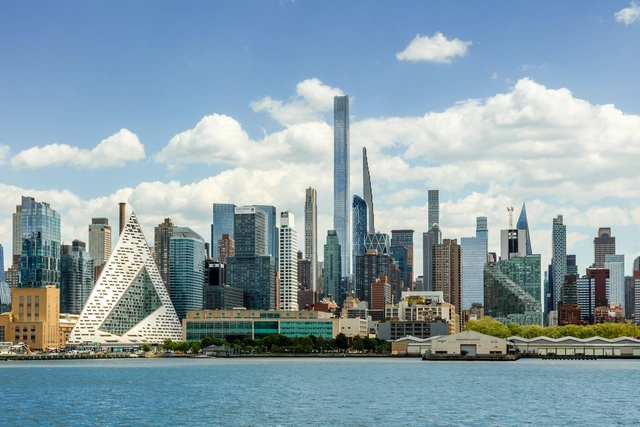
Skyscrapers are iconic symbols of modern urbanization and technological advancements all over North America. These structures are a sign of economic prosperity, urban density, and the capabilities of humanity’s ambition. In major cities across the continent, they shape the skyline and give identity to these metropolises. Cities like New York City, Toronto, and Florida utilize these cutting-edge designs to showcase power beyond their physical stature.

In general, skyscrapers are characterized by their remarkable height and pioneering engineering capabilities. They use advanced materials such as steel, glass, and concrete and serve as multifunctional spaces, ranging from housing to hotels and offices. Architects all around the world continually push the boundaries of architectural creativity, design, sustainability, and functionality while crafting these buildings. The structures allow architects to maximize land use in new ways, tackling densely populated urban areas.

Redefining the Horizon: North America's Cutting-Edge Skyscrapers - Image 1 of 4Redefining the Horizon: North America's Cutting-Edge Skyscrapers - Image 2 of 4Redefining the Horizon: North America's Cutting-Edge Skyscrapers - Image 3 of 4Redefining the Horizon: North America's Cutting-Edge Skyscrapers - Image 4 of 4Redefining the Horizon: North America's Cutting-Edge Skyscrapers - More Images+ 5

World Autism Day: 5 Projects Crafted for Differently-Abled Bodies

Subscriber Access | 

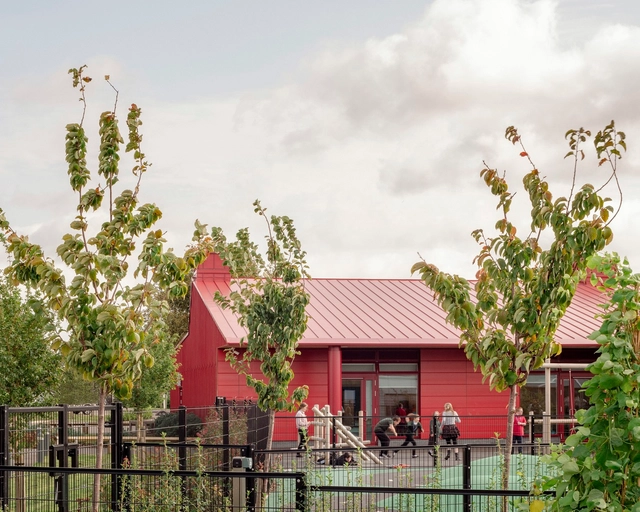
In the realm of architecture, inclusivity and accessibility have emerged as pivotal pillars in design philosophy. In honor of World Autism Day, this curated collection recognizes the evolution of architecture’s response to differently-abled bodies. The history of disability in architecture is deeply intertwined with advocacy and activism. In fact, a group of pioneering students named “The Rolling Quads” spearheaded a movement for disability rights in 1972 in California. This grassroots activism has not only reshaped the physical world but also catalyzed broader conversations about social justice in architectural design.

In commemorating World Autism Day, it is crucial to acknowledge the impact of design on the lives of individuals with disabilities. Whether it’s the Autism Garden in Iran by Hajm.e.Sabz, the Sycamore at Northgate Park Hospital in the United Kingdom, or the Home for The Homeless, each of these projects celebrates diverse needs and seeks to foster a sense of belonging and empowerment for all.

World Autism Day: 5 Projects Crafted for Differently-Abled Bodies - 1 的图像 4World Autism Day: 5 Projects Crafted for Differently-Abled Bodies - 2 的图像 4World Autism Day: 5 Projects Crafted for Differently-Abled Bodies - 3 的图像 4World Autism Day: 5 Projects Crafted for Differently-Abled Bodies - 4 的图像 4World Autism Day: 5 Projects Crafted for Differently-Abled Bodies - More Images+ 3

Projects by Female Architects from the Global South for Women's Day 2024

Subscriber Access | 

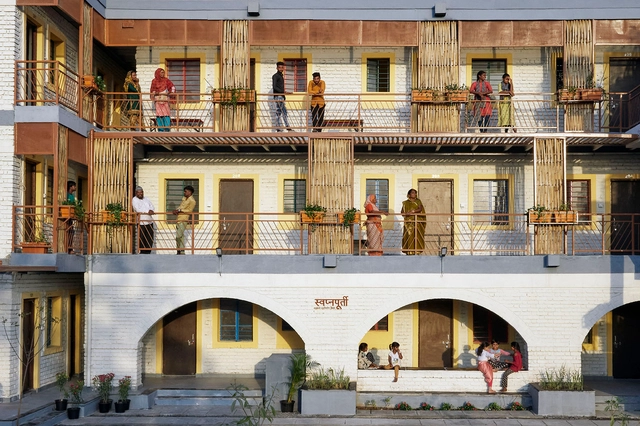
In our exploration of architectural endeavors, it is essential to recognize the persistent influence of women, particularly from the Global South, in shaping our built environment, especially the contributions of women who serve as catalysts for social change and cultural celebration. As we delve further into their narratives, it becomes evident that the architects’ lived experiences inform their creative processes, resulting in spaces that resonate with their users and surroundings. Architects like Sumaya Dabbagh, Mariam Issoufou, Tosin Oshinowo, and Marina Tabassum embody this enduring spirit of innovation and resilience.

This curated collection unfolds the narratives of some of the most compelling architectural projects by women from the Global South. From the unique streets of Dubai to the rural landscapes of Niger, each project serves as a testament to the power of architecture to transcend gender boundaries and create meaningful designs that connect people and their surroundings.

Projects by Female Architects from the Global South for Women's Day 2024 - Image 1 of 4Projects by Female Architects from the Global South for Women's Day 2024 - Image 2 of 4Projects by Female Architects from the Global South for Women's Day 2024 - Image 3 of 4Projects by Female Architects from the Global South for Women's Day 2024 - Image 4 of 4Projects by Female Architects from the Global South for Women's Day 2024 - More Images

International Women’s Day 2024: Sharing Empowering Stories and Understanding the Transformative Power of Architecture

Subscriber Access | 

Expanding beyond just March 8th, ArchDaily acknowledges and celebrates the ongoing contributions of women who influence the development of the built environment globally. The "Women in Architecture" theme is central to our content strategy, underscoring our daily commitment to highlight the vital role and impact of female architects.

After arguing in 2021 “Why is it still important to talk about "female architects"?, contributing to “rebalancing forces and adjusting narratives” in 2022, and focusing on the achievements of "innovative women at the forefront of global challenges" in 2023, on this International Women's Day, we extend an invitation to you to watch ArchDaily's documentary "Women in Architecture." This project, initiated by Sky-Frame and directed by Boris Noir, offers a captivating exploration of the role of women in shaping the architectural landscape, looking specifically at the professional and personal journeys of three remarkable women in architecture, each contributing something unique to the world: Toshiko Mori, Gabriela Carrillo, and Johanna Meyer-Grohbrügge. To inspire our community with their stories and accomplishments, we are pleased to announce a sequel film, set to be launched in 2024. This installment will showcase three new female architects, including Tosin Oshinowo, a Nigerian architect, designer, and curator of the 2023 Sharjah Architecture Triennial.

International Women’s Day 2024: Sharing Empowering Stories and Understanding the Transformative Power of Architecture - Image 1 of 4International Women’s Day 2024: Sharing Empowering Stories and Understanding the Transformative Power of Architecture - Image 2 of 4International Women’s Day 2024: Sharing Empowering Stories and Understanding the Transformative Power of Architecture - Image 3 of 4International Women’s Day 2024: Sharing Empowering Stories and Understanding the Transformative Power of Architecture - Image 4 of 4International Women’s Day 2024: Sharing Empowering Stories and Understanding the Transformative Power of Architecture - More Images+ 2

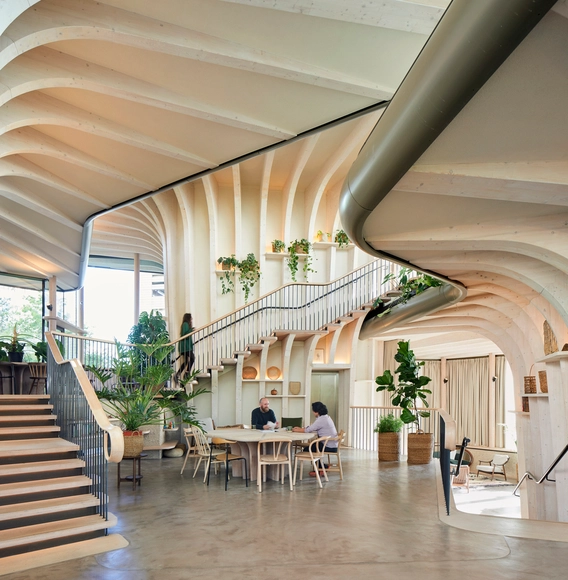
Designing for Happiness: Exploring the Connection between Architecture and Mental Health

While not entirely dependent on one another, the relationship between architecture and mental well-being is an important topic, as designers and architects can contribute to creating a more enjoyable environment for everyone. From strategies to enhance mental health in shared workspaces to the ways in which architecture can contribute to preventing cognitive decline, understanding the potential impact of environmental neurosciences and the ways they apply to architecture is an essential skill for our profession.

Designing for Happiness: Exploring the Connection between Architecture and Mental Health - Image 1 of 4Designing for Happiness: Exploring the Connection between Architecture and Mental Health - Image 2 of 4Designing for Happiness: Exploring the Connection between Architecture and Mental Health - Image 3 of 4Designing for Happiness: Exploring the Connection between Architecture and Mental Health - Image 4 of 4Designing for Happiness: Exploring the Connection between Architecture and Mental Health - More Images+ 12

World Architecture Day 2023: Fostering Resilient Communities through Architecture

Subscriber Access | 

As has become customary in recent years, on the first Monday of October, we celebrate both World Architecture Day and World Habitat Day, serving as a reminder to the global community of its collective responsibility for the well-being of the built environment. This edition, like its predecessors, sheds light on the realm of architecture and the challenges faced by our cities, introducing new themes, contemplating the state of our urban areas, and proposing constructive strategies.

Since urban economies have encountered significant difficulties this year, the UN's World Habitat Day focuses on "Resilient Urban Economies: cities as drivers of growth and recovery." Launching Urban October, this event seeks to bring together diverse urban stakeholders to deliberate on policies to help cities recover after the dual economic impacts caused by the COVID-19 pandemic and conflicts worldwide. Aligned with this concept, World Architecture Day, created by the UIA in 1985, has chosen to concentrate on "Architecture for Resilient Communities," emphasizing the role and duty of architecture in fostering thriving community existence while initiating a global dialogue regarding the interconnectedness of urban and rural regions within every nation.

World Architecture Day 2023: Fostering Resilient Communities through Architecture - Imagen 1 de 4World Architecture Day 2023: Fostering Resilient Communities through Architecture - Imagen 2 de 4World Architecture Day 2023: Fostering Resilient Communities through Architecture - Imagen 3 de 4World Architecture Day 2023: Fostering Resilient Communities through Architecture - Imagen 4 de 4World Architecture Day 2023: Fostering Resilient Communities through Architecture - More Images+ 1

Places of Protest in Africa: Public Spaces for Engaging & Fostering Democracy

Subscriber Access | 

Protest has always been a powerful tool for creating change, and public spaces provide a platform for social engagement in societies. As part of the International Day of Democracy, we examine Africa, its series of emerging protests in the past year, and how citizens in various countries question political justice, demand better living standards from their government, and interrogate their nation’s sovereignty. With demonstrations ranging from organized large-scale marches to smaller spontaneous outbursts, residents of these countries have explored public spaces in symbolic and significant ways to amplify their voices. These spaces include public squares with cultural and historical meaning, sites of political buildings, or makeshift protest areas such as roads and open areas. Through this, African cities show how people make these spaces their own and how the power of their conglomeration cannot be ignored in unwrapping the democratic essence of public spaces.

Places of Protest in Africa: Public Spaces for Engaging & Fostering Democracy - Image 1 of 4Places of Protest in Africa: Public Spaces for Engaging & Fostering Democracy - Image 2 of 4Places of Protest in Africa: Public Spaces for Engaging & Fostering Democracy - Image 3 of 4Places of Protest in Africa: Public Spaces for Engaging & Fostering Democracy - Image 4 of 4Places of Protest in Africa: Public Spaces for Engaging & Fostering Democracy - More Images+ 6

Earth Day 2023: Cities Address Climate Challenges Through Legislation, Civic Initiatives, and Innovative Engineering Systems

Every year since its establishment in 1970, Earth Day aims to bring into focus not only the increasingly threatening effects of climate change but also highlight the effective measures and adaptation efforts that can improve the quality of our environment. This year’s event comes after a report from the United Nations’ Intergovernmental Panel on Climate Change (IPCC) in March, which presented another warning on the magnitude of changes produced by human-induced global warming and its impact on people and ecosystems. The same report does offer some hopeful prospects as well, showing that adaptation measures can build resilience, but those urgent systemwide transformations are needed to secure a net-zero future. In response to these findings, the 2023 Earth Day is focused on the theme of “Investing in Our Planet,” as an encouragement for governments, institutions, businesses, and civil society to accelerate the change. Read on to discover several citywide initiatives aligned with these objectives of building resilience and a more sustainable future through legislation, civic involvement, and innovative systems.

Earth Day 2023: Cities Address Climate Challenges Through Legislation, Civic Initiatives, and Innovative Engineering Systems - Image 1 of 4Earth Day 2023: Cities Address Climate Challenges Through Legislation, Civic Initiatives, and Innovative Engineering Systems - Image 2 of 4Earth Day 2023: Cities Address Climate Challenges Through Legislation, Civic Initiatives, and Innovative Engineering Systems - Image 3 of 4Earth Day 2023: Cities Address Climate Challenges Through Legislation, Civic Initiatives, and Innovative Engineering Systems - Image 4 of 4Earth Day 2023: Cities Address Climate Challenges Through Legislation, Civic Initiatives, and Innovative Engineering Systems - More Images+ 2

International Women’s Day 2023: Innovative Women at the Forefront of Global Challenges

Subscriber Access | 

Looking back at 2022, last year had seen major female-led stories. Kimberly Dowdell was chosen as AIA’s First Black Woman President, Carol Ross Barney has received the 2023 AIA Gold Medal, Jeanne Gang won the 2023 Charlotte Perriand Award, Frida Escobedo was selected among the 100 Emerging Leaders by TIME 2022, Renée Gailhoustet was presented with the 2022 Royal Academy Architecture Prize, "Infinite Freedom, A World for a Feminist Democracy" opened at the 2022 Biennale of FRAC in France, and ArchDaily presented SkyFrame’s Women in Architecture’s documentary, following Toshiko Mori, Gabriela Carrillo and Johanna Meyer-Grohbrügge, three architects in three different countries, in different contexts, at different stages of their life and career, but with a lot in common. And that's just to name a few...

After arguing in 2021 “why is it still important to talk about "female architects"? and contributing to “rebalancing forces and adjusting narratives” in 2022, for its 3rd edition of the annual International Women’s month coverage, ArchDaily will focus on the achievements of female architects working specifically on global challenges, and finding innovative approaches to the problems of today. Fitting partially with the theme selected by the United Nations for the 2023 International Women’s Day, centered on Innovation and technology for gender equality, ArchDaily will reflect on what is innovation in the face of global challenges.

International Women’s Day 2023: Innovative Women at the Forefront of Global Challenges - Image 1 of 4International Women’s Day 2023: Innovative Women at the Forefront of Global Challenges - Image 2 of 4International Women’s Day 2023: Innovative Women at the Forefront of Global Challenges - Image 3 of 4International Women’s Day 2023: Innovative Women at the Forefront of Global Challenges - Image 4 of 4International Women’s Day 2023: Innovative Women at the Forefront of Global Challenges - More Images+ 10

World’s Cities Day 2022: Act Local to Go Global

In an effort to expand the debate around the issues and opportunities facing urban environments worldwide, UN-Habitat has designated October 31 as “World Cities Day”, an event celebrated annually since 2014. This year the events are centered around the theme “Act Local to Go Global”, with the aim to share experiences and approaches to local actions, the initiatives that were successful and those that were not, and to seek to understand ways in which local and regional governments can help create greener, more equitable and sustainable cities.

The theme was chosen based on the understanding that local actions are of critical importance in achieving the sustainable development goals set for 2030. The 2030 Agenda sets out the UN ambition to contribute to creating cities and human settlements more inclusive, safe, resilient, and sustainable. The world’s largest cities are often the most unequal. This year’s theme suggests that there is a path forward through incremental changes and localized actions. By adapting to site-specific conditions, these actions can better respond to the individual needs of the communities, and the natural conditions of climate and topography and can help strengthen the cultural identity of urban environments.

World’s Cities Day 2022: Act Local to Go Global - Image 1 of 4World’s Cities Day 2022: Act Local to Go Global - Image 2 of 4World’s Cities Day 2022: Act Local to Go Global - Image 3 of 4World’s Cities Day 2022: Act Local to Go Global - Image 4 of 4World’s Cities Day 2022: Act Local to Go Global - More Images+ 11

World Architecture Day 2022: Designing for Well-Being and Promoting Spaces for Everyone

Subscriber Access | 

The first Monday of October of every year marks World Architecture Day and World Habitat Day. Celebrated simultaneously, they both seek to shed light on the built environment and its challenges, taking on a different theme with each new edition. This year, through its World Architecture Day, the UIA is focusing on “Architecture for well-being”, in line with the designation of 2022 as the UIA Year of Design for Health in buildings and cities. In parallel, the UN’s World Habitat Day, is centered on “Mind the Gap. Leave No One and Place Behind”, looking at the problem of growing inequality and challenges in cities and human settlements, due to the triple ‘C’ crises – COVID-19, climate and conflict.

Introducing Urban October, 31 days to promote a better urban future, World Architecture Day and World Habitat Day push forward the debates on urban sustainability. Joining the conversation every year, ArchDaily takes part in this occasion by promoting content that tackles the main objectives of this day, raising awareness, presenting solutions, engaging the international community, and “empowering everyone who makes architecture happen to create a better quality of life”.

World Architecture Day 2022: Designing for Well-Being and Promoting Spaces for Everyone - Image 1 of 4World Architecture Day 2022: Designing for Well-Being and Promoting Spaces for Everyone - Image 2 of 4World Architecture Day 2022: Designing for Well-Being and Promoting Spaces for Everyone - Image 3 of 4World Architecture Day 2022: Designing for Well-Being and Promoting Spaces for Everyone - Image 4 of 4World Architecture Day 2022: Designing for Well-Being and Promoting Spaces for Everyone - More Images+ 25

Earth Day 2022: The World's Progress towards Achieving Sustainable Architecture

As the climate crisis continues to present itself as a significant threat to the future of the ecosystem and built environment, this year's IPCC report, titled Climate Change 2022: Impacts, Adaptation, and Vulnerability, found that while adaptation efforts are being observed across all sectors, the progress being implemented so far is greatly uneven, as there are gaps between the actions taken and what is needed. On this year's Earth Day, we explore the progress being made by governments and architects to achieve net-zero operations within the next decades.

Earth Day 2022: The World's Progress towards Achieving Sustainable Architecture  - Imagen 1 de 4Earth Day 2022: The World's Progress towards Achieving Sustainable Architecture  - Imagen 2 de 4Earth Day 2022: The World's Progress towards Achieving Sustainable Architecture  - Imagen 3 de 4Earth Day 2022: The World's Progress towards Achieving Sustainable Architecture  - Imagen 4 de 4Earth Day 2022: The World's Progress towards Achieving Sustainable Architecture  - More Images+ 1

International Women’s Day 2022: On Rebalancing Forces and Adjusting the Narratives

Subscriber Access | 

While women make up an equal part of the population, they are not equally represented when imagining, planning, designing, and constructing the built environment around the globe. Thriving to rebalance forces and close the gap of gender inequality, the world is moving slowly but surely into a more diverse, equitable, and inclusive future. Looking back at 2021, this year has seen the selection of Lesley Lokko as curator of the 2023 Venice Biennale, Anne Lacaton winning with her partner Jean-Philippe Vassal the 2021 Pritzker Prize, the 6th woman to ever receive the award, and the MAXXI Museum celebrating the transformative role of female architects in the profession's evolution over the last century.

The 2022 Women's International Day, according to the UN is centered on “Gender equality today for a sustainable tomorrow”, focusing on females involved in building a sustainable future, while the official platform of the 8th of March is concentrating its efforts on breaking the bias and eliminating discrimination. Recognizing every single day the female force that shapes the built environment, ArchDaily on the other hand, turned to its global audience this year, seeking input to shed light on even more women architects, from the four corners of the world. Always trying to reach new realms, this selection of 25 professionals is looking to adjust the historical narrative by highlighting pioneers of the field, to present established practitioners molding the world we live in, and to share profiles of activists and scholars, implicated in change.

International Women’s Day 2022: On Rebalancing Forces and Adjusting the Narratives - Imagen 1 de 4International Women’s Day 2022: On Rebalancing Forces and Adjusting the Narratives - Imagen 2 de 4International Women’s Day 2022: On Rebalancing Forces and Adjusting the Narratives - Imagen 3 de 4International Women’s Day 2022: On Rebalancing Forces and Adjusting the Narratives - Imagen 4 de 4International Women’s Day 2022: On Rebalancing Forces and Adjusting the Narratives - More Images+ 17

Female Forces in Architecture: Nominate Figures From Around the World

Subscriber Access | 

The built environment destined for everyone is still, to this day, not envisioned by everyone. Last year on Women’s day, we stated that “the battle for equality is far from over”. Highlighting continuously women architects and gender-related topics, this year, ArchDaily is turning the tables and seeking guidance from our audience. We highly value our reader's opinions, and now more than ever, we are seeking your input, to reach more realms and shed light on unfamiliar female figures to the international scene.

In your opinion, who are the female architects missing from our platform? Help us put the spotlight on women implicated in the built environment and nominate major female characters from across the globe, so that we can adjust the narratives, feature their work, and share knowledge and tools for a more inclusive world. These women can belong to any part of history: from young upcoming forces to established individuals or firms to figurines that were part of architecture's history. They can also have diverse professional backgrounds, from architects, planners, designers, to builders and decision-makers, all profiles involved in shaping the environment that surrounds us are eligible. 

Breaking Down Barriers: Black History Month 2022

Subscriber Access | 

A little less than two years after the onset of a global pandemic, inclusion in the architecture profession is unfortunately still a limited conversation. A 2020 survey by the UK’s Architects' Journal revealed a sobering amount of obstacles for Black architects in the UK, and in the United States, prominent Black practitioners such as Mabel O. Wilson of Studio & have questioned the Eurocentric nature of a large amount of architectural study.

Breaking Down Barriers: Black History Month 2022 - Image 1 of 4Breaking Down Barriers: Black History Month 2022 - Image 2 of 4Breaking Down Barriers: Black History Month 2022 - Image 3 of 4Breaking Down Barriers: Black History Month 2022 - Image 4 of 4Breaking Down Barriers: Black History Month 2022 - More Images+ 7