Each year, International Women's Day brings renewed attention to questions of gender within many professional fields, architecture among them. Public conversations often center on celebrating prominent figures or highlighting notable projects, moments that briefly illuminate the contributions of women within the discipline. Yet the visibility produced by these occasions sits within a longer and more complex trajectory. Over the past several decades, the architectural profession has undergone gradual shifts that have expanded opportunities and broadened participation, even as longstanding structures continue to shape how careers develop and how architectural work becomes visible.
This International Women's Day, we celebrate the contributions of women in architecture, a field traditionally dominated by men. While dominant narratives may overlook their significant impact, as the history of architecture is replete with examples of women subtly but powerfully shaping the profession. When limited to a draftsman position, Ester McCoy took a step back not to disengage but to better observe. She became the first architectural critic and historian to notice the unique flavor of Modernism developing along the West Coast during the 1950s, bringing names such as Richard Neutra, or Luis Barragan to the forefront of architectural discussions. Similarly, the name Aline Louchheim may not be a widely recognized one among architects, but, because of her, the name Eero Saarinen surely is. The profession of architectural publicist also emerged through this collaboration. These stories remind us that recognizing women's achievements in architecture is not about celebrating gender, but about acknowledging a historical bias that has hindered the entire field's progress.
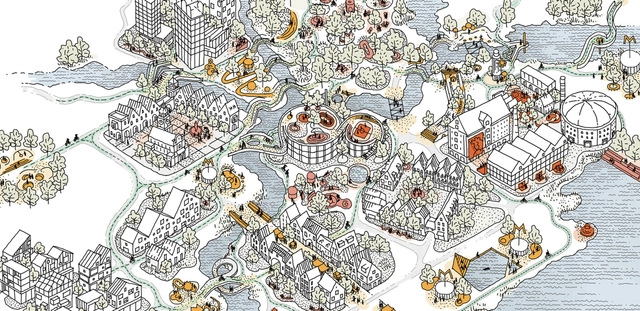
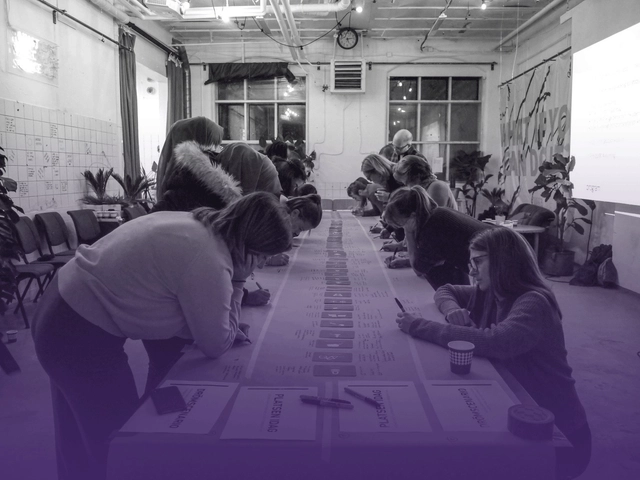
Henning Larsen has just launched a new initiative in Esbjerg, Denmark, aimed at rethinking urban spaces through the perspectives of teenage girls. Developed in collaboration with Esbjerg Municipality, Ramboll, Catapult Projects, and KOMPAN, the project builds on research from the Urban Minded framework to explore how co-creation can shape more inclusive public environments. Supported by a 2.3 million DKK grant from the Villum Foundation and 485,000 DKK from the Ramboll Foundation, the initiative seeks to address an often-overlooked demographic in urban planning. As cities continue to evolve, conversations around gender-inclusive urban spaces have gained momentum, particularly in light of International Women's Day.
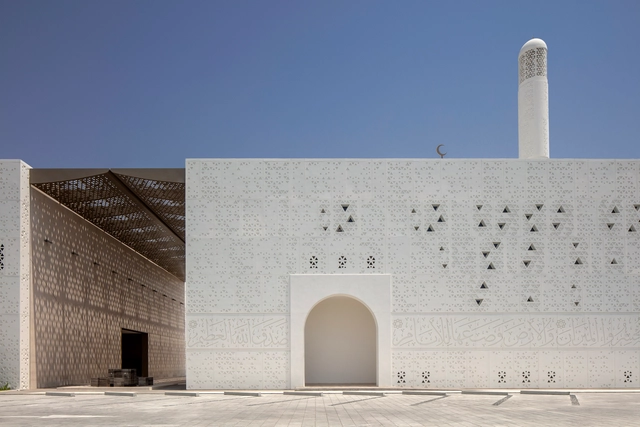
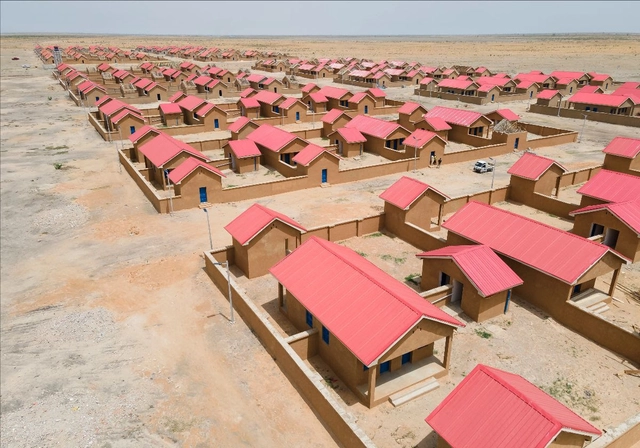
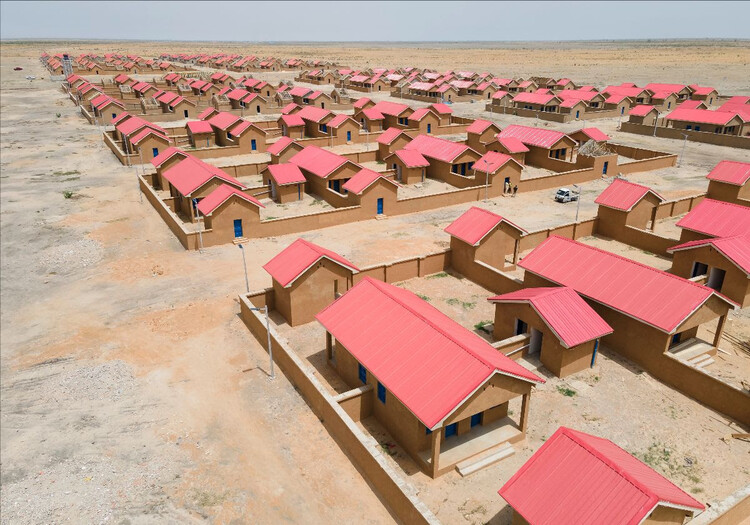
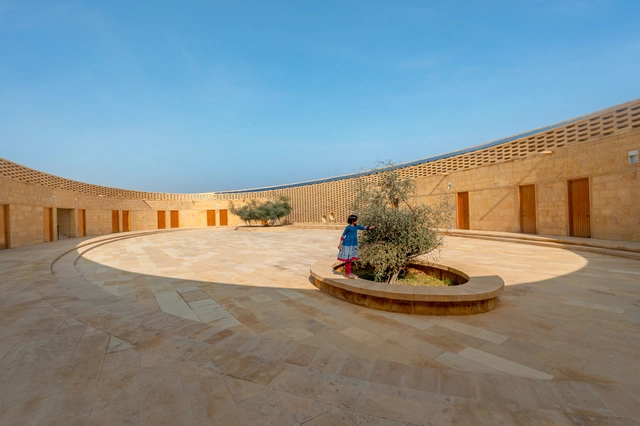
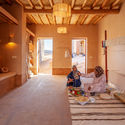
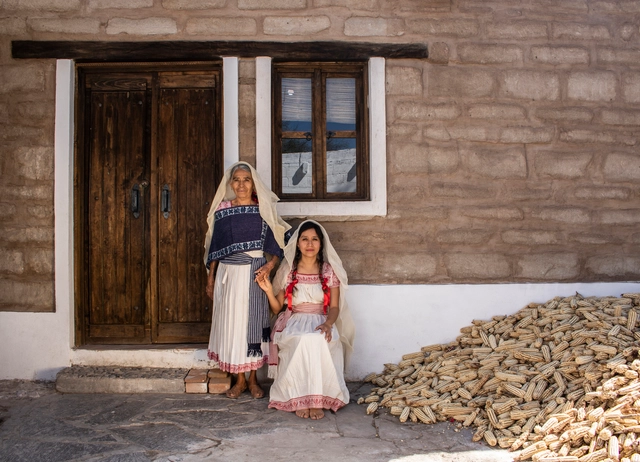
This curated collection unfolds the narratives of some of the most compelling architectural projects by women from the Global South. From the unique streets of Dubai to the rural landscapes of Niger, each project serves as a testament to the power of architecture to transcend gender boundaries and create meaningful designs that connect people and their surroundings.
Expanding beyond just March 8th, ArchDaily acknowledges and celebrates the ongoing contributions of women who influence the development of the built environment globally. The "Women in Architecture" theme is central to our content strategy, underscoring our daily commitment to highlight the vital role and impact of female architects.
March 8th is celebrated as International Women's Day, a date remembered for years as a symbol of the fight for their rights. However, although many countries have laws establishing equal rights for men and women, gender inequality and all its consequences are still experienced every day by girls and women all around the world. The patriarchal system, rooted in many societies over the centuries, has been responsible for inequality of power between the genders which, in the most extreme cases, results in violence and femicide.
The 8th March is a date set by the UN in 1975 to remember the struggle for equal rights and universal suffrage. This commemoration brings together the efforts of women who demanded their right to vote, work, professional training, hold public office, and fight discrimination in the workplace. This struggle is the fruit of the work of women who sacrificed themselves for the cause. Various events that we experience on a daily basis show that the social situation has changed. However, it is essential that both men and women commit themselves to progress and justice in order to make things happen.
While women make up an equal part of the population, they are not equally represented when imagining, planning, designing, and constructing the built environment around the globe. Thriving to rebalance forces and close the gap of gender inequality, the world is moving slowly but surely into a more diverse, equitable, and inclusive future. Looking back at 2021, this year has seen the selection of Lesley Lokko as curator of the 2023 Venice Biennale, Anne Lacaton winning with her partner Jean-Philippe Vassal the 2021 Pritzker Prize, the 6th woman to ever receive the award, and the MAXXI Museum celebrating the transformative role of female architects in the profession's evolution over the last century.
The 2022 Women's International Day, according to the UN is centered on “Gender equality today for a sustainable tomorrow”, focusing on females involved in building a sustainable future, while the official platform of the 8th of March is concentrating its efforts on breaking the bias and eliminating discrimination. Recognizing every single day the female force that shapes the built environment, ArchDaily on the other hand, turned to its global audience this year, seeking input to shed light on even more women architects, from the four corners of the world. Always trying to reach new realms, this selection of 25 professionals is looking to adjust the historical narrative by highlighting pioneers of the field, to present established practitioners molding the world we live in, and to share profiles of activists and scholars, implicated in change.
Courtesy of UN-Habitat and Global Utmaning/ Edited by ArchDaily
The built environment destined for everyone is still, to this day, not envisioned by everyone. Last year on Women’s day, we stated that “the battle for equality is far from over”. Highlighting continuously women architects and gender-related topics, this year, ArchDaily is turning the tables and seeking guidance from our audience. We highly value our reader's opinions, and now more than ever, we are seeking your input, to reach more realms and shed light on unfamiliar female figures to the international scene.
In your opinion, who are the female architects missing from our platform? Help us put the spotlight on women implicated in the built environment and nominate major female characters from across the globe, so that we can adjust the narratives, feature their work, and share knowledge and tools for a more inclusive world. These women can belong to any part of history: from young upcoming forces to established individuals or firms to figurines that were part of architecture's history. They can also have diverse professional backgrounds, from architects, planners, designers, to builders and decision-makers, all profiles involved in shaping the environment that surrounds us are eligible.
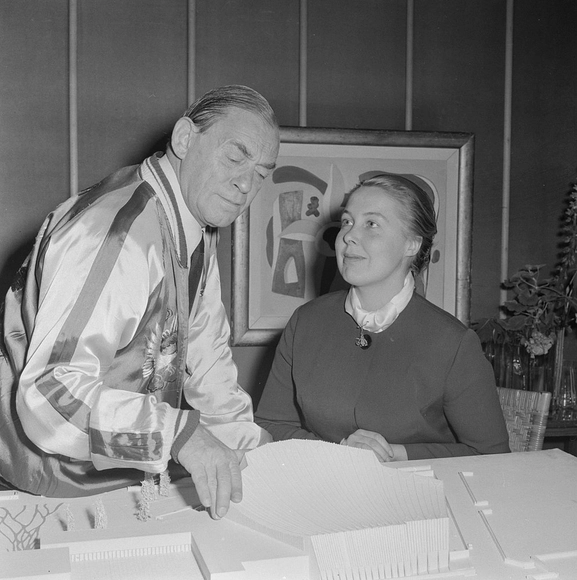
Alvar Aalto and Elissa Aalto in 1956. Via Wikimedia Commons, licensed under CC BY-SA 4.0
While women in architecture already face more obstacles than men in their careers, as proven by studies and research from across the globe, the disparities become even more obvious when it comes to partnerships involving both genders. In the history of the profession, there are many examples of office partnerships or collaborations that reveal the discrepancies in terms of recognition achieved by the work, reflected in awards, honors, citations, and salaries.
Many of these collaborations are between intimate couples who, as in any business partnership, design and make work decisions together. But in the particular case of architects in a heterosexual relationship, the role of the "wife" seems to have prevailed over that of collaborator, architect, or equal partner on many occasions.
Every March 8 at a global level, the struggle for equal rights and universal suffrage is commemorated as part of a date set by the UN in 1975. This commemoration brings together the efforts of women who demanded their right to vote, to work, to vocational training, to hold public office and to combat labor discrimination. This fight is the result of the work of women who sacrificed for the cause. Various events that we experience every day show that the social situation has changed. However, it is essential that both men and women, commit to progress and justice to make things happen.
https://www.archdaily.com/935252/women-of-archdaily-talk-about-the-future-of-architectureArchDaily Team
Another year and another International Women’s Day. Although recently, the gender debate has taken considerable attention, the battle for equality is far from over. Even in the 21st century, architecture can still be a challenging profession for women. Progress is happening though, and in 2020, Yvonne Farrell and Shelley McNamara became the 4th and 5th women to receive the Pritzker prize, ever since its inception in 1979.
Not limiting our coverage to the 8th of March, ArchDaily recognizes every day the female force that is shaping the built environment around the world. In fact, Women in Architecture is one of the main pillars of our content strategy. This year, for International Women’s Day, ArchDaily has decided to feature a week of curated content, with exclusive interviews and thought-provoking editorials. Join us as we highlight women that deserve a seat at the table, and share tools to achieve an inclusive world.
In theory and practice, in the modern era, the idea of spatial separation between home and work was related to the traditional sexual division of men and women, and of their role in life. Going back to the earliest feminist thinking in architecture, in western industrialized communities, we are elaborating in this article on women’s changing role in the 20th century and its impact on the space we experience today.
In honor of International Women’s Day celebrated on March 8, it’s important to reflect upon and acknowledge the progress that women across all design professions have made over the last several years. From more women being appointed to leadership roles in prominent academic institutions around the world, Jeanne Gang being named to Time 100’s Most Influential People in 2019, the all-female team of Counterspace being awarded the design of the Serpentine Pavilion in London, and the first female practice winning the prestigious Pritzker Prize only a few days ago, more women in architecture are gaining the recognition that they deserve in this traditionally male-dominated profession.
At ArchDaily we want to see more women showing their projects to the world and receiving the recognition they deserve for their work. Today, we celebrate International Women’s Day and, with the help of our readers, we want to continue to give visibility to the valuable contribution made every day to the field of architecture by millions of colleagues.
https://www.archdaily.com/890360/help-us-recognize-the-women-that-are-shaping-architecture-around-the-worldPola Mora