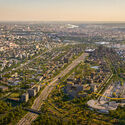
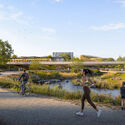
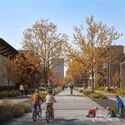
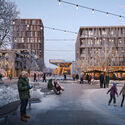
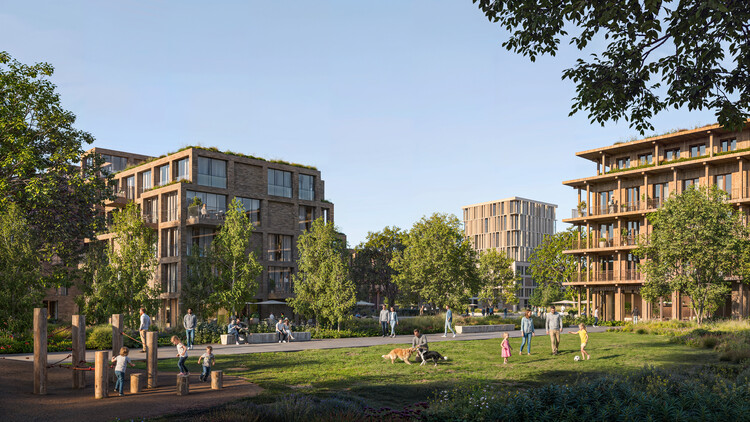
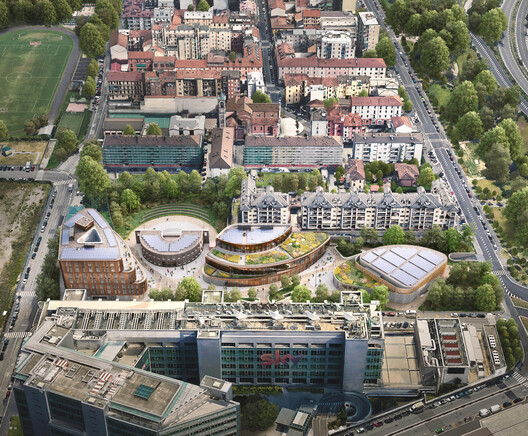
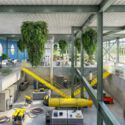
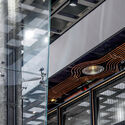
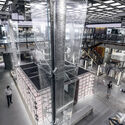
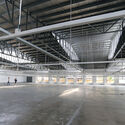
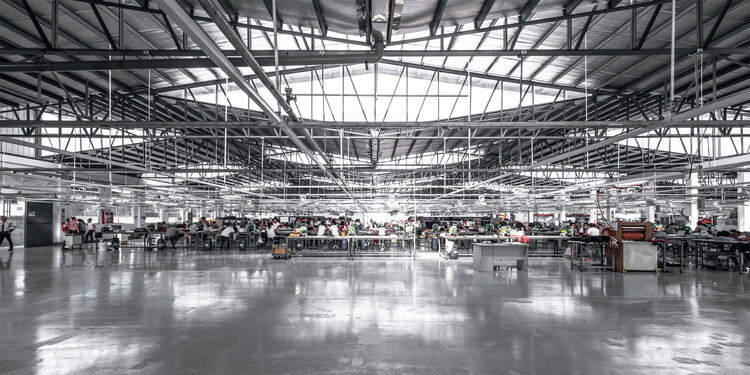
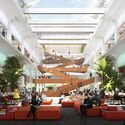
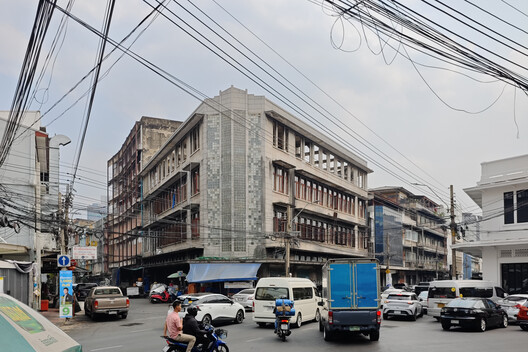
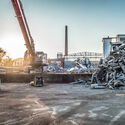
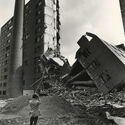
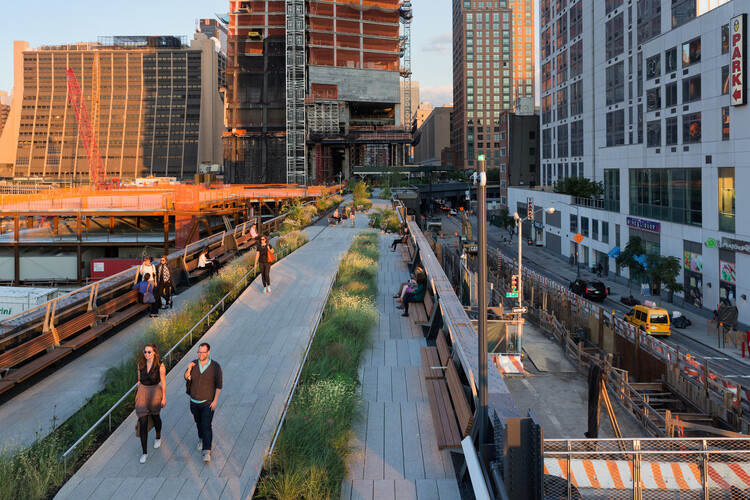
Coldefy Budapest Masterplan Competition. Image Courtesy of ZOA Studio
A team led by French architecture practice Coldefy, comprising CITYFÖRSTER, Sporaarchitects, TREIBHAUS.LAND, Marko & Placemakers, and ZOA Studio, has won the competition to design a masterplan for Rákosrendező in Budapest. The project is developed for the Budapest Capital Asset Management Centre, acting on behalf of the Municipality of Budapest. The design outlines a 15-year scheme to transform a brownfield site long regarded as the city's "rust belt," located on the eastern side of the Hungarian capital. The regeneration plan includes over 10,000 apartments, new transportation links, and commercial and civic spaces, forming a comprehensive urban redevelopment strategy aligned with 15-minute city principles.
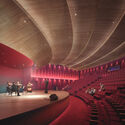
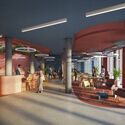
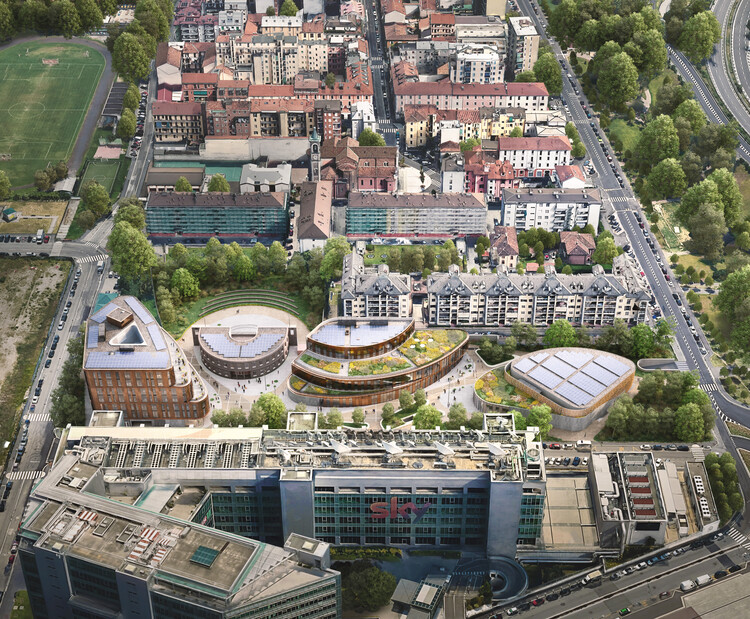
The architecture firm Settanta7 has begun the construction of Bosco della Musica, a new campus for the Conservatorio Giuseppe Verdi in Milan. The site is located in Rogoredo, a former industrial area in the southeastern part of the city, currently under scrutiny due to incidents of violence and public safety concerns. The area is therefore the focus of development initiatives by the Italian Ministry of Transport and Infrastructure, including the competition for this project, which was awarded to Settanta7 in 2022. The firm is responsible for the design and is overseeing the coordination of all disciplines as lead consultant for the construction of the entire project: a broader urban regeneration program that includes the redevelopment of the 17,400 sqm site and the adaptive reuse of the "Ex Chimici" industrial building, alongside the construction of four new buildings, three dedicated to educational activities and one intended for student housing.
As housing shortages and affordability challenges intensify across global cities, this week's architectural discourse centers on how design, policy, and adaptive strategies intersect to shape the future of urban living. Initiatives range from grassroots movements and legislative reforms aimed at expanding access to housing to innovative models that rethink ownership, development, and community engagement. At the same time, architects are reimagining existing structures and districts, transforming underused offices, historic landmarks, and unfinished buildings into mixed-use, culturally significant, or publicly accessible spaces. Across scales, these stories illustrate how architecture negotiates scarcity, value, and social priorities, demonstrating its capacity not only to produce new buildings but also to recalibrate urban environments in ways that balance heritage, sustainability, and human experience.
In an age so obsessed with skincare and appearances, few architects are truly interested in the intestines of our buildings. With a practice rooted in contextual awareness and technical pragmatism, sensitive to the needs of the people it serves and to resource limitations, Moroccan architect Aziza Chaouni focuses on the hidden systems that allow architecture to be. Over the past two decades, she has been working on projects across different geographies, particularly in the Saharan region, actively engaging with its communities and heritage.
Currently leading the South–North (SoNo) Lab for Sustainable Construction and Conservation at EPFL in Lausanne, Switzerland, Chaouni brings to the academic realm her architectural expertise in operating under pressing constraints, advocating for reciprocal collaboration between the Global South and the Global North. ArchDaily had the opportunity to speak with Aziza about her experience in Africa and how it can foster more sustainable ways of designing buildings for the future of our cities.
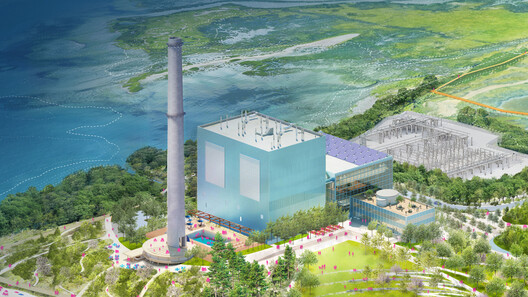
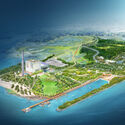
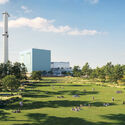
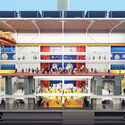
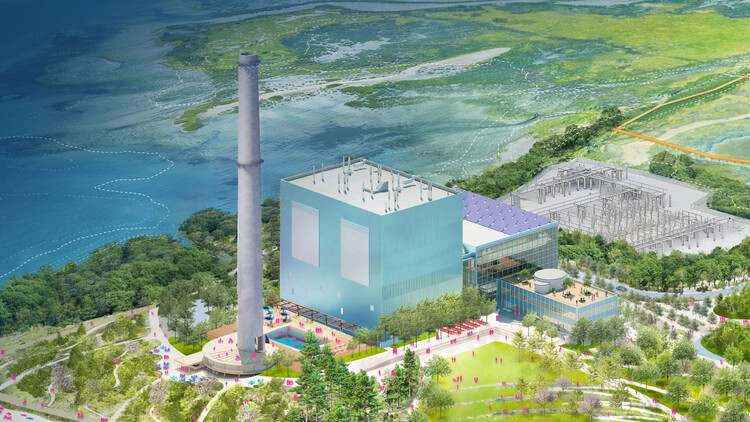
Manresa Wilds Zoomed Aerial. Image Courtesy of BIG
ManresaIsland Corp. has unveiled the final vision for Manresa Wilds, a 125-acre waterfront park planned on a former power plant peninsula along Long Island Sound in Norwalk, United States. Developed in collaboration with landscape architecture firm SCAPE and architecture studioBIG, the proposal outlines the transformation of a polluted and long-inaccessible industrial shoreline into a publicly accessible coastal landscape. Following the receipt of a stewardship permit from Connecticut's Department of Energy and Environmental Protection in December 2025, the project will move forward in phases, beginning with the opening of the 28-acre Northern Forest in spring 2027. Subsequent phases, extending into the early 2030s, will deliver the majority of the restored landscape and the adaptive reuse of the 1960s-era power plant as a year-round civic and educational hub, opening nearly two miles of coastline that have been closed to the public for decades.
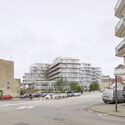
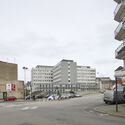
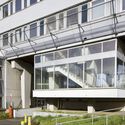
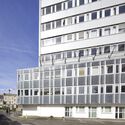
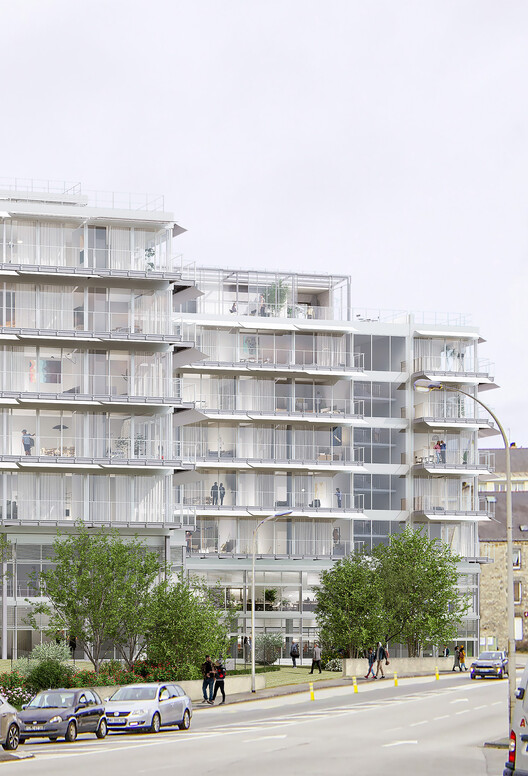
Lacaton & Vassal have announced the transformation of a former administrative center into a mixed-use residential and office building in Vannes, a medieval town in Brittany, northwest France. The project is part of a State policy to mobilize state-owned land for housing. In 2023, the French State launched a call for expressions of interest for a project on the former administrative complex, which housed several State services, in consultation with the City of Vannes. The winning proposal is a partnership between GReeStone Immobilier and Grand Ouest Immobilier, with an architectural team formed by the office of Anne Lacaton and Jean-Philippe Vassal, winners of the 2021 Pritzker Prize, in partnership with Emmanuelle Delage Architecte. According to the city government, the proposal was chosen with the aim of promoting resilience and limiting the carbon footprint by renovating rather than demolishing.
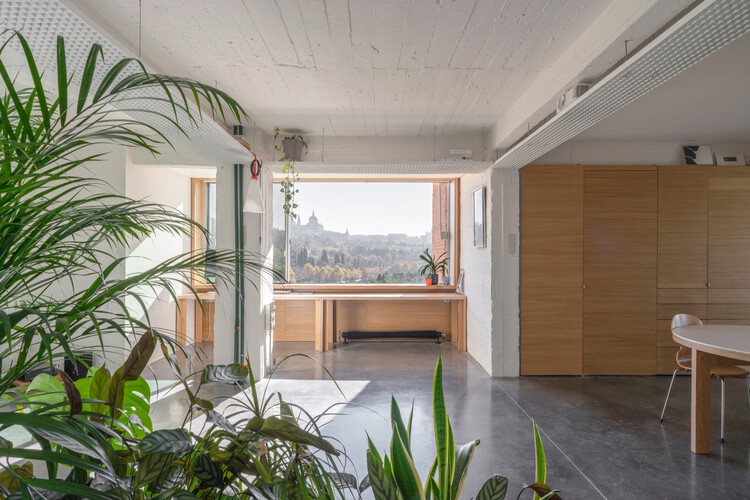
In Hong Kong, where interiors and small buildings are routinely caught between two extremes—high-gloss "luxury" finishes on one end, and budget-cautious industrial roughness on the other—a third attitude has emerged through the calibration of both: a uniquely precise, relevant, and materially honest execution that is not dependent on price point. This is calibrated rawness. Calibrated rawness describes an architecture that retains the directness of matter and materiality—concrete, metal, blockwork, exposed structure, visible services—while subjecting it to rigorous control.
The "raw" is not a costume, and the "refined" is not polished; it is a discipline of precise execution, producing spaces that feel balanced and considered, yet never "made up" or overworked. Studio 1:1 demonstrates this attitude consistently across its work—and its upcoming publication, Architecture under the Radar: Three Projects in Asia (with a foreword by Nader Tehrani), offers a timely frame through which to read this ethos as more than an aesthetic, but as a repeatable architectural method.
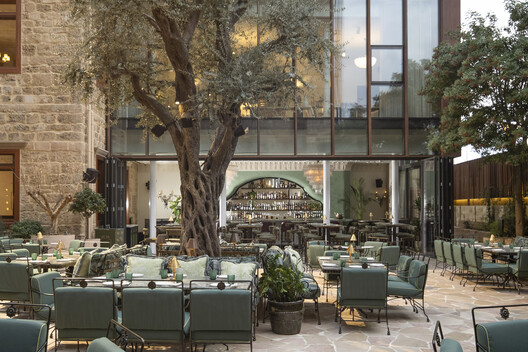
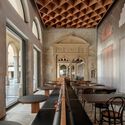
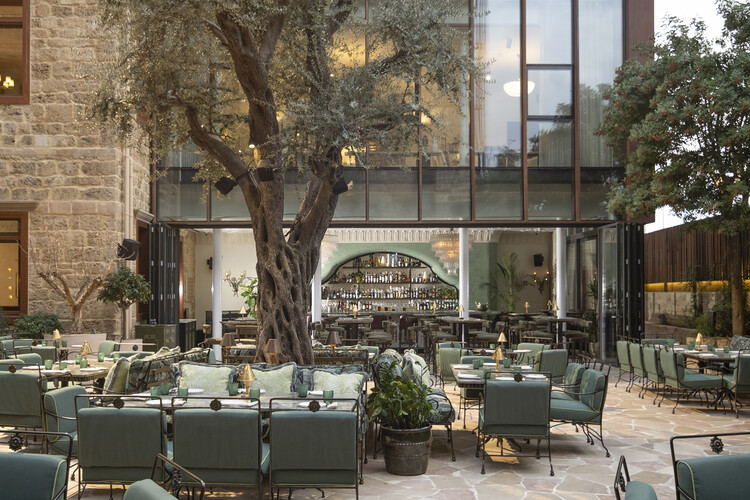
Hospitality-driven programs, specifically coffee shops and social hubs, are partly defined by their role as "third places": social anchors that bridge the gap between private and public life. Unlike residential or commercial office programs that require rigid partitioning for privacy and utility, they rely on expansive, open-plan environments. This allows for an architectural strategy of minimal intervention, allowing the structural envelope to remain intact. By avoiding the subdivision of space, architects maintain uninterrupted sightlines to original masonry, timber frames, or decorative ceilings, ensuring the building's historical narrative remains the protagonist. Simultaneously, the commercial activity provides the necessary maintenance and public engagement to ensure the site's continued existence.
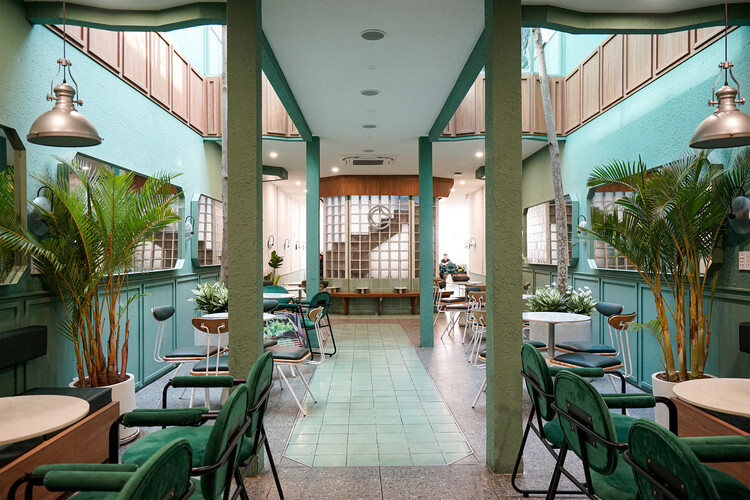
To fully know a city's architectural heritage, one must look beyond its designated sites and iconic buildings. For many, understanding a city's urban fabric and what makes it tick also means discovering the smaller-scale, locally appreciated, conserved buildings and popular gathering spaces. This is especially true when considering bustling Vietnamese cities, with their peculiar architectural characteristics, which can only be appreciated when learning about their many inspirations and historic layers, combining traditional Vietnamese motifs, modernism, local materiality, and climatic design solutions, but mostly by learning about the site constraints that are addressed through the implementation of the narrow tube houses and low-rise buildings.
These key styles and architectural movements are often maintained and even highlighted, as architects give a second life to many rundown or abandoned buildings, transforming them into popular coffee joints. They are reviving smaller heritage sites by pushing for their restoration and regular use by the community, encouraging visitors to acknowledge the historic relevance of the space, as they covet it.
The role of heritage rehabilitation in the contemporary architectural landscape is shaped by a wide range of research, beliefs, memories, and efforts aimed at redefining and strengthening our built environment. When undertaking a transformation, renovation, or preservation project, architects can employ diverse strategies and tools to encourage a meaningful coexistence between what already exists and what is newly introduced. Together with three Madrid-based architecture practices—SOLAR, Pachón-Paredes, and BA-RRO—we set out to engage in conversation and explore their creative processes and ideals, recognizing the complexity and value of historic buildings as repositories of materials, structures, and construction techniques from other eras.
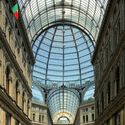
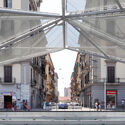
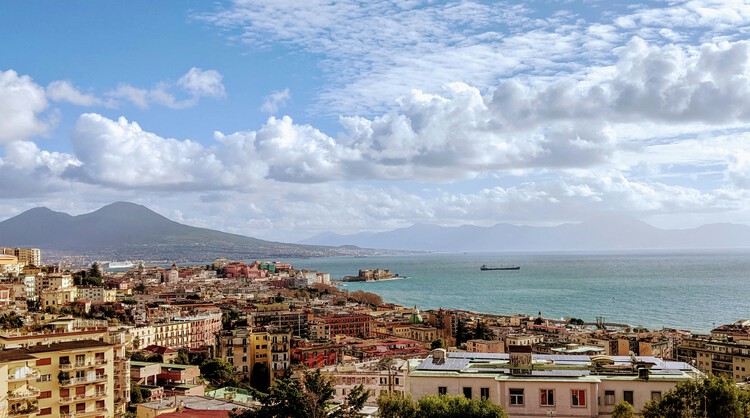
Set on the edge of the Mediterranean and shaped by centuries of continuous occupation, Naples is a city where architecture is inseparable from time. Layers of Greek foundations, Roman infrastructures, medieval churches, Baroque palaces, and Modern interventions coexist within a dense and compact urban fabric. Naples reveals itself as an accumulation of structures, adaptations, and reuse, where buildings are rarely isolated objects and more often part of a larger spatial, social, and historical system.
The city's architecture is deeply tied to its geography and construction culture. Built between the sea and volcanic terrain, Naples developed vertically and inward, relying on courtyards, narrow streets, and thick masonry walls to mediate light, climate, and movement. Underground spaces, reused Roman cisterns, and carved tuff structures extend the city below ground, creating a parallel architectural dimension that supports daily life above.
Architectural heritage is not only what a building was, but what itcontinues to become: a long process of building, rebuilding, and re-occupying over time. Where opportunities allow, this continuity produces a layered condition—one in which visitors can witness, experience, and feel the gradual shifting of a building's fabric, materiality, spatial order, and patterns of use, and occasionally even participate in that transformation.
Yet many projects—particularly those driven primarily by commercial imperatives—do not choose to value, or even to recognize, this slower work of adaptive reuse and heritage continuation. Developments governed by a numbers-only logic often opt for the easier path of demolition and rebuild: maximizing plot ratio, GFA, and rentable area with the efficiency of a clean slate. And still, every now and then, an opportunity surfaces that allows us to see—and to enjoy—the city's process of architectural "heritaging" in real time.
Highlighted Submissions: Common Spaces. Image Courtesy of Buildner
Buildner, in collaboration with the City and County of Denver and AIA Colorado, has announced the winners of the Denver Affordable Housing Challenge, an international ideas competition exploring how affordability and design excellence can reinforce one another within the specific urban, social, and environmental context of Denver.
As the nineteenth edition in Buildner's Affordable Housing Challenge series, the competition invited architects and designers from around the world to respond to Denver's housing crisis through proposals operating at architectural, urban, and systemic scales. The brief did not prescribe a single site or typology but, rather, encouraged flexible strategies capable of addressing affordability, climate resilience, and community impact while contributing positively to Denver's urban identity.
Preserving historic buildings requires simultaneously addressing technical, environmental, and regulatory demands while maintaining the material, cultural, and symbolic continuity of what already exists. As the understanding consolidates that the most sustainable building is the one that is already standing, and that preservation also involves construction knowledge, material traditions, and the social fabrics from which they emerged, these same buildings are increasingly confronted with more rigorous contemporary parameters. Energy efficiency, safety, carbon emission reduction, and regulatory compliance have become unavoidable references, placing architecture before a central tension: how to update what already exists without breaking the continuity that sustains its heritage value.
What matters more: looking to the past or to the future? Recognizing established trajectories or fostering paths still under construction? Perhaps this is not a question with a single answer. Traditionally, architecture awards have operated as devices of consecration, recognizing completed works, established careers, and already tested solutions, most often through a retrospective lens. But what would happen if recognition ceased to be an end in itself and instead began to operate as a catalytic agent, investing less in what has already been done and more in what is still yet to unfold?
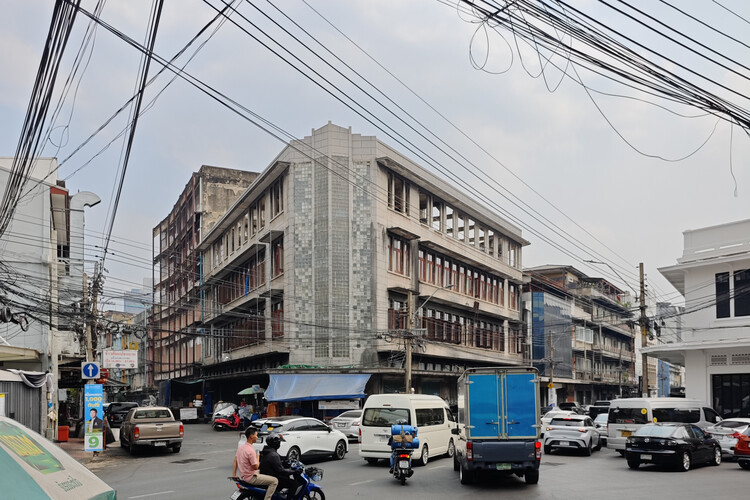
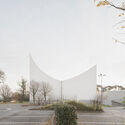
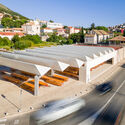
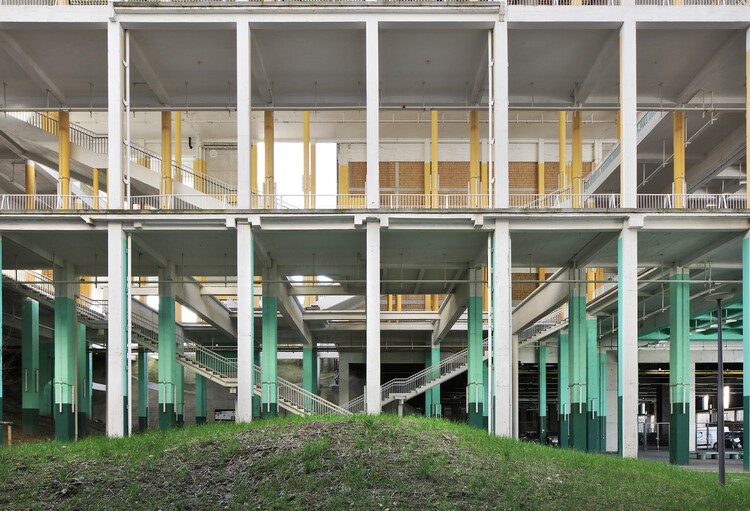
The European Commission and the Fundació Mies van der Rohe have announced the seven finalist projects for the 2026 European Union Prize for Contemporary Architecture - Mies van der Rohe Awards, supported by the European Union's Creative Europe programme. The selection follows the announcement of 410 nominated works in November and a shortlist of 40 projects revealed in early January. Of the seven finalists, five have been selected in the Architecture category and two in the Emerging category. According to the jury chaired by Smiljan Radić, the finalist projects are exemplary contributions to the future of European architecture, demonstrating how the discipline can respond simultaneously to specific local conditions and broader social, cultural, and environmental challenges. The selected works range from interventions in former industrial sites, small villages, and peripheral urban areas to carefully calibrated projects within larger cities. Across these varied contexts, the projects show how architecture can transform overlooked or ordinary settings into inclusive, high-quality spaces for living, learning, and social exchange.
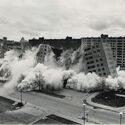
Architectural heritage is often described as what survives time. Yet survival does not explain why certain buildings are preserved while others disappear. Many works now protected as cultural heritage were once criticized, contested, or openly rejected; they were accused of being socially misguided, materially flawed, or symbolically excessive. Over time, however, these same shortcomings have become central to their meaning as heritage emerges as a slow and unstable process of interpretation.
Contemporary architecture operates under intense scrutiny, pressured by environmental responsibility, social equity, economic volatility, and accelerated technological change. Buildings are expected to perform ethically, efficiently, and symbolically, often simultaneously. As a result, architectural failure is no longer an exception but an increasingly common condition. Projects age faster, materials reveal limitations sooner, and urban strategies quickly fall out of sync with shifting political, social, and environmental realities.