

Produce personalized presentation boards that distill complex concepts into simple visual representations with a few helpful tools and effects.
Articles
How to Create Architectural Presentation Boards
| Sponsored Content
https://www.archdaily.comhttps://www.archdaily.com/catalog/us/products/37234/how-to-create-architectural-presentation-boards-lumion
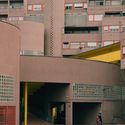
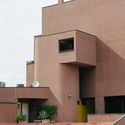
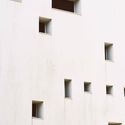
Modernist and Post-Modernist Architecture Through the Lens of Skyler Dahan
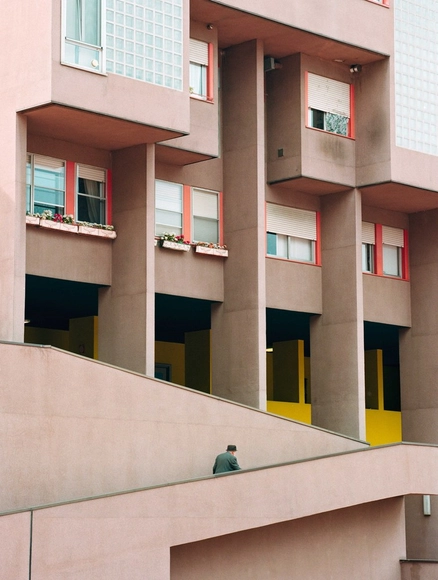
Modern architecture emerged during the late 19th - early 20th century to break away from historical styles and create structures based on functionality and novelty. Regardless of the style's prominence, post-modernist architecture emerged a few decades later as a reaction to modernism's uniformity and formality, adding complexity, asymmetry, and color into architecture.
During a recent trip to Europe, Los Angeles-based photographer Skyler Dahan put together a photo-series of the two architecture styles, shooting Aldo Rossi and Carlo Aymonino’s Gallaratese Housing II, along with other modernist and post-modernist buildings across Milan, Brittany, and Oslo.


https://www.archdaily.com/921082/modernist-and-post-modernist-architecture-through-the-lens-of-skyler-dahanDima Stouhi
Witold Rybczynski on Charleston, Small Scale Development, and the Need for “Locatecture”
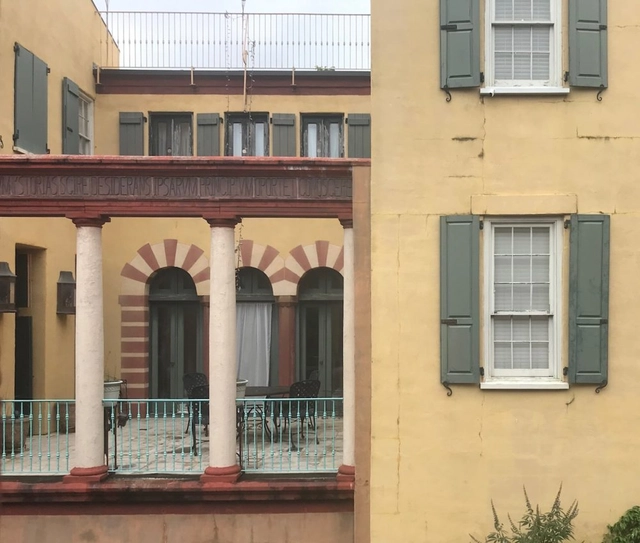
This article was originally published on Common Edge.
In late May, my friend Witold Rybczynski published Charleston Fancy: Little Houses & Big Dreams in the Holy City (Yale University Press), about a group of architects and developers building small infill housing in Charleston, South Carolina. Having recently witnessed too much large scale development in my hometown, Boston, the topic piqued my interest so I called up Witold to talk about his new book.

https://www.archdaily.com/921300/witold-rybczynski-on-charleston-small-scale-development-and-the-need-for-locatectureJeremiah Eck
How Can We Reduce Carbon Emissions in Architectural Projects?
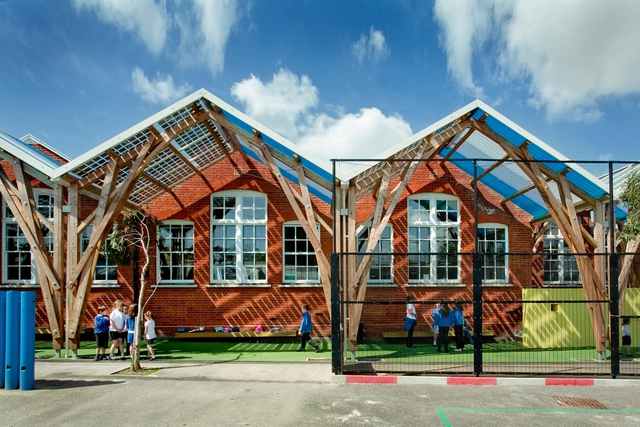
Since the 1970s, humanity’s resource consumption began to exceed what the planet could renew in a year. That is, we are withdrawing and polluting nature more than it can naturally recover. According to the World Bank, if the world's population reaches even the projected number of 9.6 billion people by 2050, it will take almost three Earth planets to provide the natural resources needed to maintain humanity's current lifestyle.
Every day an enormous amount of carbon dioxide is released into the atmosphere through industry, transportation, burning fossil fuels and even respiration of plants and living things. As the consequences of climate change become clearer, both governments and private sector companies are setting targets for carbon emission reductions, since these are regarded as the main greenhouse gases, and their high concentration in the atmosphere lead to air pollution and acid rain, among other consequences.
https://www.archdaily.com/919040/how-can-we-reduce-carbon-emissions-in-architectural-projectsEduardo Souza
The City To Be Deceived / Geoff Manaugh for the Shenzhen Biennale (UABB) 2019
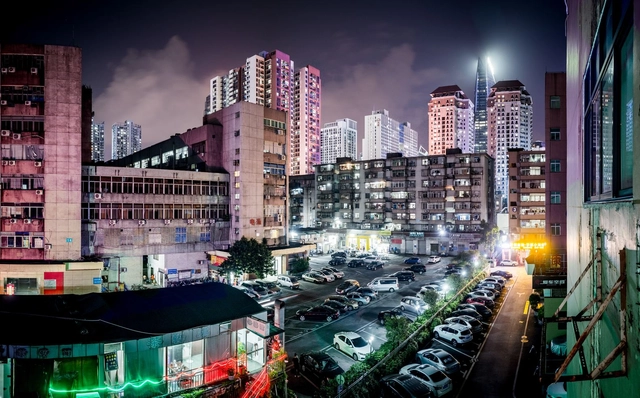
What happens when the sensor-imbued city acquires the ability to see – almost as if it had eyes? Ahead of the 2019 Shenzhen Biennale of Urbanism\Architecture (UABB), titled "Urban Interactions," ArchDaily is working with the curators of the "Eyes of the City" section at the Biennial to stimulate a discussion on how new technologies – and Artificial Intelligence in particular – might impact architecture and urban life. Here you can read the “Eyes of the City” curatorial statement by Carlo Ratti, the Politecnico di Torino and SCUT.
https://www.archdaily.com/921298/the-city-to-be-deceived-geoff-manaugh-for-the-shenzhen-biennale-uabb-2019Geoff Manaugh
Yasaman Esmaili’s Architectural Work Engages with Communities Around the World
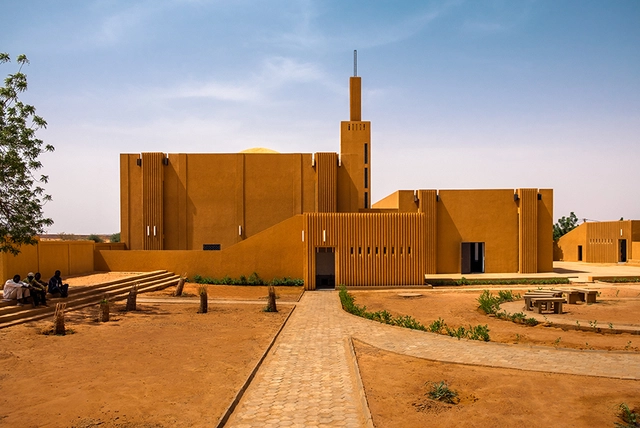
Though born in Tehran and remaining deeply inspired by her native Iran, architect Yasaman Esmaili has worked on projects all around the world. These primarily include humanitarian and crisis intervention works that deeply engage the local communities in which they are situated. A recent article by Metropolis Magazine discusses these projects in depth, as well as Esmaili’s story and inspirations.

https://www.archdaily.com/921281/yasaman-esmailis-architectural-work-engages-with-communities-around-the-worldLilly Cao
The 20 Most Bike-Friendly Cities in the World, According to Copenhagenize 2019
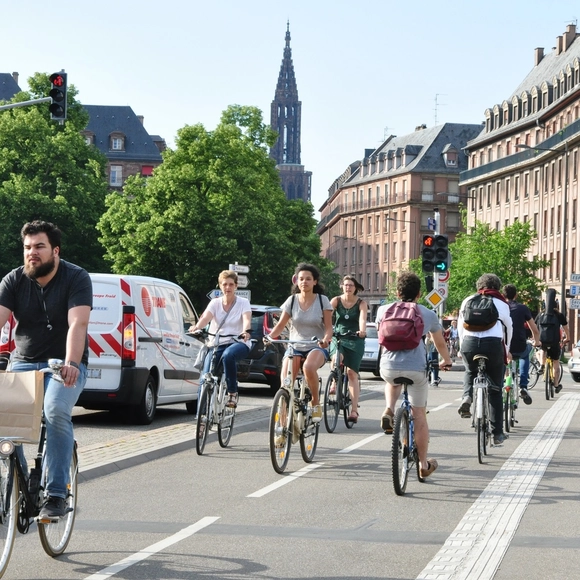
It should come as no surprise that one of the most respected surveys about bicycle use comes from a Danish organization. This ranking by Copenhagenize Design Company uses a point system to compile a list of the cities looking to re-establish the bicycle as an accepted and practical mode of transportation.
https://www.archdaily.com/920413/the-20-most-bike-friendly-cities-in-the-world-according-to-copenhagenize-2019Fabian Dejtiar
Sustainable School Design: How Hamilton + Aitken Architects Maximize Natural Light Using Vectorworks
| Sponsored Content
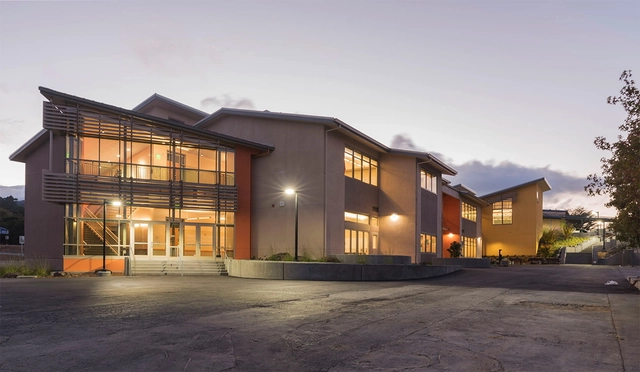
“When we started out, our goal was to change the world, to do something that would really make a difference to the lives of people,” said Chad Hamilton, AIA LEED AP BD+C, Principal Architect of Hamilton + Aitken Architects (H+AA). “And education is one of the things that really determines how people live the rest of their lives. “So, for us it’s just a wonderful feeling, to improve kids’ educational spaces.”
https://www.archdaily.com/919991/sustainable-school-design-how-hamilton-plus-aitken-architects-maximize-natural-light-using-vectorworksSponsored Post
Cantilevered Visitor Center by Fabric.a Overlooks Botan Valley
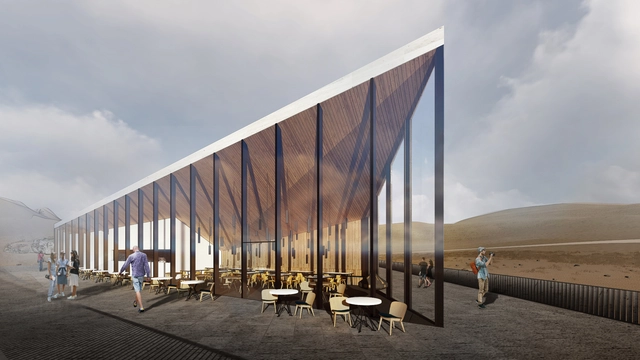
The Botan Valley in eastern Turkey has been attracting thousands of tourists annually due to its unique rock formations and canyon-like topography.
To further promote the area's scenic landscape, Turkish architecture firm Fabric.a Architects have proposed the ‘Botan Visitor Center’, an observation pavilion and restaurant overlooking the rocky landscapes of the Botan Valley.
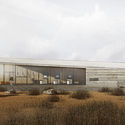
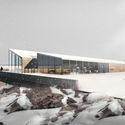
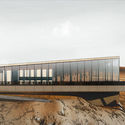

https://www.archdaily.com/920660/cantilevered-visitor-center-by-fabri-overlooks-botan-valleyDima Stouhi
David Briggs on the NYC of 80s, Gentrification and Urban Preservation
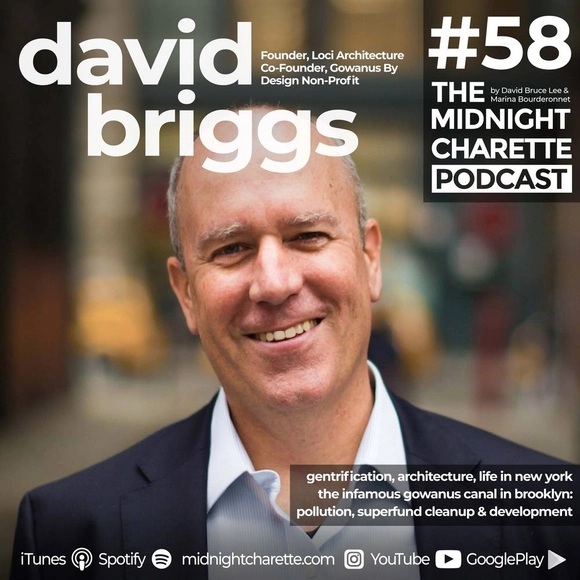
The Midnight Charette is an explicit podcast about design, architecture, and the everyday. Hosted by architectural designers David Lee and Marina Bourderonnet, it features a variety of creative professionals in unscripted and long-format conversations that allow for thoughtful takes and more personal discussions. Honesty and humor are used to cover a wide array of subjects: some episodes provide useful tips for designers, while others are project reviews, interviews, or simply explorations of everyday life and design. The Midnight Charette is available for free on iTunes, YouTube, Spotify, and all other podcast directories.

On this episode of The Midnight Charette, hosts David Lee and Marina Bourderonnet are joined by Architect David Briggs—Co-Founder of Gowanus by Design and Founding Principal of Loci Architecture—to discuss living in New York City during the 1980s, gentrification, urban preservation, the planning challenges of Gowanus, Brooklyn and its severely polluted canal, designing better cities, wastewater treatment and more.
https://www.archdaily.com/920971/david-briggs-on-the-nyc-of-80s-gentrification-and-urban-preservationThe Second Studio Podcast
ONZ Repurpose Abandoned Stadium into Urban Park with Cultural Hub
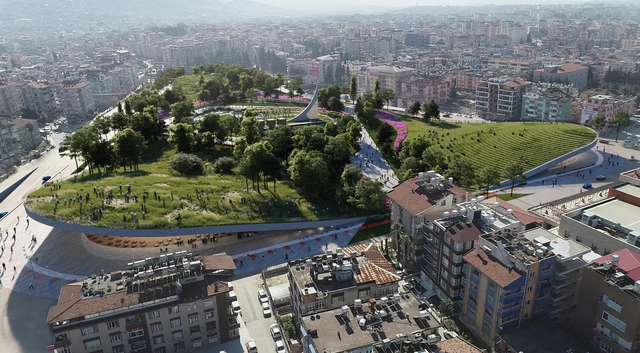
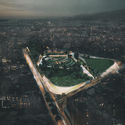
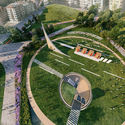
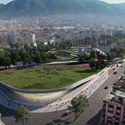
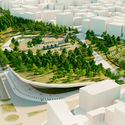

Antakya Atatürk Stadium of Hatay, Turkey, was originally built in 1950 but closed recently due to its inability to meet growing demand. In a new public project titled Green Wings, ONZ Architects aim to transform this former urban center into a new park with a cultural hub.
https://www.archdaily.com/920512/onz-repurpose-abandoned-stadium-into-urban-park-with-cultural-hubLilly Cao
TOTEMY: Visualizing the Relationship Between Human and the Forces of Nature

Architects and designers, just like all citizens, have a responsibility to participate in global conversations regarding the environment. Their power, however, lies in the fact that they are able to make an impact through the conscious decisions they make with their projects, such as sustainable building materials or expressive artworks.
To shed light on the current climate crisis, artist Alicja Biala and architect Iwo Borkowicz have created Totemy, a series of 9-meter-tall sculptures that translate the state of the environment into an immersive architectural experience.

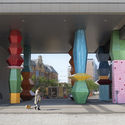


https://www.archdaily.com/920873/totemy-visualizing-the-relationship-between-human-and-the-forces-of-natureDima Stouhi
Olson Kundig's Innovative Office Renovation and Expansion

Olson Kundig is one of the quintessential Seattle-based architectural practices, with a focus on creativity, experimentation, and craftsmanship that has allowed them to expand on a global scale over the past few decades. This expansion has necessitated office improvements and renovations throughout the years, the most recent of which occurred in 2018. As explored in a recent article by Metropolis Magazine, this 2018 expansion reflected key values of collaboration and flexibility, expressed through the firm's unique visual and kinetic language.
https://www.archdaily.com/920730/olson-kundigs-innovative-office-renovation-and-expansionLilly Cao
"New Parisian Stories" Project Transforms Water Reservoir into New Cultural Hub
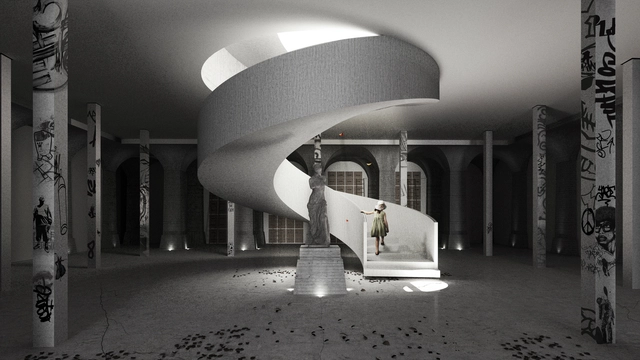





In their recently completed thesis project, Sebastian Siggard, Neemat Azizullah, and Thomas Ron propose the revitalization of a 19th century Parisian water reservoir into a new cultural hub. Addressing growing social issues and inequality across Europe, the project, titled “New Parisian Stories,” promotes social interaction in an effort to create a more integrated and cohesive society. Two primary questions motivate their design: With the 2024 Olympics games coming to Paris, what role can architecture play in capturing the opportunities and potential of such events? And how can architecture better the lives of those lowest in society while also creating social and sympathetic spaces for people of all languages, cultures and ages?
https://www.archdaily.com/920747/new-parisian-stories-project-transforms-water-reservoir-into-new-cultural-hubLilly Cao
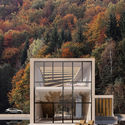
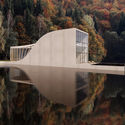
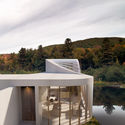
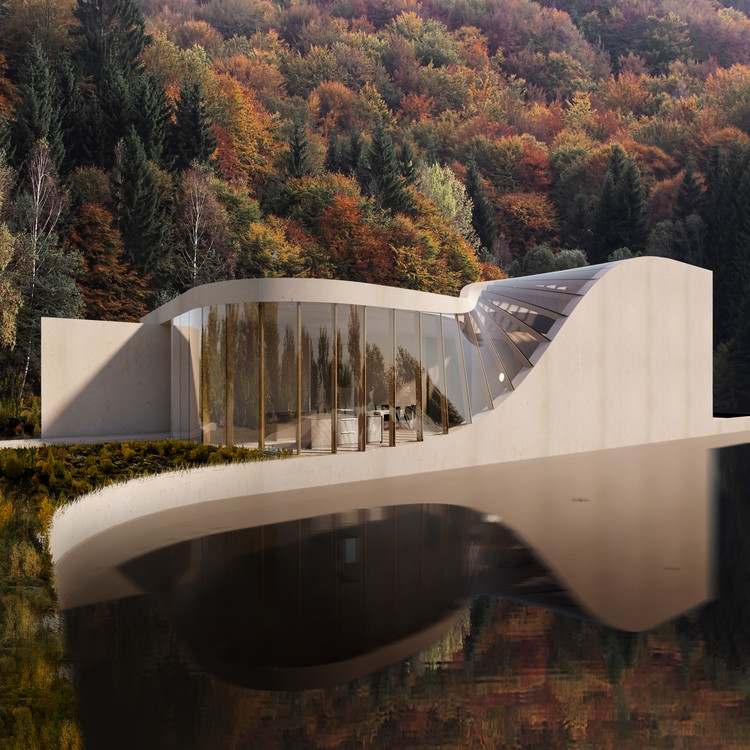
Lake House Harmonizes the Architecture with Scenic Surrounding
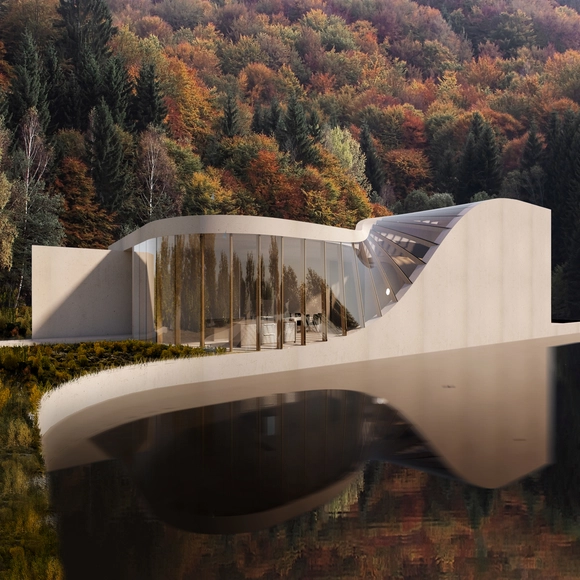
Although small residential projects tend to be limited in spatial capacity, the design possibilities remain endless, especially if the project’s site is the biggest source of inspiration.
For a small family’s vacation home, Turin-based architecture firm Wafai Architects proposed a uniquely-designed luxury villa overlooking the picturesque Türlersee lake in Switzerland.

https://www.archdaily.com/920527/lake-house-harmonizes-the-architecture-with-scenic-surroundingDima Stouhi
Atxu Amann on Architecture as Space, Time, and Body

Past, Present, Future is an interview project by Itinerant Office, asking acclaimed architects to share their perspectives on the constantly evolving world of architecture. Each interview is split into three video segments: Past, Present, and Future, in which interviewees discuss their thoughts and experiences of architecture through each of those lenses. The first episode of the project featured 11 architects from Italy and the Netherlands and Episode II is comprised of interviews with 13 architects from Spain, Portugal, France, and Belgium.
The goal of the series is to research these successful firms and attempt to understand their methods and approaches. By hopefully gaining a clearer picture of what it means to be an architect in the 21st century, the videos can also serve as inspiration for the next generation of up-and-coming architects and students as they enter the field.





https://www.archdaily.com/920957/atxu-amann-on-architecture-as-space-time-and-bodyDima Stouhi
Organic, Light and Resistant: Thermoset Technology In Architecture
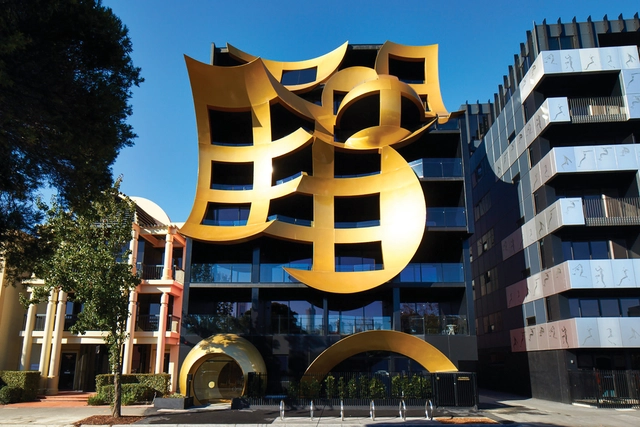
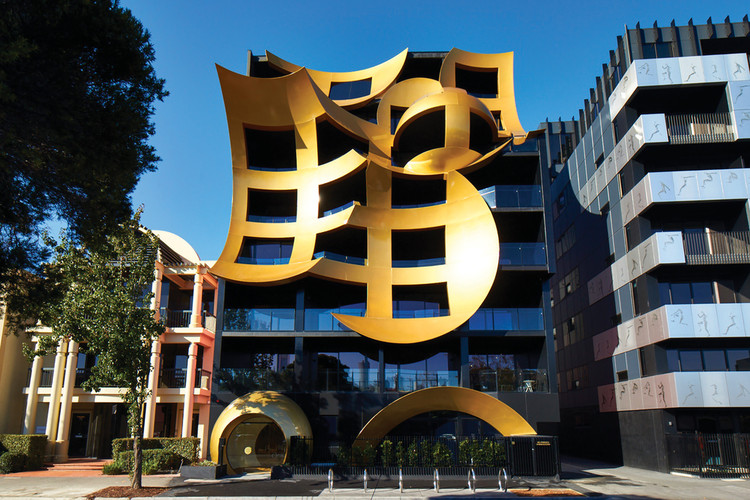
Initially created for aerospace purposes, materials based on advanced fiber-reinforced thermoset technology are increasingly being considered not only to manufacture specific building elements but also to change the way buildings are conceived, designed and built. Despite being incredibly resistant –almost six times stronger than steel– fiber-reinforced materials are light and easy to handle, allowing the creation of complexly shaped but efficient architectural projects.
We spoke with experts from ShapeShift, the creators of the ShapeShell product, in order to deepen our understanding of this technology and learn more about how we can take advantage of its possibilities in our future projects.




https://www.archdaily.com/919055/organic-light-and-resistant-thermoset-technology-in-architectureMaterials
Inside the Homes of Eight Famous Architects
Originally published in Metropolis Magazine as "Inside the Homes and Workspaces of 8 Great Architects", this article shows the spaces occupied by some of the best-known architects in the world. Documented for an exhibition that will be featured at the Milan Design Week 2014, the images give a glimpse inside the private worlds of some of our favorite designers.
It's a cliche that architects have messy workspaces. From chaos comes creation, so the phrase goes. But an upcoming exhibition at this year's Salone del Mobile intends to dispel the myth. Studio Mumbai.
Curator Francesca Molteni interviewed each of the designers in their private homes and came away with one finding: architects are actually quite tidy. The studios are all pristinely ordered; books are neatly stowed away, figurines and objets astutely displayed, and table tops swept clean. The photographs below are part of the exhibition materials, produced with the help of scenographer Davide Pizzigoni, which faithfully document the physical environments in images, video, and audio. These will be used to recreate the architects’ “rooms” at Salone del Mobile in April.
Where Architects Live is not limited to satisfying our curiosity about what these architects’ homes look like. Richard Rogers’ affirmation that “a room is the beginning of a city” resonates with the project’s aim in trying to articulate its subjects’ personal tastes and obsessions, and how those are reflected in their architectural work.
Read on to see more images of the inside of architects' homes and studios




https://www.archdaily.com/481879/inside-the-homes-of-eight-famous-architectsKomal Sharma
Restoring the Physical Nature of Design
.jpg?1562755293&format=webp&width=640&height=580)
This article was originally published on Common Edge.
As the architecture and interior design professions have advanced through the centuries, so too have their tools, from drawing on parchment in the Middle Ages to drafting on vellum with graphite in the 20th century. Today, tools like Revit and numerous 3D-modeling programs allow users to create an image of a design more quickly than ever before; in some cases, programs even generate elevations and details. Digital imagery of finish materials and 3D-block libraries of furniture and fixtures allow us to create an entire project without any tactile interaction with the items or finishes specified. But these tools, and the instant gratification offered by them, raise critical questions: Are architects and interior designers losing the physical aspect of design? Has our relationship with the physical qualities of design been watered down because we no longer have to draw a chair or bathtub, but can simply download them, thereby losing the intimacy of working out the details ourselves?

https://www.archdaily.com/920800/restoring-the-physical-nature-of-designJeff Ortman
Whose Eyes on the Street / Liu Jian for the Shenzhen Biennale (UABB) 2019

What happens when the sensor-imbued city acquires the ability to see – almost as if it had eyes? Ahead of the 2019 Shenzhen Biennale of Urbanism\Architecture (UABB), titled "Urban Interactions," ArchDaily is working with the curators of the "Eyes of the City" section at the Biennial to stimulate a discussion on how new technologies – and Artificial Intelligence in particular – might impact architecture and urban life. Here you can read the “Eyes of the City” curatorial statement by Carlo Ratti, the Politecnico di Torino and SCUT.
https://www.archdaily.com/920698/whose-eyes-on-the-street-liu-jian-for-the-shenzhen-biennale-uabb-2019Jian Liu
10 Historical Museum Buildings with Contemporary Additions

With no shortage of historical buildings in need of expansion or repurposing, alterations of older architecture via contemporary interventions have flourished in the past four decades – particularly in service of new or growing art museums. These spaces represent the resilience of our historical legacy through contemporary times, demonstrating that the combination even of two vastly different architectural styles can be both beautiful and impressive. Here are ten of the best examples of contemporary interventions on historical buildings in art museums around the world.
https://www.archdaily.com/920474/10-historical-museum-buildings-with-contemporary-interventionsLilly Cao
Documentary Film Explores How Architects Can Help Reform the Criminal Justice System
This article was originally published in Metropolismag.com.
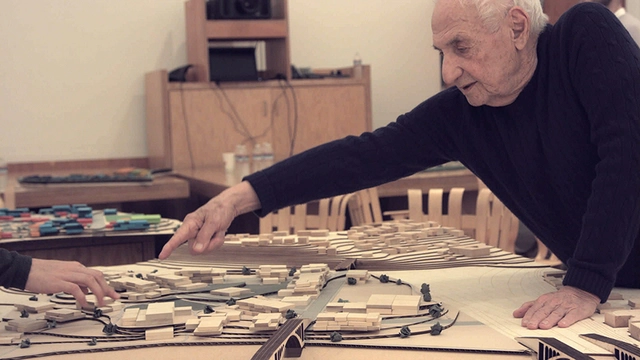
Set to screen at the ADFF:NOLA festival, Frank Gehry: Building Justice showcases how Gehry-led student architecture studios developed proposals for more humane prisons.

Thanks to initiatives like the Art for Justice Fund, Open Society Foundations, and a slew of insightful reporting, the American criminal justice system has been under great scrutiny and pressure to reform. Some of these changes have been quite prominent—such as the increasingly-widespread decriminalization of pot and pending major federal legislation—and have faced opposition from the powerful lobbying of the private prison corporations. However, despite the depth and breadth of criminal justice reform, one critically important element has remained mostly overlooked: the design of correctional facilities.
https://www.archdaily.com/920799/documentary-film-explores-how-architects-can-help-reform-the-criminal-justice-systemPaul Clemence
Overlooked Concrete Suburbs of Central and Eastern Europe
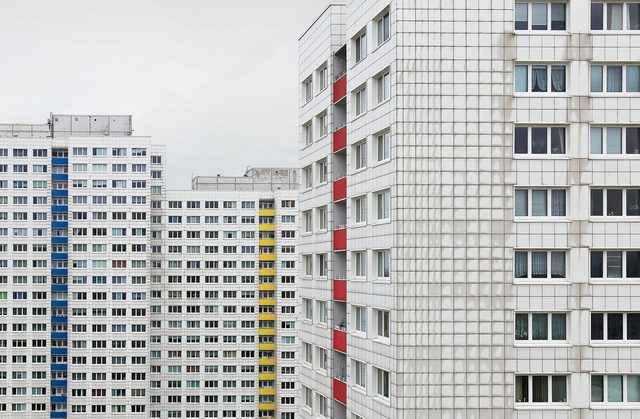
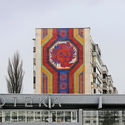
Post World War II, Brutalism found its way across Europe, redefining modernist architecture and establishing a new style for mass housing and communal buildings. Although most of the light was shed on concrete landmarks in major cities, European suburbs have also housed many exceptional brutalist buildings such as the 'Hammer-shaped Tower Blocks' or the 'Houses on Chicken Legs'.
To showcase Central and Eastern Europe's "unnoticed" brutalist architecture, Zupagrafika have shot and put together more than 100 photographs in a book titled 'Eastern Blocks', inviting readers to explore brutalist mass housing developments across Moscow, East Berlin, Warsaw, Budapest, Kyiv, and Saint Petersburg.


https://www.archdaily.com/920583/overlooked-concrete-suburbs-of-central-and-eastern-europeDima Stouhi
How to Design an Accessible Kitchen: Adjustable and Multifunctional Furniture
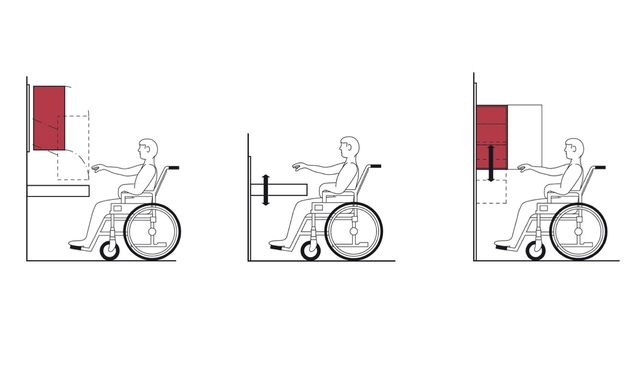
Universal accessibility in architecture refers to the capacity that all people have to access and inhabit a space regardless of their cognitive and physical capacities, and it is a subject that cannot be dismissed. Although little modifications can make a difference, it is ideal for the spaces to be thought out according to universal design guidelines from the beginning.
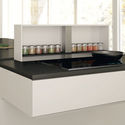
In the case of the kitchens, a series of new technologies that increase the comfort and efficiency of our daily spaces have made an appearance. Thus, multiplying its functions and allowing better use of the available surface. Let's take a look at the latest innovations presented by Häfele.



https://www.archdaily.com/920447/how-to-design-an-accessible-kitchen-adjustable-and-multifunctional-furnitureJosé Tomás Franco