Meta fitting in Matte Black. Image Courtesy of Dornbracht
Are living spaces getting smaller? As cities densify and the global population continues its steady migration toward urban centers—projected to reach around 70% by 2050—domestic space is becoming increasingly compressed. Rising land prices, high construction costs, and a surge in single-person households push developers toward smaller units and tighter floor plans. At the same time, cultural shifts toward resource efficiency and minimal living support this move. Shrinking living spaces require fewer materials, consume less energy, and encourage people to live closer to their means.
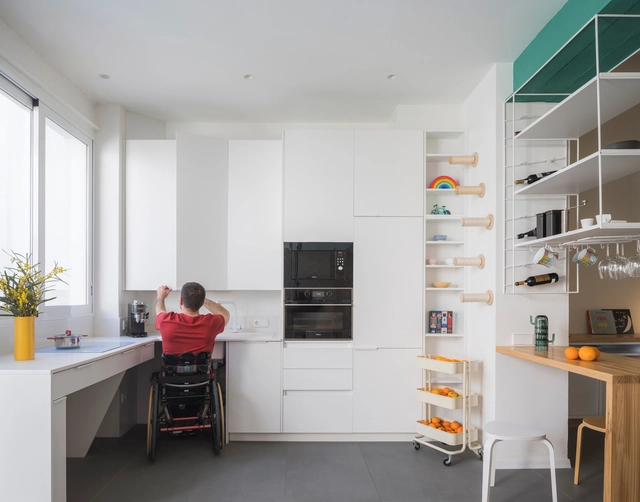
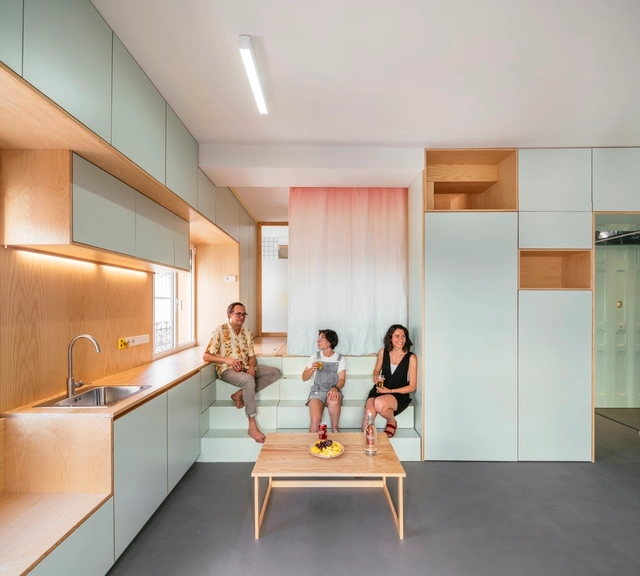
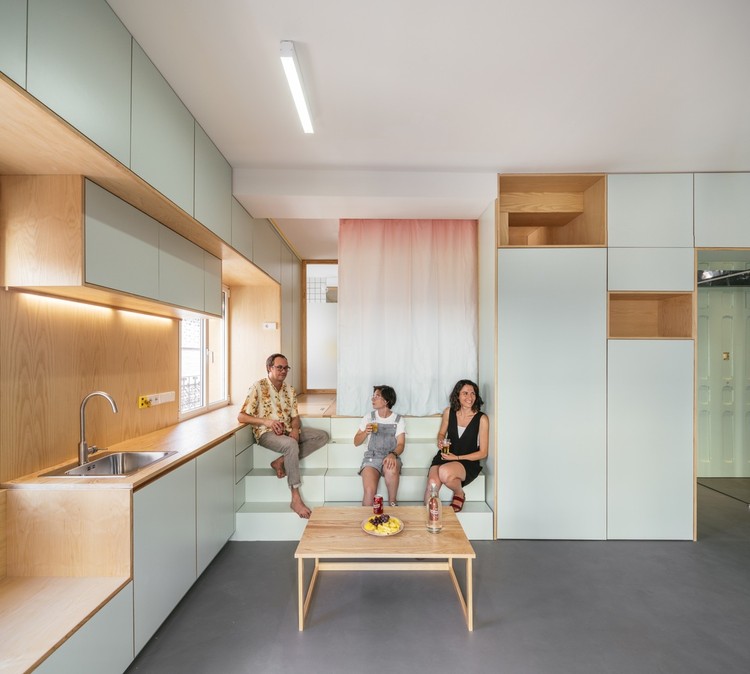
Space has become a luxury in many of the world's most densely populated cities—a growing reality that's hard to ignore. Megacities like Tokyo, Shanghai, Mumbai, Mexico City, and São Paulo already have populations exceeding 20 million, while other urban centers across Asia and Africa continue to expand rapidly. Among these, Delhi stands out: if current trends continue, it is projected to become the most populous city by 2028. As these cities expand, housing—especially new developments—follows a new logic: as square meters shrink, furniture adapts, and daily life learns to fit and thrive in high-density environments. This change isn't just about size; it reflects a new way of living. Where spaciousness once dominated, density now rules. Every corner gains spatial and commercial value, with the kitchen emerging as one of the biggest challenges in housing design today.
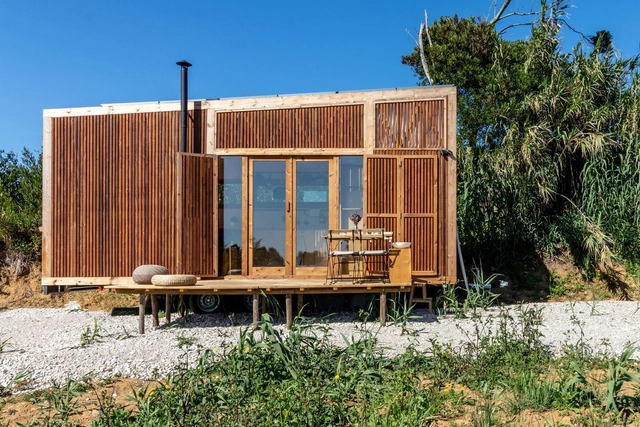
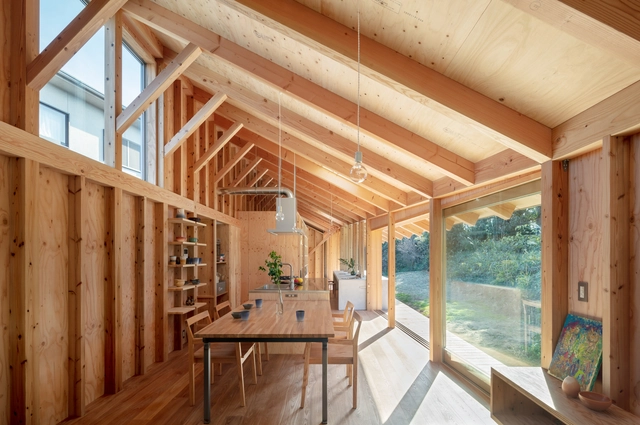
How is it possible to maximize livability in small spaces? What design decisions contribute to functionality and the fulfillment of the inhabitants' essential needs? Over the past decade, small-scale architecture has gained prominence in the quest to find new ways of living in connection with nature and in pursuit of relative self-sufficiency, among other reasons. From minimal homes or tree houses to fine carpentry solutions and sculptures, the Portuguese design studio Madeiguincho is dedicated to developing timber-based projects with the aim of promoting knowledge of wood craftsmanship as both a raw material and a building medium.
Buildner, in collaboration with building materials manufacturer Kingspan, has announced the winners of the MICROHOME Kingspan Edition, awarding a total prize fund of 150,000 EUR. This year's competition, now in its seventh edition, attracted professional and student architects and designers from 115 countries.
Designing the interior of an apartment when you have very little space to work with is certainly a challenge. We all know that a home should be as comfortable as possible for its inhabitants, but when we have only a few square meters to work with and the essential functions of the home to distribute, finding an efficient layout is not easy. Following our popular selection of houses under 100 square meters, we've gone one better: a selection of 30 floor plans between 20 and 50 square meters to inspire you in your own spatially-challenged designs.
Achieving the best use of space, reducing the footprint of the buildings that are constructed and designing an optimal distribution that can meet the needs of their inhabitants are some of the requirements and challenges faced, day after day, by architects around the world. Through the implementation of certain materials, the definition of the morphology or even the geographical and natural conditions of the terrain, it is possible to carry out various strategies that make it possible to design homes with the comfort that their users need and in the smallest amount of square metres possible.
It is often times that when living in Japan, whether you're occupying a shared house or renting out your own apartment, you'll find yourself having a limited amount of space to work with. This primarily stems from land scarcity within the country, with 73% of the land available to us being considered mountainous, with another large percentage of the country's flat land serving as farmland and a means for agricultural purposes. There is also the issue surrounding overcrowding within Japan's urban areas. Due to these factors, inflation amongst properties is rife, thus, resulting in many residents turning to small dwellings.
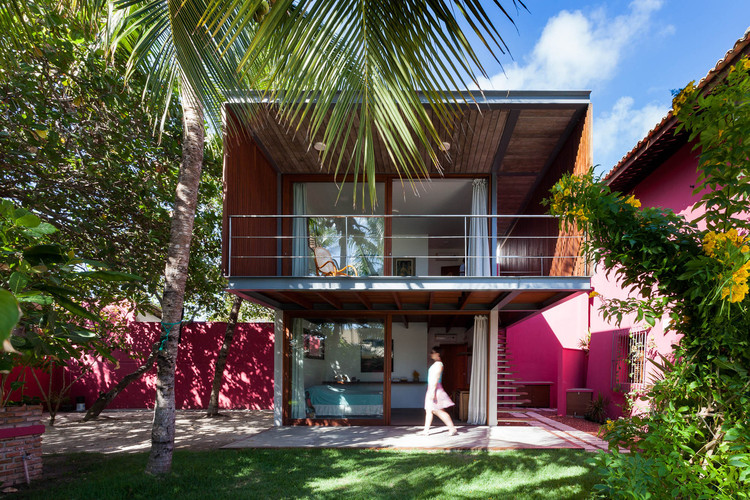
Every architect has certainly already had the experience of designing a house throughout his or her career (or at least in university). Yet, developing a residential project with limited space, either due to physical restrictions of the land or a small budget, can be an interesting challenge while attempting to optimize the space, satisfy the architectural brief and provide maximum comfort to the future residents. With this in mind, we have gathered 21 Brazilian houses under 100 square meters along with their floor plans. Check out below:
It is not clear where and when the wheel was invented, but according to American anthropologist David Anthony, author of a book on the history of the wheel, there is a series of archaeological evidence of wheeled vehicles dating from 3400 BC in Eurasia and the Middle East. Since its creation, the wheel has revolutionized the way human beings handle many activities, especially moving around.
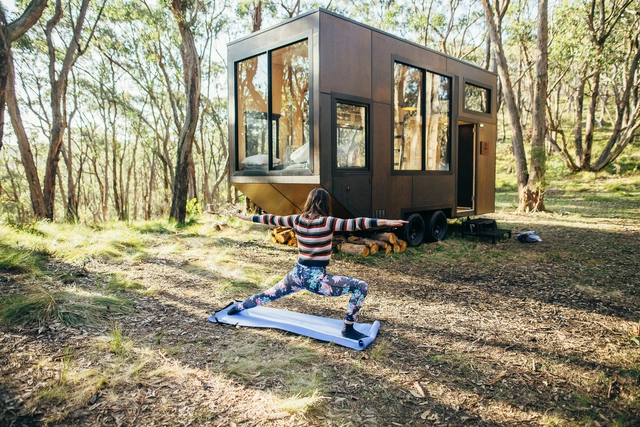
In architecture, a field closely related to occupying spaces with strong and mostly permanent constructions, wheels may at first seem to be somewhat out of place. However, due to the increased popularity of small scale houses, which concentrate the many functions of a residence in minimal spaces, a new possibility for architecture is emerging: locomotion.
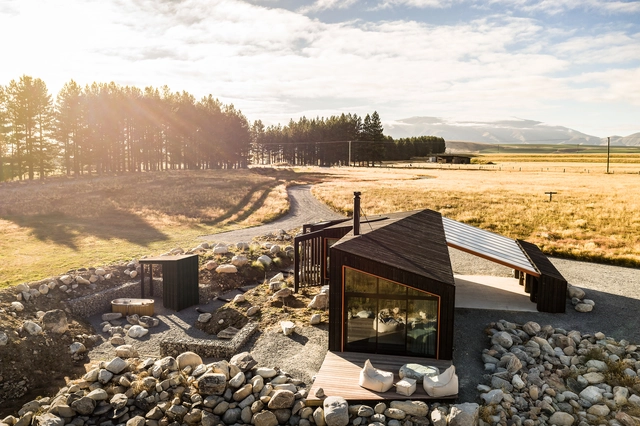
Although small residential projects tend to be limited in spatial capacity, the design possibilities remain endless, especially if the project’s site is the biggest source of inspiration.
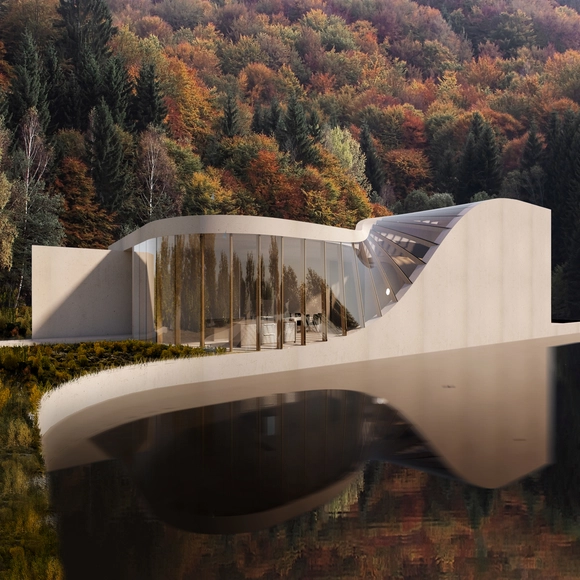
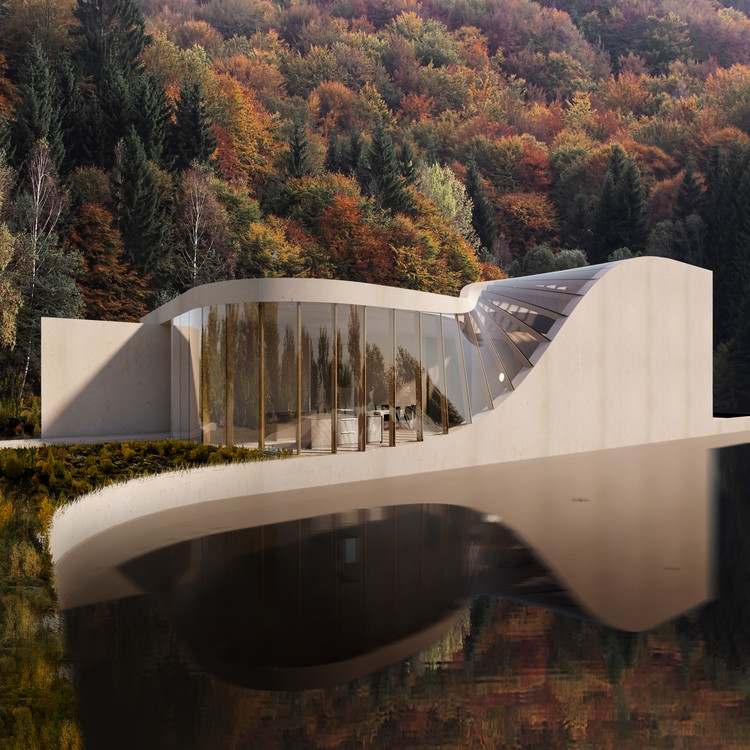
For a small family’s vacation home, Turin-based architecture firm Wafai Architects proposed a uniquely-designed luxury villa overlooking the picturesque Türlersee lake in Switzerland.
It is, once again, the time of year where we look towards the future to define the goals and approaches that we will take for our careers throughout the upcoming year. To help the millions of architects who visit ArchDaily every day from all over the world, we compiled a list of the most popular ideas of 2018, which will continue to be developed and consolidated throughout 2019.
Over 130 million users discovered new references, materials, and tools in 2018 alone, infusing their practice of architecture with the means to improve the quality of life for our cities and built spaces. As users demonstrated certain affinities and/or demonstrated greater interest in particular topics, these emerged as trends.
https://www.archdaily.com/910525/the-trends-that-will-influence-architecture-in-2019Pola Mora