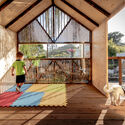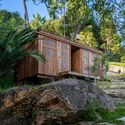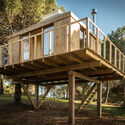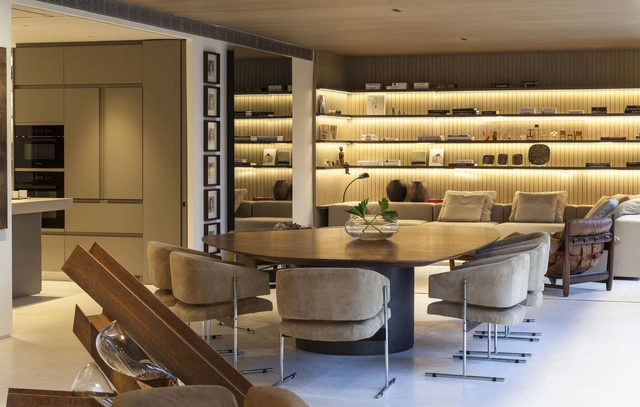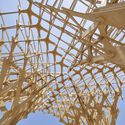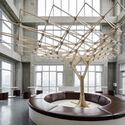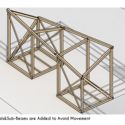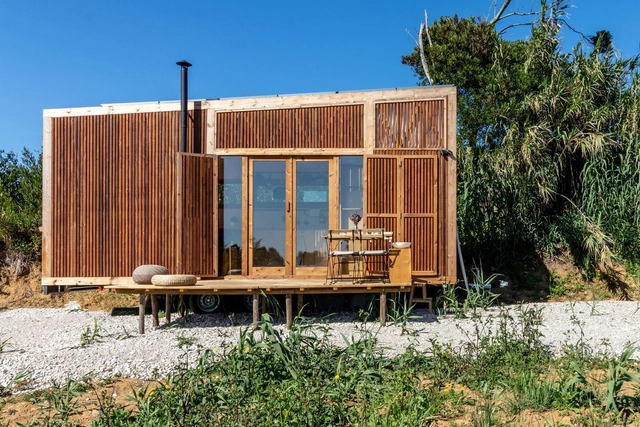
How is it possible to maximize livability in small spaces? What design decisions contribute to functionality and the fulfillment of the inhabitants' essential needs? Over the past decade, small-scale architecture has gained prominence in the quest to find new ways of living in connection with nature and in pursuit of relative self-sufficiency, among other reasons. From minimal homes or tree houses to fine carpentry solutions and sculptures, the Portuguese design studio Madeiguincho is dedicated to developing timber-based projects with the aim of promoting knowledge of wood craftsmanship as both a raw material and a building medium.
Well-planned lighting makes all the difference in an interior design project, impacting various aspects. It goes beyond mere aesthetics to play a crucial role in creating atmospheres capable of influencing and altering people's emotions and perceptions within spaces. While direct lighting can provide overall and uniform brightness, ensuring proper illumination for daily activities, indirect lighting offers a more subtle and effective approach, which creates cozy, gentle, and pleasant environments.
By imagining an alternative reality and rediscovering his cultural background, architect Jae Kyung Kim of JK-AR established his identity as an architect when creating his practice, selected as one of ArchDaily’s New Practices 2023. After studying and working in South Korea and the US, he’d noticed an absence of traditional Asian architecture, which had peaked his interest. He began to thoroughly look at a possibility where the traditional timber buildings of East Asia had still been relevant and continued to evolve.
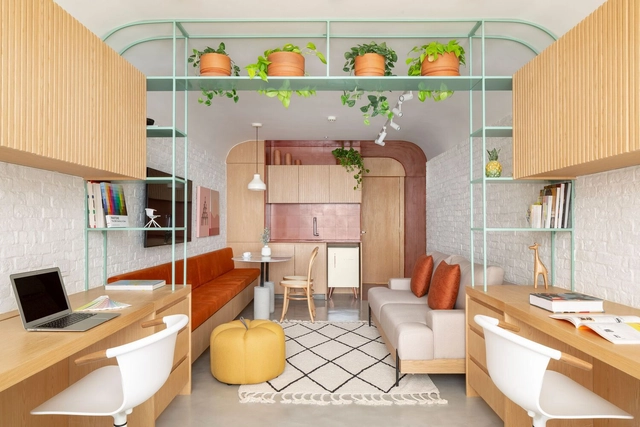
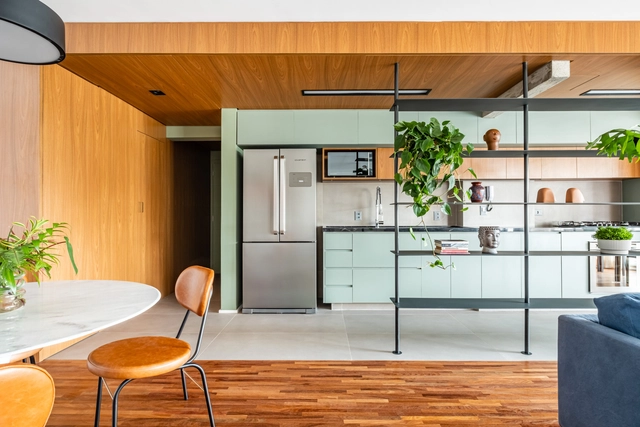
Many architectural projects have been giving special attention to cabinetry and built-in furniture. These custom-made wood pieces are designed for specific purposes and can be used to organize the space, which can be living rooms, bedrooms, studies, kitchens, and bathrooms. Besides functionality, these elements also introduce different materials, textures, and colors into the environments. This article will explore some examples of how colorful cabinets and furniture can make architectural projects more vibrant.
Making a space more practical, facilitating daily tasks, creating unity in interior design, providing different possibilities for an area without modifying it, and adding beauty are not easy tasks. Still, some elements are essential for achieving them: cabinets and shelves.
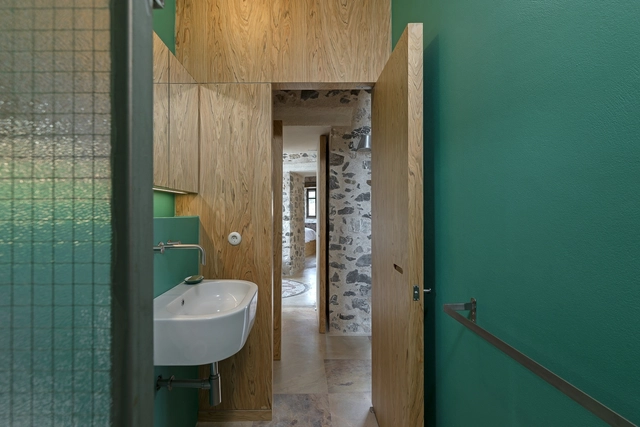
Thinking about woodworking in wet areas is one of the key parts of interior design. In the case of bathrooms, besides creating spaces for storing toiletries or towels, woodworking can serve as an element that composes the space by bringing different possibilities of decoration or even hiding pipes.
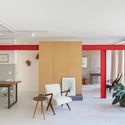
The design of cabinets and shelves is fundamental for the composition of the interior of a house. Their functions can be the most diverse - home libraries, storage, artwork and decorative elements display -, but with a little architectural ingenuity it is possible to make them protagonists, adding not only an aesthetic value to the room, but making the environment more versatile. Therefore, we have separated some tips and references to inspire your next project.
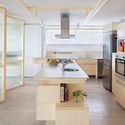
No matter what your kitchen type is, one thing is for sure: the need for cabinets. Designing a project that is functional and can incorporate all the equipment, food and ingredients can be a difficult task depending on the available area. Often, along with countertops and other coverings, cabinets are responsible for setting the tone of this environment, revealing the importance of a good design.
Wood is one of the most versatile materials used in construction nowadays and can be used for many different purposes, from beginning to end of the building process. Working with wood in a building requires specific skills that are very different from the skills of a bricklayer. Carpentry and joinery are the two main trades that handle wood in architecture and construction.
There is a fine line between the two, and people are often confused about which professional is the best suited for a particular job. This article will address the difference between the two practices to help you choose which one is best for your project.
Wood in architecture, when properly managed, is often associated with sustainability but also with a sense of comfort and coziness. Well-designed joinery can provide versatility and uniqueness to interior design, among so many other benefits.
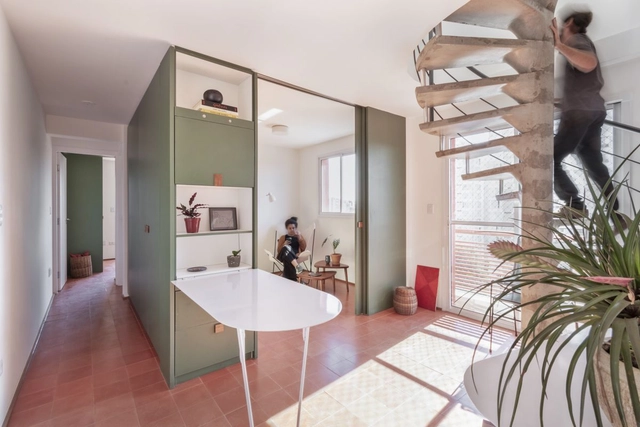
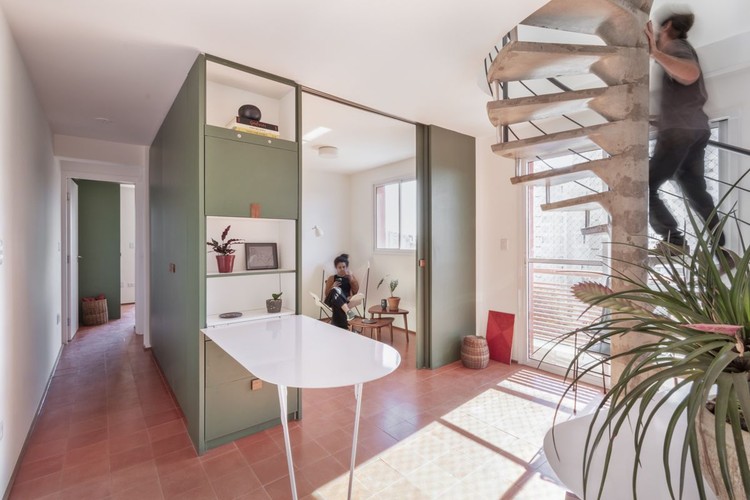
https://www.archdaily.com/955092/defining-spaces-with-wood-joinery-in-brazilian-apartmentsEquipe ArchDaily Brasil
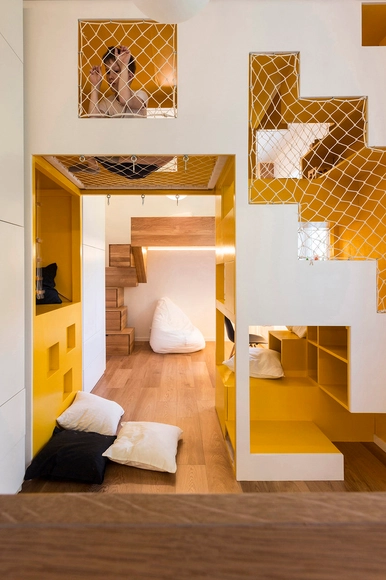
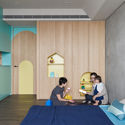
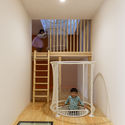
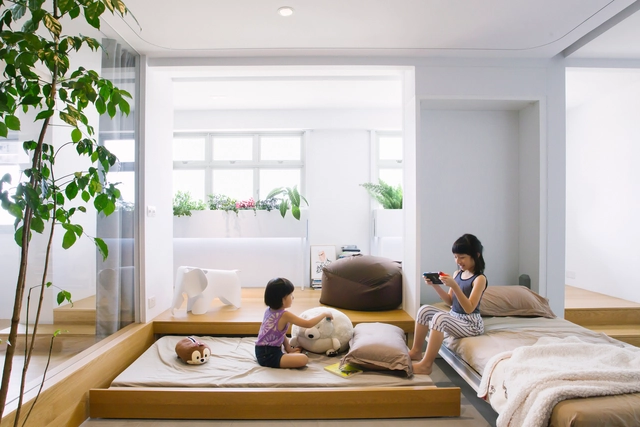
The environment we inhabit influences us directly. For kids, this environment must be especially safe and accessible, yet simultaneously stimulating, so that they can move and develop freely without jeopardizing their physical safety. We have already written about how to create playgrounds in interior spaces. Today, we put together a series of examples that use the warmth and versatility of wood to create interactive, creative, and fun interiors for children.
Most of the materials that we use in the construction of our projects have shapes and dimensions that seek to facilitate their storage, transfer, and installation, being constituted in its majority by orthogonal modulations. These straight angles don't always fit with the irregularity of our designs, nor do they coincide exactly when encountering more organic materials or other specific elements such as ducts, pillars, or furniture.
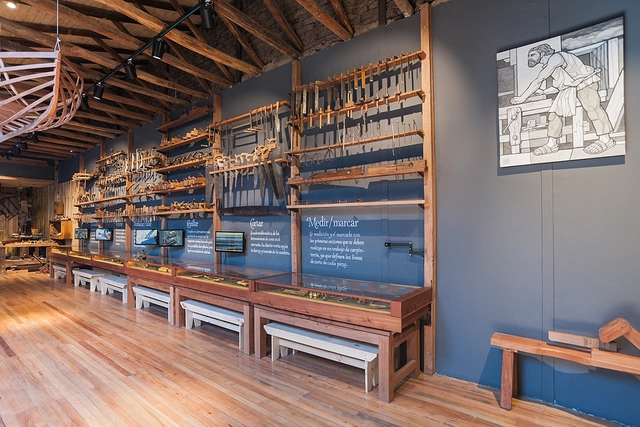
This simple tool allows you to copy, duplicate, and measure complex contours so that the materials adapt perfectly to other elements. Its mobile 'teeth' must be pressed against the profile to obtain a mold of its shape, generating templates that will allow cutting and adjusting the original material with precision. Thus, the tool could even be useful for replicating or repairing unique details in restorations or refurbishments.
The main objective of the BambooU build and design course is to promote bamboo as a green building material, and to provide tools to architects, designers, builders, engineers, and carpenters from all over the world to value this material and increase its use.
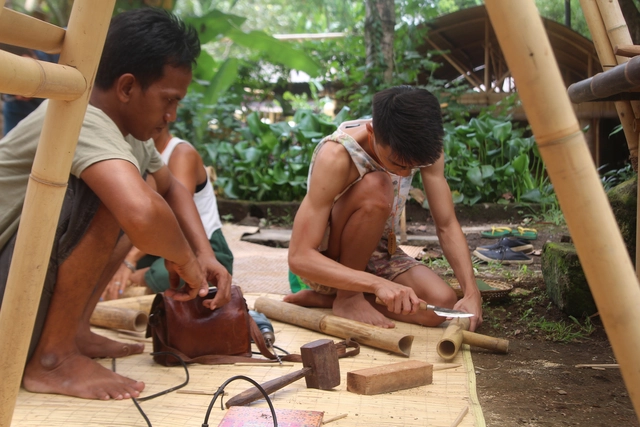
The 2017 version of the course invited its participants to be part of a basic carpentry workshop, in which Indonesian artisans—led by I Ketut Mokoh Sumerta—taught them to build the base of a simple structure in Bamboo, without using other materials and by experimenting with the cutting and joining of different pieces.
See the process of this construction below.
https://www.archdaily.com/883566/learning-basic-bamboo-joinery-with-indonesian-carpentersAD Editorial Team
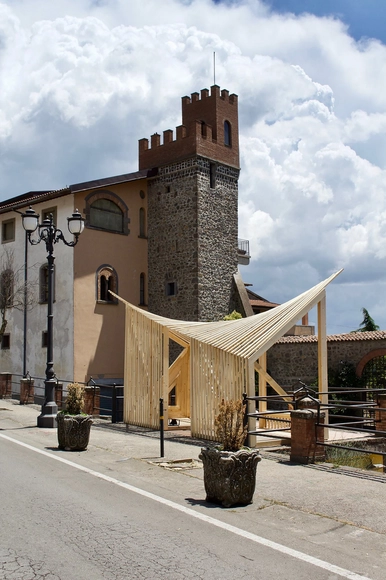
With the common goal across their portfolio of enhancing the landscape, Camposaz has designed a tourist information pavilion in Roccamonfina, Italy. The wood pavilion is sited just off of a pedestrian path, overlooking the adjacent public park with stunning views of the nearby mountains, a driver in the design.